Introduction
The House of Chanel is synonymous with elegance, sophistication, and innovative fashion design. Founded by the visionary Gabrielle Bonheur “Coco” Chanel in the early 20th century, the brand has transformed the fashion landscape and redefined women’s clothing. Coco Chanel’s revolutionary designs emphasized comfort, simplicity, and a break from the restrictive fashions of her time, paving the way for modern women’s fashion. The House of Chanel is not only known for its luxurious clothing but also for its iconic fragrances, accessories, and a rich history that continues to inspire designers today. This article explores the origins of the House of Chanel, key developments within the brand, the impact of historical context on its evolution, and the brand’s future direction in the dynamic world of fashion.
The Origins of the House of Chanel: Coco Chanel’s Early Life and Vision
Gabrielle Bonheur Chanel was born on August 19, 1883, in Saumur, France. Her upbringing was marked by hardship and resilience, which shaped her character and later influenced her groundbreaking work in fashion. Orphaned at a young age, Coco and her sisters were raised in a convent, where she first learned to sew. This skill would become the foundation for her future career. Recognizing her creative talent and yearning for freedom, Coco transitioned from life in the convent to become a cabaret singer. It was during this time that she adopted the nickname “Coco.”
Coco Chanel’s vision for the House of Chanel emerged from her desire to liberate women from the constraints of traditional fashion. In the early 1900s, women were expected to adhere to strict dress codes that emphasized corsetry and elaborate designs. Coco sought to revolutionize women’s clothing by introducing comfortable yet chic designs that allowed them to express their personalities. Her first shop, established in 1910, sold hats and quickly gained popularity among fashionable women in Paris, marking the beginning of the House of Chanel.
By 1913, the brand expanded its offerings to include a range of clothing, drawing attention to the innovative use of jersey fabric—a material previously reserved for men’s underwear. This choice was instrumental in defining Chanel’s minimalist aesthetic and signified her commitment to blending comfort with style. The House of Chanel was established with the core principle of enhancing the modern woman’s lifestyle, a mission that resonated deeply during a time of social change. As women began to take on new roles during World War I, Chanel’s designs reflected their newfound freedom and independence.
The 1920s marked a pivotal moment for the House of Chanel as Coco Chanel’s influence reached its zenith. The introduction of the “little black dress” and the iconic Chanel No. 5 perfume solidified her position as a pioneering fashion designer. By prioritizing modernity and versatility, the House of Chanel stepped beyond conventional boundaries, setting a precedent for future fashion enterprises. Coco’s vision was not merely about clothing; it was about creating a lifestyle that empowered women. The early years of the House of Chanel laid the foundation for a legacy based on innovation, elegance, and the celebration of feminine identity.
The Development of Iconic Chanel Designs and Products
The House of Chanel is known for several enduring designs that have become icons in the fashion world. One of the most significant contributions is the “little black dress,” introduced in 1926. The dress offered a versatile and elegant option for women, departing from the vibrant, ornate garments typical of the era. Coco Chanel envisioned this piece as a staple item—one that could be dressed up or down depending on the occasion. Its success marked a turning point, solidifying the concept of the “LBD” as an essential in women’s wardrobes, one that retains its status to this day.
Another hallmark of the House of Chanel is its signature handbag, the Chanel 2.55, introduced in February 1955. Created by Coco Chanel herself, this handbag featured a unique quilted design and a double-C logo, and it was one of the first shoulder bags specifically designed for women, allowing them to move freely without the constraints of carrying a handbag. Its timeless appeal has made it one of the most coveted accessories in fashion history.
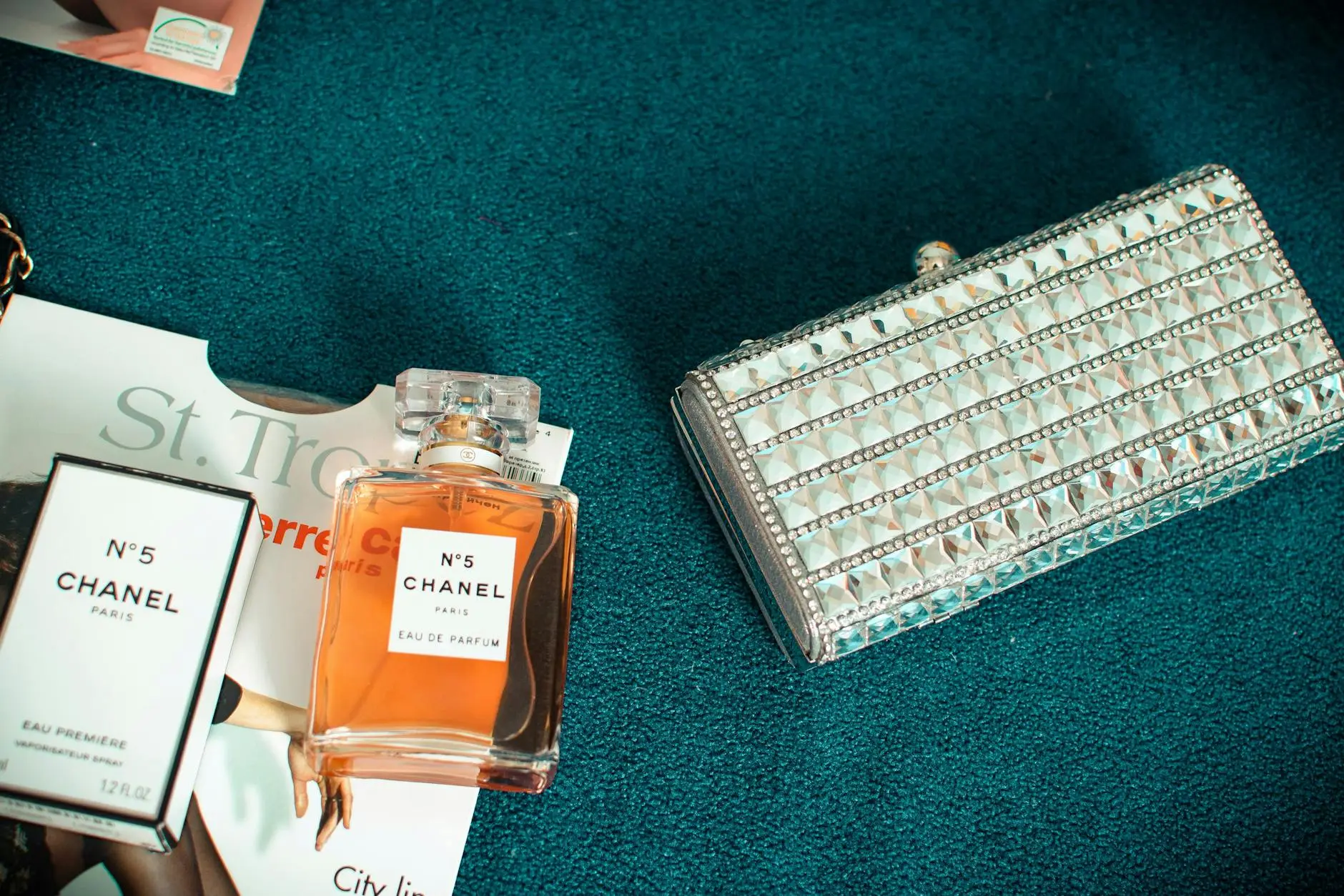
Coco Chanel’s impact extended beyond clothing to the realm of perfume with the launch of Chanel No. 5 in 1921. Created in collaboration with perfumer Ernest Beaux, Chanel No. 5 was revolutionary for its blend of floral notes and aldehydes, creating a scent that was completely unique at the time. It became the first perfume to gain international recognition, and its success catapulted the House of Chanel to global prominence. The fragrance remains a hallmark of luxury and sophistication, embodying Coco’s belief that “a woman should smell like a woman, not a rose.”
Chanel’s designs were not merely products; they were statements. Coco’s emphasis on the fluidity between masculine and feminine styles allowed her to appeal to a vast audience. The brand broke away from the rigid confines of traditional fashion and promoted liberation through style. The popularity of Chanel’s designs was not just about aesthetics but also rooted in a genuine desire to empower women to embrace their individuality.
Later developments in the House of Chanel focused on maintaining Coco Chanel’s vision in a rapidly changing fashion landscape. The introduction of Karl Lagerfeld as chief designer in the 1980s marked a significant evolution of the brand. Lagerfeld reinvigorated the House of Chanel by blending its classic elements with modern influences, appealing to new generations while paying homage to its rich history. His unique interpretations of Chanel’s timeless designs brought the brand back into the limelight and ensured its revered status in contemporary fashion.
The Influence of Historical Events on the House of Chanel
The history of the House of Chanel cannot be separated from the historical events that shaped the 20th century. World War I was a critical turning point, significantly influencing Coco Chanel’s designs and the fashion industry’s trajectory. As men went off to war, women stepped into roles traditionally held by men, leading to a dramatic shift in societal norms. This newfound freedom opened the door for Chanel to introduce designs that aligned with women’s changed roles in society.
During this tumultuous period, Chanel created clothing that emphasized comfort, freedom of movement, and practicality. Her designs resonated with women seeking both style and functionality. The break from the restrictive fashions of the pre-war era was not only a practical choice but also a political statement underscoring women’s empowerment and their capabilities beyond domestic spheres.
The Great Depression in the 1930s also had significant consequences for the fashion industry. Chanel, undeterred by economic challenges, presented clothing that was glamorous yet accessible. Her designs focused on elegance without extravagance, appealing to women who still wanted to maintain sophistication in a challenging economic climate. By prioritizing quality over ostentation, the House of Chanel captured the essence of its era, providing fashionable solutions for women undergoing economic hardship.
World War II brought additional challenges, resulting in Coco Chanel closing her businesses during the Nazi occupation of France. However, the post-war era marked a resurgence for the House of Chanel, as French fashion sought to reclaim its position in the global market. With the introduction of the classic Chanel suit, which combined elegance with functionality, the brand earned acclaim for its modern approach to women’s attire, establishing itself as a leader in the fashion industry.
The latter half of the 20th century saw the rise of youth culture and changing fashion trends, with the emergence of rock and roll, punk, and later, grunge styles. The House of Chanel adapted to these shifting sentiments while retaining its classic identity. This ability to evolve with the times while remaining true to its roots exemplifies the brand’s resilience and relevance in an ever-evolving fashion landscape.
The Evolution of the Brand in Modern Fashion
The contemporary period has seen the House of Chanel deftly navigate the complexities of modern fashion while honoring its storied history. After the passing of Coco Chanel in 1971, the brand’s leadership transitioned through various designers, each contributing their creative vision and perspective. In 1983, Karl Lagerfeld took over as the creative director and introduced a more youthful and edgy direction to the House of Chanel.
Lagerfeld was instrumental in blending Chanel’s classic elements with modern aesthetics, successfully appealing to a younger generation of consumers. He introduced bold fashion statements, such as the use of graphic prints and innovative materials, while maintaining the brand’s iconic status. Lagerfeld’s reinventions of Chanel’s classics were celebrated, and his ability to merge past and present attracted a diverse audience, leading to resounding commercial success.
Today, the House of Chanel is recognized as one of the leading luxury fashion brands globally. Its products encompass high fashion, ready-to-wear clothing, accessories, and skincare, reflecting the brand’s continuous innovation and expansion. The House of Chanel maintains its positioning by celebrating craftsmanship, with dedicated artisans producing exclusive collections that showcase meticulous attention to detail.
Collaborations with influential artists, musicians, and designers have further solidified Chanel’s relevance in popular culture. Campaigns featuring high-profile celebrities launch new products and ensure the brand remains at the forefront of fashion trends. In an era dominated by digital marketing, the House of Chanel successfully embraces social media and online retail to engage with a global audience, reinforcing its status as a contemporary luxury leader.
Furthermore, the House of Chanel places significant emphasis on sustainability and social responsibility. The brand has begun to address modern consumer concerns by incorporating sustainable practices into its production processes and promoting ethical labor practices. These initiatives resonate with today’s consumers, who increasingly prioritize brands aligning with their values.
As the House of Chanel continues to evolve in the ever-changing fashion industry, its commitment to art, culture, and innovation remains steadfast, ensuring its storied legacy and relevance for generations to come.
Conclusion
The history of the House of Chanel is a rich and fascinating narrative that intertwines fashion, empowerment, and resilience. From Coco Chanel’s early life to the brand’s enduring legacy, the House of Chanel has played a pivotal role in shaping modern fashion. Through revolutionary designs, iconic products, and a steadfast commitment to innovation, Chanel has not only transformed the fashion landscape but also empowered women to embrace their individuality and assert their identity.
As the fashion industry continues to evolve in response to societal changes, the House of Chanel stands firm as a testament to its founder’s visionary spirit. Coco Chanel’s values of elegance, simplicity, and empowerment are ingrained in the brand’s DNA, guiding its direction for the future. The House of Chanel exemplifies how a brand can maintain relevance through adaptation while honoring its history and cultural significance. Looking ahead, the legacy of the House of Chanel remains poised to inspire generations to come, making a profound impact on the world of fashion and beyond.
Sources Consulted
- Chanel Official Website
- The History of the House of Chanel
- Coco Chanel Biography
- Fashion History: House of Chanel
- Chanel: The Iconic Brand