Introduction
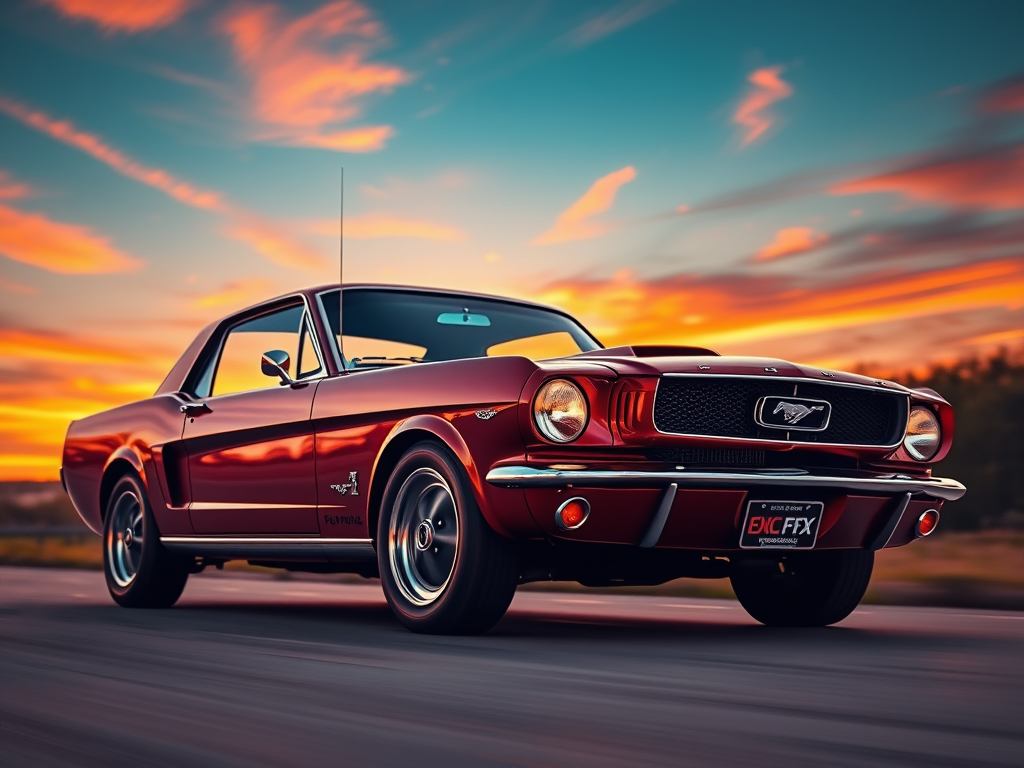
The Ford Mustang GT is more than just a car; it is an enduring symbol of American ingenuity, power, and style. Launched in 1964, the Mustang carved out a new niche in the automotive industry, giving birth to the “pony car†segment and setting the stage for decades of innovation. Renowned for its striking design, thrilling performance, and accessibility, the Mustang GT has evolved with the times while staying true to its roots. Its presence in films, music, and motorsport has solidified its status as a cultural icon, synonymous with freedom and individuality.
Throughout its history, the Mustang GT has faced challenges, from economic downturns to shifting environmental expectations, yet it has consistently adapted without losing its core identity. This article explores the story behind the Mustang GT, its design and engineering triumphs, and why it continues to captivate enthusiasts and casual drivers alike across generations.
The Birth of the Ford Mustang: A Revolution in the 1960s Automotive Market
The Ford Mustang was born out of a vision to create an affordable yet stylish and powerful car that appealed to the burgeoning youth market of the 1960s. Ford’s leadership recognized a gap in the market: young drivers and baby boomers entering the workforce were seeking cars that reflected their aspirations for independence and individuality. The Mustang, introduced on April 17, 1964, at the New York World’s Fair, fulfilled this demand and ignited a new automotive segment known as the pony car.
Under the leadership of Lee Iacocca, then Vice President of Ford, the Mustang was designed to be versatile and customizable, offering a range of engines, transmissions, and interior features. The base price of $2,368 made it accessible, while its stylish design, inspired by European sports cars, set it apart from competitors. Its long hood, short rear deck, and aggressive stance became defining features. Ford initially projected modest sales figures but was overwhelmed by demand; over 22,000 Mustangs were sold on the first day, and over 400,000 were sold in the first year.
The timing of the Mustang’s release was pivotal. The 1960s were an era of cultural transformation in America, with younger generations embracing boldness and self-expression. The Mustang’s arrival coincided with the rise of a car culture that valued performance and individuality, perfectly aligning with the aspirations of its target audience. Its appearance in media further boosted its popularity; the Mustang famously appeared in the James Bond film Goldfinger (1964), cementing its image as a car for the daring and adventurous.
The Mustang also capitalized on the growing popularity of motorsports. Ford’s involvement in racing, including its high-profile rivalry with Ferrari at Le Mans, added a performance-oriented allure to the brand. Though the original Mustang was more focused on style and affordability than raw speed, it laid the groundwork for future high-performance variants like the Mustang GT, which debuted in 1965. Equipped with a V8 engine, the GT offered enhanced power and handling, appealing to drivers who demanded more than just good looks.
The Mustang’s early success was not just a triumph for Ford but a seismic shift for the entire automotive industry. It inspired competitors such as the Chevrolet Camaro, Pontiac Firebird, and Dodge Challenger, creating a fierce competition within the pony car segment. Yet, the Mustang maintained its edge by continuously innovating while staying true to its core identity.
By the end of the 1960s, the Mustang had achieved iconic status. Its success was rooted in its ability to tap into the aspirations of a generation, offering a unique blend of affordability, style, and performance. The birth of the Ford Mustang was more than a commercial success; it was a cultural milestone that defined an era and set the stage for its enduring legacy.
The Ford Mustang’s design has always been central to its identity, blending performance with an unmistakable aesthetic that continues to evolve while staying true to its origins. Over the decades, the Mustang has undergone numerous design changes, reflecting the shifting tastes of consumers and the automotive trends of the times. However, one thing that has remained constant is the Mustang’s distinct styling, which blends muscle car aggression with sports car elegance, earning it a reputation as one of the most recognizable vehicles on the road.
The original 1964 Mustang featured a long, sculpted hood, a short rear deck, and a distinctive front grille, all of which set it apart from other cars of the era. These elements contributed to the “pony car” design language, characterized by a compact body and an athletic stance that conveyed speed and power. The car’s low-slung silhouette was both sporty and sleek, with a fastback design that became synonymous with American muscle cars. This early design, especially the aggressive yet approachable front end with its horse emblem, symbolized a sense of youthful rebellion and freedom.
As the Mustang gained popularity, Ford began experimenting with variations in design. By 1967, the Mustang was redesigned to accommodate a more powerful V8 engine and to appeal to a wider demographic, including those seeking more luxury features. The body became slightly larger and more refined, with more angular lines and a broader grille, signaling a move toward a more mature and muscular appearance. The introduction of the “fastback” design in this era further reinforced the Mustang’s association with performance. The inclusion of a larger, more powerful engine, along with the new sleek and aerodynamic body, catered to drivers looking for a car that combined both performance and presence.
The 1970s saw the Mustang’s design shift again, reflecting the societal changes of the time, including the oil crisis and environmental concerns. The car grew heavier and more conservative in design as fuel efficiency became a key selling point. The once bold and aggressive styling began to soften, with rounded edges and a more subdued overall aesthetic. During this period, the Mustang began to lose some of its initial appeal as a performance car, becoming more of a luxury sports coupe, a shift that somewhat diluted its “muscle car†image.
In the 1980s and 1990s, Ford sought to reinvigorate the Mustang’s design. The fourth-generation Mustang, introduced in 1994, was a bold step back toward the car’s original roots. The new design embraced a more angular, aggressive look while drawing inspiration from the classic 1960s Mustang. The body was lower, the grille wider, and the car sported larger headlights that gave it a more modern yet nostalgic appearance. The performance options available with the GT models once again aligned with the car’s muscle car heritage, and this revival marked a successful rebranding of the Mustang as a high-performance vehicle that still honored its legacy.
The modern-day Mustang, particularly the Mustang GT, features a design that blends traditional elements with cutting-edge technology. The latest versions maintain the aggressive front grille, long hood, and muscular stance but incorporate more contemporary features such as aerodynamic body lines and LED lighting. The introduction of advanced materials like aluminum and high-strength steel in recent models has not only enhanced the car’s structural integrity but also improved fuel efficiency without compromising the signature Mustang look. The design of the Mustang GT has also embraced global influences, ensuring that it appeals to both American and international markets.
Today, the Mustang GT retains the timeless appeal that made the original model so iconic while adapting to modern performance standards, fuel efficiency requirements, and design trends. It is a perfect example of how a car can evolve over time while still preserving its core identity. The Mustang’s design has always been integral to its status as an icon, and each new generation reaffirms its legacy as a symbol of automotive excellence and cultural significance.
Performance Innovation: Power, Speed, and the Muscle Car Legacy
From its inception, the Ford Mustang has been synonymous with performance. The Mustang GT, in particular, has played a crucial role in establishing and preserving the muscle car legacy, consistently offering a powerful driving experience that has captivated enthusiasts for generations. The GT model, with its focus on speed, power, and handling, has not only represented Ford’s engineering capabilities but has also defined the very essence of the American muscle car.
When the Mustang was first introduced in 1964, its performance options were revolutionary for a car of its price range. Ford made a bold decision to offer a variety of engine choices, allowing customers to personalize their Mustang based on their desired level of power. The base engine was a 170-cubic-inch six-cylinder, but it was the introduction of the 260-cubic-inch V8 that truly set the Mustang apart. This engine, capable of producing 164 horsepower, was a game-changer, giving the Mustang enough performance to compete with more expensive sports cars while still maintaining an accessible price point.
However, it was in 1965 that the Mustang GT truly began to shine. Ford introduced a performance-oriented version of the Mustang, equipped with a more powerful 271-horsepower 289-cubic-inch V8 engine. The Mustang GT was an instant hit with muscle car enthusiasts, offering thrilling acceleration, a distinctive engine roar, and an exhilarating driving experience. This performance package included upgrades like a special handling suspension, front disc brakes, and dual exhausts, all of which contributed to a driving experience that was both powerful and refined. The Mustang GT quickly became a symbol of American performance, outpacing many of its competitors in both straight-line speed and overall driving enjoyment.
Throughout the years, the Mustang GT continued to innovate in terms of power and performance. In the 1970s, despite the oil crisis and shifting consumer demands, Ford adapted the Mustang to meet new regulatory standards while maintaining its muscle car reputation. Engine options became more varied, and the GT models continued to feature larger, more powerful V8 engines. The introduction of the 351-cubic-inch Cleveland V8 in 1970, which produced up to 300 horsepower, further solidified the Mustang GT’s place in the muscle car pantheon.
The 1980s and 1990s saw the Mustang evolve again, this time incorporating fuel-injection technology and advanced computer-controlled engine management systems to improve both performance and fuel efficiency. The 5.0-liter V8 engine, which debuted in the 1980s, became one of the most iconic powertrains in Mustang history. It offered an optimal blend of power, efficiency, and reliability, and it was particularly popular with enthusiasts who appreciated its balance between muscle car ferocity and daily drivability. With this iteration, Ford introduced more performance-oriented models like the Mustang GT and SVT Cobra, which featured upgraded suspensions, better handling, and improved aerodynamics.
In the 21st century, Ford embraced modern performance technologies, incorporating advancements in engine design, aerodynamics, and materials to enhance the Mustang GT’s power and handling. The introduction of the 5.0-liter Coyote V8 engine in 2011 was a major milestone for the Mustang GT. The Coyote engine, delivering upwards of 420 horsepower, brought the Mustang’s performance to new heights, making it competitive with some of the world’s most respected sports cars. Along with modern features like independent rear suspension (introduced in 2015), improved braking systems, and lighter materials, the Mustang GT became a more agile and responsive vehicle, capable of delivering high-performance thrills on both the road and the track.
Furthermore, the performance of the Mustang GT is not limited to raw horsepower. Ford’s commitment to enhancing the driving experience has resulted in a well-rounded performance package that includes exceptional handling, precise steering, and an intuitive driving feel. The Mustang GT is not just about straight-line speed; it’s about delivering a dynamic and exhilarating driving experience that engages the driver at every turn.
As technology has evolved, the Mustang GT has embraced the integration of modern technologies like turbocharging, hybridization, and electric performance. With the upcoming electric Mustang Mach-E and the growing push towards sustainability, Ford is ensuring that the Mustang legacy will continue to thrive in a rapidly changing automotive landscape. Yet, no matter how the technology evolves, the Mustang GT’s core essence—uncompromising power and thrilling performance—remains its defining trait.
The Mustang GT’s performance innovations over the decades have not only made it a symbol of power but have also helped shape the muscle car genre, influencing countless other vehicles and establishing it as a performance icon.
Cultural Impact: The Mustang as an Icon of American Culture
The Ford Mustang GT is more than just a car; it has become a cultural icon that has transcended the automotive world to influence music, film, fashion, and social movements. Since its introduction in 1964, the Mustang has come to symbolize American freedom, individuality, and the open road, and it has been embraced by a wide range of communities and subcultures. Its lasting impact on American culture and global automotive history is unmatched, and its role as a cultural touchstone continues to this day.
From the very beginning, the Mustang was designed to appeal to a youthful demographic that was seeking independence and self-expression. The 1960s were a time of great social change in America, with the youth counterculture challenging traditional norms and pushing the boundaries of personal freedom. The Mustang’s introduction coincided with the rise of rock ‘n’ roll, a music genre that also embraced rebellion and nonconformity. As such, the Mustang quickly became associated with the free-spirited, adventurous ethos of the time, making it an ideal car for young people eager to define themselves outside the constraints of previous generations.
The Mustang’s cultural significance was cemented through its appearances in popular media. One of the most notable early associations was with the film Bullitt (1968), in which Steve McQueen drove a 1968 Mustang GT Fastback in one of the most iconic car chases in film history. The film’s raw, gritty portrayal of McQueen’s character as a cool, rebellious hero elevated the Mustang to a new level of cultural status. The chase sequence, in particular, showcased the Mustang’s power and agility, forever linking the car to images of action, adventure, and American masculinity. This was only the beginning of the Mustang’s media presence, as it would go on to appear in countless films, television shows, and music videos, further cementing its iconic status.
In addition to its portrayal in films and television, the Mustang also became a symbol in the world of music. The 1960s and 1970s were marked by a growing relationship between cars and the American rock music scene. The Mustang, in particular, was embraced by musicians as a symbol of youthful energy and rebellion. Songs like “Mustang Sally” by Wilson Pickett (1966) captured the spirit of the Mustang and its association with freedom and the open road. The Mustang’s presence in the soundtrack of American life made it a central figure in the soundtrack of American youth, further deepening its connection to the cultural zeitgeist of the 1960s and 1970s.
As the Mustang became increasingly synonymous with American car culture, it also developed a connection to the American ideal of the “muscle car.” The Mustang GT, in particular, represented the embodiment of speed, power, and rugged individualism. Throughout the decades, the Mustang GT has continued to represent American automotive craftsmanship and performance. It has been celebrated in car clubs, motorsports, and the performance-car community as a symbol of the American spirit of innovation and determination.
The Mustang also holds a significant place in the global market, becoming a symbol of American culture and engineering prowess worldwide. Its enduring popularity in countries like the United Kingdom, Australia, and the Middle East is a testament to its universal appeal. In many ways, the Mustang has come to represent not just American automotive history but American culture itself—its blend of power, freedom, and individuality resonating with people around the world who yearn for the same ideals.
The Ford Mustang GT’s cultural impact extends beyond its association with freedom and rebellion. The car also embodies the aspiration of achieving success and the rewards that come with hard work. Its image as a vehicle for the everyman, as well as the aspirational figure who dreams of a better life, has made it a beloved car in popular culture. For many, the Mustang represents not just the pursuit of speed, but the pursuit of dreams.
As we move into the 21st century, the Mustang continues to resonate with a new generation of drivers. The car’s deep roots in American culture and its enduring legacy make it much more than a mode of transportation; it is an emblem of the American Dream, a cultural artifact that has stood the test of time and will continue to inspire future generations.
Design Evolution: From Classic to Contemporary
The Ford Mustang GT’s design has evolved significantly over the decades, yet it has always stayed true to its roots, maintaining the distinct muscular stance and aggressive styling that first made it an icon in the 1960s. The balance between retaining the Mustang’s classic aesthetic while adapting to modern tastes and technologies has been a key factor in its enduring popularity. The design evolution of the Mustang GT reflects not only changes in automotive trends but also shifts in cultural and societal preferences, making the Mustang GT a car that bridges the gap between nostalgia and the future.
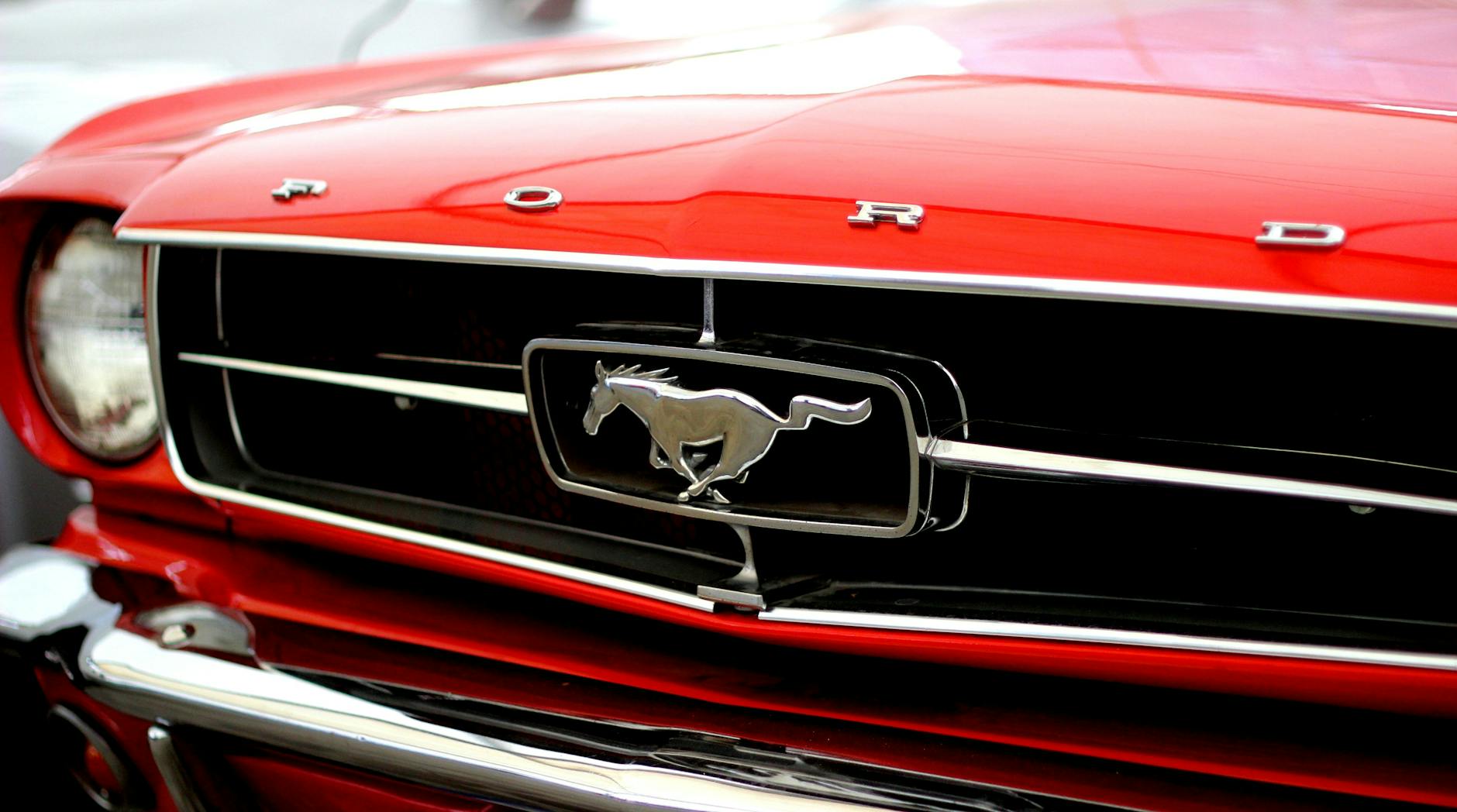
The original 1964 Ford Mustang was designed to be a compact, affordable, and stylish car that could appeal to a wide audience, from young buyers to more mature customers looking for performance. Its long hood and short rear deck were immediately recognizable, contributing to its “fastback†appearance. The aggressive front grille, circular headlights, and signature galloping horse emblem all combined to create a sporty yet approachable design. This first-generation Mustang set the standard for what a muscle car should look like—low, wide, and aggressive.
In 1965, the Mustang GT was introduced with performance enhancements, and its design reflected these upgrades. The GT featured dual exhausts, fog lamps, and a more refined interior with special trim. This new GT variant was distinguishable by its muscle-car stance, with a bold, powerful front end and slightly flared fenders to give it a more aggressive look. However, despite these updates, the core design elements of the 1964 Mustang were retained, ensuring that the car still appealed to the growing market of young buyers who saw it as a symbol of freedom and individuality.
The second generation of the Mustang, introduced in 1974, marked a significant departure from the first model’s compact design. Due to the oil crisis, consumers’ priorities shifted toward more fuel-efficient cars, and the Mustang grew in size, becoming more of a pony car rather than a true muscle car. The Mustang II, as it was called, featured a more streamlined body, a smaller V6 engine, and a more fuel-conscious approach to performance. While the Mustang II did not carry the same raw power of its predecessors, its design was still heavily influenced by the original Mustang’s principles of style and youthful exuberance.
The 1980s and 1990s saw the Mustang GT return to its roots in terms of power, but its design remained heavily influenced by the demands of a new market. The Fox-body Mustang, introduced in 1979 and lasting until 1993, brought back the performance and handling that made the original Mustang so beloved, while also adapting to modern safety and technology regulations. This generation’s design was boxier and more angular compared to earlier models, but it still maintained the long-hood, short-deck silhouette that became synonymous with the Mustang name. In the 1990s, Ford reintroduced the GT model with the classic 5.0-liter V8 engine, which gave the Mustang GT a significant performance boost while retaining the Mustang’s aggressive stance and design characteristics.
A pivotal moment in the Mustang’s design evolution came in 2005, when Ford unveiled the fifth-generation Mustang, which was a complete redesign that drew inspiration from the classic 1960s Mustang. This retro-styled Mustang was introduced at a time when nostalgia for past eras was beginning to dominate consumer culture, and it perfectly captured the essence of the original Mustang while incorporating modern features. The exterior featured a return to the classic fastback roofline, the signature trapezoidal grille, and the iconic round headlights. However, the car was also built with updated technology, offering a sleeker, more aerodynamic profile while preserving the core visual elements that made the Mustang so recognizable.
The sixth-generation Mustang, introduced in 2015, took things even further with an updated, more contemporary look. The design featured a lower, more aggressive stance, with a streamlined front end that included a larger grille and sharper, more angular headlights. The body was more sculpted and refined, showcasing Ford’s commitment to modern aerodynamics and efficient design. One of the most notable updates was the introduction of independent rear suspension (IRS), which improved handling and ride quality, making the Mustang GT more capable than ever before on both the track and the street. The fastback roofline remained, but with a more pronounced curve that added to the car’s sleek and muscular appearance. The rear end of the car was also revamped, featuring angular tail lights that gave the Mustang a more modern, dynamic look.
In 2021, the Mustang GT was further refined, with Ford introducing a wider range of customization options, including new trim levels, color choices, and upgraded technology features. The design maintained the aggressive, muscular stance but incorporated new features such as updated front and rear fascias, a more sculpted hood, and an enhanced interior. Ford also embraced more environmentally conscious design elements, such as the use of lightweight materials and improvements in fuel efficiency, while still retaining the power and performance that defines the Mustang GT.
Through each generation, the Mustang GT has remained a symbol of American automotive design. Its ability to blend classic design elements with modern innovations has allowed it to evolve while maintaining the core values that have made it an icon. Today, the Mustang GT’s design stands as a testament to Ford’s ability to stay relevant while honoring the rich history and legacy of one of the most iconic cars ever made.
Performance Legacy: Power, Speed, and Handling Through the Decades
The Ford Mustang GT’s performance has been a defining feature since its inception in 1964, cementing its place in the pantheon of iconic American muscle cars. From its early days as a relatively affordable and accessible performance vehicle to its current status as a high-performance powerhouse, the Mustang GT has always been synonymous with speed, power, and driving excitement. The car’s performance legacy is a testament to Ford’s commitment to continually push the boundaries of what a muscle car can achieve, with each generation introducing new innovations in engine technology, handling, and overall driving dynamics.
The Early Years: 1960s and 1970s
When the Mustang was first introduced, it was designed to be an affordable, yet stylish, car for the mass market. However, with the introduction of the Mustang GT in 1965, it quickly established itself as a performance vehicle capable of delivering thrilling driving experiences. The original GT featured a 271-horsepower 289-cubic-inch V8 engine, which was a substantial power increase compared to the base engine options. This made the Mustang GT a formidable competitor in the growing American muscle car market.
The 1960s and 1970s saw the Mustang evolve into a more performance-oriented vehicle. The second-generation Mustang, which was introduced in 1974, was influenced by the oil crisis and a shift in consumer preferences toward more fuel-efficient vehicles. As a result, the Mustang GT of the 1970s featured smaller, less powerful engines, with the 302 V8 becoming the standard engine option. While these engines still delivered respectable performance, the muscle car era was starting to slow down, with performance taking a backseat to fuel economy. Despite these changes, the Mustang GT’s legacy as a performance car remained intact, and it still managed to capture the hearts of driving enthusiasts.
Revival of Power: The 1980s and 1990s
The 1980s and 1990s saw a resurgence in Mustang performance, with the introduction of the Fox-body Mustang in 1979, which remained in production through 1993. During this period, the Mustang GT regained much of its former power, with the 5.0-liter V8 engine returning in the mid-1980s. The 5.0 V8 became the hallmark of the Mustang GT during this era, producing up to 225 horsepower in its most powerful configuration. This was a significant improvement over the Mustang II’s lackluster performance, and it solidified the Mustang’s place as a bona fide muscle car once again.
In the early 1990s, the Mustang GT became even more refined, with improvements in suspension and handling. The introduction of electronic fuel injection, more advanced ignition systems, and better aerodynamics allowed the Mustang to deliver smoother acceleration and better overall performance. This era also marked the beginning of the Mustang’s return to its classic muscle car roots, with Ford once again emphasizing power, speed, and handling in its design and engineering.
Modern Era: 2000s to Present
The 2000s saw the Mustang GT enter a new phase of performance excellence with the introduction of the fifth-generation Mustang in 2005. Ford brought back the retro styling of the 1960s, but with modern performance enhancements that gave the car a much more refined driving experience. The 4.6-liter V8 engine was introduced, producing 300 horsepower and offering impressive torque and acceleration. In addition, improvements to the suspension and chassis allowed the Mustang to deliver a more balanced and responsive driving experience, with better handling and braking performance than its predecessors.
The sixth-generation Mustang, introduced in 2015, represented a significant leap forward in terms of performance. The introduction of an independent rear suspension (IRS) system greatly improved handling, providing better ride quality and traction during high-speed cornering. The Mustang GT’s 5.0-liter V8 engine was upgraded to produce 435 horsepower, giving the car even more power and acceleration. With a sleek new design and modern technology, including advanced driver assistance systems and performance-enhancing features such as selectable driving modes, the Mustang GT became a true contender in the global sports car market.
In recent years, Ford has continued to refine the Mustang GT’s performance, introducing options like the high-performance Mustang Shelby GT350 and GT500 models, which feature even more potent engines and track-ready handling capabilities. The GT350, for example, boasts a naturally aspirated 5.2-liter V8 engine that produces 526 horsepower, while the GT500 takes it a step further with a supercharged 5.2-liter V8 that delivers a jaw-dropping 760 horsepower. These variants have proven the Mustang GT’s versatility, as it is now capable of both street-level thrills and track dominance, cementing its reputation as one of the most capable muscle cars on the road.
The introduction of the Mustang Mach-E, an all-electric version of the Mustang, marks a new chapter in the car’s performance legacy. While the Mach-E is a departure from the traditional gas-powered GT, it still carries the Mustang name and delivers exhilarating performance, with certain variants offering over 400 horsepower and quick acceleration times. This move into electric performance signals that the Mustang GT’s legacy will continue to evolve, pushing the boundaries of speed and power in new directions.
Conclusion: Performance at Its Core
The Ford Mustang GT’s performance legacy is deeply intertwined with its identity as an American icon. From its early days as a high-performance pony car to its current iteration as a powerhouse sports car, the Mustang GT has continuously evolved to meet the demands of enthusiasts while maintaining the raw power and exhilarating speed that made it famous. Whether it’s the roaring V8 engines of the past or the future-focused electric variants, the Mustang GT’s commitment to delivering performance remains unwavering. As a result, it has secured its place as one of the most iconic and beloved performance cars in automotive history.
Cultural Impact and Symbolism: The Ford Mustang GT as an Icon of Freedom and American Spirit
The Ford Mustang GT is not just a car; it is a symbol, a representation of freedom, power, and the American spirit. Since its debut in 1964, the Mustang has resonated with countless individuals around the world, becoming a cultural icon that transcends the automotive world. Its appeal is as much about what the Mustang represents as it is about its performance and design. Over the years, the Mustang GT has come to symbolize youthful rebellion, the pursuit of personal freedom, and a bold sense of individuality.
The Mustang and the American Dream
From its very inception, the Ford Mustang GT was marketed as a car that could embody the American Dream. In the post-war era, when America was experiencing unprecedented prosperity, the Mustang emerged as a symbol of youthful optimism and ambition. Its affordability, stylish design, and performance made it a car that anyone could aspire to own. The Mustang GT, particularly, appealed to those seeking power and freedom on the open road. It was more than just a vehicle; it was a statement of independence, an expression of a generation’s desire to break free from convention.
In many ways, the Mustang GT was the epitome of the American muscle car, embodying the boldness and drive that defined mid-20th century America. The car’s aggressive, yet accessible, performance reflected the country’s cultural values of individualism, self-reliance, and the pursuit of personal success. For the baby boomer generation, the Mustang was a tangible manifestation of these ideals, offering a sense of freedom on the road that was in stark contrast to the conformity of the era.
The Mustang and Pop Culture
The Mustang GT’s role as a cultural symbol was solidified by its presence in American pop culture, particularly in movies, music, and television. One of the most iconic moments in Mustang history came in 1968, when Steve McQueen famously drove a 1968 Mustang GT 390 Fastback in the film Bullitt. The high-speed chase scene through the streets of San Francisco became one of the most iconic in cinematic history, showcasing the Mustang’s raw power and performance. The image of McQueen behind the wheel, expertly maneuvering the Mustang through tight corners, became forever linked with the car’s image as a symbol of toughness and daring. The Bullitt Mustang became a cultural touchstone, with its status only elevated in subsequent years through restorations and re-releases by Ford.
The Mustang GT’s influence also permeated the music world. In the 1960s and 1970s, the Mustang was frequently mentioned in songs that celebrated the freedom of the open road. For example, the famous song “Mustang Sally†by Wilson Pickett became an anthem for those who dreamed of cruising in a Mustang, further cementing the car’s association with freedom and adventure. The Mustang’s appeal in music and films transcended generations, ensuring its place in the collective cultural consciousness.
The Mustang as a Symbol of Rebellion and Youth
The Mustang GT’s design, performance, and branding have always resonated with a rebellious spirit, making it especially attractive to younger generations. In the 1960s, the Mustang was marketed as a car for the youth of America, a group eager to break away from the constraints of older generations. The car’s bold, aggressive styling and powerful engine gave it an aura of defiance that appealed to young people seeking a means of self-expression. This sense of rebellion was amplified by the Mustang’s association with the counterculture movement of the time, with the car symbolizing an escape from the establishment and the pursuit of personal freedom.
As the decades passed, the Mustang GT’s reputation as a car for rebels and free spirits endured. Whether it was the 1980s Mustang GT that embraced a more angular, edgy design or the sleek and powerful 2000s model, the Mustang remained a car that appealed to individuals who wanted to stand out and embrace their unique identity. The Mustang has never been about conformity; it has always been about making a bold statement, about carving out one’s own path in life.
Global Appeal and Legacy
The cultural impact of the Mustang GT extends beyond the United States. Though it was originally designed as an American car for American consumers, the Mustang’s appeal has become truly global. Over the years, the car has found a loyal following in countries around the world, with international buyers drawn to its design, performance, and symbolism. In fact, the Mustang has been sold in over 100 countries, and it has become a symbol of American culture and ideals across the globe.
In the 21st century, Ford has continued to cultivate the Mustang’s cultural legacy, ensuring that it remains relevant in a rapidly changing world. The introduction of the all-electric Mustang Mach-E has broadened the Mustang’s appeal to a new generation of consumers who may not have considered a traditional gas-powered muscle car. Despite these changes, the Mustang’s status as a symbol of freedom, performance, and individuality remains unchanged.
The Mustang GT Today
Today, the Ford Mustang GT remains a beloved icon of American culture, its legacy preserved through its distinctive design, impressive performance, and continued presence in popular culture. It has evolved over the years, adapting to changing tastes and technologies, but its essence has remained the same. The Mustang GT still embodies the spirit of freedom, power, and self-expression, offering a thrilling driving experience to those who seek it. As a cultural icon, it continues to inspire and capture the imagination of people around the world, proving that some things truly never go out of style.
Conclusion
The Ford Mustang GT has endured as an iconic symbol of American culture, its legacy built on a foundation of performance, design, and the embodiment of freedom. From its debut in 1964 to its modern-day iterations, the Mustang GT has captured the hearts of car enthusiasts and casual drivers alike. Its combination of power, speed, and style made it the quintessential muscle car, while its cultural significance has elevated it beyond just a vehicle to a representation of personal expression and rebellion. Through its appearances in films, music, and pop culture, the Mustang GT became more than just an object of desire—it became a part of the American fabric. Today, the Mustang GT continues to evolve, embracing new technologies like electric power while staying true to its roots. With its thrilling performance and symbolic meaning, the Mustang GT remains one of the most recognizable and enduring icons in automotive history.