Introduction
BrasÃlia, the capital of Brazil, stands as a remarkable testament to mid-20th-century urban planning. Founded in 1960, it was envisioned to promote the country’s development and integrate the vast territories of Brazil. Designed by the innovative architect Oscar Niemeyer and urban planner Lúcio Costa, BrasÃlia’s layout resembles an airplane, signaling a break from traditional city planning. The city’s creation was not just an architectural endeavor; it represented a bold political decision aiming to shift the focus of Brazil from the coastal cities to the interior. As the city evolved, it became not only the seat of government but also a unique cultural and social melting pot, reflecting the complexities of Brazilian identity. This article delves into the multifaceted history of BrasÃlia, shedding light on its formation, growth, and the ongoing challenges it faces today.
The Birth of BrasÃlia: Planning and Design
The inception of BrasÃlia was primarily the brainchild of President Juscelino Kubitschek, who envisioned a bold plan to facilitate movement and encourage settlement in Brazil’s interior. Recognizing that Brazil’s development was lopsided, heavily concentrated along the Atlantic coast, Kubitschek sought to stimulate growth in the central region by establishing a new capital. The location chosen was strategic; it was relatively central, providing equal access to all regions of the country, thus symbolizing the heart of Brazil.
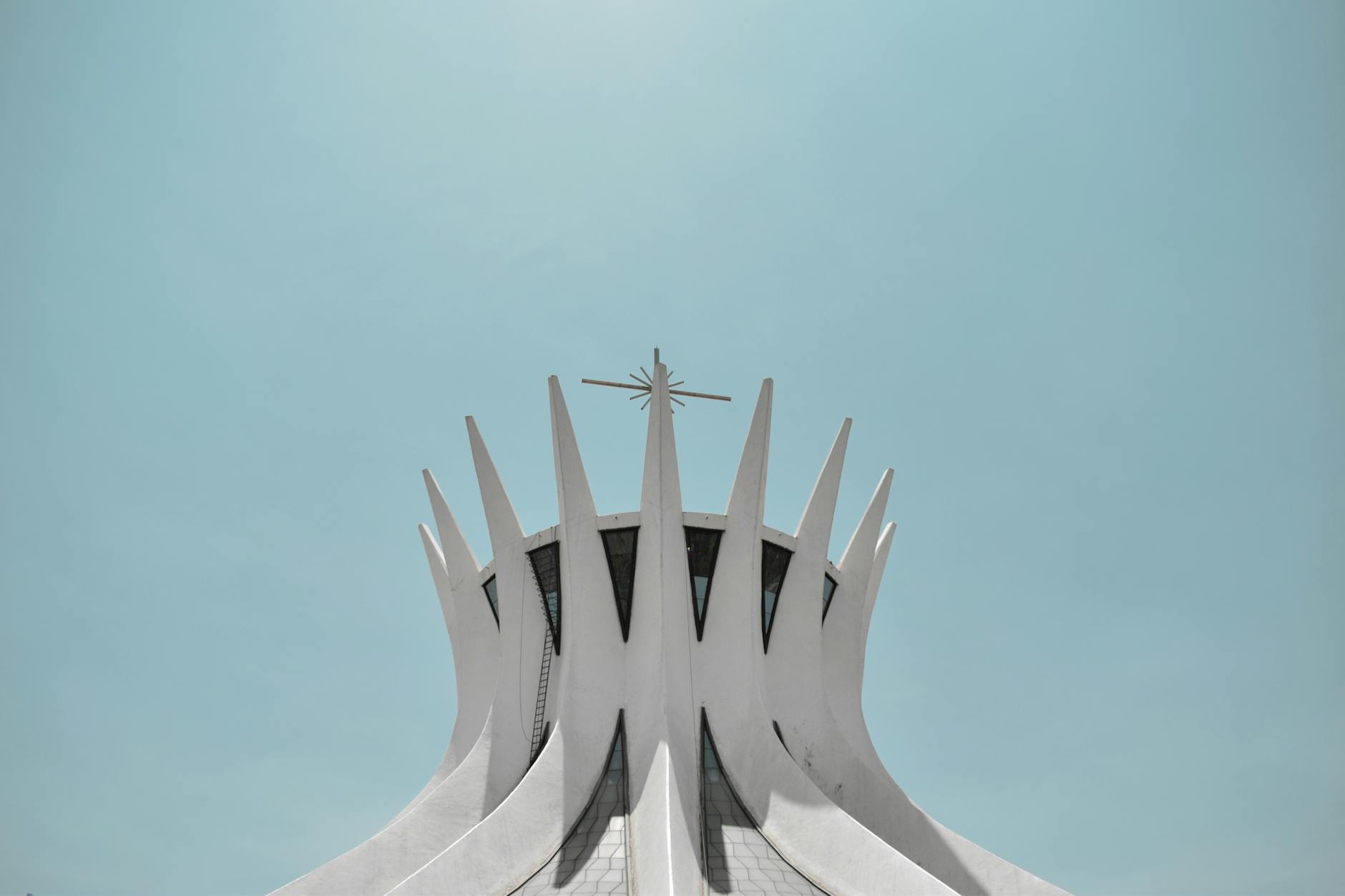
In 1956, the Brazilian government commissioned renowned architect Oscar Niemeyer and urban planner Lúcio Costa to bring this vision to life. Niemeyer’s design for the governmental buildings brought an artistic and modern flair that utilized concrete and glass to create flowing, organic forms. Lúcio Costa’s planning for the city showcased a bold and innovative layout: the city plan resembled an airplane in flight, with the central axis serving as the main thoroughfare and distinct sectors designated for various functions such as residential, commercial, and governmental purposes.
The design incorporated green spaces as a critical aspect of urban life, providing residents a visual respite and contributing to environmental sustainability. However, it faced criticism for being overly utopian and disconnected from the realities of daily life. Critics argued that the city’s design, while aesthetically impressive, was impractical for its users, raising concerns about the social interactions it fostered.
Despite these criticisms, the groundbreaking ceremony for BrasÃlia took place on April 21, 1957. This date was symbolic, coinciding with the anniversary of the city of Tiradentes, a national hero who symbolizes Brazilian independence. The aggressive timeline set by Kubitschek aimed to complete the city in just 41 months, a task that posed significant construction challenges yet fostered intense nationwide involvement in its development, drawing workers from across Brazil to partake in building the capital.
The city officially inaugurated on September 7, 1960, coincided with Brazil’s Independence Day. BrasÃlia’s architectural marvels quickly drew attention, with its National Cathedral and the Congress building becoming iconic representations of modern Brazilian architecture. The government made extensive efforts to promote the city, attracting not only government officials but also artists, intellectuals, and citizens seeking new opportunities.
Through careful planning and execution, BrasÃlia emerged as a symbol of national progress, innovation, and decisiveness. The combination of its unique architectural features and thoughtful urban planning transformed it into a magnet for new ideas and cultural movements, playing a crucial role in shaping Brazil’s identity and aspirations for modernity.
Construction Challenges and Milestones
The construction of BrasÃlia was a monumental task, fraught with challenges that tested the limits of engineering, logistics, and the will of the people involved. The swift timeline imposed by President Kubitschek required ingenuity and flexibility from construction teams, workers, and planners alike. Initially, the government faced difficulties in acquiring the necessary land in the central plateau, dealing with various landowners and negotiating as the project moved forward.
Once the land was secured, the construction teams encountered a myriad of practical challenges. The harsh climate of the BrasÃlia region, marked by dry seasons and heavy rains, meant that construction techniques had to be adapted continuously to prevent delays. The promise of decent wages attracted workers from across the nation, leading to a significant influx into the new capital’s construction sites. This labor, often unskilled, required extensive training and management to maintain efficiency and safety standards, as many were inexperienced in urban construction.
Technologically, the project was ambitious. BrasÃlia’s construction employed cutting-edge techniques for its time, including reinforced concrete and innovative prefabrication methods that allowed for rapid assembly of residential and commercial buildings. The construction of monumental buildings like the Palácio da Alvorada, the official residence of the President, and the National Congress of Brazil symbolized a new era in Brazilian architecture and public life.
Despite these advances, the project was not without its controversies. Many questioned the allocation of resources in building a capital poised to represent national unity, especially given Brazil’s ongoing social disparities. Critics pointed out that many citizens could have benefited from funds directed toward social programs rather than a new capital. These debates often became politically charged, with citizens voicing their opinions through demonstrations and writings that depicted BrasÃlia as a luxury reserved for the elite.
Furthermore, environmental concerns arose as construction disturbed local ecosystems. The rapid expansion into the surrounding landscape raised alarms among environmentalists and indigenous rights advocates. The government responded with promises of creating parks and incorporating green spaces, but the lasting ecological impact of such a large-scale construction project remained contentious.
Against all odds, the construction of BrasÃlia was officially completed in under four years, with significant milestones achieved along the way. The inauguration of the city showcased not only the architectural prowess of its buildings but also the collective determination and labor of everyone involved. It marked a turning point in Brazilian history, not only as a capital but as a living experiment in urban planning, modernization, and national identity.
Cultural Development and Identity
Following its establishment, BrasÃlia began to develop its unique cultural identity, which has been shaped by its diverse population and the influences brought by its residents from all over Brazil. The city attracted artists, intellectuals, and professionals who were drawn to its innovative spirit and opportunities for a fresh start. Over the years, BrasÃlia evolved into a vibrant cultural hub, hosting numerous events and institutions that contributed to its rich cultural landscape.
One of the fundamental aspects of BrasÃlia’s cultural identity is its architecture and urban design, which reflects the ideals of modernism. The sleek lines and bold structures of Niemeyer’s buildings not only function as government spaces but also as art forms that embody the creative aspirations of Brazil. Some notable cultural landmarks include the National Museum of the Brazilian Republic, which offers exhibitions that celebrate Brazilian art and history, and the Teatro Nacional, a concert hall that showcases local and international performances. These venues have fostered a love for the arts among residents and contribute significantly to the cultural vibrancy of the city.
In addition to arts and architecture, BrasÃlia has seen a blossoming of various cultural festivals that celebrate both its unique identity and the broader diversity of Brazilian culture. The city hosts events like the BrasÃlia Music Festival, which draws international musicians and showcases various genres, including classical, jazz, and popular Brazilian music. Local celebrations, such as the Festa Junina, integrate traditional Brazilian customs that resonate with residents who come from different regions, embodying a blend of cultural influences.
Moreover, BrasÃlia has increasingly become a platform for discussing social issues through urban art and street performances. The city is home to vibrant murals and graffiti that reflect the political and social concerns of its citizens, addressing themes such as inequality, identity, and the environment. This burgeoning street art scene reflects the conversations and conflicts present within BrasÃlia, fostering a sense of community and promoting dialogue among its residents.
The city’s educational institutions play a crucial role in shaping its cultural identity. The presence of universities and research centers has attracted a young and dynamic population, encouraging an environment of intellectual discourse and innovation. These institutions contribute to the city’s modernization narrative by engaging students in critical discussions about the future of BrasÃlia and Brazil as a whole.
However, the cultural development of BrasÃlia is not without its challenges. The city often faces criticism for its lack of social cohesion, with stark contrasts between affluent and marginalized communities. As urban migration continues, the risk of cultural homogenization rises, posing a threat to the unique identities brought by its diverse inhabitants. Addressing these disparities is vital for fostering a rich and inclusive cultural landscape that stays true to the ideals upon which BrasÃlia was built.
In conclusion, the cultural identity of BrasÃlia reflects its unique history, architectural grandeur, and the interactions of its diverse populace. As the city continues to grow and evolve, it remains a canvas for artistic expression and a dynamic participant in the broader cultural conversations shaping Brazil today.
Political Significance and Role
BrasÃlia’s establishment as the capital of Brazil was not merely a geographic relocation of power but a deliberate strategy to change the political landscape of the nation. The city’s formation symbolized a new era of governance, aimed at centralizing political activity and fostering a sense of national unity. From its inception, BrasÃlia has served as a stage for significant political developments, including hosting legislative battles, diplomatic negotiations, and social movements.
The very design of BrasÃlia reflected the aspirations of a modern and progressive nation. By relocating the capital from the coastal cities to the interior, the government aimed to integrate the vast and often neglected regions of Brazil, thus promoting decentralization of power. BrasÃlia emerged as a symbol of the Brazilian elite’s desire for a more forward-looking society, signifying the country’s commitment to development and modernization.
The city is home to key governmental institutions, including the Brazilian National Congress, the Presidential Palace, and the Supreme Federal Court, each remarkable not just for their architectural style but also their operational significance. The National Congress, with its iconic dome and bowl-shaped structures, symbolizes the power of legislative oversight. The Presidential Palace (Palácio da Alvorada) stands as a monument to executive power, while the Supreme Federal Court safeguards the rule of law, making BrasÃlia the epicenter of Brazilian politics.
As a political hub, BrasÃlia has witnessed some of Brazil’s most critical historical events and decisions. The city played a central role during the military dictatorship from 1964 to 1985, serving as a strategic base for the government. The concrete edifices of BrasÃlia became the backdrop for social upheavals, grassroots activism, and the fight for democracy, as citizens took to the streets to demand greater civil rights and social justice.
More recently, BrasÃlia has faced political challenges that reflect broader societal issues. The city has been the site of numerous protests, including those advocating for education, health care, and social justice. These movements have highlighted the gaps between government promises and the realities faced by ordinary citizens, revealing the inherent tensions within a rapidly modernizing society. The National Congress has become a focal point for debates on corruption, economic inequality, and governance, with citizens increasingly demanding accountability from their leaders.
Moreover, BrasÃlia has also emerged as a center for foreign diplomacy and international relations. Its geographic position makes it accessible for navigating discussions between countries, and the diplomatic corps is actively engaged in bilateral negotiations on issues ranging from trade agreements to environmental protections. The city houses several embassies and international organizations, making it a melting pot of cultures and ideologies.
As BrasÃlia continues to evolve, its political significance remains pivotal to the greater narrative of Brazil. The ongoing dialogues about governance, representation, and equity reflect the aspirations of a nation seeking to redefine itself in a globalized world. In navigating the complexities of modern politics, BrasÃlia stands at the forefront, embodying both the triumphs and challenges of Brazilian society.
Contemporary Challenges and Future Prospects
While BrasÃlia has fulfilled many of its founding aspirations, the city faces contemporary challenges that reflect the broader issues confronting Brazil as a whole. The rapid urbanization and population growth in BrasÃlia have strained infrastructure, exacerbated social inequalities, and tested the city’s governance models. These challenges necessitate innovative solutions to foster sustainable growth and ensure that BrasÃlia continues to fulfill its role as a national symbol of progress.
One of the most pressing issues is urban planning and infrastructure development. BrasÃlia was designed for a population of around 140,000, but as of recent estimates, the population has surpassed 3 million. This boom has led to increased traffic congestion, inadequate public transportation, and a shortage of affordable housing. Many residents are now forced to live in satellite cities, leading to a fragmented metropolitan area that blurs the lines of urban identity and makes it difficult to manage public services effectively.
The city’s urban sprawl has also raised environmental concerns, particularly regarding deforestation and habitat loss in surrounding areas. The delicate balance between development and conservation presents ongoing challenges for policymakers, who must weigh the thirst for expansion against the need to protect the natural environment. Sustainable urban planning practices, including increasing green spaces and promoting eco-friendly construction, have become integral to addressing these concerns.
Social inequality remains a critical issue in BrasÃlia, as marginalized communities struggle to access basic services such as education, healthcare, and employment opportunities. The stark disparities between affluent neighborhoods and impoverished areas underscore the urgent need for inclusive policies that promote social mobility and cohesive community building. Programs targeting education and employment initiatives can help bridge the gap, ensuring that all residents have an equal stake in the city’s growth.
Political instability continues to impact BrasÃlia, reflecting broader national concerns about governance and corruption. As citizens demand greater accountability from their leaders, the city has become a focal point for political movements advocating for transparency and active civic participation. Engaging citizens in the political process through dialogue and action is vital for rebuilding trust and fostering a more inclusive governance model.
Despite these challenges, BrasÃlia’s future holds significant potential. The city’s rich cultural landscape, bolstered by its unique architecture and diverse population, positions it as a vibrant center for innovation and creativity. As it navigates the complexities of urbanization and social equity, BrasÃlia can leverage its strengths by fostering collaboration among community leaders, government authorities, and civil society organizations.
Moreover, the global shift toward smart cities—utilizing technology to improve urban living—provides opportunities for BrasÃlia to modernize its infrastructure and public services. By investing in public transportation, energy efficiency, and digital connectivity, the city can enhance the quality of life for its residents while setting an example for sustainable urban development in Brazil and beyond.
In conclusion, while BrasÃlia grapples with the challenges of contemporary urban life, its resilience and capacity for innovation provide hope for a brighter future. By embracing its historical narrative and envisioning an inclusive and sustainable path forward, BrasÃlia can continue to thrive as a beacon of progress and modernity in Brazil.
Conclusion
The history of BrasÃlia is a remarkable narrative of ambition, innovation, and resilience. From its visionary planning and construction challenges to its evolving cultural identity and political significance, the city epitomizes Brazil’s aspirations for modernity and national unity. As BrasÃlia faces contemporary challenges such as urbanization, inequality, and political complexities, the city’s future lies in the hands of its residents and leaders who embrace the principles of inclusivity, sustainability, and active civic engagement. By recognizing its unique heritage and fostering a collaborative environment, BrasÃlia can continue to grow as a vibrant capital that embodies the hopes and dreams of Brazil’s diverse population. Ultimately, BrasÃlia not only reflects the historical journey of a nation but also serves as a canvas for its ongoing transformation, standing tall as a testament to the possibilities of human endeavor and creativity.
Sources
- “BrasÃlia: A História da Capital do Brasil” – Historical analysis by local historians
- “Oscar Niemeyer: The Man Who Built BrasÃlia” – Biographical book about the architect
- “Urban Planning and the Politics of BrasÃlia” – Journal article on urban studies
- “Cultural Life in BrasÃlia” – Reports on arts and cultural practices in the city
- “Challenges in Urban Development: The Case of BrasÃlia” – Academic paper on modern city challenges
- BrasÃlia Government official website for current policies and urban development updates