Introduction
Nestled high in the mountains of northern Ethiopia, the Lalibela monasteries stand as a testament to the endurance of faith and artistry. Carved from solid rock in the 12th century, these awe-inspiring churches were commissioned by King Lalibela with the intention of creating a \”New Jerusalem\” for Ethiopian Christians who could not make the pilgrimage to the Holy Land. The intricate designs and striking structures reflect a deep spiritual and cultural significance, showcasing the heights of medieval engineering and devotion. Beyond their aesthetic appeal, the Lalibela churches offer insight into the rich tapestry of Ethiopian history, spirituality, and resilience. As UNESCO World Heritage sites, they attract thousands of pilgrims and tourists each year, eager to witness the profound legacy of one of Christianity\’smost remarkable landmarks. In examining the history and significance of these rock-hewn churches, we uncover not just a moment in time, but a living tradition that continues to inspire awe and reverence.
Historical Background of Lalibela and its Significance
The story of Lalibela begins in the late 11th century, a time when the Kingdom of Aksum was declining, and new powers were rising in the region. King Lalibela, considered a saint by the Ethiopian Orthodox Church, sought to unite the Ethiopian people through a shared place of worship. The construction of the churches was influenced by the political climate of the time, particularly the struggles against Islamic invasions that threatened the Christian populations.
Lalibela was inspired by a pilgrimage to Jerusalem during his youth and envisioned a city that would replicate its sacred spaces. The project mobilized thousands of workers, artisans, and craftsmen, showcasing the collaboration that transcended social classes in this monumental undertaking. The churches were designed with meticulous attention to detail, reflecting not only architectural innovation but also profound spiritual symbolism.
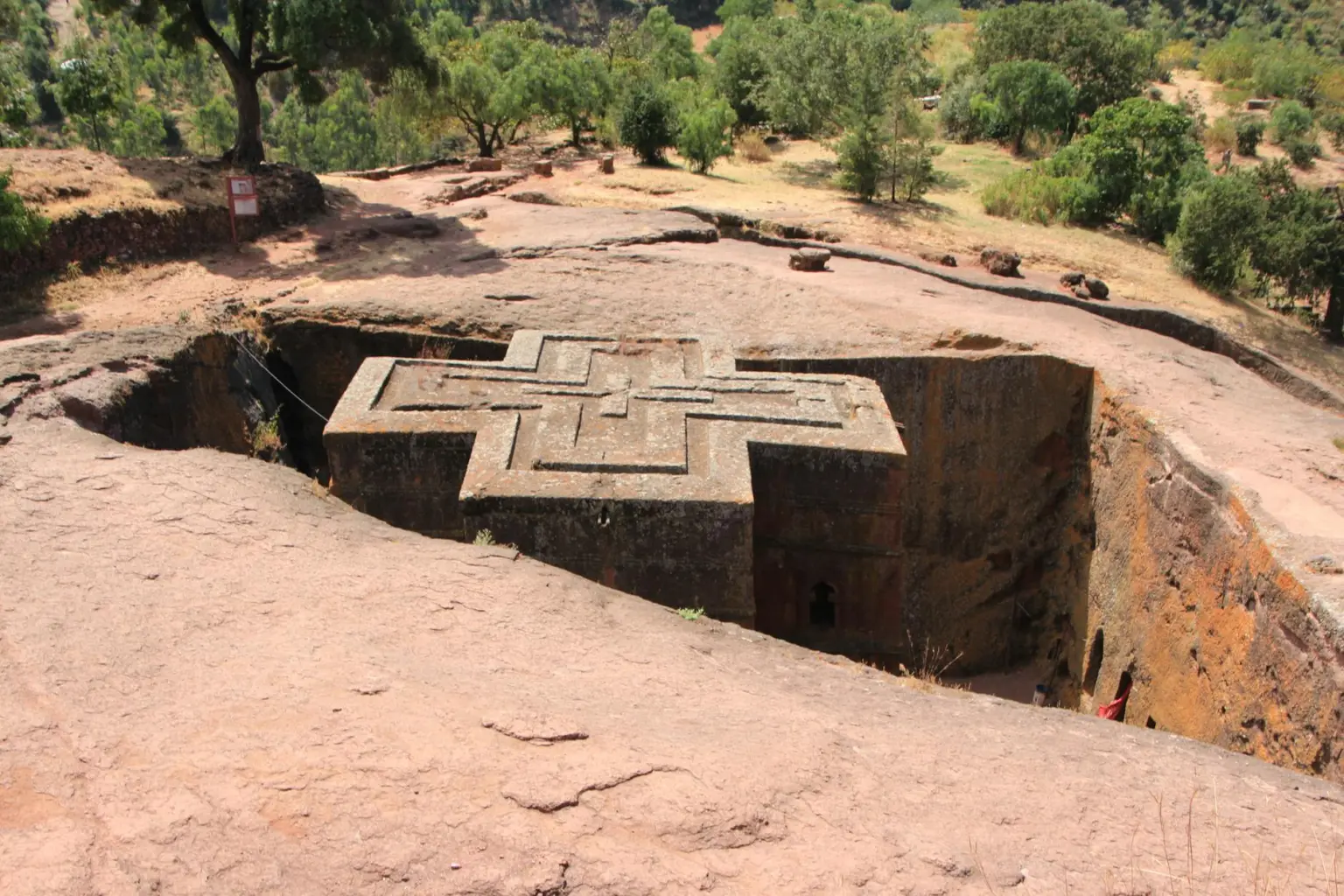
The churches are hewn from volcanic rock, and the process of construction involved carving down rather than building up. This unique method of excavation has resulted in structures that are both majestic and harmonious with the surrounding landscape. Each church is linked by a network of tunnels and trenches that further enhances the sacred journey for those who navigate their paths.
The significance of Lalibela extends beyond its architectural marvels; it represents the heart of Ethiopian Christianity and servesh as a site of pilgrimage and devotion. The churches are named after saints and biblical figures, each one tailored to specific religious practices and rituals. For locals and visitors alike, the site acts as a spiritual oasis, a place where the divine and earthly realms intersect.
Throughout history, Lalibela has faced numerous challenges, including warfare, natural disasters, and the effects of modernization. Yet, it remains a living testament to the resilience of the Ethiopian people. Pilgrims from across Ethiopia and the diaspora converge on Lalibela, especially during significant religious festivals, reinforcing the connection to their heritage and faith.
The historical relevance of Lalibela is further accentuated by its designation as a UNESCO World Heritage site in 1978. This recognition brought global attention to its significance, fostering efforts for preservation and promoting awareness of Ethiopian culture. Today, scholars and tourists alike continue to delve into the rich narrative of Lalibela, exploring the interplay between faith, identity, and history that makes these rock-hewn churches a marvel of the world.
Architectural Marvels of the Rock-Hewn Churches
The Lalibela churches are remarkable not only for their religious significance but also for their architectural ingenuity. Each of the eleven churches is unique in design, yet they all share common characteristics that highlight the craftsmanship and engineering prowess of their creators.
One of the most iconic structures is the Church of St. George (Bete Giyorgis), carved in the shape of a cross and known for its stunning monolithic form. Surrounded by a trench that connects to other churches, it exemplifies the seamless integration of sacred architecture with the natural landscape. The interior of Bete Giyorgis features intricate carvings and a stunning altar, showcasing the religious art of the time.
The churches are primarily constructed from a single rock, with the artisans carving downwards to create the structure. This method presented unique challenges, requiring significant skill to ensure stability and aesthetic beauty. The use of local volcanic tuff not only provided a durable material but also added a distinctive warmth to the buildings, making them visually striking against the surrounding mountainous backdrop.
Each church is constructed with great attention to detail, featuring elaborate stonework, intricate frescoes, and religious symbolism. The interiors are adorned with stunning murals that depict biblical scenes and saints, providing a visual narrative of the faith that the churches embody. Techniques used in the creation of these frescoes illustrate sophisticated understanding of art and spirituality in Ethiopian culture.

The design of the churches also reflects the influence of Aksumite architecture and later medieval styles, creating a unique architectural language that speaks to Ethiopia\’s rich history. The layout of Lalibela serves not only functional needs but also enhances the spiritual experience of those who visit. The churches face east, allowing the morning light to illuminate their interiors, enhancing the connection between worshippers and the divine.
Despite facing challenges due to erosion, political instability, and modernization, efforts have been made to preserve these architectural marvels. Recent restoration projects aim to maintain the structural integrity of the churches while respecting their historical significance. Preservation of the frescoes and stone carvings is paramount to ensure that future generations can appreciate the artistry and devotion embodied in these sacred spaces.
In summary, the architectural marvels of the rock-hewn churches of Lalibela showcase an extraordinary achievement in religious construction and serve as a hallmark of Ethiopia\’s profound cultural heritage. They stand not only as relics of the past but as living expressions of faith, artistry, and community, with each church telling its own story within the larger narrative of Ethiopian Christianity.
The Role of Lalibela in Ethiopian Orthodox Christianity
Lalibela is often referred to as the \”New Jerusalem\” in Ethiopian Orthodox Christianity, embodying a focal point for pilgrimage and religious practice. Its churches are not merely places of worship; they represent a living manifestation of faith and serve as a stronghold of Ethiopian identity.
For Ethiopians, Lalibela holds a unique place in their religious beliefs. The churches are considered holy sites, housing about 60 religious festivals each year that draw thousands of pilgrims. Among these are important celebrations such as Christmas and Epiphany (Timkat), where devout Christians come together to commemorate significant moments in the life of Jesus and the saints. This communal worship reinforces the deep connection between faith and community, providing spiritual nourishment for both local congregants and visitors.
The churches are also home to sacred relics, including the Cross of Lalibela, considered both a religious artifact and a symbol of Ethiopian heritage. These relics deepen the spiritual experience for pilgrims, who view their journey to Lalibela as not only an act of devotion but also an expression of national pride. The act of pilgrimage allows individuals to seek divine blessings, forgiveness, and spiritual renewal, reinforcing the church’s significance in their daily lives.
Additionally, the cultural dimensions of Lalibela in Ethiopian Orthodoxy cannot be overstated. The traditions and practices carried out within the churches are steeped in centuries-old rituals that have withstood the test of time. Ge\’ez, the ancient Ethiopian language, is still used in worship, allowing the faithful to connect with their ancestors and maintain continuity in their spiritual practices. The practice of chanting hymns and the involvement of deacons and priests in ceremonial rites further embody the vibrant living tradition of Ethiopian Christianity.
Lalibela also serves as an educational center for clergy and laypeople alike. Its churches offer a space for theological reflection and discourse, fostering an understanding of scripture and spirituality among members of the Christian community. Educational programs and workshops within the monasteries facilitate an environment that nurtures faith development and theological inquiry, ensuring that the teachings of the church are passed down through generations.
Moreover, Lalibela\’s role extends beyond local significance; it has become a symbol of Ethiopian Christianity on the world stage. The churches attract international attention, allowing for cultural exchange and dialogue among different Christian traditions. Religious leaders and scholars from around the world visit Lalibela, broadening the understanding of Ethiopian Orthodoxy and its contributions to the global Christian community.
In essence, Lalibela operates as a multifaceted spiritual hub that transcends geographical and cultural boundaries. It stands as an enduring symbol of faith, resilience, and identity for Ethiopians, representing a unique convergence of history and spirituality. As long as the churches continue to stand and the traditions persist, Lalibela will maintain its vital role in Ethiopian Orthodox Christianity.
Preservation Efforts and Challenges Facing the Churches
The preservation of the Lalibela churches is critical, as they are invaluable not only to Ethiopia\’s cultural identity but also to the world\’s religious heritage. However, various challenges threaten their existence and integrity, prompting concerted efforts for their conservation.
One of the primary challenges facing the churches is their exposure to natural erosion. The rock-hewn churches are carved from volcanic tuff, which, while durable, is susceptible to water damage and weathering. Heavy rains can lead to deterioration of the stone surfaces and frescoes, while temperature fluctuations can cause cracking. To combat this, local and international organizations have launched efforts to monitor environmental conditions and take proactive measures. Implementing appropriate drainage systems and protecting the churches from runoff are critical steps in mitigating the effects of weathering.
Additionally, tourism has brought both opportunities and challenges. While the influx of visitors provides income that can be used for maintenance and conservation, it also puts pressure on the infrastructure and integrity of the site. The increased foot traffic can lead to wear and tear, and there have been concerns about the impact of tourist-related activities on the spiritual ambiance of the churches. Efforts are being made to balance the needs of tourism with the necessity of preserving the sacredness of this historic site.
Moreover, there is a need for ongoing funding to support the preservation projects. The costs associated with restoration can be substantial, and securing consistent financial resources poses a challenge. Many organizations, both local and international, are rallying to raise awareness and funds for preservation initiatives. Grants, donations, and partnerships with NGOs have become essential to ensure that the churches can be properly maintained.
Another significant issue is the social and political landscape of Ethiopia. Political instability and conflict can divert attention and resources away from cultural preservation, making it difficult to implement long-term strategies for safeguarding the churches. Engaging local communities in the preservation process is vital, as their commitment to safeguarding their heritage ensures that restoration efforts are culturally sensitive and widely supported.
Training local artisans and conservationists in modern preservation techniques is also crucial. Building capacity within the local community ensures that the knowledge and skills needed for future conservation efforts are retained and passed down through generations. Workshops and educational initiatives focused on traditional preservation methods and contemporary techniques will empower the community to take an active role in caring for their heritage.
In conclusion, the preservation of the Lalibela churches faces numerous challenges from environmental, social, and economic factors. However, through collaborative efforts, community engagement, and sustainable practices, the rich legacy of these rock-hewn churches can be safeguarded for future generations. The commitment to preserving Lalibela not only honors the history and artistry of the past but also reinforces the enduring faith and cultural identity of the Ethiopian people.
Modern Pilgrimage and Tourism in Lalibela
In the 21st century, Lalibela continues to thrive as a pilgrimage site and tourist destination, drawing both local worshippers and international visitors. The religious significance of the churches remains a compelling reason for pilgrimage, while the architectural marvel and historical context attract tourists and scholars alike.
Modern-day pilgrims view their journey to Lalibela as an opportunity to connect with their faith, seek blessings, and participate in centuries-old traditions. Spiritual journeys are deeply embedded in Ethiopian culture, and pilgrimage to Lalibela is particularly prominent during religious festivals. Timkat, the Ethiopian Orthodox celebration of Epiphany, draws throngs of pilgrims to the churches as they reenact the baptism of Jesus. The atmosphere during such events is electric, with vibrant processions, communal prayers, and the chanting of hymns reflecting the deep faith of the community.
For pilgrims, the significance of Lalibela transcends mere tourism; it is a sacred pilgrimage that invokes spiritual renewal. Many of those who visit report transformative experiences—a reconnection to their beliefs, healing from past struggles, and a strengthened sense of community. The embodiment of faith in Lalibela is palpable, as the sacredness of the churches serves as a reminder of the spiritual roots of Ethiopian Orthodoxy.
Conversely, tourism has opened up new avenues for economic development in Lalibela. The town has witnessed a growth in infrastructure, including hotels, restaurants, and artisan markets catering to the needs of visitors. Local communities benefit from increased business opportunities, providing a sustainable source of income. However, it is essential to implement responsible tourism practices that respect the sanctity of the churches. Educating visitors about appropriate behavior and cultural sensitivity is crucial to maintaining the sacred atmosphere of Lalibela.
Efforts to promote responsible tourism are underway, emphasizing the need for a balance between economic development and cultural preservation. Community-led initiatives challenge the notion of tourism solely as a commercial enterprise, encouraging visitors to engage with local traditions and practices respectfully. By creating an experience that honors the sacredness of the site while allowing for income generation, Lalibela can become a model for sustainable pilgrimage tourism.
Digital technology has also played a role in modernizing pilgrimages and the tourist experience. Social media has allowed pilgrims and tourists to share their experiences, creating a global dialogue around the significance of Lalibela. Virtual tours and online resources provide insights into the churches and the Ethiopian Orthodox tradition, attracting a global audience eager to learn about this unique cultural heritage.
In summary, Lalibela stands at the intersection of modern pilgrimage and tourism, embodying the spirit of Ethiopian Orthodoxy while fostering economic development. By honoring the sacred significance of the churches and embracing sustainable tourism practices, Lalibela can continue to serve as a vital spiritual destination, enriching the lives of both pilgrims and visitors for generations to come.
Conclusion
The Lalibela monasteries, with their rock-hewn churches and profound spiritual significance, have etched a lasting mark on both Ethiopian culture and the global religious landscape. The complex interplay of faith, architecture, and history makes Lalibela a unique site that encapsulates the resilience and devotion of the Ethiopian people. As a living monument to the history of Christianity in Ethiopia, it serves as a reminder of the deep-rooted traditions that have shaped the nation\’s identity over centuries.
The preservation challenges faced by Lalibela are not just about conserving stones; they encompass the safeguarding of a unique cultural heritage that speaks to the heart of Ethiopian Orthodoxy. The commitment to maintaining the churches, paired with the vibrant community practices surrounding them, ensures that Lalibela remains a sacred space for both worship and education.
As tourism continues to grow, the need to practice responsible engagement becomes paramount. Balancing the influx of visitors with the need to respect and preserve the sanctity of the churches is essential. The evolving identity of Lalibela as a pilgrimage site must embrace its dual role as a spiritual sanctuary and a historical landmark, fostering a holistic approach to tourism that benefits both the local community and the global audience.
In a world marked by change and challenge, Lalibela stands as an enduring symbol of faith and heritage, inviting all who visit to partake in a journey that soars beyond the physical realm, linking past and present in a celebration of human creativity and devotion. The story of Lalibela is still being written, and its legacy will continue to inspire awe and reverence for generations to come.