Introduction
Hearst Castle, perched majestically on the rugged cliffs of California’s Central Coast, is more than just a grand estate; it is a symbol of the intersection between media influence and architectural prowess. Built for the media tycoon William Randolph Hearst, the castle exemplifies opulence and creativity, standing as a testament to America’s Gilded Age. From its inception in the early 20th century, Hearst Castle has attracted attention not only for its breathtaking design and art collection but also for its fascinating history and the man behind its creation. As we delve into the Hearst Castle history, we explore its origins rooted in Hearst’s vision, the architectural marvels that define it, and its cultural significance that resonates to this day.
The Origins of Hearst Castle: William Randolph Hearst and His Vision
William Randolph Hearst, born in 1863, was a figure of monumental significance in American media history. He inherited a vast sum of money from his father, George Hearst, a mining magnate, which allowed him to enter and thrive in the realm of journalism. By establishing Hearst Communications, he effectively revolutionized the media landscape, creating a network of newspapers and magazines that would dominate public discourse. His vision was not merely about wealth; it extended to a quest for cultural and architectural grandeur, which led to the inception of Hearst Castle.
In the early 1900s, Hearst acquired a significant amount of land in California’s peaceful coastal area, commonly referred to as “La Cuesta Encantada” or “The Enchanted Hill.” He enlisted the help of architect Julia Morgan, the first woman to graduate from the architecture program at the École des Beaux-Arts in Paris. Together, they crafted not only a residence but a complete experience reflecting Hearst’s interests and passions.
Hearst’s vision was to create a getaway that combined relaxation with the opulence of European estates. He desired a place where he could entertain notable figures of the time, including politicians, celebrities, and artists, under the California sun. He envisioned lush gardens, an extensive art collection, and an overall luxurious atmosphere that would encapsulate the spirit of old-world Europe while being distinctly American.
Construction began in 1919 and continued over the decades, illustrating Hearst’s commitment to his dream. Jacked by the ambitious vision, the project evolved from a simple guesthouse to an architectural marvel featuring 165 rooms, 127 acres of gardens, and numerous swimming pools. Hearst’s attention to detail was meticulous; he amassed art and antiques from around the world, including Roman statues and medieval tapestries, carefully showcasing them throughout the estate.
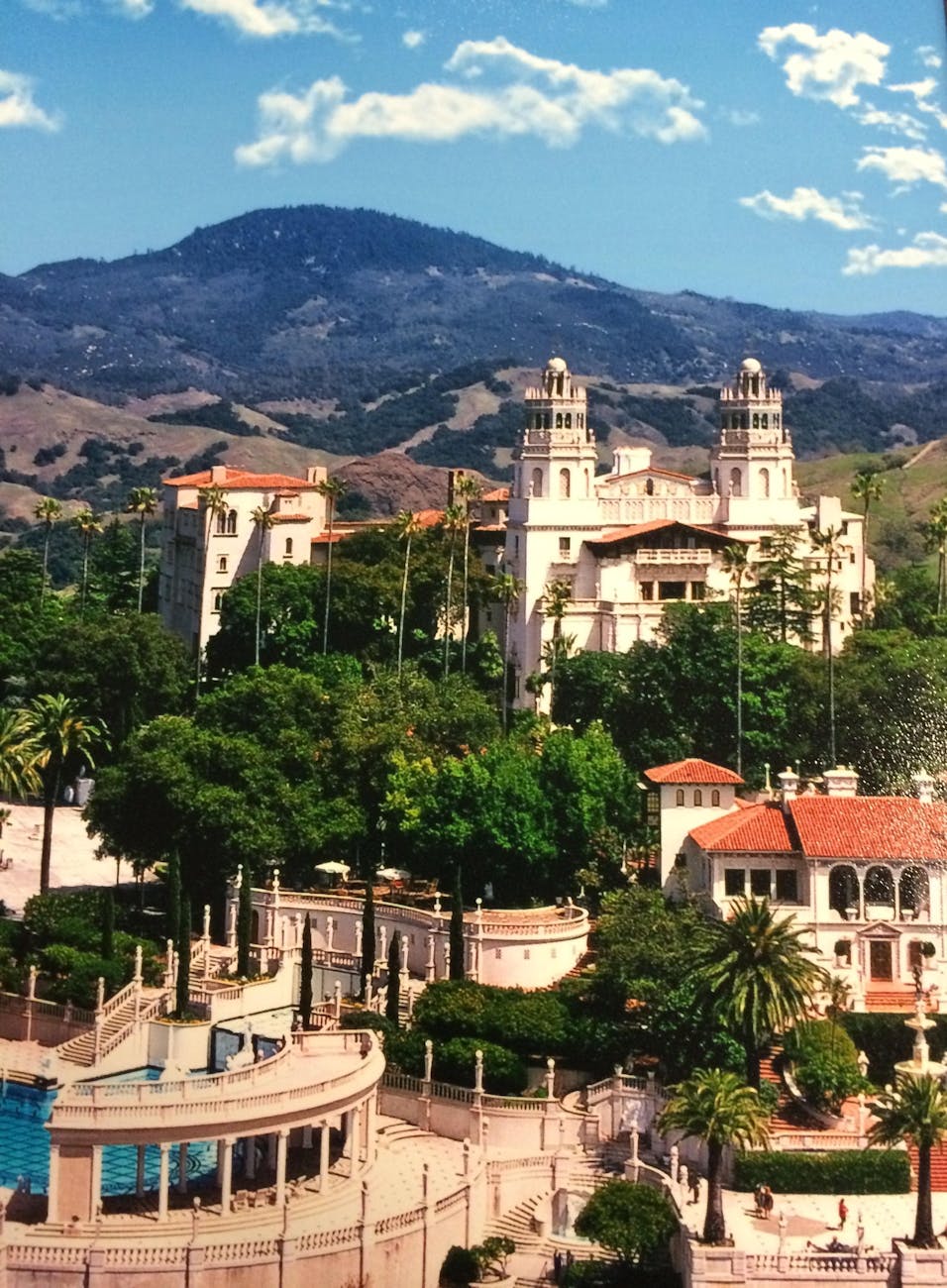
Hearst’s Castle served as more than just a personal retreat; it became a venue for social gatherings and a showcase of America’s elite. The castle’s design and grandeur drew inspiration from Spanish and Italian Renaissance architecture, harmonizing with Hearst’s love for art and history. This aristocratic style was a marked departure from traditional American homes, which often prioritized functionality over form.
Despite its lavishness, Hearst Castle was conceived as a nexus of creativity and cultural engagement. Hearst himself often played a hands-on role in its development, collaborating closely with Morgan while sometimes deviating from the plans to reflect his whims and tastes. This evolving vision mirrored both Hearst’s personal and professional life, embodying the fusion of journalistic ambition with artistic expression.
However, the construction of Hearst Castle wasn’t without challenges. The Great Depression led to financing difficulties, which limited some of Hearst’s grandiose plans. Nonetheless, the estate opened in a form that was both functional and breathtaking, a testament to persistence and creativity amid economic hardship. Hearst’s castle wasn’t merely a home; it was a manifestation of his legacy—crafted by a man who transformed the media landscape with a desire for beauty and artistry that continues to captivate visitors today.
Architectural Influences: Styles and Inspirations Behind the Design
Hearst Castle’s architectural design is a rich tapestry woven from various inspirations, reflecting the eclectic tastes of its creator, William Randolph Hearst. The castle showcases a diverse blend of styles, prominently displaying elements of Mediterranean Revival and Spanish Colonial Revival architecture. This confluence not only reveals Hearst’s appreciation for European aesthetics but also his intent to create something uniquely American.
Julia Morgan, the architect responsible for realizing Hearst’s vision, drew heavily from the ancient Roman or Spanish influences that resonate throughout the castle’s layout. The use of arched windows, terracotta tiles, and stonework serves to bridge the castle’s opulent design with the historical architectures of Europe. The grandeur of these styles invokes a sense of timeless elegance, suggestive of a rich cultural heritage that captivated Hearst.
One of the most striking aspects of Hearst Castle is the central building, known as Casa Grande, which offers both a majestic view and an invitation to explore. The various guest houses, including the Casa del Mar, Casa del Sol, and the quaint gardens, are designed with meticulous attention to detail. Morgan incorporated intricate ironwork, exquisite wood carvings, and hand-painted tiles that illustrate various artistic traditions, contributing to the rich visual narrative of the estate.
The decision to include a massive outdoor terrace highlighted Hearst’s love for entertaining and outdoor living. Known as Neptune Pool, this stunning water feature showcases a classical revival style complete with Roman statues, beautiful mosaics, and Italian marble—elements that underscore the grandeur and artistry that Hearst championed. The pool area is adorned with arches reminiscent of ancient ruins, creating a dreamlike atmosphere ideal for social gatherings and entertainment.
Throughout the estate, the art collection comprised items gathered from Hearst’s travels, including Renaissance paintings, antiquities, and European tapestries. Morgan and Hearst purposefully sourced these pieces to create a cohesive narrative throughout the property, ensuring that each room had its own unique flair while contributing to an overall cohesive aesthetic. This blend of archival art and curated spaces reflects Hearst’s fascination with history as much as it does his uncapped ambition.
Moreover, the layout of Hearst Castle was meticulously planned to contrast and complement its surroundings. Nestled on the hills, the estate provides breathtaking views of the coastline, with panoramic vistas that echo the natural beauty of California. Morgan’s design philosophy respected the site’s existing landscape, emphasizing a symbiotic relationship between architecture and nature. Each room within the castle was designed with window placements that would frame the spectacular views outside, forging a connection with the environment that surrounds it.
Hearst’s vision for his castle extended beyond physical architecture; it encompassed the creation of a lifestyle—one characterized by sophistication, leisure, and culture. Functionality served merely as a necessity; style and elegance were paramount. The inclusion of sprawling gardens, fountains, terraces, and the utilization of natural light made the castle a livable artwork, wherein the architecture itself communicated a rich story about its owner and his aspirations.
The architectural influences that shaped Hearst Castle not only mark it as a historical gem but also as a testament to human creativity. It serves as an inspiration for contemporary architects and designers worldwide, establishing a standard for harmonious living environments that embrace both beauty and utility. The complex interplay of influences ultimately redefines the concept of a castle, positioning Hearst Castle as a soaring achievement—an enduring symbol of innovation in American architecture.
The Construction Journey: Challenges and Innovations
The construction of Hearst Castle was a monumental endeavor, spanning nearly three decades and encompassing a myriad of challenges and innovations. From the initial groundwork in 1919 to the completion of various sections throughout the 1940s, Hearst and architect Julia Morgan faced a constant stream of obstacles that tested their vision and resolve yet led to remarkable advancements in architectural practices and careful craftsmanship.
Initially, the construction began with the daunting task of transforming a vast expanse of rugged hills into a suitable site for the opulent mansion Hearst envisioned. This involved not only the leveling of land but also significant earth-moving operations to create the foundation. Innovative techniques in excavation were employed to prepare the terrain, which was fraught with challenges due to its rocky composition, thus showcasing Hearst’s insistence on perfection.
As the construction progressed, the Great Depression in the 1930s cast a shadow over the project, threatening the funding and continued progress of Hearst Castle. Despite these economic challenges, Hearst’s determination remained unwavering. He prioritized the construction by reallocating resources and adjusting the project scope, showing how adaptive planning can overcome even the most formidable obstacles. This era taught valuable lessons in resource management and project prioritization—lessons that would benefit future architectural projects across the globe.
One of the most prominent innovations during Hearst Castle’s construction was the introduction of large-scale prefabrication methods. Hearst pushed for efficiency and ingenuity in the building process, leading to the precast concrete panels that contributed to the speed and effectiveness of construction. These techniques would later be applied across various architectural projects, emphasizing the importance of innovation in the building trade.
Moreover, Morgan’s unique architectural vision fostered an environment where invention thrived. She seamlessly integrated modern technology with traditional building practices. For example, she utilized steel and concrete in unexpected forms—allowing the castle to withstand seismic shocks and adapt to California’s unpredictable weather patterns. This foresight in structural integrity highlighted a crucial blend of creativity and practicality in architecture, setting a benchmark for future constructions.
Throughout the years, Hearst Castle evolved to include various artistic elements that reflected both Hearst’s personal tastes and the era’s artistic movements. Hearst’s tireless pursuit of perfection led to the acquisition of countless art pieces, which further complicated the construction process as they needed to be integrated into the overall design. This aspect required intricate planning and precise execution, driving Morgan and her team to adapt traditional craftsmanship to accommodate these unique features.
Further into the construction timeline, the adaptation of outdoor spaces became critical. Morgan created terraces, fountains, and zoysiagrass that preserved the estate’s natural ambiance while allowing for leisure and entertainment. The incorporation of gardens designed with intricate irrigation systems presented another challenge that required innovative problem-solving. Ensuring the landscape complemented the architecture while maintaining its lush beauty epitomized the intersection of nature and human creativity.
As construction drew closer to its zenith in the late 1940s, Hearst faced intensified scrutiny regarding his extravagant lifestyle. Media criticism prompted him to rethink his public persona and, subsequently, some architectural choices. This required Morgan and Hearst to balance opulence with subtlety—a challenge that would manifest in the intricate detailing of interiors as well as outdoor spaces.
Despite economic and technical challenges, the construction of Hearst Castle resulted in an architectural legacy that would stand as a symbol of resilience and innovation. Each stone laid and detail crafted spoke volumes of the determination and creativity inherent in the project. The endeavor brought forth lessons of adaptability and forward-thinking that resonate in the realms of architecture and construction to this very day, solidifying Hearst Castle’s place as a marvel in American architectural history.
Hearst Castle as a Cultural Landmark: Its Role in American History
Hearst Castle stands not only as an architectural masterpiece but as a cultural landmark that has had a profound impact on American history. Beyond its physical grandeur, the estate embodies the spirit of ambition and artistic innovation characteristic of the early 20th century. As the world underwent rapid change—marked by technological advances, cultural shifts, and the transformative power of media—Hearst Castle emerged as a focal point for varied societal trends, reflecting the era’s complexities and nuances.
At the heart of Hearst Castle’s cultural significance is its association with William Randolph Hearst, one of the most influential media magnates in American history. Hearst’s contributions to journalism, characterized by the sensationalist strategies of “yellow journalism,” transformed public access to information and defined the American media landscape. This cultural dynamism extended to Hearst Castle, where his persona and wealth intertwined with the artistic and political circles of the day. The estate was not merely a private residence; it became a hub for cultural exchanges, fostering connections among intellectuals, artists, and political leaders.
Through its doors walked famous personalities, including Charlie Chaplin, John Wayne, and many Hollywood stars of the time, as Hearst leveraged his media empire to cultivate relationships with individuals who shaped American culture. The castle served as a backdrop for various social events, film shoots, and star-studded gatherings that propelled Hollywood to new heights. This melding of media and artistry showcased the burgeoning entertainment industry’s significance in American society, firmly establishing a legacy that remains potent today.
In addition, Hearst Castle represents a unique blend of European architecture and American identity, reflecting the 20th-century fascination with culture and aesthetics. The integration of classical elements, sumptuous interiors, and curated gardens exhibits the impact of European influence on American architectural practices. This fusion of styles symbolizes the aspiration of a young nation to derive inspiration from its storied past while crafting its distinct narrative. As Americans sought to solidify their cultural identity, Hearst Castle emerged as an embodiment of these efforts—a beacon of creativity, inspiration, and a bridge between old and new worlds.
Socially, the opulence of Hearst Castle mirrored the dramatically changing landscape of America in the post-war era. While it attracted the elite, it also evoked conversations around wealth disparity and the responsibilities that come with affluence. The public sentiment surrounding Hearst’s lavish lifestyle often contradicted the realities of the time, particularly as the nation grappled with poverty and a struggling economy. In this sense, Hearst Castle became a symbol for the contradictions of the American Dream—showcasing the heights that could be achieved while prompting critical discourse about privilege and access to wealth.
As the years progressed, Hearst Castle transcended its origins to become a symbol of preservation and historical significance. Today, it is a California State Park, facilitating access to the public and promoting educational initiatives that celebrate its rich history. The estate serves as a lens through which visitors explore the interplay between art, architecture, and societal evolution, enriching the public’s understanding of American history.
The castle’s art collection, amassed by Hearst, is now presented as a testament to cultural patronage during a time of great artistic experimentation. Promoting diverse narratives, Hearst Castle showcases the progression of American artistic expression, reflecting broader cultural movements. The comprehensive exhibits inspire future generations to appreciate artistic endeavors while instilling a sense of pride in the nation’s cultural heritage.
Furthermore, the preservation of Hearst Castle is crucial as it reminds us of the importance of safeguarding history for future generations. The efforts to maintain the integrity and beauty of the estate highlight a broader movement toward recognizing and celebrating America’s architectural treasures. It serves as a rallying point for preservationists, historians, and cultural advocates, emphasizing the significance of historic landmarks in understanding the American experience.
In conclusion, Hearst Castle stands as a multi-faceted cultural landmark that weaves together themes of media influence, artistic mastery, and societal evolution. As a pivotal site in American history, it embodies the complexities of the American experience while inspiring continued dialogue around culture, art, and identity. The estate remains not only a reflection of William Randolph Hearst’s vision but a canvas of aggregated narratives that resonate throughout the ages.
Preservation Efforts: Maintaining the Legacy of Hearst Castle
Preserving the legacy of Hearst Castle represents a significant endeavor, where the interplay between historical integrity and modern conservation techniques is of utmost importance. As an architectural marvel and cultural landmark, the estate requires ongoing efforts to maintain its structural integrity while ensuring that its rich history continues to be accessible to the public. As issues of environmental sustainability and historical preservation converge, Hearst Castle stands at the forefront of efforts to merge the visions of the past with contemporary practices.
Following Hearst’s passing in 1951, the castle was entrusted to the state of California in accordance with his will. This transition from private ownership to state park status marked a pivotal shift in the management and accessibility of the estate. The California Department of Parks and Recreation now oversees the preservation of Hearst Castle, launching numerous initiatives aimed at conserving and restoring this historical landmark while promoting public engagement through tours and educational programs.
One of the most pressing challenges in the preservation of Hearst Castle is the threat of environmental factors. Located within a coastal region, the estate faces diverse weather conditions—from heavy rain to intense sunlight—that can erode its exterior and compromise its artistic elements. Preservationists have implemented restoration projects to safeguard the delicate stonework, stucco finishes, and intricate artwork from degradation, ensuring that future generations can appreciate the beauty of the estate as it was originally intended.
Equally important is the careful conservation of Hearst’s extensive art collection, housed within the castle. The artworks span centuries and include invaluable pieces that speak to the cultural richness of the time. Special care is taken to regulate temperature and humidity levels in the display areas to mitigate the risk of potential damage. Restoration specialists work tirelessly to address wear and tear, intricately weaving together art conservation techniques with a respect for each piece’s historical significance.
Education plays a vital role in the preservation efforts surrounding Hearst Castle. The state park system actively engages visitors, offering guided tours that provide insight into the history, architecture, and the importance of preserving cultural heritage. Interactive programs, workshops, and exhibitions foster a deeper appreciation for the arts and conservation, encouraging public advocacy for historic sites. By nurturing a sense of connection and responsibility toward the estate, the preservation team effectively promotes a shared journey of understanding that enriches the overall visitor experience.
Digital technology has revolutionized the approach towards preservation and engagement at Hearst Castle. The implementation of modern resources, including virtual tours and enhanced interpretive displays, allows for broader access to the estate’s history while minimizing physical impacts on its delicate environment. This amalgamation of technology with traditional preservation efforts expands the ability for individuals to connect with the estate, reinforcing its relevance in the contemporary context.
Additionally, public-private partnerships often enhance the preservation processes, as fundraising initiatives and sponsorships provide critical resources for the ongoing conservation of the castle. Events, such as galas, art exhibitions, and educational outreach programs, promote community involvement while generating imperative financial support for preservation needs. The mobilization of community efforts in the stewardship of Hearst Castle exemplifies how collective action can secure the future of cultural landmarks.
The ongoing preservation of Hearst Castle illuminates broader themes seen in heritage conservation worldwide. As communities grapple with the demands of modernization and development, the commitment to safeguard historical treasures grows ever more critical. Insights gained from the legacy of Hearst Castle offer valuable perspectives for conservationists and advocates, reinforcing the belief that such extraordinary sites should serve as communal assets rather than isolated histories.
In conclusion, Hearst Castle’s preservation efforts stand as a testament to the intersection of history, architecture, and culture—a responsibility that is shared between the state and the community. The ongoing commitment to maintaining the estate ensures that its legacy will continue to inspire future generations while serving as a vital touchpoint in understanding American history. Through innovative strategies, public engagement, and steadfast dedication, Hearst Castle will remain a beacon of architectural brilliance for years to come.
Сonclusion
Hearst Castle vividly encapsulates a remarkable journey through architecture, history, and cultural significance. From its inception as a personal retreat for media mogul William Randolph Hearst, it has transformed into an iconic landmark reflecting the complexities of American identity. Each section of the estate, enriched with art and storytelling, draws visitors into a world where past ambitions meet present realities.
The intricate architectural details showcase the creativity of Julia Morgan while echoing the influences of European grandeur that inspired Hearst’s vision. Even the challenges faced during its construction reveal a narrative of resilience and innovation—an enduring testament to human tenacity. Furthermore, as a cultural landmark, Hearst Castle not only highlights the social milieu of its time but also serves as a living museum of 20th-century ambition and artistic passion.
Today, visitors walking through its lavish halls and gardens encounter a unique blend of history, luxury, and imagination. More than just an extravagant estate, Hearst Castle is a symbol of vision, determination, and cultural aspiration. It continues to fascinate as both a California treasure and a window into the grand narratives of America’s past, ensuring that its legacy will endure for generations to come.