Introduction
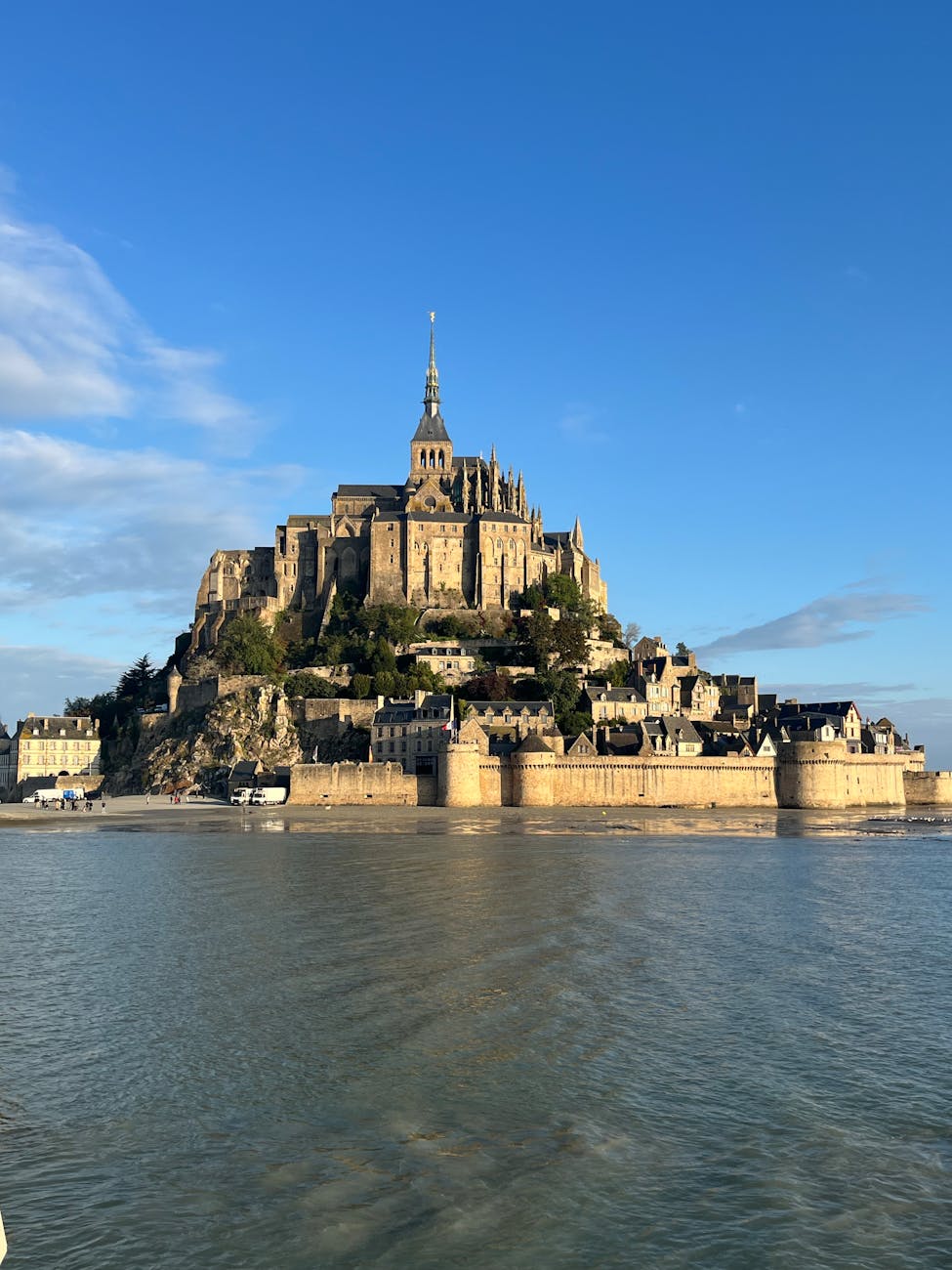
Mont-Saint-Michel, a mesmerizing island commune in Normandy, France, is celebrated for its profound historical and architectural significance. Rising dramatically from the sea, this fortified abbey has captured the imaginations of visitors and pilgrims alike for centuries. Its story begins in the 8th century with a vision that led to its establishment as a sanctuary, evolving through various architectural styles and historical events. The breathtaking Gothic structures, surrounded by natural beauty, reflect the deep spirituality and resilience of those who have inhabited the island. Furthermore, Mont-Saint-Michel’s role in pivotal moments, such as the Hundred Years’ War and subsequent restoration efforts, elucidates the extraordinary journey of this timeless fortress. In this article, we delve into the Mont-Saint-Michel history, exploring the layers of heritage that make it an enduring symbol of French pride and spirituality.
The Origins of Mont-Saint-Michel
The origins of Mont-Saint-Michel can be traced back to a divine vision experienced by Aubert, the Bishop of Avranches, in the year 708 AD. According to legend, Saint Michael, the archangel, appeared to Aubert and instructed him to build a church on the rocky islet that would soon become Mont-Saint-Michel. Initially, a small church was constructed upon this rocky outcrop, which was then known as “Mont Tombe.†This early chapel set the foundations for what would grow into one of the most spiritually significant and architecturally remarkable sites in medieval Europe.
The site’s choice was not merely mystical; it presented strategic advantages as well. Nestled along the coastline, Mont-Saint-Michel was not only a place of worship but also a fortification against potential Viking invasions. The tides that enveloped the island created natural defenses, making it accessible only during low tide while rendering it isolated from the mainland at high tide. This geographical uniqueness became particularly advantageous in later centuries, enhancing both its security and its allure.
As the years progressed, a community of monks, primarily adhering to the Benedictine order, found refuge and purpose on Mont-Saint-Michel. Their establishment was significant, as it transformed the small church into a robust abbey dedicated to prayer and hospitality for the ever-increasing number of pilgrims flocking to this sacred site. The monks engaged in agricultural work and developed a self-sustaining community, enhancing the island’s economic stability while fostering an atmosphere of spiritual growth.
By the 10th century, Mont-Saint-Michel began to gain prominence in the region, becoming a crucial center of pilgrimage and education. The abbey’s allure was further bolstered by miracles attributed to Saint Michael, drawing worshipers from across France and beyond. This surge in pilgrimage transformed Mont-Saint-Michel from a modest sanctuary to a thriving monastic community, filled with scholars, artists, and believers. The monks organized festivities, sacred rituals, and educational pursuits to appease and enthrall their guests.
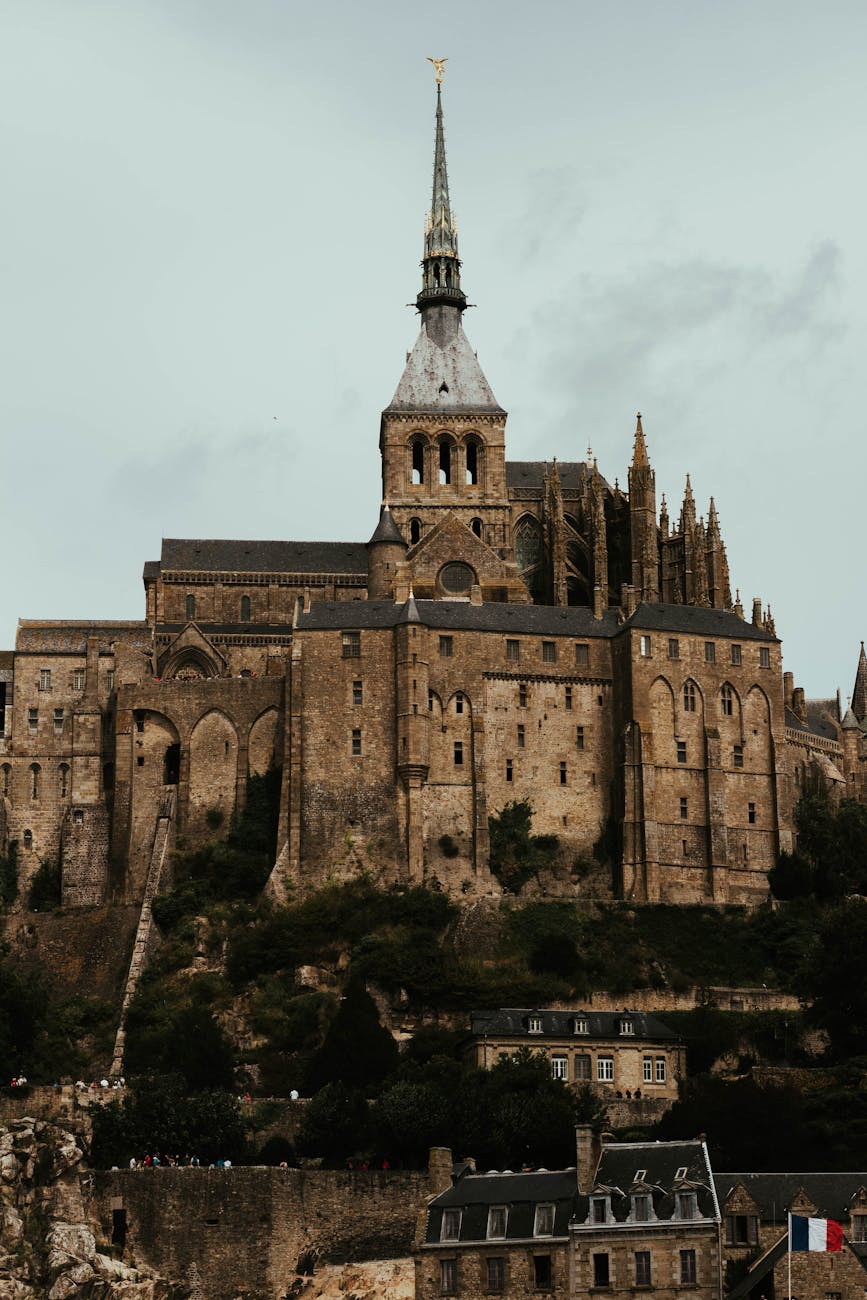
The architecture of Mont-Saint-Michel also underwent significant evolution during its early years. While the original structure was simple and humble in design, subsequent expansions reflected the artistic and architectural trends of the time. The Romanesque style dominated much of this early construction, marked by thick stone walls, rounded arches, and a sense of permanence that echoed the monks’ dedication to their mission.
In the centuries that followed, the residents of Mont-Saint-Michel faced various challenges, from Viking raids to political upheaval. Yet, the abbey remained steadfast—a beacon of faith amid adversity. The monks and residents fortified the structure, adding defensive features such as walls and towers that not only enhanced security but also contributed to a growing sense of identity tied to the island.
Overall, the origins of Mont-Saint-Michel are deeply interwoven with themes of faith, resilience, and community. The site’s transformation from a simple chapel into a monumental abbey represents not only architectural and spiritual aspirations but also the enduring human spirit’s capacity to adapt and thrive amidst trials. The foundation laid in the 8th century set the stage for an extraordinary history that would see Mont-Saint-Michel evolve into one of France’s most cherished landmarks—a timeless fortress where the spirit of devotion and creativity continues to resonate.
The Evolution of the Abbey
The evolution of Mont-Saint-Michel as an abbey underscores its architectural grandeur and the religious fervor that permeated its history. As the monastic community grew, so too did the ambition to transform the austere early church into a formidable abbey reflecting the aspirations of the faithful. By the 10th and 11th centuries, the foundation laid by early monks blossomed into a thriving religious hub renowned for its spiritual significance and architectural splendor.
One of the key developments during this era was the shift from Romanesque to Gothic architecture. The early structures of Mont-Saint-Michel, characterized by thick walls and barrel vaults, began to give way to the more intricate, vertical nature of Gothic design. This transformation was driven by both spiritual inspiration and the need to accommodate the increasing number of pilgrims. Builders sought to create a majestic space that allowed light to flow in, symbolizing divinity and enhancing the spiritual experience of visitors.
The construction of the abbey’s crypts, which served as spaces for relics and burials, marked the initial expansion of the structure. These subterranean chambers not only provided sanctity for the revered remains but also showcased the artistic achievements of the monks, with detailed carvings and engravings depicting scriptural narratives. The attunement between faith and artistry laid the groundwork for the later phases of the abbey’s monumental building process.
In the 12th century, the increasing popularity of Mont-Saint-Michel as a pilgrimage destination necessitated the construction of additional facilities and accommodations for visitors. The remarkable growth sparked ambitious architectural projects, leading to the creation of key structures, such as the cloisters and the refectory, which paired beauty with functionality. These additions highlighted the importance of community life among monks and pilgrims, underscoring hospitality and collective devotion.
The apex of architectural innovation at Mont-Saint-Michel came during the 13th century, known as the period of the “Merveilleâ€â€”the Wonder. It represented a pinnacle of Gothic achievement, showcasing the abbey’s transformation into an awe-inspiring masterpiece. The remarkable structures, including the grand hall and the monks’ dining room, are characterized by soaring arches, elaborate ribbed vaults, and open spaces filled with luminous stained glass. As the light pierced through, it painted the walls with heavenly colors, reinforcing the spiritual ambiance.
The evolution of Mont-Saint-Michel is also intertwined with historical events that shaped the region. Throughout the medieval period, the abbey served as a refuge during the Norman Conquest and various conflicts, such as the Hundred Years’ War. Strategies to fortify the structures became paramount as Mont-Saint-Michel confronted imminent threats. Towers and defensive walls were added to withstand sieges, reflecting the complex interplay between faith and warfare.
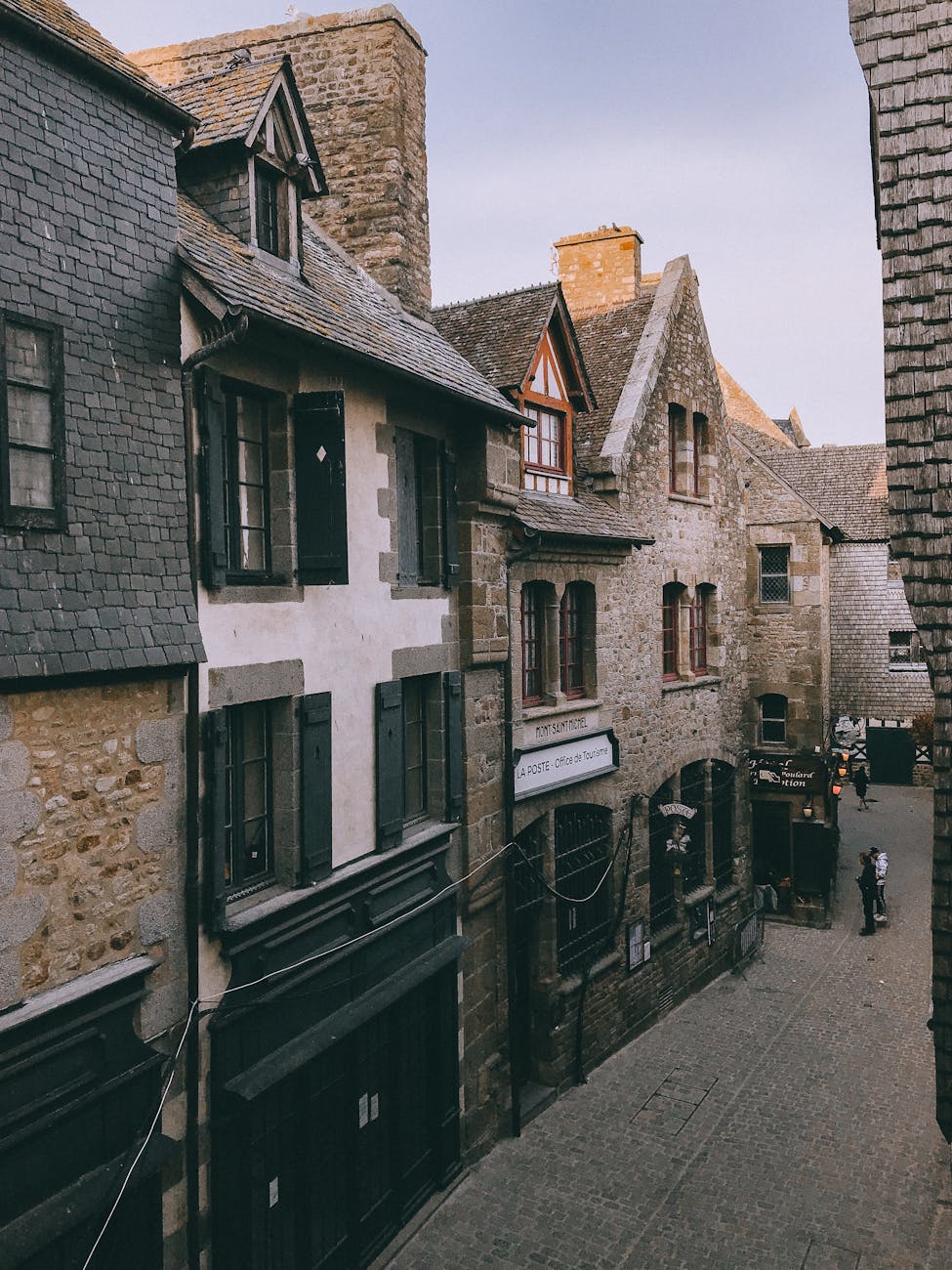
As the Renaissance dawned, Mont-Saint-Michel adapted to new artistic influences while preserving its medieval roots. The evolution led to nuanced changes in style, showcasing a blend of classical elements alongside enduring Gothic features. This transition symbolized an effort to modernize while honoring the abbey’s historical significance. The monks’ artistic endeavors flourished, resulting in beautiful frescoes and intricate sculptures that adorned the walls of the abbey.
However, the abbey faced challenges as societal changes unfolded. By the 18th century, the decline of monastic life and the rise of secular authority posed a threat to its sacred status. The French Revolution in the late 18th century marked a turning point, as religious institutions faced scrutiny and suppression. Mont-Saint-Michel was repurposed for military use, with many of its monastic functions suspended. The island’s legacy seemed in jeopardy as neglect set in.
In the 19th century, renewed interest in history and architecture sparked a wave of restoration efforts. The fascination with Mont-Saint-Michel led to significant conservation initiatives aimed at preserving its unique heritage. Architects began to revitalize the structures, reinforcing the abbey’s foundation and ensuring its continued legacy as a national treasure. These efforts reinforced the importance of Mont-Saint-Michel as not only a spiritual center but also an architectural wonder.
Through its evolution, Mont-Saint-Michel adapted to the whims of time while maintaining its essence. The dynamic interplay of architectural styles, historical events, and community life shaped the identity of the abbey, transforming it from a modest sanctuary into a multi-faceted symbol of faith and resilience. The culmination of centuries of devotion and artistry is reflected in the breathtaking silhouette of Mont-Saint-Michel against the horizon, a testament to the indomitable spirit of the human quest for meaning and beauty.
Mont-Saint-Michel During the Hundred Years’ War
The Hundred Years’ War, a protracted conflict between England and France, spanned from 1337 to 1453 and greatly influenced the history and destiny of Mont-Saint-Michel. This tumultuous period was marked by shifting allegiances, territorial disputes, and social upheavals, all of which left their indelible mark on the fortified island. Standing as a bastion of French resilience, Mont-Saint-Michel would play a crucial role in the ongoing struggle for sovereignty and survival.
At the beginning of the conflict, Mont-Saint-Michel served as a sanctuary for those fleeing the ravages of war. Its strategic location made it a pivotal point for the French military to mobilize defenses and protect vulnerable regions from English incursions. The monks of Mont-Saint-Michel welcomed fleeing soldiers and civilians alike, embodying the spirit of hospitality that had characterized the abbey since its inception. As waves of pilgrims continued to arrive, the island became a refuge for those seeking not only physical safety but also spiritual solace.
As the war escalated, Mont-Saint-Michel found itself increasingly targeted by English forces. In 1420, Mont-Saint-Michel became the focal point of an English siege led by Sir Thomas Scales. The attacking forces sought to capitalize on the abbey’s isolated position, aiming to starve out the defenders and seize control of the stronghold. The defenders, composed of monks and loyal soldiers, were resolute in their determination to protect the island at all costs, viewing their commitment as not only a defense of the abbey but an emblem of national pride.
The siege that followed was arduous and lengthy, stretching over 30 months. Despite facing desperate conditions, the defenders exhibited remarkable ingenuity and courage. Utilizing the abbey’s advantageous layout, the monks and soldiers devised countermeasures to fend off the English troops. The secluded nature of the island, combined with unpredictable tides, allowed the defenders to strike at opportune moments and launch surprise offensives against the besieging forces.
The high tides and rugged terrain added layers of complexity to the English siege, complicating their efforts to maintain an uninterrupted blockade. The abbey’s iconic silhouette, fortified by towering walls and steep cliffs, became a symbol of hope for the beleaguered defenders. Each successful defense against the English incursions reinforced the collective spirit among the soldiers, with stories of courage and perseverance being shared among the defenders and inhabitants of the island.
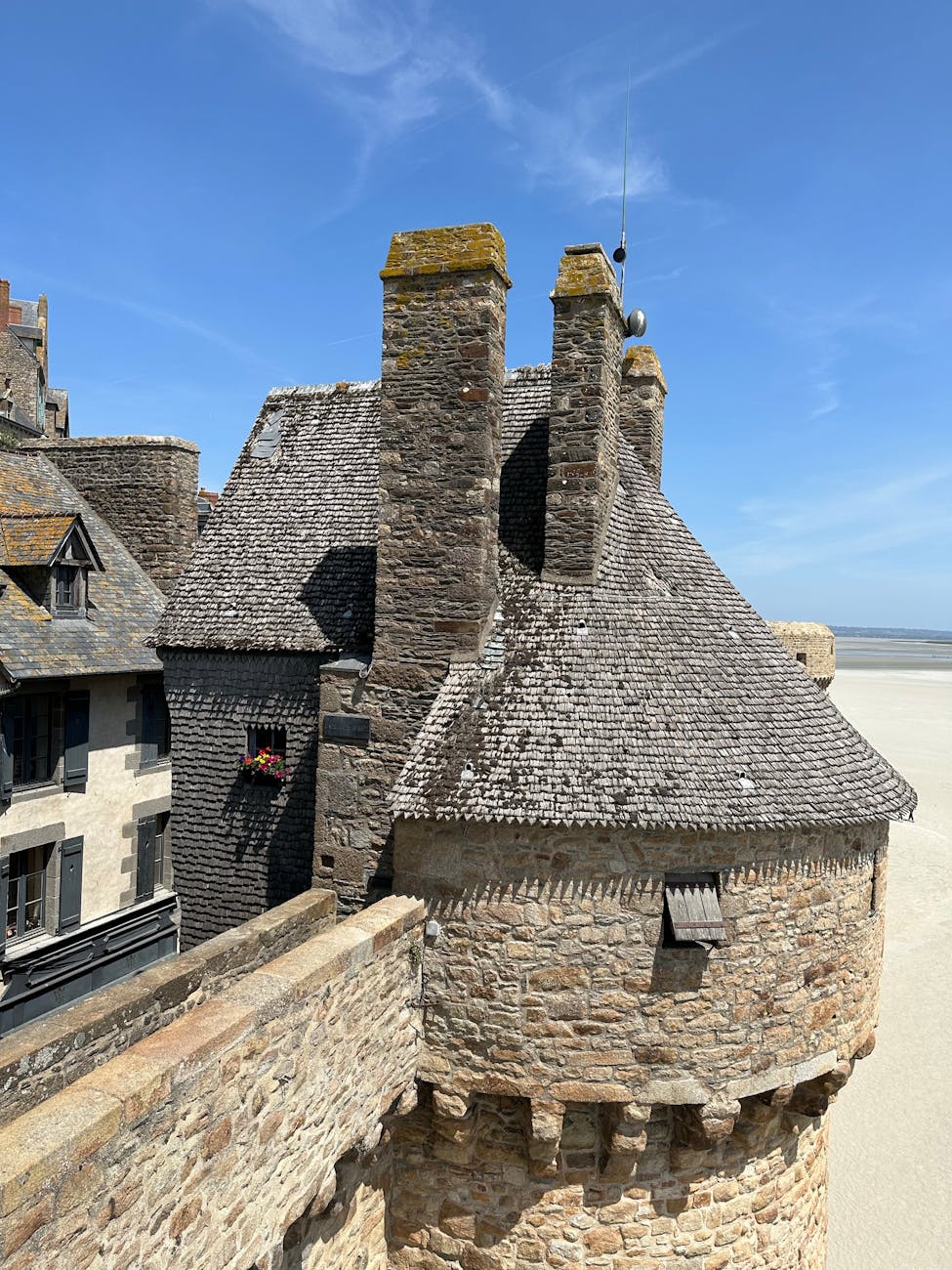
The residents and monks worked tirelessly to supply food and resources, relying on their agricultural practices to sustain the community. The abbey’s unique self-sufficiency allowed it to resist the siege, fostering a sense of camaraderie and collective purpose. Meanwhile, word of the steadfastness of Mont-Saint-Michel spread beyond its walls, energizing other French troops who drew inspiration from its resilience.
Ultimately, the relentless spirit of the defenders continued to evoke a fervent loyalty throughout France. As the war dragged on, the abbey’s significance evolved into a powerful icon of resistance—reminding the French people of their heritage and the necessity to persevere in the face of adversity. Mont-Saint-Michel became emblematic of the belief that faith and courage could triumph against the forces of oppression.
As the tides of the war began to shift in favor of the French in the mid-15th century, Mont-Saint-Michel found itself returning to its religious and cultural roots. Following the resounding expulsion of English forces, the community once again turned its focus toward spirituality and education. With the war’s conclusion, the abbey’s monumental preservation efforts emerged, not only to restore focus on worship but also to commemorate the heroic sacrifices made during that tumultuous period.
In conclusion, Mont-Saint-Michel’s experience during the Hundred Years’ War exemplifies the resilience of faith and human spirit amid adversity. The unwavering commitment of its defenders transformed the abbey into a symbol of national pride, illuminating the intertwined relationship between spirituality, history, and cultural identity. Mont-Saint-Michel emerged from the ashes of conflict as a beacon of hope, marking a turning point that would carry its legacy forward for future generations.
Restoration and Preservation Efforts
The journey of Mont-Saint-Michel through centuries of history has not been without its challenges, especially after the upheaval of the French Revolution and subsequent periods of neglect. By the 19th century, the abbey faced significant deterioration, prompting a critical need for restoration and preservation. Recognizing its historical, architectural, and spiritual importance, efforts began in earnest to revitalize the island fortress and ensure its legacy for future generations.
The initial wave of restoration led by architect Eugène Viollet-le-Duc in the mid-1800s marked a turning point in Mont-Saint-Michel’s preservation. His influence extended beyond mere restoration; Viollet-le-Duc aimed to revive the spirits and architectural principles beloved during the abbey’s golden age. His expert approach included detailed historical research, ensuring that renovations honored the original designs and intentions of the early builders.
Notably, Viollet-le-Duc undertook several ambitious projects, including the restoration of the abbey’s soaring spire, which had fallen into disrepair. By reinstating the spire adorned with a statue of Saint Michael, Viollet-le-Duc not only solidified the monument’s silhouette against the horizon but also reinstated its status as a beacon of faith and resilience. The meticulous craftsmanship involved in the restoration of the windows, cloisters, and fortifications reflected a deep respect for the island’s architectural identity.
Additionally, the restoration efforts extended to the surrounding environment of Mont-Saint-Michel. Concerns regarding drainage, soil erosion, and rising tides prompted authorities to devise strategies to mitigate potential damage. The implementation of improved drainage systems and marshland management aimed to protect the structural integrity of the island and reduce the risk of flooding. The engineers recognized that a proactive approach was essential in ensuring the longevity of this iconic pilgrimage site.
The designation of Mont-Saint-Michel as a UNESCO World Heritage site in 1979 further underscored its international significance and the necessity of preserving its unique heritage. The recognition heralded a renewed emphasis on conservation efforts, with global agencies collaborating with French authorities to prioritize the preservation of Mont-Saint-Michel as both a historical artifact and a living cultural landscape. This partnership facilitated funding initiatives for ongoing restoration projects, enabling the site to flourish as a key cultural resource.
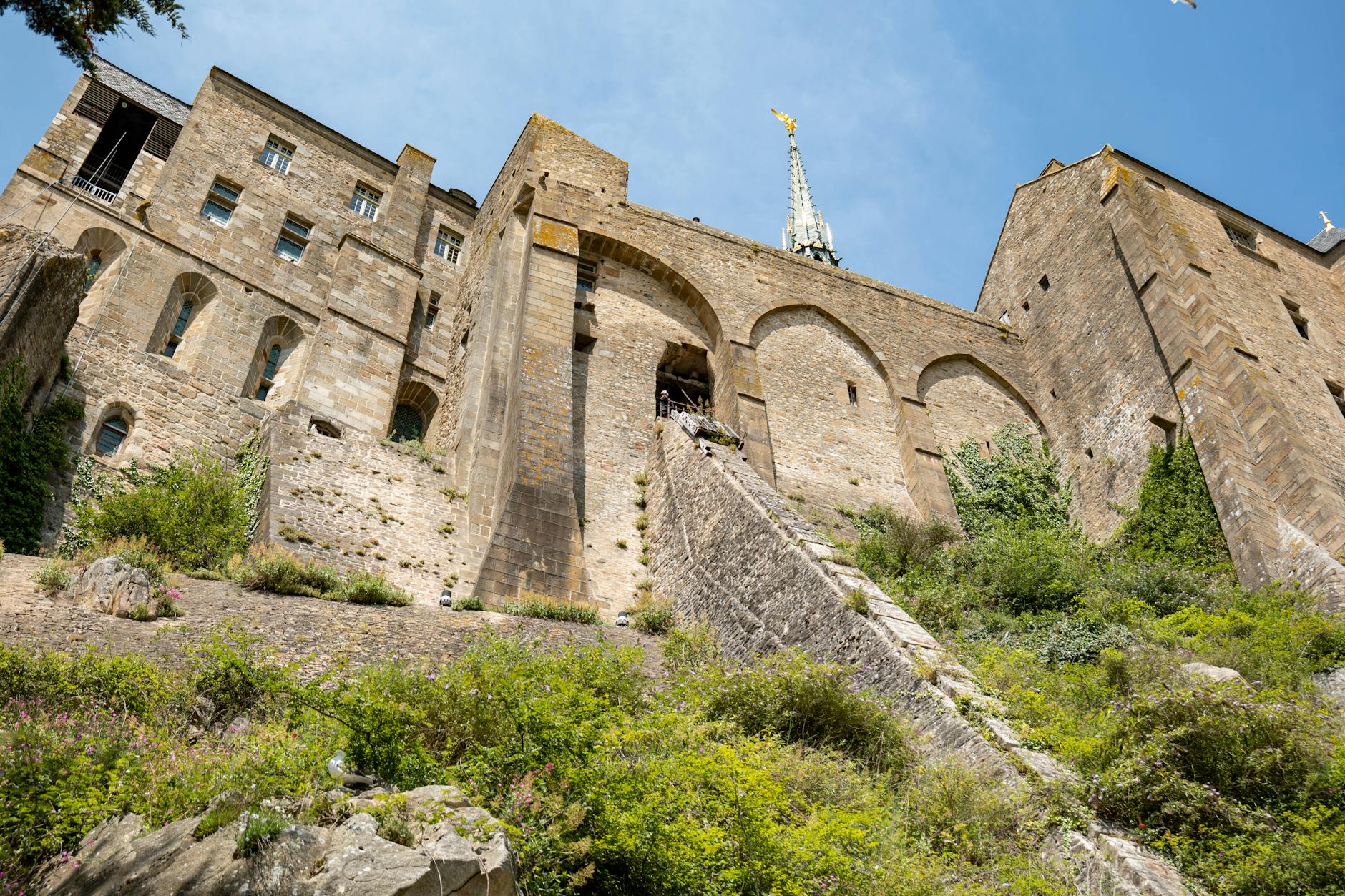
In the years since, Mont-Saint-Michel has embraced modern preservation practices aimed at balancing preservation with sustainable tourism. The influx of millions of visitors each year necessitated a thoughtful approach to visitor management, ensuring that the cultural and environmental integrity of the site remains intact amid growing foot traffic. Educational programs and interpretive efforts have been developed to engage visitors more deeply, encouraging a sense of stewardship and appreciation for the site.
Moreover, the preservation efforts also highlight the importance of community involvement. Engaging local stakeholders, artisans, and heritage organizations has fostered a sense of shared responsibility for the continued care of Mont-Saint-Michel. Collaborative initiatives designed to involve young generations in heritage preservation and awareness campaigns emphasize the need to appreciate the value of cultural identity and the stories embedded within the stones.
Today, the restoration and preservation efforts of Mont-Saint-Michel extend beyond safeguarding the physical structure; they encompass storytelling, education, and the promotion of cultural exchange. The rich history of the abbey serves as a foundation for numerous educational programs, exhibitions, and workshops that invite visitors and locals alike to delve into the significance of the site. Preserving Mont-Saint-Michel is thus not only about its architectural legacy but also about fostering connections to a shared history and shared cultural experiences.
In conclusion, the restoration and preservation efforts at Mont-Saint-Michel embody the spirit of resilience and dedication. The meticulous work undertaken by historians and conservationists, alongside the recognition of its international significance, has allowed the island fortress to reclaim its status as a cherished symbol of human history and creativity. These ongoing endeavors reflect a broader commitment to ensure that future generations can continue to marvel at the timeless beauty and profound stories that Mont-Saint-Michel holds within its captivating walls.
The Cultural Significance of Mont-Saint-Michel Today
Today, Mont-Saint-Michel stands as not just a stunning architectural wonder but also a powerful symbol of France’s cultural and spiritual identity. Its historical significance has transcended time, allowing Mont-Saint-Michel to remain at the forefront of French heritage. The island fortress captivates the hearts and imaginations of millions of visitors each year, serving as an enduring testament to resilience, creativity, and faith.
The spiritual essence of Mont-Saint-Michel traces back to its origins, where it began as a site of worship and pilgrimage. The abbey remains an active religious site, welcoming worshippers and visitors alike who seek solace and inspiration within its hallowed halls. Monastic traditions continue as religious rituals and ceremonies are held in the abbey, showcasing the ongoing importance of spirituality in the lives of those who visit. The ethereal atmosphere envelops the island, inviting reflection and contemplation in a setting that has inspired countless individuals throughout history.
Mont-Saint-Michel has also become an emblem of national pride for the French people. Its role during significant historical events, such as the Hundred Years’ War, underscores its status as a stronghold of resistance and identity. The unwavering commitment of its protectors during times of conflict emphasizes the collective spirit of the nation and the enduring significance of Mont-Saint-Michel as a symbol of French heritage and cultural continuity.
As a UNESCO World Heritage site, Mont-Saint-Michel plays an essential role in the global conversation around cultural preservation and historical heritage. The recognition of its unique architectural and historical values propels discussions about conservation efforts on a larger scale. The designation encourages collaboration among nations, scholars, and organizations to share best practices in preserving cultural monuments while also enhancing global awareness of the importance of heritage conservation.
Mont-Saint-Michel influences various forms of artistic expression, infusing the realm of literature, art, and cinema with its enchanting narrative. Artists, writers, and filmmakers have drawn inspiration from the island fortress, presenting it as a muse that evokes deep emotion and creativity. Whether in paintings that depict its layered fortifications or literature that weaves tales of bravery and spirituality, Mont-Saint-Michel continues to ignite the artistic spirit, connecting diverse cultures through storytelling.
Additionally, the island serves as a prime example of blending tourism and preservation. As millions of tourists flock to this remarkable site, Mont-Saint-Michel embraces the dual role of being a cherished cultural landmark and a vibrant living community. The interaction between visitors and locals fosters cultural exchange, promoting an understanding of the significance of shared history and the diverse narratives woven into the site. Educational programs and guided tours provide opportunities for visitors to engage with Mont-Saint-Michel’s history, deepening their appreciation for its cultural richness.
Conclucion
Mont-Saint-Michel is far more than a breathtaking sight rising from the tidal waters of Normandy; it is a living chronicle of France’s history, faith, and resilience. From its early beginnings as a sacred site dedicated to the Archangel Michael to its transformation into a powerful abbey and later a fortress, the island embodies the deep interplay between spirituality, culture, and political change. Its strategic location, stunning Gothic architecture, and unique natural setting have made it a symbol of endurance, attracting pilgrims and travelers for centuries.
The abbey’s role as both a place of worship and a defensive stronghold reveals the complexities of medieval life, where faith and survival often intertwined. Today, Mont-Saint-Michel continues to inspire awe, not only as a UNESCO World Heritage Site but also as a reminder of human ingenuity and devotion. As visitors walk its winding streets and ascend to the abbey, they step into a story that bridges the past and present, ensuring that Mont-Saint-Michel remains an eternal jewel of France’s cultural and historical legacy.