Introduction
The Mexico National Palace, an iconic symbol of the nation’s tumultuous history, serves as the seat of the federal executive in Mexico City. This monumental building stands atop historical layers that date back to the grandeur of the Aztec civilization, representing both the roots and evolution of a nation. From the founding of Tenochtitlan, the capital of the Aztec Empire, to its transformation during the Spanish conquest and subsequent colonial rule, the National Palace has witnessed the shift from indigenous leadership to colonial governance. Later, it emerged as a crucial site during Mexico’s struggle for independence, embodying the aspirations and determination of its people. In modern times, the palace plays a significant role in the country’s democratic practices, serving not only as a governmental hub but also as a living testament to the ongoing journey of a nation striving for justice and equality. Understanding the rich tapestry of the National Palace’s history offers profound insights into Mexico’s cultural identity and political evolution.
Aztec Foundations: Birth of Tenochtitlan and the Role of the National Palace
The story of the Mexico National Palace begins long before the arrival of the Spanish in the early 16th century. It is rooted in the rich history of the Aztecs, who established Tenochtitlan around 1325 AD. This magnificent city, built on an island in Lake Texcoco, became the heart of the Aztec civilization, showcasing advanced agricultural practices, monumental architecture, and a complex social structure. The National Palace, or “Palacio Nacional,” resides on the site of the former Aztec ruler’s palace known as the “Teocalli,” which was the center of political power and religious activity.
Tenochtitlan is often regarded as one of the largest and most prosperous cities in the world during its time, with a population exceeding 200,000. The Aztecs developed an intricate network of canals and causeways, which facilitated trade and transportation. Central to this vibrant life was the Great Temple, which dedicated to the god Huitzilopochtli, underscoring the significance of religion in Aztec governance and daily life. The rulers, or “tlatoani,” were both spiritual and political leaders, strengthening the connection between divine authority and political power.
The construction of the National Palace owes much to this foundation; its architecture and layout reflect the influences of Aztec building techniques and styles. Following the conquest by Hernán Cortés in 1521, the Spanish repurposed many structures from the Aztec era, including the central plaza around which the city was built. The remnants of the Aztec foundations have been preserved and integrated into the palace’s design, allowing visitors to trace the architecture back to its indigenous roots.
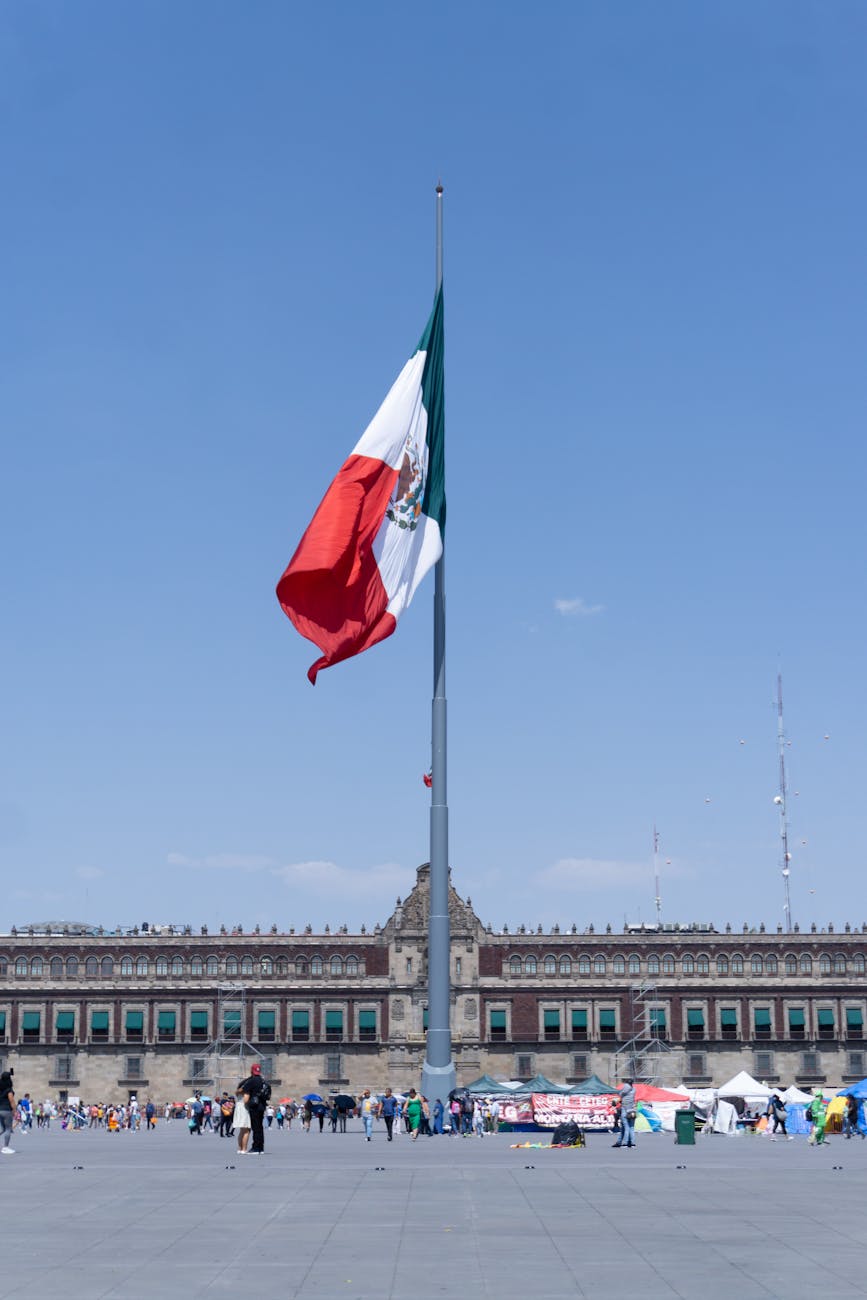
Cortés himself saw the potential of Tenochtitlan and began constructing the Spanish colonial government buildings, which ultimately led to the establishment of the National Palace as a focal point for governance in New Spain. Over the centuries, the palace has undergone numerous renovations and expansions, but its original location and connection to the Aztec civilization remain significant. These elements are not merely historical footnotes; they are a vital part of Mexico’s identity, illustrating how indigenous cultures laid the groundwork for contemporary society.
As Mexico transitioned through various social and political changes, the National Palace maintained its importance. It became a symbol of power and unity for the Mexican people, representing their heritage while also adapting to the evolving landscape of their nation. The Aztec origins of the palace contributed to a narrative that intertwines the past and present, emphasizing a resilience that has been pivotal throughout Mexico’s history.
In modern times, the National Palace stands not only as a government building but also as a reminder of the nation’s deep historical roots. It houses various exhibitions detailing its vast history and the significance of key events that have unfolded within its walls. Visitors to the National Palace can walk through the courtyards, view murals that depict important moments in Mexican history, and reflect on the journey from Tenochtitlan’s founding to the present day, understanding the complexities of its evolution and the layers that shape contemporary Mexico.
Spanish Conquest: Transformation of the Aztec Empire
The Spanish conquest of the Aztec Empire, which began in 1519 and culminated in 1521, marked a defining period in the history of Mexico and directly influenced the legacy of the National Palace. Hernán Cortés, leading a contingent of Spanish conquistadors, entered Tenochtitlan with ambition but faced an advanced civilization that was both formidable and rich in culture. The initial moments of contact between the Aztecs and the Spanish were filled with intrigue, as the Aztec emperor Moctezuma II welcomed Cortés, believing him to be a god returned in human form. This misconception provided the Spaniards a crucial foothold in the city.
However, tensions soon escalated, leading to a series of violent confrontations. The Spaniards exploited political divisions among the various indigenous groups, forming alliances that weakened the Aztec defenses. As more battles unfolded, the Spaniards were able to seize control of Tenochtitlan, culminating in the fall of the city in 1521. This conquest not only resulted in the dismantling of the Aztec Empire but also ushered in an era of Spanish dominance that significantly shaped the cultural and political landscape of Mexico.
The immediate impact of the conquest was the drastic shift from indigenous governance to colonial rule. Following the fall of Tenochtitlan, Cortés ordered the construction of a new government structure, repurposing the ruins of the Aztec palaces, including the Great Temple, for colonial administration. The site that would eventually become the National Palace was a symbol of oppression, representing the colonial administration’s authority over the descendants of the same people who once ruled there.
As the new colonial power established itself, significant changes were made to the structure and layout of the city. The National Palace was built atop the remnants of the original Aztec palaces, a deliberate act that sought to symbolize the Spanish conquest’s dominance over the indigenous culture. Throughout the colonial period, the National Palace became a central hub for governance, housing the Viceroy, who ruled on behalf of the Spanish Crown.
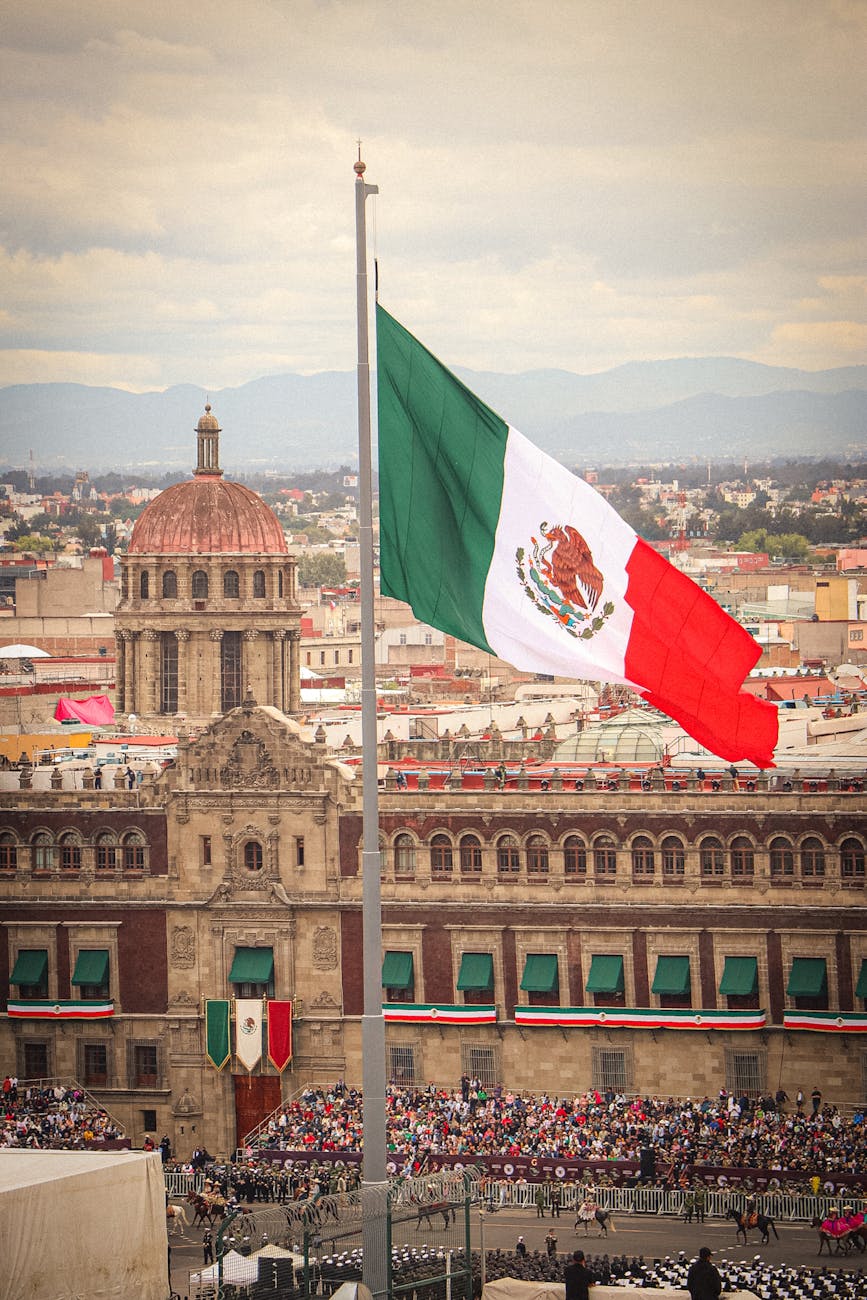
Culturally, the Spanish influence permeated throughout Mexico, with Catholicism being introduced and integrated into daily life. The National Palace, as the center of colonial government, played a pivotal role in promoting these new societal norms. It showcased European architectural styles, and the blending of Spanish and indigenous elements contributed to the unique identity of Mexico.
Over the years, the palace went through modifications and expansions reflecting the changing times. Despite the Spanish efforts to erase indigenous identity, the spirit of the Aztecs persisted within the populace and began to resurface in the culture. Ultimately, the Spanish conquest established a legacy of conflict and adaptation that would influence Mexico’s path towards independence.
In the long run, the Spanish conquest and its effects on the National Palace represent a significant turning point in Mexican history. The establishment of a colonial power at the site of Aztec governance set the stage for the ongoing struggle between indigenous heritage and colonial influence. This clash would resonate throughout Mexico’s subsequent push for independence, as the desire to reclaim and celebrate indigenous identity surged in response to colonial oppression.
Colonial Era: Development of the National Palace
The Colonial Era in Mexico, following the Spanish conquest of the Aztec Empire, was characterized by significant political, social, and economic changes, influenced heavily by the establishment of the National Palace. This period not only marked the evolution of governance but also reflected a profound cultural blending that shaped the future of Mexico.
From the 16th century onwards, the National Palace became the administrative heart of New Spain, functioning as the residence of the Viceroys. The Viceroy was empowered by the Spanish Crown and held extensive authority, overseeing all civil and military affairs in the colony. This positioning made the palace a focal point for colonial authority and governance. Its walls reverberated with decisions that impacted the daily lives of millions, including both indigenous populations and Spanish settlers.
As the administrative center, the National Palace underwent substantial construction and renovations to meet the needs of the colonial government. Early modifications were rooted in the Spanish architectural style, infusing European aesthetics into the structure while still integrating elements reminiscent of the Aztec past. The palace’s façade and layout reflected the grandeur of Spanish governance—imposing and adorned with regal features.
One prominent attribute during the colonial period was the addition of Baroque elements to the architecture, showcasing the wealth and influence of the ruling class. The palace’s structure was enhanced with opulent details, such as intricate moldings, towering columns, and expansive courtyards. This grandeur symbolized the power of the colonial rulers and reinforced the social hierarchy inherent in colonial society.
Within its walls, the National Palace served as a stage for both political and cultural activities. Governed by the Viceroy, the palace hosted lavish events, ceremonies, and gatherings that often reinforced colonial policies. The presence of administrators and clerics within its confines illustrated the integration of church and state, a common characteristic of colonial governance.
Despite the superiority exerted by Spanish authorities, the palace became a unique site of cultural synthesis, where indigenous customs began to interweave with European traditions. This blending fostered new artistic expressions, cuisine, and religious practices that emerged during this time. Muralism became an art form that depicted the realities of both indigenous and colonial life, establishing a new cultural identity.
However, the period was not devoid of conflict. Resentment towards colonial rule began to simmer as class disparities widened and indigenous populations faced oppression. The National Palace, a symbol of colonial authority, became a target for dissent, representing the struggles and challenges faced by the marginalized.
Tensions continued to build throughout the colonial era, eventually leading to the late 18th and early 19th centuries when societal frustrations coalesced into an independence movement. The National Palace, having taken on the dual role of governance and cultural identity, found itself at the crossroads of colonial power and the burgeoning desire for freedom among the Mexican populace.
The colonial period solidified the National Palace’s significance—transforming it from an Aztec royal residence to a symbol of colonial rule and resilience. This era laid the groundwork for future transformations as the palace continued to evolve, reflecting historical shifts that would lead to the fight for Mexican independence in the early 19th century.
Fight for Independence: The National Palace as a Symbol
The struggle for Mexican independence, which began in 1810 and culminated in 1821, represents a critical chapter in the history of Mexico and the National Palace. As discontent with Spanish colonial rule festered, the National Palace transformed into a powerful symbol of resistance, serving as a focal point for revolutionary fervor and national identity.
The call for independence was initially set in motion by figures such as Miguel Hidalgo y Costilla, whose famous “Grito de Dolores” ignited a spark among the Mexican populace. The year 1810 marked the beginning of the War of Independence, and the National Palace, standing in stark contrast to the colonial powers, became emblematic of the fight against oppression. The palace’s historical significance as a seat of power made it a strategic target for insurgents seeking to reclaim their rights.
Throughout the revolution, the National Palace was often depicted in manifestos and proclamations as a rallying point for those yearning for a sovereign nation. Independence leaders, including Jose Maria Morelos and Vicente Guerrero, sought to inspire the people to rally against the colonial authority that had oppressed them for over three centuries. The imagery of the palace became intertwined with the broader narrative of heroine and martyrdom associated with the struggle for freedom.
Despite its representation of colonial power, the National Palace also bore witness to the voices of the oppressed. It was here that plans for rebellion were made, and strategies were formed to oust the colonizers. As the revolution progressed, the palace’s presence became a poignant reminder of the oppressive rule that the people fought against. It witnessed confrontations and fierce battles, which transformed the urban landscape and reflected the nation’s volatility and resilience during this turbulent period.
The final stages of the independence movement saw multiple skirmishes and military clashes that would eventually lead to the establishment of a new government. In 1821, as the war for independence came to a close, the National Palace, once a bastion of colonial authority, became a symbol of triumph and hope for a newly established sovereign nation.
The legacy of the National Palace as a focal point of independence continued post-revolution. It became the residence of the first president of Mexico, AgustÃn de Iturbide. As the first official seat of the government, it signified a pivotal shift in governance, moving from colonial to a newly forged republican structure. The palace evolved further, embodying the aspirations of a nation that had outgrown its colonial past.
In the context of the national identity that emerged from independence, the National Palace epitomized the juxtaposition of colonial history and the newfound aspirations for democracy and sovereignty. It served as a canvas for artistic expressions that celebrated the revolution, reflecting the deep intersections between art, politics, and the quest for self-determination.
In subsequent years, the palace remained a key site for revolutionary celebrations and commemorative events. It housed notable murals by famed artists such as Diego Rivera, depicting the struggle for independence and celebrating the rich tapestry of Mexican culture. These artistic endeavors reiterated the narrative of resilience and identity that emerged post-independence.
Ultimately, the National Palace’s role as a symbol during the fight for independence set the stage for its continued significance in Mexico’s political and cultural landscape. Its transition from a colonial seat of power to an emblem of freedom illustrates the complexities and narratives that define Mexico’s evolution as a nation. The events of this period have left an indelible mark, shaping the way the National Palace is perceived in contemporary discourse, deeply rooted in the collective memory of Mexico’s journey towards independence and democratic governance.
Modern Democracy: The National Palace in Contemporary Politics
In the contemporary era, the Mexico National Palace has evolved from its historical foundations into a vital symbol of democracy and political power in the nation. Emblematic of a complex past, the palace represents not just the legacy of colonialism but also the aspirations of a modern democratic society. It serves as both a historical site and a functioning government building that embodies the ongoing journey toward equity and justice in Mexico.
Following the struggles for independence in the early 19th century, Mexico underwent significant transformations that shaped its political landscape. The emergence of a constitutional government marked a departure from autocratic rule, and the National Palace became increasingly significant as the seat of the Mexican Presidency. This transition aligned with the broader global trend towards democratic governance, reflecting the people’s desire for representation and self-determination.
The presidency of Lázaro Cárdenas (1934-1940) marked a pivotal shift in the way the National Palace was utilized and perceived. Cárdenas championed social reform, land redistribution, and nationalization policies, conveying the revolutionary ideals that had become ingrained in Mexican identity. Under his administration, the National Palace was transformed into a space where the voices of the people were amplified, and a new commitment to social justice emerged. Cárdenas’s leadership served to solidify the palace’s role as a stage for change and engagement between the government and its citizens.
As Mexico moved further into the 20th century, the National Palace retained its significance, hosting presidential addresses, government meetings, and state functions. The site became a symbol of national unity when it is used to communicate important messages to the public, consolidating the image of a government that was responsive to the will of the people. Presidential addresses from the National Palace served as platforms for articulating governmental priorities, social policies, and national celebrations, creating a space wherein the historical and the contemporary converged.
The palace also accommodates various cultural and artistic exhibitions that celebrate Mexico’s diverse heritage. This function allows it to transcend its political role, becoming a repository of history and culture that engages with citizens and visitors alike. The murals adorning its walls reflect not only the struggles and triumphs of the past but also the complexities of contemporary Mexican identity. This artistic expression reinforces the notion that the National Palace is as much a cultural institution as it is a political one.
In recent years, the palace has stood resilient amid challenges, such as corruption scandals and social inequality, which have sparked nationwide protests and calls for reform. In this context, the National Palace serves as a potent backdrop for dissent, symbolizing both governmental authority and the aspirations of citizens seeking accountability and transparency. The intersection of the palace’s historical significance with contemporary political challenges highlights the ongoing struggle for democratic governance and justice in Mexico.
As Mexico grapples with the complexities of modern politics, the National Palace continues to embody the duality of legacy and progress. It stands as a testament to the historical narratives that have shaped the nation while being a platform for contemporary political dialogue and engagement. Visitors to the National Palace can witness how the passage of time has influenced its role—is not merely a building, but a dynamic space reflecting the ongoing evolution of Mexican democracy.
Conclusion
The history of the Mexico National Palace is a remarkable reflection of the nation’s journey from its Aztec origins through colonial rule, the struggle for independence, and towards modern democracy. This iconic structure not only embodies the complex historical narratives of power and resistance but also serves as a testament to the resilience and spirit of the Mexican people. From the grandeur of Tenochtitlan, through the turbulence of the Spanish conquest, the upheaval of independence, and into contemporary politics, the National Palace has witnessed significant changes and continues to play a crucial role in shaping the identity of Mexico.
The palace’s evolution illustrates the layering of history; it stands as a monument both to oppression and liberation, showcasing the narrative of a country that has been shaped by its past yet strives towards a brighter future. As it houses government activities and serves as a cultural repository, the National Palace remains an essential site for understanding the interplay between historical memory and present-day aspirations.
In modern times, the National Palace facilitates discussions around government accountability and social justice, emphasizing the importance of citizen engagement in the democratic process. It acts as a reminder of the struggles for freedom and equity, reiterating that the journey of democracy in Mexico is ongoing. Through art, culture, and politics, the palace resonates with the voices of many, encapsulating the vibrant tapestry of life in contemporary Mexico.
As we reflect on the history of the Mexico National Palace, we are reminded of the importance of recognizing and learning from the past. This iconic structure stands not only as a seat of power but also as a symbol of hope, an embodiment of the aspirations of a nation that continues to forge its path toward a more inclusive and equitable future. The legacy of the National Palace will undoubtedly continue to inspire generations to come, serving as a vital link between Mexico’s rich history and its dynamic present.