Introduction
Pandora Jewelry is renowned not only for its exquisite craftsmanship but also for its rich history and evolution in the jewelry industry. Founded in 1982 in Copenhagen, Denmark, by Per Enevoldsen and his wife Winnie, Pandora began as a small jewelry shop with a humble vision. Over the decades, it has transformed into a global brand, synonymous with personalized and customizable jewelry pieces, primarily known for its charm bracelets. This article delves deep into the history of Pandora Jewelry, exploring its roots, innovative product lines, marketing brilliance, commitment to sustainability, and its future in a rapidly changing market, offering readers insights into what makes this brand a cherished favorite among jewelry enthusiasts worldwide.
Origins of Pandora: The Founding Story
Pandora Jewelry’s story begins in 1982, when Per and Winnie Enevoldsen, keen on establishing their own jewelry business, opened a small shop in Copenhagen. Initially, they imported jewelry from Thailand, discerning an opportunity in the market for unique and high-quality pieces that were not widely available in Denmark. Their commitment to quality craftsmanship and distinctive designs soon paved the way for growth.
By 1987, the Enevoldsens started designing their own products, which allowed them to create pieces that reflected their vision and the aspirations of their customers. They aimed to cater to a wide audience, consistently focusing on affordability without sacrificing elegance. This philosophy became the backbone of the Pandora brand.
The breakthrough moment came in 2000, when Pandora launched its customizable charm bracelet collection. This innovation disrupted the jewelry market, giving consumers the power to create personal narratives through their jewelry. Each charm represented a memory, an achievement, or a significant moment in one’s life, encouraging a deeper emotional connection with the product. The charm bracelet quickly gained popularity, leading to exponential growth in sales and brand recognition.
By establishing a unique business model that combined retail with a focus on personal expression, Pandora rapidly expanded its footprint. By the end of the 2000s, Pandora’s charm bracelets were available worldwide, cementing its status as a global leader in the jewelry industry. The vision of offering affordable luxury that resonated with many people enabled the brand’s significant expansion into new markets, appealing to diverse demographics.
Today, Pandora Jewelry is recognized globally, not only for its signature charm bracelets but for its extensive range of customizable pieces, ensuring that the brand remains relevant in an ever-changing fashion landscape. Its origin story is a testament to the founders’ vision and the brand’s ability to adapt and innovate, setting the stage for the fascinating journey that follows.
The Rise of the Charm Bracelet: A Game-Changer in Accessories
The introduction of the charm bracelet was a pivotal moment in the jewelry industry, revolutionizing how individuals expressed themselves through accessories. Pandora recognized that consumers sought more than just beautiful jewelry; they wanted pieces that encapsulated their unique stories and personal experiences. This section delves into how the charm bracelet not only became a fashion statement but also a cultural phenomenon.
Each charm offered customers a way to curate their jewelry, selecting pieces that represented their life’s journey. From moments of joy to milestones, these interchangeable charms allowed wearers to tailor their jewelry to reflect their current emotions and experiences. This personalized approach redefined consumer expectations and established a new trend where jewelry became a portal of self-expression.
As the popularity of charm bracelets soared, Pandora implemented effective marketing strategies to amplify this trend. They tapped into social media, influencer partnerships, and direct customer engagement to showcase the versatility and emotional significance of their jewelry. Campaigns and collaborations further fostered a community around the brand, encouraging customers to share their Pandora stories online, making it an integral part of their social lives.
The charm bracelet phenomenon also encouraged cross-generational engagement, appealing to a broad demographics, including younger consumers, which reinforced re-occurring purchases as individuals expanded their collections over time. Collecting charms became a shared activity, with families gifting charms for milestones, enhancing their emotional value.
This segment of Pandora’s history exemplifies how innovation and understanding of consumer dynamics can lead to a lasting impact in the market. The charm bracelet phenomenon not only transformed consumer attitudes towards jewelry but also molded Pandora into a global powerhouse.
Brand Evolution: Marketing Strategies and Global Expansion
The remarkable evolution of Pandora Jewelry can be attributed largely to strategic marketing and global expansion efforts initiated after the successful launch of its charm bracelet. This section will explore these strategies in detail, looking at how Pandora effectively positioned itself to penetrate international markets and become a household name.
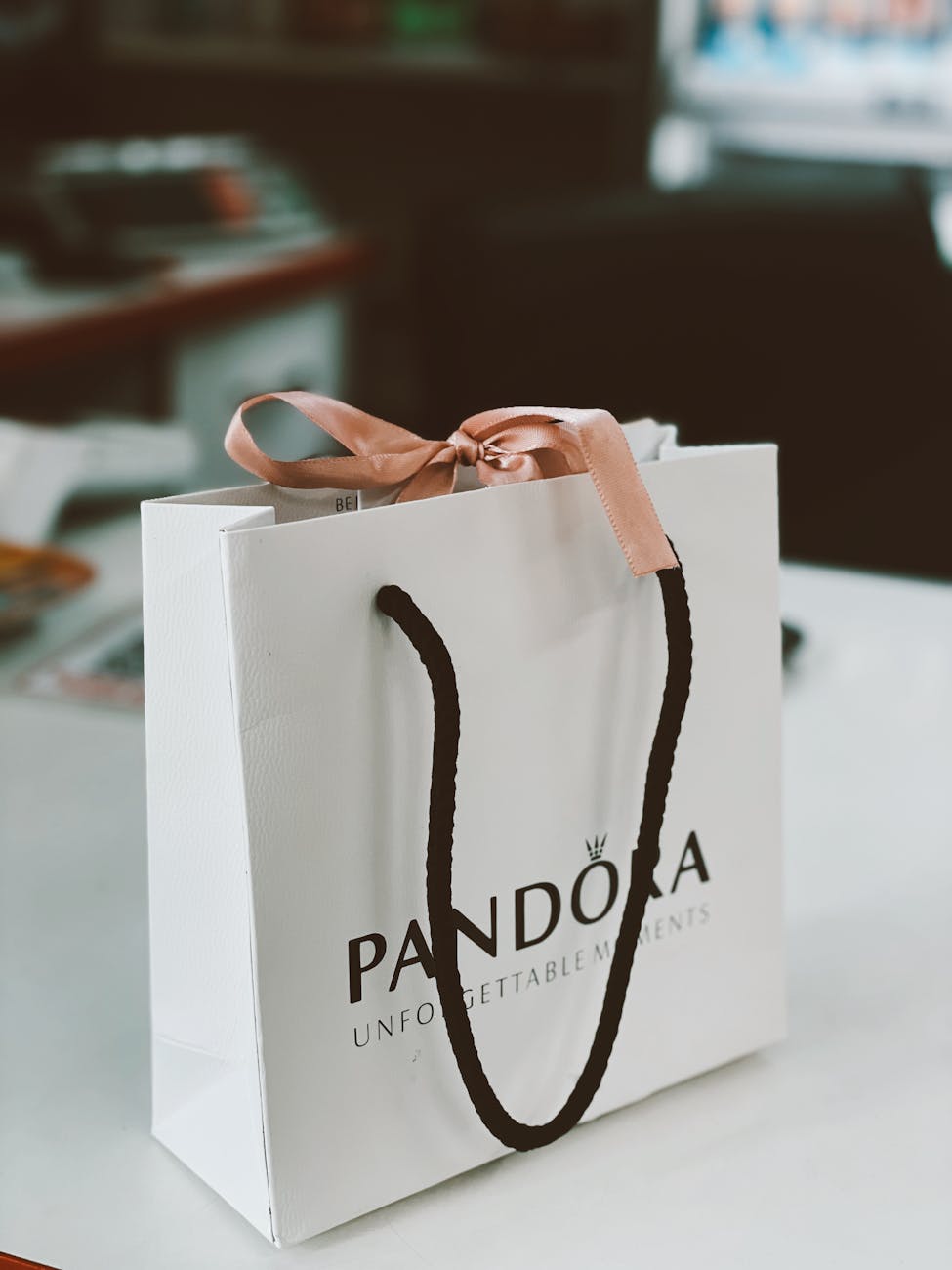
From the outset, Pandora embraced a multi-channel marketing approach, utilizing both traditional and digital channels to reach a diverse customer base. Advertisements were carefully crafted to showcase the emotional appeal of charm bracelets, emphasizing the brand’s tagline of “Unforgettable Moments.†This narrative created a strong emotional connection with customers, allowing them to see the jewelry as more than just accessories, but as intrinsic components of their life stories.
As part of its international strategy, Pandora adopted a franchise model, allowing it to scale quickly while ensuring controlled brand representation across various regions. By partnering with skilled local businesses and entrepreneurs, the brand could adapt to cultural nuances and consumer preferences effectively. This approach helped establish flagship stores in key global cities, enhancing brand visibility and accessibility.

Social media and influencer marketing further propelled Pandora’s reach. By engaging with popular influencers, the brand shared authentic content that resonated with viewers, sparking interest and conversation around its products. They cultivated an online community, allowing fans to connect over shared experiences, effectively turning customers into brand ambassadors.
Sustainability and corporate responsibility also became central to Pandora’s marketing ethos. The brand began to highlight its commitment to ethical sourcing and environmental conservation, appealing to increasingly conscious consumers. By integrating these values into their marketing strategy, Pandora positioned itself not only as a jewelry brand but as a leader in accountability within the industry.
In conclusion, the brand’s strategic marketing endeavors and global expansion plans not only facilitated significant growth but also reinforced Pandora’s mission to create meaningful jewelry that resonates with people’s lives.
Sustainability and Corporate Responsibility at Pandora
Given the growing consumer demand for sustainable and socially responsible practices, Pandora Jewelry has committed itself to ethical sourcing and sustainability in its operations. This segment will explore the brand’s initiatives and practices centered around corporate responsibility and the positive impact on the environment and communities.
Sustainability has been at the forefront of Pandora’s strategy, particularly with its aim to use only recycled silver and gold in its products by 2025. This ambitious goal emphasizes the brand’s dedication to reducing its environmental footprint and promoting circular economy principles. By committing to recycled metals, Pandora not only minimizes waste but also lowers the demand for newly mined resources, which often leads to environmental degradation.
Additionally, Pandora actively works to ensure their suppliers follow ethical practices, contributing to fair labor conditions and responsible governance. The brand closely monitors their supply chain, fostering transparency and collaboration with stakeholders to encourage ethical mining practices. These efforts reflect a broader commitment to corporate responsibility that enhances customer trust and loyalty.
Moreover, Pandora engages in community initiatives aimed at supporting education, health, and well-being, focusing on empowering underprivileged groups. The brand funds various projects that help provide resources to children and women in need, driving positive change and enabling brighter futures. Such investments resonate with consumers who increasingly prefer brands that align with their values.
Pandora has effectively communicated its sustainability efforts through marketing campaigns, encouraging customers to support responsible jewelry purchasing. By weaving environmental consciousness into its brand narrative, Pandora continues to attract and engage a customer base that prioritizes sustainability.
This segment highlights that Pandora’s commitment to sustainability not only demonstrates corporate accountability but also reflects the evolving expectations of the jewelry industry, paving the way for a more responsible future.
The Future of Pandora: Trends and Innovations in Jewelry Design
As the jewelry industry evolves, so does Pandora Jewelry, continuously exploring innovations and trends to meet the preferences of its diverse customer base. This section will discuss how Pandora plans to adapt to future market dynamics through creative designs, technology integration, and consumer engagement strategies.
Wearable technology represents a burgeoning frontier within the jewelry space, and Pandora is exploring possibilities within this realm. Innovations such as smart jewelry, which can monitor health metrics or facilitate communication, offer exciting prospects for future product lines. Integrating technology with fine craftsmanship could redefine how consumers interact with their jewelry, making it both functional and beautiful.
Moreover, creative design will be at the heart of Pandora’s evolution. The brand is likely to continue collaborating with artists and designers, generating limited edition collections that stir excitement and exclusivity among consumers. These collaborations not only introduce fresh artistic perspectives but also enable consumers to feel a connection to cutting-edge trends.
Personalization remains a significant driver in the jewelry market, and Pandora is expected to utilize technology to enhance customization options further. Advanced 3D printing techniques may enable consumers to create unique pieces tailored specifically to their taste, reinforcing the emotional connection associated with their jewelry.
In tandem with product innovation, delivers immersive customer experiences will be essential. Pandora might explore augmented reality (AR) to allow consumers to visualize how certain pieces would look on them in real-time. An engaging shopping experience is essential for attracting a contemporary clientele that seeks more from their purchasing journeys.
Finally, as sustainability continues to shape consumer preferences, Pandora will likely invest in eco-friendly materials and practices, reflecting this growing demand. The confluence of technology, creativity, and sustainability will chart Pandora’s path forward, ensuring it not only meets but exceeds the expectations of future generations.
Conclusion
The journey of Pandora Jewelry showcases a profound evolution from a modest jewelry shop in Denmark to one of the leading global brands in the industry. Through innovative charm bracelets, strategic marketing, and a commitment to sustainability, Pandora has carved a unique niche that resonates with consumers worldwide. As the brand looks to the future, the potential for continued growth through design innovation and an unwavering dedication to ethical practices bodes well for its legacy. By embodying the values of personal storytelling, artistry, and responsible consumption, Pandora Jewelry remains not just a brand, but a cherished part of customers’ lives, symbolizing unforgettable moments and connections that transcend generations.