Introduction
Machu Picchu, the iconic Incan city nestled high in the Andes Mountains of Peru, continues to captivate the imagination of explorers, historians, and travelers alike. Often referred to as the “Lost City of the Incas,” it was brought to international attention nearly a century ago when American historian Hiram Bingham rediscovered its archaeological wonders in 1911. The site, with its breathtaking views and expertly crafted stone structures, offers a glimpse into the advanced engineering and rich culture of the Incan civilization. Much remains a mystery about the reasons behind its construction, its original purpose, and the life of its inhabitants. This article delves into the Machu Picchu history , unveiling secrets that have been buried under centuries of foliage and earth, shedding light on a remarkable chapter of human history.
The Discovery of Machu Picchu: Who Found It and When
The rediscovery of Machu Picchu is attributed primarily to the intrepid explorer and historian Hiram Bingham, whose remarkable journey in 1911 led to the unveiling of the site to the modern world. However, it is essential to note that the existence of Machu Picchu was already known to local farmers and travelers before Bingham’s voyage. Nestled at an elevation of 2,430 meters (7,970 feet) above sea level, the site had evaded the notice of larger cultures and government entities due to its remote location, deep within the mountains of Peru.
Years before Bingham’s expedition, there were whispers of a significant Incan site among the indigenous people living in the Urubamba Valley. Despite these accounts, it wasn’t until 1911, when Bingham, affiliated with Yale University and leading a scientific expedition, set out to explore the possibilities of Incan ruins in the region, that Machu Picchu captured global attention. With the assistance of local Quechua farmers and guides, Bingham navigated through dense foliage and treacherous terrain, eventually stumbling upon the ruins of what would become one of the most important archaeological discoveries of the 20th century.
Initially, the ruins were obscured by thick vegetation, making it challenging to discern the scale and majesty of the site. As Bingham and his team cleared the area, they revealed terraced fields, temples, and intricate stone structures that hinted at the sophisticated logistical capabilities of the Incan civilization. Bingham’s discovery was not merely a personal triumph; it sparked an international fascination with the history of the Incas and brought attention to the need for archaeological preservation in Peru.
Bingham returned to Machu Picchu several times in the following years, bringing with him additional archaeologists and funding to excavate the site. In partnership with the Peruvian government, they began to uncover valuable artifacts, including pottery, tools, and remnants of mummies, which provided context to the culture and day-to-day life of the Incan inhabitants. However, it’s crucial to acknowledge the controversy surrounding Bingham’s excavations. Many artifacts, including cultural treasures, were taken back to Yale University and have since become points of contention, highlighting issues of cultural heritage and rights.
Despite the controversies, there is no denying that Bingham’s discovery opened the door to significant archaeological interest in the region. As information about Machu Picchu began to circulate globally, travelers and historians flocked to see the lost city for themselves. The site was designated as a UNESCO World Heritage Site in 1983, recognizing its cultural and historical significance.
Today, the discovery narrative of Machu Picchu extends beyond Bingham, as it is crucial to view the site as not just a relic of the past but as a vibrant part of Peruvian identity and heritage. Local advocacy groups and the Peruvian government are increasingly working to reclaim the narrative, emphasizing the importance of recognizing indigenous wisdom and the deep connections that the indigenous communities have with Machu Picchu.
In conclusion, Hiram Bingham’s role in the rediscovery of Machu Picchu has undeniably shaped its historical narrative. Yet, as we explore the complexities and layers of this incredible site, it is imperative to understand the broader cultural context that defines its history, contributing to a richer appreciation of the Incan civilization and its lasting legacy.
The Incan Civilization: Understanding the Context of Machu Picchu
To fully grasp the significance of Machu Picchu, it is essential to understand the historical context of the Incan civilization that built it. The Incas established one of the most remarkable empires in history, dominating the western part of South America from the early 15th century until the Spanish conquest in the 16th century. Their empire, known as Tawantinsuyu, was characterized by an intricate political structure, advanced agricultural practices, and impressive architectural achievements.
At its height, the Incan empire extended across modern-day Peru, Ecuador, Bolivia, and parts of Chile, Argentina, and Colombia. The Incas were master engineers and administrators. They developed an extensive road system, known as the Qhapaq Ñan, which facilitated trade, transport, and communication across their vast territory. This network of roads connected various ecological zones, allowing for the exchange of goods such as potatoes, corn, and textiles. The road system helped unify the empire and supported the movement of armies and resources during both peace and conflict.
Agriculture played a crucial role in the Incan economy. The introduction of terraced farming—and innovations like crop rotation—allowed the Incas to maximize arable land on the mountainous terrain. They cultivated over 200 different crops, including staple foods such as quinoa and maize. Surplus production enabled the storage of food, which was vital for sustaining large populations and armies.
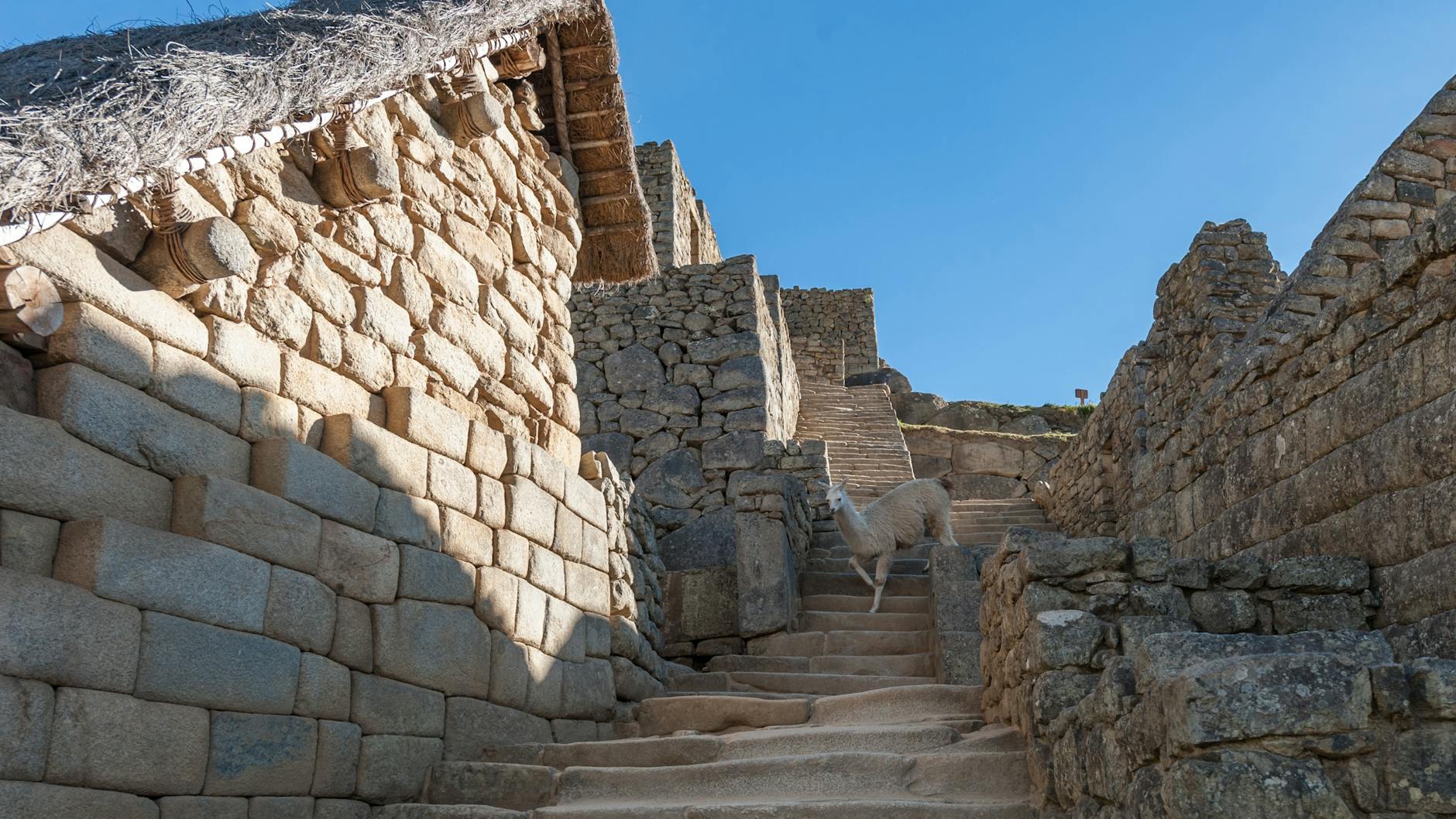
The Incas were also known for their impressive stonework, with meticulous craftsmanship seen in structures throughout their empire. The iconic dry-stone construction methods employed by the Incas contributed to the durability and longevity of their buildings, including temples, forts, and agricultural terraces. This architectural prowess is evident at Machu Picchu, where keen understanding of the local geology and environment allowed for the construction of complex infrastructure without using mortar.
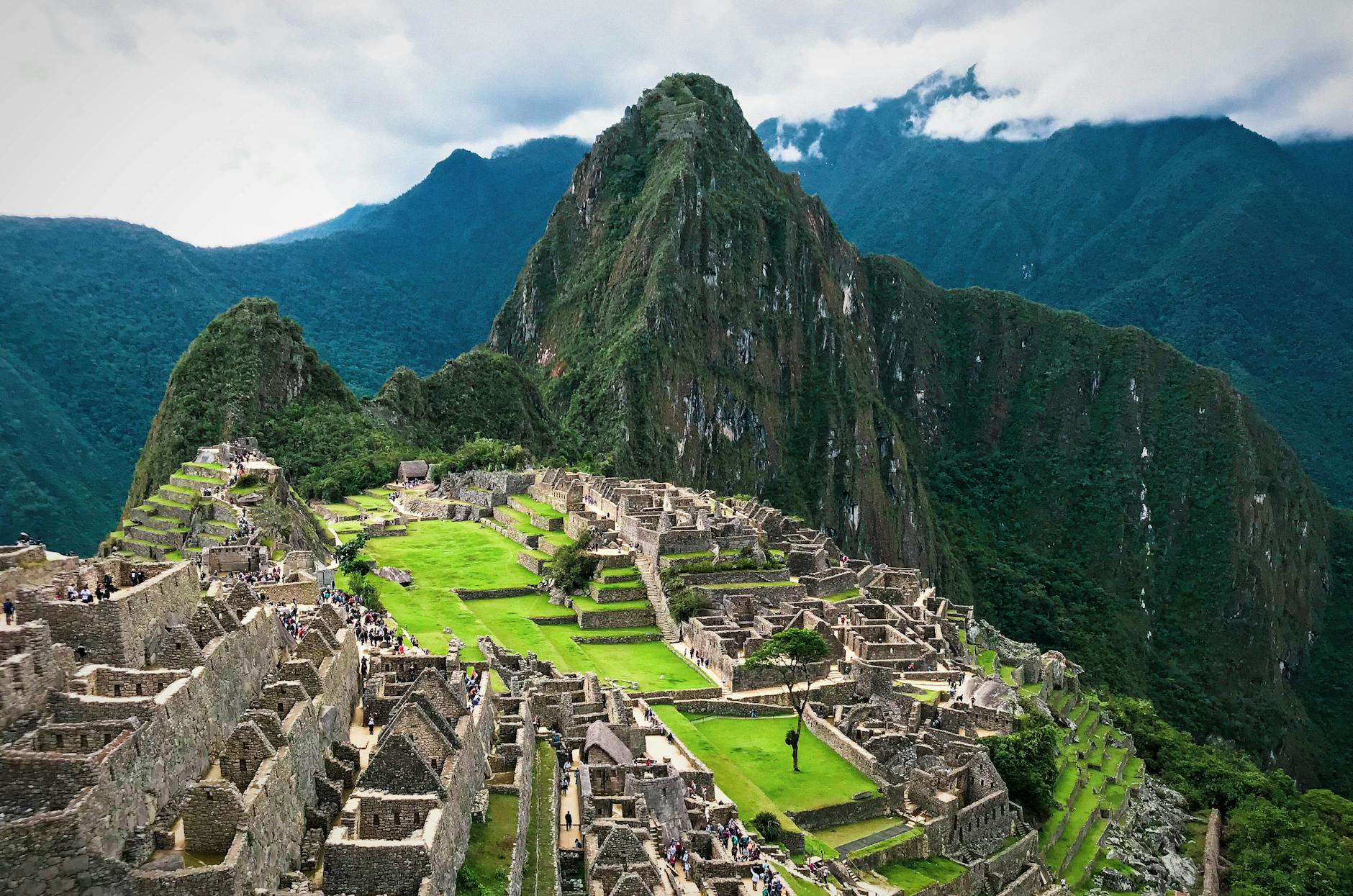
Machu Picchu itself is seen as a testament to the Incas’ identity and beliefs. The site is thought to have served as a royal estate, perhaps a ceremonial center, or a spiritual retreat for Inca leaders. The strategic positioning of Machu Picchu in relation to nearby peaks, such as Huayna Picchu and Machu Picchu Mountain, suggests that the Inca people held particular reverence for the natural landscape, integrating their religious beliefs with their architectural designs.
Religion held a central place in Incan society, with the worship of deities associated with the sun, moon, and earth. Inti, the Sun God, was particularly significant, and many Incan sites were constructed to align with astronomical events. Machu Picchu features structures that could have been used for astronomical observations, highlighting the sophisticated understanding the Incas had of the celestial movements.
In addition to their religious beliefs, the Incas were adept in the arts, creating intricate textiles, pottery, and metalwork. The amalgamation of functionality and artistry is visible in the ceremonial artifacts found at Machu Picchu, which exemplify the Incan societal values and traditions.
Understanding the Incan civilization provides essential insights into the origins of Machu Picchu. This lost city is not merely a collection of stone structures; it is a reflection of a civilization that achieved remarkable heights in urban planning, cultural integration, and environmental adaptation. As scholars continue to study and interpret the vast legacy of the Incan Empire, Machu Picchu remains a focal point of exploration, shedding light on a complex society that thrived in harmony with its surroundings.
Architectural Marvels: An Overview of the Site’s Structures
Machu Picchu is not only significant because of its history but also due to its stunning architectural feats that showcase the ingenuity and skill of the Incan civilization. The site spans approximately 13 square kilometers (5 square miles) and is divided into distinct sectors, including agricultural, urban, and religious areas. Each of these sectors exhibits advanced engineering that speaks to the Incas’ architectural prowess.
As visitors approach the site, the first impression is often one of amazement at the meticulous dry-stone construction that has stood the test of time. The Incas utilized a technique known as ashlar, where stones were cut to fit together precisely without the use of mortar. This allowed for flexibility and contributed to the resilience of their structures, especially in an area prone to seismic activity.
Among the site’s key highlights is the Intihuatana stone. This ritual stone, commonly referred to as the “Hitching Post of the Sun,” serves as a significant astronomical marker that ties into the Incas’ relationship with the cosmos. Scholars believe it may have been used for ceremonial purposes, including agricultural calendars and sun-related rituals, indicating its importance in Incan spirituality.
The Temple of the Sun stands out as another architectural marvel. Featuring a semi-circular design that captures sunlight during the winter solstice, it served as a ceremonial site dedicated to Inti, the Sun God. This temple is characterized by its carefully constructed windows and stonework that align with the sun’s rays, highlighting the Inca’s keen understanding of solar cycles and their significance in agriculture and religious practices.
The urban sector of Machu Picchu is a network of terraces, residential buildings, and plazas, demonstrating the Incas’ ability to maximize available land. The terraced fields not only prevented erosion but also created microclimates in which various crops could thrive. This agricultural ingenuity was critical for sustenance and showcases the Incas’ advanced farming techniques.
Additionally, the residential areas consist of buildings with distinct features that reflect social stratification. The layout of these structures, which includes double-walled constructions and larger communal spaces, suggests that the inhabitants might have had diverse roles and responsibilities within the society. The presence of a sophisticated drainage system further emphasizes the advanced engineering skills of the Incas, allowing rainwater to be channeled away from living quarters, thus ensuring the longevity of their buildings.
The intricate pathways and steps throughout the site exemplify the careful planning that went into Machu Picchu’s construction. These pathways vary in width, indicating specific routes for different purposes, whether for transport or ceremonial processes. Each stone was laid with care, contributing to the overall aesthetics and functionality of the site.
Machu Picchu also contains multiple religio-political structures, such as the Temple of the Condor, which rises above a large formation of rock resembling a condor’s outstretched wings. This representation reinforces the connection between Andean culture and wildlife, further integrating their beliefs into architectural design.

These architectural marvels collectively tell the story of a civilization that harmonized engineering, spirituality, and environmental adaptation. The ability of the Incas to create such a sophisticated urban environment at such an altitude remains an enduring legacy of their ingenuity.
Through meticulous research and conservation efforts, scholars and visitors continue to learn more about the structures of Machu Picchu. Each stone, each pathway, and each feature observed in this remarkable citadel allows for greater insights into the lives of the Incan people, their beliefs, and their remarkable achievements that resonate through time.
Theories About the Purpose of Machu Picchu
Much speculation remains regarding the precise purpose of Machu Picchu, a question that has intrigued historians and archaeologists since its rediscovery. While the site is often portrayed as a royal estate or leisure retreat for Inca emperor Pachacuti, alternatives theories also shed light on the complexities of this remarkable location.
One predominant theory posits that Machu Picchu served as a religious and ceremonial site. This notion is supported by the presence of temples, particularly the Temple of the Sun and the Intihuatana stone, both of which indicate significant ritualistic activities. The alignment of structures with celestial events, such as solstices, underscores the importance of astronomy and spirituality within Incan culture. Scholars argue that the construction of Machu Picchu was strategically timed to coincide with astronomical phenomena and agricultural calendars, reinforcing the community’s religious beliefs and practices.
Another theory suggests that Machu Picchu functioned as a waystation or a stopping point along the vast network of Incan roads. Its location, situated between the highlands and the jungle, indicates that it could have played a critical role in facilitating trade and serving travelers. This theory posits that the site may have housed officials, traders, or rural populations moving through the region, reflecting the Incas’ skill in creating hubs for interaction and commerce.
The concept of Machu Picchu as a defensive position cannot be overlooked. Its elevated position provides strategic advantages, making it difficult for any potential invaders to access. The Incas may have used the site as a secure refuge during times of conflict. The extensive agricultural terraces surrounding the main urban area would have supported the inhabitants while reinforcing the notion that Machu Picchu could sustain itself during prolonged sieges.
Equally important is the theory that Machu Picchu served as a royal estate or ceremonial retreat for the Inca elite, particularly Pachacuti, the emperor responsible for initiating the site’s construction. The luxurious and sophisticated design of its structures suggests a space meant for leisure, governance, or religious activities. The presence of large, finely crafted spaces coupled with the abundance of food supplies nearby supports the idea that the elite might have utilized this remote location for respite from governance or ceremonial functions.
Additionally, some archaeological evidence suggests that Machu Picchu could have been a sacred pilgrimage site for the Inca people. The inscriptions, artifacts, and structures indicate that individuals may have journeyed to the site for spiritual rejuvenation, healing, or to pay homage to deities, aligning with regional spiritual practices of reverence toward nature and the cosmos.
While multiple theories propose different perspectives on Machu Picchu’s purpose, it is essential to recognize that the site likely served multiple functions simultaneously. As with many aspects of Incan civilization, its multifaceted identity reflects the complex relationship between religion, politics, and society.
Modern archaeologists continue to examine Machu Picchu, utilizing advanced technologies and methodologies to uncover more clues about its use and significance. This ongoing research may eventually lead to a more comprehensive understanding of the lost Incan city and the people who called it home. Thus, Machu Picchu remains not just a relic of the past but a continually evolving narrative that invites exploration and reflection.
Conservation Efforts: Protecting the Heritage of Machu Picchu
As one of the most visited tourist destinations globally, Machu Picchu faces significant challenges regarding preservation and conservation. The pressures resulting from increased foot traffic, climate change, and environmental degradation pose threats to the site’s fragile ecosystems and ancient structures. Consequently, dedicated conservation efforts are essential to protect this UNESCO World Heritage Site for future generations.
In recent years, both the Peruvian government and international organizations have recognized the pressing need for sustainable tourism practices. Measures have been introduced to regulate visitor numbers, ensuring that the site can accommodate the increasing influx of tourists while minimizing wear on its structures and landscapes. Restricting daily visitor quantities has proven crucial; these limitations help manage human impact and provide pathways for ongoing conservation initiatives.
Education also plays a vital role in conservation efforts. Visitors to Machu Picchu are encouraged to engage with interpretive programs that emphasize the importance of historical and cultural preservation. Knowledge-sharing about local ecosystems, the significance of heritage preservation, and responsible tourism practices can empower tourists to appreciate the site more fully, fostering a sense of stewardship among visitors.

Importantly, local communities surrounding Machu Picchu are engaged in conservation activities. These communities share a deep-rooted cultural connection to the site and are instrumental in protecting its heritage. By supporting local initiatives, fostering inclusive tourism practices, and training local guides, the conservation efforts align the benefits of sustainable tourism with community development. This holistic approach not only enhances cultural understanding but also ensures that the community directly benefits from the preservation of their heritage.
International partnerships have bolstered conservation initiatives at Machu Picchu. Collaborations with organizations and experts focused on archaeology, heritage management, and environmental protection are essential in preserving the site’s integrity. Projects have addressed issues such as erosion, restoration of structures, and the implementation of drainage systems to safeguard against rainfall and subsequent landslides.
Technological advancements, including 3D laser scanning and drone mapping, are employed to monitor changes in the site’s condition. These tools allow archaeologists and conservationists to analyze structural integrity and make informed decisions regarding preservation practices. They provide essential data to evaluate both short-term and long-term impacts, ensuring that conservation efforts remain adaptive and effective.
A crucial component of ongoing efforts has involved changes in infrastructure and visitor management. The Inca Trail, which traditionally served as the primary route for hiking to Machu Picchu, has undergone significant improvements to accommodate tourists while preserving its historical character. Initiatives include renovation of hiking pathways and the establishment of guided tours that follow designated routes, ensuring that sensitive areas receive adequate protection.
In addition to site-specific conservation strategies, discussions about broader environmental impacts—including the preservation of biodiversity within the Machu Picchu region—are gaining traction. By fostering a culture of respect for nature, conservationists are encouraging practices that emphasize ecological sustainability alongside historical preservation.
In summary, the conservation of Machu Picchu is an ongoing endeavor that requires cooperation among various stakeholders, including governments, local communities, and international organizations. By promoting sustainable tourism, fostering local engagement, and utilizing advanced technology, we can secure Machu Picchu’s legacy as a monumental testament to the Incan civilization that birthed it. The heritage of Machu Picchu is not just a reflection of the past; it is a living legacy that, when cared for responsibly, continues to inspire awe and wonder for generations to come.
Conclucion
As we reflect on the captivating history of Machu Picchu, it is essential to embrace not only its architectural wonders but also the rich cultural narratives that underscore its legacy. From its rediscovery in the early 20th century to its significance within the Incan civilization, each facet of Machu Picchu reveals insights into a remarkable society that thrived against daunting odds. The architectural marvels echo the skills and artistry of the Incas, while the theories surrounding its purpose lend depth to our understanding of its multifaceted identity.
Moreover, as tourism continues to burgeon and interest in the site grows, preserving Machu Picchu’s heritage for future generations becomes paramount. Conservation efforts must remain robust and multifaceted, involving local communities, educators, and international experts in safeguarding its unique cultural and natural resources. As we move forward, it is vital to honor the history and teachings that Machu Picchu imparts, fostering a deep appreciation for one of humanity’s most iconic historical spaces. By understanding its past and investing in its future, we can ensure that Machu Picchu remains a beacon of cultural significance and inspiration for all who visit.