Introduction
The Transamerica Pyramid stands as a defining symbol of San Francisco’s skyline, drawing both awe and intrigue from locals and tourists alike. Completed in 1972, this striking building is notable not only for its unique shape but also for its rich history and architectural significance. Designed by architect William Pereira, the pyramid was conceived during a time of rapid growth and transformation in San Francisco, reflecting the city’s ambition and spirit. Rising 853 feet above the bustling streets below, it serves as a beacon of financial power and innovation. The building’s design was groundbreaking, prioritizing sustainability and resilience, traits that were not commonly considered during the era of its construction. As we delve into the Transamerica Pyramid history, we will explore the vision behind its creation, the challenges faced during its construction, and its lasting cultural impact that continues to influence the city today.
The Vision Behind the Transamerica Pyramid
The conception of the Transamerica Pyramid can be traced to the mid-20th century when the booming economy of San Francisco warranted a landmark to symbolize its burgeoning status. The Transamerica Corporation, founded in 1904, sought a new headquarters that would not only represent the company but also embody the forward-thinking spirit of the city. In 1960, the company acquired a prime piece of land in the Financial District, signifying a pivotal moment in the urban landscape of San Francisco.
William Pereira was chosen as the architect for this ambitious project. Known for his modern designs and innovative use of technology, Pereira was the perfect choice to push the boundaries of architectural possibilities. His vision was to create a structure that transcended traditional skyscraper designs. The recognizable pyramid shape was not just an aesthetic choice; it was also a response to the city’s stringent height restrictions and zoning laws. By tapering upwards, the design not only complied with regulations but also offered unhindered views of the Bay and the surrounding hills.
Additionally, the decision to construct a structure that stood out from its contemporaries was rooted in the desire to create a new identity for San Francisco in the early 1970s. The city was transforming from a traditional shipping port into a hub for finance, technology, and innovation. The pyramid was designed to reflect this shift, symbolizing the dynamism of a city on the rise. The design included not only offices but also a public plaza that invited interaction, emphasizing the importance of community in an increasingly urban environment.
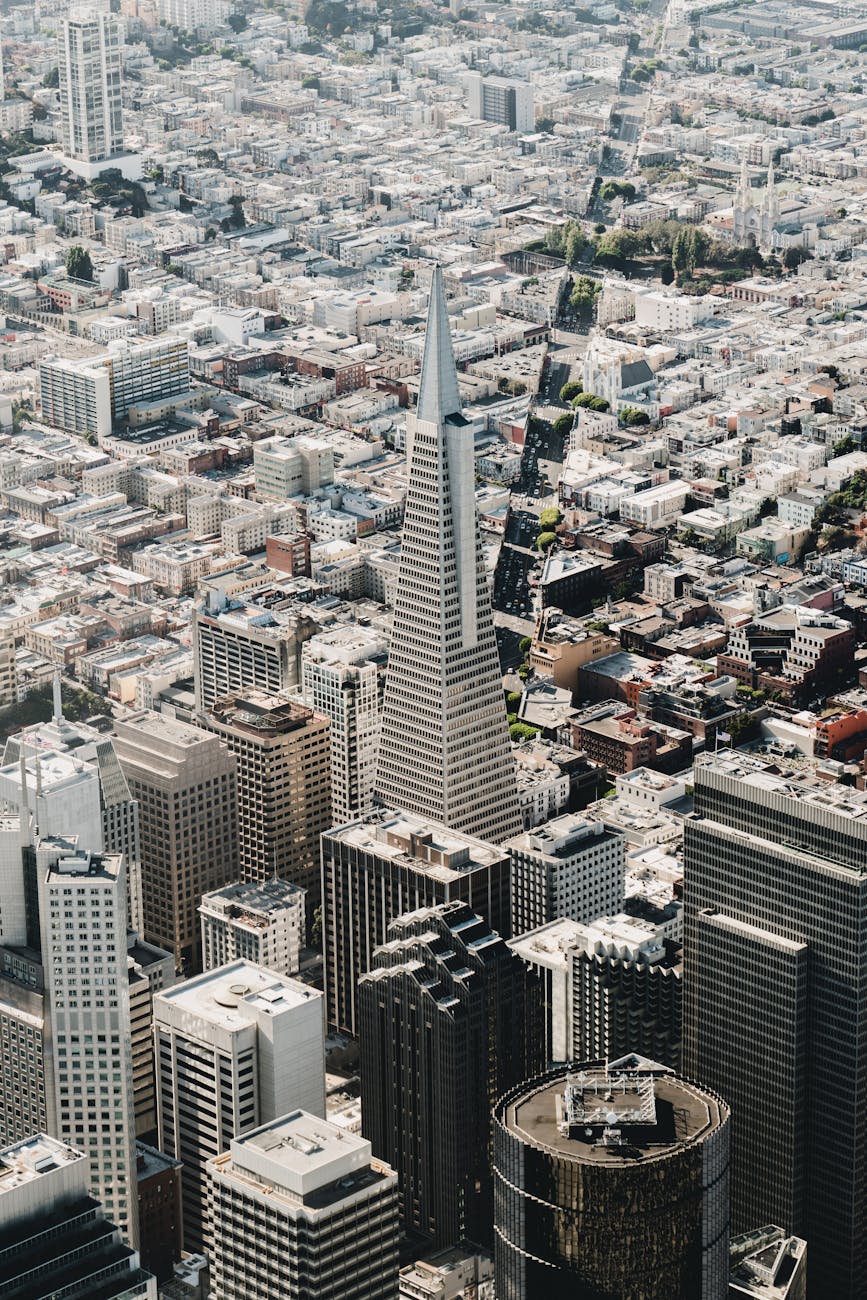
Pereira’s artistic vision was further complemented by an emphasis on sustainability and earthquake resilience. Given San Francisco’s vulnerability to seismic activity, the building was engineered with a flexible foundation, allowing it to withstand tremors far more effectively than its predecessors. This blend of artistic vision and practical engineering laid the groundwork for a revolutionary approach to modern skyscraper construction.
The official groundbreaking ceremony took place in 1971, marking the beginning of a new architectural chapter in the city’s history. The decision to construct a pyramid-shaped building in the heart of a bustling metropolis was met with skepticism; many viewed it as a departure from conventional design. However, Pereira’s foresight in designing an iconic structure that would stand the test of time proved to be prescient. The positive reception of the building upon its completion would not only validate Pereira’s vision but also ignite a wave of modern architectural projects across San Francisco, establishing the city as a leader in innovative urban design.
Ultimately, the Transamerica Pyramid represented more than just a new corporate headquarters. It was a bold statement about the future of San Francisco, its economy, and its identity as a city that cherishes both innovation and community. The vision of the Transamerica Pyramid was not merely to be a structure of glass and steel, but to serve as a landmark that captured the essence of a progressive city eager to embrace the future while honoring its past.
Architectural Innovations and Design Elements
The architectural innovations and design elements that define the Transamerica Pyramid are critical to understanding its importance in the skyline of San Francisco. As the tallest building in the city for nearly four decades, the Pyramid’s unique shape and structural considerations reflect both a bold design choice and a creative response to the environmental challenges posed by its location.
One of the defining characteristics of the Transamerica Pyramid is its distinctive shape. The form is evocative of ancient Egyptian architecture yet is radically modern in its execution. The tapering design not only provides a striking silhouette against the sky but also serves practical purposes. By tapering from a broad base to a narrow apex, the building minimizes wind resistance—a critical factor, given San Francisco’s often gusty weather conditions. This tapering contributes to a sense of lightness while maximizing usable space within the building itself. The design allowed for more square footage on lower floors while making the upper levels accessible and dynamic.
In terms of materials, the Pyramid is primarily constructed from cast-in-place reinforced concrete, affording it both strength and durability. The exterior is clad in a unique glass and aluminum skin that reflects the changing light of the San Francisco sky, creating a dynamic visual effect that shifts throughout the day. This attention to aesthetics is further enhanced by the use of reflective glass that not only creates a magical interaction with the environment but also plays a role in energy efficiency—a principle that was ahead of its time in the early 1970s.
An essential aspect of the building’s design is its innovative approach to sustainability. The Pyramid was one of the first high-rise buildings to incorporate sustainable design principles. The building is equipped with energy-efficient systems that reduce its carbon footprint. Features such as high-performance insulation and a combined heating and cooling system work together to create a comfortable environment for tenants while minimizing energy usage. This foresight in sustainable design set a precedent for future buildings in the city and around the globe, positioning San Francisco as a leader in environmentally conscious architecture.
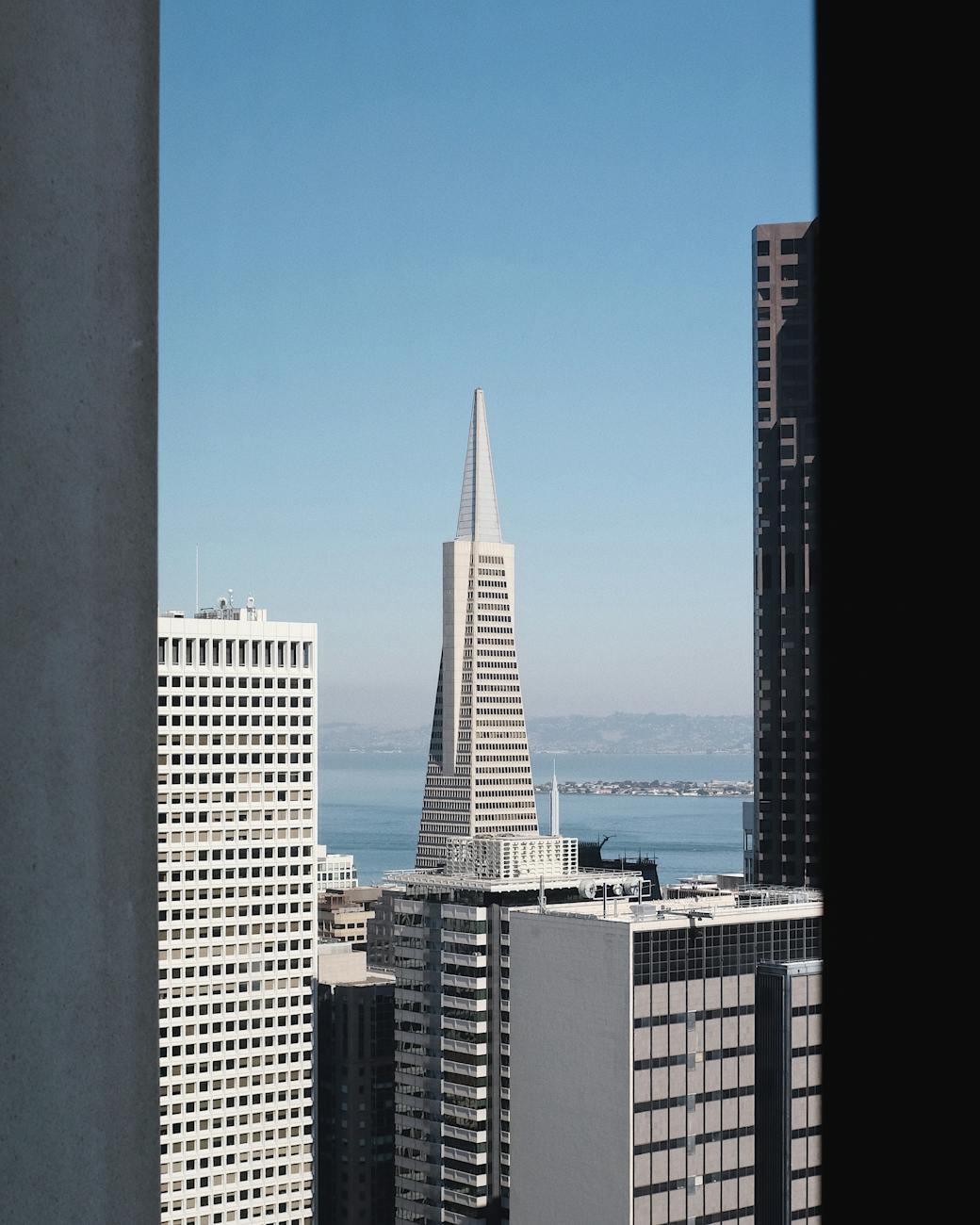
Another remarkable feature of the Transamerica Pyramid is its seismic resilience. San Francisco’s geographical location puts it at significant risk for earthquakes, and traditional skyscraper design often struggled to address this concern adequately. Pereira employed an innovative bracing system known as the “flexible moment frame,†which allows the structure to sway without breaking during seismic events. This engineering marvel is hidden within the structure but is essential in ensuring the building’s longevity and safety in a region notorious for its seismic activity.
The building’s surrounding plaza also reflects Pereira’s commitment to integrating nature into urban spaces. The public area was designed to include landscaped gardens and tranquil seating areas where employees and the public could gather. This emphasis on incorporating greenery within built environments enhances the aesthetic experience of the Pyramid and promotes a community-oriented atmosphere, a concept that many modern architects are now striving to replicate.
Taking into account not only the design’s aesthetic appeal but also the underlying engineering feats, the Transamerica Pyramid stands as a testament to innovative architectural thinking. The vision behind its construction beyond mere functional use was to create a cultural icon, a place that inspires and ignites creativity while providing safety and comfort. The architectural innovations embodied in the Transamerica Pyramid continue to influence architects and engineers, setting a standard for high-rise buildings across the globe.
Construction Challenges and Milestones
The construction of the Transamerica Pyramid was fraught with challenges and milestones that shaped its eventual success. Undertaking such a monumental project required not only vision and creativity but also resilience in the face of various setbacks. From the complex planning and approval process to the technical difficulties encountered during construction, each obstacle contributed to the story of this iconic structure.
One of the first significant challenges faced during construction was acquiring the necessary permits and approvals. The site, located in San Francisco’s Financial District, was subject to stringent zoning laws and height restrictions. The unconventional design of the Pyramid raised eyebrows among city planners, leading to extended negotiations to secure the approval needed to move forward. The process required extensive community outreach to address any concerns from residents about the impact of the building on the surrounding neighborhood. Ultimately, through open dialogue and adjustments to the original plans, the project gained the support necessary to proceed.
Once construction began in 1971, the next phase was tackling the engineering challenges that accompanied such an ambitious design. The unique pyramid shape introduced complexities in structural support and stability that were not common in traditional skyscraper designs. Engineers worked tirelessly to develop an innovative shear wall system that would ensure the building could withstand seismic movements. Each decision made during this phase was critical, as the safety of the structure depended on precise calculations and testing.
Additionally, the material choices presented challenges during the construction process. The decision to utilize cast-in-place concrete necessitated careful coordination among subcontractors to ensure that pouring and curing occurred smoothly at various heights. This intricate logistics management was vital, particularly since workers had to navigate the complexities of a structure that decreased in footprint as it ascended.
Midway through the project, an unexpected labor strike halted work on the site for a prolonged period, threatening to jeopardize the ambitious timeline. This setback forced the construction team to reevaluate their strategies, redoubling efforts to optimize efficiency upon resuming operations. Project managers introduced new scheduling protocols and employed additional equipment to ensure that the timeline remained as intact as possible.
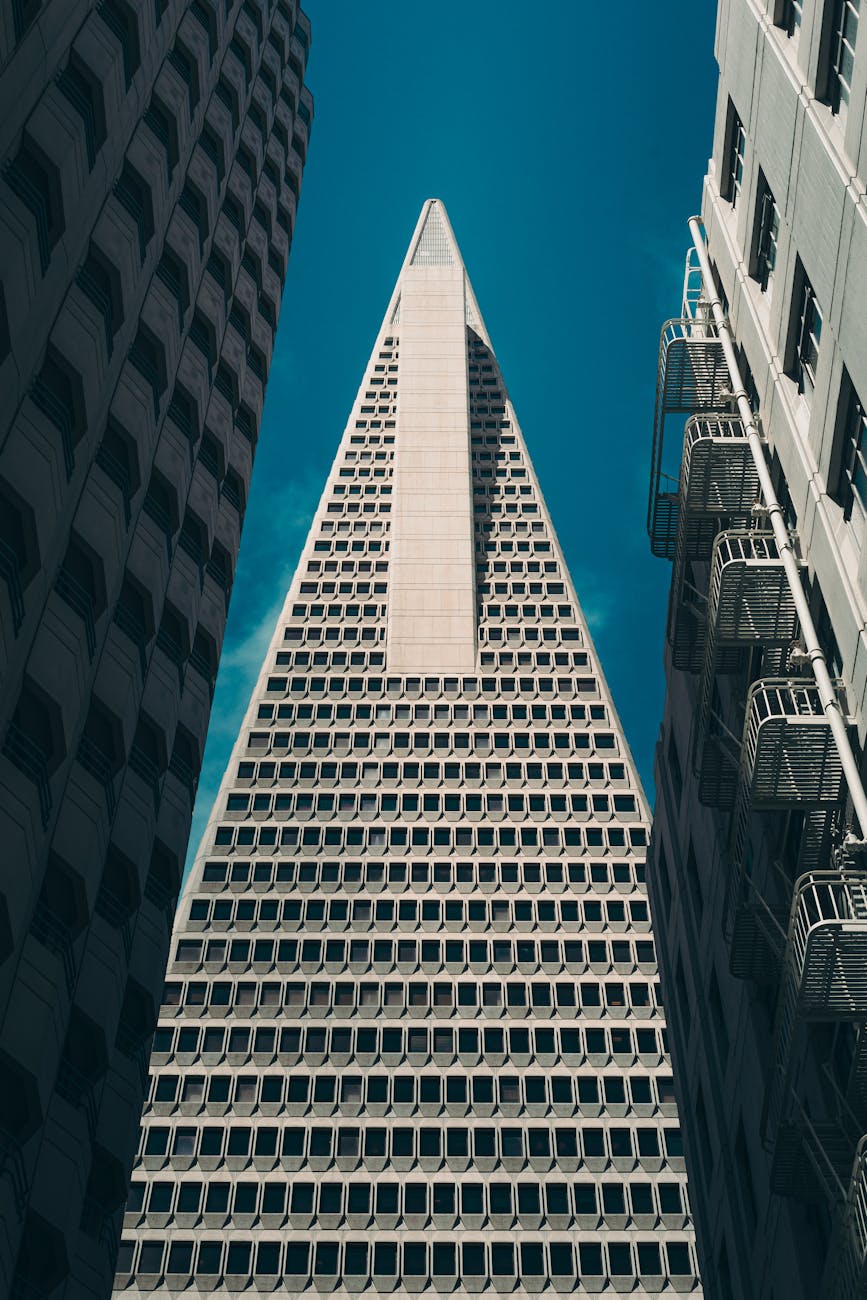
Despite the hurdles faced, progress milestones were consistently met. The completion of the foundation and podium structure in 1973 marked a significant turning point in the construction timeline. The podium served as the base for the main structure, housing essential services and public spaces. This portion of the project showcased Pereira’s vision of creating a multi-functional building that prioritized not only corporate office space but also community interaction.
By the time the Pyramid reached its final height in 1976, it was clear that the challenges endured during construction had ultimately contributed to a resilient building. The approach taken to address engineering needs and neighborhood concerns reflected a commitment to quality that became synonymous with the Pyramid itself. The opening ceremony was a moment of pride for San Francisco, marking the completion of a monumental endeavor that captured the spirit of an evolving era.
Today, the Transamerica Pyramid stands tall as an architectural tribute to the perseverance and innovation of those who believed in its vision. It serves as a reminder of how obstacles can shape the character of a structure and its place in a city’s identity. The successful completion of the Pyramid is not just a testament to one architect’s dream; it represents the collective spirit of a city poised for growth and transformation, turning vision into reality.
Cultural Impact and Public Perception
The Transamerica Pyramid is not only a significant architectural landmark; it has also made a lasting cultural impact on San Francisco and beyond. Since its completion in 1972, the building has become a symbol of the city’s resilience, innovation, and vibrant spirit. Its unique design and prominence in the silhouette of the San Francisco skyline have rendered it an icon, often used in media, art, and promotional materials to represent the city itself.
Public perception of the Transamerica Pyramid has evolved over the decades, transitioning from skepticism during its construction to widespread admiration today. Initially, when the design was unveiled, critics questioned whether a pyramid-shaped building had any place in a modern metropolis. Some worried that it would look out of place among the surrounding buildings that adhered to more traditional architectural forms. Ironically, this very uniqueness played a role in capturing public interest and, gradually, affection.
The Pyramid’s aesthetic has made it a favorite subject for artists and photographers alike. Its prominent position against the backdrop of the Bay Bridge and Alcatraz creates stunning visual compositions that capture both the beauty of the building and the grandeur of San Francisco’s natural environment. Local artists often incorporate the Pyramid into their works, celebrating its iconic status while also placing it within the local narrative of resilience and creativity.
Moreover, the building has inspired a wealth of stories, from local folklore to cinematic appearances. Films frequently feature the Pyramid as a representation of San Francisco, cementing its status as a cultural touchstone. Its image can be spotted in countless media, from countless television shows to feature films, enhancing its role as a beloved symbol of the city.
The Pyramid is also a significant economic driver in the region. It houses numerous businesses and employs thousands of people, contributing to San Francisco’s thriving economy. As a central location for many tech companies and financial institutions, the building has positioned itself at the intersection of innovation and commerce. This status not only boosts local employment but also draws visitors who want to experience the history and significance associated with the structure.
In recent years, the Transamerica Pyramid has embraced initiatives that promote engagement with the broader community. Programs aimed at educating the public about architecture and urban planning have emerged, helping demystify the design process and the challenges faced during construction. These outreach efforts aim to foster a sense of pride and ownership among San Francisco residents regarding their iconic landmark.
Local events, such as the annual lighting displays and community gatherings held in the adjacent plaza, further reinforce the Pyramid’s role in the social and cultural fabric of the city. These activities emphasize the importance of community, providing a space where people can connect, celebrate, and share experiences. The Pyramid thus serves as a communal gathering point where citizens can come together and embrace an identity that reflects both innovation and tradition.
Despite its cultural significance, the Transamerica Pyramid is not without its share of controversies. As with many urban structures, discussions around gentrification and the evolving landscape of San Francisco are often linked to the presence of such high-profile buildings. The Pyramid’s role in the changing economic climate has prompted dialogues about urban development and housing access, urging important conversations on balancing modern growth with preserving community values.
As a symbol of San Francisco’s dynamic identity, the Transamerica Pyramid continues to resonate with residents and visitors alike. It inspires admiration and pride, representing the overarching narrative of a city that embraces change, creativity, and resilience. Its cultural significance serves not only as an architectural wonder but also as a reminder of the values that shaped San Francisco into the vibrant metropolis it is today.
The Transamerica Pyramid Today and Future Prospects
The Transamerica Pyramid has transcended its initial role as merely a corporate headquarters to become an enduring symbol of San Francisco. Over the years, it has adapted to the changing landscape of the city and the evolving needs of its tenants while maintaining its iconic architectural integrity. As we look at the Pyramid today, it serves as both a tribute to the past and a vision for the future.
Located in the heart of the Financial District, the Pyramid continues to house the Transamerica Corporation, among other tenants. It stands out not just for its height but also for its emphasis on creating a workplace that promotes collaboration and creativity. The interior spaces have been modernized over the years, incorporating advanced technology and design principles to foster productivity and innovation. Contemporary office layouts with open designs reflect a shift towards more flexible work environments, aligning with current trends in corporate culture.
The build’s resilience and sustainability features have positioned it as a model for future architectural projects. The Pyramid is frequently cited in discussions on green building practices due to its innovative systems that enhance energy efficiency. It has become an educational resource for architects and city planners seeking to understand the balance between aesthetics and environmental considerations. Emphasizing lessons learned from the Pyramid’s design can have lasting benefits for future architecture in San Francisco and worldwide.
As urban growth continues to rise, the Pyramid remains a critical touchstone for discussions on urban development and land use. It symbolizes the tension between preserving historical landmarks and the necessity for new developments amid a rapidly changing economic landscape. The city’s commitment to maintaining such an iconic structure while accommodating growth reflects an understanding of the importance of architectural heritage.
One of the Pyramid’s key attributes lies in its status as a tourist destination. It serves as a must-see site for visitors keen to understand San Francisco’s story through its architecture. The public plaza surrounding the building, featuring lush landscaping and seating areas, offers a welcoming space for exploration and relaxation. As various events take place throughout the year, the Pyramid becomes a hub for local culture and interaction, further solidifying its role in the community.
Looking to the future, the Transamerica Pyramid is expected to play a vital role in the ongoing transformation of the Financial District. As the city continues to grow and evolve, there will undoubtedly be discussions regarding the building’s relevance in catering to new needs. The ongoing push towards incorporating technology into urban planning will pose both challenges and opportunities for this iconic structure. Innovations such as smart building systems may be integrated into the Pyramid, enhancing its operational efficiency while further aligning it with contemporary trends.
Moreover, as San Francisco grapples with pressing issues like affordable housing, the Pyramid is in proximity to ongoing urban development initiatives aimed at increasing access for residents. This juxtaposition will continue to fuel conversations around gentrification and accessibility, highlighting the need for a balanced approach to urban growth and preservation.
In a city characterized by its unique architectural gems, the Transamerica Pyramid remains a shining example of creativity, resilience, and progress. Its ability to navigate both historical context and modern needs speaks to its lasting significance. Future generations will undoubtedly appreciate the lessons encapsulated in its design as an architectural landmark and a site of cultural interaction in the ongoing story of San Francisco.
Conclusion
The Transamerica Pyramid stands as an enduring symbol of San Francisco’s evolution and resilience. Born out of a visionary design and an ambitious commitment to innovation, it has transformed from a daring concept into an iconic structure that captures the essence of the city. From its architectural innovations to the challenges faced during its construction, each dimension of the Pyramid tells a story of determination and creativity.
What began as a corporate headquarters has blossomed into a landmark that resonates with the public, fostering a sense of pride among residents and sparking curiosity among visitors. Its presence in the skyline serves as a constant reminder of the city’s ability to adapt and thrive in the face of change. The Transamerica Pyramid’s significance transcends its physical structure, encompassing a broader narrative about the importance of architectural heritage in urban identity.
As we look to the future, the Pyramid’s role will continue to evolve, responding to the needs of those who interact with it. It stands not only as a testament to the architectural achievements of its time but also as a beacon for continued discussions about sustainable design, community engagement, and urban development. Its story is far from finished; rather, it continues to unfold against the backdrop of one of the most dynamic cities in the world. The Transamerica Pyramid is a remarkable legacy that inspires those who aspire to contribute to the story of urban innovation and resilience, a true emblem of San Francisco’s iconic skyline.