Introduction
The Lincoln Memorial stands as one of America’s most iconic landmarks, embodying the fundamental values of unity, freedom, and equality. Located on the western end of the National Mall in Washington, D.C., this majestic monument honors President Abraham Lincoln, who played a crucial role in shaping the nation during one of its most tumultuous periods. Designed by architect Henry Bacon and dedicated in 1922, the monument is not only a tribute to Lincoln’s contributions to the United States but also serves as a symbol of hope and reconciliation for a divided nation. The imposing statue of Lincoln seated in contemplation has inspired countless individuals and movements, making it a focal point for essential civil rights demonstrations throughout history. This article will explore the Lincoln Memorial history, from its inception and design to its enduring significance in contemporary society.
The Vision Behind the Lincoln Memorial
The conception of the Lincoln Memorial can be traced back to the profound impact that President Abraham Lincoln’s leadership had during the Civil War and the enduring principles he stood for. After Lincoln’s assassination in 1865, there was an overwhelming desire among Americans to commemorate his legacy in a monumental way. The idea was not only to honor Lincoln as a great leader but also to encapsulate the values of unity and freedom that he championed. The vision for a memorial crystallized in the early 1900s when the Lincoln Memorial Association was formed, comprised of prominent individuals who advocated for the construction of a fitting tribute.
The movement gained momentum in the 1900s, partly fueled by the nationwide recognition of Lincoln as a pivotal figure in American history. Many Americans saw him not just as a president, but as a symbol of emancipation and national unity. The memorial was envisioned as a space that would invite reflection on Lincoln’s contributions to the country and encourage a collective commitment to the ideals he upheld. Tapping into the pervasive sentiment of admiration, the association sought to create a monument that would resonate with future generations, prompting them to engage with Lincoln’s legacy actively.

Fundraising efforts began, and in 1909, Congress authorized the construction of the memorial. The project faced various hurdles, including debates over its design and location. In 1911, the commission appointed architect Henry Bacon, who proposed a design inspired by the Parthenon, symbolizing democracy and grandeur. The design process was meticulous, as the association wanted to ensure that every aspect of the memorial would honor Lincoln’s character and contributions to the nation. The incorporation of symbolism was essential; the 36 columns represent the states in the Union at the time of Lincoln’s death, serving as a reminder of his unwavering commitment to preserving the nation.
Bacon’s design was formally approved, and construction began in 1914, but it wasn’t without challenges. World War I delayed progress, causing frustration among supporters of the project. However, momentum eventually resumed, and in 1922, the Lincoln Memorial was dedicated with much fanfare. The ceremony attracted thousands of spectators and was attended by notable figures, including President Warren G. Harding, who delivered a keynote address.
The vision behind the Lincoln Memorial transcended its physical structure. It aimed to be a potent symbol of a nation’s journey toward unity despite its scars from civil conflict. It invited ongoing reflection and dialogue about the principles of democracy, equality, and freedom. Even today, the memorial serves as a backdrop for discussions about civil rights and social justice, reinforcing its role as a catalyst for change and a monument to the enduring legacy of President Lincoln.
Architectural Design and Symbolism
The architectural design of the Lincoln Memorial is as profound as the ideals it embodies. Designed by Henry Bacon, the structure draws heavily from classical Greek architecture, a choice that reflects the democratic values that Lincoln fought for during his presidency. Specifically, the memorial is modeled after the Parthenon in Athens, which was dedicated to the goddess Athena and symbolizes the glory of ancient democracy. This design choice not only suggests that Lincoln’s ideals are timeless and transcendent but also places him in a pantheon of great leaders who are revered throughout history.
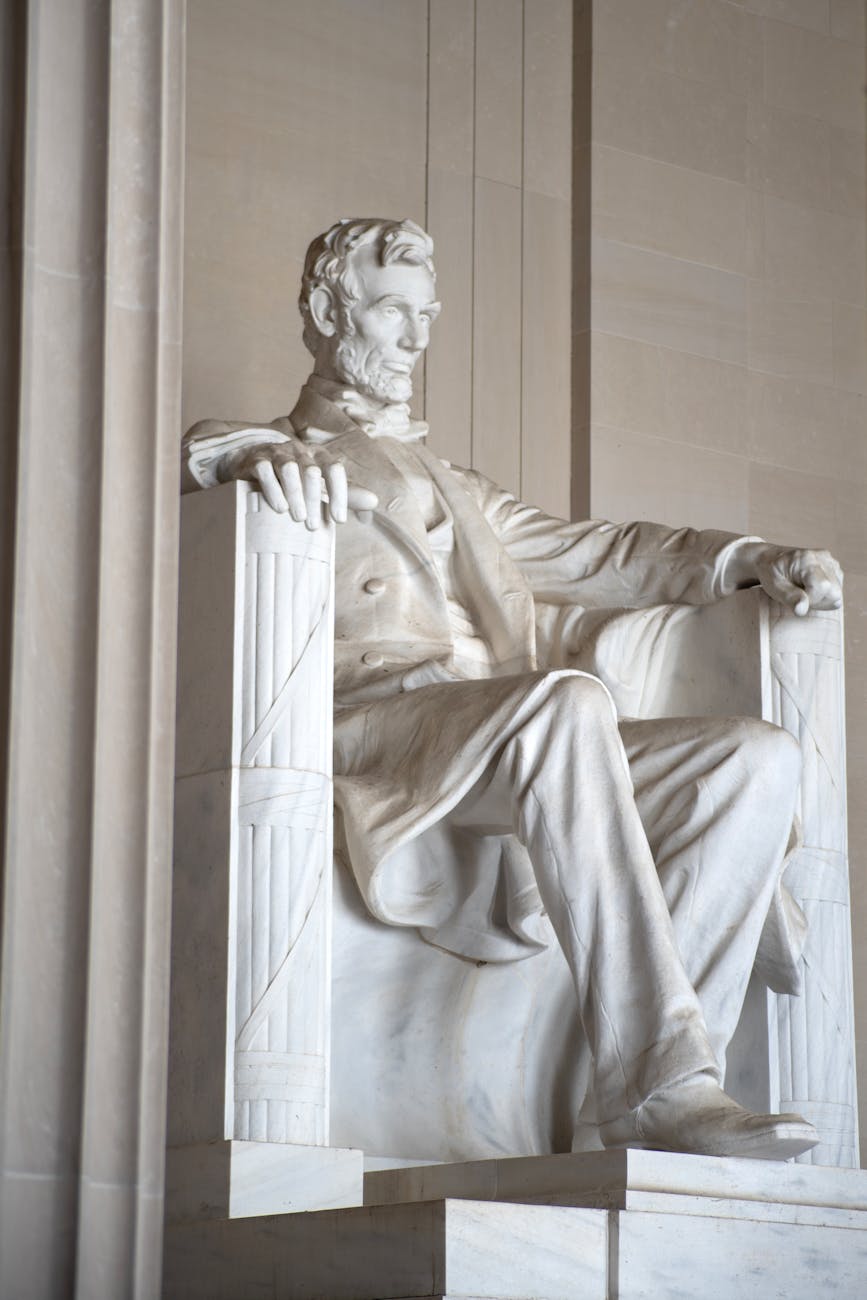
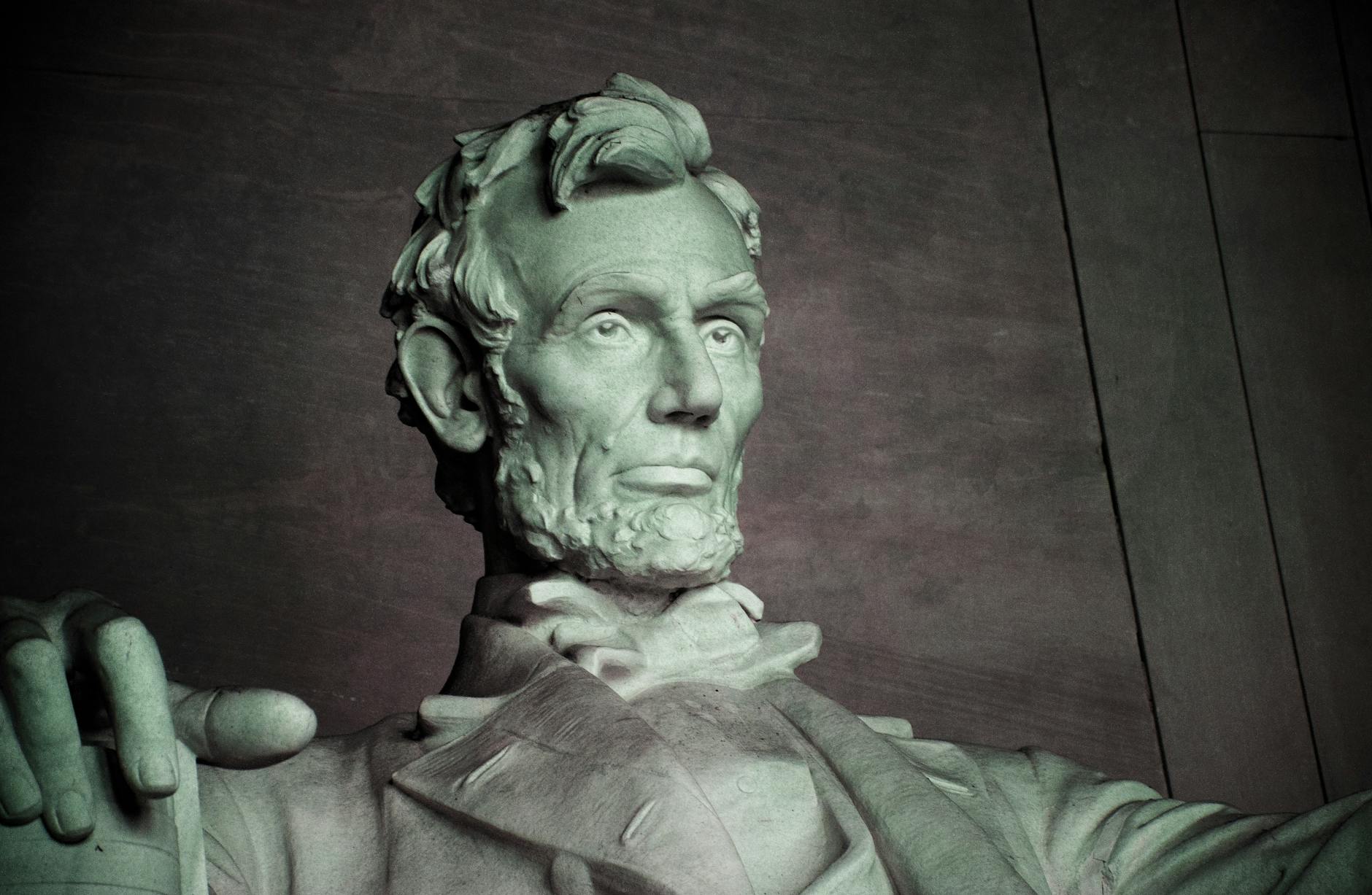
The memorial is constructed from white Colorado Yule marble, contributing to its grandeur and inviting reflection as light plays across its surfaces. Standing 19 feet tall and 19 feet wide, the statue of Abraham Lincoln seated inside the temple is the focal point of the memorial. Crafted by sculptor Daniel Chester French, this statue captures Lincoln in a contemplative posture, signifying his deep thoughts and concerns for the nation he once led. The larger-than-life scale of the statue serves not only as a testament to Lincoln’s towering legacy but also symbolizes the magnitude of his impact on the United States.
Surrounding the statue are 36 columns, each representing a state in the Union at the time of Lincoln’s death in 1865. This detail serves as a powerful reminder of Lincoln’s commitment to preserving the nation during the Civil War. The inscription of Lincoln’s speeches on the interior walls—most notably the Gettysburg Address and his Second Inaugural Address—further emphasizes the principles of equality, liberty, and unity that he fought for. These engravings allow visitors to reflect on Lincoln’s words and their relevance across generations.
In addition to its architectural grandeur, the memorial functions as a democratic space where people from all walks of life can gather, reflect, and engage in discourse. The design encourages visitors to ascend a series of steps, symbolizing a journey toward understanding and unity. This invites contemplation about Lincoln’s legacy and the ongoing fight for civil rights, making the memorial a living tribute to the ideals he upheld.
The Lincoln Memorial serves not only as an architectural marvel but also as a canvas of symbols representing American values—unity, freedom, and the pursuit of justice. Its design reflects a deep respect for democracy, reminding citizens that the struggle for equality is an ongoing journey. As such, it stands resolutely not just as a tribute to a great president, but as a beacon of hope for future generations striving to create a more just and equitable society.
Historical Significance and Events
The Lincoln Memorial holds deep historical significance, serving as a monument not only to the legacy of Abraham Lincoln but also as an epicenter for pivotal events in American history. Since its dedication in 1922, the memorial has been the site of numerous gatherings that highlight America’s ongoing struggle for civil rights and social change. These moments resonate profoundly within the broader context of American history and reflect the evolution of the nation’s collective conscience.
One of the monument’s most notable historical events occurred during the Civil Rights Movement. On August 28, 1963, Dr. Martin Luther King Jr. delivered his iconic “I Have a Dream” speech during the March on Washington for Jobs and Freedom, a pivotal moment that brought together over 250,000 demonstrators advocating for racial equality and justice. Standing on the steps of the Lincoln Memorial, King invoked the legacy of Lincoln and the promises of freedom that the Emancipation Proclamation represented. His speech, which addressed the ongoing struggles faced by African Americans, echoed the themes of unity and equality that the memorial symbolizes.
King’s presence at the memorial is just one instance of how the site has been used to foster dialogue about racial injustice in the United States. In subsequent decades, the Lincoln Memorial continued to serve as a backdrop for demonstrations advocating for civil rights, women’s rights, and LGBTQ+ rights. The memorial has established itself as a place where diverse voices can converge to demand justice, equality, and change, reinforcing Lincoln’s commitment to the principles of democracy.
Beyond civil rights, the Lincoln Memorial is also linked with other historical movements and events that exemplify the spirit of protest and advocacy for change. During the Vietnam War, anti-war activists congregated at the memorial to voice their dissent, embracing Lincoln’s legacy as a call to strive for justice and equality even amidst conflict. The memorial has served as an effective platform where individuals and groups have lifted their voices, aiming to inspire others to join their causes.
Moreover, the Lincoln Memorial has become a symbol not just for Americans but for people around the world who seek freedom, democracy, and justice. Its global resonance underscores Lincoln’s universal appeal as a leader who championed the rights of all individuals. The memorial has inspired visitors from various cultural backgrounds, reminding them of the shared struggles for liberty and human dignity across nations.
As the decades have passed, the Lincoln Memorial has evolved into more than just a tribute to Lincoln’s life; it has transformed into a living monument that encapsulates America’s ideals and aspirations. Each gathering at the memorial continues to resonate with the pursuit of equality and justice, serving as a powerful reminder that the fight for these principles requires ongoing commitment and collective action.
Cultural Impact and Legacy
The cultural impact of the Lincoln Memorial extends far beyond its impressive architecture and historical significance. It has become an enduring symbol of not only Abraham Lincoln’s legacy but also the fundamental values of democracy, unity, and equality that continue to resonate in contemporary society. The memorial nurtures a deep connection between the American populace and the historical trajectory of civil rights, social justice, and the pursuit of a more equitable society.
One of the most profound aspects of the Lincoln Memorial’s cultural impact is its role in inspiring artists, writers, and visionary leaders throughout history. The site has served as a backdrop for several influential artistic expressions, including literature, speeches, and visual artworks that echo Lincoln’s principles. Poets, playwrights, and filmmakers have drawn upon the rich symbolism of the memorial to explore themes of social change, justice, and resilience in their works.
The memorial also encourages a sense of collective memory among Americans, fostering a communicative space where past struggles are acknowledged and future aspirations can be shared. This collective memory nurtures a sense of responsibility among citizens to uphold the principles of democracy and fight against injustice. Initiatives, such as educational programs and events hosted at the memorial, aim to connect visitors with Lincoln’s legacy, allowing them to engage deeper with the values he championed.
Moreover, the Lincoln Memorial has gained international recognition, often serving as a symbolic representation of American ideals on the global stage. The imagery of the memorial resonates universally, representing the fight for freedom, equality, and human rights. It has become a place where people from all over the world can find inspiration and a call to action in their own struggles for justice and equality.
The memorial’s legacy is perpetuated through continued engagement with social movements that reflect Lincoln’s vision for a just society. For instance, the memorial has witnessed gatherings advocating for various social issues, including women’s rights, LGBTQ+ rights, and economic justice. Each of these movements draws on Lincoln’s enduring message of equality and unity, showcasing the relevant nature of his legacy in addressing contemporary issues.
Lastly, the Lincoln Memorial’s legacy is encapsulated in the ongoing efforts to maintain and preserve the history it represents, ensuring that future generations continue to recognize the importance of Lincoln’s ideals. As the site undergoes renovations and restorative efforts, it serves as a reminder that the struggle for equality and justice requires constant vigilance and commitment from all citizens.
In summation, the cultural impact of the Lincoln Memorial is profound, establishing it as not merely an architectural achievement but as a vital symbol of America’s ongoing quest for unity and freedom. It encourages reflection on the nation’s past, invigorates contemporary movements for change, and inspires future generations to uphold the principles of justice and equality that form the bedrock of democracy.
Ongoing Relevance in Modern Society
The Lincoln Memorial remains historically and culturally relevant in modern society, serving as a critical site for reflection, advocacy, and community engagement. In an era marked by social upheaval, political polarization, and ongoing struggles for civil rights, the memorial stands as a powerful reminder of the values of unity and freedom that President Abraham Lincoln championed. Its relevance transcends time, continuing to inspire new generations to engage with issues of justice, equality, and democracy.
In recent decades, the United States has grappled with significant social movements aimed at combating systemic racism, gender inequality, and economic injustice. The Lincoln Memorial has consistently served as a focal point for demonstrations advocating for these causes, embodying the spirit of activism that Lincoln himself upheld. Most notably, as movements like Black Lives Matter and various women’s rights initiatives gain momentum, activists have gathered at the memorial to articulate their demands for justice and equity.
This continued use of the Lincoln Memorial as a site for protest underscores the enduring connection between Lincoln’s legacy and modern advocacy efforts. Activists often reference Lincoln’s values, using the memorial as a platform to call for action and to inspire dialogue about contemporary issues. This living engagement with Lincoln’s ideals reaffirms that the fight for justice is ongoing and that the memorial serves as an important historical anchor for these struggles.
In addition to social movements, the Lincoln Memorial also plays a significant role in educational initiatives that promote civic engagement and awareness. Various programs and events hosted at the site encourage individuals to explore the complexities of American democracy and the challenges faced by marginalized communities. Many educational institutions utilize the memorial as a resource for teaching about civil rights, social justice, and the importance of active citizenship, reinforcing the connection between historical struggles and current societal challenges.
Moreover, the memorial is not only a space for solemn reflection but also a gathering place for celebration and collective remembrance. Annual events, such as the commemoration of Lincoln’s birthday and other culturally significant observances, draw visitors from diverse backgrounds, reinforcing the memorial’s role as a unifying symbol. These gatherings highlight the shared commitment to the ideals of democracy and equality, allowing individuals to collectively honor the progress made while acknowledging the work that lies ahead.
Furthermore, the Lincoln Memorial serves as a source of inspiration for global movements advocating for human rights and justice. By drawing parallels between Lincoln’s legacy and contemporary struggles for democracy around the world, the memorial embodies a universal message that resonates across borders. It stands as a testament to the idea that the quest for freedom and equality is a shared human endeavor, and it continues to inspire activists worldwide.
In conclusion, the ongoing relevance of the Lincoln Memorial in modern society is profound and multifaceted. As a site of protest, education, celebration, and inspiration, it fosters a dialogue about the importance of justice and equality. By honoring Lincoln’s legacy, the memorial continues to remind citizens that the pursuit of liberty and unity is a collective responsibility requiring dedication and vigilance from each generation.
Conclusion
The Lincoln Memorial, with its towering presence and profound symbolism, remains a crucial landmark in American history, encapsulating the ideals of unity and freedom that President Abraham Lincoln so valiantly championed. From its inception, the memorial has served as a site for reflection, advocacy, and cultural expression, inviting citizens to engage with the values of democracy and equality. Throughout the years, it has been a pivotal location for significant historical events that have shaped the nation’s trajectory, especially during the Civil Rights Movement.
Its architectural magnificence and thoughtful design evoke a sense of reverence, while the engravings of Lincoln’s speeches resonate with timeless relevance. The Lincoln Memorial stands not only as a tribute to a revered leader but as a living monument that continually inspires individuals to strive for social justice and equity. In an ever-evolving society, the memorial has demonstrated remarkable resilience, adapting to address current challenges while maintaining its foundational commitment to promoting the principles of freedom and unity.
As communities gather at the Lincoln Memorial, they honor the history it represents, while also acknowledging the ongoing efforts required to achieve a more just and equitable society. The fight for civil rights, equality, and social justice continues, and the memorial remains an enduring beacon of hope and inspiration. Looking ahead, the Lincoln Memorial will undoubtedly continue to evoke thought and action, reminding future generations of the responsibilities they bear in upholding the values that define the American spirit.