Introduction
The White House, an emblematic structure that sits at the heart of American politics, has a rich history that intertwines power, politics, and presidential legacy. Built in the late 18th century, this iconic mansion has witnessed centuries of political upheaval, key decisions, and cultural transformations that have shaped the nation. As the official residence of the President of the United States, it has hosted world leaders, dignitaries, and influential figures, playing a pivotal role in international diplomacy and domestic policy-making. This article explores the architectural evolution and significance of the White House history, examining its impact on presidential power and the legacies left by various presidents. By delving into the stories behind its walls, we gain valuable insights into how the White House has come to embody the spirit of American democracy and the complexities of its governance.
The Architectural Evolution of the White House
The architectural history of the White House reflects the changing ideals, values, and power dynamics of the United States. Originally designed by James Hoban and built between 1792 and 1800, the White House was constructed using Aquia Creek sandstone and was initially painted a light gray. Hoban’s neoclassical design, influenced by the architectural styles of Europe, was meant to convey both the strength and dignity of the new republic.
Over the years, the White House has undergone numerous renovations and expansions, each reflecting the evolving tastes and needs of its inhabitants. One significant moment in its architectural evolution was the burning of the White House during the War of 1812, particularly in 1814, when British forces set fire to the building. Following this unfortunate event, the White House was rebuilt, and its exterior was painted white, giving it the name by which it is known today.
The 1902 renovation under President Theodore Roosevelt marked a major turning point in the White House’s architectural identity. Roosevelt aimed to modernize the interior while preserving the historical integrity of the building. The West Wing was added during this renovation, creating an essential space for the President’s staff and aiding in the administrative functions that have become a hallmark of the modern presidency.
As the country grew, so did the operations required of the executive branch. Presidents Franklin D. Roosevelt and Harry S. Truman initiated further renovations to accommodate the expanding role of the presidency in the mid-20th century. Truman’s renovations included an extensive overhaul of the interior layout, ensuring that the Executive Mansion could function effectively for its occupants.
The White House’s architecture also speaks to the social dynamics of the country. The significance of the Rose Garden, created during the Kennedy Administration, reflects shifting priorities towards public engagement and the role of the First Lady. Each renovation and adaptation has added layers to the White House’s functionality and symbolism, making it not just a residence but a living historical document.

In modern times, the White House continues to be a subject of interest not only for its historical value but also for its architectural significance. The interplay of design and functionality is evident in the way contemporary offices have been integrated into this historical structure while preserving its aesthetic appeal. Innovative technologies and sustainable practices are increasingly incorporated into the renovations, showcasing the White House’s adaptability in an ever-changing world.
The architectural evolution of the White House illustrates not only the physical changes made to the building but also the shifting landscape of American politics and society. Each president who has inhabited the residence has left an imprint, affecting how the building is experienced and understood by the public. The White House remains a powerful symbol of American democracy, a testament to the country’s enduring legacy, and an embodiment of the complexities that define presidential power.
Key Historical Events Shaping Presidential Power
The White House has been a witness to pivotal historical events that have shaped the course of the United States and influenced presidential power. One of the earliest instances was the establishment of the Executive Office, which began taking form during George Washington’s presidency. As the first president, Washington set precedents that would define the powers of the presidency, including the formation of the Cabinet, effectively expanding the role of the executive branch in governance.
The Civil War marked another significant turning point in presidential power. President Abraham Lincoln wielded authority during this tumultuous period to preserve the Union, demonstrating the expansive nature of presidential powers during times of national crisis. Lincoln’s decision to suspend habeas corpus and issue the Emancipation Proclamation exemplified the executive’s ability to act decisively in the face of urgent challenges, setting a controversial precedent for future presidents.
Another major historical event that showcased presidential authority was the Watergate scandal during the Nixon Administration in the 1970s. The scandal not only implicated President Nixon in a cover-up but also led to an unprecedented challenge to presidential power. The ensuing investigation revealed the importance of checks and balances in American government, culminating in Nixon’s resignation. This event reinforced the notion that no president is above the law, thereby shaping the public’s perception of presidential accountability.
The post-9/11 era introduced new dimensions to presidential power and civil liberties. In the wake of the terrorist attacks on September 11, 2001, President George W. Bush enacted sweeping security measures, including the USA PATRIOT Act. This legislation significantly increased federal surveillance capabilities and redefined the balance between national security and individual freedoms. The long-lasting implications of these measures continue to spark debates about the extent of surveillance and the power vested in the executive branch.

In more recent history, the administration of Barack Obama confronted challenges related to executive action and immigration policy. The Deferred Action for Childhood Arrivals (DACA) program, established in 2012, aimed to provide temporary relief to undocumented immigrants brought to the United States as children. This initiative again highlighted the president’s capacity to enact significant policy changes through executive action, shaping the conversation around immigration reform and presidential power.
These historical events paint a vivid picture of the dynamic interplay between presidential authority and the evolving context in which it is exercised. The White House, as a backdrop to these events, has served as a stage for pivotal moments that have defined the trajectory of the presidency. The complexities involved in wielding power are evident through these episodes, reinforcing the necessity for learning from history as presidents navigate their roles and responsibilities.
The Role of the White House in American Politics
The White House plays a central and multifaceted role in American politics, serving as both the residence of the President of the United States and the epicenter of executive branch decision-making. Its functions extend beyond mere governance; the building is a symbol of political authority and national identity, influencing the relationship between the government and the public.
At its core, the White House is where major policy decisions are made, affecting millions of citizens. The Office of the President is responsible for crafting and executing domestic and foreign policies, a process that comes with significant political implications. The strategic decisions made within the White House can dictate legislative priorities, set the tone for national discourse, and even sway public opinion. Executive orders issued from the Oval Office often lead to substantial shifts in policy that reverberate across the nation.
Furthermore, the White House serves as a critical communication hub. The press briefings held in the James S. Brady Press Briefing Room exemplify the importance of media in shaping political narratives. Through this platform, the administration can directly address the public, clarify its positions, and respond to emerging issues. In the digital age, with the rise of social media, the White House has adapted to new forms of communication, allowing direct interaction with citizens and broader engagement on policy matters.
The physical space of the White House also represents political power through its iconic rooms, such as the Oval Office, where presidents conduct meetings with advisors, diplomats, and stakeholders. The setting of these discussions often influences the perception of decisions made. For instance, the imagery associated with a presidential address from the Oval Office can amplify the impact of the message being delivered, making the location intrinsically linked to the exercise of political power.
Moreover, the White House is pivotal in shaping relationships with Congress. Presidential initiatives often depend on gaining support from legislators, and the White House engages in constant negotiations to foster cooperation on various bills and funding. The role of the Chief of Staff and legislative liaisons is crucial in this respect, ensuring that the President’s agenda is effectively communicated and promoted within Congress.

The relationship between the White House and the judiciary also plays an essential role in American politics. The President’s power to appoint federal judges, including Supreme Court justices, significantly affects the judiciary’s ideological balance. The appointments made from the White House can lead to landmark rulings on critical issues like civil rights, healthcare, and environmental regulations, illustrating the lasting impact of presidential influence beyond the executive branch.
Additionally, the White House engages with various stakeholders, including interest groups and the business community, which shapes its political strategies. The ability to forge alliances or negotiate with these entities can be pivotal in advancing the President’s agenda. Lobbying efforts from various sectors demonstrate the interconnected nature of the White House and external interests in shaping policy outcomes.
In summary, the White House serves as the nucleus of American political power, embodying the complexities of governance and the dynamics of political relationships. As the residence of the President, it holds immense symbolic significance, illustrating the balance of power, communication, and influence in the American political landscape.
Notable Presidents and Their Legacies
The legacy of the White House is inextricably linked to the presidents who have occupied it, each leaving a mark on the office and the nation. These legacies reflect their unique visions, accomplishments, and challenges, directly shaping the historical identity of both the White House and the United States.
George Washington, the nation’s first president, set the foundational principles that defined the presidency. By voluntarily relinquishing power after two terms, he established the precedent of presidential limits, promoting the idea of a democratic republic. Washington’s leadership during the formative years of the United States solidified the role of the presidency as one that should serve the interests of the people rather than concentrate power in a singular figure.
Abraham Lincoln’s legacy is equally profound, particularly marked by his efforts to preserve the Union during the Civil War. His issuance of the Emancipation Proclamation marked a pivotal moment in American history, reorienting the war’s purpose toward abolishing slavery. Lincoln’s commitment to equality and his moral leadership left an indelible mark on American society and politics, forging a path toward civil rights that continues to resonate today.
In the 20th century, Franklin D. Roosevelt (FDR) reshaped American politics through his New Deal policies during the Great Depression. His administration’s response to economic turmoil redefined the federal government’s role in the economy and established numerous social safety nets. FDR’s innovative approaches to governance demonstrated the power of the presidency to navigate crises, fostering a legacy that emphasized proactive government intervention.
Another influential leader is John F. Kennedy, whose presidency was characterized by a sense of optimism and a commitment to public service. His advocacy for civil rights and his famous call to action, “Ask not what your country can do for you — ask what you can do for your country,†inspired a generation. The establishment of the Peace Corps and the advancement of the Space Race further exemplified Kennedy’s forward-thinking vision and his belief in American exceptionalism.
In more recent history, Barack Obama’s presidency signified a transformative moment in American identity, exemplifying progress in race relations and underscoring the importance of healthcare reform with the Affordable Care Act. Obama’s emphasis on diplomacy and multilateralism also reshaped America’s role in global politics. His presidency’s focus on inclusivity and social justice has left a lasting impact on discussions around race and equality in the United States, inspiring movements that advocate for change.
These presidents represent a tapestry of leadership styles and legacies that contribute to the ongoing narrative of American history. Each has navigated unique challenges, making decisions that reverberate throughout the country. The successes and failures of these leaders not only reflect their character and values but also illuminate the evolving nature of the presidency itself.
The role of the White House in shaping and preserving these legacies underscores its significance in American politics. The building stands not just as a residence but as a symbol of continuity, resilience, and the enduring struggle for equity and progress.
The White House as a Symbol of Democracy
The White House is far more than just the official residence of the President; it stands as an enduring symbol of democracy in the United States and globally. Its architecture, history, and the activities that occur within its walls all contribute to its powerful representation of the nation’s ideals and values.
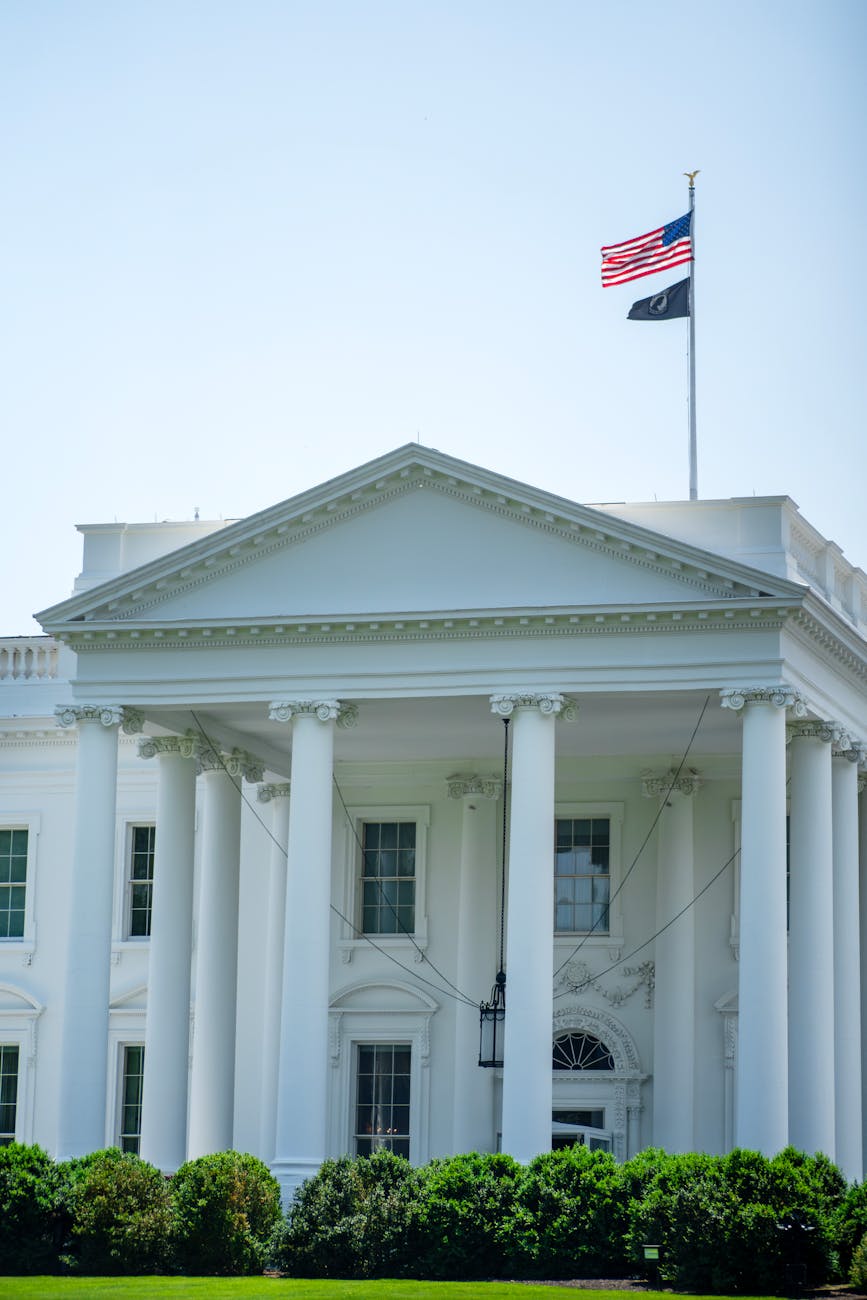
As a physical structure, the White House embodies the principles of democracy with its neoclassical style. The building’s grand facade, with its iconic columns and white exterior, has become recognizable worldwide, symbolizing the stability and authority of the U.S. government. It serves as a backdrop for significant state events, such as presidential inaugurations, where the transition of power is celebrated publicly, affirming the democratic process.
The White House also represents the complex relationship between the government and the governed. Throughout American history, it has hosted movements advocating for civil rights, women’s suffrage, and social justice, making it a focal point for those seeking to influence policy and promote change. The imagery of grassroots movements gathering near the White House emphasizes the importance of citizen engagement in shaping democratic ideals.
The building’s role as a meeting place for leaders from around the world further reinforces its symbolic importance. State dinners and international summits held at the White House foster dialogue among nations, promoting cooperation, understanding, and diplomacy. The relationships developed in these spaces illustrate the White House as a conduit for international collaboration, reflecting the democratic principle of engaging with diverse perspectives.
Moreover, the decisions made within the White House resonate with the democratic notion of accountability. The presidency is subject to public scrutiny and the constant interplay of checks and balances. The historical precedent set during events like the Watergate scandal illustrates the importance of transparency and the rule of law in maintaining trust between the government and its citizens. This accountability ensures that power is not misused and that the voices of the people are heard.
In contemporary politics, the White House continues to serve as a platform for democratic dialogue. Through press conferences and social media engagement, the administration communicates directly with the public, addressing issues and responding to concerns. This accessibility reinforces the belief that democracy thrives when leaders are responsive to the voices of their constituents, fostering a culture of participation and cooperation.
The symbolic significance of the White House extends beyond national borders. It represents the ideals of democracy and freedom that many countries aspire to, becoming a beacon for those seeking inspiration in their own struggles for democratic governance. This global perspective underscores the interconnectedness of democratic values and the role of the White House as a champion of these principles.
In essence, the White House functions as a powerful symbol of democracy, encapsulating the spirit of the nation and its commitment to governance for the people and by the people. Its historical and contemporary significance remains a testament to the enduring ideals of democracy, accountability, and citizen engagement in shaping the future of the United States.
The enduring legacy of the White House, as explored through its architectural evolution, pivotal historical events, the roles it plays in American politics, the notable presidencies it has hosted, and its symbolism in democracy, serves as a lens through which we can understand the complexities of American governance. Each president has contributed to a dynamic narrative, bringing unique challenges and opportunities that have shaped the course of history. From Washington to Obama and beyond, these stories remind us of the challenges and triumphs that are part of the democratic process.
The White House stands as a testament to the resilience of American democracy, reflecting both the power and responsibility vested in its leaders. As we continue to navigate the contemporary political landscape, understanding this rich legacy will be crucial in fostering a society that upholds the principles of democracy and equity for all. The dialogue between the past and present shapes the future, encouraging reflection on the lessons learned and the importance of civic engagement in the pursuit of a more perfect union.
Conclusion
The White House stands not only as the residence of the President of the United States but also as a living symbol of American democracy, resilience, and leadership. Its walls have witnessed defining moments in U.S. history—wars declared, peace negotiated, civil rights advanced, and national tragedies mourned. From George Washington’s vision for a presidential mansion to its construction under John Adams and its reconstruction after the War of 1812, the White House has continually evolved, reflecting the growth and transformation of the nation itself.
Beyond politics, the White House has become a cultural icon, featured in films, literature, and global news, representing both the challenges and triumphs of American leadership. Every room holds stories of past presidents, first families, foreign dignitaries, and historical milestones. As the seat of executive power, it continues to shape the present and future of the United States. Studying its history is not just a look into one building—it is a deeper understanding of a nation’s identity, ideals, and enduring legacy.