
Introduction
Nintendo, a name synonymous with gaming for decades, has a rich and storied history that spans over a century. Founded in 1889 as a playing card company, Nintendo has transformed itself into a formidable force in the video game industry. From its humble beginnings in Kyoto, Japan, to becoming a global phenomenon, Nintendo has continually innovated, evolving alongside technological advancements and cultural shifts. The company’s journey is marked by iconic characters like Mario and Link, revolutionary gaming consoles, and a commitment to family-friendly entertainment. This article will delve into the significant milestones in Nintendo’s history, examining its influence on gaming and its aspirations for the future.
Founding and Early Years (1889-1970)
Nintendo was established on September 23, 1889, by Fusajiro Yamauchi, initially as a manufacturer of handmade Hanafuda playing cards. These cards are integral to traditional Japanese games, and Yamauchi’s craftsmanship quickly garnered popularity. As the company grew, it diversified its offerings, exploring various business avenues, including a taxi company and even a love hotel. Despite these ventures, it wasn’t until the 1970s, with the advent of the video game revolution, that Nintendo’s true potential began to emerge.
In the early 1970s, Nintendo entered the burgeoning electronic entertainment market. The company’s first significant step into the gaming world was the release of “Color TV-Game,” a home video game console, in 1977. This device paved the way for Nintendo to play a significant role in the video game industry. However, it was not just the creation of hardware that would define Nintendo, but their innovative approaches to gameplay and user experience.
The 1980s marked a turning point in Nintendo’s history. The company decided to focus entirely on the video game sector, and in 1981, it released “Donkey Kong,” a game that would introduce audiences to the now-famous character Mario. “Donkey Kong” was revolutionary—it was one of the first platform games, setting the pace for the industry. Its success fueled Nintendo’s decision to develop more arcade games and led them to establish a strong presence in the arcade gaming world.
From these humble beginnings, Nintendo demonstrated a unique ability to adapt and innovate. As the gaming industry began to grow beyond its early arcade origins, so too did Nintendo. They embraced the challenges and opportunities of a shifting market, which would soon pay off handsomely. The groundwork laid in these early years would ultimately set the stage for Nintendo’s dominance in the gaming landscape.
Transition to Video Games (1970-1985)
The transition from a playing card company to a key player in the video game industry did not happen overnight. In the late 1970s, with the success of their Color TV-Game, Nintendo began its focused entry into the video game market. The emergence of video game consoles allowed Nintendo to use its expertise in gameplay mechanics from their card games and apply them to electronic entertainment. The company’s entrance into arcade games allowed them more exposure to both the technology and the creativity demanded by gamers.
Nintendo‘s first big breakout title, “Donkey Kong,” was instrumental in this transition. Released in 1981, it was crucial for establishing the company’s place in the industry. Beyond just its commercial success, “Donkey Kong” redefined the potential of storytelling in video games. With gameplay that required strategy, timing, and skill, it engaged players in ways that were previously unexplored. The introduction of Mario, who would become a household name, was also significant. This character introduced gameplay mechanics that would be revisited and refined in countless games to follow.
The arcade boom gave Nintendo a robust business model, which they leveraged to develop their flagship home console, the Nintendo Entertainment System (NES), launched in 1985 in North America. The NES revolutionized gaming. It became the first console to incorporate a “lockout” mechanism, preventing the use of unlicensed games and thus ensuring quality control, which was crucial in rebuilding consumer trust after the video game crash of 1983.
The NES’s game library included major hits like “Super Mario Bros.” and “The Legend of Zelda,” games that introduced expansive worlds and intricate narratives. This focus on user experience became a keystone of Nintendo’s philosophy, which they would carry into future generations of gaming.
The Rise of Mario and Iconic Franchises (1985-2000)
Mario’s debut in “Donkey Kong” marked the beginning of a significant cultural phenomenon. However, it was the release of “Super Mario Bros.” in 1985 that cemented his status as a gaming icon. This game was built on the innovative gameplay elements that had begun to take root in earlier Nintendo titles, but it expanded the scope of what a platformer could be. Players could explore vibrant worlds filled with hidden secrets, power-ups, and challenging enemies. “Super Mario Bros.” not only became a record-breaking success but also showcased Nintendo’s ability to create enduring characters and narratives.
The introduction of additional characters, such as Princess Peach and Bowser, added depth to the storylines and gave players attachment to the game. Nintendo’s development of these characters was a strategic move that would later contribute to the success of their franchises. The game sold over 40 million copies worldwide, a feat that significantly contributed to the NES’s success and established Nintendo firmly as a leader in the industry.
Following the success of Mario, Nintendo began to build a portfolio of franchises that would go on to define the gaming landscape. “The Legend of Zelda,” released in 1986, was another landmark title that introduced players to vast open worlds, exploration, and intricate puzzle-solving. The innovative design and gameplay mechanics in “Zelda” continued to push the boundaries of what video games could achieve.
In the 1990s, Nintendo continued to innovate with the release of the Super Nintendo Entertainment System (SNES) in 1991, which expanded the graphical and audio capabilities of home consoles. Titles like “Super Mario World” and “The Legend of Zelda: A Link to the Past” further solidified Nintendo’s reputation for high-quality game design and storytelling.
This era also saw Nintendo introduce beloved characters like Donkey Kong and Samus Aran, each contributing to a diverse roster of gaming icons. By the end of the 1990s, Nintendo had not only established a series of successful franchises but had also fostered a culture of loyalty and nostalgia among gamers.
Innovation and New Hardware (2000-Present)
As the gaming industry evolved into the new millennium, Nintendo was at the forefront of innovation, notably with the launch of the Wii in 2006. The Wii’s motion-sensing controller represented a radical departure from the traditional gaming experience, inviting players of all ages and skill levels to engage with video games in an entirely new way. The introduction of casual gaming transformed the landscape, breaking down barriers that had previously confined video games to niche audiences.
The Wii Sports launch title illustrated this shift perfectly, showcasing the console’s capabilities and attracting a broad demographic, including families and non-gamers. It became a cultural phenomenon, leading to Wii consoles selling over 100 million units worldwide. Nintendo’s emphasis on accessibility and social interaction reshaped the gaming market, encouraging other companies to explore similar avenues.
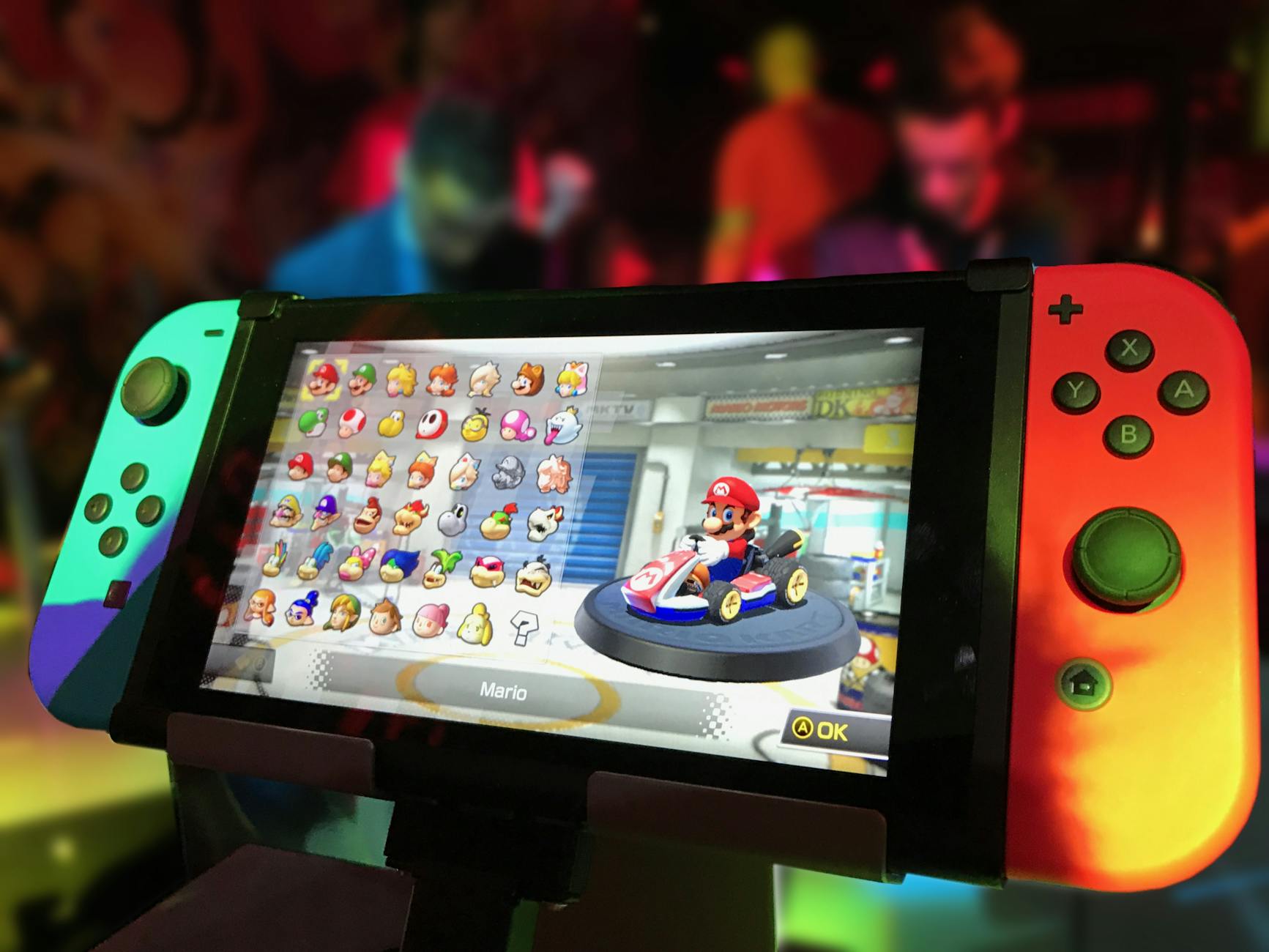
Following the Wii, Nintendo continued to innovate with the release of the Nintendo Switch in 2017. This hybrid console offered the flexibility of playing at home or on the go, catering to the increasingly mobile lifestyle of gamers. The versatility of the Switch, combined with a strong library of games, made it a groundbreaking success, selling over 90 million units in just a few years.
This era has also seen Nintendo focus on providing robust online services and expanding its game library with classic franchises and new titles. Emphasizing creativity, games like “The Legend of Zelda: Breath of the Wild” showcased the company’s ability to entice both long-time fans and new players with expansive worlds and rich storytelling.
Yet, the emphasis on innovation also includes a commitment to nurturing creativity in game design. By supporting independent developers and encouraging unique gameplay experiences, Nintendo has deliberately crafted a diverse gaming ecosystem, allowing for both familiar franchises and fresh concepts.
Cultural Impact and Future Directions
Nintendo’s influence on gaming culture is immense. The company has not only shaped gaming itself but has also intricately woven itself into the fabric of popular culture. Iconic characters like Mario, Zelda, and Pikachu have transcended the medium, becoming symbols of childhood for countless individuals across generations. Their recognition extends into various forms of media, including television shows, movies, and merchandise, solidifying their status as cultural staples.
Moreover, Nintendo has also played an essential role in promoting gaming as a family-friendly activity. Their focus on accessible gameplay mechanics and colorful aesthetics has drawn in players of all ages, fostering a sense of community within the gaming world. Nintendo’s dedication to quality and creativity has elevated gaming from mere entertainment to storytelling, encouraging emotional connections between players and the narratives unfolding in their games.
Looking toward the future, Nintendo’s direction seems rooted in the same principles that guided its past—innovation, storytelling, and community engagement. As technology continues to evolve, Nintendo is poised to explore new frontiers, like virtual reality and augmented reality experiences that blend the boundaries of physical and digital play.
With the growing landscape of gaming, including the rise of mobile gaming and esports, Nintendo may also adapt its strategy to remain relevant without sacrificing its unique identity. Historically, the company has demonstrated an ability to pivot and embrace change, suggesting that future innovations will continue to emerge from within its walls.
As fans eagerly anticipate new titles and hardware, the legacy of Nintendo remains a testament to the power of creativity and innovation. The company has cemented its place in gaming history and continues to inspire future generations of gamers, ensuring that its impact will be felt for years to come.
Conclusion
Nintendo’s journey from a humble playing card company to a leader in the video game industry is a testament to innovative thinking, creativity, and adaptability. Its rich history is filled with milestones that have not only shaped the gaming landscape but also influenced popular culture as a whole. Key franchises have captured the hearts of millions while pushing the boundaries of storytelling and gameplay. Through various generations, Nintendo has maintained its commitment to quality and family-oriented experiences, creating a welcoming space for gamers of all ages.
As technology continues to evolve, Nintendo remains well-positioned to harness these advancements, ensuring its legacy endures. The company’s ability to adapt, combined with its rich history of innovation, suggests exciting possibilities on the horizon. The future of gaming is bright, and as Nintendo forges ahead, its storied past will undoubtedly serve as a solid foundation for the adventures yet to come.
Sources
- Nintendo Company website: https://www.nintendo.com
- History of Nintendo: https://www.nintendohistory.com
- Video Game History Foundation: https://gamehistory.org
- Console Wars: https://www.consolewars.com
- Cultural Impact of Gaming: https://www.gamingculture.com