Introduction
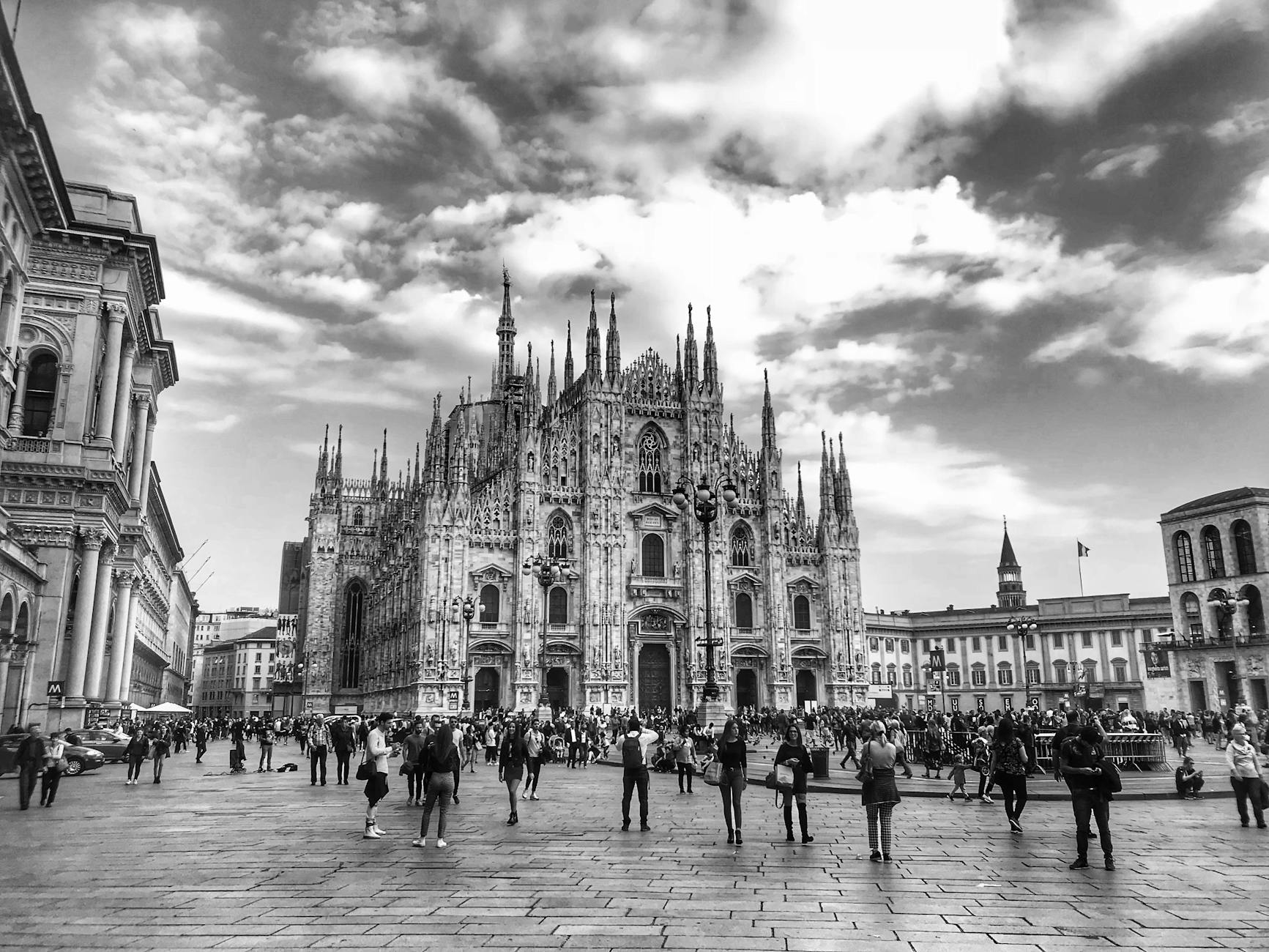
The Milan Cathedral, or Duomo di Milano, is not merely an architectural marvel; it embodies the spirit and history of Milan. With its construction beginning in 1386 and carrying on for over 600 years, this magnificent structure stands as a testament to the artistic and cultural ambitions of its time. As one of the largest cathedrals in the world, it showcases a blend of Gothic and Renaissance architectural styles, characterized by intricate facades, soaring spires, and breathtaking stained glass windows. The cathedral is more than just a religious site; it is a symbol of Milan’s resilience through the ages, having witnessed significant historical events and undergone extensive renovations and restorations. This article delves into the origins, architectural innovations, historical importance, ongoing maintenance, and contemporary relevance of the Milan Cathedral, illuminating its journey from conception to its status as a masterpiece today.
The Origins and Planning of Milan Cathedral
The origins of the Milan Cathedral can be traced back to 1386 when Francesco Sforza, the Duke of Milan, commissioned its construction. The site for the cathedral was chosen strategically, located in the heart of Milan, where the previous basilica, Santa Maria Maggiore, had stood. This decision was not merely practical; it signified the aspirations of the Sforza dynasty to enhance the city’s prestige and influence through a monumental religious structure.
The initial design of the cathedral was heavily influenced by Gothic architecture, which was popular across Europe at the time. The architect Giovanni di Balduccio, along with others, played a crucial role in the early stages of construction. They carefully planned the layout, incorporating elements of Northern European Gothic. The design featured a Latin cross floor plan, which was typical for cathedrals, aimed at enhancing the spiritual experience for worshippers as they moved through the sacred space. The size of the cathedral was ambitious; it was intended to accommodate thousands of parishioners and visitors, reinforcing the cathedral’s role as a central place of worship in Milan.
Over the years, the cathedral was to witness multiple architectural influences, which manifested in changes to the original plans. Each architect brought their unique touch to the project. Some significant figures included numerous master builders who contributed to different phases of the construction, such as Simone da Orsenigo and later, Francesco Croce. One noteworthy aspect of the early construction phases was the use of local pink marble from the quarries of Candoglia, which added to the cathedral’s unique aesthetic and connection to the surrounding landscape.
Despite its monumental scale, the original vision faced challenges. The vast time required for its realization was partly due to political turmoil, shifting power dynamics in Milan, and financial constraints. The Sforza family faced opposition from rival factions, and wars would often disrupt the funding and labor necessary for the cathedral’s progressive stages. It became clear that the project would grow beyond a single generation, evolving into a symbol of enduring faith and ambition for the city.
The completion timeline expanded, leading to a series of modifications that resulted in integrating Renaissance elements that gradually appeared in the design. Though initial work was focused on the Gothic style, as the cathedral grew, new architectural trends began to influence later phases of development. These shifts also reflected broader societal changes in Milan.
As construction continued into the 15th century and beyond, successive leaders of Milan, including the powerful Sforzas and their successors, were keen on ensuring the cathedral would showcase not only religious devotion but also their power and artistic patronage. The choice to include a broader array of styles helped preserve the artistry and cultural relevance entrenched in the city’s identity, thus ensuring that Milan Cathedral stood the test of time, both physically and culturally.
Architectural Features and Innovations
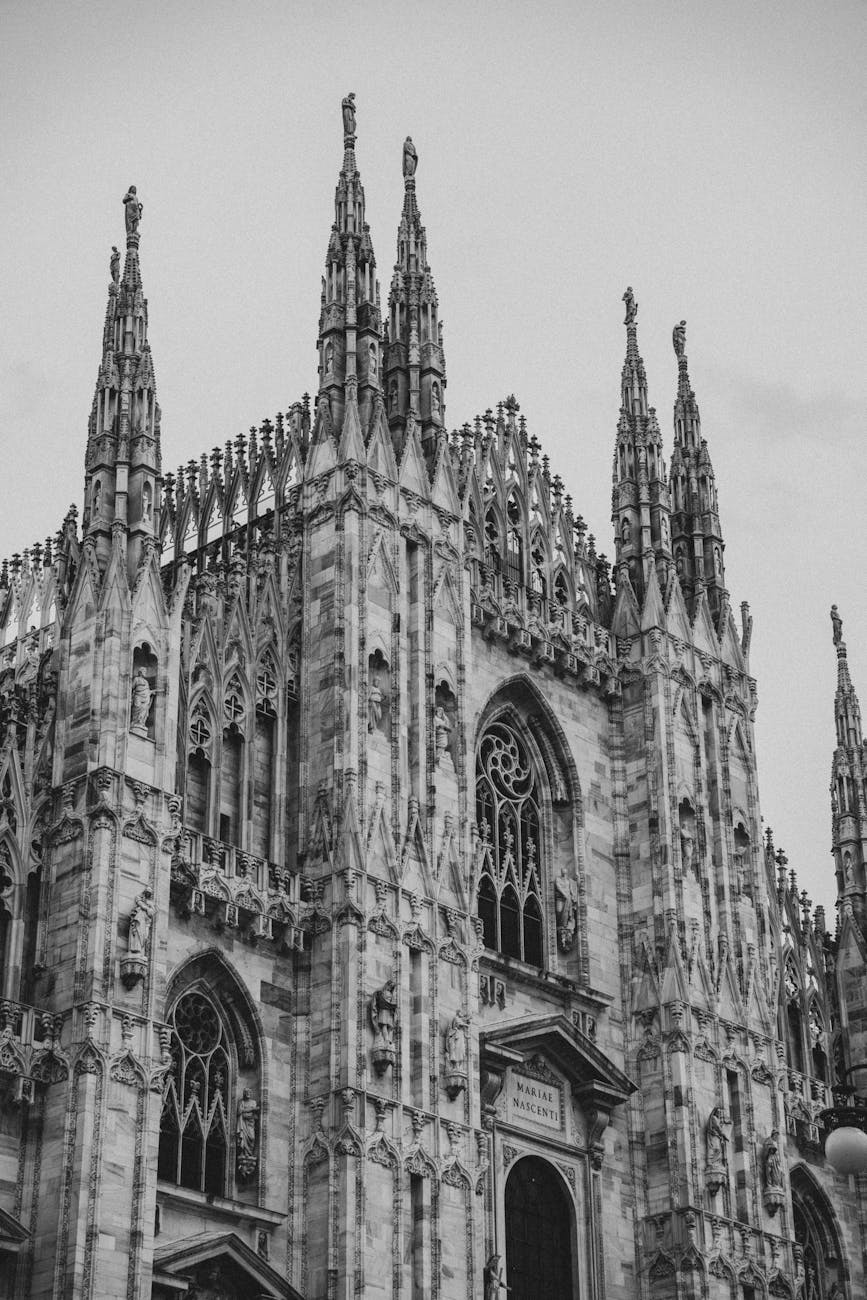
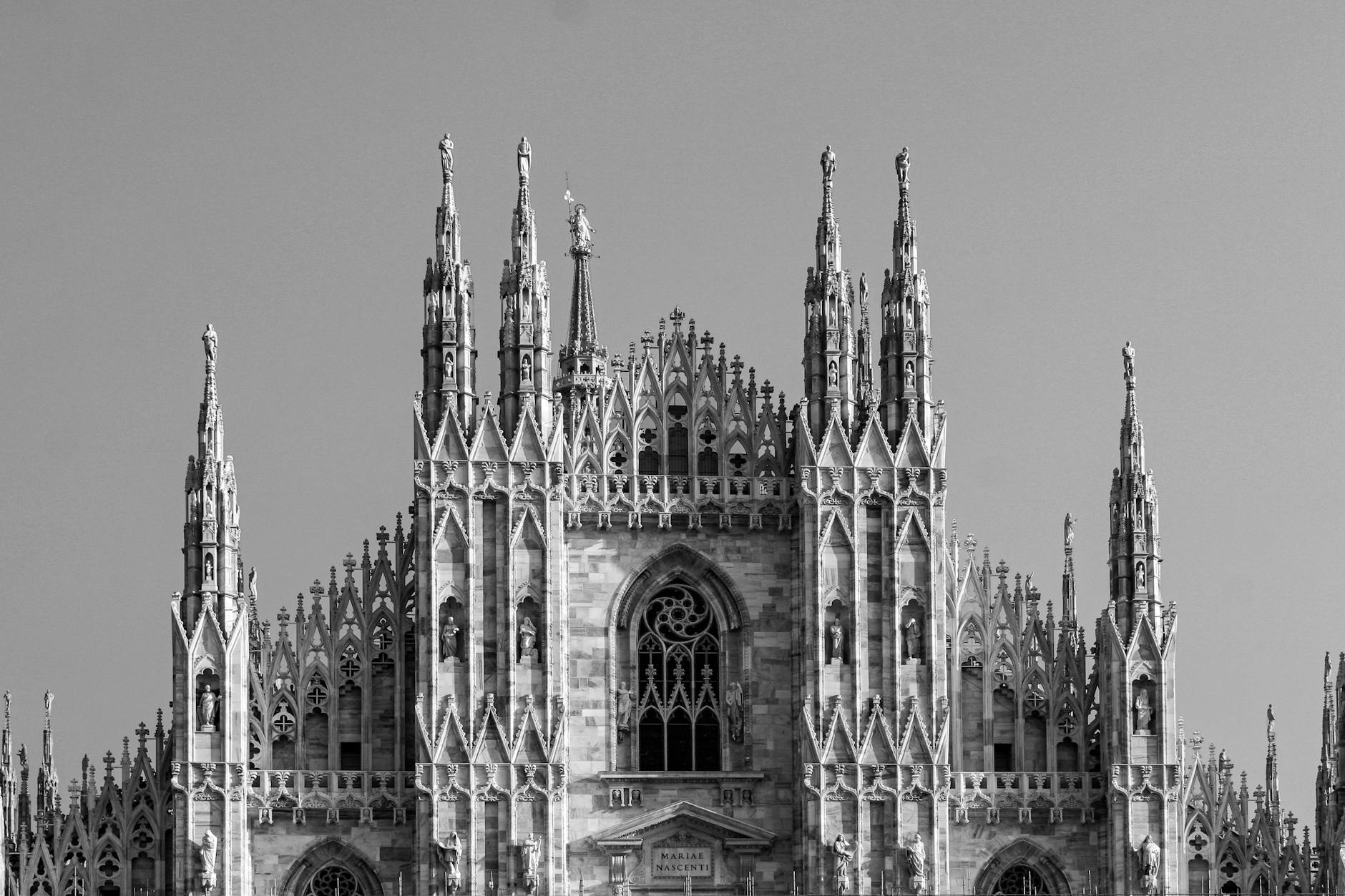
The architecture of Milan Cathedral is a notable blend of Gothic and Renaissance styles, making it distinct among its European counterparts. One of the defining features of the cathedral is its elaborate façade, adorned with thousands of statues, spires, and intricate carvings, embodying the high artistic aspirations of the late Middle Ages. The façade is divided into three portals, each decorated with biblical scenes that invite the observer into the sacred space. The central portal, dedicated to the Virgin Mary, is flanked by scenes of the Last Judgment, presenting a theological narrative as one approaches the entrance.
The most iconic feature of the Milan Cathedral is its soaring spires. Originally, the design incorporated around 135 spires, each representing a different saint or figure from Christian theology. The most famous of these is the Madonnina, a gilded statue of the Virgin Mary that crowns the cathedral’s tallest spire, standing at approximately 108.5 meters. This statue not only serves as the cathedral’s crowning glory but has also become a symbol of the city itself, with locals often referring to it affectionately. The spires, with their intricate pinnacles and finials, contribute to the cathedral’s verticality, drawing the eye upward and reflecting the desire to connect the earthly realm with the divine.
Another significant architectural innovation present in the Milan Cathedral is the use of flying buttresses, which provide both structural support and aesthetic beauty. These elements are characteristic of Gothic architecture, allowing the builders to construct high walls with large stained-glass windows, while maintaining stability. The large windows flood the interior with natural light, creating a sacred atmosphere that enhances the spiritual experience of all who enter. The stained glass of the Milan Cathedral is particularly remarkable, featuring scenes from both the Old and New Testaments, artists such as Giovanni Battista Tiepolo and others contributed to this exquisite artistry, weaving narratives of faith and history into the colorful glass.
Inside the cathedral, you will find an expansive nave, flanked by aisles and transepts that create a sense of grandeur and spaciousness. The intricate ribbed vaulting is an engineering feat of its time, showcasing the incredible craftsmanship involved in its construction. The massive pillars that rise to support the vaulted ceilings are not only functional; they are adorned with elaborate decorations and reliefs that tell stories of saints, martyrs, and historical events relevant to Milanese culture.
The floor of the cathedral consists of intricate marble inlays, featuring geometric patterns that represent various religious symbols. This ornamental flooring has undergone restorations over the years to preserve its beauty, reflecting the dedication to maintaining the cathedral’s aesthetic integrity. The combination of its architectural elements – the soaring spires, the colorful stained glass, and the meticulously designed interior – creates an atmosphere rich in inspiration and reverence, making it not just a house of worship but an artistic masterpiece that exemplifies the city’s architectural heritage.
Moreover, the Milan Cathedral has embraced innovations over the centuries, adapting to the challenges posed by changing architectural trends and societal needs. For example, in the 19th century, significant restorations led by architect Carlo Maciachini reinvigorated the cathedral, ensuring its longevity. Innovations in preservation techniques, particularly concerning its stonework, have helped protect the structure from the decay caused by pollution and weathering, emphasizing the balance between maintaining the historical character and ensuring its continued use.
The structural innovations and architectural details of Milan Cathedral not only embody aesthetic brilliance but also tell the stories of the social, religious, and cultural currents that flowed through Milan during its construction and subsequent developments. The cathedral remains a testament to an evolving craftsmanship and a dynamic history, showcasing how architectural artistry can continually adapt while preserving the essence of its origins.
Historical Significance of the Cathedral
The historical significance of the Milan Cathedral extends far beyond its architectural brilliance; it serves as a beacon of the city’s cultural, political, and spiritual identity. Since its consecration in 1418, Milan Cathedral has witnessed numerous historical events and transformations that have shaped the city and its society. From a religious standpoint, the cathedral has played a central role in the Catholic faith, hosting significant liturgical events, including coronations and papal visits, marking its importance in the broader context of Catholicism in Italy.
The cathedral’s location in Milan, an important political and economic center, has also made it a site of great historical significance. Throughout the centuries, it has served as a backdrop for several key events in Milan’s history. During the Renaissance, Milan blossomed as a cultural hub, attracting artists and intellectuals. The cathedral became a symbol of this cultural renaissance, with commissioning works of art and architectural enhancements further reinforcing its status as a site of artistic significance. Figures such as Leonardo da Vinci and Michelangelo became closely associated with the city, and the cathedral was emblematic of the ideals that they represented.
During the tumultuous years of the Italian unification in the 19th century, the cathedral also played a political role, symbolizing Milan’s aspirations towards unity and autonomy. The sight of thousands gathering before it during protests and celebrations reflects the emotional connection the people of Milan fostered with their cathedral. The Duomo was even used as a location for political symbolism, denoting the power shifts occurring across Italy.
Furthermore, the cathedral also faced significant threats during various conflicts and wars. Notably, during World War II, the structure sustained damage from bombings but survived largely intact, serving as a symbol of resilience amidst the chaos. The post-war period prompted renewed efforts to restore and rehabilitate the cathedral, solidifying its position as a cultural landmark that embodies the city’s determination to rebuild and thrive.
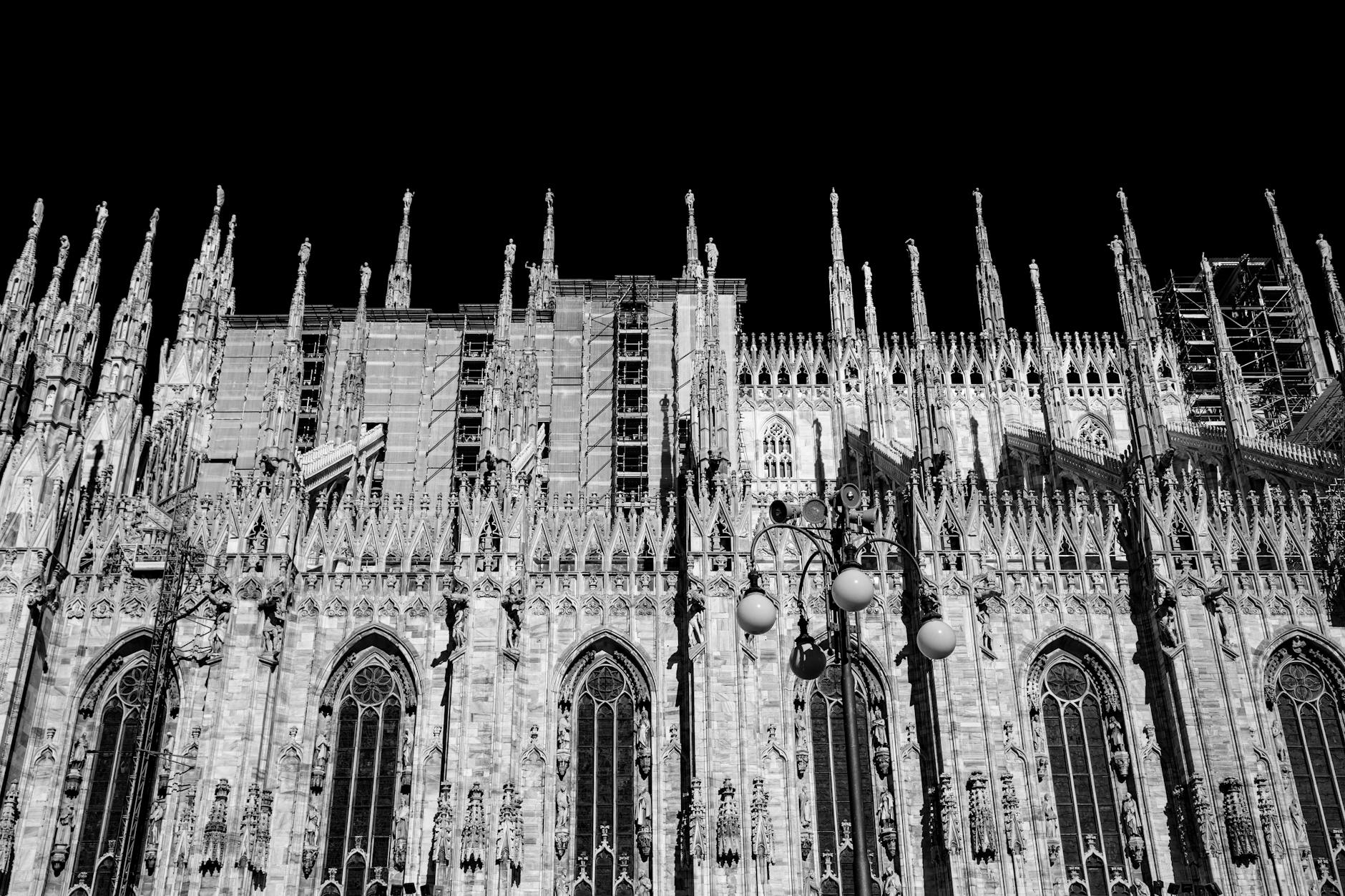
The Milan Cathedral also represents a fusion of local pride and religious devotion. For citizens of Milan, it holds a special place in their daily lives, serving as a gathering place for community events and celebrations, especially during religious festivities such as Christmas and Easter. The presence of the cathedral in the cityscape has inspired generations of Milanese to engage with their heritage and history, forging a connection that transcends individual lifetimes.
Moreover, the cathedral’s significance extends beyond the Italian context; it has become a pilgrimage site for Christians from around the world. Visitors flock to experience its spiritual ambiance, taking part in its religious services, while tourists marvel at its breathtaking beauty, enhancing their understanding of Milan’s rich history. The ongoing efforts to preserve and promote the cathedral reflect its enduring relevance in the contemporary world, ensuring that future generations can appreciate this remarkable landmark’s vast history.
The Milan Cathedral stands not only as a monument to artistic achievement but as a chronicle of the city’s journey through time. Its multifaceted historical significance intertwines with the cultural narratives of Milan, showcasing how a structure can embody the collective memory of a people, serving as both a spiritual sanctuary and a historical witness to societal progress, triumphs, and trials over the centuries.
The Restoration and Maintenance Over the Years
The restoration and maintenance of the Milan Cathedral have been ongoing processes integral to preserving its architectural integrity and cultural significance. Since its inception, the cathedral has faced numerous challenges, including environmental degradation, structural issues, and changes in public tastes and needs. These factors necessitated continuous restoration efforts to ensure the longevity of this remarkable edifice.
One of the earliest restoration projects occurred in the 18th century, primarily focused on reinforcing the aging structure. With time, the delicate Saracen marble began to deteriorate due to weather exposure and pollution. The use of Candoglia marble, although beautifully crafted, required ongoing care to maintain its appearance and structural stability. To address these issues, architects and restorers from various backgrounds were commissioned to analyze the damage and propose remediation strategies. Among them was the esteemed architect Giuseppe Pear, who undertook significant restoration work, emphasizing the necessity of integrating modern techniques with traditional craftsmanship.
In the 19th century, a pivotal restoration effort led by Carlo Maciachini transformed the cathedral’s façade, introducing neo-Gothic elements that reflected the artistic preferences of that era. Maciachini’s work included the installation of numerous decorative elements, including statues and reliefs, which enhanced the overall visual impact of the cathedral. This period also saw improvements in the structural reinforcement of the building, aimed at addressing the recurring issues linked to the weight of its spires and vaulting.
As the 20th century approached, further restorations became imperative due to environmental changes and increasing pollution in Milan. The growth of urbanization had begun to take its toll on the cathedral, leading to concerns over its preservation. In the wake of industrialization, a series of restoration campaigns were launched with the intention of protecting the cathedral from atmospheric degradation. These initiatives involved the cleaning of stone surfaces, reinforcing the structural integrity of walls, and the application of protective coatings to shield the marble from acid rain and other pollutants.
One of the most significant efforts took place in the late 20th century when experts initiated comprehensive cleaning and restoration projects that used advanced technology to analyze the cathedral’s condition. This involved the deployment of laser scanning and imaging techniques to assess structural integrity and identify areas requiring immediate intervention. Experts also drew on historical records and artistic knowledge, ensuring that restoration techniques respectful of the original craftsmanship were employed. This meticulous approach enabled restorers to carefully remove centuries of grime while implementing modern preservation methods.
In response to changes in the city’s environment and population, the cathedral’s maintenance has also included the development of visitor-friendly facilities. This involved creating pathways and exploring options for enhancing the visitor experience while considering the cathedral’s sacred nature. The integration of guided tours and educational resources underscores the importance of fostering a deeper understanding of the cathedral’s history, architecture, and significance among visitors.
The restoration and maintenance of the Milan Cathedral are ongoing endeavors, driven by a shared responsibility among stakeholders – including the Archdiocese of Milan, local authorities, and preservation organizations. These entities work collaboratively to secure funding and resources aimed at ensuring the cathedral remains not only a symbol of faith but also a beacon of artistic achievement and cultural heritage.
Through the years, the restoration projects have emphasized the dual objectives of preserving the cathedral’s artistic integrity while making it accessible and welcoming to future generations. This approach aligns with a broader awareness of the importance of historical preservation in contemporary society, where the cathedral remains a site of profound spiritual significance and national pride. Each effort contributes to the ongoing narrative of the Milan Cathedral, reaffirming its role as an enduring masterpiece that continues to inspire awe across the globe.
The Cathedral Today: Its Role and Future
In contemporary society, the Milan Cathedral stands not only as a remarkable architectural masterpiece but also as a focal point of cultural, social, and religious life in Milan. Serving a dual role as a religious site and a tourist attraction, it continues to embody the spirit and history of the city while adapting to the evolving needs of its population. The cathedral currently attracts millions of visitors each year, making it one of the most significant landmarks in Italy and a symbol of Milan’s rich cultural heritage.
Religiously, the Milan Cathedral remains the seat of the Archdiocese of Milan, playing an active role in the spiritual life of the community. It hosts numerous daily masses, special liturgical events, and major religious celebrations, such as Christmas and Easter. The cathedral has become a vital space for spiritual reflection, allowing individuals to connect with their faith amid the beauty and tranquility of its sacred interiors. The presence of the cathedral provides a sense of continuity and belonging for the faithful, as it has done for centuries.
Culturally, Milan Cathedral serves as a platform for artistic expression and education. The space is frequently utilized for concerts, exhibitions, and creative events that celebrate music, art, and culture. This integration of artistic endeavors within the sacred space enhances the cathedral’s mission to foster a deeper appreciation for not only its religious significance but also its artistic and cultural context. Collaborations with local artists and musicians amplify the cathedral’s role as a cultural hub, inspiring creativity and dialogue within the community.
Moreover, the ongoing maintenance and restoration efforts ensure the cathedral’s architectural integrity as it faces the challenges of modernity. With increased urbanization and environmental changes, the cathedral’s preservation remains paramount. Technological advancements continue to play a critical role in safeguarding the cathedral’s future, as restoration experts explore innovative methods to protect the site from pollution and natural degradation. These methods might include the development of advanced stone cleaning techniques and enhanced air quality management plans to preserve the interior and exterior surfaces alike.
Looking ahead, the cathedral has a multifaceted approach to engage with the global community while remaining true to its heritage. Steps have been taken to enhance the visitor experience without compromising the essence of the sacred space. Interactive digital technology is being integrated into guided tours. These incorporate historical narratives, artistic insights, and educational materials for a more enriching visitor experience. This commitment to accessibility allows individuals from diverse backgrounds to engage with the cathedral’s history, artistry, and spiritual significance.
Future plans for the Milan Cathedral also emphasize a commitment to sustainability and community engagement. The cathedral seeks to foster connections between generations, supporting cultural programs that promote understanding of historical and artistic contexts among younger audiences. By investing in community outreach and education, the cathedral endeavors to cultivate a sense of stewardship and responsibility towards preserving its legacy.
Ultimately, the Milan Cathedral continues to adapt to contemporary challenges while honoring its profound history. As a living, breathing symbol of Milan, it remains at the heart of the city’s identity and legacy, inspiring both residents and visitors alike. The ongoing commitment to its preservation, cultural relevance, and spiritual mission will ensure the cathedral stands tall for future generations, serving as a timeless testament to art, faith, and community.
Conclusion
The Milan Cathedral, with over 600 years of history, encapsulates the evolution of artistic expression, spiritual devotion, and cultural resilience in Milan. From its origins rooted in ambition and faith, to its architectural innovations and significant historical milestones, the cathedral serves as a poignant reminder of the city’s journey. Each spire and statue carries both the weight of history and the aspirations of those who labored to construct this masterpiece.
As the cathedral embraces modernization while preserving its sacred tradition, it remains an essential part of the cultural and religious fabric of Milan. The continuing dedication to restoration and maintenance activities ensures that this grand structure will endure for generations to come. The Milan Cathedral not only stands as a symbol of faith but also a thriving cultural hub, inspiring future generations to reflect on their heritage and uphold the values embedded within its walls.
In the modern age, the cathedral invites the world to engage with its storied past, celebrating the beauty of artistic achievement and the unyielding spirit of a city that cherishes its legacy. As we look to the future, the Milan Cathedral will undoubtedly persist as a striking emblem of admiration, attracting pilgrims and tourists alike to experience its enduring beauty and significance, enriching the lives of all who stand before this incredible monument of history.