Introduction
Graceland, the beloved estate of Elvis Presley, stands not just as a home but as a monument to the life and career of the King of Rock ‘n’ Roll. Nestled in Memphis, Tennessee, Graceland has transformed into a pilgrimage site for Elvis fans from around the globe. Originally purchased by Elvis in 1957, this 13.8-acre estate holds a rich tapestry of history, reflecting the icon’s persona, creative genius, and impact on music. As the years rolled on, Graceland evolved from merely being a private residence to a public museum, celebrating the extraordinary life of Elvis Presley through personal artifacts, costumes, and the legendary music that still resonates with fans today. This article delves into the compelling of Graceland history, exploring its architectural features, its role as a museum, and its continued significance as the heart of Elvis Presley’s legacy.
The Origins of Graceland: How it Became Elvis’s Home
When Elvis Presley first laid eyes on Graceland, he was immediately captivated by its southern charm and sprawling grounds. The estate was originally built in 1939 by the an architect named Furman Crank. However, its enchanting allure caught the attention of the young rock star, who felt an immediate connection. In 1957, after achieving astounding commercial success, Elvis purchased Graceland for approximately $102,500, marking a significant milestone in his life.
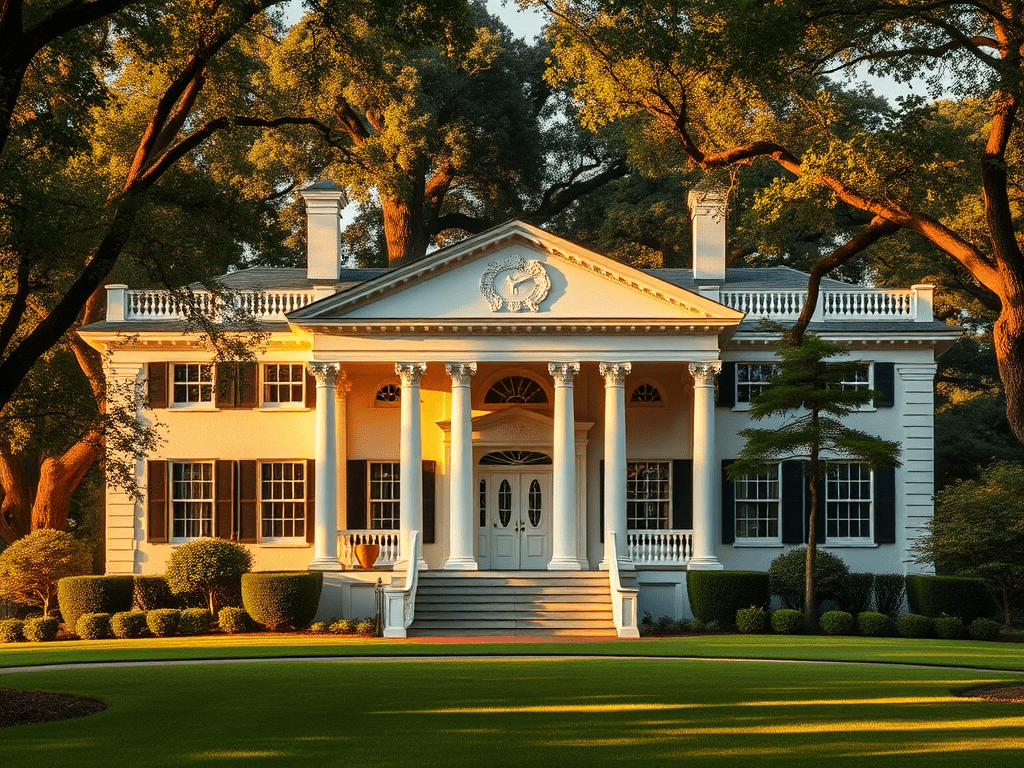
Elvis, fresh off of skyrocketing fame, sought a sanctuary away from the relentless hustle and bustle of Hollywood. Graceland offered him the ideal escape. The home itself features a stately mansion designed in a colonial revival style, boasting a white-columned façade that captures the essence of the American South. The vast estate, set on a lush property, provided him and his family with both privacy and a backdrop for some of his most memorable moments.
Graceland quickly became a refuge for Elvis and his inner circle, allowing him to unwind and pursue hobbies away from the limelight. Many evenings were spent hosting friends, family, and celebrities, creating an environment where the King could be himself, away from the prying eyes of the public. Intimate gatherings, jam sessions, and impromptu performances were regular occurrences within those hallowed walls, solidifying Graceland as an integral part of his identity.
As the years went by, Elvis invested time and energy into transforming Graceland into a home that was a true reflection of his personality. He decorated the mansion with an eclectic array of artifacts, from rich upholstery to unique art pieces, showcasing his taste and love for grandeur. His private sanctuary became an extension of his artistic world, reflecting his life journey, passions, and achievements.
The significance of Graceland extends beyond its physical presence. It symbolizes the culmination of Elvis’s dreams and aspirations, standing as a testament to his hard work and dedication. For fans of the artist, Graceland represents the intimate space where history was made. Elvis’s influence on music cannot be overstated, and Graceland is an essential part of that narrative. It offers a glimpse into the life of a man who, despite his monumental fame, sought the warmth of home and family.
Today, as visitors walk through the iconic rooms filled with personal memorabilia, they experience the spirit of Elvis firsthand. The living room, dining room, and the famous Jungle Room all echo stories of the King himself. Those who enter Graceland find not just a glimpse into the life of a musical icon, but a connection to the man behind the legend. The legacy of Elvis Presley, rooted deeply in his home, continues to enchant and inspire new generations, reiterating the idea that Graceland is much more than just a house; it is the heart and soul of Elvis’s legacy.
The Architectural Significance of Graceland
Graceland is an architectural gem that reflects the distinctive style of the 1930s, highlighting its significance in American design history. From its initial conception by skilled architect Furman Crank to its continued evolution under Elvis’s personal touch, the estate is noteworthy for both its aesthetic appeal and cultural relevance. The property spans over 13.8 acres and combines natural beauty with impressive structures, making it an essential stop not only for fans of Elvis but also for those interested in architecture and history.
The grandeur of Graceland is first evident in its main house, characterized by a classic Colonial Revival style. This choice of architectural design showcases regal columns, expansive porches, and symmetrical lines that contribute to its timeless elegance. The mansion’s symmetrical facade and intricate details speak to a period of craftsmanship that is becoming increasingly rare. Visitors are often captivated by the iconic white exterior contrasted against lush greenery, creating an inviting and majestic impression.
Inside, the elaborate decor of the mansion is as compelling as the outside. Each room has been meticulously designed to encompass Elvis’s eclectic tastes. The living room, for instance, features a stunning combination of rich fabrics, vibrant colors, and intricate designs that create an atmosphere steeped in luxury. The oversized velvet couches, large mirrors, and artistically arranged decor accentuate the room’s inviting feel and reflect a sense of both comfort and opulence.
Additionally, one of the most iconic spaces within Graceland is the Jungle Room, characterized by its unique Polynesian-inspired decor. Elvis designed this room to resemble an exotic oasis, complete with a waterfall, indoor plants, and colorful furnishings that create an atmosphere of relaxation and creativity. The Jungle Room, originally meant for relaxation and escape from the pressures of fame, has turned into a symbol of Elvis’s carefree spirit and artistic vision.
Apart from its aesthetic appeal, Graceland possesses historical importance due to its status as a cultural landmark. The estate showcases architectural details that tell the story of a time in American history when traditional styles began to blend with modern influences. The unique alterations and personal touches Elvis added to the property not only reflect his individual style but also symbolize the evolution of American design sensibilities during the mid-20th century.
Visitors are also intrigued by the grounds surrounding Graceland. The landscape is designed to be both beautiful and functional, providing serene spots where Elvis could unwind. The expansive gardens, trees, and privacy hedges offer a picturesque environment that enhances the overall experience of the estate. The integration of nature with architectural beauty epitomizes the ideal balance between human creativity and the natural world.
In summary, Graceland’s architectural significance lies not only in its striking design but also in its historical essence as a reflection of Elvis Presley’s life and style. The combination of the mansion’s colonial aspects, the unique Jungle Room, and the beautifully landscaped grounds invites admiration and respect from visitors. Nationally recognized as a treasured site, Graceland continues to be pivotal in showcasing American architectural history, while celebrating the remarkable legacy of the King of Rock ‘n’ Roll.
Graceland as a Museum: Showcasing Elvis’s Life and Career
Following Elvis Presley’s untimely death in 1977, Graceland transformed from a private residence into a public museum, dedicated to preserving and honoring the extraordinary life and career of the King of Rock ‘n’ Roll. This pivotal transition allowed millions of fans to connect with Elvis on a personal level, while appreciating the artistic achievements and personal items that shaped his legacy. As one of the most visited house museums in the United States, Graceland holds an unparalleled collection that encapsulates various facets of Elvis’s life, from his rise to fame to his enduring musical contributions.
Upon entering the museum, guests are met with an array of captivating exhibits that bring Elvis’s story to life. Personal artifacts, including stage costumes, awards, and handwritten notes, provide insight into his journey from modest beginnings to global superstardom. Each item is curated thoughtfully, offering a glimpse into the man behind the iconic image, showcasing not only his success but also his vulnerability and humanity.
One of the foremost attractions within Graceland’s museum is Elvis’s collection of stunning costumes. The King was known for his flamboyant outfits, many of which have become cultural symbols in their own right. From the iconic white jumpsuits adorned with jewels to the classic leather ensembles worn during his legendary performances, these costumes embody Elvis’s larger-than-life persona. The attention to detail in these outfits highlights his love for fashion and showmanship, serving as a testament to his passion for entertaining.
Moreover, the museum displays a range of memorabilia that charts Elvis’s evolution as an artist. This includes early recordings, photographs from his time in the military, and promotional materials from his films. Each exhibit tells a story, illustrating how Elvis navigated the complexities of fame and remained true to his roots throughout his career. The inclusion of pivotal moments, such as the historic ’68 Comeback Special, reinforces the idea that Elvis was not just a product of his time but a transformative force in music history.
Another poignant aspect of the museum is the incorporation of personal items that reflect Elvis’s life outside of his public persona. Guests can explore his living quarters, which showcase a blend of personal taste and comfort. The personal touches – from family photographs to awards – reveal the intimate nature of his relationships and the importance of family in his life. This humanizing aspect of the museum resonates deeply with visitors, who leave with a fuller understanding of Elvis as a person.
The memorialization of Elvis’s legacy extends well beyond the walls of Graceland. The museum actively engages in educational programs designed to instill a sense of appreciation for Elvis’s contributions to music and culture. Workshops, exhibitions, and special events are held regularly, providing fans with opportunities to delve deeper into the impact of his work.
Additionally, Graceland honors the global reach of Elvis’s influence by curating exhibits that showcase his music’s impact on various genres and cultures. Tribute events, performances, and special exhibits underscore the ongoing relevance of Elvis’s artistry in contemporary music. This dedication to education and engagement not only keeps his memory alive but further solidifies his status as a cultural icon.
As visitors explore Graceland, they become witnesses to a passion that transcends time. The exhibits allow fans to learn not only about Elvis’s illustrious career but also about his spirit and determination to leave a lasting impact on the world. The museum serves as a reminder of the extraordinary talent of a man whose music continues to inspire, entertain, and unite people worldwide.
In conclusion, Graceland as a museum does more than present Elvis Presley’s life; it serves as a living testament to his enduring legacy. The thoughtful curation of personal artifacts, costumes, and memorabilia creates a profound connection, allowing fans to grasp the essence of the King of Rock ‘n’ Roll. Through education, preservation, and celebration, Graceland remains a cherished gateway into the world of Elvis Presley, reflecting the remarkable journey of an artist who forever changed the landscape of music.
The Role of Graceland in Elvis’s Posthumous Legacy
The legacy of Elvis Presley is intrinsically linked to Graceland, transforming the estate into an indelible symbol of the King of Rock ‘n’ Roll’s enduring impact. Even after his passing, Graceland continues to represent his spirit, artistry, and lasting influence on music and culture. This symbiotic relationship between the estate and Elvis’s legacy fosters a sense of continuity that resonates powerfully with fans and visitors from around the world.
Since Elvis was laid to rest on the Graceland grounds, the estate has become a sacred site for those who revere his music and life. Fans flock to the property to honor the man who defined a musical genre, seeking a deeper connection to his legacy. The annual Elvis Week, held in August to commemorate his passing, attracts thousands, demonstrates the profound impact of his life on fans generations later. During these events, the air is filled with music, memories, and celebrations of Elvis’s artistic achievements, reinforcing his lasting legacy.
Graceland functions as much more than a shrine; it serves as a cultural hub that celebrates Elvis’s contributions to the world of music. The estate actively participates in preserving his history while fostering creativity through collaborations with emerging artists and musicians. Exhibitions highlighting his influence on modern music and art bring new perspectives and ensure that the essence of his spirit continues to thrive in contemporary culture.
Significantly, Graceland has worked to expand its cultural relevance by hosting innovative events, such as concerts, film screenings, and special exhibitions. These initiatives not only honor Elvis’s legacy but also adapt to the evolving landscape of musical expression. The estate offers a platform for new voices while preserving the history of rock and roll, serving as a bridge between generations and a place where Elvis’s timeless artistry is continually rediscovered.
Elvis’s impact on different aspects of culture—from fashion to social change—is evident within Graceland’s exhibits and programming. The estate showcases memorabilia that highlights his contributions to various social movements, demonstrating how his music transcended mere entertainment. Elvis’s unique blend of genres and willingness to challenge societal norms had a transformative influence, making it essential for Graceland to reflect these aspects in its narrative.
Moreover, the integration of technology within Graceland has enabled a more immersive experience for visitors. Virtual reality experiences and interactive exhibits provide an innovative means for fans to engage with Elvis’s history. This evolution in presenting artifacts and stories ensures that younger generations can appreciate his legacy in new, exciting ways, further solidifying his place in popular culture.
As time goes on, Graceland’s role in preserving and promoting Elvis’s legacy intensifies. In recognizing the importance of diversity and inclusion, the estate promotes exhibitions featuring artists inspired by Elvis’s work across different backgrounds and genres, attesting to the universal appeal of his music. By expanding its narrative, Graceland fosters a sense of belonging among fans, encouraging them to see Elvis not just as a musician but as a cultural pioneer.
Ultimately, the relevance of Graceland in Elvis’s posthumous legacy lies in its ability to honor the past while embracing the future. Every visitor to the estate helps to perpetuate Elvis’s memory, ensuring that his contributions remain significant in contemporary society. Through its dedication to preserving history, celebrating creativity, and engaging with new generations, Graceland stands as a proud monument, allowing Elvis’s spirit to soar long after his passing. The heart of the King of Rock ‘n’ Roll beats on in every corner of this cherished space, affirming that his legacy will never fade.
Graceland Today: An Iconic Destination for Fans Worldwide
As one of the most visited private homes in America, Graceland has firmly established itself as a cultural icon, drawing fans and tourists from every corner of the globe. The estate’s significance stretches beyond its architectural beauty and historical artifacts; it symbolizes the timeless allure of Elvis Presley and the musical revolution he inspired. The contemporary relevance of Graceland speaks volumes about the enduring legacy of the King of Rock ‘n’ Roll, which continues to captivate and unite generations of fans.
Today, the estate welcomes more than 650,000 visitors each year, making it a prominent tourist destination in Memphis, Tennessee. Upon arrival, guests are greeted by the site’s iconic gates adorned with a massive pair of initials, “EP,” inviting them to embark on a journey through the life and legacy of Elvis. The estate offers a comprehensive experience that includes guided tours, multimedia exhibits, and dedicated space for special events, ensuring that every visitor can immerse themselves in Elvis’s world.
Within the confines of Graceland, several features enhance the visitor experience. The main mansion serves as the centerpiece, with guided tours that allow guests to explore rooms filled with Elvis’s personal treasures, including awards, gifts, and costumes. Each room resonates with stories of his life, offering insights into his character from various perspectives. Visitors often speak fondly of how the ambiance recreates the feeling of stepping into the life of one of history’s most fascinating entertainers.
Additionally, the museum continually updates and diversifies its exhibitions to reflect Elvis’s impact on contemporary culture. Special exhibitions spotlight different facets of his career, illustrating the evolution of his music and artistry. Themes vary widely, ranging from celebrating his films to examining his collaborations with various artists throughout his lifetime. By keeping the exhibits fresh and engaging, Graceland ensures that repeat visitors always discover something new while fostering a renewed appreciation for Elvis’s enduring legacy.
The estate has also become a vibrant hub for events celebrating Elvis’s life. Concerts, festivals, and competitions draw fans eager to share their love for Elvis through artistic expression. The annual Elvis Week is a highlight, featuring live performances, discussions, and celebrations that bring fans together in a shared experience. It’s a chance for the community of Elvis enthusiasts to unite, reminisce, and celebrate the King’s lasting impact.
Moreover, Graceland nurtures a thriving online presence that reaches fans worldwide, offering virtual tours and exclusive content for those unable to visit in person. This approach broadens the audience base, allowing fans from all corners of the globe to engage with Elvis’s story. Through social media and live-streamed events, new generations have the opportunity to experience Graceland as a real-time reflection of Elvis’s transformative influence on music and culture.
In addition to its role as a museum, Graceland has also become a beacon of cultural exchange and collaboration. The estate frequently partners with local organizations, artists, and musicians, creating programs that highlight the broader impact of Elvis’s work. These initiatives facilitate discussions about music history, celebrate artistic creativity, and advocate for preserving the heritage of rock and roll.
Ultimately, Graceland stands as more than just a relic of Elvis’s past; it is a living, breathing tribute to his artistic spirit. Engaging, educational, and ever-evolving, the estate remains a central part of Elvis’s legacy, ensuring that his influence continues to inspire new artists and fans alike. Visitors leave Graceland with hearts full of gratitude for the King of Rock ‘n’ Roll and a renewed passion for the music that changed the world. The estate continues to serve as a cultural landmark where the echoes of Elvis’s unforgettable performances still resonate within its storied walls.
Conclusion
Graceland’s story is inseparable from that of Elvis Presley, representing a multifaceted narrative of life, artistry, and legacy. From its origins as a private residence to its transformation into an iconic museum, Graceland encapsulates the spirit of the King of Rock ‘n’ Roll. Each room, artifact, and exhibition within the estate narrates a chapter of Elvis’s extraordinary journey, reminding us of his immeasurable contributions to the world of music and culture.
As visitors walk through the halls of Graceland, they encounter not just a museum but a living testament to the enduring impact of Elvis’s music. The estate serves as a sanctuary for fans seeking to connect with their idol, and as a vibrant cultural hub that celebrates creativity and artistic expression. Graceland actively preserves history while fostering new interpretations and collaborations, ensuring that the legacy of Elvis Presley remains relevant.
In remembering Elvis, Graceland honors the man who revolutionized music and inspired countless artists across generations. Through its dedicated commitment to storytelling, education, and engagement, Graceland ensures that the heartbeat of rock and roll will forever echo within its walls. As a cherished destination for fans worldwide, it stands as a symbol of the power of music to connect people and transcend time, inviting all who enter to celebrate the life of a true legend.