Introduction
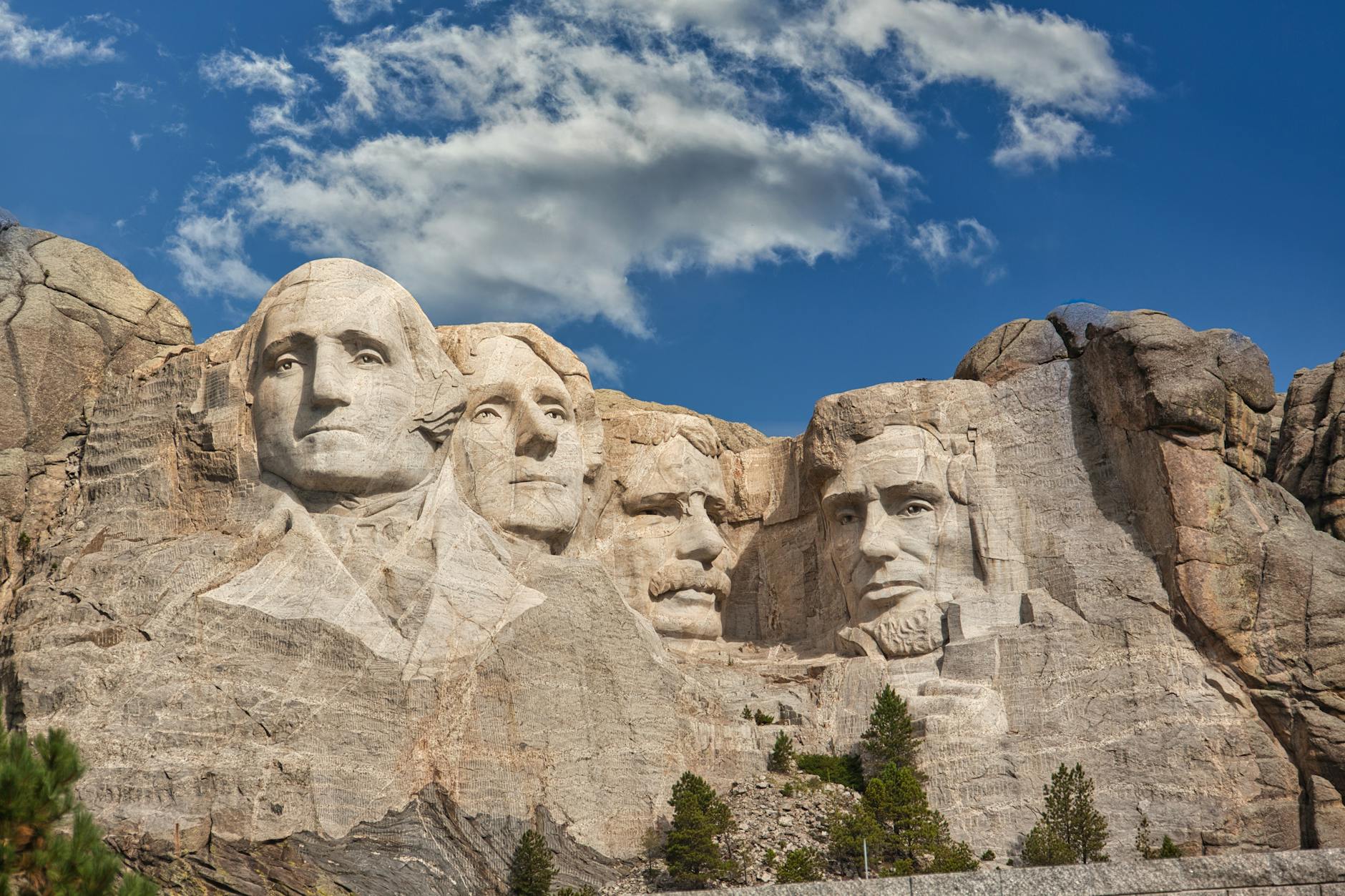
Mount Rushmore, an iconic symbol of American heritage, stands as a testament to the nation’s history carved in granite. Nestled in the Black Hills region of South Dakota, this colossal sculpture depicts the faces of four esteemed presidents: George Washington, Thomas Jefferson, Theodore Roosevelt, and Abraham Lincoln. Designed by sculptor Gutzon Borglum, the monument not only celebrates these leaders but also embodies the spirit of the American people and their aspirations. Completed in 1941, Mount Rushmore has become a pilgrimage site for millions, drawing visitors from around the globe to marvel at its grandeur and the artistry behind its creation. This article will delve into the Mount Rushmore history, exploring its vision, the intricate carving process, the significance of the presidents depicted, the cultural impact of the monument, and the controversies that surround it today.
The Vision Behind Mount Rushmore
The inception of Mount Rushmore can be traced back to the early 1920s when Gutzon Borglum, a renowned sculptor, sought to create a monumental tribute to American history. Commissioned by the state of South Dakota, Borglum envisioned a sculpture that would not only honor famous leaders but also catch the attention of tourists, elevating the state’s profile in the process. The monument’s location in the Black Hills was significant; this area held deep cultural and spiritual meaning for the Lakota Sioux, a factor that would later spark considerable controversy.
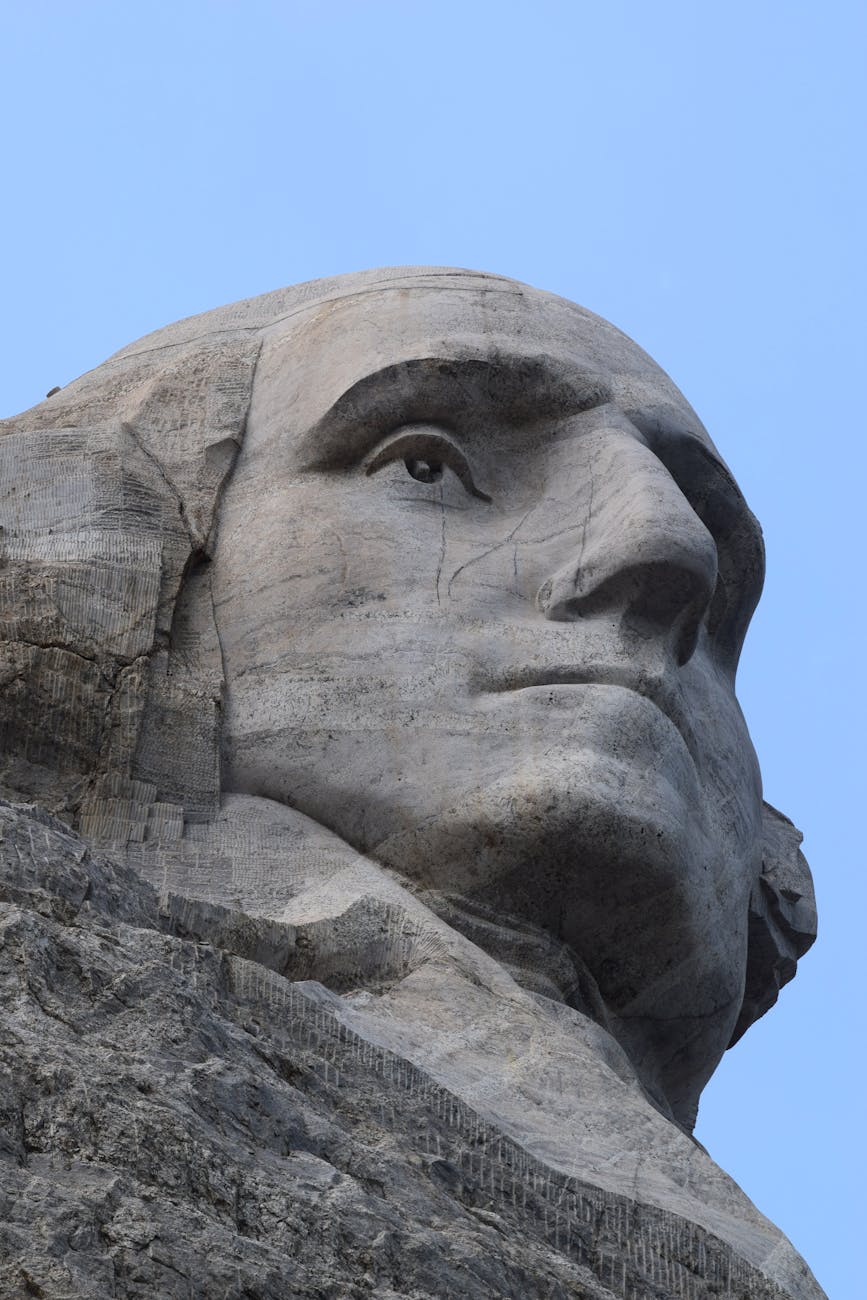
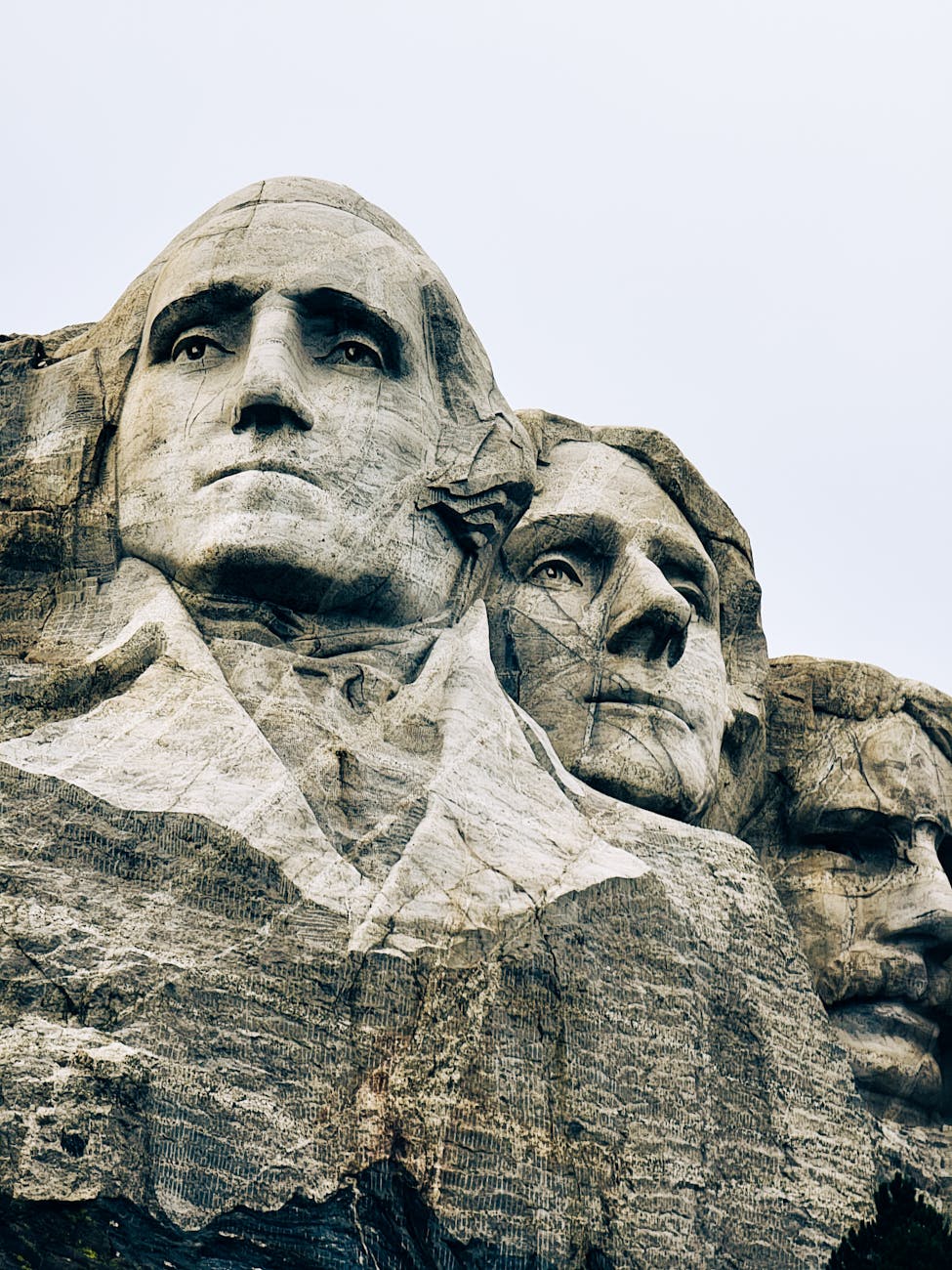
Borglum’s selection of the four presidents was strategic. Each one was chosen for his contributions to the birth, growth, preservation, and expansion of the United States. George Washington, the nation’s first president, represented the founding principles and ideals of democracy. Thomas Jefferson, the third president, symbolized the expansion of the nation through the Louisiana Purchase and his commitment to liberty and human rights. Abraham Lincoln, the sixteenth president, stood for the preservation of the Union during the Civil War and the broader theme of equality. Theodore Roosevelt, the twenty-sixth president, embodied the spirit of American progressivism and the nation’s burgeoning status as a global power.
Borglum faced numerous challenges in realizing his vision, including funding issues, harsh weather conditions, and technical difficulties associated with working with granite. His determination, however, led to innovative techniques in stone carving and sculpture that would influence artists and sculptors in the years to come. Borglum’s vision extended beyond just a sculpture; it was meant to inspire and instill a sense of pride in Americans. His ambition reflected a growing belief in the American identity and the desire to create tangible representations of its ideals.
Despite its grandeur, the vision behind Mount Rushmore is complex and multifaceted. It raises questions about nationalism, identity, and the implications of honoring certain historical figures while overlooking others. The monument serves as both a source of pride and contention, reflecting a broader narrative of American history that continues to evolve. As visitors gaze up at the stone faces, they are encouraged to reflect not only on the individual presidents but also on the collective American experience, exploring the triumphs and failures that come with it.
The Creation Process: Challenges and Triumphs
The creation of Mount Rushmore was an ambitious endeavor that required significant labor, ingenuity, and perseverance. Initiated in 1927, the project involved a vast team of workers, including skilled sculptors, laborers, and craftsmen, all of whom faced numerous obstacles during the carving process. The first challenge was the selection of the granite face on which the sculptures would be carved; it was necessary to find a sturdy and high-quality material that would withstand the test of time while allowing for detailed sculpting.
Activation of the project required substantial funding, leading Borglum to appeal to both the state and the federal government for support. After several negotiations, the federal government ultimately provided the necessary financial backing, reflecting a national interest in the project. With funding secured, the real labor began, involving a combination of explosives and hand tools, a method that was both innovative and dangerous.
Safety became a critical concern as workers carved the faces of the presidents from a precarious position on the mountain face. Eventually, a team of around 400 employees was assembled, often working in shifts to complete the monument. This diverse group included a significant number of local miners, and some craftsmen who were employed to develop the intricate details of the sculptures. The collaboration of these individuals, despite their differences in background and expertise, played a crucial role in overcoming the challenges of the project.
The harsh elements of the South Dakota weather, with extreme temperatures, snow, and storms, presented further difficulties. Workers often found themselves battling not only the physical demands of the job but also the unpredictable climate. Scheduling and productivity were constantly affected, yet the determination of the team to see the project through fueled their efforts.
In addition to natural challenges, technical hurdles were pervasive. Borglum had to continuously adapt to the geological makeup of the granite, which required a keen eye for detail and vision. The use of dynamite allowed for the removal of large sections of stone, which was later refined using drills, hammers, and chisels. This meticulous approach brought texture and expression to the faces, breathing life into the stone.
Through perseverance, the monument was finally unveiled to the public in October 1941. The completion was celebrated not just as an artistic achievement but also as a symbol of national pride during a tumultuous time in world history as the clouds of World War II loomed over the globe. Mount Rushmore was more than just a sculpture; it was a collective endeavor that showcased the values of hard work, collaboration, and dedication to a shared vision. To this day, it stands as a tribute to the many who contributed to its creation, a powerful reminder of what can be achieved through persistence and unity.
Symbolism and Significance of the Presidents
The four presidents immortalized in Mount Rushmore—George Washington, Thomas Jefferson, Abraham Lincoln, and Theodore Roosevelt—are deliberate choices that highlight key aspects of American history and values. Each figure represents a chapter in the nation’s narrative, symbolizing the ideals upon which the United States was founded and evolved.
George Washington, as the first president, is often called the “Father of His Country.†His leadership during the American Revolution and his role in establishing the presidency laid the groundwork for a new nation based on democratic principles and justice. Washington’s vision was to create a government that would balance power while respecting individual freedoms. His inclusion on Mount Rushmore underscores the American struggle for independence and governance, representing hope for the future.
Thomas Jefferson, an influential architect of democracy, was the principal author of the Declaration of Independence. His commitment to individual rights and equality resonates through history, advocating the notion that all men are created equal. Jefferson’s contribution to the Louisiana Purchase not only doubled the size of the United States but also symbolized the country’s relentless pursuit of expansion and opportunity. By showcasing Jefferson, Mount Rushmore also reflects the complex interplay of values like liberty and territorial ambition that constituted the American ethos.
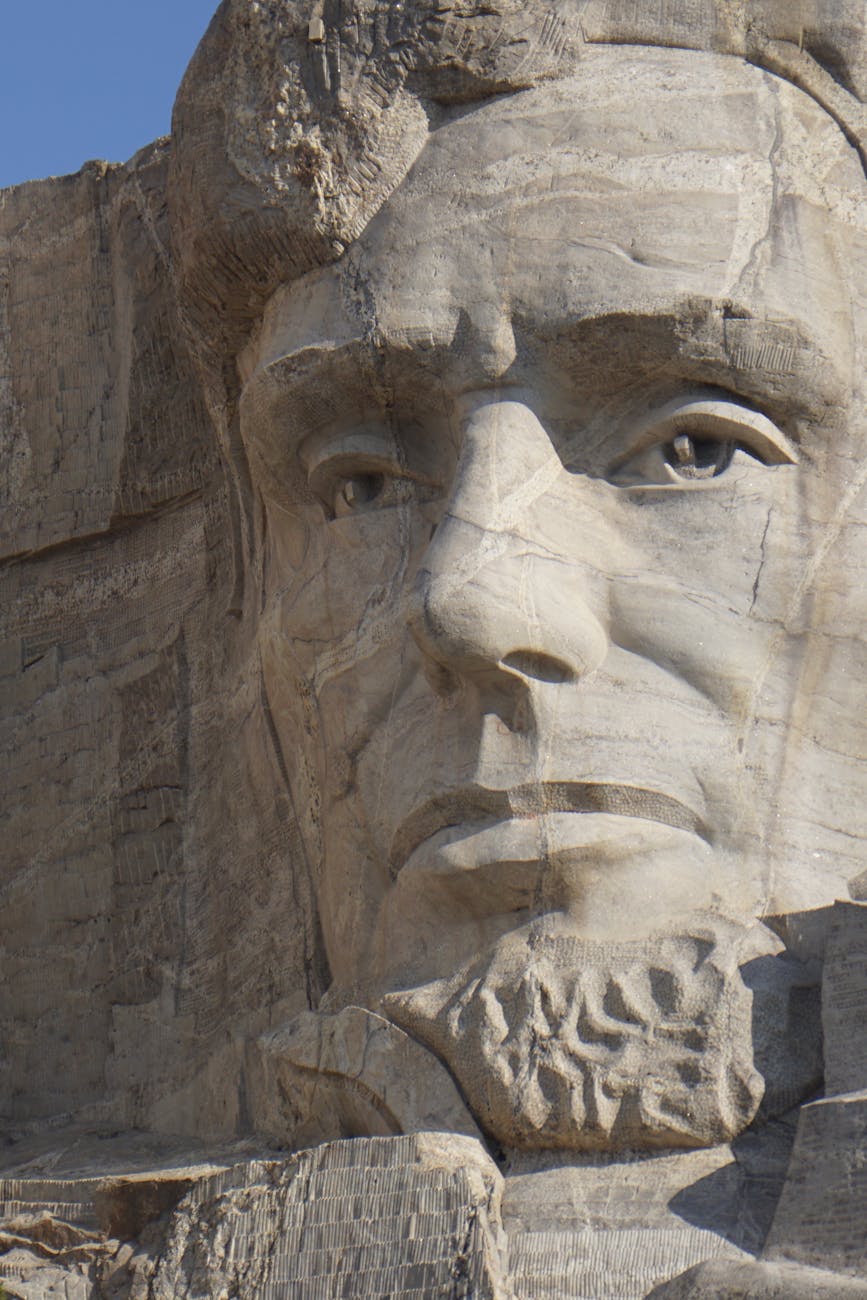
Abraham Lincoln, who served during the Civil War, is lauded for his leadership in preserving the Union and his dedication to ending slavery. His efforts to promote unity and equality shaped America’s moral landscape. Lincoln embodies the struggle against division and injustice, making him a pivotal figure representing resilience. His face on Mount Rushmore serves as a reminder of the ongoing journey toward equality and civil rights that continues to this day.
The inclusion of Theodore Roosevelt, the most recent president depicted, signifies America’s emergence as a global power. Roosevelt’s progressive policies championed social reforms, conservation efforts, and economic regulations that influenced the modern state. His role in negotiating the end of the Russo-Japanese War earned him a Nobel Peace Prize, marking the United States as a player in international diplomacy. Mount Rushmore therefore symbolizes not just a past triumph but also reflects the aspirations of the nation in its progressive vision.
The monument serves as a canvas, carrying deep symbolic significance beyond the mere likeness of these leaders. Visitors often contemplate the ideals represented by each president as they reflect on the historical context in which they lived. Questions about governance, equality, and the American dream arise, prompting discussions about the complexities of leadership and the evolution of the nation’s values.
Furthermore, Mount Rushmore invites viewers to examine the contradictions inherent in American history, sparking discourse about who is honored and why they are chosen. This conversation is vital in understanding the diverse narratives that shape the country. While the stone faces evoke respect and admiration, they also challenge us to critically analyze our past and acknowledge the voices that have been marginalized in the telling of American history.
Thus, the symbolism and significance of Mount Rushmore extends far beyond its artistic achievement. It prompts an ongoing dialogue around democracy, identity, and the multifaceted nature of American legacy, urging every visitor to engage with these complex themes as they stand in the shadow of the monumental faces carved into stone.
Cultural Impact and Tourism
Since its completion, Mount Rushmore has grown to become a monumental attraction, drawing millions of visitors each year. This immense popularity underscores its cultural impact, shaping not only the local economy of South Dakota but also the broader American cultural landscape. The monument is not simply a sculpture; it represents an ideological pilgrimage and a focal point for national pride, drawing tourists from around the world who wish to engage with its iconic status.
Tourism surrounding Mount Rushmore has had a significant economic influence, providing job opportunities for local communities and boosting the state’s economy. The visitors’ center, gift shops, and guided tours provide a wide range of experiences for tourists who come to appreciate both the artistic and historical aspects of the site. Local historians, tour guides, and artisans have benefited from the influx of tourists, creating a micro-economy that thrives on the legacy of the monument.
Culturally, Mount Rushmore has become a symbol of American democracy, patriotism, and history. The annual Fourth of July celebrations, fireworks displays, and various festivals at the site reflect its role as a gathering place for national celebration. Such events promote a sense of community, bringing together people from diverse backgrounds to collectively honor their shared heritage. Mount Rushmore has become a backdrop for important cultural moments, often serving as a stage where issues of identity, patriotism, and citizen engagement are publicly discussed and celebrated.
Educational programs at Mount Rushmore National Memorial are also significant in enhancing its cultural value. School groups and organizations frequently visit to learn about the history of the monument and the presidents it represents. These programs engage youth, instilling a sense of pride and understanding of their country’s past, and emphasizing critical themes of leadership, governance, and civic responsibility. The educational component makes it more than a tourist attraction; it becomes a place of meaningful learning and engagement with history.
However, alongside the celebration of Mount Rushmore as a symbol of American heritage, its cultural impact also generates discussions about representation and historical narratives. The monument stands on land that is sacred to the Lakota Sioux, which has prompted ongoing conversations surrounding indigenous rights and historical injustices. Many Native American advocates argue for a re-examination of the monument and its implications, highlighting the importance of acknowledging the complexities of history and the need for inclusive representation.
The cultural dialogue surrounding Mount Rushmore continues to evolve, ultimately enhancing its significance in American society. It serves not just as a monument to four presidents but also as a medium through which broader discussions about history, identity, and cultural representation take place. As a pivotal patriotic site, Mount Rushmore remains a powerful reminder of the diverse narratives that compose the American experience—prompting individuals to engage with their history while striving to create a more inclusive future.
Controversies and Modern Perspectives
Mount Rushmore is not only a monumental tribute to American presidents but also a site addressed in debates about history, representation, and cultural sensitivity. As a significant piece of art, its existence has sparked discussions that challenge the traditional narratives associated with American history. The juxtaposition of reverence for the leaders depicted and the historical injustices faced by Indigenous peoples brings forth questions about national identity and collective memory.
One of the most pressing controversies surrounding Mount Rushmore is the fact that it is carved into the Black Hills, a region of immense spiritual and cultural significance for the Lakota Sioux. The history of the Black Hills is marked by conflict, largely stemming from the Treaty of Fort Laramie in 1868, which guaranteed the land to the Lakota. In the years following the discovery of gold in the area, the U.S. government violated this treaty, leading to the appropriation of the land. Many Lakota people see the monument as a symbol of the ongoing marginalization of their culture, raising concerns over the persistence of colonial narratives that overshadow Indigenous perspectives.
The monument has therefore become a focal point of reconciliation efforts, as the Lakota Sioux and other Indigenous communities advocate for recognition and redress regarding their history. Modern discussions surrounding Mount Rushmore often reflect a broader understanding of historical narratives that seek to include multiple perspectives, especially those of oppressed communities. To many, it serves as a reminder of the importance of addressing historical grievances and engaging in dialogues that acknowledge and honor Indigenous rights and sovereignty.
Social media has also played a role in shifting perspectives surrounding the monument. Young activists and scholars use online platforms to voice their opinions and share alternative narratives, advocating for a reinterpretation of Mount Rushmore and highlighting Indigenous histories. Movements for social justice and equality have created a space for these important conversations, fostering cultural shifts that encourage a more nuanced understanding of America’s past.
In response to the ongoing controversies, some have suggested that Mount Rushmore should be a site of reflection and dialogue rather than solely a monument of reverence. Proposals have included adding sculptures that represent Indigenous leaders or figures who have played crucial roles in the fight for social justice. By expanding the narrative surrounding the monument, advocates argue that it could serve as a platform for healing and reconciliation—a space where the complexities of history are addressed and honored rather than ignored.
Ultimately, the modern perspectives surrounding Mount Rushmore challenge us to examine how we remember our history. While the faces of Washington, Jefferson, Lincoln, and Roosevelt represent ideals of American democracy, the conversation must also encompass recognition of the multifaceted experiences of all individuals who have shaped the nation’s narrative. Mount Rushmore’s legacy is not stagnant; it continues to evolve as society confronts its past and embraces the potential for a more inclusive future.
Conclusion
Mount Rushmore stands as a monumental representation of American history, celebrated and scrutinized alike. This iconic sculpture invites reflection on the profound legacies of the presidents it depicts and prompts critical discussions on the complexities surrounding national identity, representation, and historical narratives. As visitors from diverse backgrounds encounter the granite faces, they are not only greeted with artistry; they are also encouraged to engage in conversations about the myriad voices that shape the American experience.
The creation of Mount Rushmore, a testament to visionary ambition, was a collaborative endeavor that has left an indelible mark on the United States. Its cultural significance extends beyond tourism, promoting national pride while simultaneously highlighting historical injustices faced by marginalized communities, especially Native Americans. The ongoing dialogues prompted by the monument challenge us to reconsider our understanding of history and to appreciate the narratives that enrich it.
As the story of Mount Rushmore unfolds, it invites each of us to reflect on our own identities, histories, and responsibilities toward one another. In its beauty and complexity, it serves as both a tribute and a reminder; a point where we can both celebrate the ideals of democracy while acknowledging the work that remains to ensure an inclusive and just future for all. Mount Rushmore encapsulates the essence of America’s legacy carved in stone, and through continued exploration, it will remain a vital part of our national dialogue.