Introduction
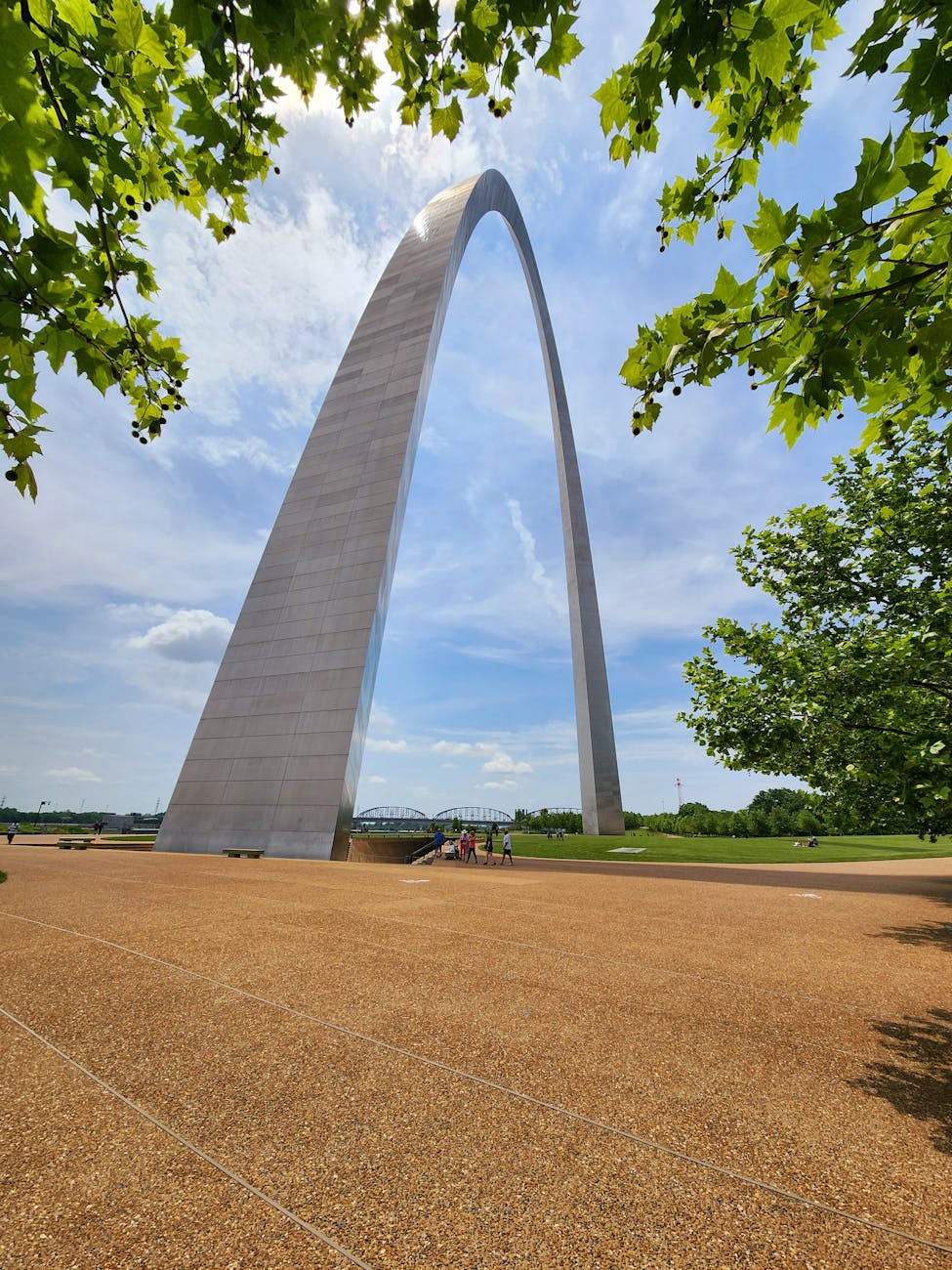
The Gateway Arch, towering at 630 feet, stands as an iconic symbol of America’s westward expansion. Located in St. Louis, Missouri, the Arch is not only a stunning piece of architecture but also a powerful tribute to the nation’s history. Designed by architect Eero Saarinen, the Gateway Arch was completed in 1965 and has become a defining feature of the city’s skyline. It represents both the aspirations and struggles of those who journeyed westward during the 19th century, marking the gateway to new opportunities and adventures. As visitors approach the Arch, they are reminded of the stories of pioneers and the transformative period of American history that it commemorates. This article delves into the Gateway Arch history , exploring its conception, construction, cultural significance, visitor experience, and ongoing preservation efforts, thus illuminating its role as a national symbol.
The Conception of the Gateway Arch
The idea behind the Gateway Arch was born out of a need to commemorate the westward expansion of the United States. By the mid-20th century, St. Louis was recognized as a historical point for pioneers moving westward, earning it the title “Gateway to the West.” The vision for the Arch emerged in 1947 when civic leaders of St. Louis sponsored a design competition to create a memorial to the westward movement, with the intention of revitalizing the riverfront area.
The competition was open to architects nationwide, aiming to attract innovative and symbolic designs. It was in this competitive environment that Finnish-American architect Eero Saarinen submitted his proposal. His design was inspired by the catenary curve, a shape created by a hanging chain that appears graceful and strong. The simplicity of the Arch’s form resonated with the competition judges, and Saarinen’s concept was selected in 1948, setting the stage for a monumental undertaking.
Saarinen’s design also represented more than just a symbol; it encompassed modernist architectural ideals, focusing on clean lines and forms that emphasized both lightness and strength. He envisioned the Arch as not only a symbolic gateway but as an embodiment of the journey and the opportunity inherent in westward expansion. The design’s elegance and representation of the American spirit captivated the hearts of many, ensuring it would become an enduring landmark.
However, the conception of the Gateway Arch was not without its challenges. Funding for the project became a significant hurdle. In 1954, the federal government allocated funds to construct a memorial, but the budget fell short of the estimated costs. This deficiency prompted local fundraising efforts, which ultimately garnered enough support to move forward. The efforts highlighted the community’s commitment to memorializing their historical significance and the shared dreams of past generations.
Moreover, discussions surrounding the design led to public debates about what the Arch would symbolize. While some viewed it strictly as a commemoration of the westward expansion, others felt that it should also acknowledge the more complex and sometimes tumultuous outcomes of this movement, including the impact on Indigenous populations. Such discussions were reflective of the broader societal changes taking place in the 1960s, where historical narratives began to be examined more critically.
As the conceptual phase concluded, the mission to bring Saarinen’s vision to life was undertaken with great urgency. Once funding was secured, the design was evidenced with precision to align seamlessly with the historical narrative of St. Louis and the westward journey it represented. The Gateway Arch was officially commissioned, and plans evolved to include a museum detailing its significance.
The Arch’s conception thus encapsulated a pivotal moment where a community, through public support and visionary design, sought to honor the journey of American pioneers. Its design and purpose united in a way that elevated the spirits of those who dreamed of accessing the untamed land beyond the Mississippi River, cementing its place in American history as more than just a monument— a celebration of hope and opportunity.
The Construction Process and Challenges Faced
The construction of the Gateway Arch began in 1963 and was a feat of engineering that showcased the ambition and determination of the nation. The project faced numerous challenges, from the complexities of its design to the environmental factors that impacted construction. However, the result was a remarkable structure that would become one of the most recognizable symbols of the United States.
The initial step in construction involved groundbreaking and site preparation. The chosen site was a difficult one, as it was located on the banks of the Mississippi River and had to accommodate both the ambitious design and the potential flooding of the river. To address these challenges, a comprehensive plan was put into place that included extensive excavation and groundwork to create a solid foundation.
Once the groundwork was established, workers began moving onto the actual assembly of the Arch’s two triangular legs. The construction utilized a technique known as “staging,” which allowed the teams to build each leg simultaneously, moving upward as the structure took shape. This method was crucial to ensuring structural integrity while allowing for efficient progress on the project.
During the construction process, a number of engineering challenges emerged. The Arch’s unique design, with its tapering form and catenary curve, required precise calculations and innovative construction techniques. To ensure safety and stability, the team incorporated a sophisticated system of temporary supports and bracing systems, which were critical during the early stages of assembly.
Weather also played a role in the challenges faced during construction. The project team dealt with unpredictable weather conditions, including heavy rains and high winds, which posed risks to safety and potential delays to the timeline. Designers had to be adaptive and prepared for these environmental factors, adjusting construction schedules as necessary.
One of the most memorable aspects of the construction process was the use of specialized machinery to facilitate the assembly of the Arch. A crane was erected specifically for the project, capable of lifting large sections of the Arch into place. The cranes had to be sturdy enough to handle the weight and precision required, and operators were trained to ensure every piece fit together seamlessly.
As the structure began to rise, the public watched with fascination, and many were involved in the process. Local citizens became invested in the project, with some even showing up to assist in minor ways. This community engagement symbolized the shared excitement and pride in what the Arch represented for St. Louis and the nation.
Despite the numerous obstacles, the Gateway Arch reached its completion in October 1965. The final touches included the addition of the observation deck at the top, which offered stunning views of the city and the Mississippi River beyond. The structure was officially dedicated on May 25, 1968, and it opened to visitors shortly thereafter, showcasing the determination and creativity that went into its construction.
The challenges faced during the construction of the Gateway Arch are a testament to the vision and collaborative efforts of countless individuals. It was not only an engineering achievement but also a symbol of resilience and unity. The Arch stands tall today, reminding us of the ambition and dedication that brought it to life and its significance as a national monument celebrating America’s pioneering spirit.
The Design Elements and Architectural Significance
The Gateway Arch is renowned not only for its height and prominence but also for its innovative design and architectural significance. The work of Eero Saarinen, the Arch represents a synthesis of modernist principles with a unique characterization that resonates with the themes of exploration, hope, and progress inherent in American history. An exploration of the design elements reveals how they contribute to the cultural narrative surrounding the Arch and its unparalleled status as a landmark.
Central to the design of the Arch is its unique shape, inspired by the catenary curve. This mathematical form represents the ideal balance between strength and beauty. The catenary is the natural curve formed by a hanging chain or cable that conveys a sense of fluidity and lightness, and Saarinen’s choice to apply this principle gave the Arch a distinctive and elegant profile. It is not simply a massive structure but rather an embodiment of graceful lines that invite appreciation and contemplation.
Saarinen’s design also addresses the functionality of the Arch as both a monument and an observation platform. The broad base provides a stable foundation while allowing for an expansive interior that accommodates escalators, a viewing deck, and museum exhibits. The integration of these elements reflects the need for both form and function, creating an engaging space for visitors. This dual purpose aligns with Saarinen’s modernist ideals, where architecture should serve both aesthetic and functional needs.
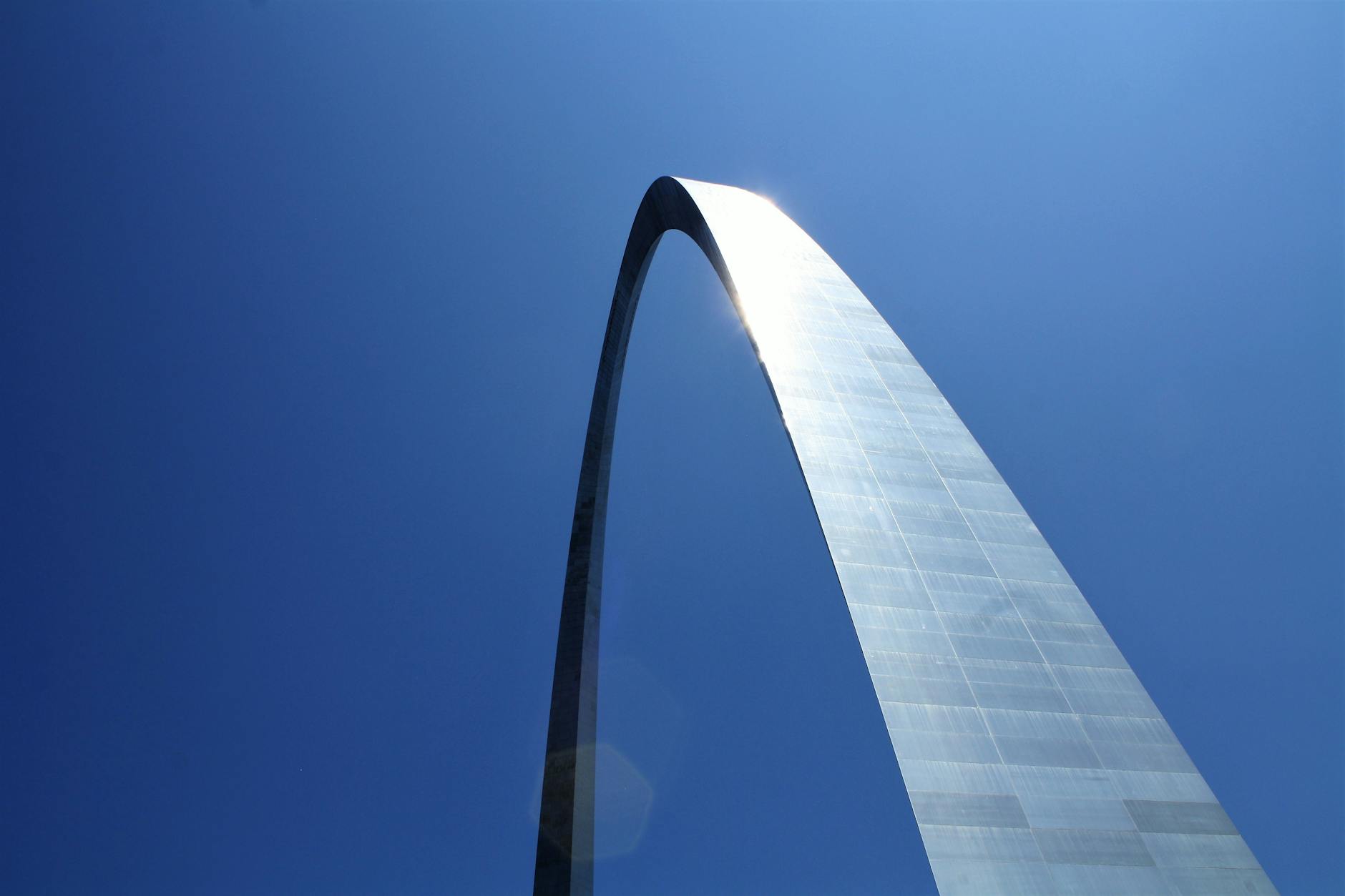
The choice of materials also adds to the significance of the Arch. Made of stainless steel, the surface is not only visually striking but also durable and resistant to the elements. The polished surface reflects the changing lights of day, enhancing its interaction with the environment and offering a dynamic tableau. Additionally, the choice of steel pays homage to the era of industrial progress in the United States, signifying a nation built on innovation and strength.
The interior of the Arch contains a historical museum that deepens the visitor experience. The exhibits highlight the story of westward expansion, the challenges faced by pioneers, and the historical context of the Arch itself. This integration of educational elements reinforces the Arch’s role as a monument to American history, providing a platform for understanding the complexities of the past.
The engineering behind the Arch further emphasizes its architectural significance. The structure stands without scaffolding to support its unique shape, reflecting a pioneering spirit in construction techniques. The intricate system of triangular sections allows the Arch to distribute weight evenly and withstand the forces of nature, such as wind and seismic activity. The careful engineering design underscores the balance achieved between architectural aesthetics and structural integrity.
Saarinen’s visionary approach to the Gateway Arch has been widely recognized within the architecture community as a landmark achievement of the 20th century. It has inspired generations of architects to embrace bold forms while adhering to the principles of functionality and craftsmanship. Notably, the Arch has influenced various architectural projects around the world, proving that it serves as a model of modernist design.
The significance of the Gateway Arch also transcends mere architectural achievement. It serves as a representation of ideals such as exploration and dynamic growth while encapsulating the collective spirit of the American people. The Arch stands tall as a testament to progress and aspiration, capturing the excitement of discovery and the enduring legacy of westward expansion.
In summary, the design elements of the Gateway Arch are a masterful blend of form, function, and cultural narrative. Saarinen’s innovative approach has left an indelible mark on both the architectural landscape and the national consciousness, making the Arch a compelling symbol of American history and a celebrated work of art.
The Cultural Impact of the Gateway Arch
The cultural impact of the Gateway Arch extends far beyond its impressive physical structure, resonating deeply with historical narratives, artistic expression, and community identity. As a monument to westward expansion, the Arch serves as a reminder of a pivotal chapter in American history while prompting reflection on themes of exploration, identity, and the complexities of cultural narratives. Its influence on both local and national levels is significant, affecting tourism, education, and cultural engagement.
From the moment of its completion in 1965, the Gateway Arch inspired awe among visitors, drawing millions to St. Louis. Its prominence on the skyline has helped to ensure the city’s status as a cultural and historical destination. Travelers from around the world come to witness not only the impressive structure itself but also to engage with the narratives surrounding it. The visitor center and the museum beneath the Arch educate audiences on the history of westward expansion, emphasizing the stories of pioneers who dared to venture into the unknown.
The cultural dialogue surrounding the Arch goes further in its acknowledgment of the complexities of westward expansion. While it celebrates the spirit of discovery and adventure, it also recognizes the displacement and struggles faced by Indigenous populations as a consequence of this movement. The challenges of reconciling these narratives reflect America’s ongoing journey toward a more nuanced understanding of its past. The Arch serves as a platform for these discussions, allowing visitors to engage with the broader historical context of the era.
Artistic influences stemming from the Gateway Arch are equally profound. Its unique silhouette has inspired numerous works of art, architecture, and design. Artists have drawn upon the Arch as a symbol of hope and ambition, leading to creative expressions that range from photography to literature. Pop culture references in film, television, and music often evoke the Arch as an emblem of American identity, further embedding it into the national consciousness.
Moreover, the Arch has served as a backdrop for various public events, celebrations, and protests, illustrating its role as a gathering place for civic engagement. Throughout its history, the Arch has provided a venue for those advocating for social change, connecting the monument to the ongoing struggles for justice and equality. By attending events at the Arch, participants are reminded of both the promises articulated in American ideals and the work still required to achieve them.
The Gateway Arch is also a focal point for ongoing preservation and maintenance efforts, which reflect community engagement and commitment to the landmark. Local organizations and national entities collaborate to ensure the Arch remains a preserved and celebrated icon. These efforts encompass environmental management, renewals of public spaces, and educational outreach programs. Such initiatives generate opportunities for community involvement and keep the legacy of the Arch alive for future generations.
In addition to its historical significance, the architecture of the Gateway Arch has influenced the cultural dynamics of the area surrounding it. The revitalization of the Gateway Arch National Park has spurred economic growth within St. Louis, attracting new businesses, restaurants, and entertainment options. This urban development fosters a vibrant cultural environment while creating a sense of place that celebrates the city’s historical roots.
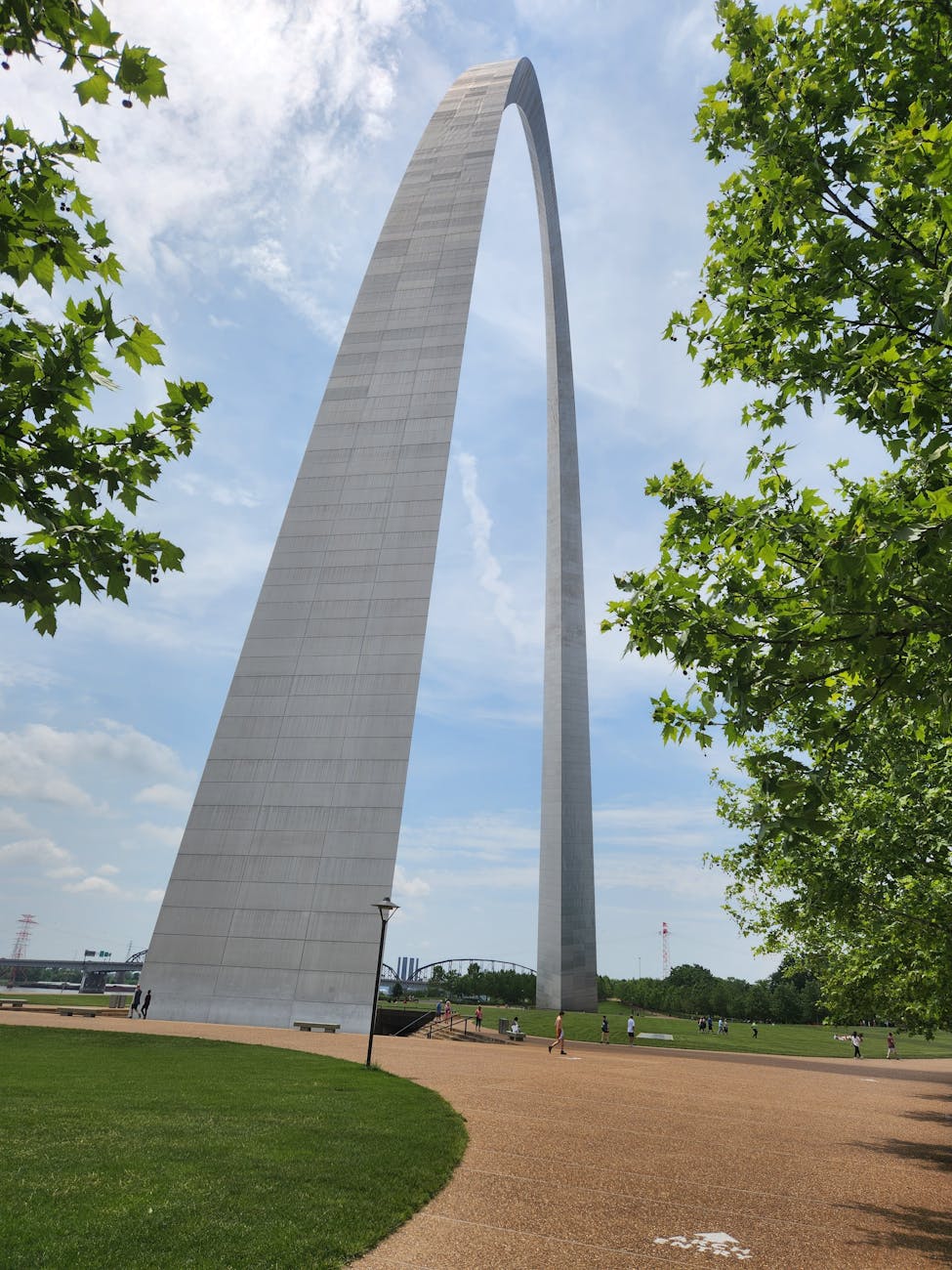
Lastly, the broad cultural impact of the Gateway Arch extends globally, as it has become a symbol of American ingenuity and the spirit of adventure. Its recognition on an international stage has perpetuated a sense of pride among Americans while serving as a point of interest for visitors from various cultural backgrounds. Whether it stands as a visual representation of freedom, exploration, or resilience, the Arch speaks to the vast narrative that is America’s journey.
In summary, the cultural impact of the Gateway Arch is extensive, reflecting not only its architectural significance but also its role as a powerful symbol within American society. It encapsulates a multitude of narratives that connect individuals to their history, inspires artistic expression, and fosters community engagement. As a national monument, the Gateway Arch continues to shape cultural perspectives and energize the discussions of identity and exploration that define the American experience.
Visitor Experience and Ongoing Preservation Efforts
The Gateway Arch provides visitors with a multifaceted experience that not only delights the senses but also imparts a wealth of historical and cultural knowledge. From the moment individuals approach the monument, they are enveloped in a sense of wonder, setting the stage for an engaging exploration of both the structure itself and the history it encapsulates. The visitor experience is meticulously designed to ensure that guests leave with a deeper understanding of the Arch and its role in American history.
The journey to the top of the Arch begins in the museum and visitor center, located at its base. Here, guests can explore interactive exhibits that convey the story of westward expansion, the vision behind the Arch, and the significance of this monumental endeavor. The multimedia displays, historical artifacts, and educational programming provide a rich context for understanding the complexities of American history. This foundational knowledge enhances the overall experience, allowing visitors to appreciate the Arch not just as a standalone structure but as one deeply embedded in the nation’s cultural landscape.
One of the most remarkable aspects of visiting the Gateway Arch is the tram ride to the observation deck. Housed in the Arch’s legs are small, pod-like trams that transport visitors to the top in just a few short minutes. This experience itself is exhilarating, as visitors ascend at a steep angle, offering glimpses of the surrounding city below. Once at the summit, the panoramic views of St. Louis, the Mississippi River, and the surrounding region are awe-inspiring. This breathtaking vantage point connects guests with the very essence of exploration, reminiscent of the pioneers who first gazed upon the horizon.
As visitors descend, they often spend time in the expansive grounds surrounding the Arch, including the reflection pond and park areas. These spaces are designed for leisure and contemplation, allowing guests to engage with the monument and its symbolism in a peaceful environment. Additionally, a variety of activities such as guided tours, educational programs, and cultural events further enrich the visitor experience.
The ongoing preservation efforts for the Gateway Arch are equally important, as they ensure this national landmark remains intact for future generations. Regular maintenance and restoration initiatives are vital to address the wear and tear that a structure of this caliber endures. The Gateway Arch National Park employs a dedicated team of preservation experts and park rangers who monitor the structure, conduct routine assessments, and undertake repairs as necessary.
In recent years, significant improvements have been made to the visitor facilities, enhancing accessibility and overall visitor flow. Upgrades include modern restrooms, visitor amenities, and expanded educational resources that prepare guests for their visit. These efforts reflect an understanding of the importance of the visitor experience in pairing modern conveniences with historical significance.
Environmental stewardship is another key component of ongoing preservation efforts. The park surrounding the Arch has undergone revitalization to ensure the ecological integrity of the area. This includes planting native flora, managing stormwater runoff, and improving pathways to promote sustainable tourism and ensure that the natural beauty of the grounds complements the Arch’s magnificence.
Community engagement plays a vital role in the preservation efforts of the Gateway Arch. Local organizations and volunteers often participate in initiatives aimed at maintaining the site, hosting events that celebrate its history, and ensuring it remains a vibrant part of St. Louis’s cultural fabric. Such collaborations foster connections between the community and the monument, reinforcing the collective sense of ownership and pride in this national treasure.
Through these ongoing preservation efforts, the Gateway Arch not only endures as an architectural marvel but continues to be a potent symbol of American identity and aspiration. The visitor experience combined with the dedication to preservation ensures that the legacy of the Arch will be accessible and appreciated by generations to come.
Conclusion
The Gateway Arch stands as a remarkable testament to America’s journey of exploration, embodying not only the aspirations of pioneers but also the complex narratives that shape the nation’s history. From its conception to its construction, design elements, cultural impact, and visitor engagement, the Arch represents more than just an architectural achievement; it is a symbol of hope, resilience, and the enduring human spirit.
As visitors explore the Arch and engage with its surroundings, they are afforded the opportunity to reflect on the stories of those who came before them, acknowledging the challenges faced and the triumphs achieved in the pursuit of opportunity. The integration of educational resources within the visitor experience fosters a deeper understanding of the broader historical context, allowing individuals to engage not only with the past but also with their contemporary role in shaping history.
Moreover, the ongoing preservation efforts illuminate the commitment to maintaining this national treasure for future generations. By balancing historical integrity with modern accessibility, the Arch continues to serve as a vital landmark that inspires and enlightens those who visit. As it stands proudly on the St. Louis skyline, the Gateway Arch remains a beacon of America’s pioneering spirit, a reminder of the unyielding pursuit of dreams and the collective narratives that define a nation. Through its architectural brilliance and cultural significance, the Gateway Arch endures as a true monument to westward expansion and the stories woven into the fabric of American identity.