

Introduction
Alcatraz Island, famously known as “The Rock,” is steeped in a rich and complex history that has fascinated people for decades. Located in San Francisco Bay, Alcatraz was initially established as a military fortification during the Civil War, serving as a strategic point to protect the west coast. However, it evolved over the years into one of the most notorious federal prisons in the United States. This transformation from a military outpost to a maximum-security prison has become an integral part of American lore. The stories of its infamous inmates, daring escape attempts, and ghostly tales continue to captivate both historians and tourists. As we explore the various phases of Alcatraz History, we unveil the layers of its past—from its origins and military significance to its establishment as a symbol of crime and punishment in America.
The Origins of Alcatraz: Its Strategic Importance
Alcatraz Island’s story begins long before it became synonymous with crime and imprisonment. The island was first noted by European explorers in the 18th century. Its strategic location in the San Francisco Bay made it a site of interest for military leaders. The U.S. military recognized the potential threat posed by foreign powers, especially during the 19th century when tensions were high. This led to the construction of a fortress on the island in the 1850s. The fortification was built to help protect California’s gold rush and the rapidly growing west coast settlements from naval attacks.
The fort itself was constructed using granite blocks quarried from the island itself, showcasing the resourcefulness and ingenuity of its builders. Alcatraz, named from the Spanish term “alcatraces,” meaning “pelicans,” was initially equipped with cannons and transformed into a military bastion. Over several years, it became a fully functioning coastal defense fort, complete with barracks, a lighthouse, and all the facilities necessary to support a garrison.
As the years went by, the military’s focus shifted, and Alcatraz was repurposed to serve as a military prison. During the mid to late 19th century, it housed prisoners who had committed offenses against military law, notably during the American Civil War. Alcatraz’s isolated location made it particularly effective for holding troublesome soldiers and other offenders, minimizing the risk of escape.
The strategic importance of Alcatraz was further amplified during the Spanish-American War when it was again utilized to detain military prisoners. The U.S. government had learned from experience that in times of conflict, the need for secure detention facilities was paramount. Alcatraz was viewed as an impenetrable fortress due to its rocky landscape and the cold, treacherous waters of San Francisco Bay that surrounded it. With these advantages, it was determined that the island could serve as an ideal location to house prisoners.
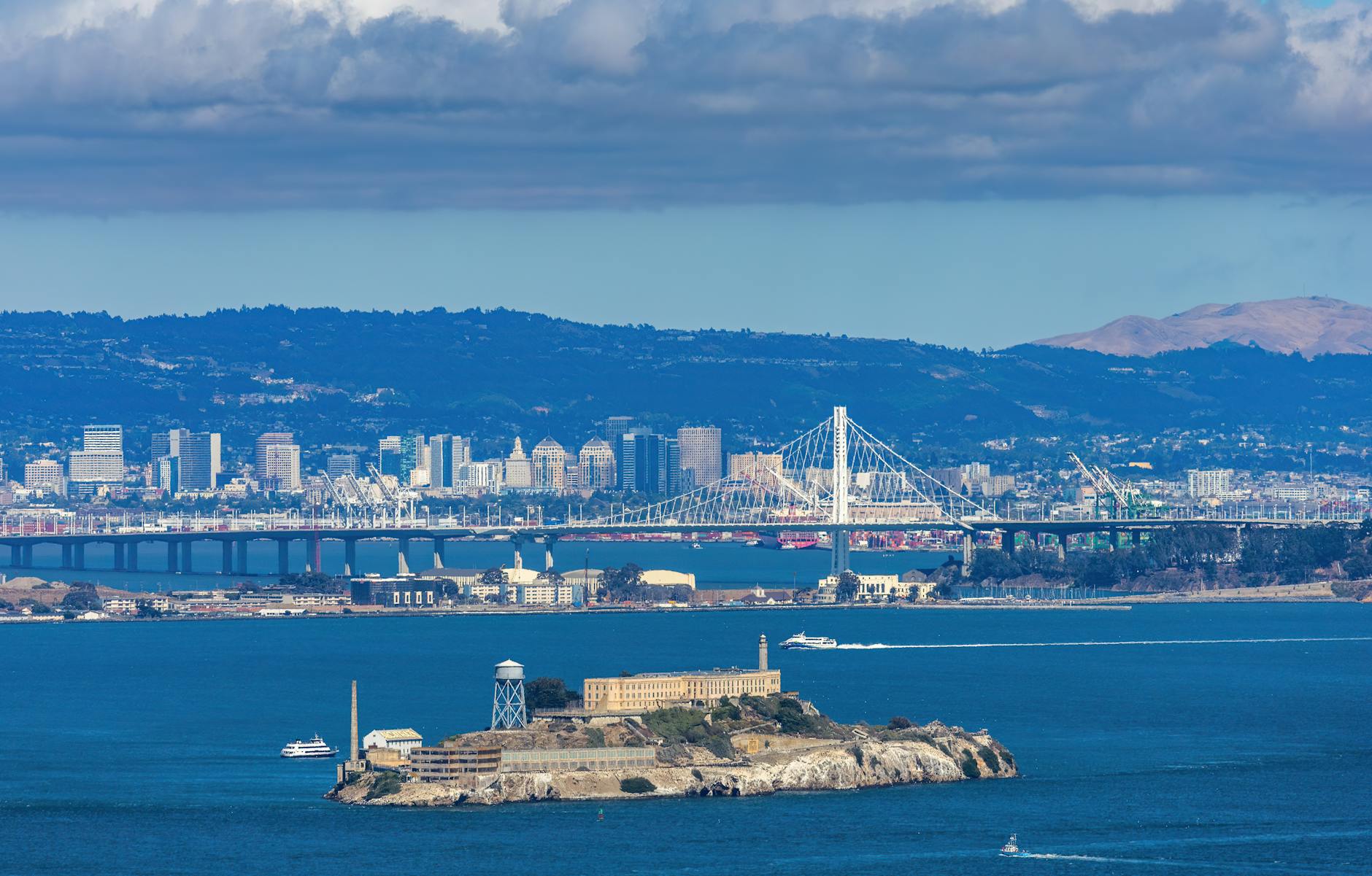
The infrastructure of the island was consistently improved upon, reinforcing its standing as a military stronghold. By the late 19th century, Alcatraz had officially become a military prison, with its first known prisoners arriving in 1861. The transition to a prison role allowed the military to effectively manage their incarcerated individuals away from the mainland, utilizing the isolation of the island to suppress any thoughts of escape.
In addition to its use as a military facility, Alcatraz continued to serve various other military functions over the years, including hosting an array of soldiers, sailors, and various criminal elements straying from the discipline expected of military personnel. The robust presence of military authority on Alcatraz solidified its place in U.S. history as a formidable site.
While it began as a simple fort for coastal defense, Alcatraz would eventually make its mark as a critical piece in the expanding story of imprisonment and incarceration in America. The transformations it underwent provided a foundation for its future in the 20th century, where the prison’s reputation would evolve into that of the most notorious facility, infamous for its tough conditions and high-profile inmates. This transition set the stage for the infamous era that would define Alcatraz in the public imagination and cement its legacy in American criminal history.
Transformation into a Military Prison
The transition of Alcatraz from a military fortress to a formal military prison took place in the late 19th century amid significant changes in military structure and discipline. As tensions increased both domestically and internationally, the U.S. military recognized the need for secure detention facilities. Alcatraz’s isolation made it an ideal location to house military offenders, who needed to be separated from the mainstream military population to prevent any potential uprisings or escape attempts.
In 1907, the prison officially became a military prison designated to house individuals convicted of various crimes against military law. Interestingly, these crimes didn’t just involve typical offenses such as desertion or theft. They also included more serious violations like mutiny and insubordination, which could lead to severe disciplinary actions. Alcatraz also became a place to confine high-risk prisoners accused of serious offenses, making it pivotal for maintaining order within the forces.
During this time, the prison acquired a reputation for being extremely harsh and unforgiving. Life in Alcatraz during its early military phase was characterized by stringent rules, strict discipline, and a no-nonsense approach to conduct. Prisoners faced tough living conditions, limited privileges, and rigorous labor duties, further underscoring the military’s commitment to discipline and order.
The military prison system was austere, with an emphasis on making inmates heed the laws of military conduct and traditions. Among the different materials used to create the prison facilities were those suited to withstand damage and escape efforts; this included concrete walls and reinforced bars. The design of the prison was such that escape would be nearly impossible due to the proximity to the cold, rough waters that permeated the island’s edges.
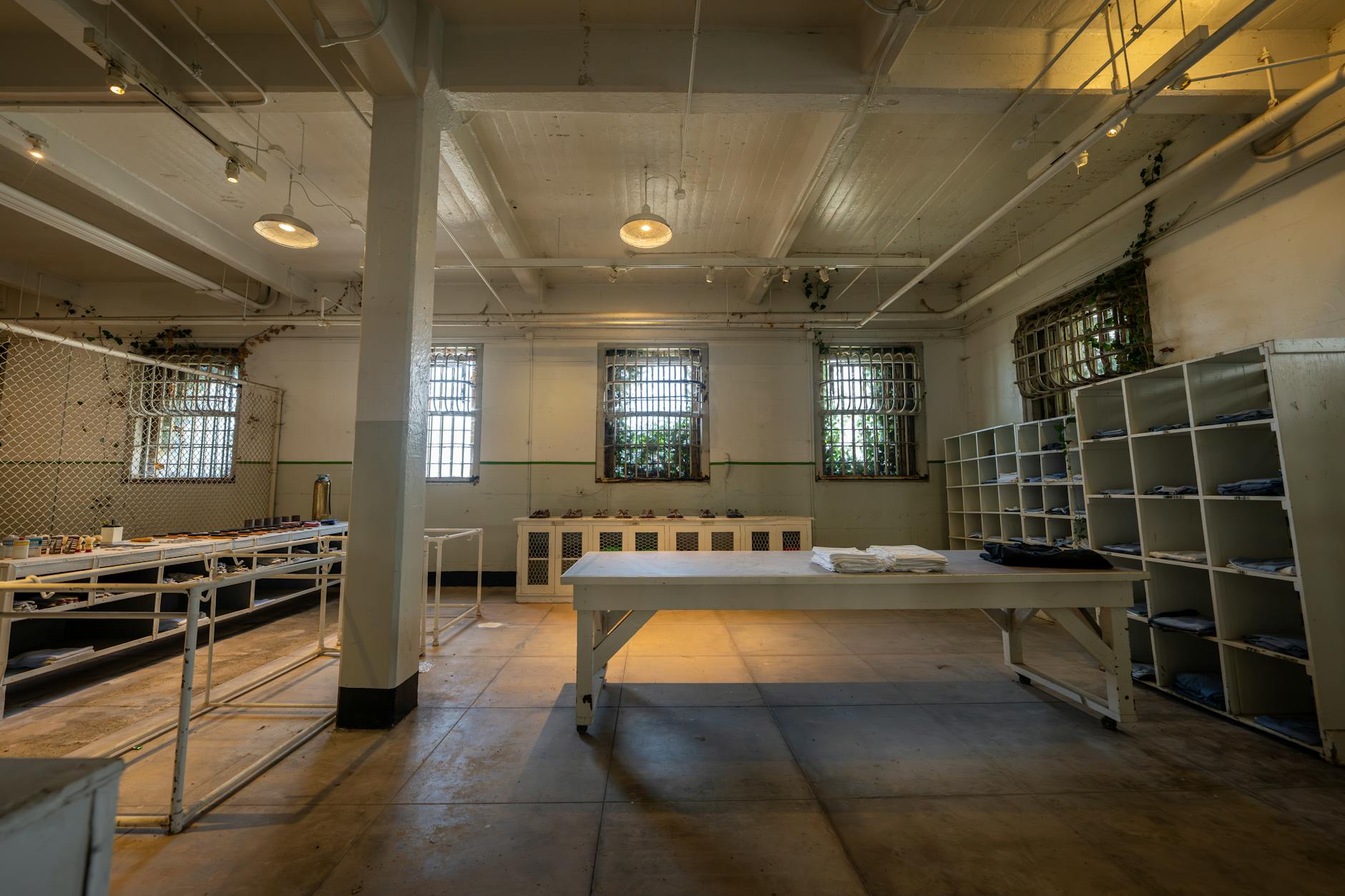
Most notably, the prison’s location also acted as a deterrent to escapes. Prisoners would face the daunting task of swimming across the treacherous bay water, which was often rife with strong currents and frigid temperatures. As such, Alcatraz became synonymous with punishment, and the very environment embodied the military’s will to maintain order.
Despite the prison receiving a steady influx of military prisoners, it eventually fell into a state of decline as the U.S. military moved towards different penal institutions, adapting to the enforcement of newly developed laws and prisoner management methods. Alcatraz found itself reassigned once again as the needs of a changing military landscape shaped its future.
In 1933, after more than two decades of serving as a military prison, Alcatraz was officially closed down as a military facility. However, the infrastructure and history established during this era laid the groundwork for an even more infamous chapter to come. The island caught the attention of the federal government, which recognized the opportunity to repurpose the facility into a maximum-security federal prison—the still infamous Alcatraz Federal Penitentiary.
This transition marked a pivotal turning point in the history of Alcatraz, setting the stage for the notorious federal prison period that would follow. Understanding Alcatraz’s timeline and its myriad transformations is crucial for grasping the complex legacy of this historically rich location.
The Notorious Federal Penitentiary Era
The real turning point in the history of Alcatraz occurred when it was repurposed in 1934 as a federal penitentiary, attracting attention not only for its notorious reputation but also for its spectacular security measures designed to ensure that no inmate could escape. During this era, Alcatraz became home to some of the most infamous criminals in American history, leading to its reputation as a “maximum-security” for high-risk inmates.
The motivation to turn Alcatraz into a federal penitentiary stemmed from the increasing challenges that law enforcement faced during the 1920s and 1930s. As organized crime flourished alongside the Prohibition era, the need arose for a facility that could hold notorious criminals who posed a significant threat to society. The Army and Navy prisons were unable to manage the new wave of criminals who had turned to elaborate crimes such as bank robberies and extortion.
As a federal institution, Alcatraz quickly garnered attention for its stringent regulations and inescapability. The prison was designed to act as a deterrent for would-be criminals and was outfitted with cutting-edge security measures that included guard towers, searchlights, and boundary fences. Most notably, the surrounding waters proved to be a formidable barrier against escape. Sharks and cold currents made attempts to swim away nearly impossible, reinforcing the legend that Alcatraz was indeed inescapable.
Alcatraz housed many legendary criminals during this era, including Al Capone, George “Machine Gun” Kelly, and Robert Stroud, known as the “Birdman of Alcatraz.” Each of these individuals contributed to creating the prison’s larger-than-life persona. Stories about their lives in Alcatraz fueled the media frenzy and fascinated the public, propelling the prison into popular culture. The infamous inmates became symbols of rebellion and the failure of the American justice system, creating narratives about their lives that would be told for generations.

Life in the federal penitentiary was harsh, with inmates subjected to highly regimented schedules and limited freedom. While some received minimal privileges, such as participating in recreational activities like reading or exercise, that came with strict regulations and supervision. The highly structured regime aimed to prevent gang affiliations and ensure orderly conduct among the prisoners. Failing to comply could lead to severe punishments, including isolation in the “hole,” a minus two levels cut off from the general population.
Despite the prison’s reputation, Alcatraz attracted a very specific breed of criminal. Many inmates were seasoned criminals who believed they could outsmart the authorities and escape. This mindset led to several elaborate attempt escapes that would become infamous in their own right, fostering even more interest in the prison. One of the most famous escape attempts took place in 1962 when Clarence Anglin, John Anglin, and Frank Morris devised an intricate plan to break out of the facility.
Using makeshift tools, mainly created from available resources, they created a raft from raincoats and fashionably carved life preservers. Their escape led to an extensive manhunt across the Bay, though the three men were never found or conclusively declared dead. This mysterious escape continues to fuel speculation and mythos about the prison’s history.
Despite many attempts, only a handful were successful in escaping Alcatraz during its operational years as a federal penitentiary; however, the few attempts made, coupled with the visibility and media coverage surrounding these escapes, helped solidify the prison’s legend.
The federal penitentiary era lasted until 1963 when Alcatraz closed its doors, joined by growing concerns about the high operational costs and the need for modernization. The prison had become increasingly difficult to manage by federal standards, leading to its eventual decommissioning.
Through its transformation and notoriety as a federal prison, Alcatraz ingrained itself in American culture and history. The legacy of the inmates, their stories, and the prison’s structure navigate the significance of Alcatraz as both a symbol of justice and a reminder of lawlessness.
High-Profile Inmates and Famous Escapes
Alcatraz is perhaps best known for the high-profile inmates that were housed within its walls, many of whom would go on to achieve infamy far beyond the crime for which they were imprisoned. The tales of notorious criminals serve not only to illustrate the challenges faced by authorities but also to demonstrate the complexity of the human experience within the prison system. Besides its notorious residents, Alcatraz also hosts some of the most famous escape attempts in the history of American penal institutions, ensuring that its name will echo through the annals of crime lore.
Among the most noteworthy inmates was Al Capone, a legendary gangster who became synonymous with organized crime during the Prohibition era. Capone arrived at Alcatraz in 1934 after being convicted of tax evasion. Before his incarceration, he enjoyed a lavish lifestyle filled with wealth and power, but Alcatraz drastically changed that. The strict daily routines and regulations left Capone struggling to adjust as he found himself amidst a collection of hardened criminals. His experience in Alcatraz took a toll on Capone’s health; he suffered from syphilis complications, which pushed him to request special privileges leading to a level of notoriety that overshadowed many of the other inmates.

Another infamous resident was George “Machine Gun” Kelly, a notorious bank robber who had garnered a reputation for being ruthless. He was implicated in many robberies and kidnappings, leading to his arrest and eventual sentence at Alcatraz. His tenure at Alcatraz solidified his legacy as a criminal, marking him as a significant figure in American crime history. Kelly’s penchant for the dramatic created a public persona that fascinated people, reinforcing the image of Alcatraz as a hub for the ultimate lawbreakers.
Robert Stroud, also known as the “Birdman of Alcatraz,” was another notable inmate whose story took on mythic proportions. His initial mold into the criminal world was sealed with a parole violation, resulting in life imprisonment. Stroud became known for keeping and breeding birds within the prison, garnering a certain level of celebrity while serving time at Alcatraz. The juxtaposition of his violent nature and the care he took with his birds fascinated the public and became a legend that persists to this day.
While high-profile inmates such as Capone, Kelly, and Stroud contributed to Alcatraz’s infamous reputation, the institution’s history remained punctuated by moments of thrill, particularly through escape attempts. One of the most famous was the escape of Frank Morris and the Anglin brothers in June 1962. Their elaborate plan involved creating dummies from discarded materials and hiding them in their cells to mislead the guards as they executed their escape. After months of meticulous planning, the trio managed to break free through a hole they had drilled and navigate their way to the water, setting sail on improvised rafts.
The escape was met with a massive manhunt, and while it was never definitively proven whether or not they survived the treacherous waters of the Bay, the mystery surrounding their fate enhanced the legend of Alcatraz. Several theories emerged over the years postulating that the men successfully reached the mainland, while others posited that the sea claimed their lives.
The allure of Alcatraz as a maximum-security prison, filled with complicated characters and dramatic attempts of defiance against authority, captivates audiences even today. The inmates who roamed the prison grounds became embodiments of rebellion, while their infamous attempts to escape added to the pervasive narrative of crime intertwined with folklore. Their lives turned the prison into a stage of both despair and hope and ensured Alcatraz’s place as a centerpiece for American history.
As tales of Alcatraz’s fierce inmates continue to unfold, they serve as reminders of a complex relationship between crime and the systems of justice developed to control individuals who defy societal norms. Alcatraz resonates within the collective psyche as both a place of punishment and a canvas for the stories of those who lived and died within its walls, leaving an enduring impact on the cultural landscape.
Alcatraz Today: A National Historic Landmark
With its rich history and notorious status, it comes as no surprise that Alcatraz has transitioned into a national historic landmark since closing its doors as a federal prison. Today, it stands as a testament to the complexities of law and punishment in American society, attracting millions of visitors from all around the world who come to explore the remnants of its storied past. The island serves as a symbol of justice, a monument to the history of crime, and an essential part of America’s narrative.
Since the establishment of the National Historic Landmark designation in the 1970s, extensive restoration and preservation efforts have been undertaken to maintain the structure and environment surrounding the former penitentiary. This has been crucial in safeguarding not only the physical remains of the prison but also the memories and lessons tied to its history. The National Park Service has developed educational programs and exhibitions that allow visitors to engage with the past actively, fostering a deeper understanding of Alcatraz’s role in shaping American penology.
The compelling stories tied to Alcatraz compel visitors to dive into the lives of its infamous inmates and understand the effects of a penal system that has endured widespread scrutiny. Guided tours are available, and an audio tour featuring the voices of former inmates and guards allows guests to gain a personal perspective on the harsh realities of prison life. The haunting echoes of life behind bars are punctuated with the memories of those who have walked the prison’s corridors and faced the stringent realities of incarceration.
Aside from honoring its darker past, Alcatraz also allows for the exploration of larger themes related to social justice and human rights. The prison’s history serves as an essential lens through which to examine the evolution of the American criminal justice system, issues surrounding rehabilitation, and the methodologies employed in managing criminal behavior. Events such as public discussions, art exhibitions, and film screenings are held on the island to promote awareness of these topics, connecting the past to contemporary society.
Alcatraz has also become a cultural icon, featuring prominently in countless films and television shows. The myths and legends surrounding its notorious inmates and daring escapes have led to the creation of a popular narrative that has permeated into mainstream consciousness. Each year, thousands of people are drawn to the island, which has become synonymous with adventure, intrigue, and the complex interplay of human behavior in the face of authority.
At the same time, the scenic beauty of the island cannot be overlooked. Visitors are treated to stunning views of the San Francisco skyline, the Golden Gate Bridge, and the picturesque waters of the Bay. The juxtaposition of Alcatraz’s grim history with the natural beauty surrounding it serves as a powerful reminder of dichotomies that exist throughout human experience.
Through its evolution from a military fort to a notorious federal prison and now a celebrated historic landmark, Alcatraz represents much more than the stories of its infamous inhabitants. It provides a space for reflection on the justice system and serves as a crucial point of inquiry into who we are as a society. The ongoing effort to preserve its history ensures that, while Alcatraz may have undergone significant changes, its legacy will forever remain intact.
Conclusion
The history of Alcatraz is not simply a chronicle of a prison but rather a mirror reflecting the evolving landscape of crime, punishment, and societal values in America. From its origins as a military outpost to its transformation into a federal penitentiary and ultimately as a landmark for preservation and education, Alcatraz captures the complex shades of justice.
The tales of infamous inmates, drawn to the island by the belief they could outwit the system, highlight human attempts against an unforgiving backdrop. The prison serves as a landscape for stories filled with courage, desperation, and tragedy. Alcatraz becomes a testament to the ongoing dialogue around crime and rehabilitation, illustrating not just the failings of individuals but the systemic issues that exist within a justice system.
Today, Alcatraz stands as a powerful symbol of resilience and a reminder of how history shapes our understanding of freedom and punishment. Its conversion into a national historic landmark allows for continued conversations surrounding the themes of justice, morality, and ethics. The ghostly stories of its past prompt us to examine the legacy we leave behind in both the physical and moral sense. As millions flock to its shores, they become part of a continuing legacy—one that invites reflection and critical discourse about the nature of humanity itself.








Wonderful post 🎸thanks for sharing🎸