Introduction
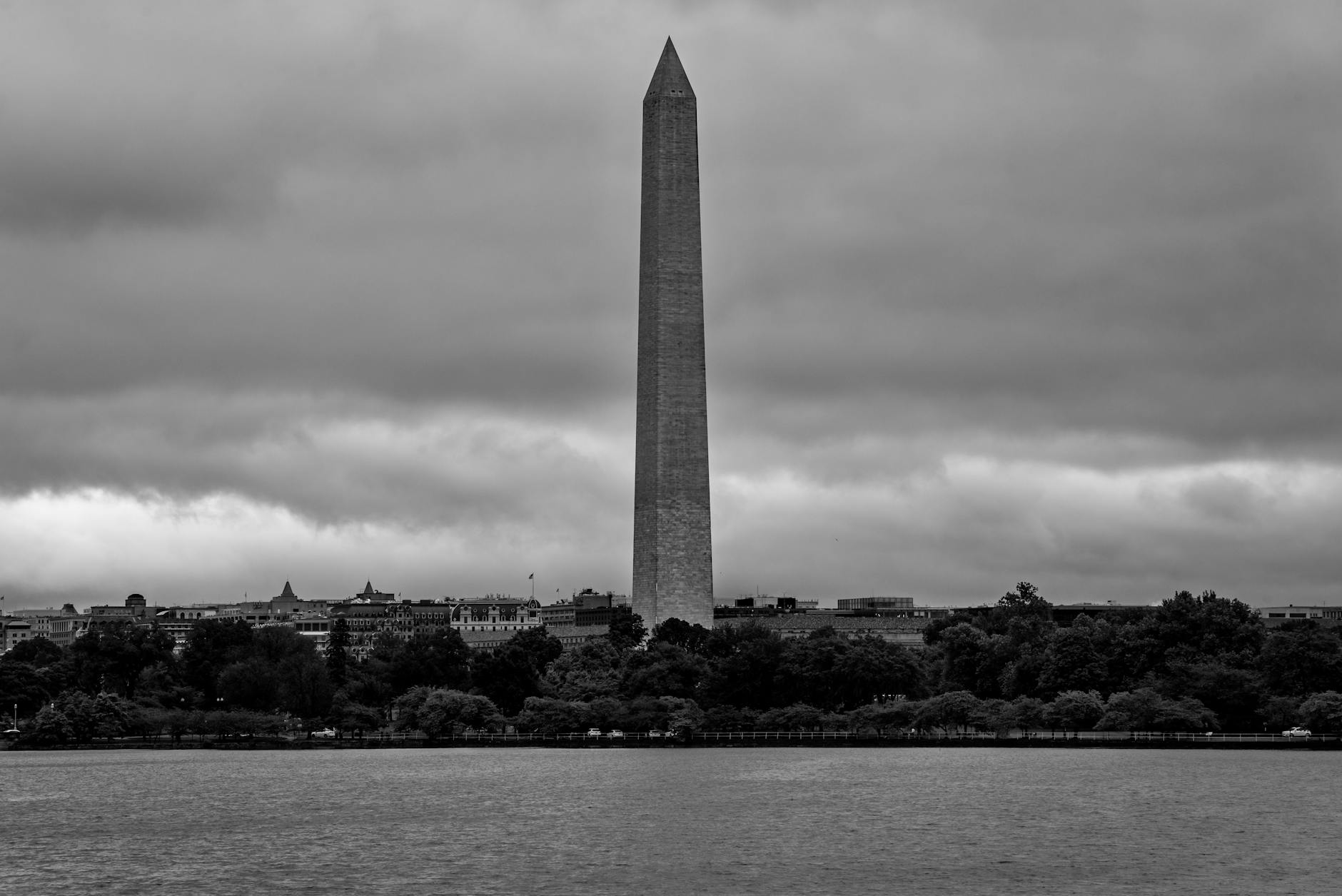
The Washington Monument stands as an iconic symbol of American resilience and respect for its first president, George Washington. Located at the heart of the nation’s capital, this towering granite obelisk not only reaches a height of 555 feet but also encapsulates the historical journey and challenges faced during its construction. Conceived to honor Washington’s legacy, the monument reflects both the aspirations and the complexities of the nation at the time. From its inception in the early 19th century, the project underwent numerous interruptions, including financial struggles, political debates, and even the Civil War. Yet, the completed structure remains a testament to the dedication and ingenuity of those who persevered throughout the years. In this article, we will explore the multifaceted history behind the Washington Monument, delving into its inspiration, construction, design, historical significance, and its enduring legacy in modern America.
The Inspiration Behind the Monument
The inspiration for the Washington Monument emerged in the wake of George Washington’s death in 1799. As the first president of the United States, his leadership and values were pivotal in shaping the nation. The desire to commemorate his contributions was felt not only by his contemporaries but also by future generations who viewed Washington as a founding hero. In 1833, the Washington National Monument Society was formed, aiming to honor Washington’s legacy through this monumental structure. The choice to build an obelisk was symbolic, reflecting the ancient Egyptian monuments that stood for eternity, echoing the hope that Washington’s values would endure as a guiding principle for America.
Moreover, the design paid homage to Classical architecture, reinforcing the idea of democracy and republicanism that Washington embodied. This connection to classical ideals brought forth a sense of pride and legitimacy to the young nation. The design competition held in 1845 attracted numerous entries, further emphasizing the diverse interpretations of how best to memorialize Washington. Eventually, architect Robert Mills’ obelisk design was selected, marking a significant turning point in the project. Mills envisioned a structure that would rise above the city, acting as a beacon for the American people, symbolizing their respect and appreciation for Washington’s role in their independence and governance.
As the initial enthusiasm for the project burgeoned, it was also met with challenges. The nation faced economic downturns, and as the Monument Society battled for funding and support, the visionary spirit behind the monument remained steadfast. It became a rallying point for those who believed in Washington’s ideals of liberty, democracy, and nationhood. The monument represented not merely a physical structure but a collective national memory, anchoring Americans in their shared history.
Construction Challenges and Triumphs
The construction of the Washington Monument began in 1848 and was anticipated to proceed swiftly. However, early optimism quickly faded as financial shortfalls and political discord plagued the project. The original funding model, relying heavily on donations, faltered as public interest waned, and the economy fluctuated. The work was halted in 1854 after just 152 feet had been completed, with a significant gap noticeable in the marble structure where work ceased.
When the Civil War erupted in 1861, construction was effectively suspended. During these years, the monument became a symbol of American division. The situation worsened as work remained dormant for over two decades, with unfulfilled promises and fragmented efforts to revive the project. It wasn’t until 1876 that renewed interest and funding, spurred by the nation’s centennial celebration, allowed the project to resume. This resurgence of national pride, driven by a desire to unify after the war, propelled the Washington Monument back into the limelight.
By 1884, the monument was finally completed, and the unification of diverse materials within its structure became a point of interest. The stone sourced from various quarries not only added a unique aesthetic but also told a story of collaboration and compromise throughout the construction timeline. While some criticized the differences in color and texture, it symbolized the coming together of North and South, emphasizing a more profound narrative unified by Washington’s enduring legacy.
The opening ceremony took place on February 21, 1885, and was attended by thousands, marking a momentous occasion in American history. The completion of the Washington Monument became an emblem of hope and resilience, showcasing the triumph of perseverance over adversity. The monument stands as a striking reminder of America’s capacity to rise above challenges, encapsulating the spirit and vision of George Washington himself.
The Role of Architecture in the Design
The architectural vision behind the Washington Monument set it apart as a significant piece in the tapestry of American architecture. Robert Mills’ design drew inspiration from Classical influences, incorporating elements that would resonate with historical significance while also utilizing modern construction techniques of the time. The choice of an obelisk was intentional, symbolizing stability, strength, and eternity—a fitting representation for someone of Washington’s stature.
The architecture of the Washington Monument is both impressive and straightforward in design, offering an iconic silhouette that can be recognized from miles away. Standing at 555 feet, it was the tallest manmade structure in the world upon its completion and held that title until the completion of the Eiffel Tower in 1889. The tapering shape of the monument serves not only an aesthetic purpose but also provides structural integrity, demonstrating the engineering prowess and architectural skill involved in its creation.
One intriguing aspect of the monument is its construction material, which varied throughout the building process. The lower portion is comprised of a different stone source than the upper section, leading to a subtle contrast in color. While some see this as a flaw, others perceive it as a testament to the monument’s lengthy and complex construction history. The structure was designed to withstand earthquakes and high winds, showcasing the thorough consideration of engineering in its planning.
Beyond physical attributes, the design of the Washington Monument encompasses deeper meanings associated with its form. The verticality of the structure signifies ambition and progress, propelling upward towards the sky—a metaphor for the ideals held by Washington and a gesture towards the nation’s aspirations. Its stark white color symbolizes purity and nobility, aligning with the values that Washington advocated throughout his life.
The Washington Monument’s architectural significance extends beyond its functional and aesthetic criteria; it connects visitors to the broader narrative of American history and culture. As mode of expression of national identity, it serves to inspire both present and future generations. The monument stands not just as a tribute to an individual, but as an enduring legacy of a nation’s commitment to remembering its origins and the principles upon which it was founded.
Historical Events and Figureheads Associated with the Monument
The Washington Monument has served as a backdrop for numerous historical events that have shaped American society and culture over time. Its location on the National Mall makes it inherently significant as a site for gathering and protest. From its inception, the monument has been associated with the values of freedom and democracy that Washington exemplified, becoming a site of reflection for many civil rights movements.
One of the most significant events associated with the Washington Monument occurred on August 28, 1963, when Dr. Martin Luther King Jr. delivered his iconic “I Have a Dream” speech during the March on Washington for Jobs and Freedom. This monumental speech underscored the ongoing struggle for civil rights and equality, emphasizing the significance of Washington’s legacy in the context of America’s continuing journey toward civil rights. The fact that such a pivotal moment in American history occurred in the shadow of the monument serves to solidify its role as a symbol of national conscience.
While Dr. King’s speech is perhaps the most famous, the monument has hosted countless other events. Political rallies, commemorations, and celebrations have occurred at this symbolic site, reflecting America’s evolving narrative and the ongoing pursuit of justice and equality. Each gathering reinforces the relationship between the monument and the American people, allowing citizens to connect with their history and the aspirations that the monument symbolizes.
Additionally, its design has ushered in various figureheads through history who have visited or referenced the monument during their pursuits. Presidents, dignitaries, and luminaries have all acknowledged its significance, from Franklin D. Roosevelt to Barack Obama. Each connection emphasizes the continuity of Washington’s legacy throughout American history and serves as a reminder of the values they strive to uphold.
Over the years, the Washington Monument has also undergone preservation efforts to maintain its structural integrity, ensuring that it continues to serve as a site of collective memory and inspiration. These preservation initiatives highlight the commitment of the American people to honoring their past while looking forward to their future. The monument’s historical significance is not merely in its existence but in its continued relevance as a site of action and contemplation in an ever-evolving nation.
The Monument Today: Preservation and Significance
Today, the Washington Monument is not only a beloved national landmark but also an essential component of America’s ongoing commitment to honoring its founders. As one of the most visited monuments in the United States, it attracts millions of tourists and locals who come to pay tribute to the legacy of George Washington and to engage with the larger narrative of American history.
Efforts to preserve the monument have been ongoing since its completion. After it was struck by an earthquake in 2011, restoration work was paramount to ensure its structural safety and visual appeal. These preservation efforts encompass both routine maintenance and historical conservation, requiring a careful balance of modern techniques with traditional methods. Such diligence highlights the importance placed on maintaining historical integrity while accommodating modern safety regulations.
Visiting the Washington Monument offers more than just a glimpse of an architectural wonder; it extends an invitation to reflect upon the ideals that George Washington championed. The trip to the observation deck allows visitors to gain a unique perspective of the National Mall, surrounding memorials, and the broader cityscape—a symbolic representation of the democratic principles structured by Washington.
In recent years, the monument has also become a focal point for conversations surrounding social justice, equity, and national identity. As the United States grapples with its diverse history, the Washington Monument stands as a platform for dialogue about what it means to honor the past while fostering an inclusive future. Its presence in the capital serves as a commitment to reconciling historical narratives with contemporary values, underlining the importance of learning from history.
By reinforcing its foundational messages and supporting initiatives aimed at preserving the nation’s history, the Washington Monument contributes to a clear understanding of American identity. Its biographical narrative—spanning from a tribute to Washington’s character to its significance as a site of activism—highlights the continuing relevance and impact of the structure. Ultimately, the Washington Monument exists not merely as a tribute but as a living testament to the American spirit and its ideals, urging future generations to remain engaged in the pursuit of liberty and justice for all.
Conclusion
The Washington Monument stands tall, symbolizing not just the life and legacy of George Washington but also the enduring spirit of the American people. From its inspiring origins reflective of Washington’s vision for the nation to its challenging construction and the historical events etched into its narrative, the monument offers profound insights into America’s journey. It is a structure that transcends mere stone and marble, embodying the ideals of democracy, perseverance, and unity that have defined the nation.
As visitors stand at the foot of this remarkable structure or gaze from its observation deck, they engage with a shared history that intertwines them with their forebears. The Washington Monument teaches us of the importance of remembrance; it inspires both reflection and action, reminding us that the pursuit of justice takes courage and commitment. In an era where unity and understanding remain imperative, the monument serves as a beacon, urging current and future generations to uphold the values first championed by George Washington. In doing so, it solidifies its place not just as a piece of history but as a vibrant part of America’s ongoing story—one that continues to unfold with each passing day.