Introduction
The French Quarter, known as the Vieux Carré, is the oldest neighborhood in New Orleans, Louisiana, and an iconic symbol of the city’s rich history and cultural diversity. Established in the early 18th century, the Quarter has been a melting pot of different influences, reflecting its French, Spanish, African, and American heritage. With its distinctive architecture, vibrant music scene, and flavorful cuisine, the French Quarter embodies the unique spirit of New Orleans, drawing residents and visitors alike into its lively embrace. Over the centuries, the area has witnessed significant events and cultural shifts, making it a living testament to the past. This article delves into the history of the French Quarter, exploring its origins, architectural styles, cultural contributions, historical significance, and the challenges it faces in modern times.
The Founding of the French Quarter: Origins and Early Development
The roots of the French Quarter date back to 1718 when Jean-Baptiste Le Moyne de Bienville, a French explorer and governor, founded the city of New Orleans. The strategic location along the Mississippi River was ideal for trade and commerce, leading to the establishment of a bustling port and attracting settlers from various backgrounds. The French Quarter was laid out in a grid system, with streets named after prominent figures in French and Spanish history, symbolizing the area’s colonial roots.
Initially, the neighborhood consisted mainly of wooden structures built from cypress, a local wood known for its resistance to humidity and insects. The houses, often modest in design, reflected the simple needs of the early inhabitants. However, as the population grew, the need for more substantial construction became evident. In 1763, Spain acquired Louisiana, leading to significant changes in the architectural landscape and cultural dynamics of the French Quarter.
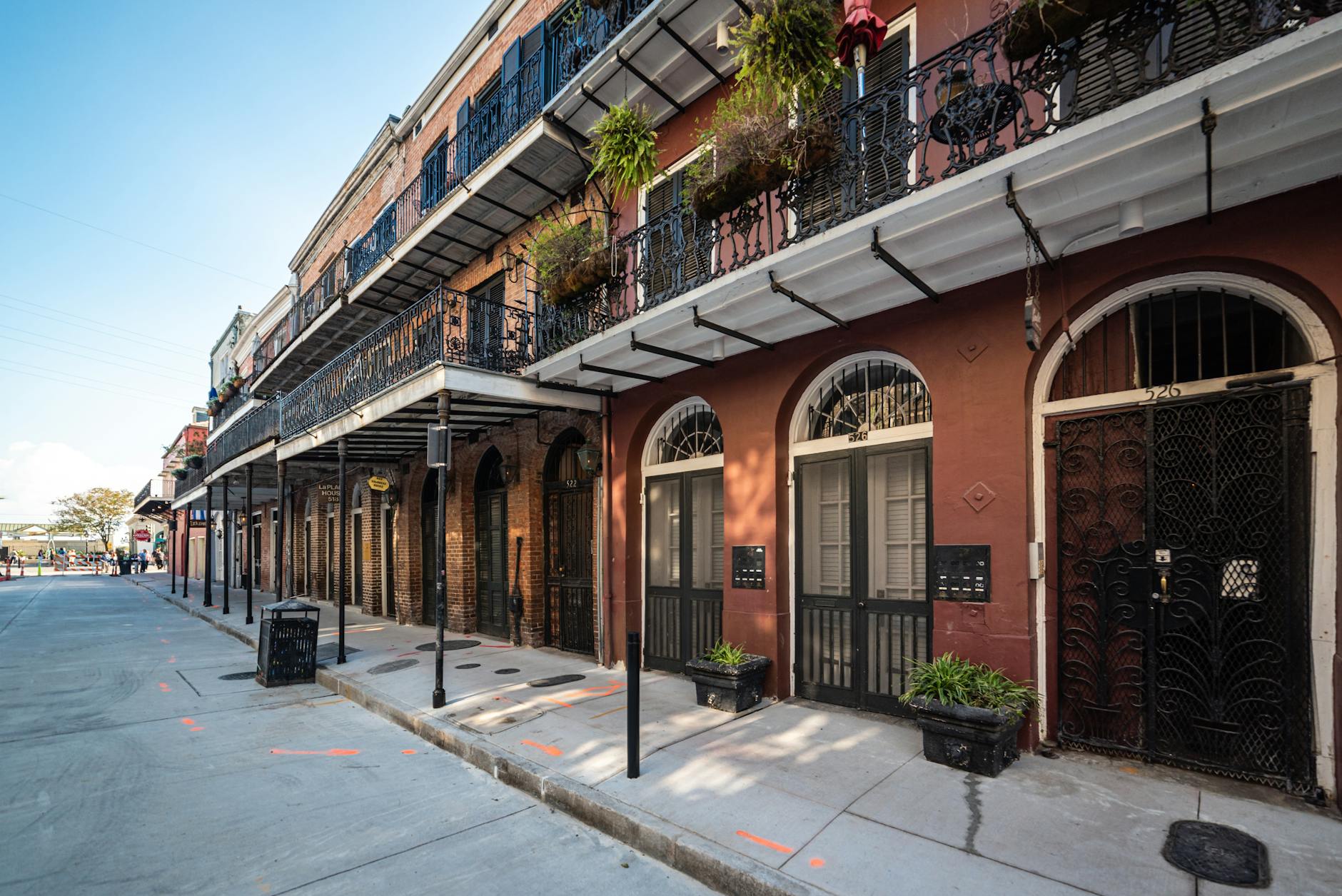
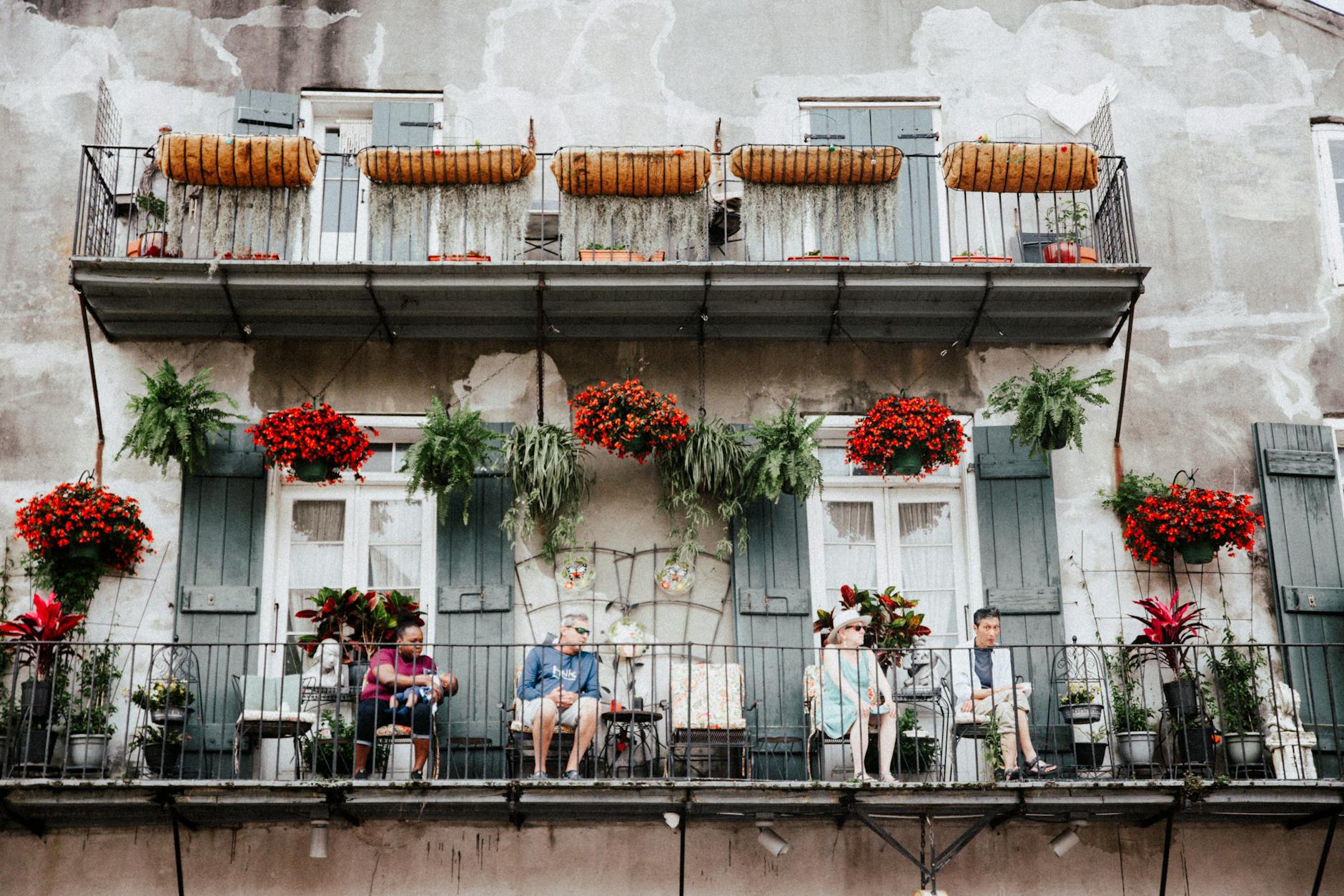
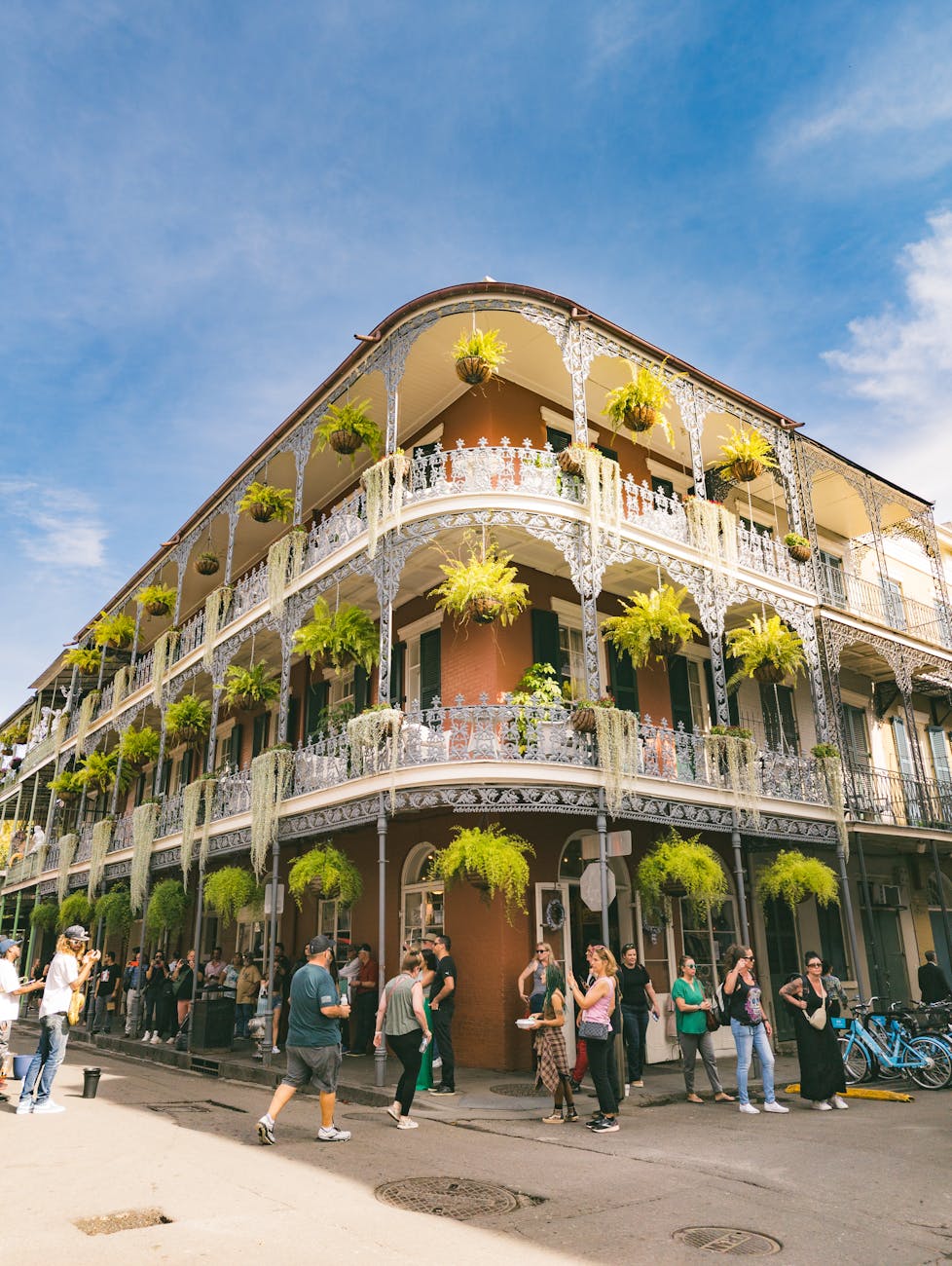
Under Spanish rule, the architectural style evolved, incorporating elements of Spanish colonial design. The introduction of wrought iron balconies, thick walls, and distinctive courtyards marked a departure from the earlier French styles. The Spanish influence not only reshaped the buildings but also had lasting effects on the customs and social structures of the Quarter. Notably, the blending of Spanish and French architectural features created a unique aesthetic that remains a defining characteristic of the neighborhood today.
By the early 19th century, the French Quarter was flourishing, becoming a hub of social and economic activity. The sugar and cotton industries were booming, leading to an influx of immigrants and a diverse population. This growth contributed to a vibrant cultural tapestry in the Quarter, as various ethnic groups brought their traditions and customs. During this period, the art of storytelling and music began to flourish, setting the stage for New Orleans to become a cultural capital.
The French Quarter’s early development also saw the establishment of key institutions and landmarks. One notable example is St. Louis Cathedral, which was first established in the 18th century and has since become one of the most recognizable symbols of the city. The cathedral’s majestic spires and iconic façade serve as a reminder of New Orleans’ rich spiritual heritage and its connection to both the Catholic Church and the indigenous people of the region.
As the city continued to grow in the 19th century, the French Quarter faced challenges as well. Natural disasters, such as fires and hurricanes, occasionally damaged the area. The Great Fire of 1788 devastated much of the neighborhood, prompting rebuilding efforts that retained the architectural charm while incorporating more fire-resistant materials. Despite these challenges, the Quarter remained resilient, adapting and evolving in response to the changing social and economic landscape.
Throughout its history, the French Quarter has served as a microcosm of New Orleans itself—a place where diverse cultures intersect and intertwine, giving rise to a unique identity. The founding of the French Quarter and its subsequent development laid the foundations for what would become one of the most celebrated and beloved neighborhoods in the United States. Today, as visitors wander through its historic streets, they can still feel the echoes of its past, gaining insight into the rich tapestry that is the soul of New Orleans.
Architectural Evolution: Influences and Styles in the Quarter
The architectural evolution of the French Quarter is a testament to the rich cultural tapestry that has shaped the neighborhood over the centuries. From its early days as a settlement to its status as a cultural and historical landmark, the buildings of the French Quarter reflect the diverse influences that have converged in New Orleans. This section explores the various architectural styles and features that define the Quarter, highlighting how they embody the city’s vibrant history.
The original structures of the French Quarter were primarily built by French colonists, characterized by simple, functional designs. These early homes, one or two stories high, often featured steeply pitched roofs, wooden siding, and courtyards. However, with the transition to Spanish rule in the late 18th century, a transformation began. Spanish colonial architecture introduced elements such as stucco exteriors, wrought iron railings, and decorative tiles. The use of courtyards became more pronounced during this period, providing residents with private outdoor spaces that also facilitated ventilation in the humid climate.
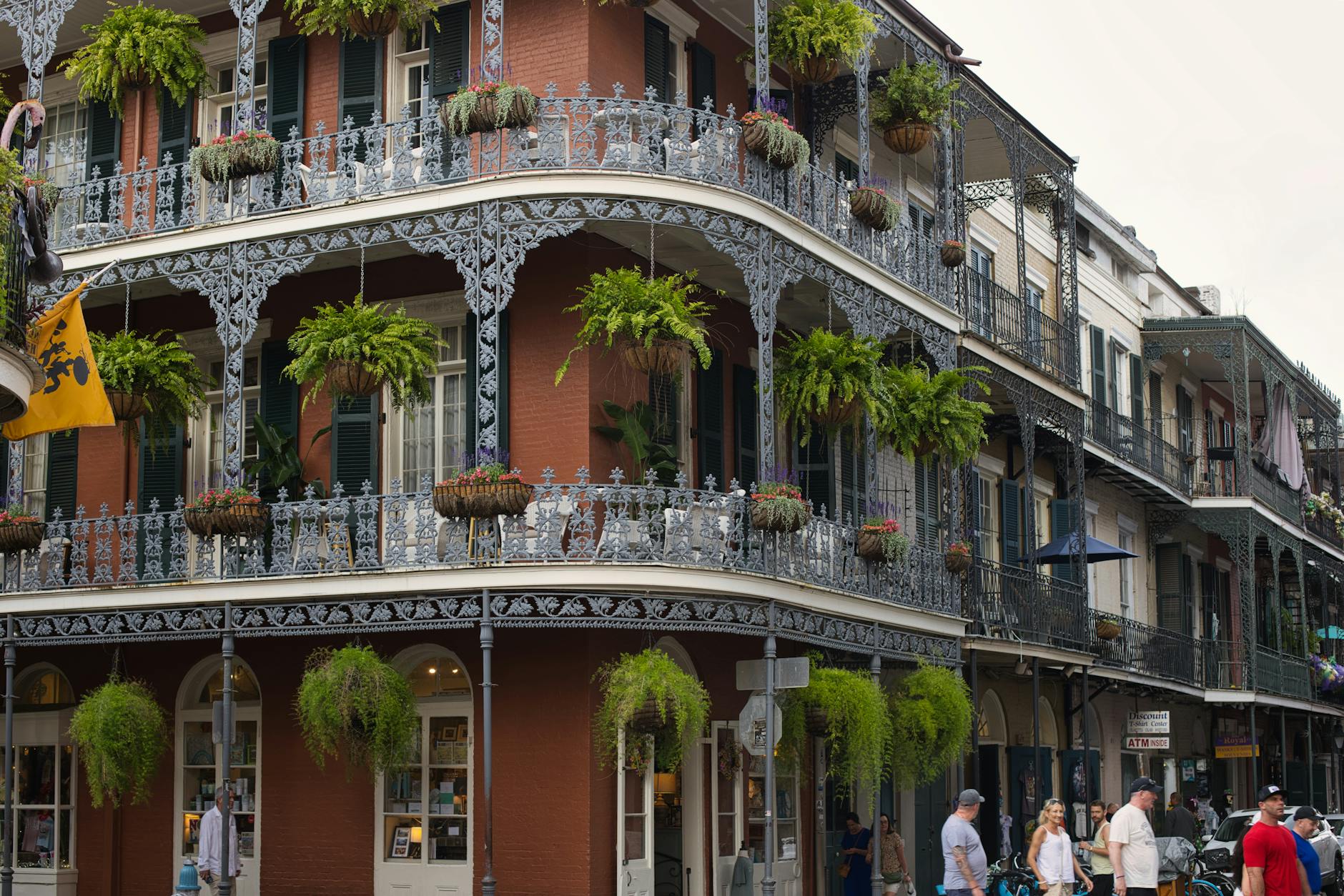
One of the most distinctive features of French Quarter architecture is the iconic wrought iron balconies that adorn many buildings. These intricate railings were not only decorative but also functional, allowing residents to enjoy the cool breeze while maintaining privacy. The craftsmanship exhibited in these balconies is a reflection of the skilled artisans who worked in the Quarter, blending European styles with local materials and techniques. The result is a unique aesthetic that captures the essence of New Orleans’ cultural heritage.
As the 19th century approached, the architectural landscape continued to evolve. The arrival of American settlers brought new influences, such as Greek Revival and Federal styles. Buildings constructed during this period often featured grand columns, decorative moldings, and symmetrical facades, showcasing a shift toward more formal designs. Despite these changes, the Quarter maintained its eclectic character, as new architectural styles were incorporated alongside the existing Spanish and French elements.
Notable buildings that exemplify this architectural evolution include the Cabildo and the Presbytère, both located in Jackson Square. The Cabildo, originally constructed in the late 18th century, showcases Spanish Colonial architecture with its thick walls and arched doorways. Its historical significance as the site of the Louisiana Purchase transfer ceremony adds to its value as a cultural landmark. The Presbytère, adjacent to the Cabildo, features a more neoclassical design, reflecting the growing influence of American architectural trends at the time.
The aftermath of the Civil War also had implications for the architecture of the French Quarter. As the nation sought to recover and redefine itself, the Quarter experienced revitalization. The emergence of new artistic movements, such as the Arts and Crafts movement, influenced interior designs and decorative arts within many homes. Local artisans crafted beautiful ceramics, tiles, and furnishings that captured the spirit of New Orleans’ artistic community, showcasing the creativity and resilience of the neighborhood.
Preserving the architectural legacy of the French Quarter has become a priority in recent years. The Vieux Carré Commission was established to oversee renovation and restoration projects, ensuring that any changes adhere to strict guidelines that honor the neighborhood’s historical integrity. This commitment to preservation not only protects the unique character of the Quarter but also contributes to its appeal as a tourist destination.
As modernization and urban development threaten historic neighborhoods across the country, the French Quarter stands as a testament to the importance of preserving cultural heritage. The architectural evolution of the Quarter encapsulates the rich stories and diverse influences that have shaped New Orleans. Today, as visitors wander through its historic streets, they are greeted by a stunning array of design elements that reflect centuries of cultural exchange and innovation, inviting them to explore the vibrant narrative of a city that is unlike any other.
Cultural Heritage: Music, Cuisine, and Festivals
The cultural heritage of the French Quarter is steeped in rich traditions that have evolved over centuries, contributing to the uniqueness of New Orleans as a cultural hub. Renowned for its vibrant music scene, distinctive cuisine, and lively festivals, the Quarter serves as a living testament to the city’s diverse influences and artistic expressions. This section explores the various facets of cultural heritage that define the French Quarter, showcasing how they reflect the heart and soul of New Orleans.
Music is an intrinsic part of the French Quarter’s identity, with its streets resonating with the sounds of jazz, blues, and other genres that have emerged from the city’s vibrant musical landscape. Jazz, in particular, has its roots in the African American communities of New Orleans, blending elements of African rhythms, French harmonies, and blues. The French Quarter became a breeding ground for musical innovation in the early 20th century, with venues such as Preservation Hall and the Storyville district attracting prominent musicians like Louis Armstrong and Duke Ellington.
The interplay of different cultures has enriched the musical heritage of the Quarter. The infusion of Spanish, French, and Creole influences can be heard in the unique styles that have emerged, such as Zydeco and Cajun music. Local musicians carry on these traditions, often performing in the streets, bars, and clubs that line the Quarter. The sounds of brass bands, street musicians, and solo performers unite to create a lively atmosphere that embodies the spirit of celebration and community.
Cuisine is another hallmark of the French Quarter’s cultural heritage, reflecting the diverse culinary traditions that have shaped New Orleans’ gastronomic identity. The fusion of French, African, Spanish, and Caribbean flavors has given rise to iconic dishes like gumbo, jambalaya, and beignets. The vibrant food culture celebrates bold flavors and unique ingredients, showcasing the city’s culinary prowess. Restaurants, food markets, and street vendors in the Quarter provide a feast for the senses, drawing locals and tourists alike to indulge in the culinary delights that define the region.
Culinary festivals, such as the New Orleans Food and Wine Experience, highlight the significance of food within the cultural fabric of the Quarter. These events celebrate local chefs, restaurants, and culinary traditions, as attendees gather to sample dishes and learn about the city’s gastronomic heritage. The emphasis on locally sourced ingredients and traditional cooking techniques reflects the commitment to preserving the cultural identity of New Orleans through its cuisine.
Festivals in the French Quarter are another expression of the city’s vibrant culture, showcasing the community’s artistry, creativity, and spirit. Mardi Gras, perhaps the most famous celebration associated with New Orleans, transforms the Quarter into a colorful spectacle filled with parades, music, and revelry. The roots of Mardi Gras can be traced back to European traditions, combining various cultural influences to create a unique celebration that captivates people from all walks of life.
Other festivals, such as the French Quarter Festival and the New Orleans Jazz & Heritage Festival, further illustrate the importance of cultural celebrations. These events provide a platform for local artists, musicians, and performers to showcase their talents, attracting crowds eager to immerse themselves in the vibrant cultural scene. The art, music, and food that define these festivals reflect the dynamic history of the French Quarter, offering a glimpse into the city’s soul.
The cultural heritage of the French Quarter transcends mere entertainment; it is a vital part of the community’s identity and a source of pride for its residents. Efforts to preserve and promote the music, cuisine, and traditions of the Quarter are essential for maintaining the links to the past while embracing the future. As the neighborhood navigates the challenges of modernization and tourism, it is crucial to ensure that the essence of its cultural heritage remains intact, allowing generations to experience and celebrate the rich tapestry of New Orleans.
In conclusion, the cultural heritage of the French Quarter encapsulates the dynamic interplay of music, cuisine, and festivals that define New Orleans. The resonance of jazz, the allure of flavorful dishes, and the exuberance of local celebrations come together to create a vibrant tapestry that reflects the city’s diverse influences. As the French Quarter continues to evolve, its cultural legacy remains a vital part of its identity, inviting everyone to share in the beauty and richness of New Orleans.
Historical Significance: Key Events and Their Impact
The French Quarter has played a pivotal role in several key historical events that have shaped not only New Orleans but also the broader narrative of American history. From its founding to its significance during major political movements, the Quarter has been at the forefront of transformative moments. This section explores some of the significant events that have impacted the French Quarter and contributed to its historical legacy.
One of the most transformative events in the history of the French Quarter was the Louisiana Purchase in 1803. This monumental deal between the United States and France doubled the size of the young nation and effectively transferred governance of New Orleans and its surrounding territories to the U.S. The strategic location of the French Quarter as a vibrant port city positioned it as a critical gateway for trade and commerce. The influx of new settlers and the subsequent economic growth led to a cultural renaissance in the area, as diverse groups brought their customs and traditions.
The social fabric of the French Quarter was further influenced by the Civil War. As Union troops occupied New Orleans in 1862, the Quarter became a microcosm of the nation’s broader conflicts. The military presence transformed the neighborhood’s social dynamics, exposing residents to new ideas and perspectives. The rich musical traditions of the Quarter blended with the experiences of soldiers, resulting in significant developments in the evolving landscape of American music. The sounds of brass bands and the emergence of jazz were born from these interactions, paving the way for the unique musical culture that this city is famous for today.
Another landmark event was the Civil Rights Movement of the 1960s, during which the French Quarter became a focal point for activism, gathering, and advocacy. Numerous protests, sit-ins, and demonstrations took place in the neighborhood, as activists fought for equality and justice. The rich cultural traditions inherent to the Quarter provided a robust support network for movement leaders, who often drew upon the artistic creativity that characterized New Orleans to energize their messages. Public gatherings in historic venues further emphasized the connections to the Quarter’s heritage, highlighting the importance of community solidarity in the face of systemic injustice.
Furthermore, the aftermath of Hurricane Katrina in 2005 had profound implications for the French Quarter and the city as a whole. The devastation caused by the storm led to widespread dislocation and a reevaluation of urban planning and infrastructure in New Orleans. The French Quarter, despite suffering damage, became a rallying point for recovery efforts, with residents and organizations working tirelessly to restore the neighborhood while preserving its historical character. The resilience of the community was showcased as locals came together to support one another in the face of adversity.
The French Quarter has also served as a lens through which to view broader social and economic changes. As tourism surged in the late 20th century and into the 21st, the neighborhood became more commercialized, raising questions about the preservation of its authenticity. Discussions surrounding gentrification, economic inequality, and cultural commodification became increasingly relevant as new businesses and developments emerged in a rapidly changing urban landscape. The evolving relationship between tourism, culture, and community identity continues to shape the narrative of the French Quarter today.
Preserving the integrity and historical significance of the French Quarter remains a persistent effort as locals and advocates work to honor the rich legacy that has emerged from its storied past. Organizations dedicated to preservation and education ensure that the lessons learned from historical events are not forgotten. The French Quarter’s ability to convey the complexities of history while serving as a vibrant cultural hub is part of its enduring appeal.
In conclusion, the historical significance of the French Quarter is woven into the fabric of American history, with pivotal events such as the Louisiana Purchase, the Civil War, civil rights activism, and recovery from Hurricane Katrina shaping its narrative. These moments not only impacted the neighborhood itself but also contributed to the broader cultural and social landscape of the nation. The French Quarter’s ability to reflect the trials and triumphs of its inhabitants speaks to its importance as a living testament to history, culture, and community.
Modern-Day Challenges: Preservation and Tourism Dynamics
As one of the most recognizable neighborhoods in the world, the French Quarter faces the dual challenge of preserving its historical and cultural identity while navigating the demands of modern tourism. The dynamic interplay between preservation efforts and the influx of tourists has shaped the contemporary landscape of the Quarter. This section examines the challenges and opportunities that arise as the neighborhood continues to evolve in today’s fast-paced environment.
Tourism is undeniably one of the key economic drivers in the French Quarter, with millions of visitors flocking to experience the vibrant culture, music, and cuisine. The charm of the neighborhood draws tourists from around the globe, eager to explore its historic streets, indulge in local delicacies, and immerse themselves in the lively atmosphere. However, the pressures of tourism can also strain local resources and disrupt the delicate balance that defines the community.
The commercialization of the French Quarter poses a significant threat to its authenticity. As businesses cater to tourists, there is a risk of homogenization, where local shops and eateries give way to corporate chains and tourist traps. This shift can dilute the unique character that has long defined the Quarter, raising concerns among residents about losing the very essence of what makes their home special. Preservation efforts must be proactive in ensuring that local businesses, artisans, and cultural practices remain at the forefront of the Quarter’s identity.
The impact of gentrification is another pressing issue that the French Quarter must confront. Rising property values and rents can displace long-time residents and disrupt the social fabric of the community. Efforts to preserve affordable housing and support local residents are essential to maintaining the diversity and vibrancy of the neighborhood. Advocacy groups and local organizations work tirelessly to promote policies that protect the rights and livelihoods of residents, highlighting the importance of community involvement in decision-making processes.
Despite these challenges, there are also opportunities for growth and innovation. The French Quarter’s rich cultural heritage and artistic vitality provide a fertile ground for creative endeavors. Local artists and performers continue to thrive, contributing to a rich artistic scene that engages both residents and visitors. Efforts to promote arts education, participate in cultural events, and support local talent contribute to a sense of community pride and resilience.
Furthermore, the advent of technology and social media has opened new avenues for engagement and outreach. Local businesses can utilize digital platforms to promote their products and services while connecting directly with customers. This modern approach allows for the celebration of local culture and artisanal craftsmanship, affirming the importance of preserving the Quarter’s identity in an increasingly globalized world.
Preserving the rich cultural heritage of the French Quarter requires collaboration among residents, local organizations, and government entities. By working together, stakeholders can develop sustainable tourism practices that highlight the uniqueness of the neighborhood while minimizing negative impacts. Community involvement and education play a pivotal role in fostering a sense of responsibility among residents and visitors alike, encouraging mutual respect for the culture and history that define the French Quarter.
In conclusion, the modern-day challenges facing the French Quarter highlight the intricate balance between preservation and tourism dynamics. While the neighborhood’s status as a premier tourist destination poses risks to its authenticity, there are also opportunities for creative growth and community engagement. By actively promoting local culture, supporting residents, and fostering collaboration, the French Quarter can navigate the complexities of this dynamic landscape while preserving its historical significance and vibrant identity.
Conclusion
The French Quarter stands as a testament to the rich history and cultural diversity that define New Orleans. From its founding in the early 18th century to its evolution as a cultural hub, the Quarter encapsulates the essence of the city’s spirit. The architectural styles, musical traditions, culinary delights, and significant historical events all contribute to the unique identity that continues to attract visitors from around the world.
As we reflect on the journey of the French Quarter, it becomes clear that the challenges of modernization and tourism must be navigated carefully to preserve its authenticity. The commitment to preserving its historical landmarks, protecting local traditions, and supporting the community’s cultural expression is essential for ensuring the neighborhood remains more than just a tourist destination. It is a living, breathing part of New Orleans’ soul. The future of the French Quarter depends on balancing growth with heritage—so that generations to come can walk its storied streets and still feel the rhythm of its remarkable past.