Introduction
The U.S. Capitol, located on Capitol Hill in Washington, D.C., serves not only as the home of the United States Congress but also as a powerful symbol of American democracy. Its grand architecture represents the ideals of the nation and reflects the evolution of democratic governance throughout American history. From its humble beginnings to its sprawling expansion and renovations, the Capitol stands as a testament to the resilience and adaptability of American democracy. This article will explore the rich history of this iconic building, highlighting its architectural evolution, historical significance, notable events, cultural impact, and ongoing role in contemporary governance. By understanding its past and present, we can appreciate the Capitol’s role as the symbolic heart of American democracy, embodying both the ideals and challenges faced by a nation dedicated to liberty and justice.
The Architectural Evolution of the Capitol
The United States Capitol has undergone a significant metamorphosis since its inception in the late 18th century. The story of its architecture is one of adaptation and reflection of the nation’s ideals over time. Designed in the neoclassical style, the Capitol was influenced by ancient Greek and Roman structures, which symbolized democracy, order, and stability. The original design, created by the French architect Pierre L’Enfant, established a visual grandeur meant to evoke a sense of authority and responsibility. The first cornerstone was laid by President George Washington in 1793, marking a moment of great significance for the new nation.
In the early years, the Capitol was a relatively modest structure with a central rotunda and two wings that housed the Senate and the House of Representatives. However, as the United States expanded and the federal government grew in stature and importance, so too did the Capitol undergo substantial transformations. The first major alteration took place in 1814 when British troops set fire to the Capitol during the War of 1812. In the aftermath, major reconstruction efforts were undertaken, leading to an enlargement and design refinement that established its iconic white dome—a feature completed in 1866.

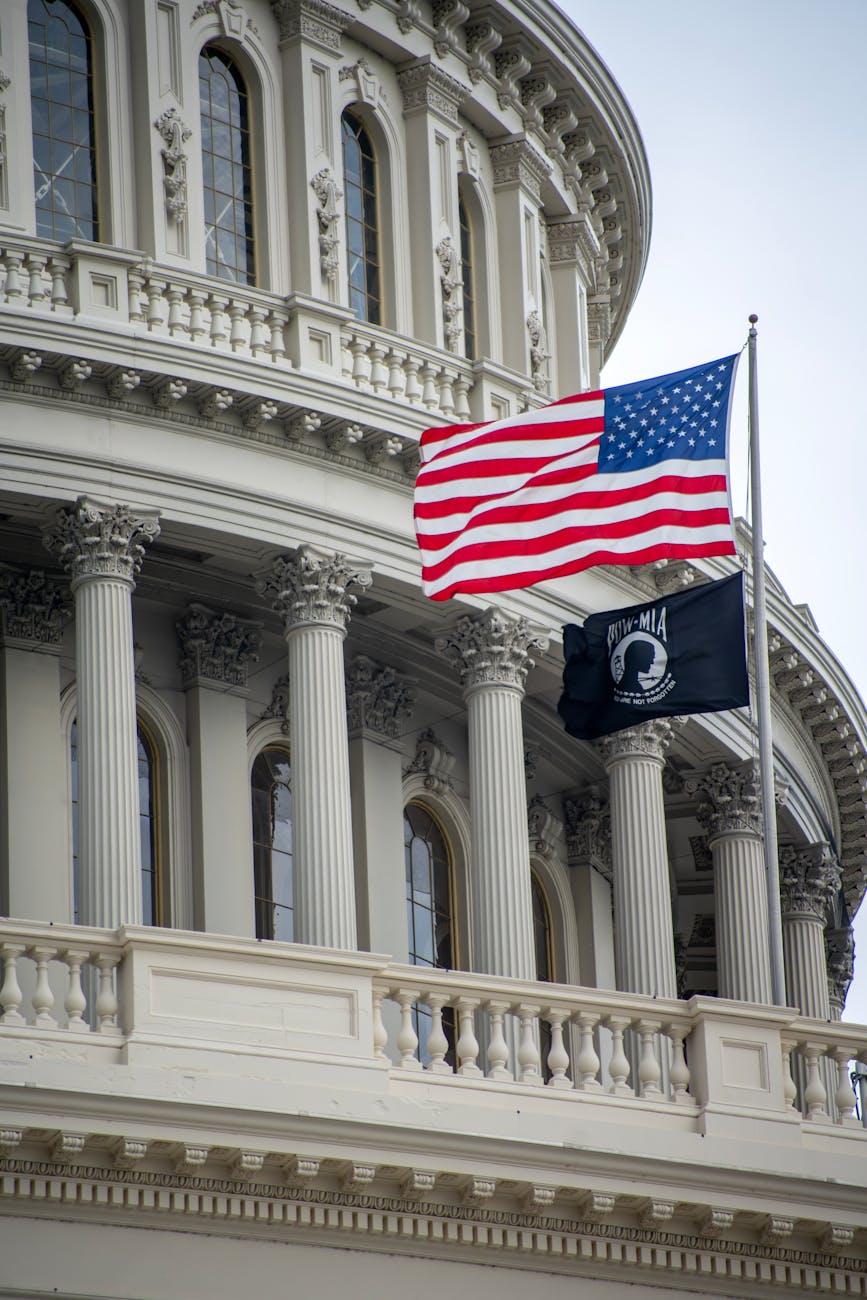
The dome itself is an architectural marvel and has become one of the most recognized symbols of Washington, D.C. Standing at 180 feet, it not only enhances the building’s grandeur but also serves a practical purpose by providing natural light to the rotunda. The dome’s design draws heavily on classical architecture, featuring a series of columns and ornamental details that produce a harmonious balance and enhance the visual impact of the structure. As the Capitol evolved, the interior spaces were also carefully refined. The rotunda, adorned with beautiful frescoes, murals, and sculptures, represents historical moments and figures that highlight the values and principles of the nation.
In the 20th century, the Capitol underwent additional renovations and expansions to accommodate a growing government. The addition of underground facilities and the expansion of the Capitol’s grounds reflect the operational needs of Congress, as well as an increased emphasis on public accessibility. The Capitol Visitor Center, opened in 2008, exemplifies this commitment to openness and engagement with citizens, providing a space for educational programs around the nation’s democratic processes.

As the Capitol continues to evolve, it faces contemporary challenges related to sustainability and security while still remaining a living symbol of American democracy. The architectural journey of the Capitol embodies the democratic principles it seeks to represent—a process of ongoing renewal and reinvention that mirrors the struggle and progress of the nation itself.
Historical Significance of the Capitol
The historical significance of the U.S. Capitol cannot be overstated; it stands as the very embodiment of the Republic’s principles and the evolution of American governance. From its status as a meeting point for the fledgling Congress of 1789 to its role as a beacon of democracy in the modern age, the Capitol has witnessed the passage of countless laws, the debate of pivotal issues, and the resolution of national crises. Each moment in time has contributed to shaping the nation and enshrining values that resonate beyond its walls.
Initially designed as a forum for representatives of the thirteen colonies, the Capitol has adapted to host a diverse and expansive democratic system that now includes 50 states and various territories. The early years of Congress saw debates over the Constitution, federalism, and states’ rights—issues that were debated fervently within the chambers and laid the foundation for the American political system. Key historical figures including George Washington, Thomas Jefferson, and Abraham Lincoln have all contributed to the rich fabric of legislative history that echoes through the halls of the Capitol.
The Capitol has also been a stage for social change, serving as a backdrop to significant movements that have shaped American society. The suffrage movement, civil rights movement, and more recently, various advocacy efforts, have all echoed within its chambers, demonstrating how the Capitol has become a marketplace of ideas and ideals that resonate with the public. These movements emphasize the role of the Capitol in reflecting societal shifts and confronting injustices, reinforcing its standing as a civic institution that is as much a part of the American experience as its governance.

In times of national tragedy, the Capitol has served as a symbol of resilience. The aftermath of the Civil War saw a focus on rebuilding the nation, and the Capitol emerged as a rallying point for American unity. When the nation faced challenges such as the Great Depression, World War II, and the Civil Rights Era, the Capitol remained a focal point for discussion on policy and action. Each event tested the fabric of American democracy and illustrated how the Capitol is a witness to the narrative of a nation continually striving to align its practices with its values.
Furthermore, the Capitol’s role has grown beyond purely legislative functions to becoming a significant site of cultural importance. It is not just where laws are made; it has become the backdrop for historical ceremonies, national celebrations, and periods of mourning, such as lying-in-state events for prominent figures. These moments underscore the Capitol’s place in collective national memory, as citizens gather to witness history and participate in civic life.
As we look back on the historical significance of the U.S. Capitol, it is clear that its impact extends well beyond its physical presence. The Capitol’s halls resonate with the voices of representatives, echo the struggles of movements advocating for change, and reflect the evolution of a nation that is committed to the ideals of liberty and justice for all. It stands as a powerful reminder of the ongoing journey of democracy.
Notable Events Held at the Capitol
Throughout its history, the U.S. Capitol has hosted numerous noteworthy events that have not only marked the trajectory of American democracy but have also influenced the lives of citizens. These events range from the formal convening of Congress to pivotal national celebrations, memorials, and moments of unity. Each event serves as a reminder of the Capitol’s role as the heart of governance and democracy in the United States.
One of the most significant events in the Capitol’s history is the presidential inauguration. Every four years, the Capitol serves as the stage where the president takes the oath of office, a ceremony steeped in tradition and grandeur. The inaugural ceremony demonstrates the peaceful transfer of power, a hallmark of the democratic process. The first inauguration took place in 1789, and since then, every subsequent inauguration has reinforced the ideals of democracy. The Capitol grounds are transformed into a public gathering space, where citizens gather to witness this historic moment. Notably, the inaugural address often sets the tone for the incoming administration, establishing priorities and a vision for the future, while also celebrating the democratic process itself.
The Capitol has also been the site of significant legislative milestones, such as the passage of landmark legislation. For example, the Civil Rights Act of 1964 represents a turning point in American history, addressing racial segregation and discrimination. The intense debates and voting processes captured within the Capitol reflect the struggles the nation faced regarding civil rights. Such events underscore the Capitol’s role as a legislative institution that embodies the values and challenges of its time.
Furthermore, moments of national tragedy have also taken place within the Capitol, transforming it into a place of reflection and remembrance. Such events include memorials for fallen leaders, including President Abraham Lincoln, whose body lay in state in the Capitol Rotunda after his assassination in 1865. Lincoln’s funeral was one of the first major public processes in American history, as citizens from around the nation came to pay their respects, reinforcing the Capitol as a symbol of national mourning and unity.
Moreover, modern events such as the Women’s March in 2017 also reflect the Capitol’s commitment to representing various voices and movements within American society. This march, which called for political action and women’s rights, exemplified the role of the Capitol as a civic platform for diverse perspectives. Gatherings like this highlight the ongoing dialogue within a democracy and demonstrate how the Capitol acts as a stage for citizens to advocate for change.
During times of crisis, the Capitol has also been a beacon of hope and resilience. Following the events of September 11, 2001, the Capitol became a symbol of national unity and determination. In the aftermath, Congress came together to affirm the values of freedom and democracy, showcasing the Capitol as not only a legislative building but also a place of national significance where citizens can rally around shared principles, even in the face of adversity.
As we recognize the notable events that have taken place at the U.S. Capitol, it is evident that each moment contributes to its historical narrative as a central institution in American democracy. The events hosted within its walls are more than mere gatherings; they embody the spirit of the nation, the ebb and flow of history, and the ongoing pursuit of liberty and justice. The Capitol remains a living monument to American ideals, reflecting the past while inviting the future.
The Capitol in American Culture and Symbolism
The U.S. Capitol transcends its role as a government building; it is an enduring symbol of American culture and identity. Throughout its history, the Capitol has evoked powerful emotions and has been woven into the fabric of national consciousness, representing ideals such as democracy, justice, and the struggle for equality. Its iconic silhouette is recognized around the world, embodying the spirit and resilience of the United States.
As a symbol, the Capitol represents not only the physical structure but also the democratic processes that occur within its walls. Its architecture, with its grand dome and neoclassical elements, conveys a sense of formality and permanence. The design reflects the aspirations of the nation, embodying republican ideals that celebrate the contributions of individual citizens to a collective democracy. This symbolism invites citizens to forge a connection with their government, showcasing that the Capitol is – at its core – a space that serves the people.
The Capitol has also played a significant role in American culture through its representation in art and literature. Numerous artists, poets, and filmmakers have drawn inspiration from its majestic presence, using the Capitol to signify political struggle, social change, and national pride. The rotunda’s extensive collection of murals, historical paintings, and statues not only reflects the achievements of the American people but also serves as a canvas for storytelling, reigniting the collective memory of pivotal moments in the nation’s history.
Moreover, the Capitol has become a focal point for political activism and civic engagement. Peaceful protests, marches, and demonstrations often take place on the Capitol grounds, as citizens exercise their rights to free speech and assembly. The historical significance of these events reinforces the Capitol as a backdrop for grassroots movements and social change, highlighting its role as a living testament to the enduring fight for justice and equality. As people from diverse backgrounds gather to voice their concerns, the Capitol is transformed into a symbol of the ongoing struggle for representation and inclusion.
In addition, the Capitol’s presence in media and popular culture has perpetuated its significance in American life. Its depiction in films, television shows, and literature frequently reflects the ideals of justice, hope, and the promises of democracy. Such portrayals showcase the Capitol as not just a political hub but also a setting that embodies characters fighting for change and shaping their futures. These cultural representations deepen public engagement with democratic processes and invite citizens to become active participants in their government and society.
The Capitol also serves as an emblem of resilience during challenging times. The aftermath of events such as the Capitol riots in January 2021 sparked discussions about the health of democracy in the nation. In the face of turmoil, the Capitol emerged again as a symbol of determination, leading to renewed conversations about the fundamental principles of democracy, accountability, and the ongoing responsibility of citizens. Such moments remind us of the fragility of democratic institutions and the need for constant vigilance to uphold the values that the Capitol represents.
As we explore the Capitol’s role in American culture and symbolism, it becomes evident that its significance extends beyond governance. The Capitol acts as a powerful emblem of the country’s democratic ethos and a reflection of its ongoing journey toward justice and equality. It serves as a reminder to citizens of their role in shaping the future, celebrating the past, and advocating for a more just society. The Capitol stands as a testament to the indomitable spirit of a nation that continually strives to fulfill its founding principles.
The Capitol’s Role in Contemporary Governance
In the 21st century, the U.S. Capitol remains at the center of contemporary governance, navigating the complex realities of modern democracy. As the seat of the legislative branch, the Capitol represents a space where policies are debated, laws are crafted, and the pressing issues of the day are addressed. The challenges confronting Congress and the nation today reflect the evolution and adaptation of the Capitol, revealing its pivotal role in shaping the future of governance.
One of the defining features of contemporary governance at the Capitol is the hyper-partisan environment that has developed over recent years. The political landscape has grown increasingly polarized, making collaboration and compromise more challenging for lawmakers. The Capitol serves as a microcosm of this division, where party affiliation often dictates the direction of legislative efforts. As a result, the Capitol has seen heightened tensions and dramatic shifts in power, reflecting broader societal struggles. Understanding these dynamics is crucial to grasping the complexities surrounding contemporary governance and its implications for democracy.
In response to these challenges, the Capitol has also embraced greater transparency and accessibility. The rise of social media and new communication technologies has transformed the way lawmakers engage with constituents, fostering a more direct line of communication between representatives and the public. Live streams of congressional sessions and committee hearings allow citizens to follow legislative actions in real time, promoting greater civic engagement and accountability. The Capitol, once viewed as an exclusive space, is evolving into a more inclusive institution that recognizes the importance of public participation in governance.
Another aspect of contemporary governance at the Capitol is the emphasis on bipartisan initiatives to address pressing national issues. While partisan divisions often loom large, there are still numerous instances where lawmakers come together to find common ground on critical topics such as infrastructure, health care, and education. Collaborative efforts in crafting bills and proposing solutions illustrate the Capitol’s potential as a site for constructive dialogue and shared responsibility, presenting a model for future legislative endeavors.
Moreover, as contemporary challenges continue to evolve, the Capitol is at the forefront of grappling with significant issues such as climate change, economic inequality, and public health crises. The COVID-19 pandemic, in particular, has underscored the importance of effective governance and the role of Congress in responding to emergencies. Resilience and adaptability are necessary traits as the Capitol navigates new realities and addresses the diverse needs of a changing populace.
The Capitol’s role also includes recognizing the importance of diversity and representation within the halls of Congress. The increasing number of women, people of color, and individuals from diverse backgrounds exemplifies the evolving nature of governance in a nation that values inclusivity. This diversification within the Capitol enriches the legislative process, fostering varied perspectives that contribute to more comprehensive decision-making and policies that resonate with a broader audience.
As we reflect on the Capitol’s role in contemporary governance, it is essential to acknowledge the complexities and challenges of the current political landscape. While polarization and conflict persist, the Capitol stands as an enduring institution where the democratic process unfolds. The evolution of governance at the Capitol reflects the dynamism of American democracy and the responsibilities of leaders and citizens alike to uphold the principles of representative government.
Conclusion
The U.S. Capitol has a rich and multifaceted history as the heart of American democracy. It is a place of architectural grandeur, historical significance, cultural symbolism, and contemporary governance. From its architectural evolution to notable events and the role it plays in public life, the Capitol encapsulates the essence of the American democratic experience. Each point discussed throughout this article reiterates how the Capitol has not only served as a backdrop for the nation’s governance but has also become a reflection of the ongoing journey of a nation that strives for liberty, justice, and equality for all.
In understanding the Capitol’s historical evolution, we recognize the struggles and triumphs that have shaped the fabric of American democracy. It serves as a reminder that the values enshrined within its walls must continue to be honored and defended in our pursuits. The U.S. Capitol stands resilient in the face of challenges, fostering unity during moments of division and inspiring citizens to actively engage in the democratic process.
In conclusion, the Capitol remains not only an architectural marvel but a living testament to the ideals and experiences of a diverse nation. As we move forward, the Capitol will undoubtedly continue to evolve, reflecting the ongoing narrative of American democracy and the commitment of its citizens to shape a future that aligns with the principles of justice and equality. The U.S. Capitol, as a symbol, will always remind us of our collective responsibilities to uphold the values that define our society and to strive for a more perfect union.