Introduction
The Sydney Opera House, a masterpiece of architectural innovation and artistic endeavor, stands proudly on the shores of Sydney Harbour, capturing the imagination of millions worldwide. Its distinctive silhouette, with sail-like forms, has become synonymous with Australian culture and identity. The journey to its creation is a tale interwoven with ambition, controversy, and creativity, encapsulating the spirit of an era that sought to redefine the boundaries of design. This article delves deep into the history of the Sydney Opera House, exploring its visionary conception, the architectural hurdles encountered during its construction, its profound cultural significance, and its enduring legacy as a global symbol of Australia. Each section will provide insights into how this radical design evolved into an iconic structure, shaping the landscape not just of Sydney, but of the entire nation.
The Visionary Idea Behind the Opera House
The inception of the Sydney Opera House can be traced back to the mid-20th century when the Australian government recognized the need for a dedicated venue for the performing arts. Prior to this, performances were held in makeshift locations, and the cultural appetite of the burgeoning Sydney population was stifled. In 1955, a competition was announced to design a new opera house at Bennelong Point, a prominent location on Sydney Harbour. This competition attracted numerous architects from around the world, but it was the Danish architect Jørn Utzon whose radical and avant-garde design caught the attention of the judges.
Utzon’s vision was not merely to create a functional space for opera and concerts but to craft an iconic representation of Australia itself. His proposal featured a series of white, shell-like structures that appeared to float on the water, suggesting movement and fluidity. Inspired by nature and the sails of the yachts that populate Sydney Harbour, the design symbolized a dynamic harmony between architecture and its surroundings. Even in its conceptual phase, the Opera House was revolutionary; no other building at the time had embraced such an unconventional form. Utzon articulated that his design aimed to reflect the unique Australian identity, characterized by a sense of freedom and creativity.
However, the road from vision to reality was fraught with challenges. The selection of Utzon’s design was met with mixed reactions; some hailed it as a groundbreaking masterpiece, while others criticized its ambitious nature as impractical. The grandiosity of its form led to concerns over the feasibility of construction and the financial implications for the government. Yet, the vision held strong among advocates for the arts in Australia, who saw the Opera House as an opportunity to enhance Sydney’s global cultural standing.
Compounded by the political climate of the time, Utzon faced mounting pressure as the project moved forward. The government was eager for a cultural symbol that could attract tourism and investment, but skepticism loomed over whether utopian ideas could be manifested into something tangible. Utzon’s radical concept began to challenge conventional modes of architecture, prompting discussions on artistic intent versus practical execution. As the design took shape, it became evident that the Sydney Opera House was not just an architectural project; it was an emblem of national pride and a testament to Australia’s burgeoning cultural identity.
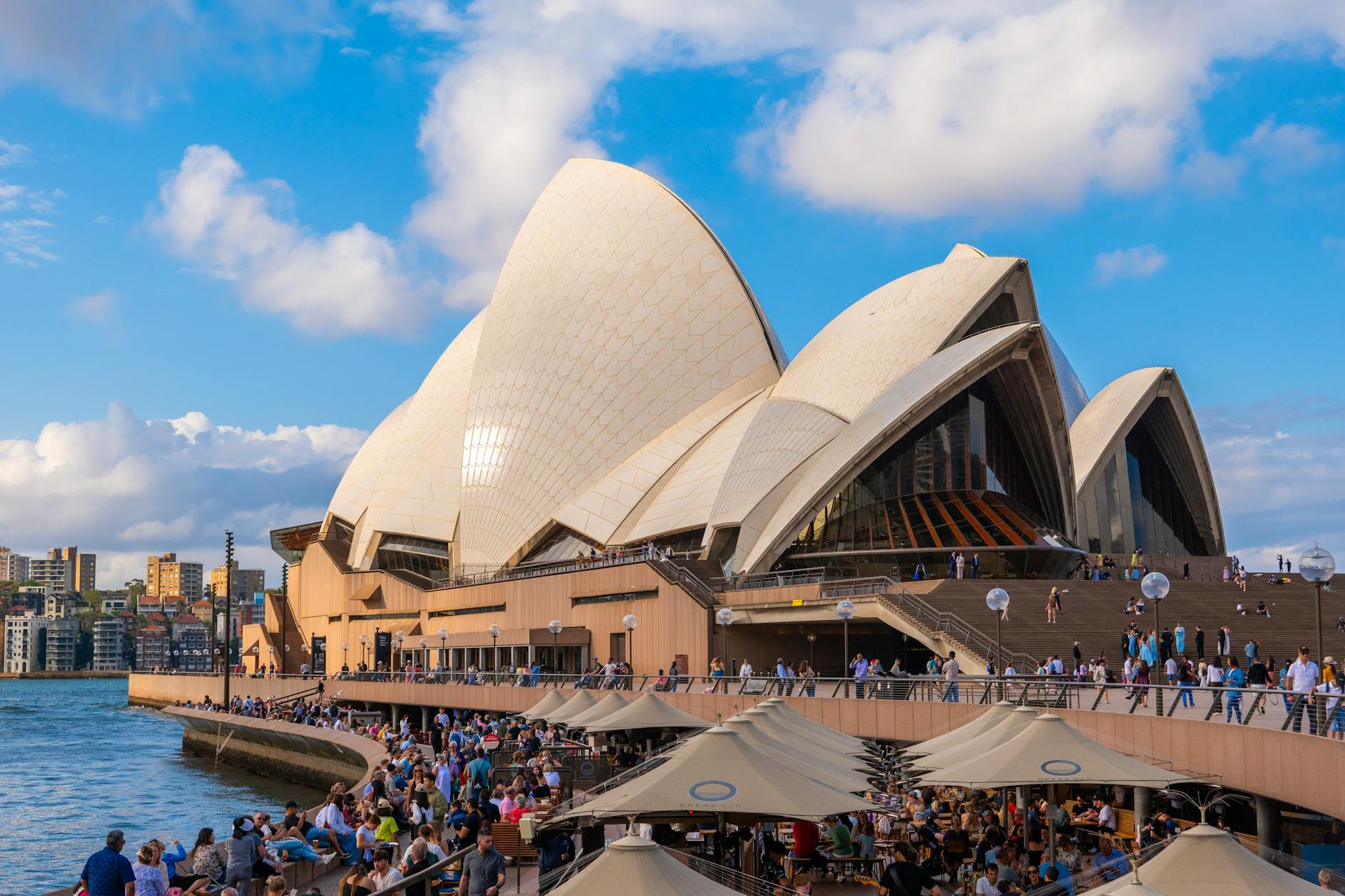
Despite the hurdles, the initial vision remained intact, propelling the project forward. It was in this environment of both excitement and apprehension that the Opera House transitioned from a dream to a tangible project. The fidelity to Utzon’s radical design ultimately set a precedent for not just architectural endeavors in Australia, but also for how culture and creativity could define national identity.
The Architectural Challenges and Innovations
The ambitious design of the Sydney Opera House introduced a myriad of architectural challenges that required innovative solutions. The structure’s distinct, shell-like roof design posed significant engineering difficulties. Crafting a roof that appeared so lightweight and elegant, while still being structurally sound, became a focus for the project. Ingenious engineering methodologies were required to realize Utzon’s vision.
Utzon’s approach required the development of new technologies and construction techniques that were unprecedented at the time. This included the intricate use of precast concrete panels, which were vital for creating the building’s complex forms. Each shell structure was not merely aesthetic but needed to work in harmony with the whole, contributing to both the visual appeal and structural integrity. To address the engineering challenges, a groundbreaking computer program was developed to calculate the tension and stresses on the shells, an early example of computer-aided design.
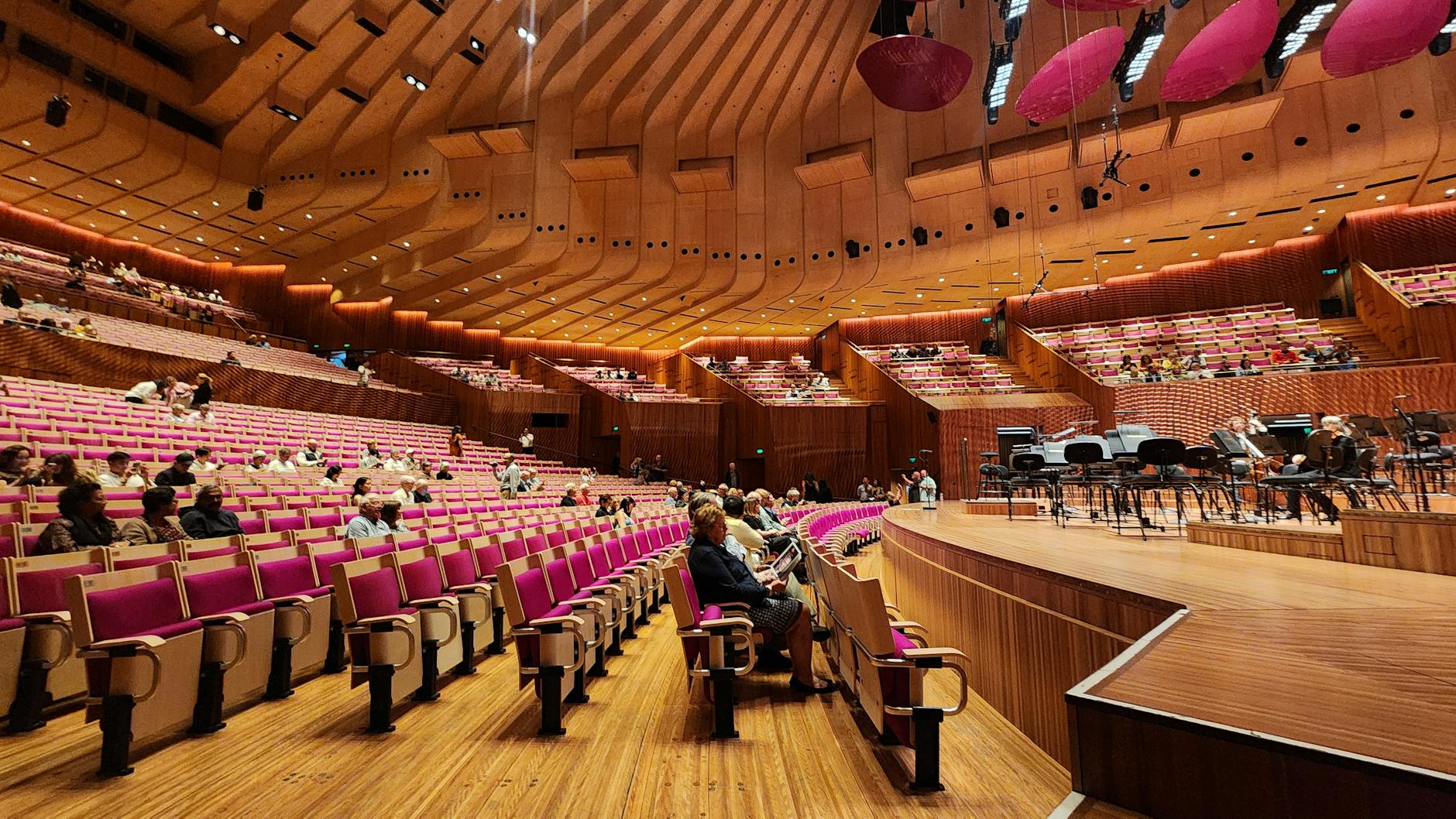
In addition to the shells, the construction of the Opera House included the integration of sophisticated acoustics. The building was intended to host a diverse range of performances, from concerts to operas, and ensuring that sound traveled perfectly within the various performance spaces was paramount. Collaboration between architects, acousticians, and engineers ultimately resulted in a venue that offered remarkable acoustic properties—ensuring that every note could be heard distinctly, regardless of the audience’s seating position.
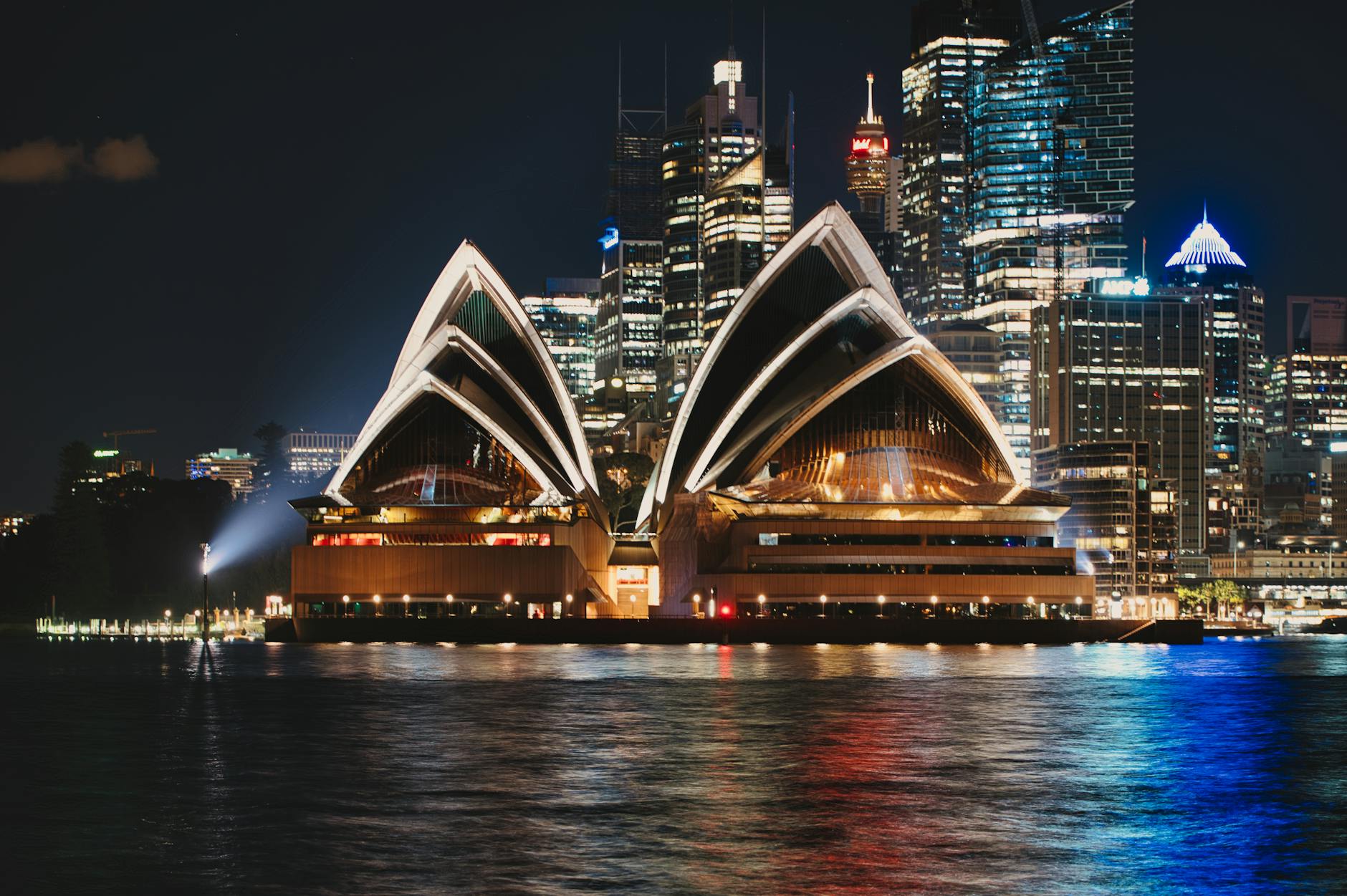
However, the construction was not without its setbacks. The complexities of Utzon’s design resulted in significant delays and budget overruns. Initially projected to take a few years, the timeline extended to more than a decade. The financial strain led to tensions between Utzon and the New South Wales government, which was eager to see the project completed within budget constraints. These disagreements eventually culminated in Utzon’s resignation in 1966, leaving the project in the hands of other architects who had to make adaptations to the original plan.
In retrospect, the architectural challenges faced during the construction of the Sydney Opera House not only pushed the boundaries of design but also transformed the way future projects would be approached. The lessons learned from this ambitious endeavor set new standards in architectural technique, material application, and collaboration across disciplines. Despite the tumultuous path to completion, the Opera House emerged as a triumph of ingenuity, embodying both its original vision and the spirit of innovation that defined a generation.
The Construction Odyssey: Triumphs and Tribulations
The construction of the Sydney Opera House is a narrative filled with both triumphs and tribulations, showcasing both the highs and lows of one of the most iconic architectural projects in history. Initially, the enthusiasm surrounding the project was palpable. Groundbreaking ceremonies took place in 1959, and the public was eager for the realization of Utzon’s audacious design. However, as the ambition of the project became evident, challenges began to mount.
The complexity of Utzon’s design necessitated a workforce skilled in new techniques and materials, which was not readily available in Australia at the time. Consequently, many workers were brought in from overseas, further escalating costs. The precast concrete elements needed for the unique shells had to be fabricated with precision, leading to a trial-and-error approach that consumed time and resources. As construction progressed, it became increasingly clear that the cost estimates were wildly underestimated, resulting in various financial crises.
In 1966, Jørn Utzon made the heartbreaking decision to resign amidst growing tensions with the New South Wales government and contractors who were overwhelmed by the scale of the project. Subsequently, the Sydney Opera House came under the direction of architect Peter Hall, who was tasked with seeing the project through to completion. Hall and his team made necessary modifications to the original design, ensuring that the building remained structurally sound while also adhering to the already significant investments made.
After years of labor, the internal spaces of the Opera House were gradually transformed into a functioning performing arts venue. Significant attention was dedicated to ensuring exceptional acoustics and visual aesthetics, with Hall collaborating with various artists and artisans, reflecting a commitment to elevating the Opera House as not merely a building but as an integrated work of art. The completion of the Concert Hall and the Opera Theatre, along with the smaller performance spaces, finally made it possible to conduct rehearsals and performances, breathing life into the once-silent structure.
The grand opening of the Sydney Opera House on October 20, 1973, heralded both an end and a beginning. It marked a significant milestone in Australian cultural history, celebrating not only the architectural magnificence but also the resilience of those who persevered through challenges. As the Opera House opened its doors to the public, it transformed into a platform for diverse artistic expressions, hosting international performances and becoming a staple of Sydney’s cultural landscape.
The construction journey of the Sydney Opera House, though laden with difficulties, ultimately stands as a testament to vision, perseverance, and collaboration. The challenges faced by Utzon and the teams that followed underscore the transformative power of art and architecture, as well as the importance of resilience in pursuit of cultural identity. Today, the Opera House remains not just an architectural achievement but a symbol of the enduring spirit of creativity and innovation in Australia.
Cultural Impact and Global Recognition
The Sydney Opera House transcends its architectural prowess, serving as a vibrant cultural hub that has profoundly influenced the arts and tourism within Australia. Following its completion in 1973, the building quickly established itself as not only a local landmark but a vital component of Australia’s cultural identity on the global stage. Its unique design and location have turned it into a must-visit destination for tourists from around the world, forever altering the narrative of Sydney as a cultural capital.
The Opera House is home to several artistic institutions, including the Sydney Symphony Orchestra and Opera Australia, fostering a rich cultural environment conducive to artistic expression. The performance spaces within the building cater to a diverse range of events—from opera and ballet to theater and contemporary music—illustrating a commitment to inclusivity in the arts. The programmed performances have attracted both local audiences and international talent, cementing the Opera House’s reputation as a premier venue for the performing arts.
Beyond the performances, the Opera House serves as a canvas for artistic innovation and experimentation. Its exterior has undergone transformative artistic interventions, such as illuminating projections during festivals, which have contributed to Sydney’s cultural fabric. Events like the Sydney Festival and Vivid Sydney continue to leverage the Opera House, showcasing its adaptability while reinforcing its role as a site of creativity and engagement.
Moreover, the global recognition of the Sydney Opera House has placed Australia on the cultural map, influencing tourism, economy, and international relations. As a UNESCO World Heritage Site, the Opera House exemplifies an architectural achievement of global significance, drawing visitors who seek to experience its beauty firsthand. According to estimates, millions of tourists flock to Sydney each year specifically to witness the Opera House, leading to substantial economic impacts for the region. The influx of tourists has not only supported local businesses but has also enhanced Sydney’s profile as an international destination for events, conferences, and cultural festivals.
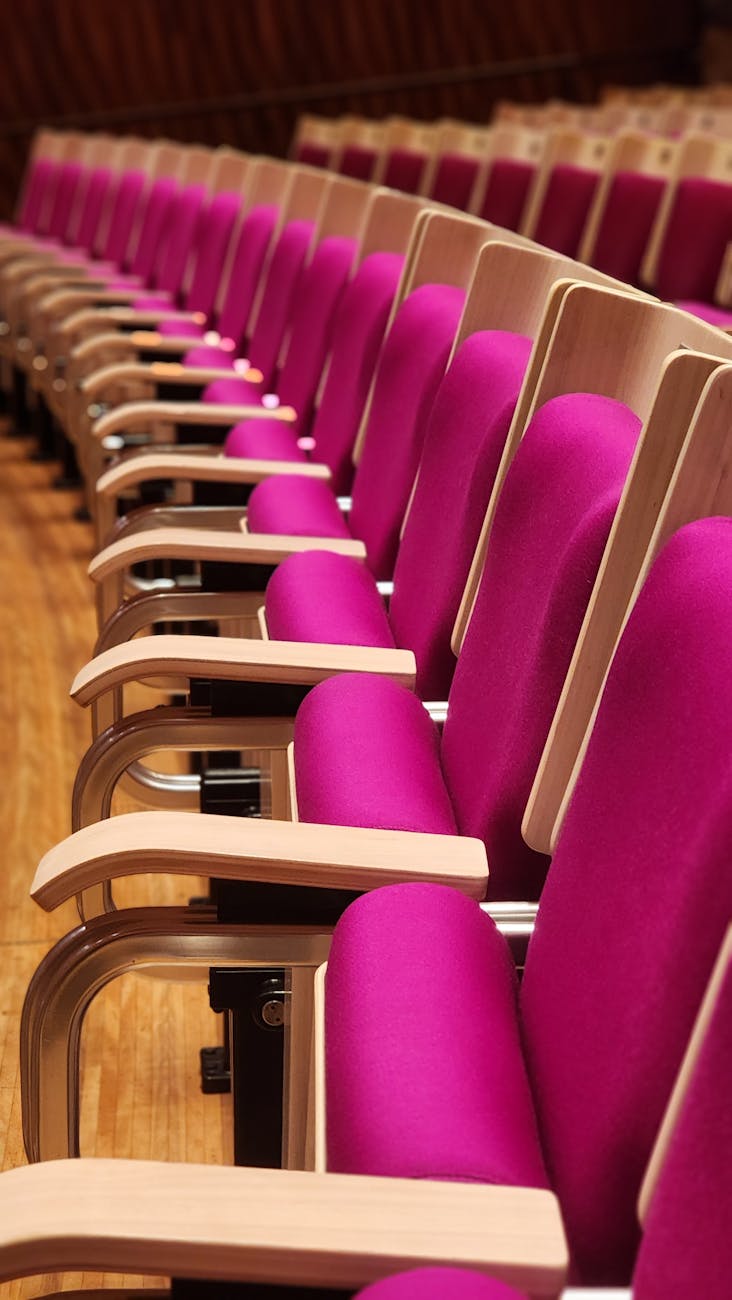
The global allure of the Sydney Opera House extends beyond its physical structure; it has become an icon representing Australian spirit and identity. In various international cultural dialogues, the Opera House stands as a symbol of innovation, resilience, and the creative potential that exists when art intersects with architecture. It serves as a powerful reminder of Australia’s dedication to the arts, reinforcing how cultural institutions can inspire societal growth and foster national pride.
However, the Opera House’s cultural impact does not remain static; its future is continually shaped by changing societal dynamics. As new generations interact with this iconic structure, there is an ongoing dialogue about its role in addressing contemporary issues such as inclusion, representation, and sustainability in the arts. The Opera House thus continues to evolve, reflecting the changing landscape of cultural expression while remaining steadfast as a pillar of Australian identity.
The Future of the Sydney Opera House
As the Sydney Opera House moves further into the 21st century, its future is poised to be shaped by both challenges and opportunities. Ongoing discussions within the arts community focus on how this iconic venue can evolve to remain relevant in a rapidly changing world. As technology, demographics, and cultural consumption shift, the Opera House is at a crossroads that beckons innovation and adaptation while honoring its rich legacy.
One of the primary areas of focus for the Opera House’s future is sustainability. As global conversations about climate change and environmental impact become increasingly urgent, there is a growing expectation for cultural institutions to take a leading role in sustainability efforts. The Opera House has already initiated steps toward this goal by implementing energy-efficient practices and exploring methods to reduce its overall carbon footprint. Future renovations and upgrades may look toward even more innovative solutions for energy management and waste reduction, setting a standard for other institutions to follow.
In addition, the challenges posed by the COVID-19 pandemic have reshaped the performing arts landscape, emphasizing the need for adaptability in programming and audience engagement. As the world grapples with reopening and reconnecting post-pandemic, the Opera House confronts the challenge of balancing traditional performances with the incorporation of digital platforms that expand accessibility far beyond its physical location. The exploration of hybrid events, which blend live performances with digital streaming, will likely become a priority, ushering in new ways to engage audiences locally and globally.
Furthermore, embracing diversity and inclusion remains central to the Opera House’s evolution. As discussions surrounding representation in the arts continue to gain momentum, the venue must reflect the diverse voices that make up Australia’s cultural tapestry. Investing in new and underrepresented artists, as well as creating programs that engage various communities, can help ensure that the Opera House remains a place where all voices are celebrated.
Finally, the ongoing preservation and maintenance of the building itself present a continuous challenge. As an architectural icon facing the natural wear and tear of time, the Opera House requires regular renovations to uphold its structural integrity. Careful consideration will need to be given to preserving Utzon’s original vision while ensuring that modern needs and safety standards are met.
In conclusion, the future of the Sydney Opera House hinges on its ability to remain a vibrant and relevant destination for both the arts and the broader community. By combining sustainability, innovation, and a commitment to inclusivity, the Opera House can continue its legacy as a dynamic cultural institution that reflects the evolving narrative of Australia. It is this very spirit—the fusion of tradition and modernity, ambition, and creativity—that will ensure the Sydney Opera House not only endures but thrives as a global symbol of artistic expression for generations to come.
Conclusion
The Sydney Opera House is far more than an architectural landmark; it represents a cultural journey rooted in vision, innovation, and resilience. From its inception, marked by groundbreaking design and audacious dreams, to its completion as a dynamic hub for the performing arts, the Opera House has significantly influenced both local culture and international perspectives. Its ongoing evolution reflects the ability of art and architecture to adapt to societal changes, ensuring that it remains a vital part of Australia’s identity. As we look to the future, the continued success of the Sydney Opera House lies in its commitment to innovation, inclusivity, and sustainability, ensuring that this iconic structure will inspire and captivate audiences for years to come.