Introduction
The Taj Mahal stands as one of the most iconic symbols of love and resilience in the world. Nestled on the banks of the Yamuna River in Agra, India, this exquisite mausoleum was commissioned by Mughal Emperor Shah Jahan in memory of his beloved wife, Mumtaz Mahal. Completed in the mid-17th century, the Taj Mahal is not only a masterpiece of Mughal architecture but also a testament to the enduring power of love, art, and culture. The intricate details encompassing its structure, the lush gardens, and the serene reflections on the waters add to its mesmerizing aura. However, beyond its beauty lies a rich history filled with stories of romance, artistry, and the challenges of preserving such a monumental piece of heritage. This article delves deeper into the various facets of the Taj Mahal, exploring its history, architectural wonders, cultural significance, and more as part of the broader Taj Mahal history.
The Origins of the Taj Mahal: A Love Story
The origins of the Taj Mahal trace back to an enduring love story between Emperor Shah Jahan and his wife, Mumtaz Mahal. Born as Arjumand Banu Begum, Mumtaz Mahal was married to Shah Jahan in 1612 when she was just 19 years old. Their relationship was marked by a deep romantic bond and mutual respect, which was exceptional for their time. Mumtaz became Shah Jahan’s confidant and advisor, accompanying him on various military campaigns and administrative affairs. Their love story is not merely a tale of passion; it reflects the cultural richness and intricacies of the Mughal court, blended with personal devotion.
Tragically, Mumtaz Mahal died in 1631 during childbirth while giving birth to their fourteenth child. Stricken with grief, Shah Jahan decided to honor her memory by constructing a grand mausoleum that would symbolize his everlasting love for her. The idea of building a magnificent tomb came to be, and this would later evolve into the Taj Mahal, recognized today as one of the Seven Wonders of the World.
Construction of the Taj Mahal began in 1632, and it employed an estimated 20,000 artisans, laborers, and craftsmen from across the empire and beyond. The foundation was laid using red sandstone, and the white marble that gives the monument its striking appearance was sourced from Makrana, Rajasthan. The structure showcases a unique blend of Indo-Islamic architecture and Persian influences, characterized by its symmetrical gardens, intricate latticework, and calligraphic inscriptions.
The Taj Mahal complex is not just about the central mausoleum; it also includes a mosque and a guest house, as well as vast gardens that represent a paradise on earth. The division of space, the reflection pools, and the paths leading to the main dome create an atmosphere of tranquility and beauty, symbolizing the eternal connection between Shah Jahan and Mumtaz Mahal even after death. The layout follows the principles of Persian garden design, illustrating the connection between nature and the divine, which was a significant aspect of Mughal architecture.
As a narrative deeply entwined with the themes of love, loss, and remembrance, the story behind the Taj Mahal invokes strong emotional responses. Over the centuries, it has become a symbol of love not just to the couple involved but also to countless visitors who come from around the globe seeking inspiration and reflection on their own relationships. The legacy of Mumtaz Mahal and Shah Jahan continues to resonate, leaving an indelible mark on the hearts of those who venture to the monument.
Moreover, Taj Mahal history and the love story of Shah Jahan and Mumtaz Mahal continue to inspire artists and writers, permeating literature and film throughout history and reinforcing the monument’s standing as a quintessential symbol of love. The origins of the Taj Mahal represent not merely the architectural prowess of the era but also the human emotions that transcend time and place. Thus, the Taj Mahal is more than a physical structure; it is a narrative encapsulating the very essence of love and devotion.
Architectural Marvel: Design and Construction Techniques
The architectural design of the Taj Mahal is an extraordinary feat that exemplifies the pinnacle of Mughal architecture while harmoniously blending Persian, Islamic, and Indian influences. The vision for this architectural wonder began with Shah Jahan’s desire to commemorate his beloved wife, and the result is a harmonious symphony of form and function that has captivated millions.
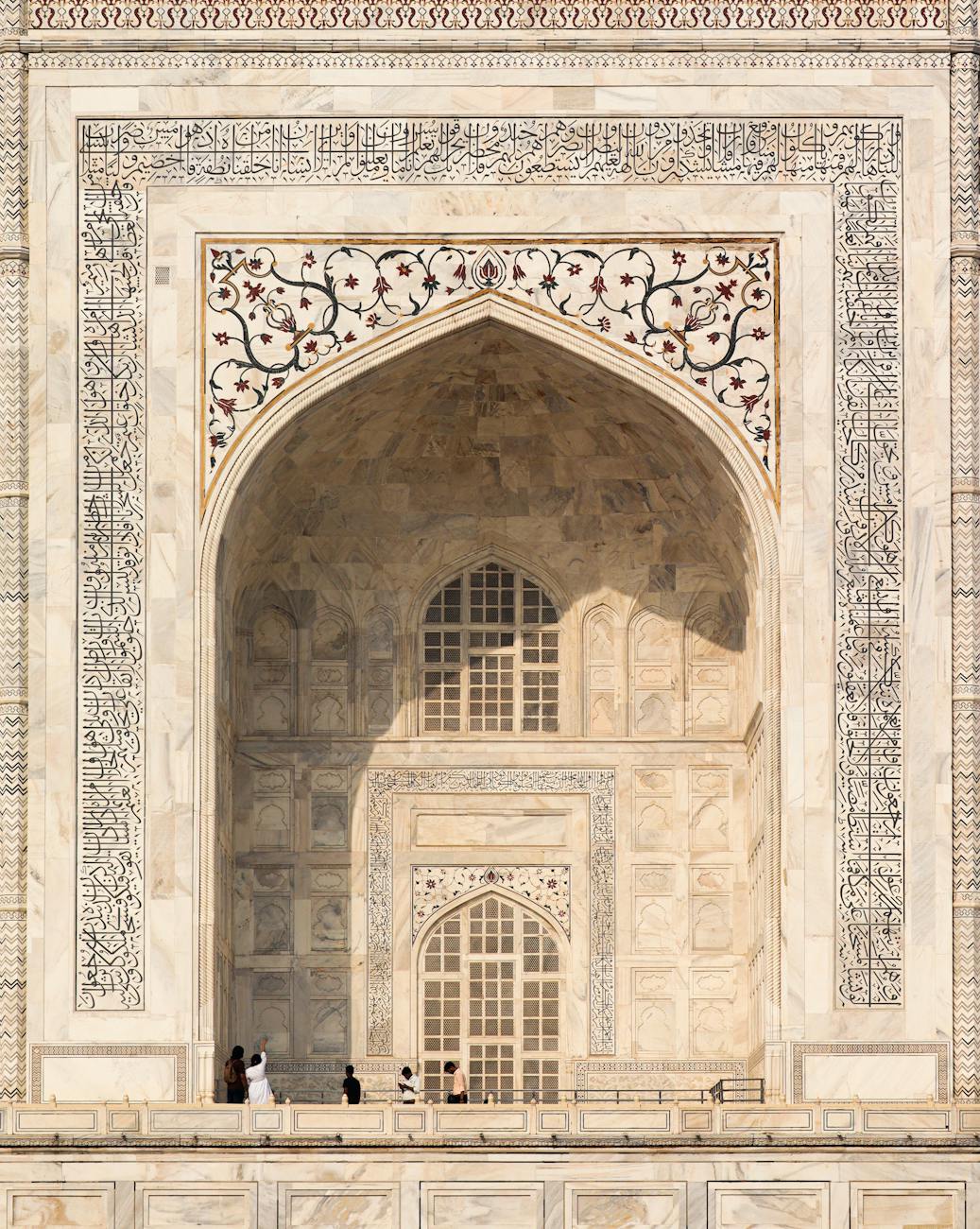
The design of the Taj Mahal follows a monumental scale that enhances its grandeur. Its central dome stands 240 feet high, symbolizing a gateway to the heavens. This dome is surrounded by four smaller domes, creating a tiered effect that emphasizes the majesty of the main structure. The characteristic white marble façade is adorned with exquisite inlay work made from semiprecious stones, forming intricate floral patterns and calligraphy that conveys verses from the Quran. This artistry showcases the remarkable skills of the artisans who toiled over the years to create the detailed mosaics that adorn the monument.
In addition to aesthetic beauty, the Taj Mahal’s symmetry is one of its most defining features. The entire complex is laid out symmetrically across a vast platform, with perfectly aligned pathways and reflecting pools that mirror the monument’s grandeur. This meticulous attention to symmetry and proportion embodies the principles of Persian garden architecture, which symbolizes paradise on earth. Visitors often report feeling a sense of calm and serenity upon entering the well-designed gardens, which serve to enhance the Taj Mahal’s ethereal qualities.
Innovative construction techniques also played a crucial role in bringing the Taj Mahal to life. The use of red sandstone as the foundation helped to support the massive weight of the white marble, which was used for the outer dome and the various intricate features. The builders employed a scaffolding system that included wooden frameworks to assist in lifting heavy materials while ensuring precision in placement. Additionally, the clever employment of hydraulic mechanisms allowed workers to transport marble blocks from the nearby quarries to the construction site.
Acclaimed historians and architects have noted that the Taj Mahal is not only an architectural masterpiece but also a symbol of perfect harmony between architecture, nature, and human creation. The surrounding gardens provide a peaceful oasis that allows the monument to resonate with a tranquil beauty, captivating the hearts of millions who visit each year. Together, the choice of materials, the intricate artistry, and the carefully thought-out design combine to create a viewing experience that is both mesmerizing and profound.
The intricate inlay work that covers the Taj Mahal’s surfaces is a testament to the artistic sensibilities of the era. Artisans used techniques known as pietra dura, involving the careful placement of colorful stones into the white marble, creating stunning floral designs that come to life in natural light. This work was painstakingly performed by skilled craftspeople, many of whom dedicated their entire lives to mastering these artisanal techniques. This attention to detail ensures that the Taj Mahal appears as vibrant today as it did at the time of its completion.
The legacy of mastering such complex construction methods has influenced countless generations of architects throughout the world. From its striking dome to its harmonious gardens and detailed ornamentation, the Taj Mahal stands as a timeless symbol of human achievement, transcending geographical barriers and echoing the artistic aspirations that span different cultures. Each aspect of its design contributes to the overall narrative of love it tells, honoring the poignant story of Shah Jahan and Mumtaz Mahal while remaining an everlasting testament to the human spirit’s capacity for creativity.
Symbolism and Artistic Elements: Cultural Significance
The Taj Mahal is steeped in rich symbolism and artistic elements that transcend its physical grandeur. Each aspect of its design tells a story, representing ideals of beauty, love, and spirituality that resonate deeply within various cultural contexts. These artistic elements serve not only as decorative features but also as profound reflections of the philosophical and aesthetic aspirations of the Mughal Empire.
One of the most significant symbolic elements of the Taj Mahal is its white marble façade, which is often interpreted as a representation of purity and beauty. The shimmering surface of the marble reflects different hues depending on the time of day and weather conditions, creating a dynamic experience for viewers. At sunrise, the monument appears to radiate pink, and by sunset, it takes on hues of orange and golden tones. This play of light and shadow symbolizes the transient nature of life and love, capturing the essence of Shah Jahan’s relationship with Mumtaz Mahal.
The gardens that surround the Taj Mahal embody the Persian concept of “paradise,” symbolizing an idealized version of nature created by man. The classical layout features geometric patterns and carefully arranged cypress trees, representing life and eternity. The gardens are divided into four quadrants, symbolizing the four rivers of paradise mentioned in the Quran. This design not only enhances the beauty of the monument but also offers a spiritual journey toward the afterlife, emphasizing the importance of nature in the Mughal understanding of eternity.

Artistic elements, including intricate inlay work, carvings, and calligraphy, testify to the cultural significance of the structure. The calligraphic inscriptions adorning the archway and entrance of the Taj Mahal feature verses from the Quran, which further highlights its connection to spirituality and the divine. The text serves as a reminder of the moral and ethical ideals cherished in Islam, indicating that the Taj Mahal is not merely a mausoleum but a sacred space for reflection and reverence.
The harmonious design and meticulous patterns found in the plinths and courtyards illustrate the principles of symmetry, balance, and unity that permeate Mughal architecture. These artistic elements foster a sense of serenity and beauty that is not only visual but also spiritual. Each visitor who traverses the gardens and approaches the Taj Mahal is invited to experience a deeper connection with their own emotions, inspired by the love story behind this remarkable monument.
Furthermore, the artistic significance of the Taj Mahal extends beyond its immediate architecture. It has inspired a generation of artists, poets, and musicians across cultures. The mesmerizing beauty of the Taj Mahal has led to countless artistic interpretations, infusing its symbolism into various forms of art, literature, and even film. Its universal themes of love, loss, and eternal remembrance resonate with individuals from diverse backgrounds, making it a unique cultural icon.
In contemporary times, the Taj Mahal has become a symbol of cultural heritage and preservation, highlighting the importance of safeguarding historical monuments. The artistic elements and symbolism within the monument’s design and construction serve not only as powerful reminders of the rich cultural history of India but also as a call to action to protect and cherish such icons for future generations.
Through its intricate design and rich symbolism, the Taj Mahal stands as a transcendent embodiment of love, art, and spirituality. It invites lovers, travelers, and dreamers to partake in Taj Mahal history, reflecting the collective human experience through a remarkable lens that continues to inspire awe and admiration.
The Impact of History on the Taj Mahal: Preservation and Challenges
Over the centuries, the Taj Mahal has faced a myriad of challenges that have threatened its integrity and preservation. As an architectural marvel and a UNESCO World Heritage Site since 1983, the Taj Mahal has garnered global attention not only for its beauty but also for the urgent need to protect and maintain it. The rich history behind the monument complicates its preservation, revealing a complex tale of societal, environmental, and political influences that have shaped the fate of this iconic structure.
One of the most pressing issues affecting the Taj Mahal is pollution, particularly from nearby industrial activity and urbanization. As Agra expanded rapidly over the years, air quality deteriorated, leading to visible effects on the white marble façade of the monument. The yellowing of the marble due to sulfur dioxide from pollution has raised alarm among conservationists, prompting the need for immediate action to address environmental factors threatening the site. Various technological measures, including special cleaning compounds and protective coatings, have been employed to mitigate the effects of pollution. Nevertheless, the persistent challenge of maintaining air quality remains an ongoing concern for authorities committed to preserving the monument.

Furthermore, the site has also faced challenges from rising water levels in the Yamuna River, which have led to structural instability. With the river’s water quality deteriorating, the foundation of the Taj Mahal has been compromised by untreated sewage and industrial waste runoff, contributing to the deterioration of this centuries-old monument. Addressing these environmental issues is complex, requiring concerted efforts from multiple stakeholders, including government agencies, environmental organizations, and the local community.
Political factors have also influenced the Taj Mahal’s maintenance and preservation over time. Changes in governance and fluctuating priorities have led to inconsistencies in funding for conservation efforts. As political climates shift, attention frequently diverts from the preservation of cultural heritage sites, thereby impacting the continuity of restoration projects. In recent years, increased focus on tourism has led to an influx of visitors, which, while beneficial for the local economy, also poses challenges related to crowd management and infrastructure strain. Managing the flow of tourists is essential to ensure an undiminished experience for visitors while safeguarding the monument from wear and tear.
The collaboration of various organizations underscores the commitment to addressing these preservation challenges. Engaging with local communities, educating them about the significance of the Taj Mahal, and involving them in preservation activities are essential steps in creating a sustainable approach to safeguarding this world heritage site. By building awareness and promoting stewardship, stakeholders can foster a sense of ownership and responsibility, ultimately ensuring the Taj Mahal remains a symbol of love and artistry for generations to come.
While challenges persist, ongoing conservation efforts have yielded commendable results. Various restoration initiatives aim to restore the Taj Mahal’s original splendor by employing traditional and contemporary techniques. The significance of craftsmanship is underscored as experts study original materials and methods to replicate the intricate details of the Taj Mahal, guaranteeing fidelity to its historical and cultural roots.
The resilience of the Taj Mahal amidst these challenges serves as a metaphor for enduring love, reflecting the very story it embodies. As advocates of heritage preservation collaborate to protect and restore the monument, they navigate the complexities of Taj Mahal history and leverage modern advancements to ensure that this masterpiece remains a source of inspiration for future generations. Through efforts that span environmental, social, and political arenas, the Taj Mahal will continue to stand as a testament to love, artistry, and the dedication to cultural preservation.
Tourism and Global Recognition: The Taj Mahal’s Place in Modern Culture
The Taj Mahal, a UNESCO World Heritage Site, has become an essential part of India’s cultural identity and a symbol of its rich history. Over the years, millions of tourists from around the world have flocked to the monument, contributing significantly to the local economy and fostering international appreciation for this architectural gem. Its magnificent beauty, profound story, and historical significance have collectively led to its recognition as one of the New Seven Wonders of the World, further solidifying its global standing.
Tourism to the Taj Mahal has diversified, attracting various demographics, including couples seeking a romantic getaway, Taj Mahal history enthusiasts delving into Mughal culture, and artists looking for inspiration. The allure of the Taj Mahal extends beyond its aesthetic appeal; it represents a unique opportunity for cross-cultural understanding and storytelling. Visitors often leave the site deeply moved by the emotions tied to the monument, sharing their experiences and connecting with others on a personal level. This exchange of stories fosters a deeper appreciation for the significance of the Taj Mahal as not only a monument but also a testament to human relationships.
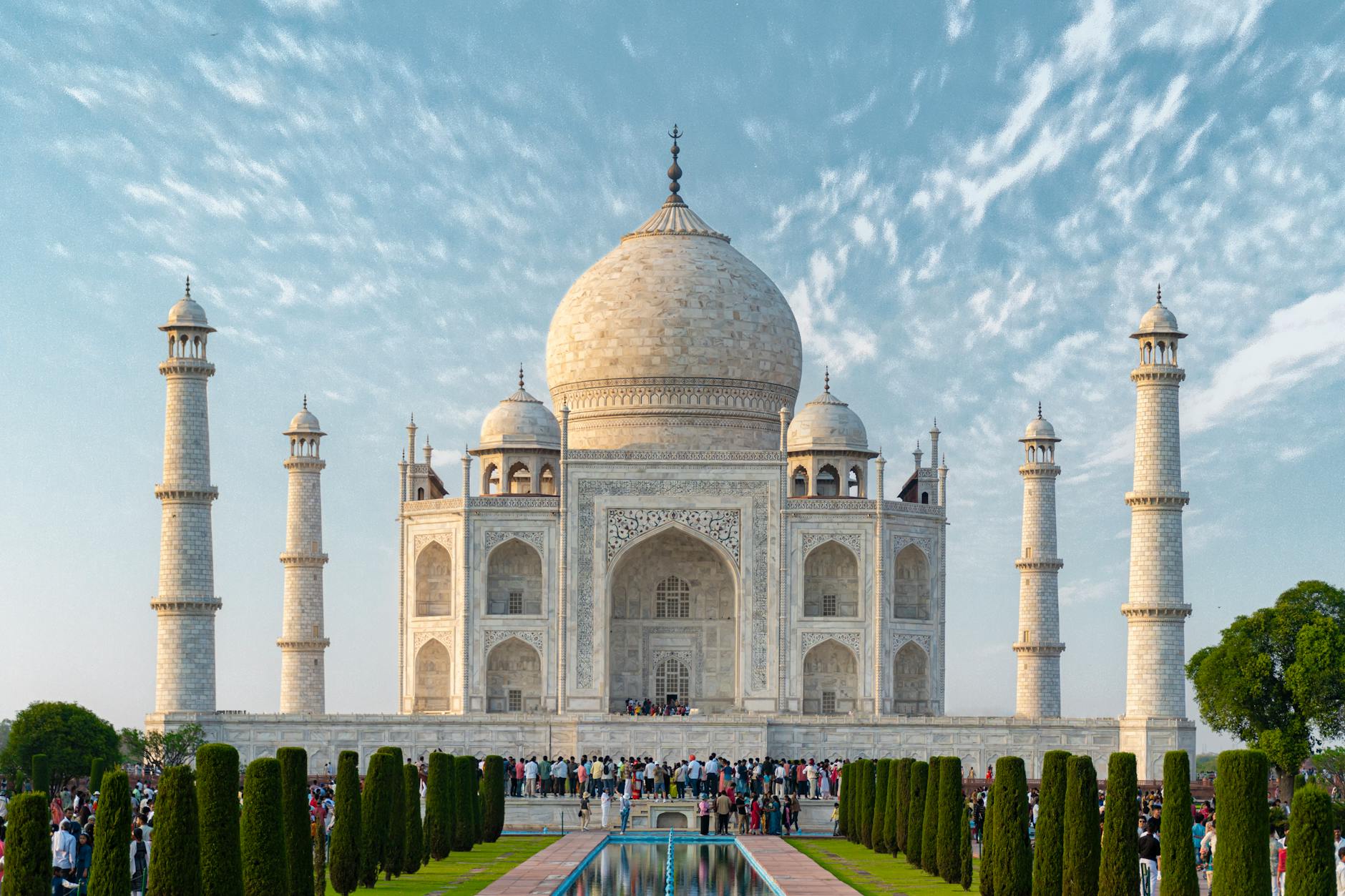
The impact of tourism on the local economy has been profound. The influx of visitors has generated revenue for local artisans, hotels, restaurants, and transportation services, creating job opportunities and promoting sustainable economic growth. Many local craftsmen draw upon the artistic traditions exemplified in the Taj Mahal, creating handicrafts that simultaneously preserve cultural heritage while supporting themselves and their families. The craft industry surrounding the Taj Mahal serves as a vital link between tourists and local artisans, enriching the experience for both parties.
However, this increased tourism has also resulted in pressing challenges related to preservation and resource management. With millions of visitors each year, the site faces the risk of overcrowding, which can lead to premature wear and tear. Managing foot traffic, providing adequate facilities, and ensuring visitors adhere to preservation guidelines are critical components of maintaining the integrity of the Taj Mahal. Authorities and conservationists continuously evaluate strategies to mitigate impacts, such as implementing controlled entry systems or promoting off-peak tourism to distribute visitation more evenly throughout the year.
In recent years, technology has also played a role in enhancing visitors’ experiences at the Taj Mahal. Virtual tours, augmented reality applications, and mobile guides have enabled individuals unable to visit in person to explore the monument’s rich history and artistry. This innovation has expanded access to the Taj Mahal’s legacy, allowing people across the globe to appreciate its beauty and significance from afar.
Global recognition of the Taj Mahal has inspired countless interpretations in literature, music, and visual arts. Its status as a symbol of love has permeated popular culture, with references appearing in movies, songs, and artistic works. These connections illustrate the ways in which the Taj Mahal has transcended geographical boundaries and societal norms, resonating with humanity’s common themes of love, devotion, and aspiration.
As a central feature of Indian culture, the Taj Mahal continues to evolve within the societal fabric and remains a focal point for cultural exchange and dialogue. Efforts to promote responsible tourism and public education aim to ensure that the monument retains its significance for future generations. By emphasizing the importance of preservation and cultural appreciation, stakeholders strive to maintain the legacy of the Taj Mahal while simultaneously celebrating the values it embodies.
Ultimately, the Taj Mahal’s place in modern culture serves as a reminder of the enduring power of love and artistic expression. It invites people from all walks of life to embrace its story, creating a collective experience that transcends time and enriches human connection. The legacy of the Taj Mahal as a symbol of love continues to inspire personal narratives while solidifying its status as a treasured icon of our shared humanity.
Conclusion
The Taj Mahal is not only a breathtaking architectural feat but also a monument imbued with deep Taj Mahal history and cultural significance. From its origins rooted in a profound love story to its representation of artistic excellence, the Taj Mahal stands as a testament to the cultural richness of India. Over the years, it has faced numerous preservation challenges arising from environmental issues and tourism pressures, calling for continuous efforts to safeguard this heritage site. Nevertheless, its global recognition and enduring appeal remain strong, fostering a sense of connection among visitors from across the globe. Ultimately, the Taj Mahal serves as a reminder of the timeless themes of love, artistry, and cultural preservation, echoing across generations while enchanting the hearts of those who experience its beauty. As we move forward, it is essential to foster an appreciation for the adoration and craftsmanship that the monument embodies, ensuring that future generations can also marvel at its splendor and significance.