
Introduction
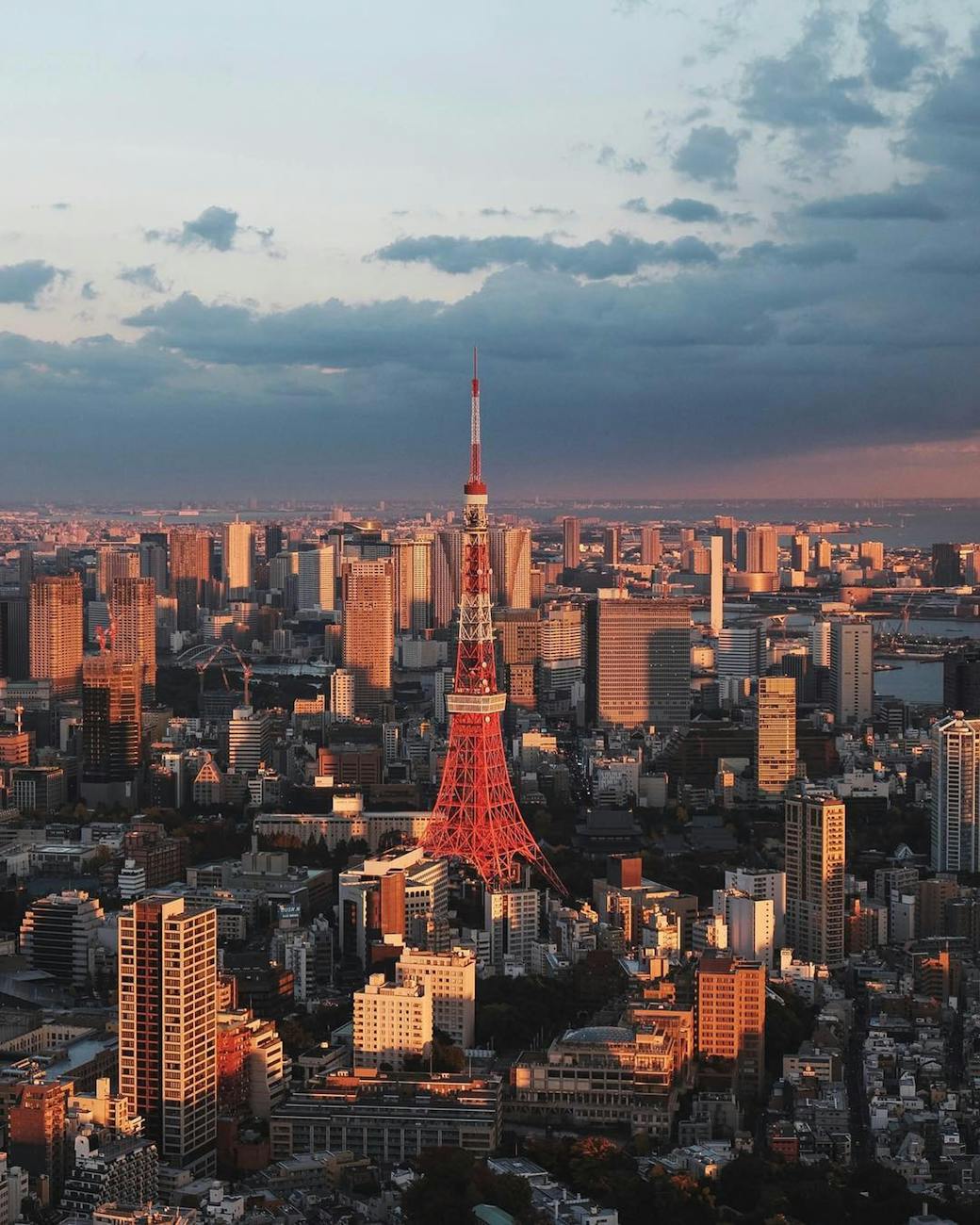
Tokyo, a vibrant metropolis that harmoniously blends the old with the new, is a fascinating study in architectural innovation. While the city is renowned for its cutting-edge skyscrapers and futuristic buildings, it also reveres its historical structures, each telling a rich story about Japan’s cultural heritage. This juxtaposition creates a unique urban landscape where centuries-old temples coexist with modern architectural wonders. The influence of traditional Japanese aesthetics can be found in the designs of contemporary buildings, creating a dialogue between the past and future. Tokyo architecture, one gains insight into the city’s evolving identity, shaped by social dynamics, technological advancements, and a deep respect for tradition. As Tokyo continues to grow and innovate, its architectural landscape not only reflects these changes but also serves as a testament to the city’s resilience and creativity.
Historical Context of Tokyo’s Architecture
Tokyo’s architectural narrative begins centuries ago, rooted in its origins as a small fishing village called Edo. In the early 17th century, during the Tokugawa shogunate, Edo became the de facto capital of Japan and a hub of economic and cultural activity. The architectural landscape during this period was characterized by wood-framed structures, engaging in a minimalist aesthetic that drew from nature. These constructions not only catered to functionality but also expressed a philosophy of living in harmony with the environment.
As the city evolved, so did its architecture. The Meiji Restoration in 1868 marked a significant turning point, as Japan opened its doors to Western influences. This period saw the introduction of brick buildings and the adoption of Western architectural styles. Landmarks such as the Tokyo Station and the National Diet Building emerged, showcasing the blend of Western techniques with Japanese elements. The rapid urbanization that followed prompted the construction of new residential and commercial buildings, altering the cityscape dramatically.
The devastation caused by the Great Kanto Earthquake in 1923 and World War II further reshaped Tokyo’s architecture. The rebuilding efforts introduced modern materials and techniques like reinforced concrete and steel structures. Yet, even amid this modernization, architects sought to incorporate elements of traditional design, subtly melding the past with the present.
Post-war Tokyo continued to expand, hosting international events like the 1964 Olympics, which necessitated visually striking structures that could demonstrate Japan’s progress on the world stage. The period also saw the rise of avant-garde architects, whose experimental designs challenged conventional aesthetics. The introduction of complex forms, organic shapes, and innovative functions indicated a bold departure from historical precedents, yet sometimes drew inspiration from traditional spatial concepts.
Today, Tokyo’s architectural landscape remains a testament to its tumultuous history and relentless progress. From ancient temples like Senso-ji and Meiji Shrine to cutting-edge constructs like the Tokyo Skytree, the city embodies a continuous dialogue between tradition and innovation, reflecting the ethos of a society that honors its past while eagerly embracing the future. This rich historical context provides the foundation for understanding the current architectural discussions within the city.
Iconic Traditional Structures
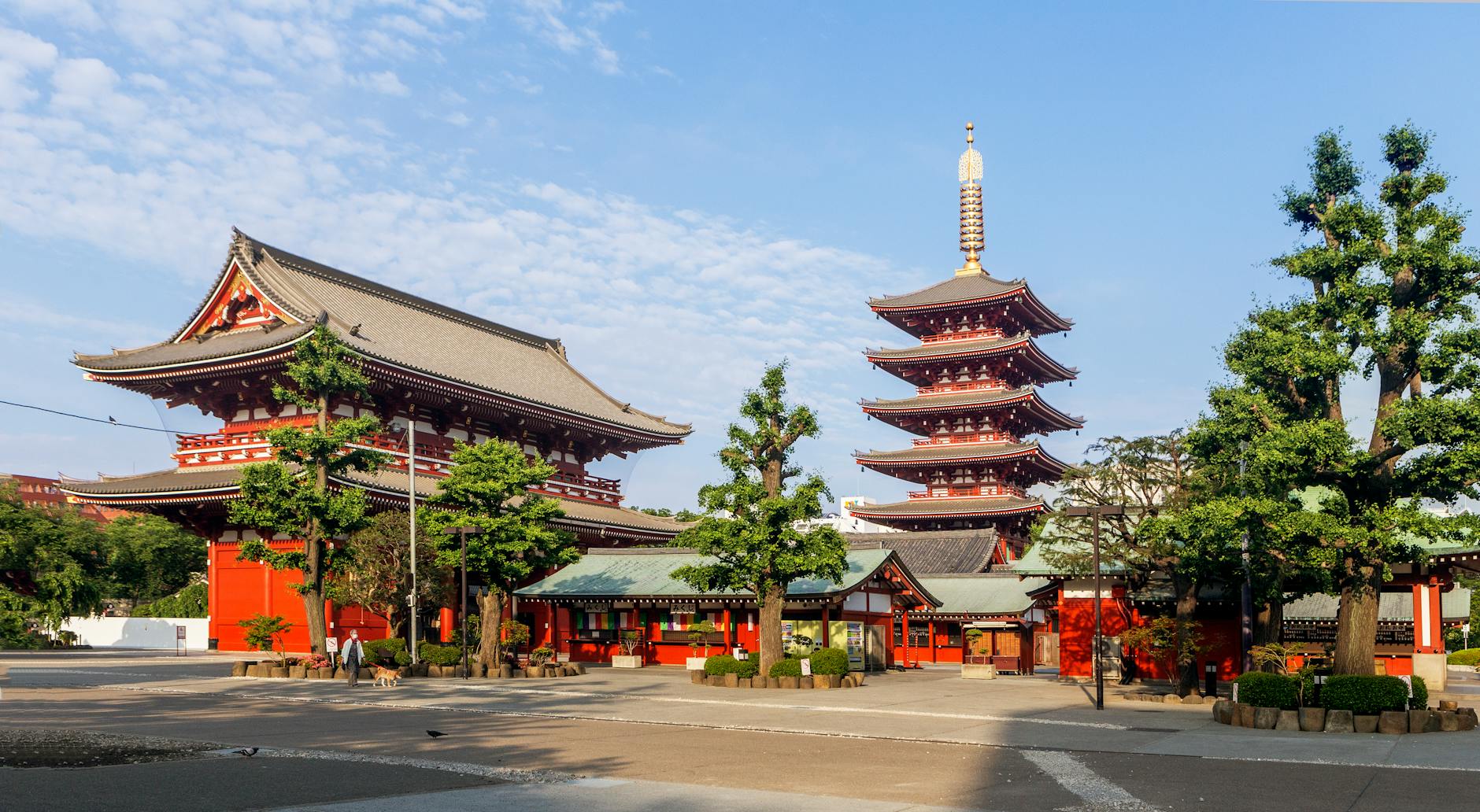
One cannot talk about Tokyo’s architectural heritage without mentioning its iconic traditional structures. These buildings are not merely relics of the past but still play an active role in the city’s cultural fabric and communal life. Among the most renowned is the Senso-ji Temple, located in Asakusa, which is Tokyo’s oldest temple. Established in 628, Senso-ji is dedicated to Kannon, the Buddhist goddess of mercy. The temple complex is captivating for its beautiful wooden structures, meticulous design, and serene atmosphere that draws millions of visitors each year. The approach to the temple, known as Nakamise Street, is lined with traditional shops selling snacks and souvenirs, adding to the immersive experience for guests.
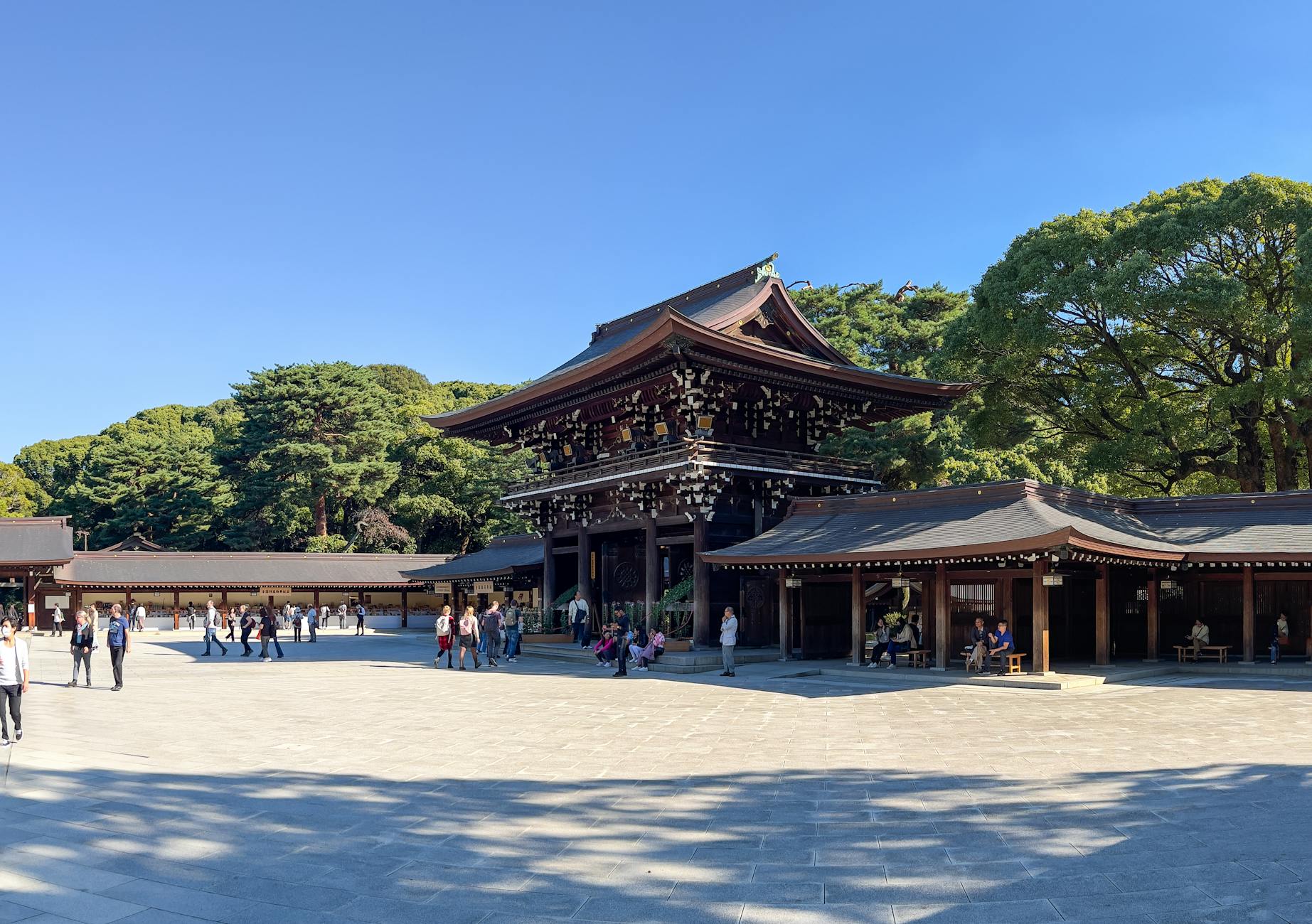
Another landmark is the Meiji Shrine, which is surrounded by a lush forested area that feels like an oasis amid the bustling metropolis. Constructed in 1920, the shrine is dedicated to Emperor Meiji and Empress Shoken and encapsulates the essence of Shinto architecture. Its use of natural materials, such as cypress wood, and the architectural principle of emphasizing simplicity and harmony with nature are evident in its design. Visitors can partake in traditional practices, making it a living testament to cultural continuity.
Furthermore, the Edo-Tokyo Museum provides an insightful look into the city’s historical architecture. Through various exhibits and reconstructions, the museum showcases how traditional Japanese residences, merchant houses, and community spaces have evolved. The museum itself is a modern architectural marvel, representing a blend of old and new, and serves as both an educational center and a cultural touchstone.
Traditional izakayas and machiya houses, scattered throughout older districts like Yanaka and Kagurazaka, embody the historical residential architecture that existed before rapid urban development. The character these buildings lend to their neighborhoods adds depth to the narrative of Tokyo’s architectural evolution and exemplifies the importance of preserving cultural heritage.
The significance of traditional structures extends beyond their aesthetic value; they are spaces where cultural practices and communal gatherings occur, reaffirming identity within the fast-paced urban environment. This reverence for traditional architecture signals a collective consciousness that values the past while navigating contemporary challenges.
The Rise of Futuristic Designs
As the global landscape evolves rapidly, so does Tokyo’s architectural scene, embracing a futuristic vision that mirrors technological advancements and urban requirements. This pioneering spirit has led to the emergence of remarkable architectural feats that challenge conventional practices and explore new frontiers in design. The influence of technology is particularly evident in structures such as the Tokyo Skytree, which stands as the tallest tower in Japan. Completed in 2012, its design integrates cutting-edge engineering with aesthetics, serving as both a broadcasting facility and a viewing platform that offers breathtaking city vistas. The tower’s sleek silhouette, visibility, and anticipated function as a cultural landmark make it a symbol of Tokyo’s commitment to innovation.

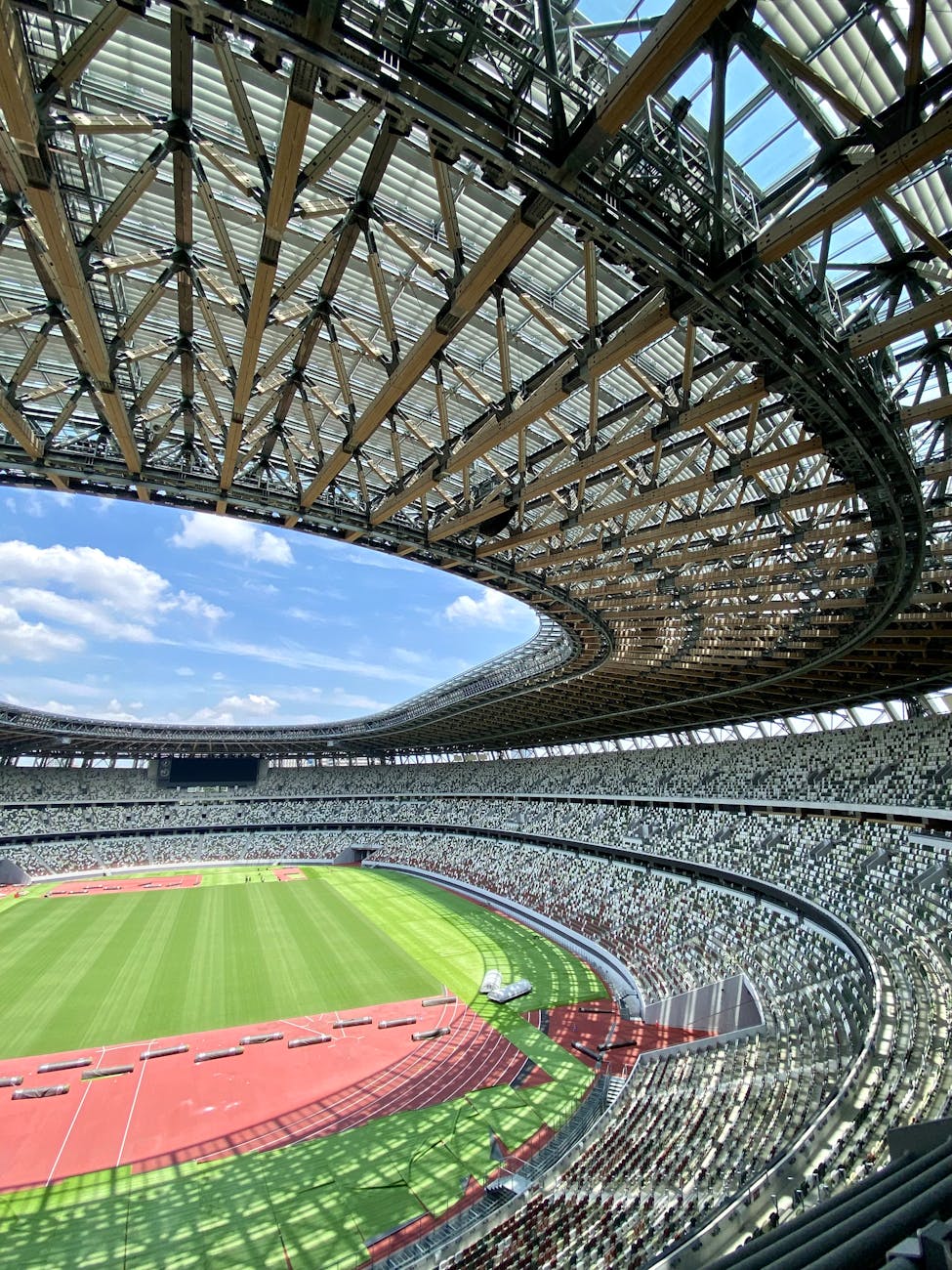
Architects like Kengo Kuma and Hiroshi Nakamura embody the spirit of modern Japanese architecture, challenging traditional norms while infusing sustainable practices in their designs. Kengo Kuma’s approach emphasizes materials that echo Japan’s cultural heritage, reinterpreting them in contemporary forms. Projects like the Suntory Museum of Art and the National Stadium for the Tokyo 2020 Olympics serve as testaments to his innovative designs that are sensitive to the environment yet futuristic in intent.
Additionally, the influence of the digital age has opened avenues for architects to explore new dimensions and materials. The use of parametric design tools allows for the creation of complex forms that respond dynamically to their environment. Structures like the Vortex of Light, an art installation designed by Junya Ishigami, challenge the boundaries of architecture and art, creating immersive experiences through light and form.
Urban development projects see an intersection of architecture and city planning, where architects prioritize functionality while enhancing urban landscapes. Developments in areas such as Roppongi Hills and Tokyo Midtown showcase mixed-use spaces that blend residential, commercial, and recreational offerings, strategically fostering community engagement, and accessibility.
The futuristic architectural paradigm extends beyond individual buildings to entire urban districts, where environmental sustainability and livability are paramount. The concept of “smart cities” is now prominent, embracing technology to create efficient living spaces equipped with interactive infrastructure that fosters connectivity while addressing climate challenges.
Tokyo’s embrace of futuristic designs signifies a transformation aligned with global architectural trends while reflecting Japan’s unique cultural identity. This dynamic landscape serves as an inspiration for architects worldwide, pushing the limits of design and redefining our relationship with space.
The Symbiosis of Old and New
In the fabric of Tokyo’s architectural story, the symbiosis of old and new structures reveals an ongoing dialogue between history and modernity. Rather than a dichotomy, this relationship creates a cityscape where both elements coexist harmoniously, each enhancing the other and contributing to the city’s identity. Contemporary architects draw inspiration from traditional aesthetics, integrating them into the design of new structures, thereby ensuring that heritage is not lost but rather celebrated in innovative forms.
For instance, the Asakusa Culture and Tourism Center creatively interacts with the surrounding historic architecture of Senso-ji Temple. Its modern juxtaposition complements rather than competes with the traditional neighborhood, embracing the essence of its historic environment. By employing contemporary materials and forms, the design respects the cultural significance of the site while providing necessary modern functionality.
Similarly, the National Art Center, Tokyo serves as a platform that features the works of emerging artists while also respecting the traditional backdrop of the Roppongi area. The open layout and transparent architecture signify a blend of inclusiveness and innovation, allowing dialogues between different artistic expressions and architectural forms.
Tokyo’s preservation efforts further highlight the importance of this symbiosis. Renovated traditional buildings often house modern amenities, attracting new occupants while bypassing obsolescence. This approach harmoniously integrates modern life into historic structures, creating spaces where stories and lifestyles intersect.
Public spaces often embody this coexistence, with parks and gardens thoughtfully designed around historic sites. Ueno Park, for example, features cherry trees, museums, and temples in one ecosystem, inviting visitors to explore the city’s past while enjoying modern recreational facilities.
The narrative around architecture in Tokyo is multifaceted; it illustrates how the city emerges stronger through the interplay of tradition and innovation. This relationship enables a deeper understanding of identity, where history and progress inform each other and shape a more cohesive urban environment.
Future Trends in Tokyo Architecture
Looking ahead, the future of Tokyo’s architecture appears poised for a transformative journey influenced by technological advances, sustainability, and a growing focus on community-centric design. Architects and urban planners continue to grapple with challenges brought forth by rapid urbanization, climate change, and societal demands, resulting in a need for innovative, conscious architecture.
One prominent trend is the push towards sustainability. As climate awareness heightens globally, architects in Tokyo are integrating eco-friendly materials and energy-efficient systems into their designs. The continued development of green buildings aligns with Japan’s commitment to reduce carbon emissions and promote biodiversity. Projects like the Green Building at Tokyo Bay and Asakusa’s Urban Green Initiative demonstrate how integrating nature into urban environments can yield positive ecological impacts while enhancing the quality of life for residents.
In addition to sustainability, the concept of smart architecture is gaining traction. Embracing technological innovations such as building information modeling (BIM), artificial intelligence, and IoT, architects can create smarter structures that adapt to user needs. Emerging designs look to automate energy management, enhance security, and foster connectivity, further contributing to urban efficiency.
Community spaces also warrant attention and are increasingly prioritized in urban development. In a city renowned for its busy lifestyle, architects are focusing on creating spaces that foster interaction and engagement among residents. Open-air plazas, multifunctional community centers, and vibrant marketplaces exemplify this commitment to enhancing social interactions, ensuring that urban infrastructure reflects the needs of diverse populations.
Moreover, Tokyo continues to lead in architectural experimentation. Transcending cultural boundaries, architects explore avant-garde structures that provoke thought and challenge convention. This pursuit of innovation—blending artistic vision with practical purpose—ensures Tokyo remains at the forefront of global architectural discourse.
As the city evolves, weaving together the legacies of its past with the promise of the future, Tokyo’s architecture will undoubtedly continue to serve as an embodiment of the resilience, creativity, and harmony that define this vibrant metropolis.
Conclusion
Exploring Tokyo’s architectural landscape uncovers a fascinating tapestry of tradition and innovation, where historical structures coexist with modern designs, conveying a rich narrative about the city’s identity. From the historical context that shaped its evolution to the iconic traditional structures that anchor its heritage, every facet contributes to the overall experience that Tokyo offers. The rise of futuristic designs and the symbiotic relationship between old and new illustrate the city’s resilience and adaptability in the face of contemporary challenges.
As Tokyo looks to the future, trends focused on sustainability, smart technology, and community-centric spaces are indicative of a forward-thinking urban vision. This ongoing dialogue between the past and the future reflects the city’s commitment to honor its rich cultural heritage while addressing the needs of a rapidly changing society. In a world that often overlooks history in the pursuit of progress, Tokyo stands as an inspiring example—a city where architecture is not just about buildings but represents the essence of a people and their journey through time.







[…] conclusion, Shibuya and Shinjuku represent the heartbeat of Tokyo, seamlessly blending fashion, technology, and entertainment. The districts offer a glimpse into the […]