
Introduction
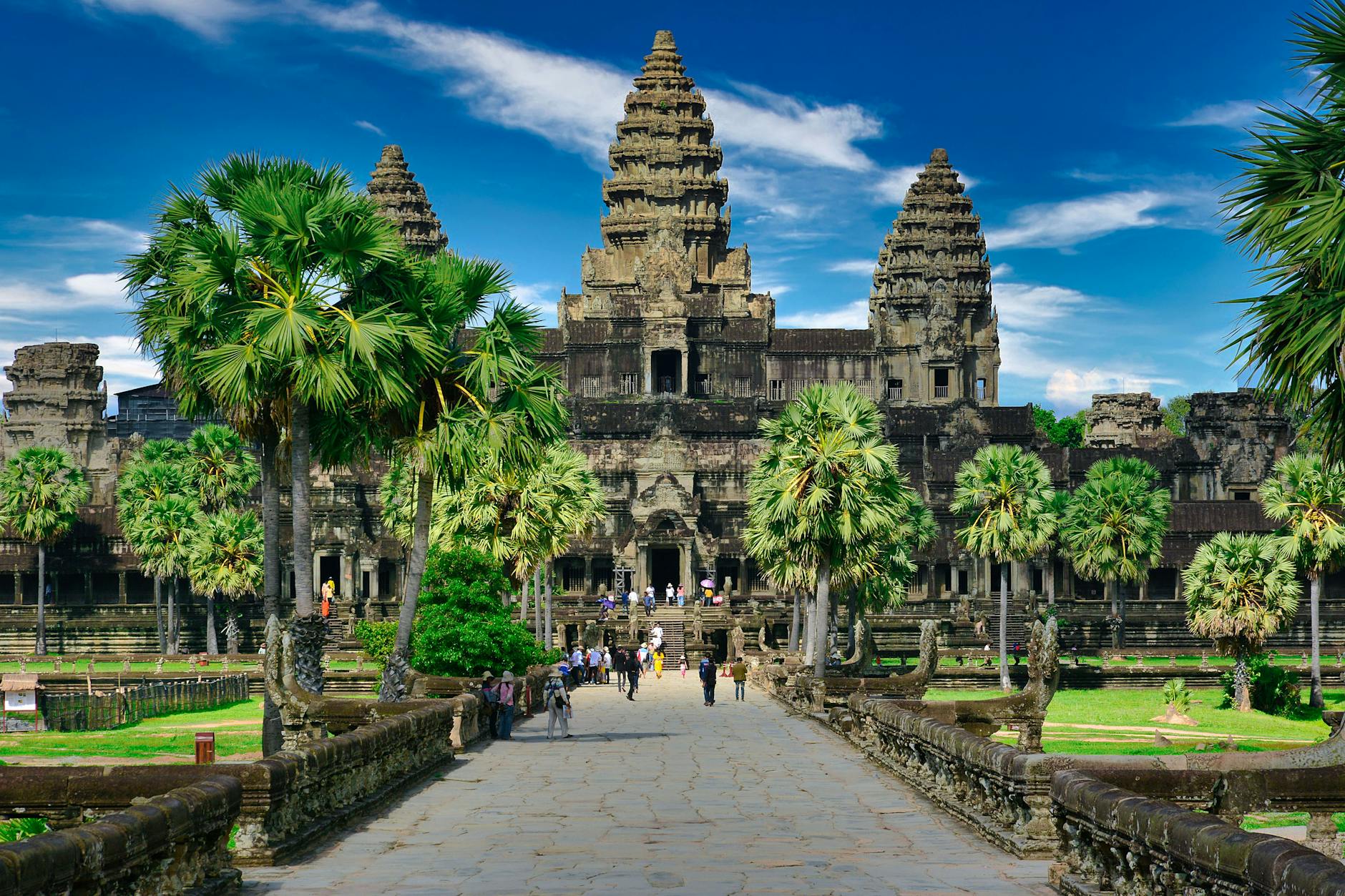
Angkor Wat, a symbol of Cambodia’s rich history and cultural heritage, stands as an architectural wonder that captivates millions each year. Constructed in the early 12th century during the reign of King Suryavarman II, it was initially built as a Hindu temple dedicated to Vishnu. Over centuries, Angkor Wat has transformed into a major Buddhist site, reflecting the evolving spiritual landscape of the region. As one of the largest religious monuments in the world, Angkor Wat embodies the artistic, architectural, and engineering achievements of the Khmer Empire. This article delves into Angkor Wat history, exploring its origins, architectural splendors, cultural significance, the historical events that shaped its legacy, and the ongoing efforts to preserve this sacred site for future generations. Through this exploration, we will uncover the profound impact Angkor Wat has had on Cambodian identity and its status in global cultural heritage.
The Origins of Angkor Wat
The origins of Angkor Wat can be traced back to the early 12th century when it was commissioned by King Suryavarman II as a monumental temple complex. The king ruled during a time of great prosperity for the Khmer Empire, characterized by territorial expansion, agricultural development, and vibrant cultural growth. Angkor Wat was built not only as a place of worship but also as a symbol of the king’s power and a reflection of the spiritual beliefs of the Khmer people.
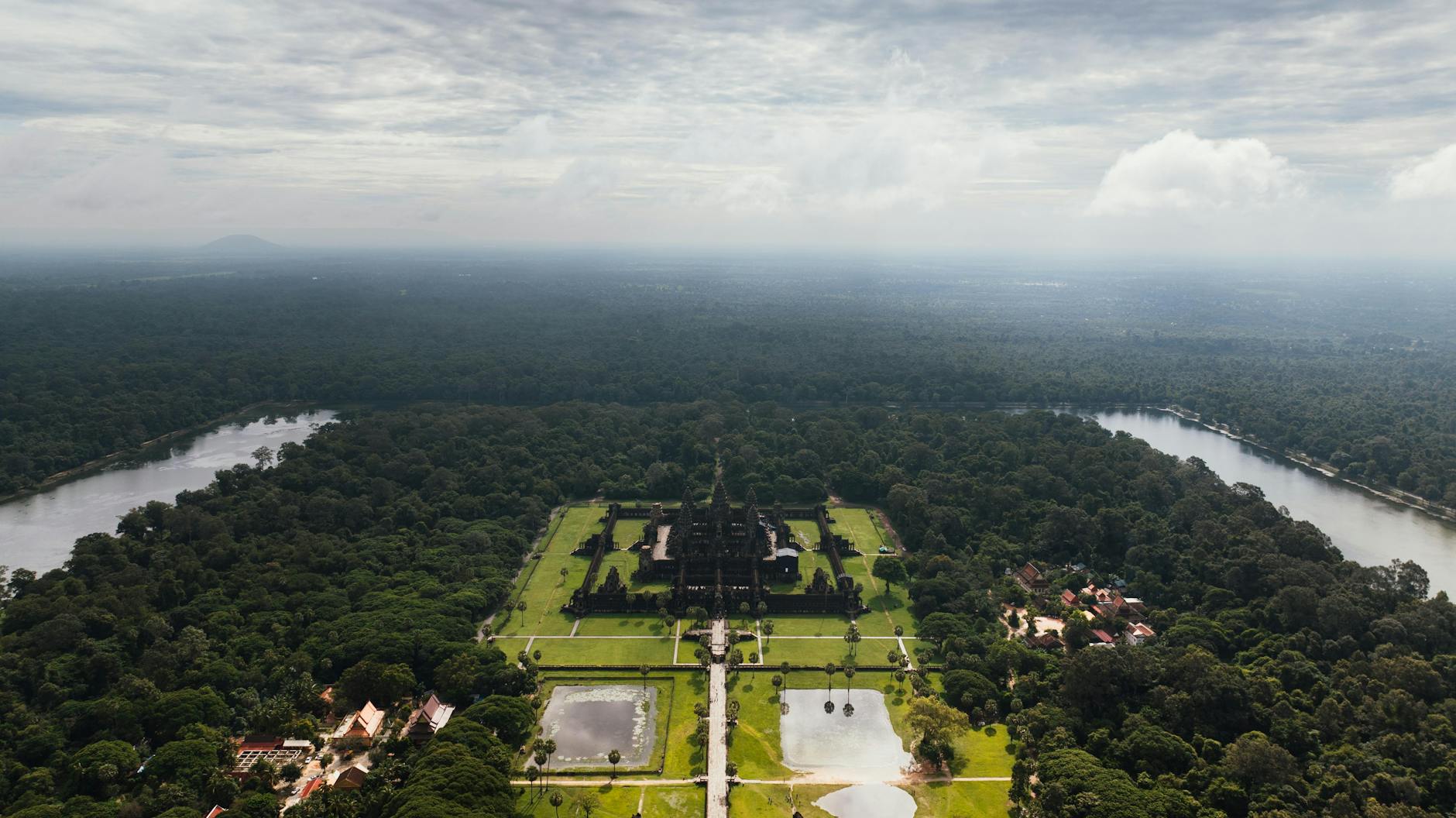
Originally dedicated to Vishnu, the temple was designed to represent an earthly model of the universe. The layout of Angkor Wat symbolizes Mount Meru, the center of the universe in Hindu cosmology, with its central tower representing the sacred mountain, and the surrounding towers representing the mountain ranges. This architectural choice emphasizes the deep connection between the Khmer spiritual beliefs and their understanding of the cosmos. The temple is surrounded by a vast moat, which not only enhances its aesthetic appeal but also serves as a reminder of the philosophical and cosmological constructs that influenced its design.
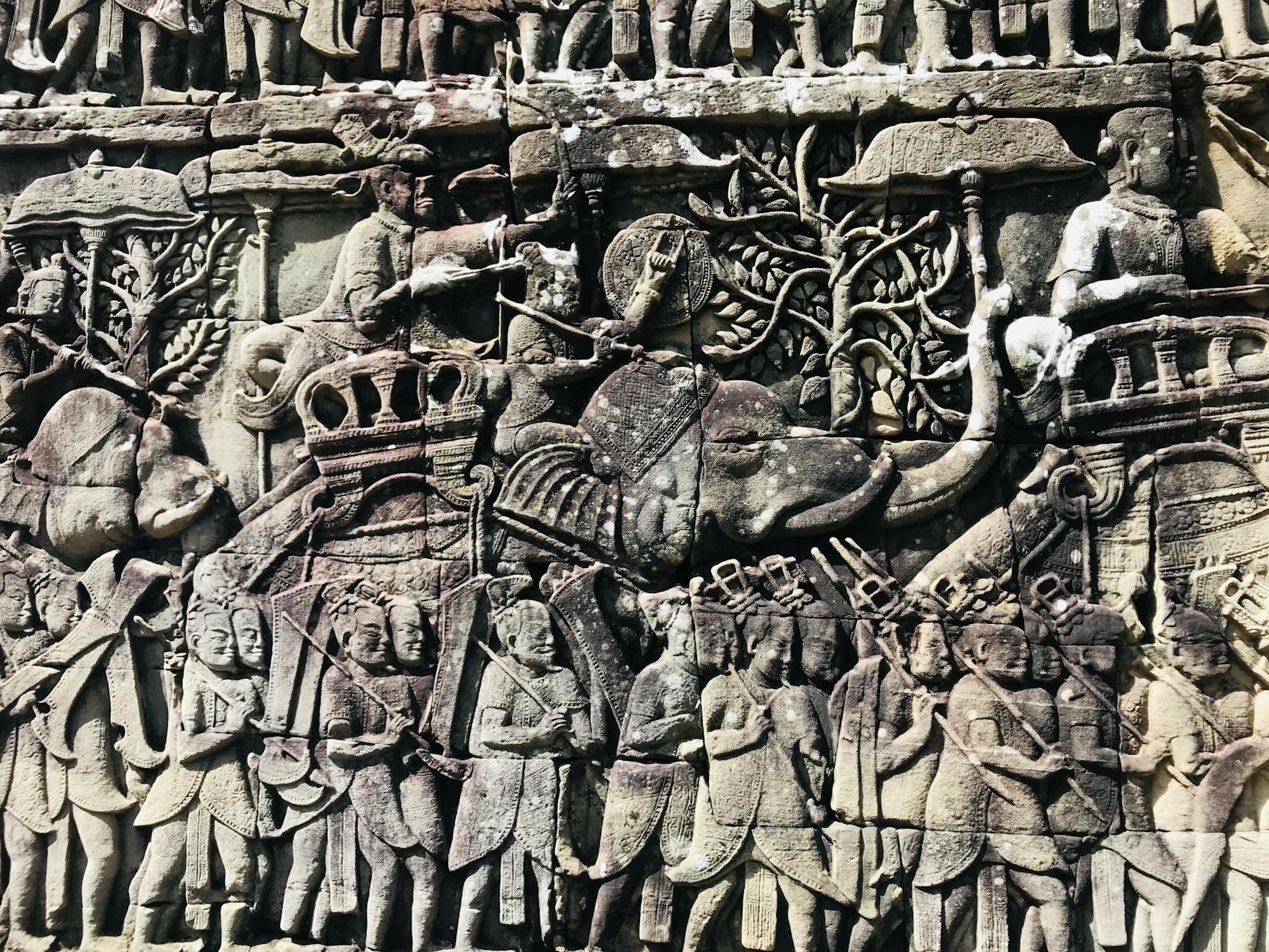
Construction of Angkor Wat employed advanced engineering techniques that showcased the ingenuity of the Khmer builders. The temple complex spans over 162 hectares, making it one of the largest religious monuments in the world. The use of sandstone sourced from nearby hills, along with a sophisticated system for transporting these materials, highlights the organizational skills and labor force involved in its construction. The intricate carvings and bas-reliefs that adorn the walls depict scenes from Hindu mythology and the lives of deities, reflecting the artistic prowess of the Khmer artisans. These carvings serve both as decoration and a means of conveying cultural narratives, connecting the Khmer people to their religious beliefs.
The establishment of Angkor Wat marked a significant cultural achievement for the Khmer Empire. It was not just a religious site but also a focal point of Khmer identity, fostering a sense of unity among the populace. The temple complex was likely used for various rituals and state functions, reinforcing the king’s role as a divine ruler and the belief in the close relationship between religion and governance in Khmer society.
Over time, however, Angkor Wat’s purpose evolved as Buddhism gained prominence, particularly in the 14th century. The temple gradually transitioned from a Hindu site to a Buddhist one, reflecting the adaptability of Khmer culture and religious practices. Despite this transformation, Angkor Wat retained its spiritual significance, becoming a symbol of national pride and resilience for the Cambodian people.
As the Khmer Empire declined in the 15th century, Angkor Wat faced periods of neglect and abandonment. Yet, the temple’s enduring presence remained a testament to the legacy of the Khmer civilization. Rediscovered by French explorers in the 19th century, Angkor Wat became a focal point for conservation efforts and international interest. This rediscovery reignited appreciation for Khmer achievements and established Angkor Wat as a crucial site for Cambodia’s cultural revival.
The origins of Angkor Wat are rooted in the spiritual, artistic, and political aspirations of the Khmer Empire under King Suryavarman II. Its construction symbolizes the cultural sophistication of the Khmer people and their enduring legacy, transcending the historical chapters of Cambodia’s past.
Architectural Marvels of the Temple
Angkor Wat is often hailed as one of the most remarkable architectural achievements in the world, characterized by its grandeur, intricate design, and innovative engineering. The temple complex is a testament to the artistic and technical capabilities of the Khmer civilization, showcasing a harmonious blend of functionality and spirituality.
One of the standout features of Angkor Wat is its vast layout, covering an area of over 162 hectares. As one of the largest religious monuments globally, the scale of the temple complex is awe-inspiring. Approaching Angkor Wat, visitors are greeted by a long causeway that spans a wide moat, which adds to the grandeur and reflects the meticulous planning involved in its construction. The use of water not only serves aesthetic purposes but also illustrates the Khmer understanding of hydrology and its importance in agriculture and urban planning.

The central tower of Angkor Wat soars majestically to a height of 65 meters, symbolizing Mount Meru, the center of the universe in Hindu cosmology. This tower is surrounded by four smaller towers representing the mountain ranges encircling Mount Meru. The layout effectively embodies the Khmer cosmological worldview, linking the earthly realm to the divine. The structured symmetry and axis of the temple complex further enhance its spiritual significance, creating a sense of balance that resonates with the philosophical beliefs of the Khmer people.
The architectural design incorporates a series of enclosures, each leading to the next, ultimately culminating in the central sanctuary. The intricate facade and exterior walls are adorned with detailed bas-reliefs that narrate stories from Hindu mythology, particularly those from the “Mahabharata” and the “Ramayana.” These bas-reliefs serve multiple purposes; they are not only decorative but also educational in conveying religious narratives to the Khmer populace. The carvings are executed with remarkable precision and artistry, reflecting the skills of the artisans who worked on the temple.
One notable relief depicts the Churning of the Ocean of Milk, a key mythological event symbolizing the struggle between deities and demons for the nectar of immortality. This particular scene is emblematic of the values espoused in Khmer culture, such as the importance of unity, strength, and the dualities of good and evil. Each carving tells a story that connects the viewer to the rich tapestry of Khmer mythology, reinforcing the spiritual and moral lessons inherent in these tales.
Moreover, the construction techniques employed in building Angkor Wat demonstrate the ingenuity of its builders. The use of sandstone blocks, some weighing several tons, showcases advanced engineering skills. The blocks were quarried from nearby hills and transported using an intricate system of roads and waterways. The precision with which these stones were carved and placed—often without the use of modern machinery—highlights the remarkable craftsmanship of the Khmer builders.
The orientation of Angkor Wat is also significant; it faces west, which is uncommon for Hindu temples traditionally oriented east. This westward alignment is interpreted as symbolically linked to the afterlife and might reflect the Buddhist influence that emerged as the temple’s primary religion. The careful planning of light and shadows within the temple’s corridors enhances the experience of visitors, creating a mystical atmosphere that connects the physical structure to spiritual beliefs.
As the centuries passed, Angkor Wat endured challenges posed by nature, including monsoon rains and overgrowth from surrounding vegetation. Preservation efforts have become crucial to mitigate the impact of climate and protect the temple’s architectural integrity. As a result, recent restoration projects have sought to maintain the original construction style while implementing modern techniques to stabilize the structure.
The architectural marvels of Angkor Wat symbolize the ingenuity, spirituality, and artistic prowess of the Khmer civilization. The temple complex not only serves as a religious site but also embodies the cultural and historical significance of Cambodia’s past. Angkor Wat continues to inspire awe, reflecting the enduring legacy of the Khmer Empire and its timeless contributions to architecture and artistry.
Cultural Significance in Khmer Society
The cultural significance of Angkor Wat extends beyond its architectural grandeur; it embodies the spiritual, social, and national identity of the Khmer people. As Cambodia’s most iconic monument, Angkor Wat is a symbol of the rich history and enduring heritage that has shaped the country’s culture and national pride.
Initially built as a Hindu temple dedicated to Vishnu, Angkor Wat represents a fusion of religious beliefs that reflects the spiritual landscape of the Khmer Empire. Its intricate carvings and bas-reliefs illustrate scenes from Hindu mythology, connecting the Khmer people to their religious roots. This strong spiritual undercurrent has fostered a collective identity, allowing the Khmer to find common ground in their beliefs and cultural narratives.
Throughout its history, Angkor Wat has adapted to changing religious practices and cultural influences. As Buddhism gained prominence in the region, the temple transitioned into a significant Buddhist site, illustrating the fluidity of Khmer spirituality. This adaptability highlights how Angkor Wat has served as a cultural bridge, uniting diverse belief systems while retaining its importance as a symbol of continuity in Khmer identity.
The socio-political dimensions of Angkor Wat cannot be overstated. Under the reign of King Suryavarman II, the temple complex was not only a site of worship but also a manifestation of the king’s power and authority. The grandeur of Angkor Wat reflected the might of the Khmer Empire, reinforcing the king’s divine right to rule. The temple served as a central location for rituals and ceremonies that solidified the relationship between the monarchy and the religious sphere, further intertwining governance and spirituality.
Beyond its role in governance, Angkor Wat has functioned as a place of gathering for the Khmer people. Over centuries, it has served as a focal point for community and cultural celebrations. Festivals such as the Cambodian New Year and Pchum Ben, a festival honoring deceased ancestors, often see gatherings at Angkor Wat, underscoring its continued relevance in contemporary Khmer society. Such events foster a sense of belonging and collective identity, allowing communities to celebrate their shared heritage and historical narratives.
Angkor Wat’s cultural significance is also emphasized in its representation in national symbols, art, and literature. The temple complex is frequently referenced in Cambodian art and literature, serving as a powerful symbol of national pride. It is depicted in the national flag, showcasing its importance as a representation of Cambodian identity. This connection to national symbols reinforces the notion of Angkor Wat as a cornerstone of Cambodian culture and heritage.
In recent years, Angkor Wat has also emerged as a symbol of resilience and hope for the Khmer people. The temple complex survived the devastation of the Khmer Rouge regime, which sought to erase cultural identity through systematic destruction. Following the regime’s fall, Angkor Wat became a beacon of recovery and cultural revival, representing the Cambodian people’s tenacity and determination to preserve their heritage. Efforts to restore and maintain the temple have continued to evoke national pride, encouraging citizens to engage with their rich cultural past.
Moreover, Angkor Wat plays a crucial role in fostering cultural tourism, which contributes significantly to Cambodia’s economy. The influx of tourists seeking to explore the temple complex helps sustain local communities, providing opportunities for cultural exchange and economic development. However, this increased tourism also highlights the need for responsible tourism practices that protect the site while promoting understanding and respect for its significance.
The cultural significance of Angkor Wat within Khmer society is multi-faceted, reflecting a rich tapestry of history, spirituality, and national identity. As a symbol of resilience and pride, Angkor Wat continues to inspire generations of Cambodians and visitors alike. Its ability to adapt to changing times while retaining its cultural essence underscores the enduring legacy of the Khmer people and the timeless importance of preserving such heritage for future generations.
Historical Events Impacting Angkor Wat
Angkor Wat history reflects the broader historical events that have shaped Cambodia over the centuries, leaving a profound impact on its cultural, social, and political landscape. Understanding these historical developments provides insight into the temple’s significance and its enduring legacy.
Angkor Wat was constructed during the height of the Khmer Empire in the 12th century under King Suryavarman II. This period of prosperity was marked by territorial expansion, agricultural advancements, and a thriving artistic culture. The construction of Angkor Wat not only symbolized the power of the king but also served as a testament to the empire’s architectural and artistic achievements. The grandiosity of the temple complex stood as a declaration of the Khmer Empire’s status in Southeast Asia, attracting the admiration of neighboring kingdoms and foreign visitors alike.
However, the decline of the Khmer Empire in the 14th and 15th centuries drastically altered the trajectory of Angkor Wat. Internal conflicts, invasions by neighboring states, and environmental changes contributed to the empire’s collapse. The rise of the Siamese (Thai) kingdom, which led to incursions into Khmer territory, resulted in the gradual abandonment of Angkor and its temples. Angkor Wat, once a vibrant center of worship and governance, began to fall into disrepair as resources dwindled and the traditional way of life fragmented.
As the Khmer Empire declined, so too did the dominance of Hinduism. The transition to Theravada Buddhism marked a significant cultural shift in the region, leading to Angkor Wat’s reorientation as a Buddhist temple. This adaptation highlighted the flexibility of Khmer cultural practices, allowing the temple to maintain its relevance amid changing religious landscapes. Despite this transition, the temple retained its spiritual significance and continued to be a site for pilgrimage and worship.
The rediscovery of Angkor Wat by European explorers in the 19th century played a pivotal role in re-establishing the temple’s significance on the world stage. French explorer Henri Mouhot’s documentation of Angkor Wat brought international attention to the site, sparking a surge of interest in Cambodia’s ancient civilization. This rediscovery led to conservation efforts spearheaded by the French colonial administration, which sought to restore the temple to its former glory. However, these efforts were often tainted by colonial attitudes that prioritized European perspectives and did not always consider the views of the local population.
The devastating Khmer Rouge regime from 1975 to 1979 presented a dark chapter in Cambodia’s history, leading to widespread suffering and loss of cultural identity. Despite the regime’s attempts to destroy the cultural fabric of the nation, Angkor Wat miraculously survived largely intact. The preservation of the temple became a symbol of resistance and hope for the Cambodian people amidst the brutality of genocide. After the fall of the Khmer Rouge, Angkor Wat was embraced as a national symbol of resilience and a foundation for cultural revitalization.
In the modern era, Angkor Wat faces new challenges related to environmental changes and mass tourism. As global interest in the temple complex continues to rise, the responsibilities of managing and preserving this historical site have become paramount. Long-term sustainability practices are essential to address the wear and tear caused by millions of visitors annually while ensuring that the local community can benefit from tourism without compromising the integrity of the site.
Efforts to preserve Angkor Wat must consider both the historical context and the voices of local communities who are integral to its legacy. Engagement with stakeholders—including local residents, historians, and conservation specialists—is critical in ensuring that preservation initiatives reflect a shared understanding of Angkor Wat’s significance.
The historical events impacting Angkor Wat reveal a narrative of resilience and adaptation. From its glorious origins during the Khmer Empire to the challenges posed by colonialism and genocide, Angkor Wat endures as a powerful symbol of Cambodian cultural identity. Its capacity to evolve over time underscores the importance of preserving this heritage for future generations while honoring the historical journey that has shaped its legacy.
Preservation and Modern Relevance
Angkor Wat’s preservation is a critical and ongoing endeavor that holds profound cultural, historical, and educational significance for Cambodia and the world. As one of the most recognized symbols of Cambodian heritage, the temple complex attracts millions of visitors each year, making its conservation vital for sustaining both its physical integrity and cultural legacy.
The challenges the site faces today are multifaceted, stemming from environmental factors, increasing tourism, and the need for appropriate management strategies. Recognized as a UNESCO World Heritage site in 1992, Angkor Wat’s inclusion on the World Heritage List has facilitated international and local efforts aimed at its conservation. This designation emphasizes the monument’s exceptional value and the urgency of protecting it for future generations.
Conservation methods employed at Angkor Wat range from structural repairs to environmental management practices that mitigate the impact of climate change. For instance, the application of traditional restoration techniques, such as using original sandstone materials to repair eroded sections, reflects a commitment to preserving the temple’s authenticity. Modern interventions, such as stabilization efforts and the implementation of drainage systems, help safeguard the site from prolonged exposure to rain and flooding, ensuring its longevity.
Preservation efforts have also focused on engaging the local communities involved in the maintenance and management of Angkor Wat. Empowering local residents and stakeholders fosters a sense of ownership and pride, encouraging them to partake in sustainable practices that benefit both the community and the temple complex. Various educational initiatives aim to raise awareness about the importance of cultural heritage and the role of Angkor Wat in Cambodian identity, creating a collective responsibility for its preservation.
The role of tourism in the context of Angkor Wat cannot be overstated. The influx of millions of visitors each year generates economic opportunities for local communities, but it also places significant pressure on the site. The challenge lies in balancing the economic benefits of tourism with sustainable practices that protect Angkor Wat’s integrity. Responsible tourism initiatives, such as visitor education programs, have been implemented to ensure that tourists respect the cultural significance of the site and engage with the temple in a manner that facilitates preservation.
Additionally, the global interest in Angkor Wat has positioned it as a vital educational resource for visitors seeking to discover Cambodia’s rich history and culture. Guided tours, informational displays, and cultural workshops help foster deeper connections between visitors and the site, promoting cross-cultural understanding and appreciation. The temple complex serves as a platform for dialogue about heritage preservation, allowing visitors to engage with Cambodia’s past and present.
In recent years, Angkor Wat has also become a focal point for discussions on the intersection of heritage conservation and climate change. Efforts to address the vulnerabilities of the site amid shifting environmental conditions—including temperature fluctuations and increased rainfall—illustrate the need for adaptive management strategies. Collaborative work between local authorities, international organizations, and environmental specialists aims to safeguard Angkor Wat’s future in the face of climate-related challenges.
The preservation of Angkor Wat is not only about maintaining its physical structure but also about honoring the cultural, spiritual, and historical narratives that it represents. The cooperation of local communities, tourism stakeholders, and international organizations is crucial in ensuring that Angkor Wat continues to thrive as a symbol of Cambodian identity and resilience. As a living testament to the Khmer civilization, Angkor Wat’s relevance endures, inviting future generations to connect with and learn from its rich legacy.
Conclusion
Angkor Wat remains a monumental testament to Cambodia’s cultural heritage and the enduring legacy of the Khmer Empire. Its architectural splendor, Angkor Wat history, and cultural significance weave a narrative that not only speaks to the past but also continues to resonate with contemporary society. Through preservation efforts that engage local communities and promote responsible tourism, Angkor Wat stands resilient against the challenges of time, climate, and change. As a symbol of national pride and a beacon of hope for the Cambodian people, Angkor Wat invites the world to appreciate the richness of Cambodian culture while encouraging respect for its extraordinary history. Embracing Angkor Wat’s legacy ensures that future generations can experience and be inspired by this sacred wonder, fostering a deeper understanding of the interconnectedness of humanity through shared cultural heritage.








[…] Cambodge–Thaïlande : Accusations croisées et tensions […]