

Introduction
Nintendo is a name synonymous with the evolution of the video game industry. From its modest beginnings as a playing card company in the late 19th century to becoming a powerhouse in gaming, the company has consistently pushed the boundaries of technology and creativity. Nintendo’s innovative spirit is evident in its development of iconic franchises, game consoles, and pioneering gameplay mechanics that have redefined how we interact with video games. This article aims to explore the key innovations made by Nintendo throughout its history, examining how they shaped the gaming industry and influenced future generations of game developers and players alike. With a focus on major milestones, this exploration reveals the company’s lasting impact on pop culture and gaming technology.
The Birth of Nintendo and Early Innovations
Nintendo was founded in 1889 by Fusajiro Yamauchi, originally producing handmade Hanafuda cards. As a unique form of entertainment in Japan, these cards laid the foundation for Nintendo’s understanding of play and engagement. In the early 20th century, the company experimented with diverse ventures, including a taxi service and a love hotel, but ultimately it was in the 1970s that Nintendo would shift its focus to electronic gaming.
By the mid-1970s, the gaming industry was beginning to take shape, thanks to the advent of microprocessor technology. The launch of arcade games like “Pong” by Atari helped spark a burgeoning gaming culture. In response to this emerging trend, Nintendo created its first arcade game, “Donkey Kong,” in 1981. This pivotal title introduced players to a new form of interactive storytelling and character development through its iconic protagonists, Mario and Donkey Kong. This marked Nintendo as a serious player in the gaming market.
“Donkey Kong” was notable not only for its gameplay but for its innovative use of a narrative structure within a platforming format. Instead of simply defeating enemies, players were engrossed in a mission to rescue the damsel in distress, Princess Peach. This narrative-driven approach became a hallmark of Nintendo’s game design philosophy moving forward.
Building on the success of “Donkey Kong,” Nintendo entered the home console market with the creation of the Famicom system (Family Computer) in 1983. This system played a crucial role in reviving the video game industry, which had experienced a crash in the early 1980s in the U.S. The Famicom’s success was marked by its rich library of titles, including “Super Mario Bros.,” which would go on to become one of the best-selling video games of all time.
The NES (Nintendo Entertainment System) was launched in North America in 1985 and revitalized the home gaming market, introducing features such as an innovative lockout chip to prevent piracy, a more developed controller design, and a robust third-party licensing system. These features not only created a revenue stream for Nintendo but also helped to ensure a thriving ecosystem of high-quality games.
In conclusion, the birth of Nintendo and its early innovations paved the way for its continued success in the gaming industry. Their ability to adapt and innovate allowed them to shape the very essence of video gaming and set the stage for future advancements.
The Rise of Console Gaming: Nintendo Entertainment System
The Nintendo Entertainment System (NES) was a game-changer in the world of video gaming. Launched in Japan as the Famicom in 1983 and later in North America in 1985, the NES reshaped the landscape of home console gaming. One of its most significant contributions was its ability to revive an industry that had seen better days. At that time, many consumers had lost faith in home gaming systems due to the crash of 1983, which resulted in low-quality games and unsatisfactory consumer experiences. The NES not only regained consumer trust but also established new standards for the industry.
The NES was a technological marvel of its time, featuring an 8-bit processor that enabled impressive graphics and sound for its era. The introduction of the innovative controller design, which included a traditional D-pad and action buttons, set new industry standards for how players interacted with video games. This design became a template for future gaming consoles and allowed for more intuitive gameplay experiences.
One of the NES’s key contributions to the gaming industry was its extensive library of titles. Games like “Super Mario Bros.,” “The Legend of Zelda,” and “Metroid” showcased not only captivating gameplay but also innovative mechanics that offered players new experiences. “Super Mario Bros.,” in particular, redefined platform gaming with its level design, power-ups, and use of scrolling backgrounds. It is remarkable how these titles incorporated elements of narrative, exploration, and puzzle-solving seamlessly into gameplay, creating a rich tapestry of interactive entertainment.
Nintendo’s licensing system also played a critical role in the NES’s success. By controlling the quality of the games released for its console, Nintendo ensured that its platform was associated with high-quality titles. This system helped to establish relationships with third-party developers and encouraged the growth of diverse game genres. Games like “Duck Hunt,” “Mega Man,” and “Final Fantasy” emerged as classics, further entrenching the NES’s position in the cultural zeitgeist.
Moreover, the NES introduced a marketing approach that emphasized family-oriented entertainment. The tagline “Now you’re playing with power!” highlighted the appeal of gaming to families and children alike, positioning Nintendo as the friendly face of gaming. This strategy helped normalize video games in households across the United States and beyond, making them a common form of entertainment.
In summary, the rise of the Nintendo Entertainment System was a turning point in the video game industry. By focusing on quality, innovative gameplay, and family-friendly marketing strategies, Nintendo not only revived the home console market but also laid the groundwork for its future innovations.
Revolutionizing Gameplay: The Introduction of Motion Control
One of Nintendo’s hallmark innovations came with the introduction of motion control gaming through the Wii console, launched in 2006. By leveraging motion-sensing technology, the Wii offered a radically different approach to gaming that emphasized physical interaction. This innovation appealed to a wide demographic, expanding the gaming audience beyond traditional gamers to families, seniors, and those who might not typically engage with video games.
The Wii Remote, or Wiimote, was designed to be a natural extension of the player’s body, allowing users to swing, toss, and physically interact with games. This ushered in a new era of intuitive gameplay experiences. Titles such as “Wii Sports” showcased the potential of motion controls, providing players with simple, engaging activities like tennis, bowling, and boxing that could be enjoyed in short bursts. “Wii Sports” became a global phenomenon, propelling the Wii console to tremendous sales figures and making it one of the best-selling video game consoles of all time.
In addition to expanding the audience, the Wii’s motion controls revolutionized how developers thought about gameplay design. Game mechanics had traditionally focused on button combinations and joystick maneuvers, but now developers had to consider how to create experiences that leveraged physicality while remaining accessible. This prompted the development of a diverse array of gaming experiences, from fitness games such as “Wii Fit” to dance games like “Just Dance,” which encouraged movement and competition.
Furthermore, the Wii’s success prompted competitors to innovate as well. Motion control technology became a focal point for subsequent gaming systems, leading to similar features introduced by Sony with the PlayStation Move and Microsoft with the Kinect. While Nintendo may not have originated the concept of motion control, it popularized it in a way that unlocked new gaming possibilities, emphasizing interactivity, physicality, and fun in gaming experiences.
The Wii’s success also highlighted Nintendo’s ability to think outside traditional gaming paradigms. With a slogan of “There are no boundaries,” Nintendo promoted inclusivity and engagement for players of all ages and skill levels. This approach birthed the idea of “gaming for everyone,” which was a significant cultural shift in the perception of video games.
In conclusion, the introduction of motion control gaming through the Wii is one of Nintendo’s most notable innovations. By making gaming accessible and engaging through physical interaction, it opened the doors to a broader audience and encouraged new gameplay mechanics that appealed to diverse demographics.
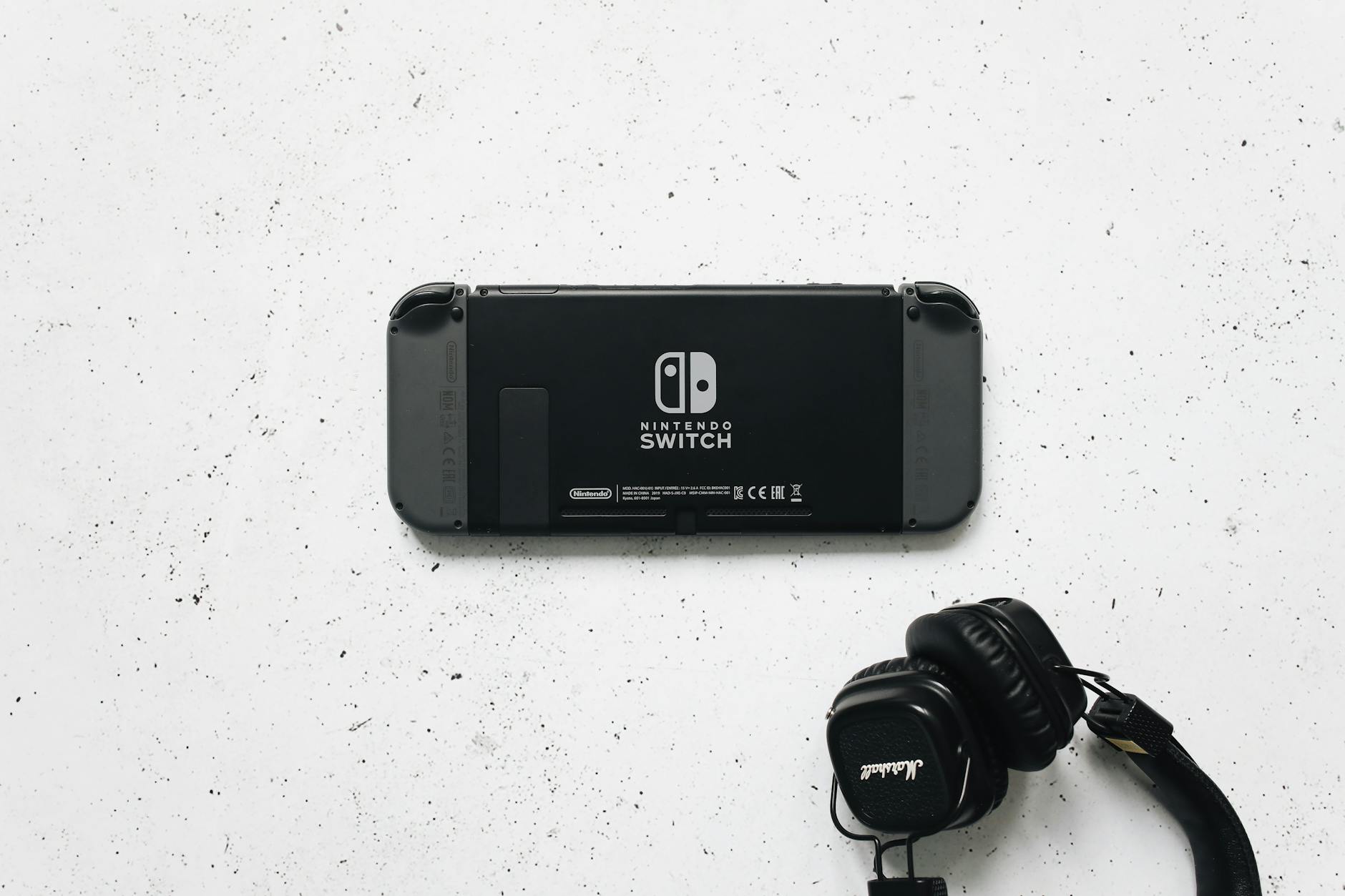
Photo by Polina Tankilevitch on Pexels.com
The Emphasis on Fun and Accessibility: Nintendo’s Approach to Game Design
Nintendo has cultivated a reputation for prioritizing fun and accessibility in game design, distinguishing itself from its competitors. This design philosophy is not merely about creating entertaining games but ensuring that players of all ages and skill levels can engage with and enjoy their products. This focus has been reflected in their innovative titles, user-friendly interfaces, and family-centered gameplay experiences that challenge the notion that video games are only for hardcore gamers.
Emphasizing creativity over realism, many Nintendo games choose a stylized aesthetic that appeals to a broad audience. Titles like “The Legend of Zelda: The Wind Waker,” with its cel-shaded graphics, prioritize artistic expression over photorealism. This approach allows for imaginative worlds that spark curiosity and creativity in players while still providing rich gameplay experiences.
One of the most significant aspects of Nintendo’s design philosophy is the learning curve that players encounter with their titles. Many of Nintendo’s iconic games introduce mechanics in a gradual, intuitive manner. For example, “Super Mario Galaxy” begins with simple platforming challenges, gradually introducing new abilities and techniques as players progress. This incremental learning fosters a sense of accomplishment, helping players feel comfortable with the mechanics before challenging them further.
Multiplayer gameplay has also been fundamental in Nintendo’s approach to accessibility. Games like “Mario Kart” and “Super Smash Bros.” encourage local multiplayer sessions that strengthen social connections. The ease with which new players can pick up and enjoy these games has made them a staple at parties and gatherings, reinforcing the idea that gaming is better when shared. Nintendo’s commitment to family-friendly gaming experiences ensures that players of different generations can engage together, fostering bonding opportunities and creating lasting memories.
Moreover, the company’s focus on innovation extends to creating unique gaming experiences through unconventional hardware and gameplay. From the release of the Nintendo DS, which introduced dual screens and touch controls to the Nintendo Switch, which allows for hybrid play styles (docked and handheld), Nintendo constantly seeks to innovate how players interact with their games. The Switch, in particular, showcases the company’s adaptability, as it caters to both casual gamers and dedicated players, effortlessly transitioning from a home console to a portable device.
Additionally, Nintendo’s inclusive approach is highlighted through its commitment to accessibility for players with disabilities. Titles like “The Legend of Zelda: Breath of the Wild” include features that cater to a wider array of play styles, allowing for customization in controls and settings. This inclusivity demonstrates Nintendo’s intent to create games that everyone can enjoy, regardless of ability.
In conclusion, Nintendo’s emphasis on fun and accessibility in game design has profoundly influenced the gaming industry. By focusing on creativity, gradual learning, and social interaction, they have created memorable experiences that resonate across generations. This approach reflects Nintendo’s commitment to making video gaming an inclusive and enjoyable pastime for everyone.
The Legacy of Nintendo: Influencing Current Trends in Gaming
Nintendo’s legacy is not merely defined by past achievements; it continues to influence current trends in gaming and has shaped the industry’s future trajectory. From handheld gaming to robust online ecosystems, many of today’s gaming standards can be traced back to innovations originally championed by Nintendo.
One of the most significant contributions is in the realm of handheld gaming. The Game Boy, released in 1989, revolutionized gaming on the go. By popularizing portable gaming, Nintendo created an entire market segment that thrives today. With successors such as the Nintendo DS and Nintendo Switch, which combine handheld and home console play, Nintendo has continually pushed the boundaries of mobile gaming, setting benchmarks that competitors strive to meet.
Moreover, Nintendo’s influence on narrative and character development cannot be overstated. Franchises like “The Legend of Zelda” and “Metroid” introduced complex storytelling that transcended simple gameplay mechanics. Characters like Mario and Link have become cultural icons, representing something larger than gaming itself. Their universality and relatability have inspired countless titles across genres, encouraging developers to prioritize character-driven narratives.
The company’s approach to innovation also fosters a creative environment where new ideas can flourish. Nintendo’s unique design philosophies are embraced not only by its teams but also by indie developers who frequently cite Nintendo’s innovations as inspiration. The rise of indie gaming has seen a resurgence of unique and engaging gameplay experiences, echoing the creativity that has long been a staple of Nintendo’s philosophy.
Additionally, Nintendo’s trend toward online gaming can be seen in several of its newer titles. While some might argue that its online infrastructure has lagged behind competitors, games such as “Super Smash Bros. Ultimate” and “Splatoon 2” have successfully integrated competitive online play and social connectivity in meaningful ways. The move towards an online network within the Nintendo ecosystem allows players to engage globally, highlighting how Nintendo continues to adapt its approach in a rapidly evolving industry.
Finally, Nintendo’s influence is evident in its commitment to health and wellness through gaming. With projects like “Wii Fit,” the company has led the way in promoting physical activity among players, a trend that continues to grow. The advent of games that encourage movement and activity represents a broader cultural shift in how gaming is perceived and its role in everyday life.
In conclusion, Nintendo’s legacy continues to resonate within the gaming industry by influencing current trends and setting aspirational benchmarks for innovation and design. Through a focus on creativity, character development, and accessibility, Nintendo remains a hallmark of inspiration, shaping not only how games are made and played but also how they fit into our lives.
Conclusion
Nintendo’s journey through the history of gaming reflects a unique combination of innovation, creativity, and a commitment to fun. From its early days producing playing cards to evolving into a global leader in video gaming, Nintendo has consistently prioritized the player experience, shaping the industry in profound ways. Key innovations such as the Nintendo Entertainment System and motion control gaming with the Wii exemplify its forward-thinking ethos and have set a standard that competitors strive to match.
The emphasis on fun and accessible game design has broadened the appeal of video gaming, inviting players of all abilities and ages into the community. Through captivating storytelling, character development, and social gaming experiences, Nintendo has forged an enduring legacy that remains influential today.
As we look to the future, Nintendo’s dedication to pushing the boundaries of what gaming can be serves as a source of inspiration for developers and players alike. The innovations that have defined its history will undoubtedly continue to pave the way for future advancements, ensuring Nintendo’s place at the forefront of the gaming landscape for years to come.
Sources
- “The History of Nintendo” – https://www.nintendo.com/history/
- “Nintendo’s Console Innovations Through the Years” – https://www.ign.com/articles/nintendo-console-innovations
- “How Nintendo Revolutionized Gaming” – https://www.theverge.com/2022/5/3/nintendo-revolutionized-gaming
- “A Brief History of Nintendo and Its Innovations” – https://www.gamesradar.com/nintendo-history/
- “The Impact of Nintendo’s Innovations on Gaming Culture” – https://www.polygon.com/2021/4/6/nintendo-innovations-gaming-culture








[…] Nintendo‘s first big breakout title, “Donkey Kong,†was instrumental in this transition. Released in 1981, it was crucial for establishing the company’s place in the industry. Beyond just its commercial success, “Donkey Kong†redefined the potential of storytelling in video games. With gameplay that required strategy, timing, and skill, it engaged players in ways that were previously unexplored. The introduction of Mario, who would become a household name, was also significant. This character introduced gameplay mechanics that would be revisited and refined in countless games to follow. […]