
Introduction
Petra, the ancient city carved into rose-red cliffs in southern Jordan, is often referred to as the “Rose City” for its stunning sandstone formations. Once a thriving trade center of the Nabatean civilization, Petra stands as a testament to human ingenuity and architectural prowess. Despite its glory, the city remained largely hidden from the modern world for many centuries, earning a rightful place on the UNESCO World Heritage list and becoming one of the New Seven Wonders of the World. This article aims to delve into Petra history, exploring its origins, architectural wonders, the vibrant culture of its inhabitants, its role in trade, and the ongoing efforts to preserve this extraordinary site. Each aspect reveals not just the grandeur of Petra itself, but also the rich tapestry of life that once characterized this now lost city.
The Origins of Petra: A Historical Overview
The origins of Petra date back to the 5th century BC when the Nabateans, a nomadic Arab tribe, established a settlement in the region due to its strategic location. Nestled between major trade routes connecting the East and West, Petra soon grew into a thriving metropolis. Archaeological evidence suggests that by the 1st century BC, Petra had transformed into a flourishing city known for its wealth and cultural richness.
The Nabateans were renowned for their impressive water conservation techniques, allowing them to thrive in the arid desert environment. They constructed intricate systems of dams and cisterns, which collected rainwater and facilitated agricultural activities. This innovation not only supported the population of Petra but also attracted merchants and travelers from far and wide, significantly boosting trade in the region.
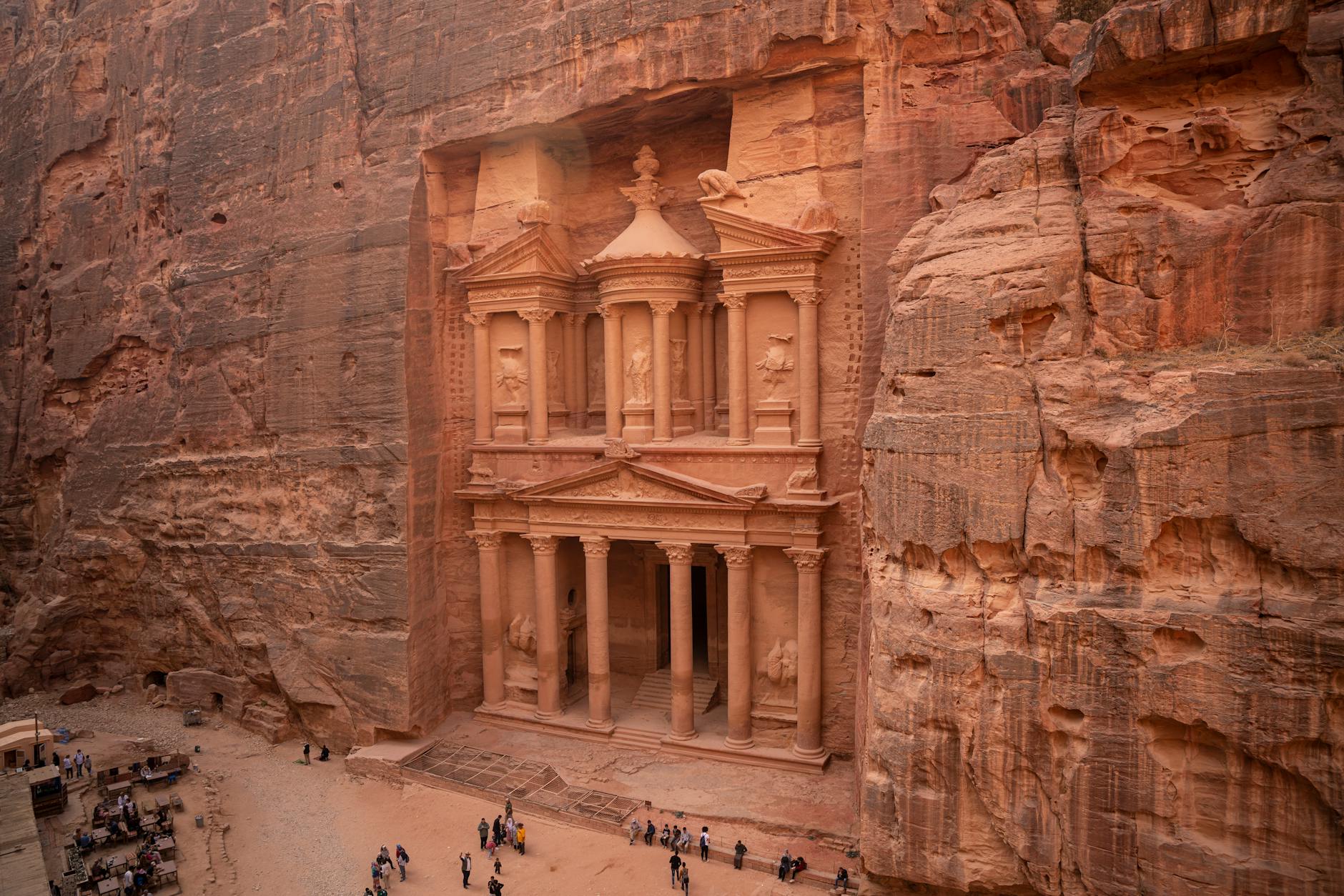
By the 1st century AD, Petra had reached its zenith, serving as a crucial crossroads for caravans transporting goods like spice, silk, and incense. The city thrived on its ability to facilitate and protect trade, allowing the Nabateans to amass considerable wealth. Petra’s wealth is evidenced by the monumental architecture that still captivates visitors today, with structures like Al-Khazneh (The Treasury) and the Monastery throwing into relief the sophistication of Nabatean craftsmanship.
As the Roman Empire expanded, Petra became a client kingdom, benefiting from new trade links established by the Romans. However, this period of prosperity was not to last. By the 3rd century AD, shifts in trade routes, coupled with natural disasters such as earthquakes, began to decline Petra’s prominence. Over time, the city lost its status as a trading hub, and the once-bustling streets fell silent.
Despite its decline, the city remained inhabited for several centuries; however, it eventually faded from the historical consciousness. It wasn’t until the early 19th century that Petra was “rediscovered” by Western explorers, notably Johann Ludwig Burckhardt, who posed as a Muslim to gain access to the city. This moment reignited interest in Petra, leading to its eventual recognition as one of the world’s greatest archaeological sites.
The story of Petra’s origins is a complex tapestry woven from the threads of its founders, the Nabateans, and the many cultures that influenced it over time. As we examine its architectural wonders and cultural legacy, we can appreciate how Petra not only served as a pivotal hub for commerce and culture in the ancient world but also continues to be a symbol of resilience and ingenuity.
Architectural Marvels: The Stunning Facades of Petra
Petra is often celebrated for its breathtaking architecture, which showcases the ingenuity and skill of the Nabateans. The city’s structures are primarily carved directly into the sandstone cliffs, a striking feat that has captivated historians, archaeologists, and tourists alike. The most iconic of these, Al-Khazneh, often referred to as “The Treasury,” is a monumental tomb with Hellenistic influences that reflect the cultural exchanges present during the city’s peak.
Al-Khazneh’s grandeur is evident in its elaborate facade, adorned with intricate carvings of mythological figures, and large urns believed to hold the remains of kings. Standing at approximately 40 meters high, this stunning structure has become synonymous with Petra, frequently featured in photographs and travelogues. The engineering techniques employed to carve the city into the rock have been studied extensively, highlighting the extraordinary craftsmanship of the Nabateans.
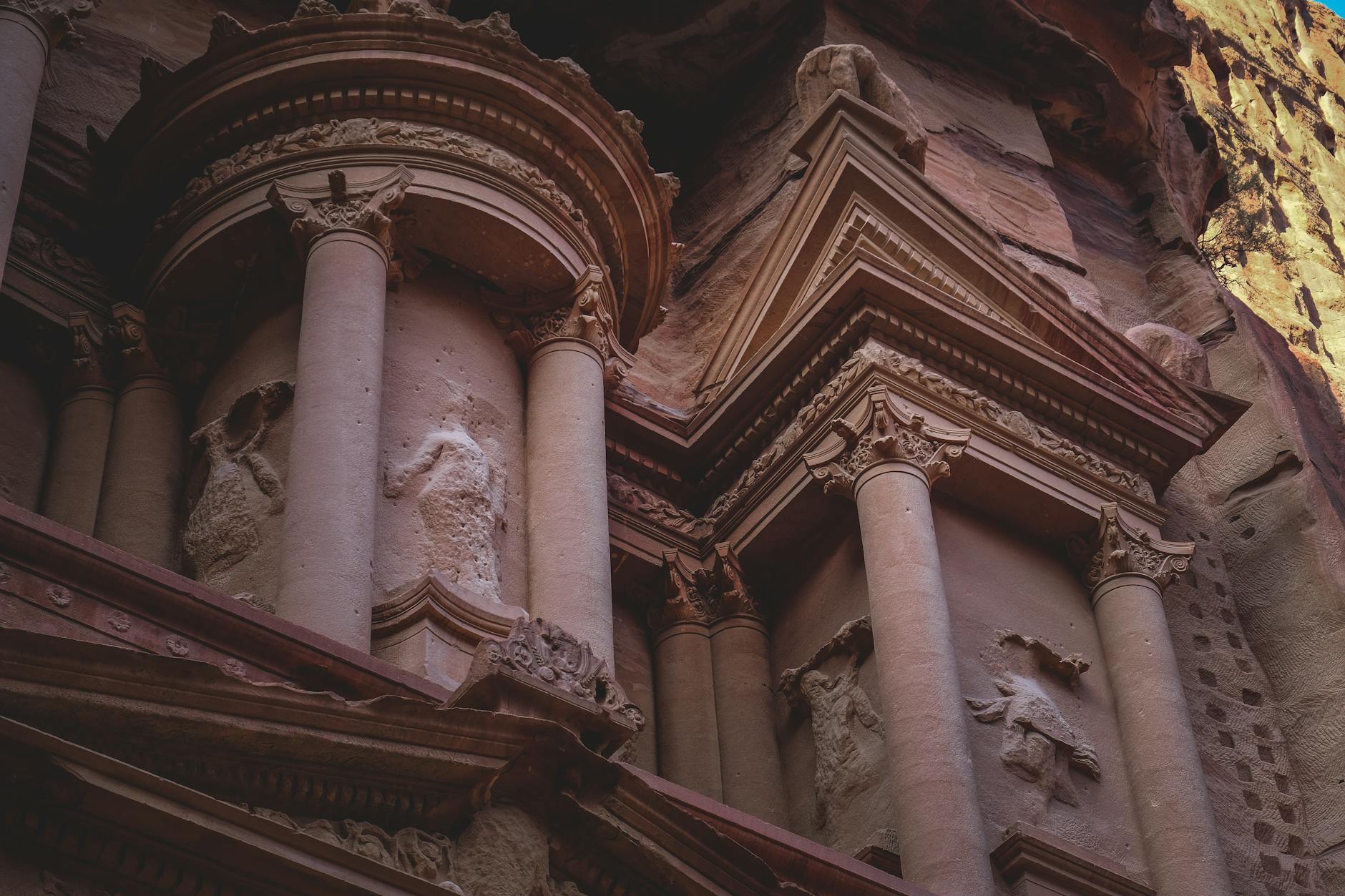
As visitors explore Petra, they will encounter a variety of other remarkable structures, each telling a unique story. The Monastery, another monumental temple, stands notably taller than Al-Khazneh and highlights the sheer scale of Nabatean architecture. With its massive facade and intricate details, the Monastery represents the spiritual aspirations of a society deeply connected to both commerce and culture.
Moreover, the city’s architecture reflects its function as a trade hub. The varying styles and designs of the structures speak to the diverse influences from surrounding cultures, including Greek, Roman, and Egyptian. Temples adorned with classical columns and palatial facades provide testimony to the artistic dialogue occurring in Petra, demonstrating how cross-cultural interactions influenced Nabatean design elements.
The extensive infrastructure of Petra also included a complex network of roads and pathways, facilitating easy access to its many monuments. The city was ingeniously designed to accommodate the needs of its residents and the merchants passing through, showcasing the Nabateans’ understanding of urban planning.

This architectural brilliance was not solely aesthetic; it also served practical purposes. The Nabateans’ advanced water conservation systems played a critical role in the city’s sustainability, incorporating reservoirs and channels that utilized the available water to support agriculture and daily living.
Visiting Petra is akin to walking through an open-air museum, with each corner revealing a new marvel of ancient engineering and artistry. The city’s architecture remains a testament to the capabilities of human innovation, reflecting a society that harmonized functionality with beauty in its eternal stone landscape.
The Nabatean Culture: Life in Ancient Petra
The Nabateans were more than just skilled stone-carvers and traders; they possessed a rich cultural identity steeped in traditions and customs that shaped everyday life in Petra. They were initially nomadic tribes, and their transition to settlement in Petra marked a significant turning point in their societal evolution. The Nabateans created a thriving urban environment that reflected their adaptation skills and innovation.
The Nabatean society was known for its religious practices, which blended native Arabian animism with elements of Hellenistic belief systems. They worshiped a pantheon of deities, with Dushara and Al-Uzza being among the most prominent. Temples dedicated to these deities, such as the Temple of Dushara, reflect the spiritual significance of religion in their daily lives and the community’s efforts to seek divine favor for prosperity.
Socially, Nabatean culture revolved around familial and tribal alliances; kinship played a crucial role in maintaining social order and cohesion within the community. Each tribe had its leader, and decision-making often involved consultations among tribal chieftains. This system allowed them to manage conflicts and ensure mutual protection, especially in a region often fraught with competition and outside threats.
Additionally, the Nabateans were highly skilled artisans, excelling in pottery, metalwork, and textiles. Trade brought a variety of materials to Petra, allowing for the creation of diverse artistic expressions. As Petra gained prominence, its craftspeople developed a reputation that stretched far beyond its walls, contributing to the city’s economic prosperity.
Language also played a vital role in Nabatean culture. The Nabateans spoke an early Arabic dialect, evidenced by inscriptions found throughout Petra. Over time, the Nabatean script evolved into what would later be adapted into Arabic, showcasing their linguistic influence on the regional development of writing.
Culturally, the Nabateans were influenced by various civilizations due to their extensive trade networks, leading to significant exchanges in culinary practices, art, and architectural styles. This interaction fostered a cosmopolitan atmosphere within Petra, where diverse cultures coexisted, and ideas thrived. The blending of cultural influences can be seen in the iconography and motifs adorning their architectural masterpieces.
Commerce was central to daily life in Petra, with bustling markets facilitating the exchange of goods from all corners of the ancient world. The Nabateans strategically controlled trade routes, of which their location in Petra was a key point. Merchants transported invaluable products such as frankincense and myrrh, which were vital in religious and funerary rituals. This economic activity undoubtedly influenced social stratification within the community.
The lifestyle of the Nabateans also reflected their intimate connection with the environment. Resilience to the harsh desert conditions shaped not only their living practices but also their worldview, emphasizing harmony with nature. Their mastery in water conservation allowed even large populations to thrive in arid conditions, exemplifying their understanding of this essential resource.
In summary, the Nabatean culture was a rich tapestry woven from various traditions that combined religion, trade, art, and family. Life in Petra was marked by adaptation and prosperity, making it one of the most fascinating societies in history. Understanding their culture provides insight into how they built and maintained one of the world’s most iconic ancient cities, offering valuable lessons for future generations on resilience and innovation.
Trade and Commerce: Petra as a Commercial Hub
Petra’s rise to prominence was intrinsically linked to its role as a vital commercial hub in the ancient world. Situated at the crossroads of major trade routes, the city served as a melting pot of cultures, ideas, and goods, facilitating commerce for centuries. The strategic location allowed the Nabateans to control the flow of trade between Arabia, Egypt, and the Mediterranean, contributing significantly to the region’s economy.
The Nabateans were adept merchants, known for their shrewd trading tactics and ability to negotiate with various cultures. They capitalized on the high demand for luxury goods such as spices, silks, and aromatics, which passed through Petra on their way to larger markets in Rome and beyond. Caravans laden with these valuable commodities often made stops in Petra, where merchants would gather to trade and rest, leading to the city’s bustling commercial atmosphere.
To support the flow of trade, the Nabateans developed a complex infrastructure that included caravanserais—rest stops designed for traders and their camels. These facilities provided essential services such as shelter, food, and water, which were critical for long journeys across the desert. The network of roads and pathways ensured that caravans could navigate through the challenging terrain, facilitating transactions and promoting commerce.
Archaeological evidence suggests that Petra’s marketplaces were vibrant centers of economic activity. The presence of shops and stalls within the city indicates a range of goods that were available, catering not only to traders but also to the local population. Pottery, textiles, jewelry, and everyday items were all likely traded, reflecting the diverse needs of both visitors and residents.
The Nabateans also established trade agreements with neighboring regions, allowing them to import goods that were not locally produced. This practice further enriched Petra’s economy and fostered diplomatic relationships with other civilizations. For instance, they traded with Egypt for grain and with regions further afield for livestock and other essential commodities.
As Petra flourished, it became synonymous with wealth and opulence, drawing merchants and travelers from across the ancient world. The city’s economic success was evident in the elaborate architecture that emerged, as society reinvested its wealth into the construction of monumental structures, creating jobs and enriching the local populace.
However, the decline of traditional trade routes due to changing political landscapes and economic shifts ultimately affected Petra’s commercial viability. The advent of maritime trade routes drastically reduced the importance of land-based routes and diminished Petra’s role as a commercial hub. This decline coincided with a series of natural disasters that further challenged the city’s infrastructure and led to its gradual depopulation.
Today, the remnants of Petra’s commercial legacy are evident in the archaeological findings still being uncovered. Markets, pathways, and caravanserais provide insights into the bustling life that once characterized this magnificent city. As we explore the historical significance of Petra as a commercial hub, it becomes clear that its economic impact was profound, shaping the livelihoods of countless individuals and enriching the broader tapestry of ancient trade.
Rediscovery and Preservation: Modern Efforts to Protect Petra
After centuries of obscurity, Petra was rediscovered in the early 19th century, which prompted renewed interest in this ancient wonder. The initial discovery by Johann Ludwig Burckhardt marked a significant turning point, signaling a shift in the Western world’s perception of Petra. This rediscovery led to a flurry of exploration and research, but it also raised concerns regarding the preservation of the site.
In the years following its discovery, Petra received recognition as a UNESCO World Heritage Site. This designation brought global attention to the importance of preserving its historical, architectural, and cultural integrity. Modern archaeological efforts began to surface, with scholars and researchers working tirelessly to document and restore Petra’s many wonders.
Despite these positive developments, the site has faced numerous challenges in preservation. Natural erosion caused by wind and rain poses significant threats to the sandstone structures that define Petra. Moreover, the increasing number of tourists visiting the site has exacerbated wear and tear on the ancient monuments. Recognizing these threats, various organizations and local authorities have launched initiatives aimed at sustainable tourism management and preservation practices.
Implementing measures such as visitor limits, designated pathways, and guided tours have been essential steps in conserving this historical treasure. These efforts aim to strike a balance between allowing public access and minimizing the impact of tourism on the delicate site. Additionally, training and employing local communities in preservation practices have fostered a sense of stewardship and pride among residents, ensuring careers in archaeology and preservation efforts maintain a local connection.
Funding from international donors, preservation grants, and NGOs have also played a pivotal role in ongoing restoration projects. Collaborative efforts among historians, archaeologists, and engineers have led to innovative methods for repairing damaged structures while utilizing techniques that respect traditional craftsmanship.
Technological advancements have also contributed to preservation efforts at Petra. Digital imaging and 3D mapping techniques allow researchers to document sites accurately and create archival records of the city. Drones are now used for surveying and monitoring the landscape, providing invaluable data for conservation strategies.
Furthermore, educational programs aimed at raising awareness about the significance of Petra’s preservation are critical. By engaging both tourists and locals, these initiatives promote an appreciation for the site’s historical value while fostering a collective responsibility to protect it for future generations.
The journey of Petra, from its ancient glory to its modern rediscovery, illustrates a remarkable interaction between preservation and heritage management. As we continue to unveil the secrets of Jordan’s lost city, we must remain vigilant stewards of Petra’s legacy, ensuring that its stories endure through time and that its magnificence continues to inspire the world.
Conclusion
Petra history, architectural wonders, and cultural significance have cemented its place as one of the most remarkable sites in the world. From its origins as a thriving Nabatean trade center to its eventual decline and rediscovery, Petra exemplifies the enduring nature of human creativity and resilience. The stories embedded within its rose-red cliffs are a testament to the ingenuity of its builders and the vibrant society that once thrived there.
As we delve into the complexities of Petra’s past, it becomes evident that our appreciation for this ancient marvel must extend beyond mere tourism. The ongoing efforts to preserve Petra require collective responsibility, urging us to recognize its significance not just as a tourist destination but as a symbol of cultural heritage deserving of protection and respect.
In a world facing rapid change, the lessons derived from Petra remind us of the importance of conserving our shared history and the stories that shape our identities. By ensuring that Petra endures for future generations, we can maintain a connection to our collective past, allowing the wonders of its lost city to inspire generations to come. As we uncover the secrets of this extraordinary site, let us continue to advocate for its preservation, celebrating not only its beauty but also the remarkable history it represents.










Great insight into not only the regional histroy but collectivily everyones . If not for there lessons in water irrigation then we would still be with out home plumbing