Introduction
As we step into a new era defined by technological advancements, AI in Travel is set to drive a significant transformation across the industry. Over the next decade, travelers can expect AI to play a pivotal role in refining their experiences, offering unprecedented convenience, personalization, and efficiency. From intelligent booking systems that suggest tailored travel itineraries to AI-powered chatbots that provide round-the-clock customer support, the implications are vast. Additionally, AI will contribute to the sustainability of travel by streamlining operations and enhancing resource management. In this article, we will explore the emerging trends fueled by AI technology, highlighting significant changes that await the travel sector. As we delve into the agenda, we’ll uncover the many ways that AI is poised to redefine how we explore the world, interact with service providers, and contribute to a more responsible travel ecosystem.
The Rise of Personalization in Travel Experiences
The integration of AI in Travel has heralded a new age of personalization in travel experiences. With vast amounts of data available at their disposal, companies are leveraging AI algorithms to analyze consumer behavior, preferences, and feedback. This enables them to tailor services in ways that were previously unattainable, creating a highly customized experience for each traveler.
One of the most significant advancements in personalization is seen in AI-driven recommendation engines. These systems analyze user data from various sources, including past travel history, social media interactions, and even browsing patterns, to suggest destinations, accommodations, and activities that align with individual preferences. For instance, if a traveler frequently searches for adventure-related activities, the recommendation engine will present tailored options for hiking, scuba diving, and other adrenaline-fueled pastimes at their destination. This level of personalization ensures that travelers spend less time sifting through generic options and more time enjoying experiences that resonate with their interests.
Moreover, AI can also facilitate enhanced customization during the booking process. Through natural language processing (NLP), chatbots and virtual assistants can engage in meaningful conversations to understand travelers’ unique needs better. For example, a chatbot can ask pertinent questions about preferred amenities, budget constraints, and travel timelines, resulting in an optimized travel package delivered in real-time. This instant and accurate service not only enhances customer satisfaction but also encourages repeat business.
The notion of hyper-personalization further expands the boundaries of what is possible within the realm of travel. AI technology enables companies to predict future behavior by analyzing trends and patterns, thus allowing them to offer proactive recommendations. If a traveler typically enjoys culinary experiences, an AI system can alert them to a cooking class or food festival happening in their chosen destination, empowering the traveler to explore new experiences they might not have considered.
Additionally, the rise of wearable technology and mobile applications in AI in Travel is facilitating personalized travel experiences. Devices like smartwatches and travel apps are equipped to provide real-time updates, alerts, and suggestions based on users’ locations and activities. Travelers can receive notifications about nearby attractions, special events, or even dining options curated to their tastes. The novelty of receiving suggestions tailored to individual preferences enhances the overall travel experience, making it more immersive and enjoyable.
Moreover, personalization through AI holds the potential for emotional connections between travelers and the brands they engage with. When AI systems successfully cater to individual needs, they foster loyalty and trust. When travelers feel understood and valued, they are more inclined to develop long-term relationships with travel brands, leading to increased brand loyalty and advocacy.
However, as we venture deeper into this era of personalization, it is essential to address the ethical considerations surrounding data privacy. The reliance on vast datasets necessitates a careful balance between customization and user privacy. Travel companies must ensure transparent data collection practices, uphold user consent, and invest in advanced cybersecurity measures to protect sensitive information. By prioritizing ethical considerations, companies can foster a sense of security, making travelers more comfortable with sharing their data for personalized services.
The rise of personalization in travel experiences through AI in Travel marks a significant shift in how travelers engage with the industry. With data analysis, recommendation engines, chatbots, and wearable technology, the travel experience has become more tailored, enjoyable, and user-centric. However, as the industry embraces these advancements, it must remain vigilant in addressing the ethical implications of data usage to cultivate trust and transparency within the travel community.
Enhanced Customer Service Through AI
The integration of AI in Travel customer service promises to revolutionize the guest experience, enabling companies to provide efficient, responsive, and personalized support. Leveraging technologies such as chatbots, virtual assistants, and AI-driven analytics, businesses are transforming how they interact with travelers, making customer service not just a reactive process but a proactive one.
One of the starkest advancements in customer service lies in the proliferation of AI-based chatbots. These chatbots are capable of handling an array of inquiries, from simple FAQs to complex booking changes, 24/7. The immediacy of AI-driven customer service means that travelers can access assistance at any time, regardless of time zones. For instance, a traveler dealing with a delayed flight can receive instant support through a chatbot, enabling them to rebook their journey and find nearby accommodations while alleviating stress. This level of service contributes to an overall positive travel experience and enhances traveler satisfaction.

Furthermore, AI-powered virtual assistants are becoming more adept at understanding human language, allowing for more dynamic interactions. These systems can parse natural language inquiries, enabling them to answer customer queries conversationally and contextually. Beyond basic questions, these assistants can also engage in more complex discussions about itinerary modifications, activity bookings, or even local recommendations. By using NLP and machine learning, these virtual assistants can learn and adapt, continuously improving their ability to assist travelers effectively over time.
The analytical capabilities of AI also enable companies to gain insights into customer behavior and preferences. Through customer service interactions across various channels, AI can track and analyze the types of questions being asked and the common challenges travelers face. This data informs not only the AI systems themselves but also the broader business strategy. By understanding traveler pain points, companies can proactively refine services and streamline processes, reducing friction in customer experiences. For example, if data reveals that many travelers struggle with booking modifications, companies can invest in improved interfaces or user-friendly apps to facilitate these changes.
Additionally, AI can enhance the personalization of customer support operations. By using previous interaction data, companies can tailor assistance to the traveler’s unique historical context. For instance, if a traveler has previously inquired about family-friendly activities in a specific location, the AI can proactively offer similar recommendations during future interactions without the traveler having to restate their preferences. This intuitive form of service cultivates loyalty and establishes a deeper connection between the traveler and the brand.
However, while AI can greatly improve customer service, it is important that human interaction remains a core component of the experience. Complex issues or sensitive matters, such as financial disputes or specific customer grievances, may require human intervention. Therefore, companies must strive to strike a balance that ensures travelers can seamlessly transition between AI-driven assistance and human agents whenever necessary. As a result, organizations should implement hybrid models that leverage the strengths of AI while retaining the personal touch that comes from human customer service representatives.
The enhancements in customer service through AI signify a paradigm shift in how the travel industry interacts with its clientele. With intelligent chatbots, virtual assistants, and advanced analytics, businesses can offer responsive, personalized, and strategic support to travelers. As companies continue to embrace this technology, they must remember the importance of maintaining a human element in customer service to ensure a holistic and fulfilling travel experience.
AI-Powered Travel Planning Tools
Travel planning can often be a daunting task, requiring individuals to navigate a plethora of options, schedules, and resources. However, the advent of AI in Travel planning tools has significantly eased this burden, granting travelers access to more streamlined, efficient, and personalized processes. These innovative tools employ AI algorithms to help users research, plan, and book their trips with remarkable ease, transforming the landscape of travel planning.
The core of AI in Travel-powered planning tools lies in their data processing capabilities. These systems can aggregate and analyze vast amounts of travel data, including user preferences, historical behaviors, and real-time information about flights, accommodations, and activities. By utilizing machine learning techniques, these tools continuously improve their recommendations based on user interactions, enhancing the traveler’s experience over time. For instance, platforms like Skyscanner and Google Flights employ AI algorithms to display personalized flight options, allowing users to easily compare prices and schedules to make informed decisions quickly.
Moreover, AI travel planning tools excel at creating tailored itineraries that align with travelers’ interests and preferences. By parsing traveler data, such as previous trips, search history, and favorite activities, these tools can generate customized itineraries that bring together unique elements, such as local attractions and dining options. These recommendations can take into account factors like seasonality, weather patterns, and user preferences, providing travelers with a well-rounded experience that caters to their expectations.
Another significant advantage of AI in Travel planning tools is their ability to automate time-consuming tasks. With features such as one-click booking and real-time notifications for price drops, these tools minimize the need for repetitive manual searches. AI integration enhances efficiency by allowing travelers to set preferences for budget, duration, and choice of accommodations. When combined with machine learning, this automation ensures that travelers receive the best options without excessive effort.
Additionally, the emergence of virtual travel assistants represents another significant breakthrough in the travel planning process. These AI-driven assistants harness natural language processing capabilities to simulate human-like conversations, guiding users through the planning phase. Whether answering questions, adjusting itineraries, or suggesting alternative options, these virtual assistants can engage travelers in a conversational manner, elevating user experience. For instance, a traveler can interact with a virtual assistant to inquire about the best times to visit specific attractions or the most suitable modes of transportation, receiving prompt answers tailored to their needs.
The implications of AI in Travel planning tools extend beyond individual users. Travel companies and agencies are also utilizing these systems to enhance their offerings and remain competitive in the ever-evolving market. By integrating AI, agencies can streamline internal processes such as booking management and customer support, allowing agents to focus on more complex inquiries and personalized services. This enables companies to maintain high levels of customer service while reducing operational costs.
However, while the benefits of AI in travel planning are compelling, companies must consider the ethical aspects surrounding data privacy and security. Travelers may be hesitant to share personal preferences if they feel their data is vulnerable or misused. To establish trust, companies should prioritize transparency in their data usage policies, reassuring travelers that their information is safe and will only be used to enhance their experience.
AI in Travel-powered planning tools have revolutionized how travelers embark on their adventures, simplifying processes and creating personalized experiences. From tailored itineraries to virtual assistants and efficient automation, these tools are poised to be game-changers in the industry. By yielding immediate benefits for both users and travel companies, AI is driving a new level of engagement and innovation in the travel planning landscape.
Autonomous Transportation and Its Impact
The travel landscape is on the cusp of a dramatic transformation with the rise of autonomous transportation systems. As artificial intelligence continues to evolve, it is driving the development of self-driving vehicles, smart public transportation, and drone services. Over the next decade, this innovation promises to change how travelers move from one destination to another, making transportation safer, more efficient, and environmentally friendly.
One of the most notable advances in autonomous transportation is the emergence of self-driving cars. Companies like Waymo, Tesla, and Uber are at the forefront of this technology, leveraging AI algorithms to enable vehicles to navigate autonomously while effectively responding to dynamic road conditions. This fundamentally shifts the travel experience, as travelers can now use their travel time for leisure or productivity instead of focusing on driving. For instance, passengers in self-driving cars can relax, catch up on emails, or enjoy entertainment during their journey, ultimately enhancing overall efficiency.
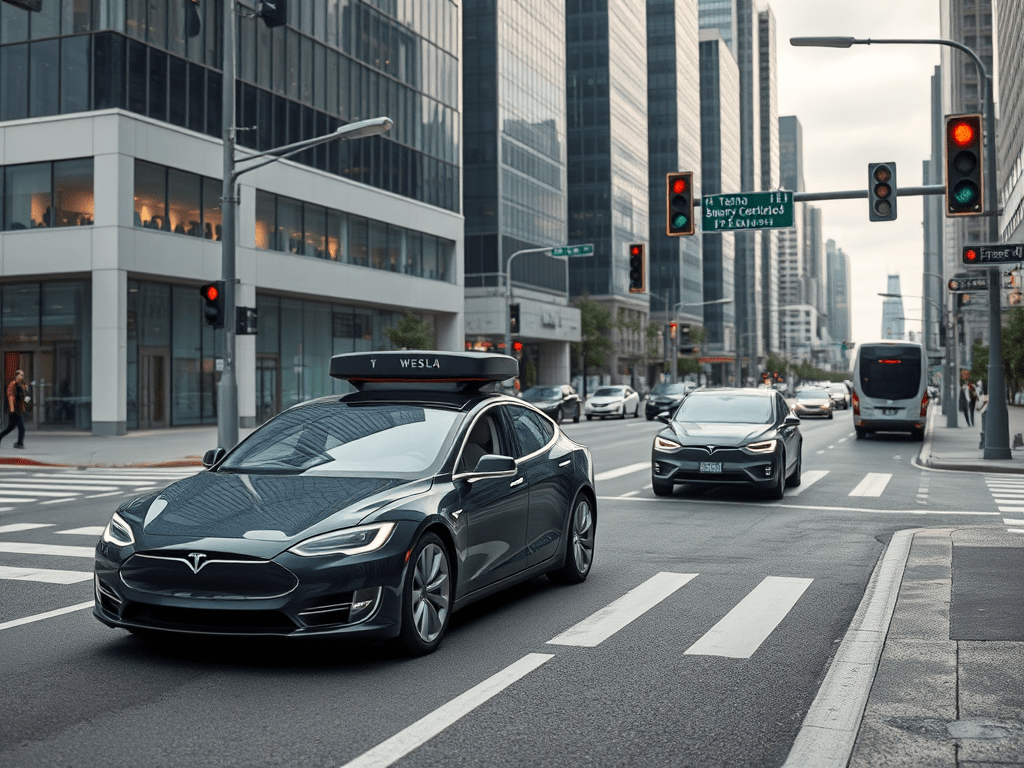
Moreover, self-driving technology holds the potential to significantly reduce accidents caused by human error, one of the leading causes of road fatalities. With AI systems equipped to process a multitude of inputs and respond to varied driving scenarios, the possibility of collisions decreases substantially. As autonomous vehicles gain popularity, public perception of safety will also improve, leading to increased adoption rates, thereby potentially lowering traffic fatalities worldwide.
In parallel, AI’s influence extends to public transportation systems, where autonomous buses and shuttles are making their debut. These vehicles use advanced AI algorithms to optimize routes, reduce wait times, and manage passenger flow. For example, autonomous shuttle services can analyze real-time data regarding passenger demand to adjust their routes accordingly. This results in efficient transport options in urban areas, making it easier for travelers to navigate cities and engage with local attractions.
As autonomous vehicles take to the roads, there are also prospects for last-mile solutions involving delivery drones and autonomous pods. These technologies are poised to revolutionize city travel and logistics, ensuring that travelers can access services and amenities with unprecedented ease. For instance, drones could deliver food, travel essentials, or even luggage directly to travelers at their accommodation, reducing the time and effort associated with ordering services.
The impact of autonomous transportation extends beyond convenience; it also has significant implications for environmental sustainability. Many autonomous vehicles are being designed with electrification in mind, reducing reliance on fossil fuels and contributing to decreased carbon emissions. As cities increasingly become focused on sustainability, the integration of autonomous electric vehicles in urban transportation systems aligns with global efforts to combat climate change.
However, the integration of autonomous vehicles necessitates careful consideration of regulatory frameworks and ethical concerns. Governments will need to establish guidelines for the safe testing and deployment of self-driving vehicles, along with addressing questions about liability in the event of accidents. Moreover, the shift towards autonomous transportation may affect job opportunities for traditional drivers, necessitating initiatives to retrain and upskill workers in the transportation sector.
Autonomous transportation driven by artificial intelligence is poised to reshape the future of travel, granting travelers greater agency, safety, and convenience. Self-driving cars, autonomous public transit, and last-mile delivery solutions hold the promise of an enhanced travel experience while aligning with sustainability goals. As the industry navigates this transformative landscape, it must confront the regulatory and ethical implications of incorporating autonomous systems, ensuring a balanced and responsible transition towards a new era of transportation.
Sustainable Travel Solutions Enabled by AI
As the awareness of environmental impact grows, the travel industry is increasingly turning to artificial intelligence for solutions that promote sustainability. AI technologies are playing a transformative role in creating more responsible travel practices, optimizing resources, and reducing carbon footprints. Over the next decade, we can expect to see a significant shift towards sustainable travel solutions powered by AI, benefiting both travelers and the environment.
One of the key areas where AI contributes to sustainability is in resource management within hospitality and travel services. Hotels and airlines are leveraging AI tools to optimize energy consumption, water usage, and waste management. For example, AI-driven systems can monitor energy consumption patterns and make real-time adjustments to heating, ventilation, and air conditioning (HVAC) systems, reducing energy wastes when occupancy levels are low. Similarly, AI can optimize schedules for washing linens or replenishing supplies, leading to fewer resources expended and minimizing environmental impact.
An essential advancement in sustainable travel solutions is the rise of smart travel planners that incorporate AI algorithms. These tools analyze travel data to provide travelers with environmentally friendly options, such as the most sustainable modes of transportation or accommodations that have eco-certifications. By suggesting alternatives like public transport, bicycles, or electric vehicles, AI encourages travelers to make choices that align with their values and priorities regarding sustainability.
Furthermore, AI’s capabilities in data analysis extend to optimizing travel routes and minimizing fuel consumption. Airlines and logistics companies can employ AI algorithms to plan flight paths that avoid unnecessary detours, optimizing fuel efficiency and reducing greenhouse gas emissions. These systems can also predict weather patterns and adapt routes accordingly, ensuring that fuel resources are utilized as efficiently as possible.
Additionally, AI is enhancing the environmental management of popular tourist destinations. Through data analysis and predictive modeling, travel companies and local authorities can gain insights into tourism patterns, allowing them to manage visitor flow more effectively. By analyzing data on peak times and popular attractions, AI systems can recommend optimized itineraries that distribute tourists more evenly throughout the destination, reducing overcrowding in sensitive areas and preserving local ecosystems.
AI-powered platforms are also instrumental in raising awareness about sustainable travel practices among consumers. By curating information and offering eco-friendly travel choices, these platforms help educate travelers on the importance of making responsible decisions. As travelers become more informed about the impact of their choices, they are more likely to prioritize sustainability during their trips.
However, as the travel industry embraces AI-driven sustainability initiatives, it is critical to address potential pitfalls and ensure that these technologies do not inadvertently exacerbate existing inequalities. For example, while AI optimization can lead to cost savings, it must not compromise on the quality of services provided to marginalized communities. Ensuring that sustainable practices are accessible and beneficial to all travelers is paramount in making meaningful strides toward responsible travel.
The partnership between artificial intelligence and sustainability is set to reshape the travel industry over the next decade. Through AI-driven resource management, smart travel planning, and optimizing transportation routes, we can usher in a new era of responsible travel practices that align with environmental goals. By prioritizing transparency and accessibility, the travel industry can contribute significantly to the global movement toward sustainability, ensuring that future generations can enjoy the benefits of exploration and adventure without compromising the planet.
Conclusion
In summary, the future of artificial intelligence in travel holds the promise of unparalleled transformation, offering travelers a wealth of opportunities for personalization, convenience, and sustainability. As we have explored, AI is driving advancements that enhance customer service, streamline travel planning, and facilitate autonomous transportation while enabling the travel industry to adopt more sustainable practices.
With the rise of personalized experiences, travelers can look forward to tailored recommendations that cater to their interests, making their journeys more fulfilling and enjoyable. The implementation of AI in customer service not only fosters instant accessibility but also defines a new standard of support, merging responsiveness with efficiency. Furthermore, the continuous evolution of travel planning tools powered by AI simplifies the often-daunting task of organizing trips, leading to richer experiences for users.
Autonomous transportation and sustainable solutions are paving the way for a future where travel becomes safer, more efficient, and environmentally conscious. As the industry embraces these technologies, the balance of innovation and ethical considerations will be crucial in addressing challenges, particularly around data privacy and job displacement.
Ultimately, the integration of AI in Travel promises to create a more enriching, responsible, and enjoyable travel experience for a diverse range of travelers. As we look toward the next decade, embracing this technology can lead to a transformative adventure for both the travel industry and those who seek to explore the world, allowing journeys to be not only memorable but also aligned with the values of sustainability and personalized connection.