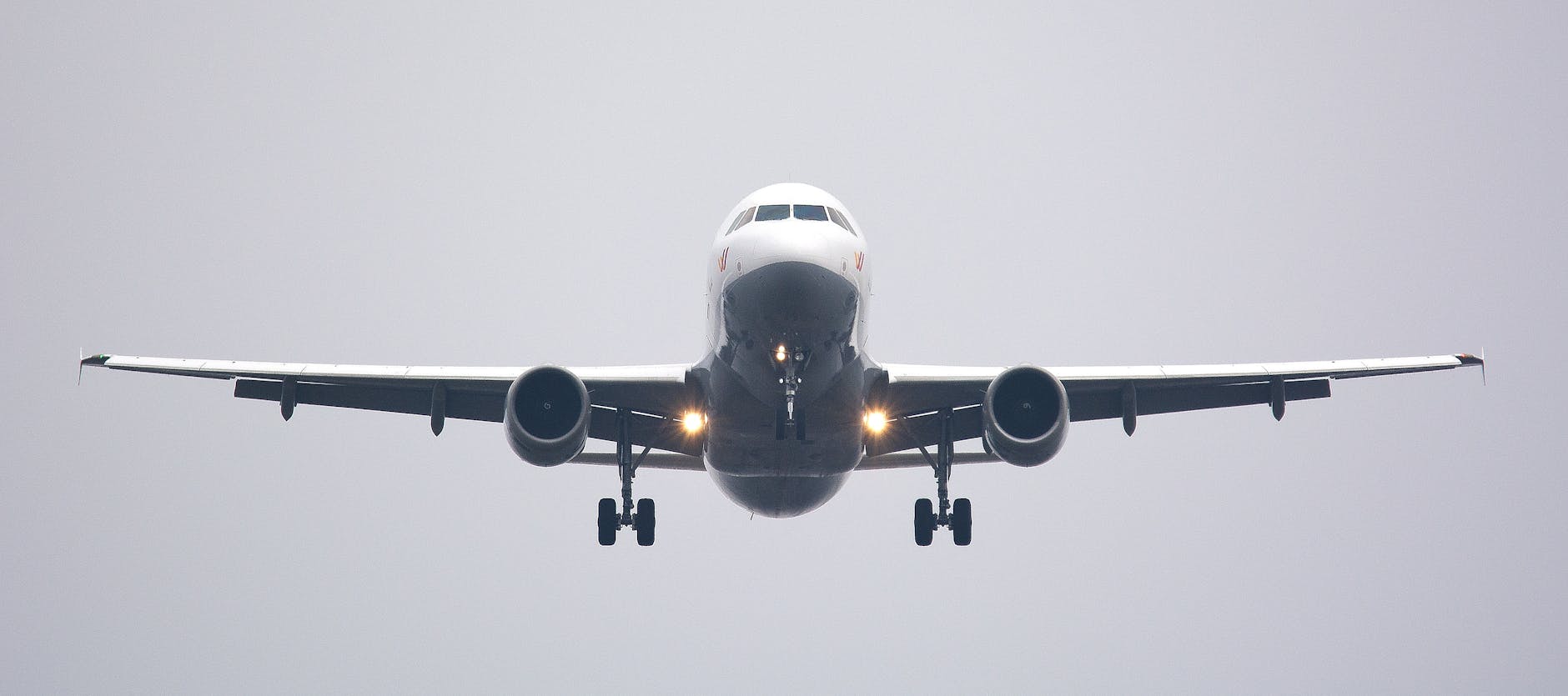
Introduction
Airbus has played a pivotal role in transforming the aviation industry since its inception. The history of airbus started in 1970, when the company was born out of a desire to challenge the dominance of Boeing in the commercial aircraft sector and to introduce innovation in the design and manufacturing of aircraft. Over the decades, Airbus has introduced groundbreaking technologies, advanced design concepts, and a remarkable range of aircraft models that have reshaped air travel globally. From the iconic A300, the world’s first twin-engined wide-body airliner, to the A380, the largest commercial aircraft ever built, Airbus has continually pushed the boundaries of aerospace technology. The company’s rise to prominence has not only altered the competitive landscape of aviation but has also established Airbus as a leader in the industry. Today, it stands at the forefront of innovations in sustainability, with a strong commitment to reducing the environmental impact of air travel.
The History of Airbus: Birth, Early Challenges, and Strategic Vision
Airbus was established in 1970 as a European initiative designed to compete with the American aerospace giant Boeing. Before its formation, the European aerospace sector was fragmented, with individual countries having separate aircraft manufacturers. The need for a unified approach to challenge Boeing, which had a dominant hold over the commercial aircraft market, became evident. Thus, Airbus was created through the collaboration of France’s Aérospatiale and Germany’s Deutsche Airbus, with the UK and Spain eventually joining the project.
The strategic vision behind Airbus was to create a consortium capable of designing and manufacturing advanced commercial aircraft that could compete directly with Boeing and McDonnell Douglas. The collaboration was initially controversial, as it involved the pooling of resources and expertise from several countries, each with its own aerospace tradition and goals. The French and Germans, in particular, had differing visions for what the company should look like, but these differences were gradually overcome as the potential of a joint effort became clear.
One of the primary early challenges for Airbus was securing initial funding and building a production capability that could match Boeing’s scale. The A300, Airbus’ first aircraft, faced significant hurdles during its development. It was a new design concept— a twin-engine, wide-body airliner. In the late 1960s, Boeing’s 747 was gaining significant attention as the “Jumbo Jet,” setting new standards for large aircraft. Boeing’s dominant position in the market left Airbus with little room for error.
The A300, however, overcame initial skepticism and made its first flight in 1972. The aircraft’s twin-engine design was revolutionary for its time, offering airlines a more fuel-efficient, cost-effective solution to the four-engine configurations common on large airliners. Despite the initial challenges, Airbus received support from European governments, which saw the strategic value in developing a competitive aerospace industry. The backing of governments in France, Germany, and Spain allowed Airbus to continue with its efforts, securing crucial orders from international airlines that saw the potential in a European-made airliner.
The success of the A300 was not instant. In fact, it was years before Airbus achieved profitability. But the plane’s innovative features, such as its more efficient engines and better fuel economy, led to strong orders in the long term. This set the stage for further advancements and development of the company’s future aircraft models.
Airbus’ early years also saw the development of its production facilities. The company established manufacturing plants in Toulouse, France, where the A300 was assembled. Over time, additional facilities were opened in Germany and Spain. The manufacturing process involved not only high-tech assembly lines but also innovative methods of aeronautical engineering, helping Airbus gain credibility and respect in the international aerospace community.
The formation of Airbus set in motion the company’s ambition to become a major player in the global aviation industry. While early struggles were inevitable, the strategic vision of combining European expertise in aerospace with the ambition to challenge the American giants allowed Airbus to establish itself as an influential force. Today, Airbus stands as a global leader in aircraft design and manufacturing, and its journey from its modest beginnings in the 1970s to its modern-day success has been nothing short of remarkable.
Technological Innovation: Groundbreaking Aircraft Designs and Advancements
One of Airbus’ most significant contributions to the aviation industry has been its consistent focus on technological innovation. Over the years, the company has introduced several groundbreaking aircraft designs that have revolutionized air travel and set new standards for the industry. From fuel-efficient designs to advanced materials and avionics, Airbus has been at the forefront of incorporating new technologies into its aircraft.
The A300, which was the world’s first twin-engined wide-body airliner, marked the beginning of Airbus’ reputation for challenging traditional aircraft designs. By using only two engines instead of four, the A300 offered significant fuel savings, which was a major selling point for airlines looking to reduce operational costs. This innovation set the stage for future Airbus models and pushed competitors to rethink their own aircraft designs.
Building on the success of the A300, Airbus went on to develop a range of aircraft models that incorporated new technologies and advanced engineering techniques. One of the most notable technological advances came with the development of the A320, the first commercial aircraft to feature a fully digital fly-by-wire control system. This system replaced traditional mechanical controls with electrical signals, offering more precise control and reducing the weight of the aircraft. The A320’s fly-by-wire technology was revolutionary and has since been adopted in nearly all modern commercial airliners.
The A320’s success was further amplified with the introduction of the A320neo (New Engine Option) in 2016. This model featured more fuel-efficient engines and other aerodynamic improvements, resulting in lower operating costs and a significantly reduced environmental footprint. The A320neo became one of the best-selling aircraft in history, and its success demonstrated Airbus’ ability to combine innovation with practicality to meet the needs of modern airlines.
In addition to advancements in aircraft design and control systems, Airbus has also pioneered the use of advanced materials in its aircraft. The company has led efforts to incorporate composite materials such as carbon fiber-reinforced polymers into its aircraft, reducing weight and increasing fuel efficiency. The A350 XWB, for example, is made of over 50% composite materials, a significant improvement over traditional aluminum construction. This results in better fuel efficiency, longer service intervals, and increased passenger comfort.
One of the most ambitious projects Airbus has undertaken is the development of the A380, the world’s largest commercial aircraft. With a capacity of over 800 passengers, the A380 was designed to meet the growing demand for long-haul air travel, especially between major hubs. The A380 incorporated the latest technologies in materials, aerodynamics, and fuel efficiency. While the aircraft’s production has slowed in recent years due to changing market demands, the A380 remains an engineering marvel and a testament to Airbus’ technological capabilities.
The company has also made significant strides in aviation sustainability, with a focus on reducing emissions and noise. Airbus has been actively working on hydrogen-powered aircraft and has unveiled concepts such as the Zeroe project, which aims to develop the world’s first zero-emission commercial aircraft by 2035. This vision reflects Airbus’ commitment to addressing the environmental challenges of air travel and pushing the boundaries of sustainable aviation.
Through these technological innovations, Airbus has consistently led the industry in introducing new features and aircraft designs that push the limits of aviation. Whether through the development of more efficient engines, lighter materials, or advanced control systems, Airbus continues to shape the future of air travel.
The Rivalry with Boeing: Competitive Dynamics and Market Impact
The rivalry between Airbus and Boeing is one of the most well-known and intense in the history of business. As the two largest commercial aircraft manufacturers in the world, their competition has significantly shaped the aviation industry. The dynamics between the two companies are a crucial aspect of Airbus’ history, as it has driven innovation, market strategies, and corporate growth.
From the very beginning, Airbus was positioned as a direct challenger to Boeing, which had dominated the commercial aircraft industry for decades. In the early years, Boeing’s 747 was the clear leader in large aircraft sales, and the U.S. company had established a stronghold in the market. However, the introduction of the A300 by Airbus in the 1970s signaled the beginning of serious competition. The A300’s twin-engine design presented a more fuel-efficient alternative to the 747’s four-engine configuration, marking the first step in a long-standing rivalry.
In the 1980s and 1990s, the competition between the two giants intensified with the development of narrow-body aircraft. Boeing introduced its 737, which became the best-selling commercial aircraft in history, while Airbus responded with the A320, which incorporated the revolutionary fly-by-wire technology. The A320 quickly became a success, attracting numerous orders from airlines worldwide, and has since become the most widely used aircraft in its class.
The rivalry escalated further with the launch of the A380, Airbus’ flagship wide-body, double-deck aircraft. Boeing, seeing the success of the A380, responded with its own large aircraft, the 787 Dreamliner, which featured cutting-edge materials, fuel efficiency, and comfort. While the A380 was designed to carry the maximum number of passengers, the 787 was developed for long-haul, fuel-efficient flights with fewer passengers. The two aircraft symbolized the different philosophies of the two companies: Airbus focused on sheer capacity, while Boeing focused on flexibility and fuel savings.
Over the years, the rivalry between Airbus and Boeing has led to intense competition for market share, with both companies vying for lucrative airline contracts and government deals. The competition has also led to rapid technological advancements, as both companies work to outdo each other with innovative aircraft designs. Additionally, the rivalry has pushed both manufacturers to improve their customer service, operational efficiency, and global reach.
Despite the competition, both companies have maintained their positions as industry leaders. However, Airbus has gained significant ground, especially in the narrow-body market, where the A320 family has captured a larger share of the market than Boeing’s 737 series in recent years.
Sustainability and Environmental Focus: Airbus’ Commitment to Green Aviation
Airbus has long been committed to sustainability, recognizing the critical role that the aviation industry plays in global carbon emissions. As environmental concerns have gained more prominence, Airbus has been at the forefront of developing sustainable aviation technologies to reduce the industry’s ecological footprint.
One of the most important steps Airbus has taken in its pursuit of sustainability is its development of fuel-efficient aircraft. The company’s focus on reducing emissions and fuel consumption has led to the creation of aircraft such as the A350 XWB and A320neo, which incorporate advanced materials, more efficient engines, and aerodynamically optimized designs. These improvements help to reduce fuel burn and carbon emissions, making air travel more environmentally friendly.
Furthermore, Airbus has been a leader in exploring alternative fuels for aviation. The company has worked with industry stakeholders to promote the use of biofuels, which can significantly reduce the carbon footprint of flights. In 2008, Airbus conducted the first ever commercial flight powered by biofuels, marking a significant milestone in sustainable aviation.
The company’s commitment to sustainability goes beyond fuel efficiency. Airbus is actively pursuing the development of hydrogen-powered aircraft as part of its Zeroe initiative. This groundbreaking project seeks to create the world’s first zero-emission commercial aircraft by 2035, powered by hydrogen fuel. The development of hydrogen-powered aircraft has the potential to completely transform the aviation industry by eliminating carbon emissions from air travel.
In addition to these technological efforts, Airbus has also focused on reducing the environmental impact of its manufacturing processes. The company has implemented various initiatives to reduce energy consumption, minimize waste, and lower emissions at its production facilities. Airbus’ efforts to reduce its carbon footprint extend across the entire life cycle of its aircraft, from production to operation.
Through its commitment to sustainability, Airbus has positioned itself as a leader in green aviation. By developing fuel-efficient technologies, promoting the use of alternative fuels, and working toward hydrogen-powered aircraft, Airbus is helping to shape the future of environmentally friendly air travel.
Airbus Today: Current Achievements, Challenges, and Future Prospects
Today, Airbus is one of the world’s leading aircraft manufacturers, with a portfolio of innovative products and a strong market presence. The company continues to thrive despite the challenges it has faced over the years, including fierce competition from Boeing, economic downturns, and global crises like the COVID-19 pandemic.
In terms of achievements, Airbus continues to set new records for aircraft deliveries and orders. Its A320neo family remains one of the best-selling aircraft in history, and the company has recently introduced new variants, such as the A321XLR, to meet the demand for long-range, fuel-efficient aircraft. Additionally, the company has continued to innovate with the development of the A350 XWB, which has been praised for its cutting-edge design, fuel efficiency, and passenger comfort.
Despite its successes, Airbus faces significant challenges. One of the most pressing challenges is the ongoing supply chain disruptions caused by the global pandemic and geopolitical tensions. These disruptions have affected Airbus’ ability to meet delivery targets and maintain consistent production rates. Additionally, the company faces ongoing pressure to continue innovating, particularly in the areas of sustainability and alternative fuels, as environmental regulations continue to tighten.
Looking to the future, Airbus remains focused on sustainability and innovation. The company is working toward achieving its long-term goal of producing a zero-emission hydrogen-powered aircraft by 2035, a project that could transform the aviation industry. Furthermore, Airbus is exploring opportunities in urban air mobility and electric aircraft as part of its vision for the future of transportation.
The company’s strong leadership, commitment to sustainability, and continuous innovation position Airbus for long-term success. As the aviation industry evolves, Airbus will continue to play a central role in shaping the future of air travel.
Conclusion
Airbus has made a profound impact on the aviation industry since its inception. From its humble beginnings as a European consortium aimed at competing with Boeing to its status as a global leader in aircraft manufacturing, Airbus has consistently driven technological innovation, reshaped the competitive dynamics of the aviation market, and focused on sustainability. The company’s commitment to developing cutting-edge aircraft designs, improving fuel efficiency, and reducing environmental impact demonstrates its forward-thinking approach. Today, Airbus stands at the forefront of the aviation industry, with a strong market position and a clear vision for the future. As the industry continues to evolve, Airbus will likely continue to play a central role in shaping the future of air travel, with a focus on sustainability, efficiency, and technological advancement.