Introduction
Bruges, often referred to as the “Venice of the North,” is renowned for its pristine canals and medieval charm. The city is a treasure trove of Bruges Architecture, showcasing some of the finest examples of Flemish Gothic beauty. From grand cathedrals to quaint brick houses, every corner of Bruges reflects its rich history and cultural heritage. The architectural landscape is a testament to the city’s wealth during the Middle Ages when it flourished as a key trading hub in Europe. Today, Bruges Architecture continues to draw tourists and architecture enthusiasts alike, eager to explore the intricate details and historical significance of its structures. In this article, we delve into the various aspects of Bruges architecture, celebrating its unique style and enduring legacy while examining the efforts made to preserve its magnificence for future generations.
The Historical Context of Bruges Architecture
The evolution of Bruges Architecture is deeply rooted in the city’s history, which dates back to the Roman era. Over the centuries, Bruges transformed into a vital trade center, particularly during the 12th to 15th centuries, known as its Golden Age. This period was marked by wealth and prosperity, which significantly influenced the city’s architectural development. The emergence of the Flemish Gothic style during this time was a natural response to the growing affluence of its citizens, as they desired grand structures that reflected their status.
Bruges architecture during the Middle Ages was marked by the use of local materials, primarily brick, and meticulous craftsmanship. Many buildings from this period showcase the hallmark characteristics of Flemish Gothic design, with their pointed arches, ribbed vaults, and elaborate decorations. The use of rich colors and intricate details in these structures highlights the city’s dedication to aesthetic appeal.
One cannot discuss the historical context of Bruges Architecture without mentioning the influence of religious institutions. The construction of churches and cathedrals played a significant role in shaping the architectural landscape of Bruges. The Basilica of the Holy Blood and the Church of Our Lady are prime examples of how ecclesiastical needs drove architectural innovation. These structures not only served as places of worship but also as community centers, fostering social interaction and cultural development.

As Bruges continued to thrive in trade, its inhabitants sought to outdo one another in terms of property. Wealthy merchants commissioned elaborate homes and guild halls, leading to a rich tapestry of architectural styles. This competitive spirit is clearly evident in the opulence of structures like the Belfry of Bruges and the Market Square, where the municipal building and merchant guilds display their grandeur.
Throughout the Renaissance, Bruges architecture began to incorporate new styles and ideas, albeit slowly. The blending of Gothic elements with newly emerging Renaissance features created a unique architectural vernacular that set Bruges apart from other European cities. The resilience of Bruges Architecture during times of economic downturn also speaks volumes about the city’s commitment to preserving its architectural heritage.
Today, the historical context of Bruges architecture is not merely an academic pursuit; it remains a living part of the city’s identity. Restoration efforts and conservation projects aim to protect its rich architectural legacy, ensuring that future generations can experience the beauty of Bruges as it was, without succumbing to modernity’s often jarring contrasts.
The historical context of Bruges Architecture provides essential insights into the city’s socio-economic conditions and cultural ambitions throughout the centuries. The city stands as a resilient embodiment of its past, where each building tells a story of craftsmanship, artistry, and the ever-evolving narrative of Bruges.
Signature Elements of Flemish Gothic Design
Flemish Gothic architecture is characterized by its striking aesthetics and structural innovation, making it a unique facet of Bruges architecture. This architectural style emerged in the late medieval period and reached its peak during the 14th and 15th centuries, particularly in Bruges, where its influence remains profound. The features typical of Flemish Gothic design serve not only aesthetic purposes but also reflect the city’s historical richness and the ingenuity of its builders.
One of the most defining characteristics of Bruges Architecture in the Flemish Gothic style is the use of red brick as the primary construction material. Unlike much of Europe, where stone was the dominant material, Bruges opted for the local red brick, allowing for distinctively textured and colorful facades. This choice was influenced by both availability and a desire for uniqueness, and it enabled the builders to create intricate patterns and detailed motifs that adorn many of the city’s buildings.
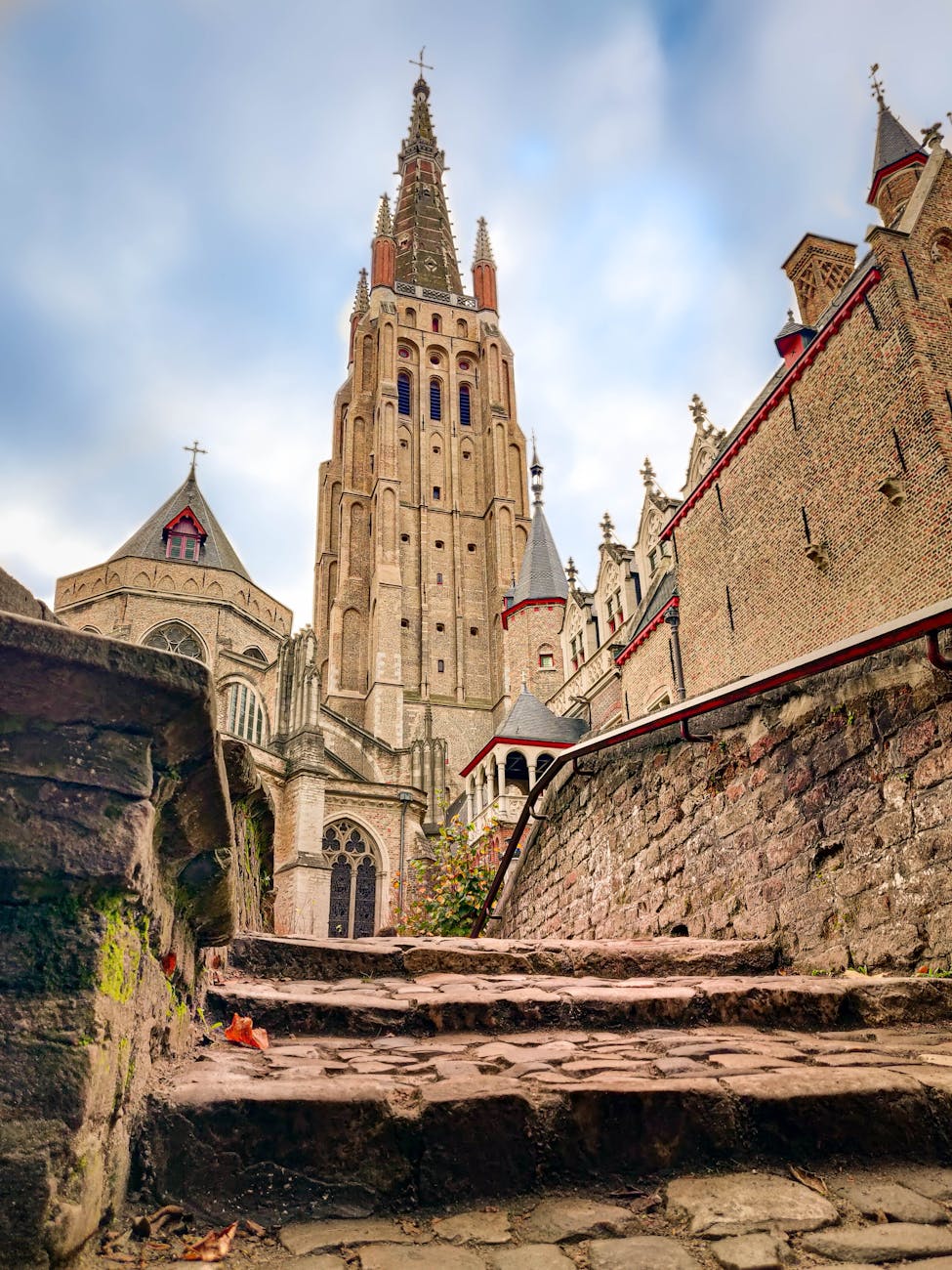
Another signature element of Flemish Gothic design is the elaborate ornamentation that embellishes facades, doorways, and windows. Detailed stone carvings, statues, and decorative reliefs portray biblical scenes, mythological figures, and emblems of guilds or families, creating a narrative that speaks to the viewer. Examples of this can be seen in the intricate facade of the Church of Our Lady, where the external decorations vie for attention with its towering spire, the highest in the city.
The pointed arch is another hallmark of Bruges Architecture, exemplifying the stylistic shift from Romanesque to Gothic. This architectural feature not only enhanced the aesthetic appeal but also improved structural stability, allowing for taller and more spacious interiors. Within the churches and civic buildings of Bruges, such as the Basilica of the Holy Blood, these arches create magnificent vaults that draw the eye upward, symbolizing spiritual transcendence.
Large windows with intricate tracery also characterize Flemish Gothic structures, allowing light to flood into the interiors while providing visual delight from the outside. These windows often feature stained glass, which was both a decorative and functional element, telling stories and reflecting the values of the community. The sight of sunlight streaming through the colorful panes accentuates the religious and cultural significance of spaces, enhancing the experience of those who visit.
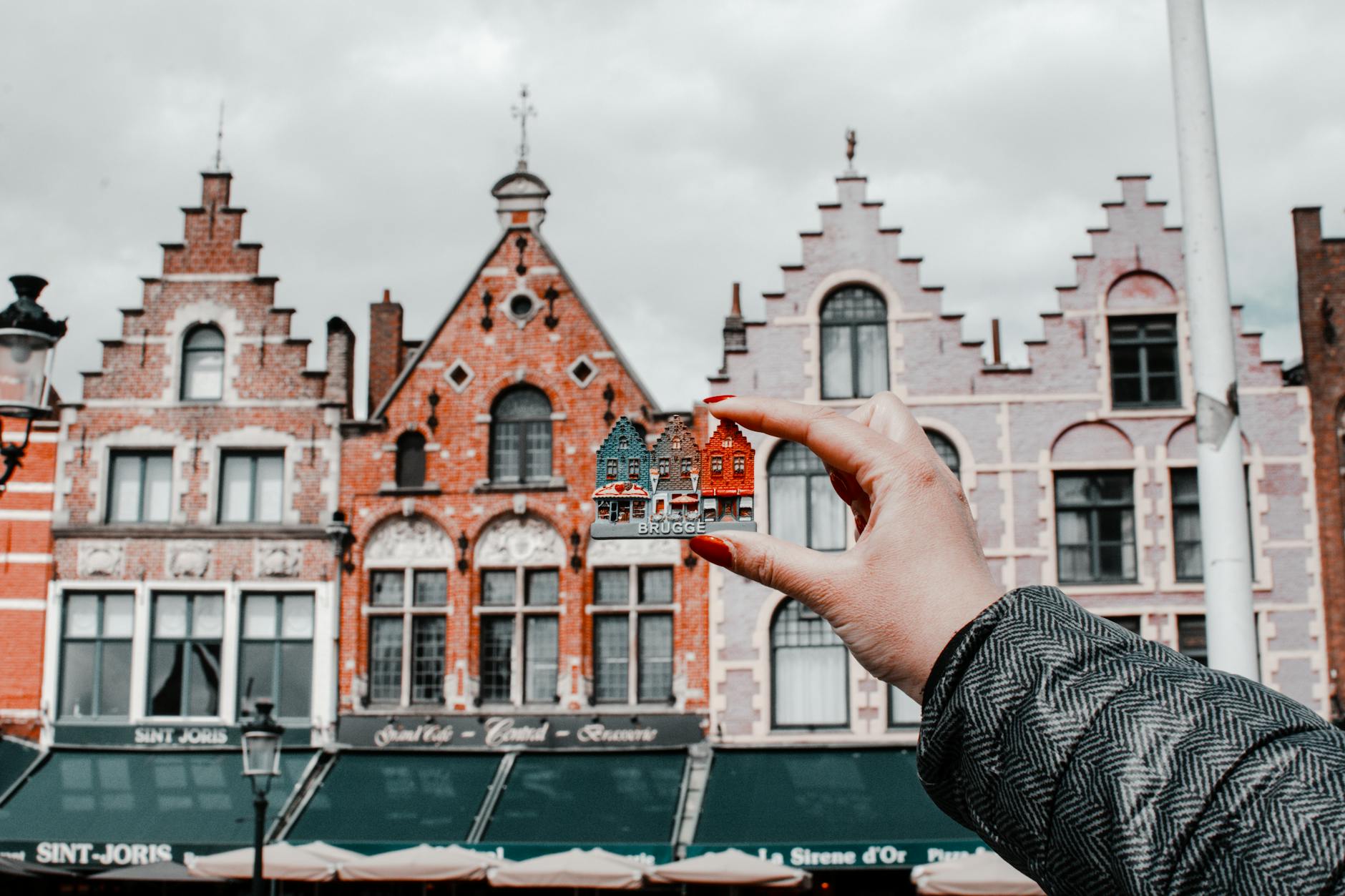
Additionally, gabled roofs with stepped profiles are a common feature in Bruges architecture, seen especially in the residential buildings around the city. These roofs are not only practical in ensuring water drainage but also add to the skyline’s dramatic aesthetic. The gables are often adorned with sculptures or other decorative elements, further enhancing their visual appeal and cultural significance.
Moreover, the spatial organization of Flemish Gothic buildings often emphasizes verticality and grandeur, a characteristic that is evident in structures like the Belfry of Bruges. This tower serves as a focal point around which the city was developed and remains an iconic symbol of Bruges architecture. Its prominence and design reflect the city’s historical importance and the desire for civic pride.

The signature elements of Flemish Gothic design are integral to the identity of Bruges architecture. The use of red brick, elaborate ornamentation, pointed arches, large windows, gabled roofs, and a focus on verticality all contribute to the unique character of the city. These elements are not merely decorative; they embody the historical, cultural, and spiritual narratives of Bruges, inviting residents and visitors alike to appreciate the architectural beauty that has stood the test of time.
Iconic Structures: Landmarks of Bruges Architecture
Bruges is home to an array of iconic structures that exemplify the beauty and grandeur of Bruges architecture. Each landmark serves as a testament to the city’s historical significance, architectural innovation, and cultural vibrancy. Many of these buildings are not only visually stunning but also rich in history, making them essential stops for anyone looking to explore the essence of Bruges.
One of the most prominent landmarks is the Belfry of Bruges, an architectural marvel that stands at an impressive 83 meters. Completed in the 13th century, this tower served as a watchtower and a bell tower, symbolizing the city’s autonomy and wealth. Visitors can climb the 366 steps to the top, where they are rewarded with panoramic views of Bruges and the surrounding countryside. The Belfry is not only a striking example of Bruges Architecture but also a beloved symbol of the city’s heritage.
Another iconic structure is the Basilica of the Holy Blood, which is unique for its blend of architectural styles. The basilica, built in the 12th century, features both Romanesque and Gothic elements, showcasing the evolution of Bruges architecture over the centuries. Its most revered artifact, a relic believed to contain the blood of Christ, draws countless pilgrims and visitors each year. The ornate interior, adorned with intricate woodwork and beautiful stained glass, offers a glimpse into the spiritual heart of Bruges.
The Church of Our Lady, home to the famous Michelangelo sculpture “Madonna and Child,” is another essential landmark. This church boasts one of the highest brick spires in the world, reaching a height of 122 meters. The facade is emblematic of Flemish Gothic design, with its pointed arches and intricate carvings. The interior is equally awe-inspiring, featuring vibrant murals and the renowned sculpture that captivates visitors. The Church of Our Lady serves as a significant cultural hub, representing both the artistic and religious legacy of Bruges.
The Market Square, or Markt, is the vibrant heart of Bruges and a prime example of urban elegance in Bruges Architecture. Surrounded by impressive guildhalls and the magnificent Provincial Court, this square has been a gathering place for centuries. The ornate facades of the guildhalls display a mix of architectural styles, showcasing the wealthy history of Bruges through their elaborate decorations. The square features a central statue of Jan Breydel and Pieter de Coninck, which further emphasizes the city’s historical significance.

The Gruuthuse Museum, housed in a former nobleman’s residence, offers a glimpse into Medieval Bruges architecture. This structure showcases various building techniques and materials typical of the era. Visitors can marvel at the museum’s impressive collection of artifacts reflecting Bruges’s history, including tapestries, manuscripts, and decorative arts. The combination of the museum’s architectural richness paired with its collections provides a comprehensive overview of the cultural and artistic history of Bruges.
The iconic structures of Bruges architecture epitomize the city’s rich heritage and artistic endeavors. From the majestic Belfry of Bruges to the serene beauty of the Church of Our Lady, these landmarks tell the story of Bruges throughout the ages. Each structure serves as a bridge between the past and the present, allowing visitors to appreciate the depth of Bruges Architecture while experiencing the city’s vibrant culture today.
The Influence of Bruges Architecture on Modern Design
The impact of Bruges architecture extends far beyond its stunning medieval structures, as it has significantly influenced modern design principles. The city, with its unique blend of historical styles, serves as an inspiration for contemporary architects and designers looking to create spaces that resonate with the past while embracing the future. The interplay between Bruges Architecture and modern design can be seen in various facets, including urban planning, building materials, and architectural aesthetics.
One of the primary ways in which Bruges architecture has influenced modern design is through the emphasis on harmonious integration with natural surroundings. The city’s layout, characterized by its canals and green spaces, underscores a crucial principle of modern architecture: the relationship between the built environment and nature. Contemporary architects draw inspiration from Bruges’s scenic vistas, promoting designs that incorporate natural elements and prioritize sustainability. This approach not only enhances aesthetic appeal but also fosters a sense of community and well-being among residents.
Another vital aspect of Bruges architecture that has found its way into modern design is the focus on craftsmanship and material authenticity. The meticulous attention to detail and the use of locally-sourced materials, such as red brick, exemplify a commitment to quality that resonates with contemporary architects. Many modern designs prioritize artisanal techniques and high-quality materials, echoing the craftsmanship seen in historical Bruges buildings. This revival of traditional methods fosters a deeper connection between the structure, the environment, and the community, paralleling the values reflected in Bruges Architecture.
Moreover, the unique aesthetic of Bruges architecture has inspired a resurgence of Gothic elements in modern design. Contemporary architects are revisiting the use of pointed arches, intricate facades, and decorative motifs that were once prominent in Bruges. These features are adapted to fit modern sensibilities, allowing for a fresh interpretation of historical styles. This architectural dialogue between past and present encourages innovation while honoring the heritage encapsulated in Bruges’s iconic buildings.
Urban design principles derived from Bruges’s historical development have also influenced modern planning. The city’s walkability, pedestrian-friendly spaces, and the integration of public squares highlight the importance of creating environments that prioritize human interaction. Modern urban planners are increasingly adopting these elements to create vibrant, inclusive spaces that foster community engagement and social interaction. The revival of public squares and communal areas in contemporary cities reflects Bruges’s historical ethos while addressing modern urban challenges.
Additionally, the preservation efforts undertaken in Bruges serve as a model for contemporary approaches to heritage conservation. As cities around the world grapple with rapid development and mainstream urbanization, the methods employed in Bruges reveal the importance of balancing growth with preservation. The city’s commitment to maintaining its architectural integrity while accommodating modern needs highlights the role of adaptive reuse in contemporary design. This approach fosters sustainability and celebrates historical narratives, encouraging a sense of place that resonates with both residents and visitors.
The influence of Bruges architecture on modern design is profound and multifaceted. From the harmonious relationship between built structures and nature to the commitment to craftsmanship and material integrity, elements of Bruges Architecture continue to shape contemporary architectural practices. As architects and urban planners draw inspiration from the city’s rich heritage, they forge a path that honors the past while embracing the possibilities of the future. Bruges stands as a testament to the enduring power of architecture to connect us with our history and inspire new generations of creators.
Preservation Efforts for Bruges’s Architectural Heritage
Preserving the architectural heritage of Bruges is of paramount importance, as the city’s unique identity and historical significance are inextricably linked to its buildings. As a UNESCO World Heritage site, Bruges is recognized globally for its remarkable architectural achievements and history. The preservation of Bruges Architecture involves a multifaceted approach aimed at maintaining the authenticity, integrity, and beauty of its historic structures while simultaneously adapting to contemporary needs.
One of the critical components of preservation efforts in Bruges is the active involvement of local authorities and heritage organizations. The city’s government works closely with various stakeholders, including cultural foundations and non-profit organizations, to ensure that preservation policies are effectively implemented. These collaborations help raise awareness about the importance of architectural conservation and allow for funding opportunities dedicated to restoration projects.

A key aspect of preserving Bruges architecture involves the careful monitoring of restoration practices. Expert architects and historians are often consulted during renovation projects to ensure that any changes made respect the original design intent and materials of the building. This collaborative approach ensures that renovations maintain the authentic character of historical structures while addressing concerns related to safety, functionality, and accessibility.
Moreover, community engagement plays a vital role in the preservation of Bruges architecture. Local residents and business owners are encouraged to participate in discussions surrounding conservation efforts, allowing their voices to be heard in decisions that affect their neighborhoods. Organizing public initiatives, such as guided tours and workshops, fosters a sense of pride and ownership among residents, strengthening their commitment to preserving the city’s architectural identity.
In addition to these efforts, the city employs a proactive approach to archaeological research and documentation. Thorough studies of existing structures and ongoing excavations provide valuable insights into Bruges’s architectural evolution over time. This knowledge allows preservationists to make informed decisions, ensuring that restoration practices reflect the historical significance of structures while adapting to modern needs.
Another aspect of preservation is the emphasis on sustainable practices. The restoration of historic structures often involves the use of eco-friendly materials and techniques that minimize environmental impact. For example, energy-efficient systems are integrated into buildings while maintaining their historical appearance. Such practices ensure that Bruges’s architectural heritage remains relevant and functional for contemporary societal needs while preserving its legacy for future generations.
Efforts to maintain Bruges architecture also extend to public spaces and infrastructure. The city’s commitment to creating pedestrian-friendly environments enhances visitor experiences while ensuring the preservation of historical views and sightlines. Modern interventions, such as the installation of informative signage and accessible paths, aim to enhance public engagement with the city’s architectural historical narrative.
Preservation efforts for Bruges’s architectural heritage embody a holistic approach that respects the city’s unique identity and historical significance. The collaborative partnerships among local authorities, residents, and preservationists foster a shared commitment to maintaining the authenticity and integrity of Bruges Architecture. As the city continues to balance modernity with tradition, these efforts ensure that the architectural beauty of Bruges is preserved for generations to come.
Conclusion
Bruges architecture stands as a testament to the city’s rich history, artistic expression, and cultural identity. The majestic showcase of Flemish Gothic beauty captivates visitors and continues to inspire modern design principles. From the historical context that shaped its evolution to the signature elements that define its aesthetic, Bruges Architecture encapsulates the city’s spirit, showcasing its resilience and adaptability over centuries.
As we explore the iconic structures that have become symbols of Bruges, we recognize the stories and legacies embedded in their walls. Each landmark is a reflection of the societal values and aspirations of the time, reminding us of the importance of preserving our architectural heritage. Furthermore, the influence of Bruges architecture on modern design demonstrates a dialogue between past and present, highlighting how historical inspiration can shape the future of urban environments.
The ongoing preservation efforts showcase the dedication of the Bruges community to maintain the authenticity and integrity of their architectural treasures. By fostering partnerships among local authorities, residents, and heritage organizations, the city is ensuring that its unique architectural voice continues to resonate.
The beauty and significance of Bruges architecture inspire and inform all who encounter it. As we celebrate this magnificent showcase of Flemish Gothic beauty, let us remember the importance of preserving its legacy, fostering connections to our shared history, and championing the architectural identities that enrich our lives.