
Introduction
Stockholm Subway Architecture is not merely a means of transportation; it serves as a canvas that showcases the artistic essence of the city. Spanning over 110 kilometers, the Stockholm subway system is often referred to as the world’s longest art gallery. Established in the mid-20th century, this underground marvel features striking murals, sculptures, and unique designs that transform mundane travel into an immersive art experience. Each of the 100 stations tells its own story through art and design that reflects both the historical and contemporary aspects of Swedish culture. As you journey through the labyrinth of tunnels and vibrant platforms, you encounter a blend of creativity and functionality, offering a glimpse into the artistry that defines Stockholm’s subway. This article delves into the multi-faceted world of Stockholm Subway Architecture, exploring its historical context, artistic expressions, notable stations, and the architects responsible for this extraordinary visual journey.
The Historical Context of Stockholm Subway Architecture
Stockholm Subway Architecture is deeply rooted in the city’s progress and urban development. The origins of the subway can be traced back to the mid-20th century, with the first line inaugurated in 1950. At the time, Stockholm was experiencing rapid population growth, and a modern transportation solution was paramount to manage urban expansion. The planners envisioned a subway system that not only met functional needs but also enriched the cultural landscape of the city.
In the late 1940s and early 1950s, Stockholm underwent significant modernization, and the subway project was a part of this sweeping change. Initially, the focus was solely on constructing a reliable transport system. However, recognizing the unique opportunity to integrate art into public spaces, city officials decided to commission artists for the subway stations. This decision marks a pivotal point in Stockholm Subway Architecture, as it transformed ordinary transit stations into vibrant cultural landmarks.
The architectural style during this period was influenced by modernism, emphasizing clean lines and functional designs. However, the introduction of art redefined these spaces, creating an eclectic mix of aesthetics. Artists like Siri Derkert and Carl Milles were among the first to contribute, bringing their unique styles and visions to the subway architecture that would identify it as a cultural destination in its own right.
During subsequent decades, the trend of integrating art continued to flourish. Artists from various genres, including painters, sculptors, and graphic designers, were invited to collaborate with architects, ensuring that Stockholm Subway Architecture was continually evolving. The subway became a platform not only for transportation but also for self-expression and community engagement. Each station tells a different story, reflecting local history, culture, and values, and often serving as a historical archive of the city’s evolution.
The construction of new lines in the 1970s and beyond further expanded the artistic themes found in Stockholm Subway Architecture. The introduction of modern materials and techniques allowed for bolder artistic expressions. Stations like T-Centralen and Kungsträdgården became emblematic of the spirit of innovation, showcasing unique installations that defy conventional decorum.

Stockholm’s subway stations have remained relevant over the years, adapting to contemporary tastes while preserving their rich history. The response from the public has been overwhelmingly positive, with residents prideful of having such a diverse tapestry of art that is both functional and beautiful. This inclusive approach helped forge a deep connection between the art displayed and its public audience, making the subway more than just a transit system—it became a cultural experience.
In recent years, there has been a renewed interest in Stockholm Subway Architecture as a tourist attraction. Visitors from around the globe travel specifically to ride the subway and witness firsthand the artistic marvels it houses. This newfound popularity has sparked debates around the preservation and maintenance of these artistic elements in the face of modernization and increased ridership.
The historical context of Stockholm Subway Architecture emphasizes the importance of thoughtful urban planning and its ability to weave culture into the fabric of daily life. The balance between functionality and art reveals how transportation infrastructure can serve as a beacon of identity, pride, and creativity for a city. This journey through the Stockholm subway not only serves its primary purpose of transportation but also offers an ongoing dialogue between art and public space, a legacy that continues to thrive today.
The Artistic Expression Found in Every Station
Art in Stockholm Subway Architecture extends beyond mere decoration; it is a core aspect of the identity of each station. Renowned artists have transformed otherwise utilitarian spaces into visually engaging environments that invite exploration and interaction. The diverse artistic expressions found in the subway encompass a multitude of styles and mediums, each adding its own voice to the narrative of the city.
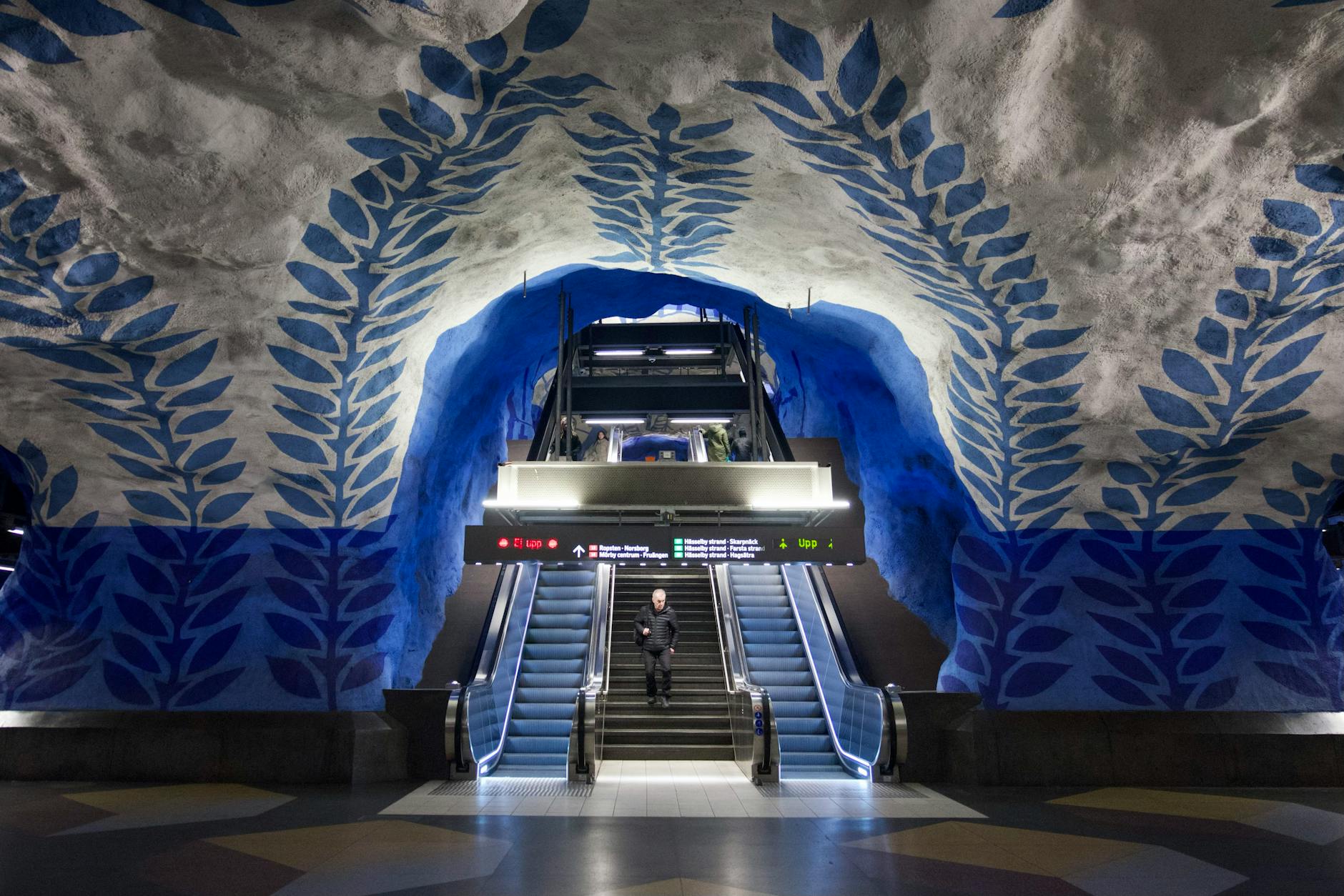
Each station features unique artwork that can range from elaborate mosaics to stunning sculptures and intricate tile work. The ingenuity of the installed pieces not only captures the imagination but also serves to enhance the commuter experience. Take the T-Centralen station, for instance, where an expansive blue tunnel adorned with abstract glass and metalwork creates a sense of movement and fluidity, mimicking the trains that traverse the tunnels—a true hallmark of Stockholm Subway Architecture.
Art installations often reflect the history and cultural significance of their respective areas. For example, the murals at Östermalmstorg station depict elements of local life, celebrating the vibrancy and richness of the surrounding neighborhood. Similarly, the artwork in the KungsträdgÃ¥rden station draws inspiration from the nearby Royal Garden, complementing the area’s verdant aesthetic with floral motifs, thus embedding the environment into the fabric of the subway system.
What sets Stockholm Subway Architecture apart is the level of collaboration between architects and artists, with each station feeling like a curated exhibition. This spirit of collaboration has allowed artists to engage with spatial challenges and work with architects in innovative ways, creating immersive experiences for travelers.
Moreover, themes of nature, history, and society are prevalent in Stockholm Subway Architecture. The artwork often serves to engage commuters in dialogues about social issues, environmental concerns, or historical narratives tied to the city. For example, the Gamla Stan station is renowned for its tile murals that portray scenes from Stockholm’s Old Town, effectively immortalizing the architecture and ambiance of this historic district within the subway setting.
Cultural diversity is another significant aspect of the artistic expression in the subway. Artists from various backgrounds have contributed their perspectives, making the artwork a rich tapestry that reflects the multicultural essence of Stockholm. Each piece is an invitation to discover and appreciate different cultures, ideals, and histories, fostering a deeper understanding among residents and visitors alike.
Furthermore, the evolution of modern technology has also played a role in shaping the artistic dimension of Stockholm Subway Architecture. Digital displays showcasing dynamic art installations or thematic exhibitions enhance the visual landscape, adapting to contemporary tastes and trends. The future of art in the subway will likely continue to intertwine with technology, offering even more interactive experiences for riders.
The role of community engagement in shaping these artistic expressions cannot be understated. Workshops and public art projects have encouraged local participation, giving residents a sense of ownership over the art displayed in their daily commute. This initiative helps to inform and inspire new generations of artists and architects who will carry forth the legacy of Stockholm Subway Architecture.
In sum, the artistic expression found in every station of the Stockholm subway is a testament to the city’s dedication to creating a unique public space that marries functionality with creativity. Each piece serves not only as a visual delight but also as a conduit for storytelling, community engagement, and cultural expression, cementing Stockholm’s status as a city where art and transportation intersect seamlessly.
Notable Stations as Architectural Landmarks
The Stockholm subway is home to numerous notable stations, each serving as a testament to the innovative and eclectic nature of its architecture. These stations have become landmarks in their own right, celebrated for their artistic brilliance and architectural significance. The distinct styles showcased at various stops reveal the essence of Stockholm Subway Architecture and the thoughtful design choices that have gone into each location.
One of the most iconic stations is T-Centralen, known for its expansive, undulating blue tunnel. Designed by artist Per Olof Ultvedt, the tunnel features intricate mosaics that evoke a sense of movement and depth. This station serves as the central hub of the subway system, connecting all lines, and its artistic design reflects the bustling energy of Stockholm. T-Centralen is a perfect example of how art can enhance spatial awareness and the overall travel experience.
Another prominent station is KungsträdgÃ¥rden, which showcases an marvelous blend of architectural styles and artistic installations. The station’s central hall features a stunning glass ceiling that allows natural light to illuminate the exquisite murals and sculptures within the space. The design pays homage to the nearby Royal Garden’s historical significance, intertwining the natural beauty of the garden with subway transit. The integration of art into the station’s architecture creates an enchanting environment for visitors.
The station at Solna Centrum is another highlight of Stockholm Subway Architecture. Famous for its striking red and blue color scheme, it features a unique cave-like design that transports commuters into another world. The bold artistic choices made at Solna Centrum elevate the station from a mere transit point to an immersive experience. The interplay of light and shadow in the station’s design further adds to its dramatic effect, highlighting the art and architecture in conjunction.

One cannot overlook the beautiful artwork at Stadion station, which draws inspiration from the nearby Olympic Arena. The station features murals that depict various sports and athletic achievements, celebrating Sweden’s rich involvement in athletics. The artistic contributions here not only serve as a tribute to sporting history but also engage commuters in a dialogue about physicality and competition. This thematic design and the connection to the surrounding area make Stadion a memorable stop for travelers.

Further down the line, the Östermalmstorg station stands out for its sophisticated design. With grand entrances and luxurious finishes, it offers a more polished look compared to other stations in the network. The decorative elements, such as ornate railings and elegant tiling, create a sense of opulence that pays homage to the upscale neighborhood in which it is located. The combination of historical influence with contemporary design principles showcases the versatility of the Stockholm Subway Architecture.
Despite their differences, these notable stations share a common thread: they serve as architectural landmarks that elevate the commuting experience. Each station has been designed with meticulous attention to detail, blending artistry with functionality. Artists and architects have worked collaboratively to ensure that the stations reflect the character and identity of the surrounding neighborhoods.
The impact of these landmark stations extends beyond their immediate surroundings; they have become focal points for cultural engagement and tourism. Many visitors come to Stockholm specifically to explore the subway system, making it an essential part of their travel itinerary. This phenomenon emphasizes the necessity of preserving and maintaining these artistic elements, ensuring future generations can appreciate the beauty and significance of Stockholm Subway Architecture.
The iconic status of these notable stations within the subway network highlights how art and architecture can seamlessly intertwine, leading to designs that are not only visually stunning but also practical. Each journey taken through these stations becomes a celebration of artistic expression, engaging riders in a deeper appreciation for both the beauty and utility of public transit. As we look to the future, these architectural landmarks will continue to inspire new generations of artists and architects, further enriching the cultural fabric of Stockholm.
The Role of Architects in Shaping the Subway Experience
In the realm of Stockholm Subway Architecture, architects play a fundamental role in transforming utilitarian transit stations into vibrant cultural sites. Their vision and creativity are instrumental in ensuring that each station reflects both practical needs and artistic aspirations. The collaboration between architects and artists has led to a remarkable journey that redefines the subway experience, making it not only functional but also inspiring.
The process begins with the architects’ understanding of the unique characteristics of each station location. They take into consideration factors such as the community’s cultural heritage, historical significance, and patterns of transience. This contextual awareness allows architects to create environments that resonate with passengers at a deeper level, as they incorporate local stories and experiences into the design. For example, in designing the gallery-like spaces found in many stations, architects create a sense of exploration and enchantment, encouraging passengers to engage with the art on display.
Architects also collaborate closely with artists to seamlessly integrate artistic elements into their designs. This partnership fosters a dialogue between the structural and aesthetic components, resulting in dynamic spaces that invite interaction. In each project, architects are encouraged to take artistic risks, allowing for innovative ideas and unconventional designs to emerge. This synergy not only enhances the overall aesthetic but also encourages a sense of belonging and identity among commuters.
The innovative use of materials is another aspect where architects leave their mark on Stockholm Subway Architecture. By experimenting with metals, glass, and natural materials, they create visually striking environments that stimulate the senses. Architects have introduced various textures, colors, and patterns, resulting in unique sensory experiences for passengers traversing the subway. The variety of materials employed leads to stations that feel distinct and engaging, inviting repeated exploration.
Moreover, the functional aspect of subway architecture cannot be overstated. Architects must consider the practicalities of passenger flow, safety, and accessibility. The design choices they make are pivotal in optimally managing the influx of daily commuters while maintaining a welcoming atmosphere. Features such as wide staircases, elevators, and clear signage are essential components that ensure the subway is accessible to all passengers, further enhancing the experience.
One of the most notable architects involved in Stockholm Subway Architecture is Sigurd Lewerentz, who contributed to many important stations and has had a long-lasting impact on the subway design. His philosophy prioritized the use of light, space, and the human experience, leading to stations that feel open and inviting. Lewerentz believed that architecture should resonate with the people who use it, and his designs reflect this principle, demonstrating the importance of user-centric approaches in urban planning.
Looking at the future of Stockholm Subway Architecture, it is clear that the role of architects will continue to evolve, guided by societal changes and technological advancements. As new lines are developed and existing stations are modernized, architects will need to consider how best to engage contemporary audiences while preserving the artistic legacy that has been established over the years. Their role will become even more critical as they adapt the subway to incorporate sustainable practices and smart technologies, ensuring that it remains a cutting-edge transportation solution.
In conclusion, architects are vital in shaping the subway experience, carefully balancing artistry and functionality. Their collaborative efforts with artists, attention to context, and innovative use of materials culminate in a comprehensive, engaging, and memorable journey for passengers. Through their visionary designs, architects contribute to the intrinsic identity of Stockholm Subway Architecture, creating spaces that are not only transit points but also vibrant cultural expressions.
Future Prospects for Stockholm Subway Architecture
The future of Stockholm Subway Architecture is brimming with possibilities, as the city continues to adapt and grow in response to urban challenges and technological advancement. As one of the world’s longest art galleries, the subway reflects a dynamic interplay between innovation, artistry, and community needs. As we look ahead, several trends and considerations are emerging that could shape the development and the evolution of the subway in the years to come.
One of the anticipated trends is increased sustainability in design and construction practices. As global awareness about environmental issues rises, there is a growing demand for eco-friendly practices within urban planning and architecture. Future government initiatives may focus on minimizing the carbon footprint of subway stations and providing green spaces within underground environments. Integrating nature into the design not only enhances aesthetic appeal but also creates a more harmonious relationship between urban life and the natural world.
Moreover, technological advancements are expected to play an integral role in shaping the experience of Stockholm Subway Architecture. The integration of smart technologies could streamline operations, improve passenger flow, and enhance accessibility for those with disabilities. Features such as real-time updates on train schedules, contactless payment systems, and advanced crowd management strategies could contribute to a more seamless commuter experience. Additionally, augmented reality (AR) and virtual reality (VR) could offer budget-friendly and interactive exhibitions tied to local artists, making the subway experience not just functional but immersive.
Continued collaboration between architects, artists, and city planners will remain crucial in defining the future of Stockholm Subway Architecture. By working together, they can ensure that designs are not only conceptually innovative, but also reflect the desires and needs of the community. Public consultations and collaborative workshops might play an increasingly significant role, fostering deeper connections with local residents and encouraging diverse perspectives to inform decisions.
The ongoing social dynamics of Stockholm will also likely influence the artistic themes explored in the subway. Artists may use their work to address pressing social issues, build awareness, and promote inclusivity. As the city becomes more multicultural, the artistic expressions found within the subway may evolve to reflect a broader range of voices, thus continuously reshaping the identity of Stockholm Subway Architecture.
Another consideration for the future is the preservation of existing art and architecture. As new stations are built and upgrades are made, it’s essential to honor the artistic legacy while integrating modern designs. Preservation initiatives might involve meticulous planning and documentation of current artistic elements, ensuring that the essence of the city’s rich cultural narrative remains intact amidst the evolution of the subway system.
Furthermore, as Stockholm aims to accommodate a growing population, there will likely be a focus on expanding the subway network. New lines and stations will open up unexplored neighborhoods, potentially uncovering local artistic talents and narratives in previously underserved areas. This expansion could re-energize local economies, encouraging floods of commuters who seek out the art and culture that accompanies their transit journey.
In conclusion, the future prospects for Stockholm Subway Architecture are poised to incorporate sustainability, technology, community engagement, and artistic vitality. The integration of these elements can lead to a subway system that not only serves its functional role but also becomes a vibrant reflection of the values and aspirations of the city’s residents. As Stockholm moves forward, the ongoing dialogue between architecture, art, and community will ensure the rich legacy of this world-renowned art gallery beneath the city continues to thrive.
Conclusion
Stockholm Subway Architecture stands as a remarkable achievement that transcends traditional urban transit systems. This vibrant network not only facilitates the movement of people but also engages them in a cultural experience unlike any other. The artistic expression found within each station reflects the city’s rich history, diverse cultures, and creative spirit, making every journey through the subway a unique adventure.
From the historical context that laid the foundation for this artistic movement to the innovative contributions from architects and artists, Stockholm Subway Architecture has evolved into a living gallery. Passengers are treated to a constantly changing exhibition that invites exploration and appreciation of the artwork integrated into their daily commutes. The blend of functionality and art enhances the overall experience, showcasing how public spaces can serve as reflections of the communities they inhabit.
The future of the Stockholm subway system looks bright, as emerging trends in sustainability, technology, and social engagement promise to elevate the subway even further. By prioritizing a collaborative approach among artists, architects, and the community, future designs will continue to honor the rich legacy established by this remarkable infrastructure. As new generations ride the subway, they will undoubtedly discover new stories embedded within its walls.
In a world where public spaces are often overlooked, Stockholm Subway Architecture emerges as a beacon of creativity and connection. Its ability to unite art and transit fosters a sense of pride among residents and entices visitors to engage with the cultural depths of the city. Ultimately, the subway becomes more than a transportation system; it transforms into a dynamic experience of exploration, inspiration, and artistic expression, solidifying its place as a cultural cornerstone for Stockholm and beyond.






Oh my gosh, this is amazing! Both the art and the city’s commitment to it! Thanks for sharing, Linda 🙂