Introduction
Prague, the enchanting capital of the Czech Republic, boasts an architectural tapestry woven from various historical eras. As you wander through its cobblestone streets, you will find a seamless blend of medieval Gothic spires, opulent Baroque facades, and sleek modern designs. Each structure tells a story, embodying the city’s rich history and cultural evolution. Iconic sites like the Astronomical Clock on the Old Town Square, the majestic Charles Bridge, and the sprawling Prague Castle provide captivating glimpses into different architectural styles that define this remarkable city. This article will delve deeper into Prague Architecture heritage, exploring how Gothic, Baroque, and modern elements coexist and influence one another. Discover how these magnificent structures not only represent their respective eras but also contribute to Prague’s vibrant cultural identity.
The Evolution of Gothic Architecture in Prague
Gothic architecture emerged in the late 12th century and flourished throughout Prague Architecture until the 16th century. It is characterized by its verticality, elaborate detailing, and the use of pointed arches. In Prague, Gothic architecture began to take shape during the reign of Charles IV in the 14th century, marking a significant period of development for the city. He commissioned many projects that would become the hallmark of Gothic style, blending religious devotion with grandeur.
One of the most iconic examples of Gothic architecture in Prague is St. Vitus Cathedral, located within the walls of Prague Castle. Construction began in 1344 and spanned several centuries, resulting in a masterpiece that showcases stunning stained-glass windows, intricate sculptures, and imposing spires that reach towards the heavens. The cathedral serves as the spiritual center of the Czech nation and as a testament to the artistic and architectural ambitions of the time.

Another remarkable Gothic structure is the Charles Bridge, constructed in the 14th century. This iconic bridge, adorned with 30 statues of saints, embodies the essence of Gothic artistry. The detailed craftsmanship of the statues, coupled with the bridge’s strategic location connecting the Old Town with the Lesser Quarter, illustrates the importance of Gothic architecture in terms of both aesthetics and functionality.
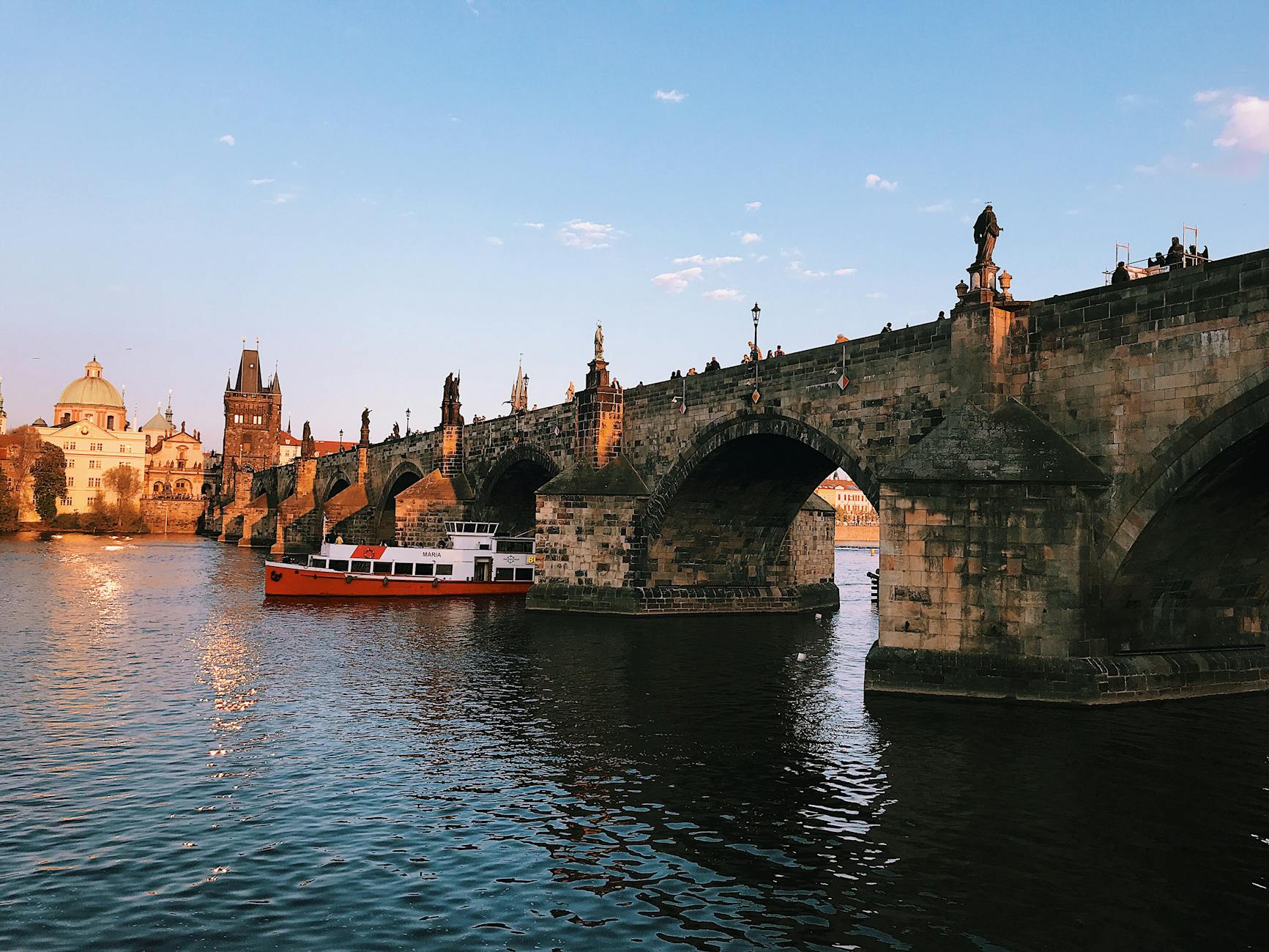
Furthermore, the Old Town Hall and its astronomical clock highlight the ingenuity of Gothic architects. The clock, installed in 1410, combines practical timekeeping with artistic flair. The installation of the clock tower was as much a demonstration of technological advancement as it was a centerpiece of the bustling Old Town Square.
As the Gothic style matured, it influenced various religious and civic buildings throughout the city. The pervasive use of flying buttresses, ribbed vaults, and ornate facades all left an indelible mark on Prague’s urban landscape. The Gothic Revival movement in the 19th century saw a resurgence of interest in this architectural style, with several buildings incorporating Gothic elements, further enriching the city’s architectural narrative.
While the Gothic style eventually paved the way for Baroque architecture, its legacy is still visible in Prague today. The harmonious coexistence of different architectural styles reflects the city’s history and adaptability, ensuring that Prague remains a vital center of culture and artistry. The Gothic structures serve not only as historical monuments but also as inspirations for contemporary architects and artists who draw from this rich tapestry of the past.
The Influence of Baroque Style on the Cityscape
The transition from Gothic to Baroque Prague Architecture occurred during the 17th and 18th centuries, following the Thirty Years’ War. This period was marked by a desire to showcase the power of the Catholic Church and the Habsburg monarchy, which heavily influenced the architectural landscape of the city. Baroque architecture is characterized by its dramatic use of light, grandiose designs, and elaborate ornamentation, seeking to evoke emotional responses from onlookers.
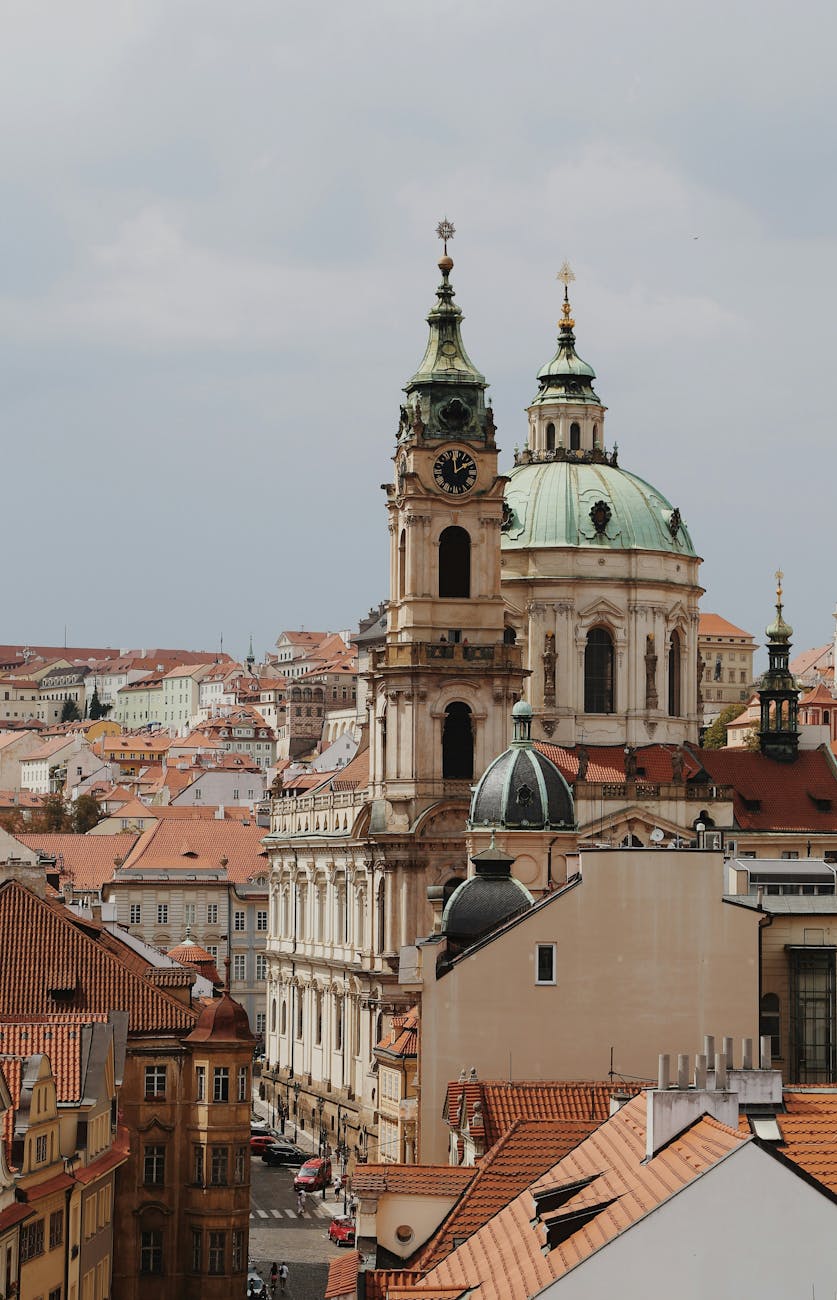
One of the most prominent examples of Baroque architecture in Prague is the Church of St. Nicholas in the Lesser Town. Completed in 1755, the church is renowned for its stunning dome and intricately decorated interior, featuring frescoes by the famous painter Václav Vavřinec Reiner. The church demonstrates the Baroque penchant for creating awe-inspiring spaces that inspire reverence and wonder. Its interior, adorned with elaborate stuccowork and brilliant paintings, presents a theatricality that was central to the Baroque ethos.
Another architectural landmark that exemplifies the Baroque style is the Klementinum, formerly a Jesuit college and library. The complex showcases an impressive Baroque library hall, which is considered one of the most beautiful in the world. With its opulent frescoes and striking ceiling, the Klementinum encapsulates the grandeur associated with Baroque architecture, drawing visitors from around the globe.
Throughout Old Town, you will encounter numerous palaces and monuments that reflect the Baroque influence. The Malostranská Square, with its grand palaces and urban planning, displays the essential characteristics of Baroque urbanism, featuring wide streets and spacious squares designed to accommodate public celebrations and events. The works of architects such as Francesco Caratti and Jan Santini-Aichl are particularly noteworthy, as they seamlessly blend Baroque and Gothic styles, creating unique structures that stand out in the cityscape.
Moreover, the Baroque reinterpretation of older Gothic churches can be observed throughout Prague. Transformations made to structures like Our Lady of the Snow and St. Vitus Cathedral demonstrate how the Baroque style adapted and redefined existing Gothic elements, leading to a fusion that highlighted the artistic capabilities of the time while preserving the historical significance of older buildings.
Baroque Prague Architecture did not merely serve aesthetic purposes; it also played an essential role in shaping the cultural narrative of the city. The opulence of Baroque buildings reflected the ambitions of the Catholic Church and the ruling elite, while simultaneously fostering a sense of national pride and identity among the citizens. This architectural style served as a medium through which the values and aspirations of the era were communicated, leaving an enduring imprint on the city’s character.
As you navigate through Prague’s vibrant streets, the influence of Baroque Prague Architecture becomes palpable. The grandiose buildings serve as both historical monuments and contemporary cultural landmarks, inviting reflection on the city’s rich history while embracing modernity. The harmonious interplay between Gothic and Baroque styles illustrates the dynamic architectural evolution of Prague, making it a treasure trove for enthusiasts and casual visitors alike.
Modern Architectural Innovations in Prague
The Prague Architecture landscape is not solely defined by its historical buildings; it also embraces modern innovations that reflect contemporary design sensibilities. The 20th and 21st centuries brought significant changes to the city’s architecture, as globalization and technological advancements influenced new construction techniques and design philosophies. Modern architecture in Prague showcases a variety of styles and materials, illustrating the city’s willingness to embrace innovation while respecting its historical context.
One of the most renowned examples of modern architecture in Prague is the Dancing House, designed by architects Frank Gehry and Vlado Milunić. Completed in 1996, this iconic structure is characterized by its unconventional shape and curved glass façade, resembling a pair of dancers in motion. It stands in stark contrast to the surrounding historic buildings, making a bold statement that underscores the evolution of Prague’s architectural identity. The Dancing House has become a symbol of modernity in the city, attracting both locals and tourists eager to witness its unique design.
Another remarkable modern structure is the Zizkov Television Tower, completed in 1992. This unusual tower, which stands at 216 meters tall, is not only a functional broadcast tower but also an intriguing piece of art. Its design incorporates a fascination with surrealism, best exemplified by the giant crawling babies that adorn the tower, created by Czech artist David Cerny. The tower’s presence in the Prague skyline pushes the boundaries of traditional Prague Architecture, inviting viewers to engage with its playful yet thought-provoking elements.
The National Library of Technology is another exceptional example of modern Prague Architecture, showcasing innovative design and sustainable building practices. Completed in 2009, the library combines functional spaces for research and study with environmentally friendly features such as green roofs and natural lighting. Its contemporary design reflects the changing nature of education and information access in the digital age, illustrating how modern architecture can adapt to the evolving needs of society.
In addition to individual structures, there has been a broader trend of revitalizing urban spaces in Prague through modern architecture. Projects like the memorable Forum Karlin, which houses a multipurpose concert hall and conference center, highlight how modern design can harmonize with the historical context of the city. The forum blends contemporary aesthetics with functionality, drawing attention to the importance of public spaces in urban life.
While embracing modernity, Prague Architecture developments remain in dialogue with the city’s rich history. Many new constructions take inspiration from traditional Czech architectural elements, integrating features that evoke the past while embracing the innovations of the present. This approach ensures that Prague’s modern architectural landscape is not a departure from its historical roots but rather a continuation of its dynamic narrative.
As Prague continues to evolve, the balance between preserving its historic architecture and embracing modern innovations will shape its future. The city’s willingness to accommodate new ideas while honoring its past presents an exciting landscape for architects, urban planners, and residents alike. The interplay between old and new speaks to Prague’s identity as a vibrant, living city steeped in history yet continually reinventing itself for the future.
Iconic Landmarks: A Closer Look at Key Structures
Prague is a city brimming with architectural marvels, each holding a story that reflects the city’s storied past. Among its many notable landmarks, three in particular stand out: the Old Town Square with its Astronomical Clock, the majestic Charles Bridge, and the monumental Prague Castle.
The Old Town Square, a vibrant hub of activity, is home to the famous Astronomical Clock, which dates back to 1410. This medieval clock is not just a timekeeping device; it is an exquisite piece of engineering and artistry. Each hour, crowds gather to witness the clock’s animated figures and beautiful astronomical display, making it one of the city’s most beloved tourist attractions. The surrounding architecture of the square, which features a blend of Gothic, Baroque, and Renaissance styles, provides a stunning backdrop, highlighting the city’s rich architectural diversity. The square serves as a gathering place for locals and visitors alike, hosting markets, festivals, and public events that bring the historical significance of the space to life.
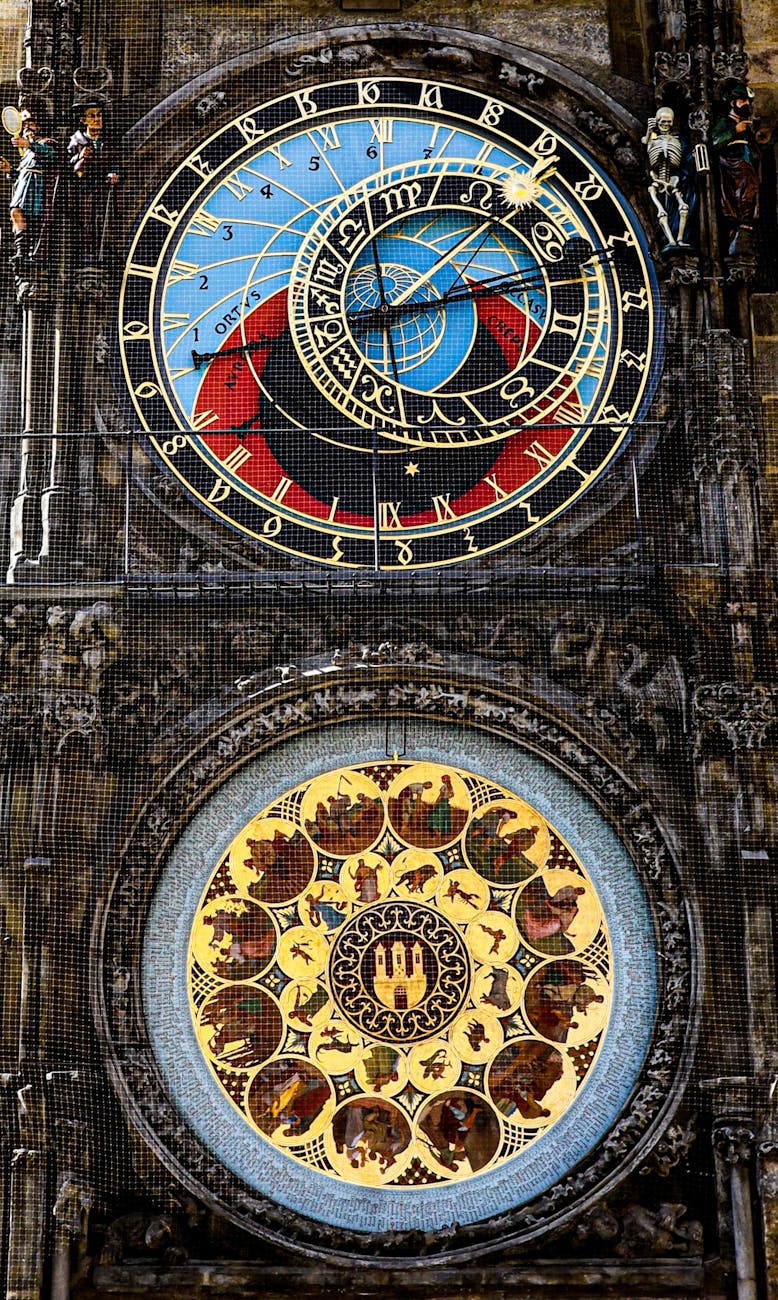
The Charles Bridge, a key connection between the Old Town and the Lesser Town, is another iconic structure that showcases Prague’s artistic heritage. Completed in the early 15th century, the bridge is adorned with 30 statues of saints, each crafted with meticulous attention to detail. The Gothic style of the bridge, combined with its commanding views of the Vltava River and the surrounding city, makes it a must-visit site for anyone exploring Prague. As you stroll across the cobbled stones, the bridge’s grandeur is palpable, echoing the centuries of history that have unfolded on its span. Artists, musicians, and vendors often populate the bridge, adding to the lively atmosphere and fostering a sense of community.
Dominating the city skyline, Prague Castle is perhaps the most significant architectural ensemble in the Czech Republic. This sprawling complex, which has been the seat of power for Czech kings, emperors, and presidents for over a millennium, combines various architectural styles, including Romanesque, Gothic, and Baroque. St. Vitus Cathedral, located within the castle grounds, is a highlight of the complex and showcases the best of Gothic architecture, with its stunning stained glass and soaring spires. The castle not only serves as a historical and cultural symbol of the Czech Republic but also functions as a venue for official state events.
Each of these iconic landmarks emphasizes the interplay between Prague Architecture and urban life in Prague. They serve not only as tourist attractions but also as living spaces that continue to evolve and resonate with the city’s inhabitants. Their historical significance is reinforced by the countless stories and experiences that unfold within and around them.
Prague’s iconic landmarks embody the essence of the city, weaving together its historical narrative while inviting future generations to participate in its ongoing story. The combination of Gothic, Baroque, and modern styles creates a dynamic architectural landscape that continues to enthrall visitors and enrich the cultural identity of this remarkable city.
The Role of Architecture in Prague’s Cultural Identity
Prague Architecture plays a central role in shaping the cultural identity of Prague, serving as a reflection of its historical journey and societal values. The city’s diverse architectural styles reveal a narrative that encompasses triumph, tragedy, and transformation. From the medieval period to the present day, the structures that dot the landscape are emblematic of the collective memory and identity of the Czech people.
Prague Architecture heritage provides a sense of continuity, linking the past with the present. The preservation of historic buildings serves not only as a means of honoring the past but also as a way of fostering national pride and cultural consciousness. The importance of landmarks like the Prague Castle, Charles Bridge, and Old Town Square lies not only in their architectural beauty but also in what they represent to the citizens of Prague. These structures are steeped in history, serving as reminders of significant events, artistic achievements, and the resilience of the Czech people throughout turbulent times.
Prague Architecture encourages a sense of community and belonging. The public spaces created by these iconic buildings foster social interaction, cultural exchange, and civic engagement. The Old Town Square, for instance, is a space where locals and visitors gather to celebrate festivals, seasonal markets, and public demonstrations, reinforcing the idea that architecture is not only about buildings but also about the life that takes place around them. The interplay between the physical space and the community’s activities helps to shape the identity of the city and its inhabitants.
Prague Architecture also reflects the country’s historical transformations and the evolution of its national identity. The transition from Gothic to Baroque and then to modern architecture echoes the broader changes within Czech society, particularly during periods of foreign influence and occupation. Each architectural style represents a response to the cultural climate of its time, capturing the aspirations and struggles of the people. For instance, Baroque architecture emerged as a symbol of Catholic power following the Reformation, whereas modern structures like the Dancing House embody the freedom and creativity of post-communist society.
The ongoing dialogue between historic preservation and modern development illustrates the city’s commitment to creating a multifaceted urban environment. Prague’s ability to integrate contemporary architecture within its rich historical context demonstrates a forward-thinking approach that values both innovation and tradition. This balance is vital in cultivating a cultural identity that is dynamic and adaptable while still honoring its roots.
As the city continues to evolve, the role of architecture in shaping Prague’s cultural identity remains paramount. It serves as a bridge between generations, inviting reflection on the past while embracing the future. The unique architectural landscape of Prague is not just a collection of structures; it is a living testament to the city’s history, aspirations, and the enduring spirit of its people.
Conclusion
Prague Architecture landscape is a testament to its rich history and cultural evolution. From the soaring spires of Gothic churches to the grandeur of Baroque palaces and the bold designs of modern buildings, the city’s architecture tells a compelling story that spans centuries. Each style not only marks a different period in Prague’s development but also reflects the societal shifts, artistic movements, and historical events that have shaped the nation.
The city’s landmarks, such as St. Vitus Cathedral, the Charles Bridge, and the Dancing House, serve as cultural touchstones that embody the spirit of Prague. They invite both locals and visitors to explore the layers of history that define the city’s character, promoting a sense of identity and belonging. As architecture continues to evolve, it will remain a vital part of Prague’s story, connecting the past with the ever-changing present.
Ultimately, Prague Architecture is more than just a visual experience; it is an integral part of the city’s cultural identity. By preserving its rich architectural heritage while embracing modern innovations, Prague stands as a vibrant example of how a city can honor its history while confidently stepping into the future. This interplay assures that the architectural narrative of Prague remains an exciting and dynamic element of its ongoing evolution, captivating all who venture into its breathtaking streets.