
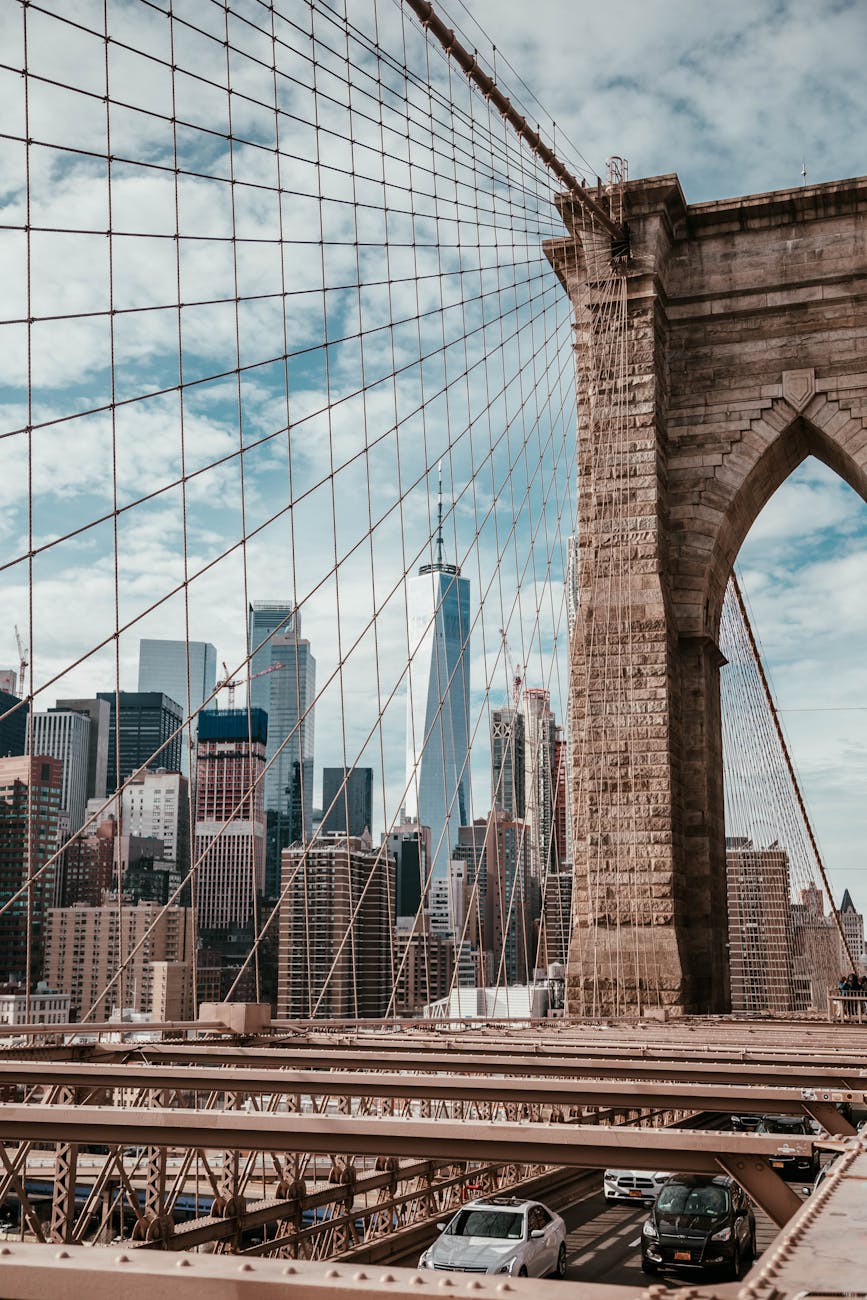
Introduction
New York City, often referred to as the capital of the world, has long fascinated architects, urban planners, and history enthusiasts with its iconic skyline. As the epitome of vertical growth, the city’s architectural narrative reflects its rising ambitions, innovation, and response to urban challenges. The evolution of the vertical city showcases how architectural design has transformed over the decades, intricately blending functionality with artistic expression. From the whimsical designs of early skyscrapers to cutting-edge sustainable technologies used in modern constructions, New York’s architecture tells a story of resilience and reinvention. This article explores the historical context, technological advancements, cultural ramifications, sustainability efforts, and future prospects of skyscrapers in New York City, shedding light on what it truly means to live and thrive in a vertical metropolis.
Historical Context of Vertical Architecture in New York
The historical context of vertical architecture in New York City dates back to the late 19th century, a period of industrial growth and urbanization that marked a pivotal moment in the city’s development. As immigrant populations surged and economic opportunities proliferated, the demand for office space heightened, leading to the rise of the skyscraper. The introduction of steel-frame construction techniques allowed for unprecedented height and complexity in building design. One of the earliest examples of this innovation is the Flatiron Building, completed in 1902, which exemplified a shift from traditional masonry structures to more modern, vertical designs.
The competition among architects to create taller buildings led to iconic constructions such as the Woolworth Building and the Chrysler Building, which not only represented economic power but also introduced distinct architectural styles, blending Art Deco with gothic influences. The emergence of the Empire State Building in 1931 marked another significant chapter as it became the tallest structure in the world during its time. This era established a legacy of ambition, where height symbolized progress and modernity.
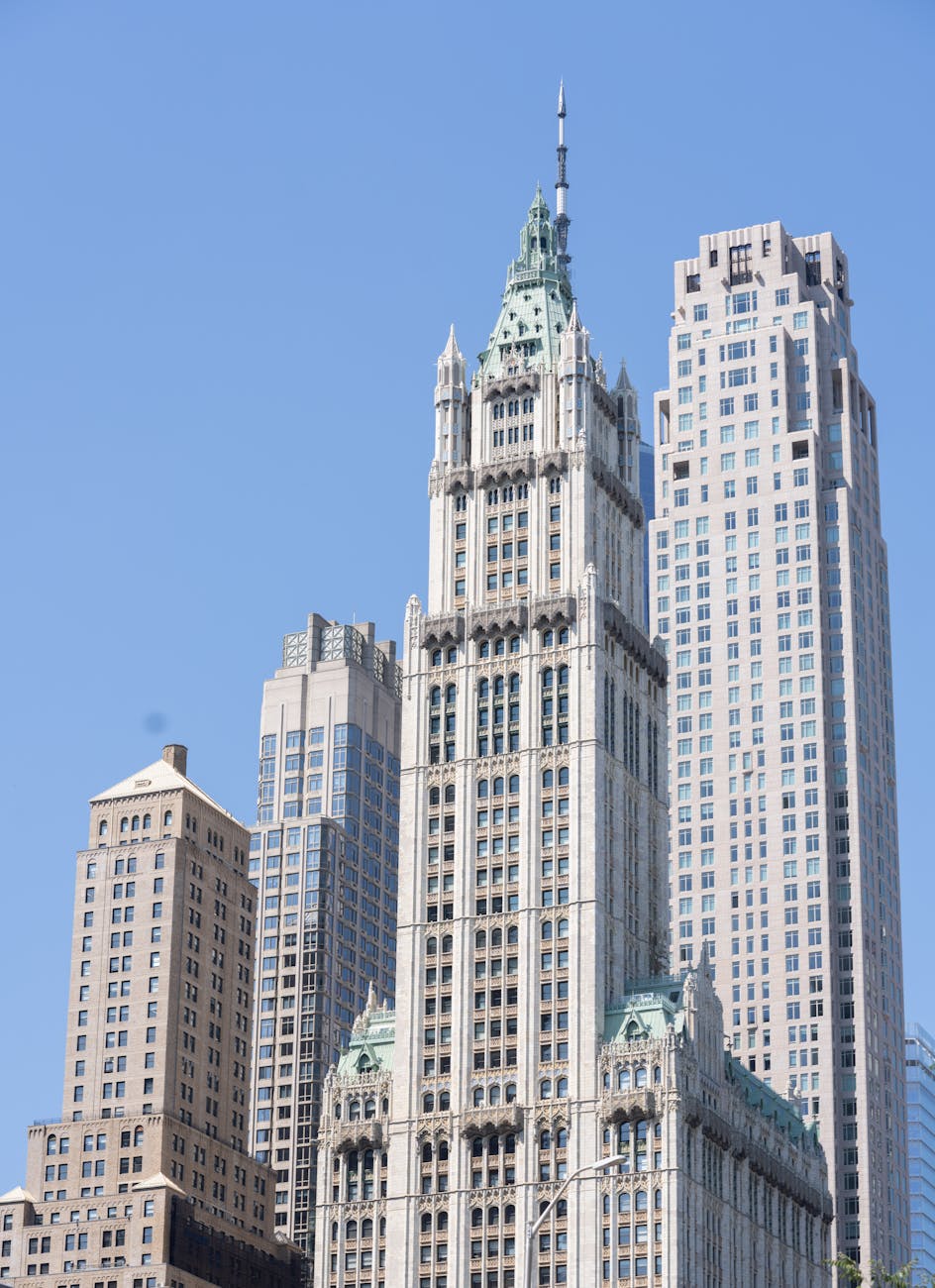
Throughout the 20th century, New York City continued to evolve architecturally, with each decade reflecting changing social dynamics and technological advancements. Post-war urbanization saw a boom in residential skyscrapers as cities grappled with housing shortages, and the cultural revolution of the 1960s and 1970s further influenced architectural creativity, embracing styles that veered away from strict modernism.
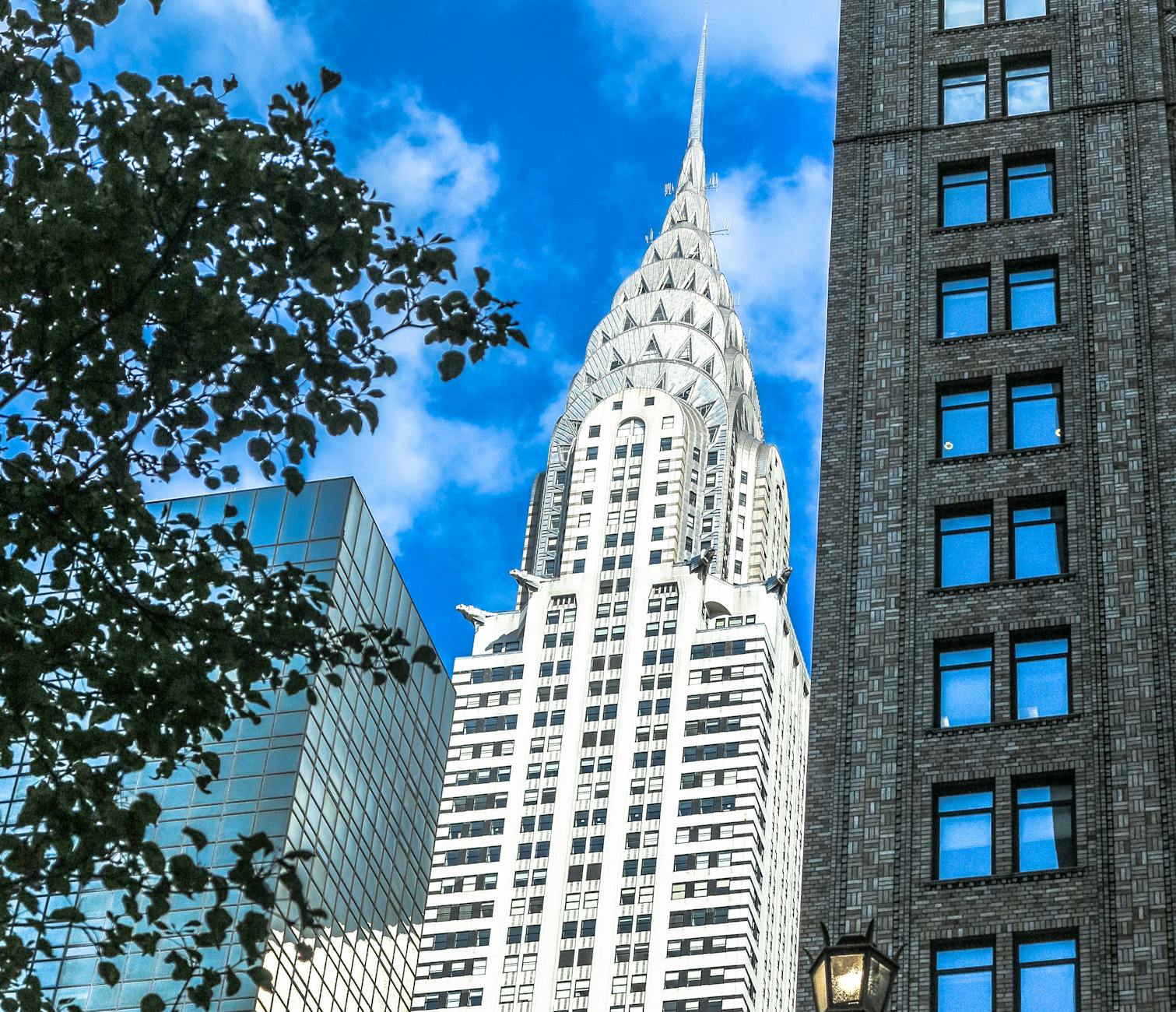
The late 20th century and early 21st century brought renewed interest in mixed-use vertical developments, as urban centers sought to create multifunctional spaces that accommodated living, working, and leisure in one setting. Rising concerns over urban sprawl and sustainability propelled architecture into a new era that emphasized eco-friendliness alongside aesthetic appeal.
The historical journey of vertical architectures, such as the historic skyscrapers of New York City, reflects not only the tangible advancements in building practices but also the intangible aspirations of its populace. As the city continues to navigate the challenges of urbanization, the historical context of its architectural evolution serves as a foundation for envisioning what lies ahead.
Technological Advances in Skyscraper Design
The technological landscape of skyscraper design has undergone revolutionary changes over the past few decades, with advancements in materials, engineering, and construction techniques reshaping the possibilities of vertical architecture in New York City. The application of innovative methods has not only enabled architects to push the boundaries of height but also redefined what is structurally feasible in skyscraper construction.
One of the most significant technological advancements is the use of high-strength steel and reinforced concrete. These materials allow buildings to rise higher without compromising structural integrity, making it possible to create tall and slender silhouettes that define New York’s skyline. Moreover, the development of computer-aided design (CAD) and Building Information Modeling (BIM) has revolutionized the design process, allowing architects and engineers to visualize complex structures and systems before they are built. These tools enhance collaboration among project participants, drastically reducing errors and inefficiencies during the construction phase.
Additionally, advancements in construction techniques, such as precast concrete panels and modular construction, have expedited the building process. Prefabrication allows for components of the building to be manufactured off-site, which can minimize on-site construction time and improve overall quality control.
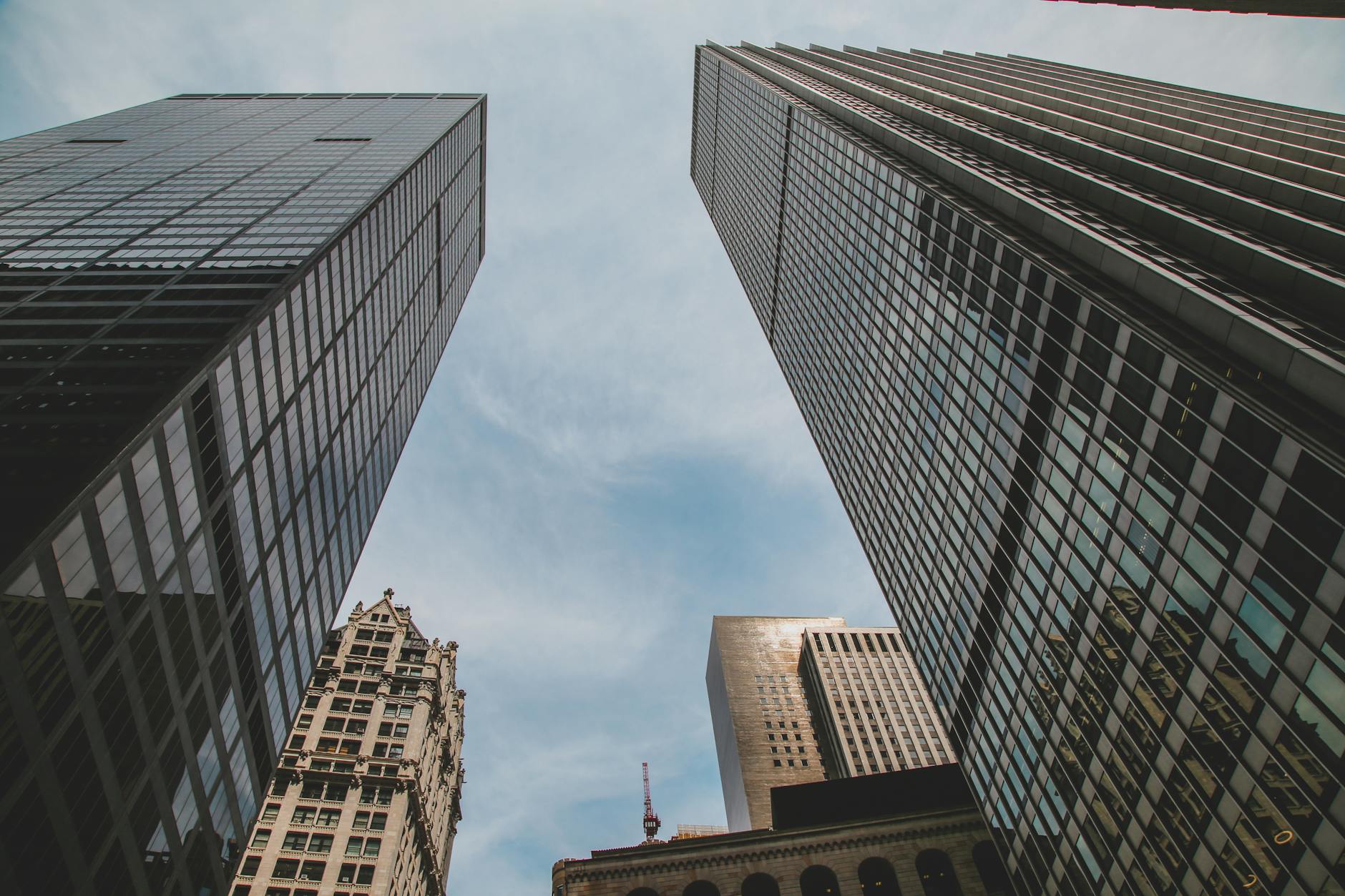
Wind resistance has also become a crucial consideration in skyscraper design, especially as buildings climb higher into the atmosphere. Innovations in wind engineering, such as aerodynamic shapes and tuned mass dampers, help mitigate the effects of wind forces, making it safer for residents and occupants. In tandem with these advancements, advancements in elevator technology, including double-decker elevators and smart systems, optimized vertical transportation, maximizing efficiency in how people move through these towering edifices.
In recent years, the integration of smart technology into building design has introduced the concept of “smart skyscrapers.” Equipped with sensors and automated systems, these buildings can monitor energy usage, optimize climate control, and enhance security. As urban centers wrestle with issues of sustainability and energy consumption, such technologies provide opportunities for environmentally responsible practices to flourish within the urban landscape.
Even as material and technological innovations support the pursuit of height, they also inspire creativity in architectural design. Architects today experiment with unconventional shapes and forms, drawing inspiration from nature and cultural motifs. This experimentation results in visually striking structures that enhance the identity of the city.

In sum, the technological advances in skyscraper design play a vital role in shaping New York’s vertical cityscape. The intersection of materials, engineering, and technology not only elevates the capacity for growth but also allows for artistic expression and a more sustainable approach to urban living.
The Cultural Impact of Vertical Cities
The cultural impact of vertical cities, particularly in a metropolis like New York, is profound, as the skyscrapers symbolize more than just physical structures; they represent the ethos of ambition, diversity, and urban living. The verticality of New York’s architecture has reshaped social interactions, lifestyle preferences, and cultural expressions among its residents.
First and foremost, the concentration of residences, workplaces, and recreational spaces within high-rise buildings has fostered a unique urban culture characterized by a fast-paced, dynamic lifestyle. Vertical living influences how individuals experience community; interactions often occur in shared spaces such as lobbies, rooftop gardens, and communal areas designed to encourage engagement. This sense of community amidst towering structures stands in stark contrast to suburban ideals of privacy and separation, reflecting the cultural shift towards urbanization and communal living.
The skyline, laden with iconic structures, becomes a cultural canvas that reflects the city’s evolving identity. Events such as the annual New York City skyscraper competition underscore the importance of architectural innovation as a form of artistic expression. Artists, filmmakers, and writers often draw inspiration from the visual and emotional weight of the skyline, contributing to a rich tapestry of creative work that celebrates urban life. The vertical city has become synonymous with cultural narratives that emphasize resilience, diversity, and the idea of conquering challenges.
Moreover, the rise of vertical architecture has ignited conversations about social equity and inclusivity within urban spaces. The juxtaposition of luxury high-rises alongside older, lower-income neighborhoods raises important discussions around gentrification, accessibility, and the right to the city. As architects and city planners strive to create inclusive spaces, the cultural implications of verticality compel a re-examination of whom these spaces serve and how they can be designed to reflect diversity while promoting social cohesion.
The cultural impact extends beyond the physical realm, as the very image of New York’s skyline serves as a global symbol of opportunity and ambition. The representations and perceptions of vertical living have become ingrained in global culture, influencing other cities’ urban planning efforts and architectural styles.
Consequently, the dialogue around the cultural impact of vertical cities is an ongoing and multifaceted narrative intertwined with issues of identity, community, and societal values. As New York continues to evolve architecturally, the cultural implications of its towering structures will remain significant, prompting reflective discussions about what it means to inhabit and engage in an ever-ascending urban environment.
Sustainability and Green Architecture in Urban Areas
As urban centers like New York City grapple with the dual pressures of rapid growth and environmental sustainability, the emergence of green architecture has become a vital focus in skyscraper design. Sustainability in vertical architecture not only seeks to minimize the ecological footprint of buildings but also aims to create healthier, more livable urban environments.
Sustainable skyscraper design employs various strategies to reduce energy consumption, enhance resource efficiency, and improve occupant well-being. Key elements often include energy-efficient systems, green roofs, and rainwater harvesting technologies. For instance, many newly constructed buildings in New York are designed with enhanced insulation and advanced HVAC (heating, ventilation, and air conditioning) systems that significantly reduce energy expenditures. The integration of smart technologies allows for real-time monitoring of energy usage, leading to further efficiency improvements.
Green roofs, a hallmark of sustainable architecture, have gained popularity as they provide a multitude of environmental benefits. These living roofs not only reduce the heat island effect common in urban areas but also enhance biodiversity by providing habitats for wildlife. Furthermore, green roofs contribute to improved air quality and can even aid in stormwater management by absorbing rainwater and reducing runoff.
Water conservation is another critical component of sustainable skyscraper design. New York’s skyscrapers increasingly incorporate systems for rainwater collection, greywater recycling, and low-flow plumbing fixtures, all aimed at maximizing water efficiency. These strategies not only help in conserving water but also contribute to lowering municipal service costs.
The use of sustainable materials also plays a significant role in reducing the environmental impact of skyscrapers. Architects are increasingly turning to reclaimed, locally sourced, and rapidly renewable materials to minimize transportation emissions and allow for more responsible resource use. Additionally, strategies such as Life Cycle Assessment (LCA) help evaluate the environmental impact of materials throughout their lifespan, informing better decisions in the construction process.
Importantly, the push for sustainability is not solely driven by regulatory requirements but emerges from a desire for companies and residents to engage with environmentally friendly practices. The rise of “green buildings” has become not only a trend but a market demand, attracting tenants who prioritize sustainability and corporate responsibility. New York City has adopted stringent environmental standards, encouraging developers to pursue LEED (Leadership in Energy and Environmental Design) certification, demonstrating their commitment to sustainable practices.
In summary, sustainability and green architecture serve as critical imperatives for the future of vertical cities. As innovative technologies and design principles continue to advance, skyscrapers in New York City and beyond can seamlessly merge function with ecological responsibility, providing a model for other urban areas striving for a greener future.
The Future of New York’s Skyline
The future of New York’s skyline is poised for transformative changes as the city confronts emerging challenges and opportunities in urban development. As architects and city planners reflect on evolving societal needs, the skyline will likely adopt new forms, functions, and purposes in the years to come.
One significant trend shaping the future of New York’s architectural landscape is the integration of mixed-use developments, reflecting a shift towards designing spaces that cater to various functions: residential, commercial, and recreational. This holistic approach seeks to create communities that thrive within a single vertical structure, fostering interaction and engagement among residents and visitors alike. The future skyscrapers will prioritize convenience, enabling individuals to live, work, and play in close proximity, thereby reducing reliance on transportation and minimizing the urban carbon footprint.
Height will continue to be a defining feature of New York’s architecture, with innovations in engineering and construction technologies allowing for even taller structures. However, as city officials address concerns over density, zoning regulations may evolve to ensure that new developments foster a balanced urban environment, blending verticality with open spaces and green areas.
Another critical aspect of the future skyline involves responsiveness to climate change. As rising sea levels and extreme weather events challenge urban centers, new architectural designs will increasingly incorporate climate-resilient features. Elevated structures, flood-resistant materials, and adaptable facades that accommodate changing weather patterns will become essential components, ensuring that the skyline can withstand environmental pressures.
In tandem with climate resilience, the future of skyscrapers will embrace equity and inclusivity. Addressing the challenges of affordability and access is paramount as urban populations grow. The integration of affordable housing within high-rise developments will be a focus, creating opportunities for diverse communities to thrive despite economic disparities.
Moreover, public spaces will play a pivotal role in shaping the future skyline. Developers will likely prioritize creating accessible shared spaces that go beyond traditional parks, incorporating urban art installations, green spaces, and communal gathering areas within vertical developments. These elements will enrich the aesthetic and social experience of the urban environment, promoting a sense of unity among residents and visitors.
Lastly, as technology continues to evolve, the incorporation of smart systems within skyscrapers will redefine urban living. From advanced environmental monitoring to smart energy grids, the integration of technologies will enhance not only the efficiency of the buildings themselves but also the quality of life for those within them.
In conclusion, the future of New York’s skyline is set to be marked by innovation, sustainability, and a commitment to creating inclusive urban environments. As the city navigates these transformative changes, it will undoubtedly continue to captivate the world with its architectural prowess and resilience.
Conclusion
The exploration of New York’s vertical city reveals a rich narrative of architectural evolution, where history, technology, culture, sustainability, and the future converge. From its historic roots in the late 19th century to the ambitious skyscrapers that define its skyline, New York’s architecture reflects not only the aspirations of its inhabitants but also the pressing challenges of modern urban living. The innovative advancements in design and technology pave the way for a sustainable future, fostering an environment where architectural beauty coexists with ecological responsibility.
As NYC continues to adapt and respond to the complexities of urbanization, its skyscrapers will serve as enduring symbols of resilience and creativity. With a focus on inclusive living and a commitment to environmental stewardship, the future skyline will not only attract residents and visitors but also inspire cities around the world to pursue similar goals. The architectural dialogue surrounding New York is far from complete; it is an ever-evolving story shaped by the interplay of ambition and responsibility, reflecting the vibrant spirit of its diverse populace. As the city moves forward, its vertical landscape will undoubtedly continue to encapsulate the essence of modern urban life, standing tall in the face of change.







[…] Bridge, an emblem of human ingenuity and determination, stands as a testament to the spirit of New York City. Spanning the East River, it connects the boroughs of Manhattan and Brooklyn, serving as a vital […]
[…] Square, often referred to as “The Crossroads of the World,†is an iconic symbol of New York City that captures the essence of urban life. Located at the intersection of Broadway and Seventh Avenue, […]
[…] for budget-friendly relaxation and sightseeing. Iconic locations such as Central Park in New York City, Hyde Park in London, and the beaches of Thailand offer stunning scenery and recreational […]
[…] events of September 11, 2001, brought an unprecedented tragedy to New York City and the world. On that fateful day, nearly 3,000 lives were lost as terrorists attacked the Twin […]