Introduction
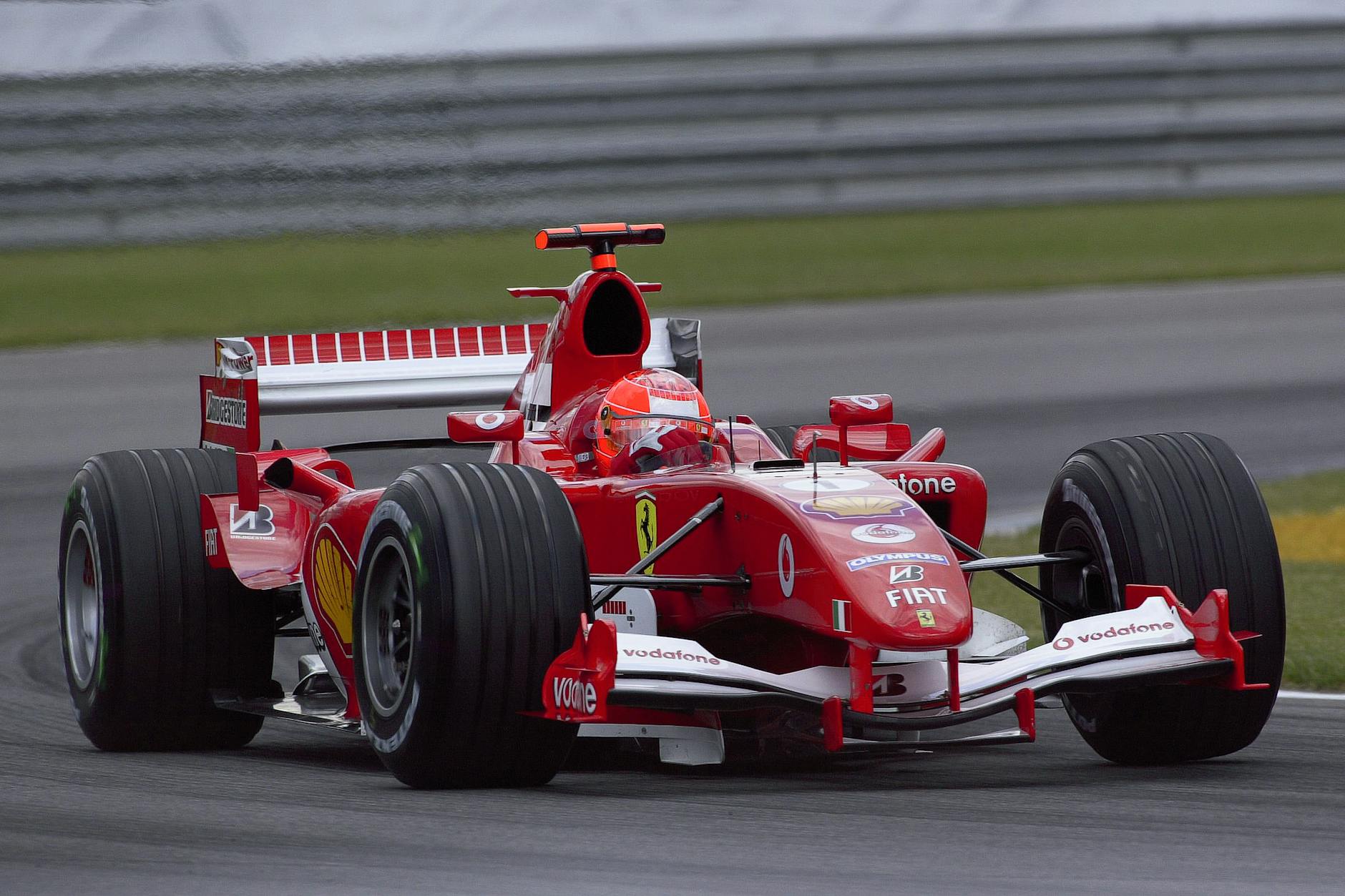
Formula 1, often regarded as the pinnacle of motorsport, is a legacy that has transformed throughout its remarkable history. Since the inaugural World Championship race in 1950, Formula 1 has woven a tapestry of speed, technology, and intense rivalries. From the iconic tracks of Monaco to the modern, high-tech circuits like Abu Dhabi, the sport encapsulates the essence of engineering excellence and human resilience. The allure of the sport is not just in the races but also in the legendary drivers who have left their mark on the asphalt. This article will explore the evolution of Formula 1, delve into its most iconic moments, and examine the future of the sport as it strives to maintain its relevance in a rapidly changing world.
The Birth of Formula 1 (1950-1960)
The history of Formula 1 officially begins in 1950, with the establishment of the World Championship for Drivers. This was the culmination of years of racing competitions that had taken place since the early 20th century. The inaugural race was held at Silverstone in the UK, consisting of a mix of British, Italian, and French competitors. The race was won by Giuseppe Farina driving an Alfa Romeo, marking the beginning of what would become an intense battle for supremacy on the race circuit.
In these formative years, the regulations were relatively relaxed compared to today’s stringent standards. The cars were not only sophisticated pieces of engineering but also reflected the personality of the constructors themselves—each team had unique designs and technologies. Alfa Romeo emerged as the dominant force in the early seasons, but soon other manufacturers such as Ferrari and Maserati began to challenge their supremacy.
The 1950s also saw the emergence of some legendary drivers, none more so than Juan Manuel Fangio. The Argentine’s remarkable skill behind the wheel would earn him five World Championships between 1951 and 1957, a record that stood for decades. Fangio’s ability to navigate the tight turns of the circuits, coupled with his incredible reflexes, made him a formidable force and an enduring symbol of excellence in the sport.
The technology of the time was primitive by today’s standards, yet it set the groundwork for rapid advancements. The early Formula 1 cars were characterized by their lightweight frames and powerful engines, generally featuring 1.5-liter supercharged engines. This allowed for exhilarating speeds that captivated audiences and fueled a growing fanbase.
As the 1950s progressed, the rivalry between Alfa Romeo and Ferrari intensified, leading to thrilling races filled with drama and passion. Each race was not only a test of speed but also of strategy, with teams having to make quick decisions regarding pit stops and tire selections. This combination of speed and tactical prowess laid the foundation for what Formula 1 would come to be known for in later years.
Tragically, this era was not without its dark moments. The danger inherent in motorsport was ever-present, leading to several accidents and fatalities. The death of drivers, such as the young and talented British driver Peter Collins in 1958, highlighted the need for improved safety measures—a need that would become increasingly pressing in the years to come.
The 1950s thus served as the crucible for Formula 1, establishing the framework that would evolve into the high-octane spectacle seen today. As the decade closed, the stage was set for the golden era of racing that would unfold in the subsequent decades, characterized by technological advancements, fierce rivalries, and an evolving relationship with safety and regulations.
The Golden Era of Racing (1960-1980)
The transition from the 1950s into the 1960s marked a significant turning point in Formula 1. This period, often referred to as the “Golden Era,” was a time where innovation, speed, and theatrical rivalries blossomed. As technology advanced, racing cars underwent radical transformations that significantly increased their performance on the track.
One of the critical changes was the introduction of rear-engine designs, which began to dominate the grid. Teams like Lotus, led by the legendary Colin Chapman, pioneered innovations that would set new standards for aerodynamics and chassis configurations. The Lotus 25, for example, was the first car to use a monocoque chassis, which offered a considerable reduction in weight and improved stability—wielding a powerful advantage on the racetrack.
During this era, iconic drivers began etching their names into the annals of history. In particular, the competition between Jim Clark, Graham Hill, and Jackie Stewart created a fervor among racing fans. Jim Clark, driving for Lotus, was known for his smooth driving style and unparalleled ability to control a car at high speeds. His dominance in the mid-1960s, combined with tragic accidents, highlighted the fine line between genius and danger in motorsport.
The 1970s saw the rise of another legend, Niki Lauda, whose fierce rivalry with James Hunt captured public imagination and was later immortalized in the film “Rush.” Lauda’s methodical approach and Hunt’s flamboyant style created a narrative that exemplified the diverse personalities within the sport. Their rivalry reached a crescendo at the 1976 season, wherein Lauda suffered a near-fatal accident at the Nürburgring, only to return to racing just weeks later to compete for the championship.
The advances in safety began to take precedence during the 1970s, although at a cost. The deaths of several drivers brought attention to the need for more stringent safety measures and regulations. The 1978 death of the talented piloto, Ronnie Peterson, during a crash at Monza served as a wake-up call for the racing community. This tragedy prompted teams and governing bodies to reevaluate safety protocols, ultimately leading to significant changes in car design and event management.
Furthermore, the introduction of sponsorship deals transformed the financial structure of Formula 1. Major brands began to realize the marketing potential of the sport, associating their names with high-speed adrenaline and glamour. This fusion of sport and business laid the groundwork for the commercial juggernaut that Formula 1 would become in the coming decades.
The Golden Era of Racing was characterized not only by technological advancements and legendary rivalries but also by the fervent emergence of a global fanbase. As television coverage expanded, fans from around the world could witness the excitement and passion that Formula 1 races offered. The atmosphere of grand prix events transcended mere sport, evolving into a cultural phenomenon that attracted millions and established Formula 1 as a premier global entertainment experience.
In conclusion, from the introduction of revolutionary engineering to the unforgettable rivalries that captivated audiences, the Golden Era of Formula 1 shaped the sport profoundly. It forged legends and began a narrative of speed, rivalry, and relentless pursuit of excellence—a legacy that resonates in the modern-day Formula 1 landscape.
The Rise of Safety Regulations (1980-2000)
As Formula 1 progressed into the 1980s, the need for improved safety regulations became increasingly urgent. The sport’s inherent dangers were glaringly evident, with a series of tragic accidents resulting in significant driver casualties and raising concerns among fans, teams, and governing bodies alike.
In this period, the deaths of high-profile drivers like Ayrton Senna and Roland Ratzenberger in 1994 during the San Marino Grand Prix marked one of the darkest chapters in Formula 1’s history. Senna, widely regarded as one of the greatest drivers of all time, died in a crash that shocked the world and initiated an outcry for change. The events of that fateful weekend prompted a re-evaluation of safety protocols in every facet of Formula 1—from car design to track configurations.
In response to these tragedies, a renewed focus on safety began to manifest across the sport. The FIA (Fédération Internationale de l’Automobile) commissioned comprehensive investigations into the accidents and implemented a series of significant regulatory changes aimed at enhancing driver safety. These changes included the introduction of the Halo device, which protects the driver’s head in the event of a collision, and improved crash helmet standards.
Additionally, the design of cars evolved significantly during the 1980s and 1990s. The implementation of a survival cell, an advanced integrity-focused structure surrounding the cockpit, aimed to protect drivers from the forces endured during accidents. Furthermore, the materials used in car construction shifted, with many teams incorporating carbon fiber for its incredibly lightweight properties and enhanced strength, allowing for improved crash resistance.
Perhaps equally crucial was the evolution of circuit design itself. Earlier tracks were often perilously narrow and lacked adequate run-off areas, which could amplify the consequences of crashes. The need for safer track designs encouraged organizations to add additional safety features, such as gravel traps, soft barriers, and improved escape roads, thus maximizing driver and spectator safety.
By the late 1990s, it became more commonplace for safety concerns to take precedence over competitive balance. The introduction of an increased number of gravel and asphalt run-off areas transformed tracks into layouts that prioritized driver recovery in the event of a mishap. These changes, while sometimes criticized by purists for detracting from the challenge of racing, significantly lowered injury rates among drivers.
As the new millennia approached, Formula 1 embraced the advent of advanced technology and data collection, enabling teams to analyze performance thoroughly. Telemetry systems allowed engineers to monitor car behavior in real time, providing insights into potential weaknesses that could compromise safety. These technologies would not only enhance performance but also contribute to driver protection.
The rise of safety regulations undoubtedly altered the very fabric of Formula 1, instigating a profound cultural shift. While speed and skill continued to be paramount, the sport moved into an era where safety was no longer an afterthought but an integrated part of competitive racing strategy. This cultural shift resonated with fans and competitors alike, creating a perception of Formula 1 as a responsible and progressive sport—one that acknowledged the weight of its past while forging a safer future.
In summary, the rise of safety regulations from the 1980s to the turn of the millennium represents a critical period in Formula 1 history. As advancements in car design and circuit safety took center stage, they forever changed how the sport approached risk and responsibility, ensuring a legacy of innovation and care for drivers and fans alike.

The Commercial Explosion (2000-Present)
As the new millennium dawned, Formula 1 entered an era of unprecedented commercial growth and global expansion. The sport became a cultural phenomenon, attracting attention from diverse demographic groups worldwide, thanks in large part to its strategic partnerships and multimedia exposure. This commercial explosion redefined how Formula 1 operated, transforming it into a global spectacle that captivated millions.
The media landscape played a crucial role in escalating Formula 1’s popularity. The wider accessibility of satellite television brought live coverage of races directly into homes worldwide, introducing the thrill of high-speed competition to a new generation of fans. Many broadcasters, particularly in emerging markets, recognized the unique appeal of the sport, paving the way for global broadcasts and multi-million-dollar broadcasting rights.
With larger audiences came increased interest from corporate sponsors, resulting in an influx of funding that transformed how teams operated. Major brands soon aligned themselves with the sport, recognizing the marketing potential of associating their brands with the excitement of Formula 1 racing. Partnerships with global names such as Vodafone, Red Bull, and Mercedes-Benz brought enhanced revenues into the sport and revolutionized team budgets.
Developments in digital technology were equally impactful. Formula 1 began to embrace digital platforms to reach audiences beyond traditional media channels, utilizing social media to connect with fans and generate excitement around races. The official Formula 1 website became a central hub for news, live updates, and fan engagement, nurturing a growing online community eager for exclusive behind-the-scenes content and interactive experiences.
Moreover, the expansion of Formula 1 into new markets fostered an atmosphere of inclusivity while invigorating local motorsport cultures. The introduction of races in places like Abu Dhabi, Singapore, and Bahrain showcased the sport’s adaptability and appeal across different cultures. Night races captured the imagination of fans, combining thrilling racing with spectacular visuals, and further demonstrating the sport’s ability to innovate and excite.
As the competition grew increasingly commercialized, the structure of the sport also evolved. The introduction of a new points system incentivized drivers to pursue victories aggressively, creating more competitive dynamics on the grid. The rivalry between legendary teams, such as Ferrari and Mercedes, showcased the technological advancements that arose from intense competition and the desire to outperform rivals.
However, the increase in commercialization raised concerns among fans about the authenticity of the sport. Detractors questioned whether the essence of racing was being overshadowed by corporate interests and whether traditional rivalries still mattered if they were driven by financial gain. Nevertheless, fans continued to embrace the sport, witnessing thrilling on-track action alongside extravagant off-track events, thus maintaining a delicate balance between commercialism and competition.
In conclusion, the commercial explosion from 2000 to the present has reshaped Formula 1 into a global entertainment spectacle. With diverse media coverage, strategic partnerships with corporate sponsors, and a commitment to engaging fans in innovative ways, Formula 1 has not only expanded its reach but also established itself as a cultural force, ensuring its relevance for generations to come.
The Future of Formula 1
As Formula 1 races toward the future, several key trends and challenges await the sport. With the increasing awareness of environmental issues, Formula 1 is striving to align itself with sustainability efforts without compromising the thrill of competition. The introduction of hybrid engines in 2014 marked a significant step towards reducing the sport’s carbon footprint, embodying a commitment to evolving without losing its competitive edge.
Looking ahead, the potential integration of electric vehicles adds another layer of complexity to the future of Formula 1. While hybrid technology has already been embraced, the shift to fully electric racing poses numerous ethical and logistical questions. Will the electrification of the sport encourage new fans, or will it dilute the very essence of what makes Formula 1 captivating? This challenge compels governing bodies, teams, and sponsors to navigate uncharted territory.
Another significant trend involves the ever-increasing role of technology and data analytics. As cars become more sophisticated, teams are utilizing advanced telemetry, artificial intelligence, and machine learning to extract every ounce of performance. Utilizing this technology will be crucial in the quest for competitive advantages on the circuit, but it also raises questions about the future of driver skill and the balance between technology and human talent.
Formula 1’s commitment to inclusivity and diversity is also a focal point for the future. Efforts to attract a broader audience, including women and younger fans, are necessary for the continued growth of the sport. Initiatives like the “We Race as One†program, which aims to increase diversity within the motorsport community, articulate a vision for a more inclusive and representative sport. As societal perspectives continue to shift, Formula 1 must adapt to foster a culture that resonates with its growing fanbase.
Furthermore, the impact of global events, such as the COVID-19 pandemic, highlighted the importance of adaptability in the face of uncertainty. The ability to host races, manage logistics, and engage with fans digitally demonstrated Formula 1’s resilience. It underscores that the sport must prioritize flexibility and innovation, ensuring its survival and relevance in unpredictable times.
In conclusion, the future of Formula 1 is characterized by exciting challenges and opportunities. The integration of sustainability, advancing technology, commitment to inclusivity, and the need for adaptability will are shaping the trajectory of the sport. As Formula 1 gears up for this new era, its storied legacy will continue to drive innovation and passion, captivating fans with the thrill of racing.
Conclusion
The history of Formula 1 is a testament to the sport’s ability to evolve over time, adapting to changing societal values and technological advancements while remaining a captivating spectacle. From its humble beginnings in the 1950s to the emotionally charged rivalries and groundbreaking safety measures of the 1980s, the sport has seen considerable growth, both in terms of commercial appeal and fan engagement.
The golden era of racing solidified the reputations of iconic drivers and set in motion a racing narrative filled with drama and excitement. The subsequent emphasis on safety and innovation reshaped Formula 1 into a more responsible and contemporary sport, where both thrill and protection go hand in hand.
As we look to the future, Formula 1 faces the challenge of continuing its legacy while navigating new global realities. Prioritizing sustainability, embracing technological advancements, fostering inclusivity, and exhibiting resilience in the face of obstacles will be crucial for maintaining the sport’s relevance in our ever-changing world.
Ultimately, Formula 1’s rich history and commitment to excellence ensure that it will continue to thrill fans for generations to come. The next chapter in its story is yet to be written, and anticipation surrounds the endless possibilities ahead.
Sources
- Formula 1 official website
- “The History of Formula One” by Roger Williamson
- “Ayrton Senna: The Legend Lives On” by Richard Williams
- Various articles from automotive industry publications
- Documentaries and coverage provided by the BBC and Sky Sports