
Introduction
The Architecture of the Moscow Subway stands as a remarkable testimony to the city’s cultural and historical evolution. Conceived in the early 20th century, the subway system is not just a means of transportation but also a monumental representation of socialist ideals and the artistic aspirations of its time. As cities evolve, their infrastructures often reflect changes in ideology, technology, and social values. The intricate designs, stunning mosaics, and grandiose halls exemplify not only the artistic trends of the era but also the significance of state propaganda. This article examines how the architecture of the Moscow Subway serves as a mirror of its era, revealing the deep connections between architecture and the sociopolitical landscape from the Stalinist period through to the present day. Through an exploration of its historical context, symbolism, artistic integration, ideological influences, and contemporary interpretations, we will uncover the multi-layered narrative of the Moscow Subway’s architectural marvel.
Historical Context of the Moscow Subway ‘s Architecture
The Architecture of the Moscow Subway emerged as a crucial component of Soviet urban design, representing not only the transit needs of a rapidly growing metropolis but also a broader ideological vision. Construction began in the 1930s, under Joseph Stalin’s rule, a time marked by significant socio-political transformations. The subway was intended to symbolize the power and progress of the Soviet state, showcasing new architecture that broke away from traditional Russian styles.
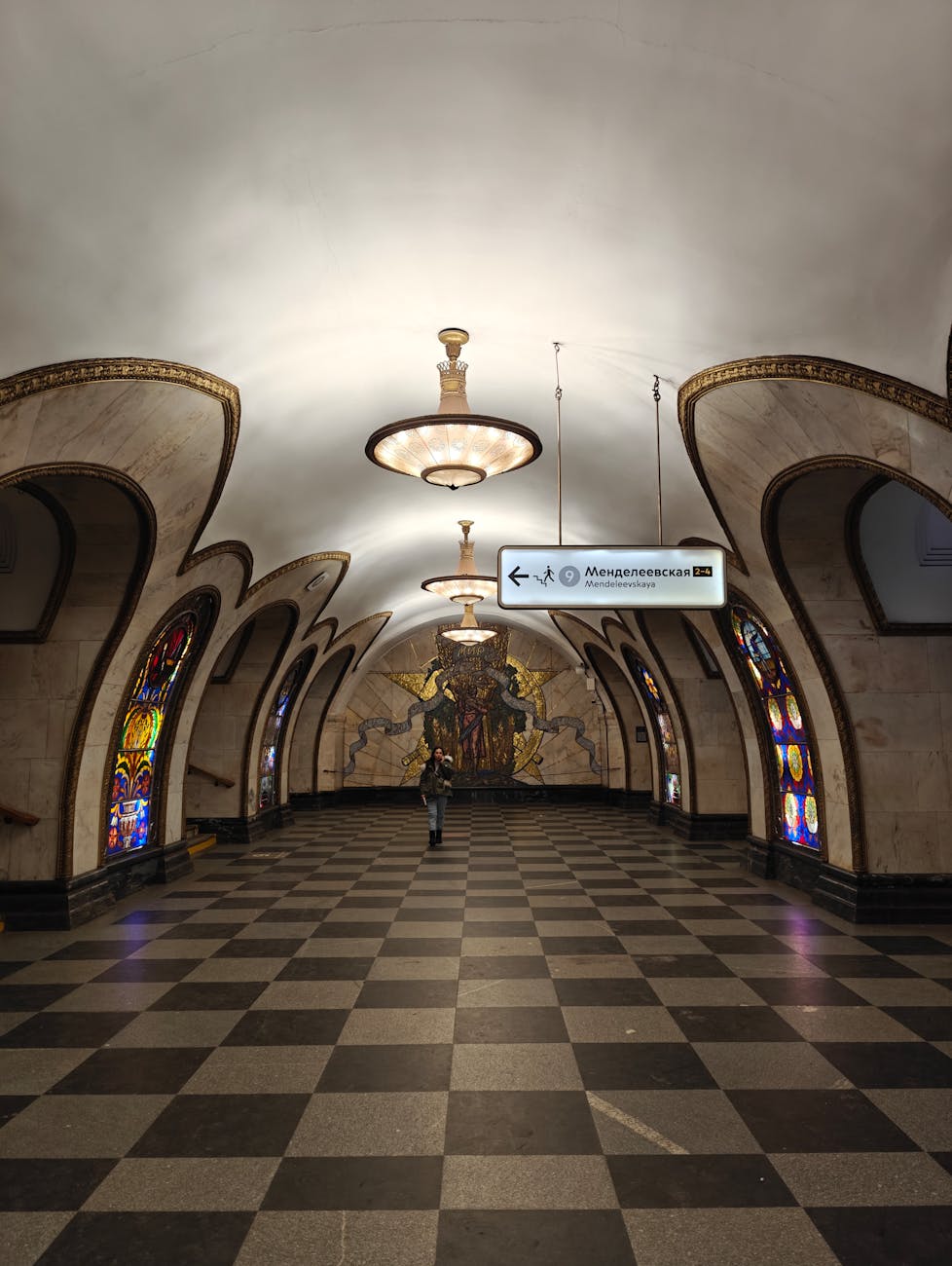
This period saw the adoption of neoclassical and socialist realism in the design of the subway stations. The early stations were realized in a grandiose style, often featuring high ceilings, marble finishes, and elaborate chandeliers. This approach created an environment that was not merely functional but also monumental, encouraging citizens to view public transport as a venerated space of national pride. The architects took inspiration from a variety of sources—including classical Greek and Roman architecture, as well as traditional Russian motifs—to create an aesthetic that was universally appealing yet distinctly Soviet.
As construction progressed, each station of the Moscow Subway was designed to tell a particular story—often connected to Soviet achievements or historical events. Statues, mosaics, and bas-reliefs became key features that enriched the architectural experience. For example, the Komsomolskaya station, with its grand arches and elaborate frescoes, commemorates the heroes of the Soviet Union and embodies the spirit of unity and strength. Such designs fostered a sense of belonging and demonstrated the might of the USSR to both citizens and visitors alike.
The integration of technology also played a pivotal role in the subway ‘s architecture. The process of tunneling through the city’s clay and limestone demanded innovative engineering solutions. This spirit of invention aligned well with the communist ideology of progress and modernization. The resulting structures were not only practical but also represented the triumph of human resourcefulness over natural challenges.
During the post-Stalin era, as the nation experienced shifts in political climate, the architecture of the Moscow Subway continued to evolve. Influenced by the Thaw, the subsequent leadership began to embrace more experimental approaches. Some stations adopted a more minimalist aesthetic, steering away from opulence while still maintaining symbolic significance in their design. The resulting architecture reflected a nation grappling with its identity amid changing political dynamics.
The historical context of the architecture of the Moscow Subway highlights its role as a reflection of the political, cultural, and social ethos of its time. From its grand beginnings to its more nuanced developments, the subway system offers a lens through which to examine the evolution of Soviet ideology and its architectural expression.
Symbolism Embedded in the Design
The architecture of the Moscow Subway is rich with symbolism, cleverly interwoven within the design elements of each station. This symbolism not only represents the prevailing ideology of the time but also communicates a narrative intended to inspire and unify the populace. The careful selection of images, motifs, and materials reflects the broader intentions behind the subway’s construction and serves a dual purpose: to provide a functional transit system and to propagate the socialist ethos.
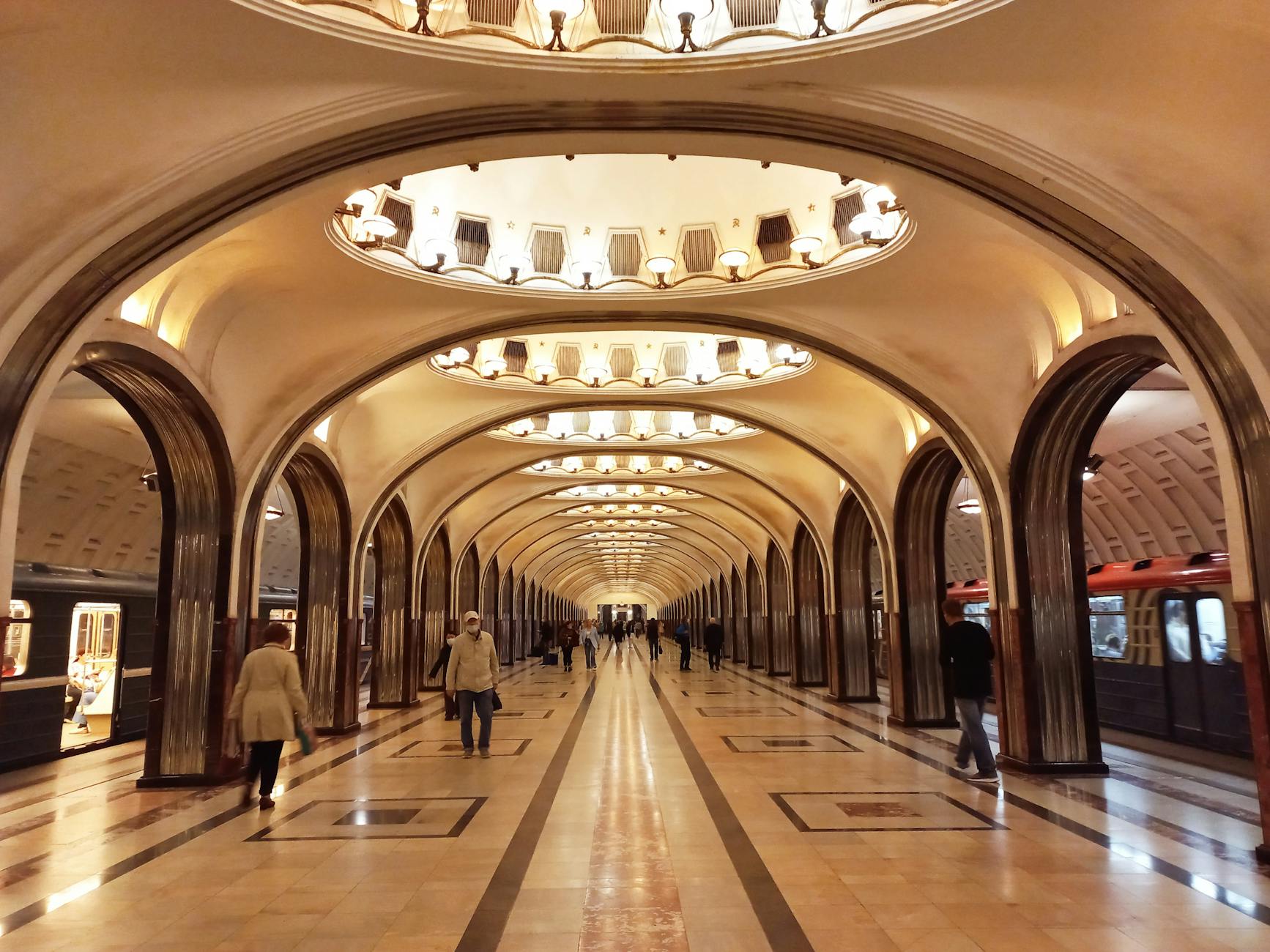
Central to understanding the symbolism inherent in the architecture of the Moscow Subway is the connection to Soviet ideals of progress, unity, and strength. The use of grand materials such as marble, bronze, and granite throughout the stations serves to convey an image of durability and permanence. Each material was chosen not only for its aesthetic appeal but also to symbolize the enduring nature of the Soviet state. For example, the use of marble can invoke feelings of grandeur and stability, reinforcing the idea that the Subway is a vital organ of the state, ensuring forward motion and connectivity.
Moreover, many subway stations integrate detailed mosaics and frescoes that depict heroic workers, soldiers, and emblematic Soviet symbols. For instance, the Mayakovskaya station features striking artwork that glorifies the achievements of the workers and celebrates technological progress, synonymous with the dream of a communist utopia. This artistry is not just for decoration; it serves a propagandistic purpose, reminding commuters of their collective strength and capability in building a new society.
In addition, the names of the stations often reflect their intended messages. Stations like “Revolution Square” and “Komsomolskaya” invoke the rhetoric of revolution and youth, symbolizing a forward-looking ideology rooted in the past struggles for equality. The choice of names serves to connect historical narratives with the modern experience of daily commuters in the subway, ensuring that the legacy of the Soviet narrative remains present and relevant.
The design of the Moscow Subway also addresses social inclusivity and accessibility. Wide staircases, large platforms, and spacious halls reflect an effort to cater to the needs of all citizens, reinforcing the message of equality that communism espouses. This consideration goes beyond mere functionality; it serves as a visual and practical reminder of the collective identity and shared goals within Soviet society.
Throughout its history, as the overarching political landscape evolved, so too did the symbolism embedded within the architecture of the Moscow Subway. The Thaw allowed for less propagandistic and more nuanced representations, although the underlying ideals remained rooted in Soviet principles. Today, the subway’s design continues to inspire awe, as both an architectural marvel and a historic narrative that resonates with the ongoing journey towards the ideals of equity and social justice.
The symbolism within the architecture of the Moscow Subway serves as an ongoing dialogue between past and present, illustrating how design can encapsulate and communicate the values of an era. It invites an understanding of how architecture functions not just as a physical form but as a powerful medium for conveying ideology and fostering communal identity.
The Role of Art in the Architecture of the Moscow Subway
The Architecture of the Moscow Subway uniquely intertwines art with engineering, creating an environment that transcends mere transportation to become a cultural phenomenon. From its inception, the project emphasized the importance of artistic contributions alongside architectural design, setting a precedent for public art in the urban environment. The integration of art serves not only to beautify the space but also to narrate the history, ideology, and aspirations of Soviet society.
At the heart of the Moscow Subway is the conviction that public spaces should reflect the dignity of the people they serve. Artworks installed in the stations draw upon various artistic traditions, from classical to modernist, blending them into a harmonious whole that narrates the Soviet narrative. Artists were commissioned to create mosaics, frescoes, and sculptures, thus allowing creative expression to flourish within the context of state-sponsored design.
For instance, the Ploshchad Revolyutsii station is characterized by 76 bronze sculptures that depict various workers, athletes, and soldiers, united in a visual representation of the human spirit and collective effort. These artworks serve as reminders of the contributions of ordinary citizens to the Soviet project, dignifying their labor and celebrating their achievements. The intricate details and expressive postures of the sculptures invite viewers to engage emotionally with the art, fostering a sense of pride and connection.
Moreover, the architecture of the Moscow Subway frequently blurs the lines between art and function. Art is not simply an afterthought; it is a defining characteristic of the design process. By integrating art into architectural features, such as the stunning chandeliers found in the Komsomolskaya station, the system elevates commuters’ daily experiences, transforming mundane travels into moments of aesthetic appreciation. The atmospheric lighting and carefully curated art installations create a serene environment that juxtaposes the chaos of the outside world.
In addition, the themes explored in the art of the Moscow Subway often reflect the aspirations of the Soviet state. Artistic motifs emphasizing themes such as progress, victory, and innovation serve to project an idealized vision of the future. Mosaics depicting the accomplishments of the Communist Party alongside depictions of cultural achievements illustrate the importance of state propaganda in cultivating a national identity rooted in collective accomplishment.
The influence of artistic movements, particularly during the Stalinist era, further shaped the aesthetics of the subway’s architecture. The regime endorsed socialist realism, which dictated that art should be accessible and relatable, focusing on everyday life and the struggles of the working class. This ideology can be seen in the approachable representations of common people in the subway’s artworks, which invite passengers to see themselves within the larger narrative of the Soviet Union.
As the political climate shifted in subsequent decades, so too did the role of art within the Moscow Subway. The collapse of the Soviet Union and the emergence of new artistic movements ushered in a reevaluation of public art. Contemporary stations began to embrace more diverse artistic expressions, incorporating modern design and innovative materials. Nonetheless, the art enshrined within the older subway stations continues to endure as a vital part of Moscow’s cultural heritage.
The role of art in the architecture of the Moscow Subway is integral to its identity as a public space. The harmonious fusion of artistic expression and architectural design contributes to a rich tapestry of cultural storytelling, captivating the imagination of commuters and visitors alike. As a testament to the enduring legacy of Soviet ideals and artistic innovation, the Moscow Subway continues to shine as a pinnacle of artistic and architectural achievement.
The Influence of Political Ideology on Architectural Choices
The architecture of the Moscow Subway is inextricably linked to the political ideologies that shaped its construction and design. Commissioned as a reflection of Soviet ideals, the subway system was intended to symbolize the triumph of socialism over capitalism, transcending mere transportation needs. Architectural choices made during its conception were heavily influenced by the prevailing political climate, serving as a physical manifestation of the state’s ideological aspirations.
One of the most notable influences on architectural choices was the rise of Stalinism in the 1930s. This period was characterized by a robust emphasis on state-centered aesthetics, which prioritized grandiosity and monumentality as a means of projecting Soviet strength. The architecture of the Moscow Subway encapsulates this ethos, featuring vast, airy spaces with soaring ceilings, elaborately decorated with symbols of Soviet progress and prosperity. The sheer scale of these designs was intended to inspire awe and reverence, transforming public transport into a celebration of the Soviet state.
Political ideology also dictated the thematic representation within the subway stations. Each station was designed to narrate a story connected to the triumphs of communism, and the architecture itself became a vehicle for disseminating propaganda. For instance, stations like Oktyabrskaya and Komsomolskaya are adorned with mosaics and reliefs that are heavily political, depicting the achievements of the working class and glorifying the socialist revolution. Such architectural choices illustrate how ideology was translated into visual languages, serving both as an educational tool and as a rallying point for the greater Soviet cause.
Symbolism played a critical role in these architectural choices as well. Materials such as marble and granite were not only chosen for their aesthetic appeal but were also emblematic of durability, strength, and permanence—qualities that aligned with the ideals of the Soviet state. The lavish use of these materials served to demonstrate a break from Russia’s imperial past, marking a new era grounded in equality and collective effort.
As time progressed and subsequent Soviet leaders came to accept more inclusive, experimental approaches to architecture, the subway continued to make subtle ideological shifts. The post-Stalin era encouraged influences from diverse architectural movements, such as modernism and functionalism, which sought to move beyond the grandiosity of earlier designs. This evolution reflected the changing political landscape, as the state began to advocate for a more streamlined, egalitarian aesthetic.
Nevertheless, even as architectural styles transformed, the ideological roots remained deeply embedded. Each architectural decision was steeped in the ideological aspirations of the Soviet Union, reflecting the overarching themes of progress, unity, and strength. The subway emerged not only as a means of transport but as an expression of national identity, firmly tying its architectural choices to the political project of the USSR.
In considering the influence of political ideology on architectural choices within the Moscow Subway , it becomes evident that these decisions were not made in isolation. Instead, they reflect a broader narrative of the social, cultural, and political aspirations of the time. The subway serves as a longitudinal case study of how architecture can encapsulate and disseminate ideological principles, revealing the complex relationships between design, state power, and collective identity.
Contemporary Reflections and Future Directions
The architecture of the Moscow Subway , while rooted in its historical context, continues to mirror contemporary values and aspirations. As the political climate shifts and the city evolves, the subway system adapts, incorporating new elements while preserving its rich architectural heritage. This dynamic interplay between the past and present not only shapes the user experience but also influences cultural and social discourse.
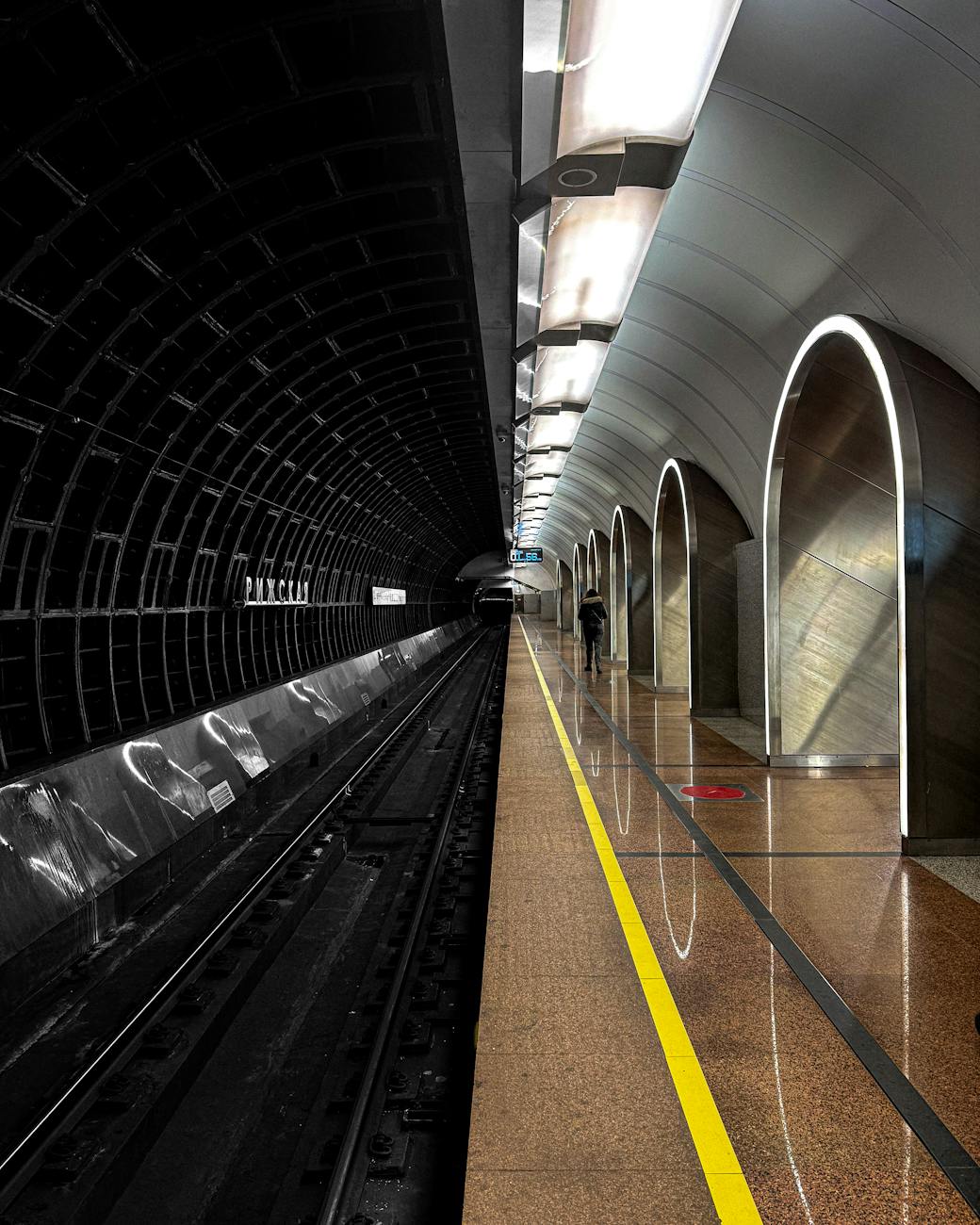
In recent years, the Moscow Subway has embraced modernization while remaining committed to its historical significance. New stations being constructed integrate advanced technologies for efficiency and accessibility, providing riders with a contemporary travel experience that upholds the ideals of inclusivity. For example, modern stations have begun to incorporate digital displays, improved lighting, and user-friendly designs for differently-abled passengers, reflecting societal priorities of accessibility and convenience.
However, the modernization does not come at the expense of the architectural heritage established earlier. Many new stations are designed to echo the grandeur and artistic complexity of their predecessors, often including artistic features that pay homage to the original design ethos. This approach not only fosters a sense of continuity within the subway system but also reinforces the narrative of unity that has long been a hallmark of Soviet ideals.
Moreover, contemporary artistic movements have found their place within the Moscow Subway, allowing for the inclusion of diverse cultural expressions. Artists are invited to contribute works that explore current social issues, thus ensuring that the station environment reflects the dynamism of today’s society. This evolution in artistic contributions cultivates a space that engages current conversations, standing in both contrast to and alignment with the historical artworks that adorn older stations.
The role of sustainability is increasingly gaining importance in the architecture of the Moscow Subway as well. From utilizing eco-friendly materials and efficient energy systems to prioritizing environmental considerations in new projects, the architecture reflects a growing global consciousness about ecological responsibility. Incorporating such practices aligns the subway with modern trends while ensuring that its legacy remains relevant in the face of urgent environmental challenges.
As we project into the future, the architecture of the Moscow Subway stands at a crossroads, balancing the weight of historical significance with the imperatives of contemporary society. The decisions made will shape how future generations connect with this infrastructure, forming their understanding of identity and community.
Conclusion
The contemporary reflections and future directions of the architecture of the Moscow Subway illustrate a continuous evolution. While it retains the historical and ideological essence of its origins, the subway adapts to new realities, ensuring that it remains a vital part of Moscow’s cultural fabric. As both a physical and symbolic platform for human connection and transportation, the Moscow Subway continues to serve as a mirror of its era, geography, and ideals.
The architecture of the Moscow Subway is an ongoing narrative—one that interweaves history, ideology, art, and modernity. As we traverse its halls, we can perceive the legacy of the past while witnessing the architectural evolution that will shape the future. Ultimately, the architecture of the Moscow Subway stands as a testament to the resilience and adaptability of a city, fortifying its identity and communal bonds through every journey it enables.
In summary, the architecture of the Moscow Subway etro serves as both a reflection of its era and a lens through which to examine ongoing shifts in ideology and design. From its monumental origins steeped in socialist realism to current aspirations for modern relevance and inclusivity, it remains a captivating subject for exploration and understanding, inviting future generations to engage with its rich architectural heritage.








[…] Subway Architecture is deeply rooted in the city’s progress and urban development. The origins of the subway can be […]