
Introduction
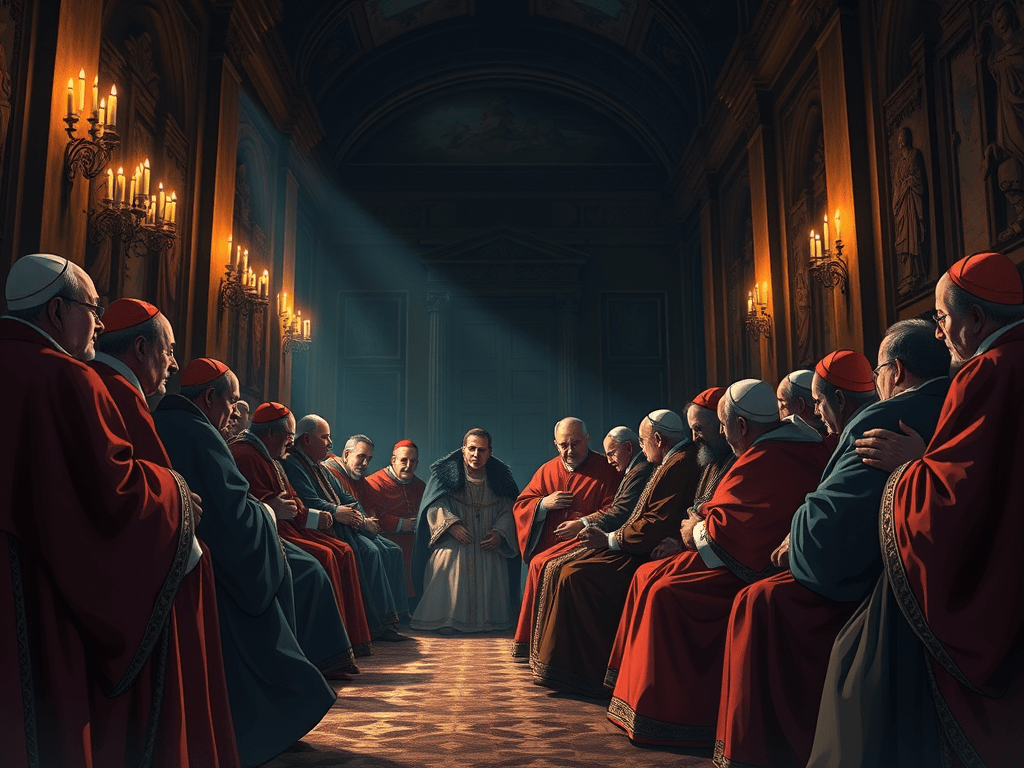
The selection of a new pope through the conclave process is a profound event in the history of the Catholic Church. Many conclaves have captured the attention of the world, but some are particularly notable for their duration. The longest papal conclaves, often marked by political intrigue, uncertainty, and tension, have left a lasting impact on the Church and its followers. This article delves into the stories of the three longest conclaves, exploring their historical contexts, the challenges faced by the cardinals, and the eventual outcomes of these lengthy electoral processes. By understanding these pivotal moments in church history, we can gain insight into the complexities that surround the selection of the pope, a spiritual leader with immense influence over millions worldwide.
Overview of Papal Conclaves and Their Historical Significance
Papal conclaves serve as the critical mechanism through which the Roman Catholic Church elects its leader, the pope. The term “conclave,” derived from the Latin “cum clave,” meaning “with a key,” reflects the practice of locking the cardinals in a room until they reach a decision. This tradition underscores the solemnity and seriousness of the task at hand, as the newly elected pope must be someone who can lead the Church and embody its spiritual mission.
Conclaves have existed since the 13th century, with their rules and procedures evolving over time. One of the central purposes of a conclave is to ensure a secure and confidential environment where the cardinals can deliberate without external pressures. Throughout history, various factors have influenced the length of conclaves, including internal church politics, external political pressures, and the personal ambitions of the cardinals involved.
The longest conclave in history, which extended from 1268 to 1271, serves as a cautionary tale of divisive factions within the Church, as well as external pressures from influential political figures. The conclave often descended into chaos, highlighting the challenges associated with reaching a consensus among diverse and often conflicting interests.
The significance of these lengthy conclaves extends beyond their immediate political implications. They often set precedents that influence subsequent conclaves, shaping the processes and the outcomes of future papal elections. The enduring legacy of a long conclave can impact the Church’s governance and its relationship with the wider world for generations.
In essence, the history of papal conclaves is an integral part of the Catholic Church’s narrative. Not only do they reflect the internal dynamics of the Church, but they also serve as a lens through which we can examine broader social, political, and cultural trends that have influenced the Church’s development over the centuries. Understanding the intricate details of these lengthy conclaves is crucial for appreciating the significance of the papacy and its impact on the global Catholic community.
The Longest Papal Conclave in History: The Conclave of 1268-1271
The conclave that took place from 1268 to 1271 holds the record as the longest papal conclave in history. This prolonged election arose from a complex interplay of political and social factors that both reflected and amplified the tensions in the Church at that time. Following the death of Pope Clement IV in 1268, the cardinals faced immense pressure from various factions that influenced the church and Italian politics.
The conclave began with 18 cardinals gathering at the papal palace in Viterbo, Italy. Their initial hope was to quickly elect a new pope, but as discussions progressed, divisions surfaced. The papal throne was increasingly embroiled in secular politics, and the cardinals were not immune to the external pressures of the day. The cardinals struggled to reach a consensus on a suitable candidate, with multiple factions vying for influence. The candidate’s potential alignment with various political powers further complicated the vote, leading to a deadlock.
As the conclave dragged on for years, the situation turned increasingly dire. The townspeople of Viterbo, frustrated by the lengthy deliberations and the disruption caused to their city, took matters into their own hands. They implemented drastic measures to hasten the election process. In a bid to expedite the conclave, they sealed the cardinals in the chapel and reduced their rations, effectively forcing them to come to an agreement on a candidate. This intervention led to heated debates and further deepened the rifts among the cardinals.
Ultimately, after more than two years of stalemate, the conclave concluded electing Cardinal Giovanni Benedetto Caetani, who took the name Pope Boniface VIII. The choice was somewhat unexpected, as he had not been a prominent candidate at the start of the conclave. His election came as a compromise, reflecting the cardinals’ desperation to end the prolonged deadlock and restore the papacy’s stability.
The lengthy conclave of 1268-1271 serves as a poignant example of how deeply entwined the politics of the Church were with external political pressures, leading to not only a historic election but also illustrating the complexities that involve the selection of the pope. The event has had a lasting impact on the Church, leading to reforms in the conclave process that sought to prevent such an extended struggle in future elections.
The Conclave of 1542-1543 and Its Political Intrigues
The Papal conclave that stretched from 1542 to 1543 arose in a tumultuous period for the Roman Catholic Church, marked by the Protestant Reformation and significant political strife across Europe. Following the death of Pope Adrian VI in 1523, the cardinals gathered once more under the heavy cloud of political pressures and an urgent need to stabilize the Church in the face of growing dissent.
From the outset, the conclave was entrenched in political maneuvering that often overshadowed religious considerations. Factions formed around influential cardinals, and the contest for papal office reflected not only theological ideologies but also regional interests and personal ambitions. The Spanish cardinals sought to promote a candidate who would support Habsburg interests, while the French cardinals leaned towards someone who could counterbalance Spanish influence.
As discussions ensued, the conclave faced external pressures from powerful monarchs, particularly Charles V, Holy Roman Emperor, who directly influenced the proceedings. The cardinals were aware of the looming threat of Protestant advancements in Europe and the need to act decisively in electing a pope who could address these challenges with authority and resolve. However, the tension and bitterness among the factions led to protracted debating, with no candidate able to secure the necessary majority.
The inner workings of the conclave reveal the intricate balance cardinals were attempting to strike between their loyalties and the broader implications of their votes. As paralysis set in, cardinal Jean de Lorraine, a leading candidate, found himself unwilling to concede due to the demands presented by rival factions. This deadlock persisted for months, eroding the conclave’s initial momentum and straining the reconciliation efforts among cardinals.
Ultimately, after nearly a year of intense deliberation, the conclave reached a critical juncture when they elected Giovanni Maria del Monte, who assumed the papal throne as Pope Paul III. His election signaled a turning point for the Church, as Paul III prioritized addressing the challenges posed by the Protestant Reformation. He convened the Council of Trent soon after, which would play a crucial role in the Catholic Church’s response to the Reformation and the reaffirmation of its doctrines.
The conclave of 1542-1543, while historically significant for its protracted duration, also illustrates how political intrigues and divisions within the Church can sustain or prolong an election. It stands as a testament to the necessity for unity and clarity in the electoral process, which remains paramount in times of crisis.
The 1978 Papal Conclaves: John Paul I and John Paul II
The events surrounding the 1978 papal conclaves have become pivotal moments in modern ecclesiastical history, as they showcased the convergence of a rapid succession of events, heightened media scrutiny, and the dynamics of contemporary Church politics. Following the unexpected death of Pope John Paul I after just 33 days in office, the Catholic Church faced the daunting task of unifying its leadership amid considerable uncertainty.
The conclave commenced under the watchful eyes of the world, with 111 cardinals gathering at the Vatican. The atmosphere was charged with anticipation and concern, as speculation ran rampant about the potential successor who could address the challenges facing the Church in a rapidly changing society. The cardinals entered the conclave with a sense of urgency yet remained fundamentally divided about the direction the Church should take.
During the proceedings, different factions emerged. Some cardinals pushed for reformist candidates who would embrace modernity and address pressing social issues, while others rallied behind traditional candidates steadfast in their orthodox beliefs. The resulting contentious negotiations and orgies of behind-the-scenes lobbying extended the conclave’s timeline across multiple ballots.
Ultimately, on October 16, 1978, the papal conclave concluded with the election of Cardinal WojtyÅ‚a, who became Pope John Paul II. His election was unprecedented, marking the first time a non-Italian had assumed the papacy in 455 years. John Paul II’s election represented a monumental shift, as he embraced outreach, interfaith dialogue, and a commitment to the global stage. His papacy would come to define an era in which the Church sought to engage with contemporary issues, such as human rights, peace, and social justice.
However, the fallout from the hasty previous conclave was evident, with cardinals needing to find common ground amid existing tensions. The dual conclaves of 1978 underscored the complexities inherent in modern church politics and the need to address within discrepancies among cardinals. While John Paul II’s papacy began a new chapter, it also highlighted the lessons learned regarding the handling of internal divisions and the effects of the global stage on church leadership.
The Impact of Papal Conclave Length on the Papacy and the Church
The lengths of papal conclaves and their historical significance reveal insights into the state of the Church at pivotal moments in history. Prolonged conclaves often reflect deep divisions within the Church, revealing not only the internal dynamics among cardinals but also the external pressures from societal and political contexts. These extended periods of uncertainty can have far-reaching implications that impact both the Church’s governance and its outreach.
When cardinals struggle to reach a consensus, it can indicate a lack of unity on pivotal issues such as doctrine, governance, and the Church’s role in the modern world. For instance, the lengthy conclaves of history have shaped the nature of papal legitimacy and the expectations placed upon the newly elected pope. In cases like the conclave of 1268-1271, the drawn-out process led to an elected pope who served as a compromise candidate, reflecting the desperation to restore stability amid conflicting interests.
Moreover, the duration of conclaves influences the perception of the papacy itself. Extended conclaves can amplify public scrutiny and foster skepticism among believers. As a new pope emerges from a protracted election, they may be burdened with the expectation of quickly resolving lingering tensions. The balance between tradition and reform becomes increasingly crucial as well, particularly when cardinals representing diverse ideological perspectives engage in lengthy discussions.
While the selection of a pope is inherently consequential for the Catholic Church, the ongoing dynamics and context of the conclave resonate globally. The decisions made, the compromises achieved, and the emerging leadership style of the elected pope ultimately shape the Church’s trajectory. Historical examples underscore the imperative for cardinals to prioritize unity and a clear vision; as the Church confronts contemporary challenges, the lessons gleaned from prolonged conclaves remain relevant.
Conclusion
Exploring the histories of the longest papal conclaves reveals the intricate interplay of politics, ambition, and religious authority within the Catholic Church. The lengthy deliberations witnessed during conclaves such as those of 1268-1271 and 1542-1543 serve as a reminder of the complex considerations that influence the selection of the pope. These moments of tension and uncertainty ultimately shape the leadership and direction of the Church, leaving a lasting impact on both its governance and its faithful population.
In the case of the 1978 conclaves, the rapid succession of events underscored the challenges of navigating modernity while remaining grounded in faith and tradition. As the Church continues to engage with contemporary issues, the lessons learned from these historical precedents remain essential for fostering unity among its leaders.
In conclusion, the histories of papal conclaves encapsulate the importance of deliberation, careful reflection, and collaborative decision-making, which are vital for edifying the Catholic Church and guiding the faithful. By understanding these lengths and their implications, we gain deeper insights into the complexities of church governance and the enduring significance of papal elections.
Read also our articles The History of the Vatican Bank: from business model to scandals and Sacred Vatican 2025: A 3-Day Journey of Art, Faith, and Wonder
Sources
- “History of the Papacy.” Catholic Encyclopedia.
- “The Papal Conclave: A Historical Overview.” Encyclical Letters.
- “Pope John Paul II: A Life.” Vatican News.
- “Long and Short of the Papal Conclave.” The Guardian.
- “Medieval Politics and the Papacy: The Conclave of 1268.” Journal of Ecclesiastical History.





[…] and John Calvin challenged the established authority of the Catholic Church and, by extension, the papacy. The movement led to the fragmentation of Western Christianity and resulted in significant […]