

Introduction
Barcelona’s architectural landscape is a vibrant tapestry woven from a rich historical context, defining movements, and pioneering figures. The architecture of Barcelona is notably highlighted by the Modernisme movement, which shaped the city in the late 19th and early 20th centuries, making it a hotspot for innovation and artistic expression. Buildings designed by iconic architects like Antoni GaudÃ, LluÃs Domènech i Montaner, and Josep Puig i Cadafalch transform the streets into a visual feast, with distinct styles that celebrate both structure and artistry. Exploring the architecture of Barcelona reveals a unique relationship between urban spaces and nature, one that can captivate visitors and inspire admiration. This exploration of the iconic architecture of Barcelona not only showcases stunning façades and innovative designs but also offers deeper insights into the city’s cultural heartbeat and the continuous evolution of its urban landscape.
The Influence of Antoni Gaudà on Barcelona’s Skyline
Antoni GaudÃ, the most celebrated architect associated with the architecture of Barcelona, left an indelible mark on the city’s skyline. His vision transcends mere construction; it embodies a philosophy deeply embedded in nature, faith, and the social fabric of society. GaudÃ’s work is firmly rooted in the Catalan Modernisme movement, yet his designs are unique and distinguishable from those of his contemporaries.
The most iconic of GaudÃ’s masterpieces, the Sagrada FamÃlia, is an ongoing project that defines Barcelona. This monumental basilica has been under construction since 1882 and showcases GaudÃ’s signature style, characterized by organic forms, vibrant colors, and intricate details. The architecture of Barcelona, through GaudÃ’s lens, unfolds as a dialogue between structure and spirituality. Each tower and façade tells a story—of the natural world, of religious devotion, and of artistic rebellion.

Casa Batlló, another hallmark of GaudÒs ingenuity, reflects his ability to mesh functionality with artistic expression. This residential building on Passeig de Grà cia features undulating lines and vivid mosaics that evoke the elements of water and air, encapsulating the essence of the architecture of Barcelona. GaudÒs playful approach to design highlights his belief that architecture should evoke emotions and spark creativity.
Casa Milà , or La Pedrera, is yet another icon that showcases his innovation. The building’s façade, crafted from limestone, appears seamless, with wrought iron balconies reminiscent of organic forms. The architecture of Barcelona often utilizes unconventional materials and techniques, and GaudÃ’s commitment to craftsmanship has set a benchmark for contemporary architecture.
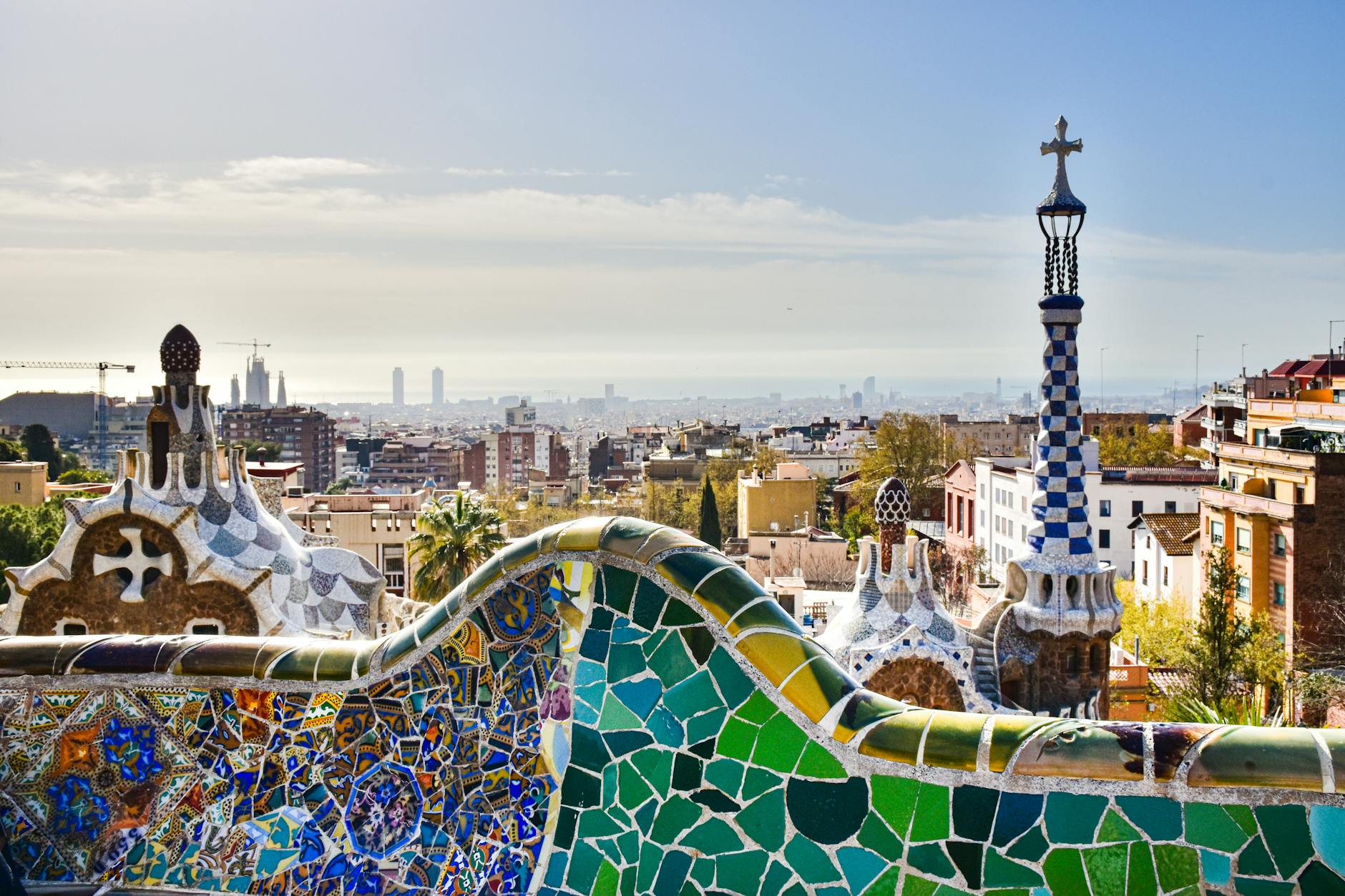
Moreover, GaudÒs fascination with nature propelled him to incorporate natural forms into his architecture. His use of colors, textures, and patterns draws inspiration from the surrounding landscape, and this synergy between the built environment and nature is a central theme in the architecture of Barcelona. For instance, the park Güell is a vibrant display of GaudÒs philosophy, merging environmental design with urban landscape to create an enchanting public space.
As cities undergo modernization, preserving GaudÃ’s legacy becomes imperative. His architecture influences not only how Barcelona is perceived but also serves as a reference point for architects worldwide. The interplay of natural elements, innovative materials, and meticulous attention to detail continues to inspire generations, establishing Gaudà as a guardian of Barcelona’s architectural identity.
The influence of Antoni Gaudà on the architecture of Barcelona is profound. His genius extends beyond the buildings; it encompasses the entire landscape, reminding us that architecture can flourish as a form of art. GaudÒs creations resonate with universal themes that speak to the human experience, making the architecture of Barcelona a pivotal narrative in the story of global architecture.
The Integration of Nature in Urban Design
Nature plays a crucial role in the architecture of Barcelona, particularly in the way urban spaces are conceived and designed. The interweaving of natural elements within the cityscape not only enhances aesthetic appeal but also promotes a harmonious coexistence between architecture and the environment. This synergy is evident in the works of architects like Gaudà and his contemporaries, who viewed nature as an essential component of their designs.
GaudÒs work exemplifies this philosophy. The park Güell, initially intended as a residential project, is a testament to his commitment to integrating nature within urban realms. The park features whimsical structures seamlessly embedded within the landscape, encouraging visitors to enjoy both the built environment and the natural surroundings. The architecture of Barcelona, through GaudÒs lens, reflects a deep respect for the landscape, emphasizing the importance of preserving green spaces in urban development.
The incorporation of natural light within buildings also showcases the architecture of Barcelona’s responsiveness to environmental elements. Structures are designed with large windows and open spaces, allowing sunlight to flood interiors and create dynamic living environments. These elements foster well-being and comfort in what could otherwise be a stark urban experience.
In addition to aesthetics, the integration of nature within the architecture of Barcelona addresses ecological considerations. Sustainable practices, such as green roofs and the use of local materials, are becoming increasingly prevalent as architects seek to minimize their environmental footprint. Modern projects reflect a growing awareness of climate change and the significance of sustainable architecture, offering innovative solutions that echo Barcelona’s traditional respect for nature.
Furthermore, the architecture of Barcelona’s public spaces—including plazas, parks, and waterfronts—demonstrates an ongoing commitment to creating areas where nature and urban life coexist. The revitalization of waterfronts, for instance, encourages public interaction with natural landscapes while fostering community engagement.
The architecture of Barcelona is a living testament to the belief that urban design should prioritize the environment and embrace nature as a partner rather than an adversary. This approach not only enriches the city’s cultural heritage but also lays a foundation for future generations, ensuring that the beauty of the natural world continues to be cherished amidst the urban environment.
The integration of nature in urban design within the architecture of Barcelona reflects a deep-rooted philosophy embracing ecological balance and sustainability. By harmonizing built structures with natural elements, the city stands as a model for future urban development, celebrating both artistic innovation and environmental responsibility.
The Legacy of Modernisme and Its Global Impact
Modernisme, a distinct movement within the architecture of Barcelona, epitomizes the city’s embrace of artistic and technological advancements in the late 19th and early 20th centuries. Spanning various disciplines, Modernisme sought to create a unique Catalan identity through innovative architectural design. This movement would go on to significantly influence architectural trends worldwide, making Barcelona a central hub for modernist thought.
Central figures of Modernisme, such as LluÃs Domènech i Montaner and Josep Puig i Cadafalch, played pivotal roles in this architectural revolution alongside GaudÃ. Their collective works demonstrate a shared vision of blending art, craftsmanship, and functionality, characteristics that define the architecture of Barcelona.
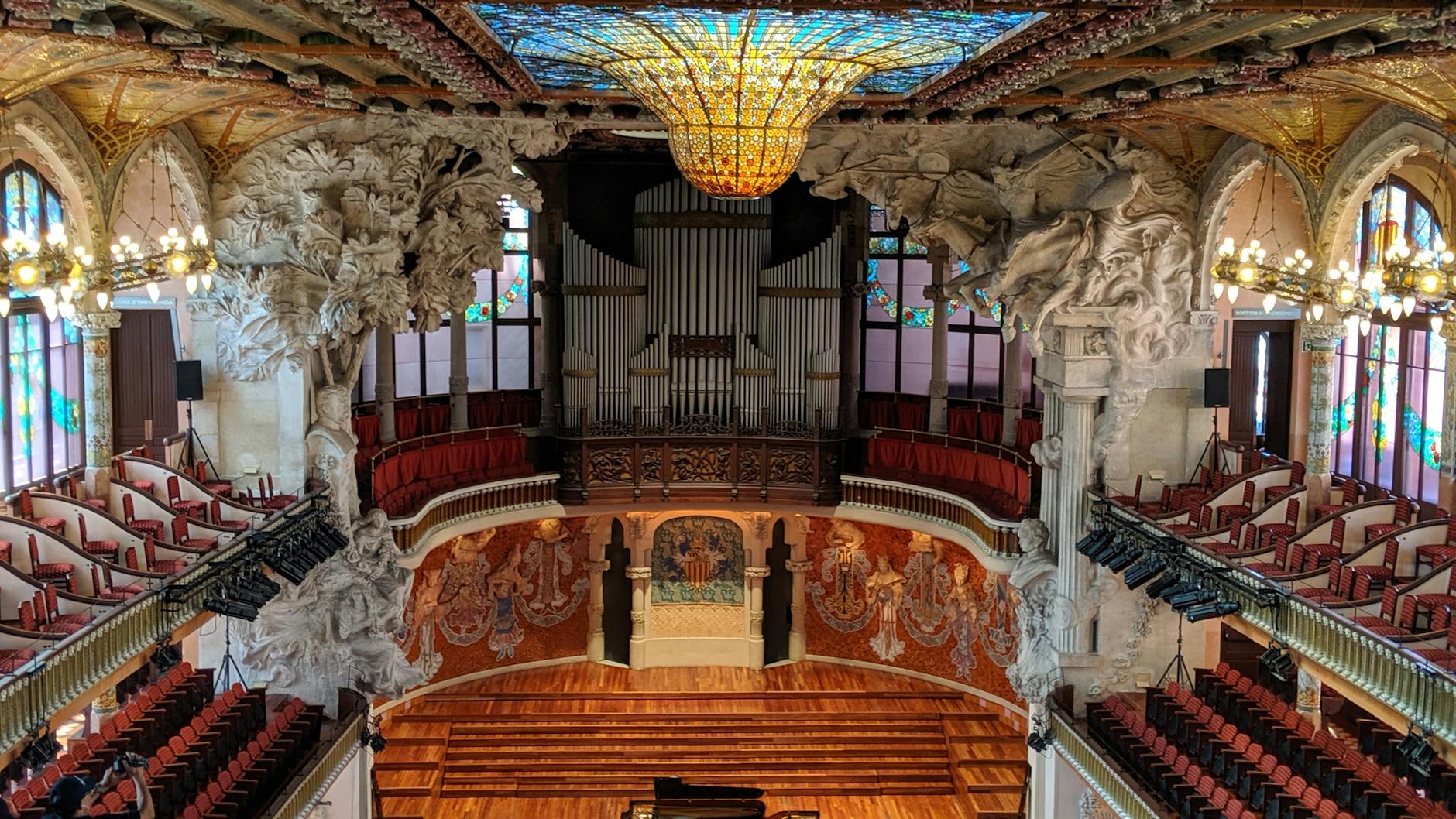
One of the most renowned structures representative of Modernisme is the Palau de la Musica Catalana, designed by Domènech i Montaner. This concert hall features a breathtaking stained-glass skylight and intricate tile work, showcasing the ornate aesthetics and vibrant colors that characterize the architecture of Barcelona. The Palau reinforces how Modernisme was not only about form but also reflected cultural expression and social ideals.
Likewise, Casa Amatller, designed by Puig i Cadafalch, proudly displays the decorative motifs synonymous with this movement. Its façade intermingles Gothic and modernist elements, creating an architectural language that speaks to the city’s historical context. The architecture of Barcelona thus embodies a creative dialogue that merges various styles, evoking a sense of wonder and admiration.
Modernisme’s legacy extends far beyond Barcelona, impacting architects and artists around the globe. The principles of organic forms, asymmetry, and a strong connection to natural themes found in the architecture of Barcelona have inspired an array of styles worldwide, from Art Nouveau in France to the later works of Frank Lloyd Wright in the United States. Through international exhibitions and the exchange of ideas, the movement has left an indelible mark on architecture globally.
The rise of Modernisme also prompted discussions about cultural identity and the significance of regionalism in architecture. As cities across Europe and beyond sought to define their identities through urban planning, the architecture of Barcelona emerged as a model illustrating how art and architecture could serve both aesthetic and cultural purposes.
In contemporary times, the ethos of Modernisme resonates with movements that prioritize sustainability, community engagement, and cultural relevance in design. Architects continue to reference the playful forms and environmental integration present in the architecture of Barcelona, seeking to create spaces that honor the past while addressing future challenges.
The legacy of Modernisme represents a monumental chapter in the architecture of Barcelona that reverberates worldwide. This movement fosters a dialogue about identity, innovation, and the role of architecture in society, and its influence is seen in the works of designers and architects who continue to draw inspiration from Barcelona’s rich architectural heritage.
Discovering the Lesser-Known Architectural Treasures
While Barcelona is renowned for its iconic architectural gems like the Sagrada FamÃlia and Park Güell, there exists a wealth of lesser-known yet equally compelling structures that contribute to the richness of the architecture of Barcelona. These treasures, often overlooked by tourists, offer a unique perspective on the city’s diverse architectural narrative and deeper insights into its cultural evolution.
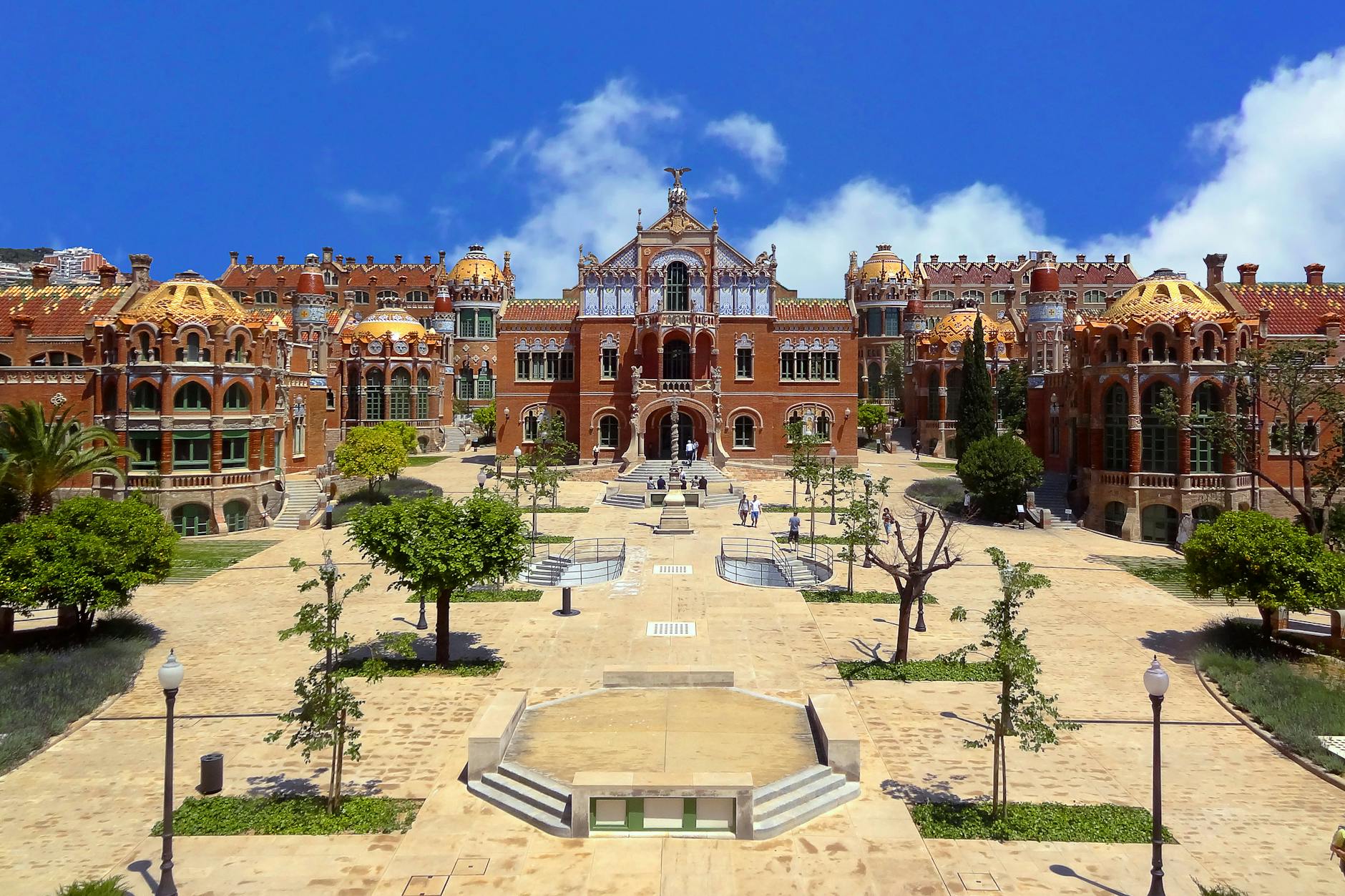
One such hidden gem is the Hospital de Sant Pau, a UNESCO World Heritage Site designed by LluÃs Domènech i Montaner. Often overshadowed by more famous landmarks, this hospital complex boasts a stunning combination of Art Nouveau elements and beautiful gardens, blurring the lines between healthcare and art. The architecture of Barcelona thrives on such initiatives, where functional spaces are transformed into visually captivating environments. Visitors who explore the hospital often find themselves amazed by the intricate tile work and vibrant mosaics that reflect the movement’s exuberance.
Another lesser-known marvel is Casa Ramos, a prime example of early 20th-century Catalan Modernisme located in the Grà cia district. Designed by Jaume Torres i Grau, this residential building features mosaics, wrought iron balconies, and curvilinear forms that echo the vitality of the architecture of Barcelona. As the city embraces modernization, smaller structures like Casa Ramos tell stories of individual craftsmanship and local tradition, illustrating how distinct styles contribute to Barcelona’s architectural tapestry.
Exploring the lesser-known architectural sites allows visitors to connect with the city’s history on a more intimate level. The architecture of Barcelona thrives on its diversity; every corner holds remnants of different eras, from Gothic and Renaissance styles to 20th-century avant-garde designs. For example, the Sant Pau del Camp church presents a fascinating contrast to the vibrant colors of Modernisme with its Romanesque architecture, offering a glimpse into the city’s storied past and its evolution over time.
Moreover, Barcelona’s numerous street fountains, such as the charming Font de Sant Jaume, showcase local craftsmanship while providing practical water supply solutions. These often-forgotten elements add to the city’s character and embody the spirit of functional art found throughout the architecture of Barcelona.
As sustainable urban development becomes increasingly important, it is essential to recognize and preserve these architectural treasures. The merger of historic protection and modern preservation will play a crucial role in maintaining the architecture of Barcelona for future generations. By highlighting these lesser-known sites, the city can foster a deeper appreciation for local history and craftsmanship, allowing both residents and visitors to connect with the architectural heritage that shapes their surroundings.
The exploration of lesser-known architectural treasures deepens our understanding of Barcelona’s architectural narrative. These hidden gems enrich the city’s landscape, weaving together stories of innovation, culture, and community that reflect the eclectic essence of the architecture of Barcelona. The preservation and promotion of these sites ensure that every corner of Barcelona continues to inspire and engage, celebrating the rich historical context that makes this city a unique architectural marvel.
The Future of Barcelona’s Architectural Ensembles
As Barcelona continues to evolve in the 21st century, the future of its architectural ensembles is a topic of continuous discourse. The architecture of Barcelona faces challenges and opportunities as urban development integrates modern needs while striving to preserve its rich heritage. This balance between innovation and tradition is crucial as cities worldwide adopt sustainable practices in response to contemporary societal and environmental challenges.
One of the most significant trends shaping the future of Barcelona’s architecture is the emphasis on sustainability. Architects and urban planners increasingly incorporate green technologies and materials into their designs, reflecting a growing awareness of the ecological impact of construction. Initiatives such as the Superblocks project aim to reclaim urban spaces for pedestrians and cyclists, promoting eco-friendly transportation and reducing reliance on cars. This shift creates vibrant communal areas where residents can engage with their surroundings in a more holistic manner, merging modern urban living with the historic architecture of Barcelona.
Furthermore, the architecture of Barcelona is becoming increasingly influenced by technology. Smart city solutions, including energy-efficient buildings and automated systems, allow for more responsive, adaptable architecture. The preservation of historical character alongside technological advancement remains a critical challenge; architects are now tasked with creating structures that respect the past while catering to future needs.
Public engagement plays an essential role in shaping the future of the architecture of Barcelona. Community involvement in urban planning processes fosters a sense of ownership and accountability among residents. Participatory design initiatives allow citizens to voice their needs and desires, creating buildings and infrastructures that reflect local culture and context. This level of engagement is necessary to create spaces that foster community, ensuring that they resonate with the diverse populations that inhabit the city.
Moreover, the architecture of Barcelona serves as a foundation for cultural synthesis. As global migration continues to influence urban demographics, architects are called to create spaces that honor various cultural heritages while fostering social cohesion. Contemporary designs that incorporate multicultural elements not only enrich the city but also reflect the dynamic identity of Barcelona as a crossroads of influences.
As the city strives to address challenges posed by climate change and urbanization, the resilience of Barcelona’s architectural identity remains paramount. The wealth of modernist structures will continue to inspire new generations of architects and artists, who will look to the past for guidance as they develop creative solutions for a sustainable future.
The future of architectural ensembles in Barcelona hangs on a delicate balance between innovation and preservation. Emphasizing sustainability, technology, community engagement, and cultural integration, the architecture of Barcelona will continue to evolve while honoring its historic legacy and unique identity, creating a vibrant urban landscape for generations to come.
Conclusion
In exploring the architecture of Barcelona, one uncovers a remarkable journey through time, artistry, and cultural identity. From the visionary works of Gaudà to the ornate structures of Modernisme, the city’s landscape is a testament to a rich history interwoven with artistic expression and innovative design. The architecture of Barcelona not only captivates the eye but also serves as a canvas reflecting the aspirations and values of its residents.
As we delved into various aspects of Barcelona’s architectural marvels, from GaudÃ’s influence to the hidden treasures lying off the beaten path, it’s clear that Barcelona’s architectural narrative is multifaceted and ever-evolving. The symbiotic relationship between nature and urban design, the global impact of Modernisme, and the dynamic future ahead all contribute to a profound appreciation for the architecture of Barcelona.
Moving forward, it is vital for both residents and visitors to engage with and support the preservation of this architectural heritage. By fostering a deeper understanding of the significance of these structures, we can ensure that the architecture of Barcelona continues to inspire and enchant future generations. As a living organism, the city and its architectural landscape will thrive, maintaining the harmony between the past and the future, creativity and functionality, identity and diversity. Ultimately, the architecture of Barcelona embodies the spirit of a city in constant dialogue with itself—a vibrant testament to human ingenuity and artistic expression.







[…] figures in the world of architecture, with his creations leaving an indelible mark on the city of Barcelona. His unique style, deeply influenced by nature, religious symbolism, and Catalan culture, presents […]