Introduction
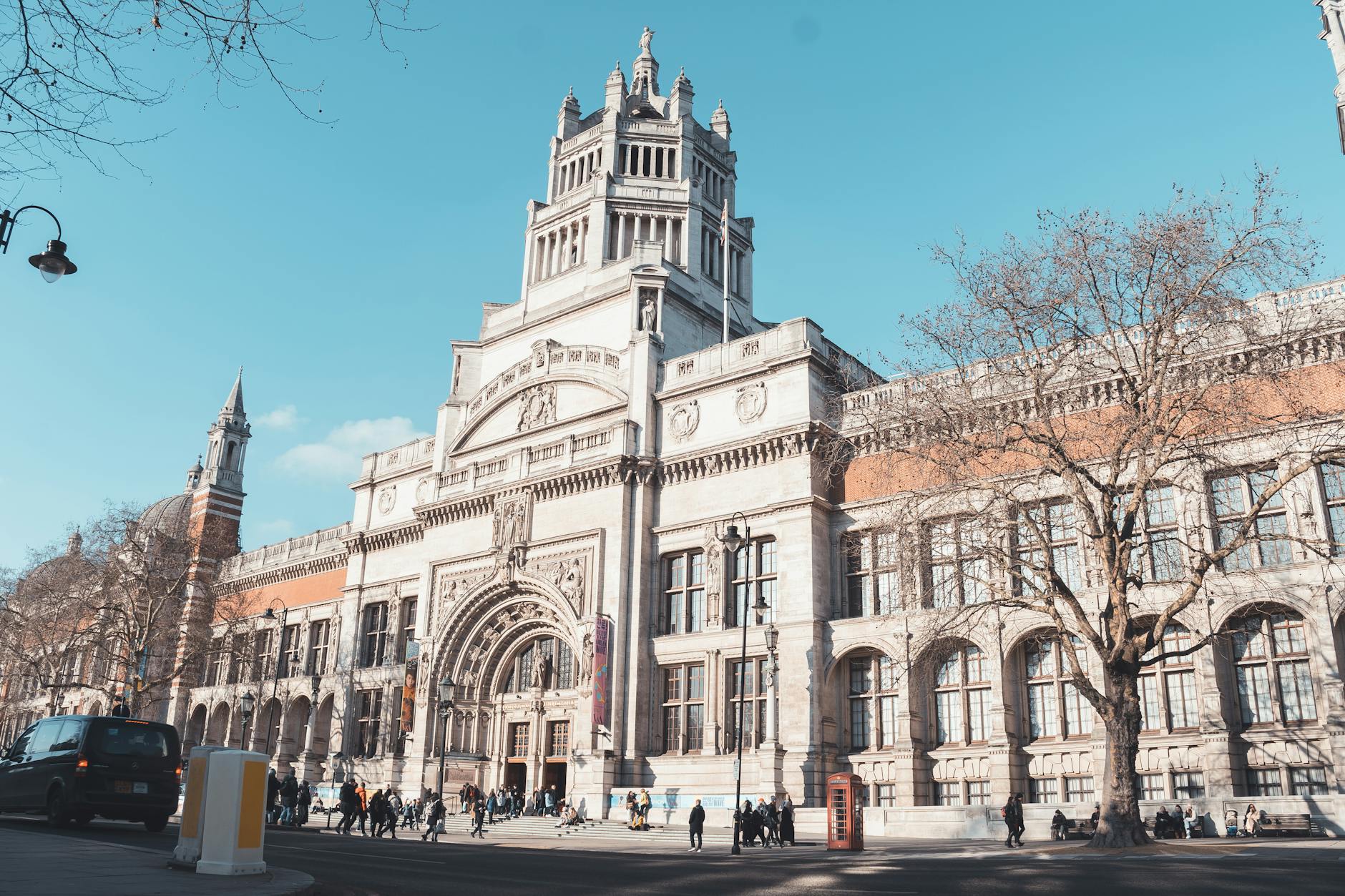
The Victoria and Albert Museum (V&A) in London stands as a beacon of art, design, and culture, showcasing humanity’s creative endeavors across centuries. This extraordinary institution, founded in 1852, serves not only as a museum but as a vibrant hub where art meets the everyday life of individuals in a rapidly changing world. The collection spans a diverse range of disciplines, including decorative arts, textiles, fashion, and sculpture, with pieces from various cultures and eras that illustrate the artistic dialogue through time. In this article, we delve into the rich history of the V&A, tracing its origins, exploring its extensive collections and architectural developments, and examining its cultural significance and future aspirations. Through understanding the evolution of this museum, we can appreciate how it continues to inspire and engage audiences from all walks of life.
Founding of the Museum
The Victoria and Albert Museum, one of the world’s leading art and design museums, has its roots deeply embedded in the great exhibition culture of the Victorian era. Established in 1852, the V&A’s inception was largely a response to the Great Exhibition of 1851, held at the Crystal Palace in Hyde Park. This monumental event showcased the industrial and artistic achievements of the time, reflecting the Victorian commitment to innovation and excellence. The tremendous success of the exhibition prompted a renewed interest in the importance of design and craftsmanship, leading to the necessity for a permanent venue to foster the appreciation of decorative arts.
Prince Albert, the husband of Queen Victoria, was a significant figure behind the museum’s establishment. He recognized the potential for a museum to educate the public about art and design. The Society of Arts, established by a group of notable Victorian intellectuals, played a crucial role in supporting this vision. In 1852, under the guidance of key figures, including Sir Henry Cole, the first director of the museum, the South Kensington Museum opened its doors. Its primary goal was to promote the study of art and design, making it accessible to the wider public.
The museum’s name was officially changed to the Victoria and Albert Museum in 1899, reflecting the royal patronage and the desire to honor Queen Victoria and her husband. This renaming marked a significant shift in the museum’s identity, elevating its status and reinforcing its connection to the Victorian ideals of progress and enlightenment.
Initially, the collection focused on applied arts, such as ceramics, textiles, and metalwork. The acquisition of artifacts was strategic, aimed at providing rich educational resources for students, artisans, and the general public. The V&A became a repository for examples of the best design practices of the time, encouraging British artisans to embrace innovative styles and techniques to compete with international counterparts.
To this end, the V&A has continuously expanded its role beyond merely being a collections-based institution. It has developed numerous educational programs, workshops, and events that aim to engage the community and inspire the next generation of artists and designers. These initiatives reflect the museum’s mission to connect history with contemporary practices, providing insights into how historical design principles can inform modern creativity.
Over the years, the V&A has also faced the challenge of adapting to changing cultural and artistic trends. In the late 19th and early 20th centuries, as design movements evolved—ranging from Arts and Crafts to Art Nouveau—the museum enriched its collections with new acquisitions reflective of these styles. This adaptability has allowed the V&A to remain relevant and significant in the art world, continually fostering public interest in design.
In summary, the founding of the Victoria and Albert Museum was a pivotal moment in the history of art and design in the UK. It was born out of a desire to promote education and appreciation of the arts, influenced by royal vision and public enthusiasm. The institution’s evolution exemplifies a commitment to not only preserving history but also to engaging with contemporary culture, thereby ensuring its lasting significance in the realm of design.
Key Collections and Exhibitions
The Victoria and Albert Museum is renowned for its remarkable collections, which span over 5,000 years of art and design history. It houses more than 2.3 million objects, representing cultures from around the world and showcasing a wide array of artistic mediums. One of the most notable aspects of the V&A’s collections is its focus on decorative arts, which are often overlooked in other major museums.
The museum’s collections are divided into several categories, each reflecting different artistic movements and styles. The textile collection, for instance, is one of the largest and most comprehensive in the world, encompassing fabrics, fashion, and tapestries from various periods and regions. This collection highlights the evolution of textile design and the significance of fabric in cultural expression.
The fashion gallery is particularly noteworthy, presenting an overview of fashion history through significant garments and accessories. Exhibits range from exquisite historical dresses to contemporary pieces by renowned designers, illustrating the transformative nature of fashion as both art and functional attire. The V&A also hosts temporary exhibitions, frequently spotlighting contemporary designers and emerging trends in the fashion world.
In addition to textiles and fashion, the museum features extensive collections of ceramics, glass, metalwork, and furniture. Each collection tells a story, demonstrating the craftsmanship and creativity that defined different eras and styles. The ceramics collection, for example, includes significant pieces from the Ming Dynasty and British pottery, showcasing the diversity of ceramic art and its cultural significance throughout history.
The V&A actively collaborates with artists and designers to curate exhibitions that push the boundaries of traditional artistic expression. These exhibitions often juxtapose historical objects with contemporary artworks, creating dialogues that challenge perceptions of art and design. This innovative approach not only attracts diverse audiences but also emphasizes the museum’s commitment to adaptation and relevance in a global context.
A highlight of the V&A’s exhibitions is the annual London Design Festival, during which the museum becomes a central hub for designers, artists, and the public to explore new ideas and concepts in design. The festival includes installations, talks, and workshops, encouraging participation from the community and fostering creativity.
The museum’s role as a cultural institution extends beyond merely displaying artworks. It serves as a platform for discussions about art, design, and societal issues. The V&A engages in contemporary debates regarding sustainability and ethical practices in design, furthering its mission to educate and inspire future generations.
Through its key collections and dynamic exhibitions, the V&A remains a pivotal institution in the landscape of art and design. It continues to evolve and adapt, ensuring that the rich history of design is accessible and engaging to all, reaffirming its status as London’s treasure trove of creativity.
Architectural Evolution
The architectural journey of the Victoria and Albert Museum is a story of evolution, innovation, and adaptation. The original building, designed by Sir Henry Cole in a style known as Victorian Gothic, opened its doors as the South Kensington Museum in 1852. The distinctive features of the early design, including terracotta decorations and pointed arches, were emblematic of the era’s fascination with medieval influences. This initial structure provided a fitting setting for the museum’s extensive collections, emphasizing an atmosphere of grandeur and sophistication.
As the museum’s ambitions grew, so did the need for expansion and modernization. The first major addition was the Museum’s East Wing, completed in 1909, designed by Sir Aston Webb. This new wing became home to the British Galleries, showcasing British decorative arts from the 14th century to the present day. Webb’s design maintained the Victorian style while introducing elements of classical architecture, bridging the old with the new.
The V&A’s commitment to innovation in architecture continued throughout the 20th century. In the 1990s, under the direction of Sir Mark Jones, the museum underwent a significant renovation. The addition of the John Madejski Garden in 1999 provided a tranquil outdoor space for visitors, enhancing the overall visitor experience. Designed by landscape architect Kim Wilkie, the garden offered a contemporary contrast to the historic architectural elements of the museum.
The museum’s most notable architectural addition in recent decades is the state-of-the-art Exhibition Road entrance, designed by Amanda Levete Architects, which opened in 2017. This entrance marks a significant shift towards accessibility and engagement, accommodating increased visitor numbers and providing a seamless connection between the museum and the bustling surroundings of Exhibition Road. The design features a stunning translucent canopy and an open central space that invites visitors into the museum while encouraging interaction with the city.
The architectural evolution of the V&A is not only about spatial expansion, but it also reflects changing attitudes towards art and design. Each new addition represents a dialogue between historical principles and contemporary needs, ensuring that the museum remains a vibrant, relevant institution. The thoughtful integration of modern architecture into the historic fabric of the museum serves to connect visitors with the past while embracing the future.
Furthermore, the museum’s architectural identity is closely linked to its mission of education and inspiration. The design of exhibition spaces has evolved to accommodate evolving curatorial practices, allowing for more flexible and engaging displays. This adaptability ensures that the V&A can showcase diverse collections and respond to the dynamic nature of cultural discourse.
The architectural journey of the Victoria and Albert Museum encapsulates a narrative of progress, ambition, and vision. It exemplifies London’s broader architectural story, where history and modernity coalesce to create inspiring cultural spaces. Through thoughtful design and strategic expansion, the V&A continues to be a beacon of creativity, drawing visitors into its rich historical tapestry while preparing for the challenges of the future.
Cultural Impact and Educational Role
The Victoria and Albert Museum has played a pivotal role in shaping the cultural landscape of London and beyond, serving as a catalyst for artistic exploration and educational initiatives. Its extensive collections and dynamic programming have established it as a vital resource for students, educators, and the general public alike, fostering a deeper understanding and appreciation for art and design.
One of the standout features of the V&A is its commitment to education. The museum offers a multitude of educational programs designed to engage visitors of all ages and backgrounds. These programs include workshops, lectures, and guided tours tailored to enhance the learning experience. By breaking down barriers between art and education, the V&A emphasizes the importance of creative thinking and critical engagement with the arts in an increasingly complex world.
The museum’s dedicated education department works tirelessly to create opportunities for schools, colleges, and universities to connect with its resources. Through outreach programs, the V&A reaches underserved communities, ensuring that access to art and culture is inclusive. Special initiatives, such as the V&A’s school partnerships, allow students to experience firsthand the richness of the museum’s collections, bridging the gap between academic study and experiential learning. By fostering collaboration with educational institutions, the museum empowers educators to utilize its resources effectively in their curricula.
In addition to formal education, the V&A engages with the community through a variety of programming that encourages public participation and dialogue. Themed events, family activities, and seasonal festivals create a vibrant atmosphere that welcomes diverse audiences. Programs like the “Friday Late†events draw in crowds for after-hours access to exhibitions, featuring live performances, talks, and interactive experiences that stimulate creativity and conversation.
The cultural impact of the V&A extends beyond its walls, influencing broader conversations on art, design, and society. The museum often collaborates with contemporary artists, designers, and cultural organizations to address pressing social issues and initiate discussions on themes such as sustainability, cultural diversity, and the role of technology in art-making. These partnerships not only enrich the museum’s exhibitions but also situate it as a responsive and responsible cultural institution.
Moreover, the V&A has made significant strides in the digital realm, recognizing the need to reach global audiences beyond its physical location. Through virtual tours, online collections, and digital learning resources, the museum expands its educational outreach, allowing individuals from around the world to engage with its treasures from the comfort of their homes. This pivot to digital engagement during challenging times has highlighted the resilience of cultural institutions and their ability to adapt in the face of adversity.
The museum also serves as an incubator for emerging talent in the arts. Through initiatives like the “V&A and Adobe Creative Residency,†the museum supports artists and designers working on innovative projects, providing them a platform to experiment and showcase their work. This symbiotic relationship between established cultural institutions and emerging creatives fosters an environment where new ideas can flourish.
In conclusion, the Victoria and Albert Museum’s cultural impact and educational role are paramount in shaping the understanding and appreciation of art and design. By prioritizing inclusivity, innovation, and engagement, the V&A continues to serve as an invaluable resource for learning and inspiration in the contemporary world. Its commitment to education not only preserves history but also propels society toward a more creative and informed future.
Future Directions and Innovations
As the Victoria and Albert Museum looks to the future, it stands at the intersection of tradition and innovation, poised to embrace new opportunities while remaining rooted in its rich history. The museum’s forward-thinking approach reflects a deep understanding of the evolving landscape of culture, design, technology, and audience engagement.
One of the key directions for the V&A is to expand its commitment to sustainability. Like many institutions, the museum recognizes the pressing need to address the environmental challenges facing the planet. In response, the V&A has implemented sustainable practices in its operations and exhibitions, emphasizing the role of the arts in promoting awareness and action on climate change. Collaborations with designers and artists who prioritize eco-friendly materials and processes further reinforce the museum’s dedication to a sustainable future.
The integration of technology also plays a crucial role in shaping the future of the V&A. As digital engagement becomes increasingly important, the museum continues to invest in innovative technologies that enhance visitor experiences. From augmented reality (AR) applications that allow visitors to interact with objects in new ways to virtual reality (VR) experiences that transport users to different times and places, the V&A is leveraging technology to deepen connections with its collections.
Additionally, the museum is exploring new formats for exhibitions and programming that reflect contemporary practices and audience expectations. This includes more flexible exhibition layouts that encourage interactivity and participation, allowing visitors to engage with art and design on a personal level. The V&A is also prioritizing diverse narratives, ensuring that a wide array of voices and perspectives are represented in its collections and exhibitions.
In terms of accessibility, the V&A is committed to enhancing the museum experience for all visitors, regardless of ability. Recent initiatives include improving physical access to exhibition spaces and developing resources that cater to individuals with diverse learning needs. The museum aims to create an inclusive environment where everyone can engage meaningfully with art and culture.
As the museum evolves, it also places a strong emphasis on collaborative partnerships. By working with artists, designers, cultural institutions, and academic organizations, the V&A is creating a network of support that fosters innovation and creativity. Collaborative projects often result in interdisciplinary initiatives that engage broader audiences and stimulate new conversations about the role of design in society.
One of the museum’s most ambitious future projects is its continuing focus on global narratives. As the world becomes increasingly interconnected, the V&A recognizes the importance of showcasing diverse cultural expressions and fostering cross-cultural dialogue. This initiative aims not only to enrich the museum’s collections but also to create a platform for storytelling that transcends geographical boundaries.
In summary, the future directions and innovations of the Victoria and Albert Museum are centered on sustainability, technology, inclusivity, and collaboration. By prioritizing these core principles, the V&A ensures that it remains a dynamic institution, inspiring generations to come. Its ability to adapt to changing cultural landscapes while honoring its storied history positions the V&A as not just a museum of the past, but a vibrant hub for contemporary creativity and dialogue.
Conclusion
The Victoria and Albert Museum is not merely a repository of historical artifacts; it is a living institution that continually evolves to meet the needs and interests of a diverse audience. Through its founding principles of education and accessibility, the museum has established itself as a vital part of London’s cultural landscape. As it moves forward, the V&A remains committed to exploring new avenues of engagement, fostering artistic innovation, and promoting a deeper understanding of the importance of design in everyday life. By embracing the challenges and opportunities of the future, the V&A will continue to inspire and enrich the lives of visitors, ensuring its status as a treasure trove of design for generations to come.