Introduction
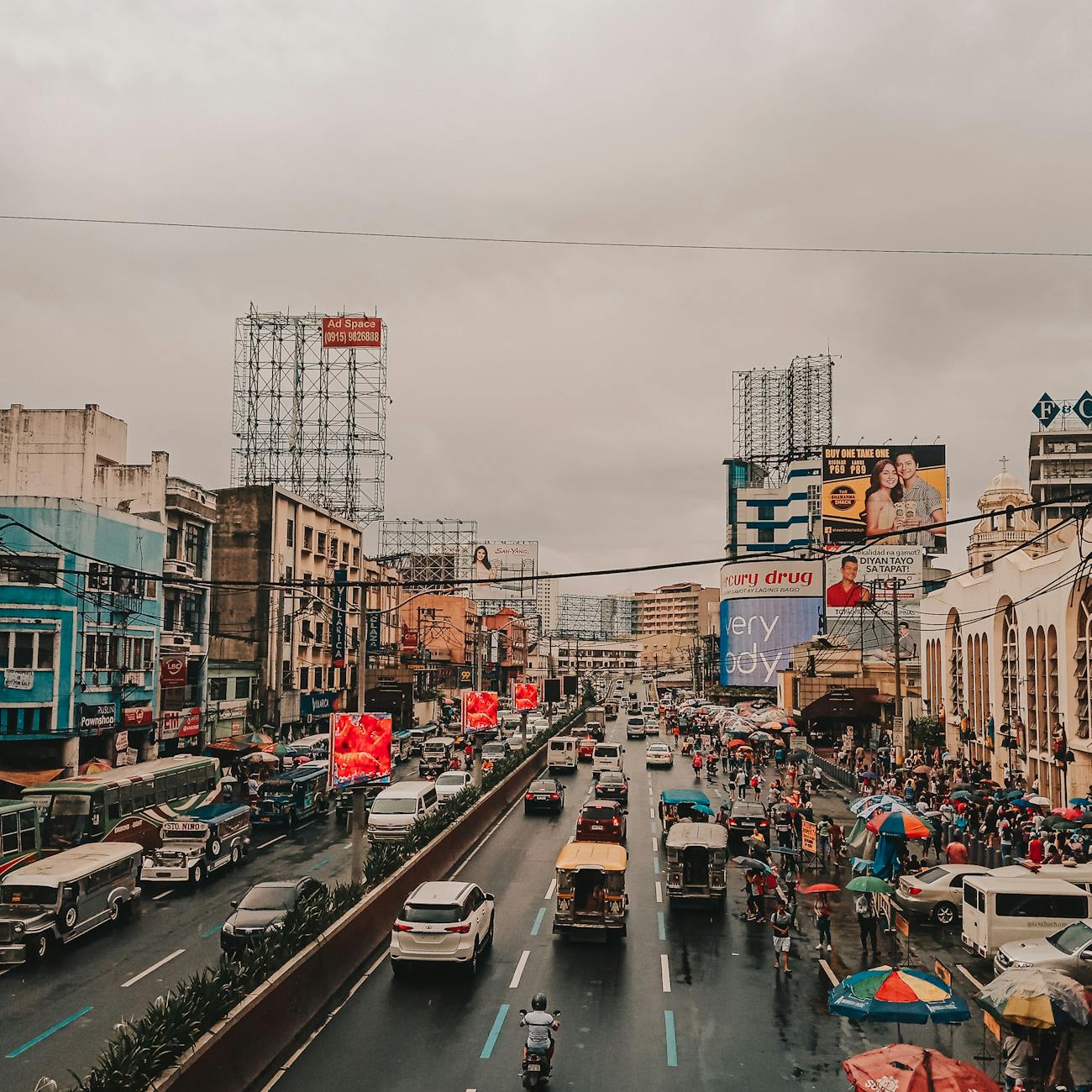
Vibrant Manila is a city that resonates with energy, culture, and a rich history that tells the stories of its past while embracing the promise of modernity. Nestled in the heart of the Philippines, Manila has emerged as a melting pot of traditions, different national influences, and contemporary lifestyle that is as colorful as its streets. From the ancient walls of Intramuros to the glittering modern skyline, vibrant Manila offers a unique juxtaposition of old and new. The bustling markets are filled with the aromas of street food, while the art in the galleries captures the spirit of both local and international talents. This journey through vibrant Manila allows travelers and locals alike to appreciate the depth of its heritage and the progression of its community, making it a destination that captivates the heart.
Historical Landmarks and Heritage Sites
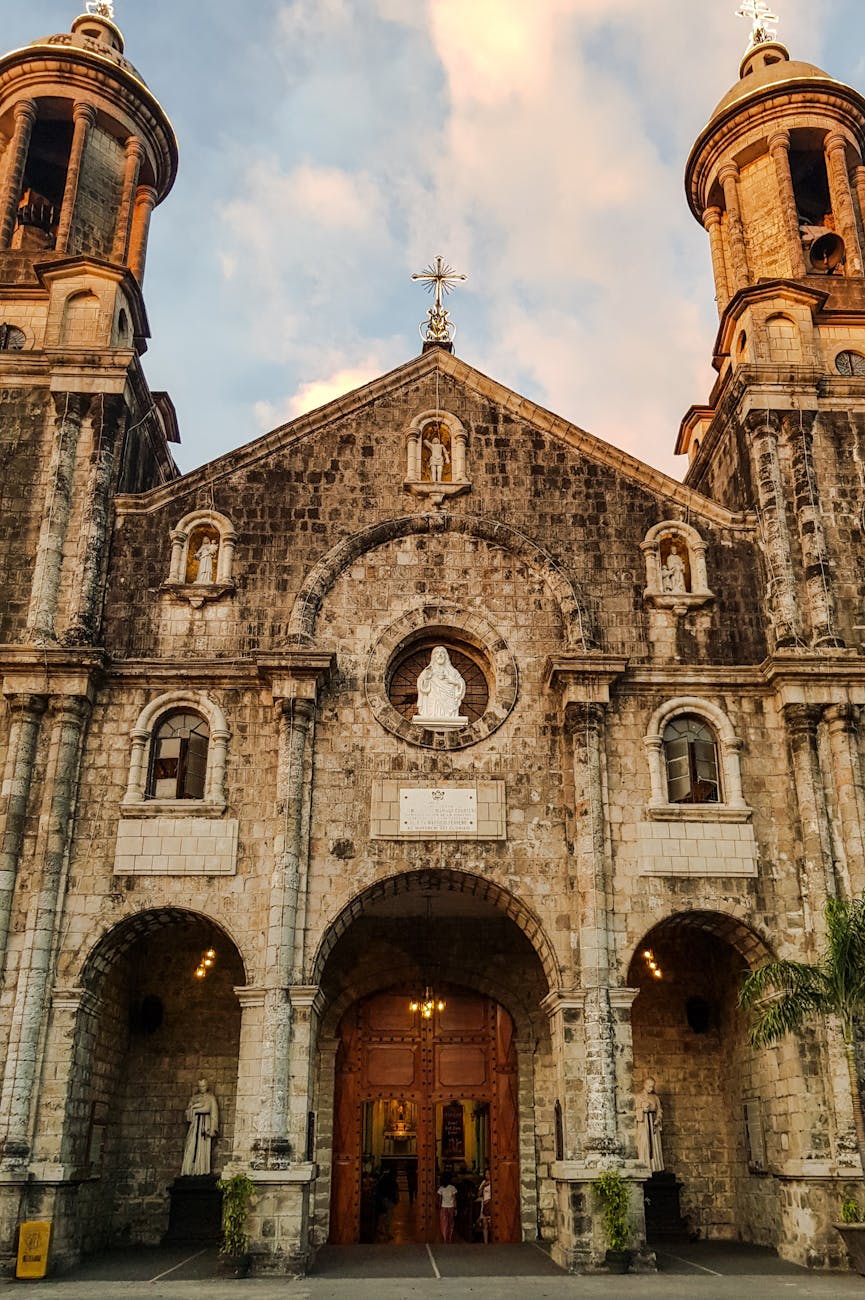
Vibrant Manila is laden with historical landmarks that echo the stories of centuries gone by. The iconic Intramuros, the fortified city built during the Spanish colonial era, stands as a testament to Manila’s rich past. Walking through the cobblestone streets, visitors can explore the remnants of centuries of history, from the grand San Agustin Church—declared a UNESCO World Heritage Site—to Fort Santiago, where the hero José Rizal was imprisoned before his execution in 1896. The architectural styles reflect a blend of local and colonial influences, showcasing how vibrant Manila has evolved over time.
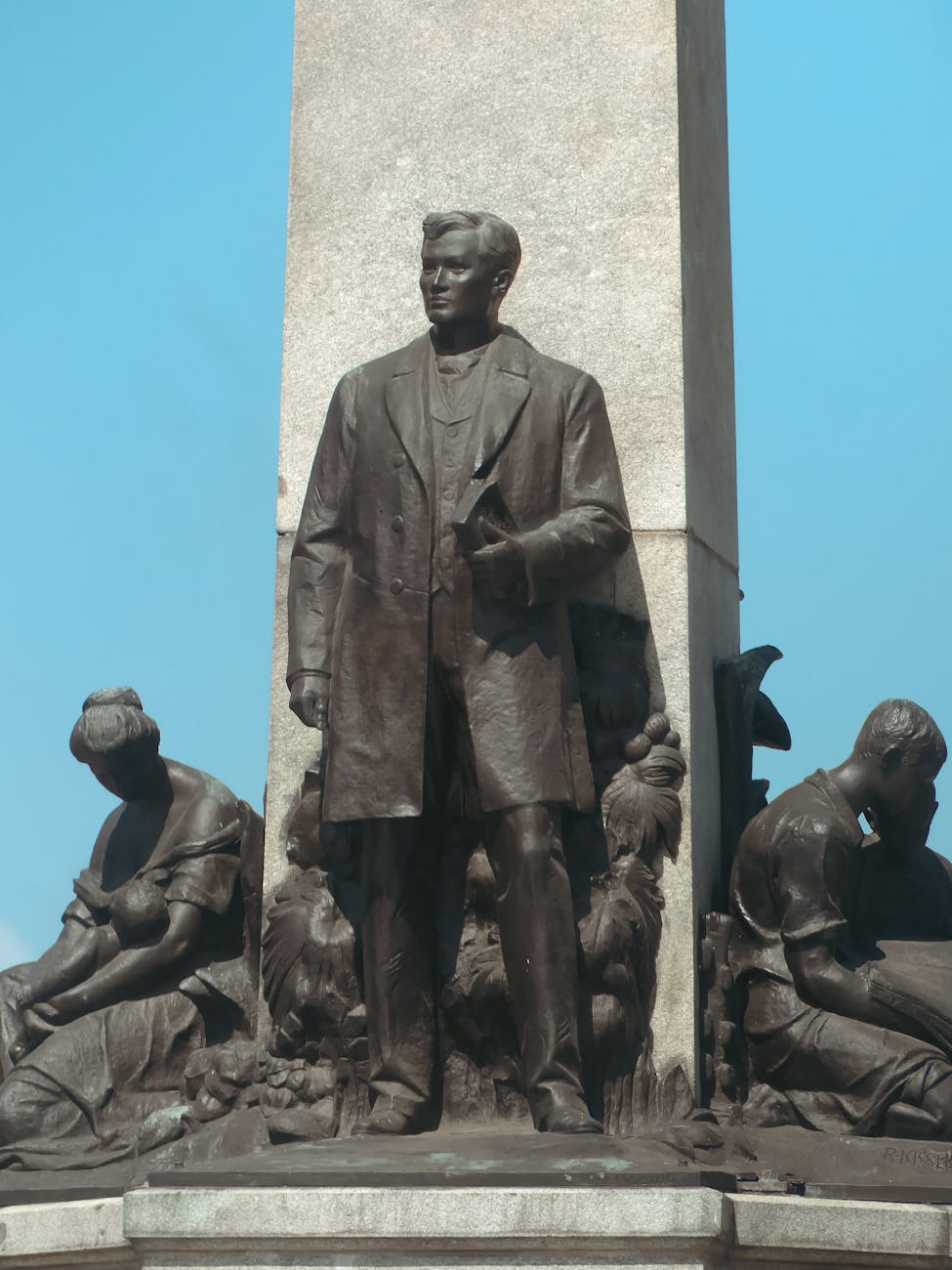
Another historical gem is the Rizal Monument located in Luneta Park, which honors the national hero, Dr. Jose Rizal. Visitors flock to this site not just to marvel at the monument but also to appreciate the expansive green spaces around it—a space that serves as a gathering point for festivals and cultural events, embodying the vibrant life of the city. As they stroll through the park, one can often see street performers engaging audiences with music and dance, further contributing to the lively atmosphere that defines vibrant Manila.
Moreover, the National Museum complex, comprising the National Museum of Fine Arts, the National Museum of Anthropology, and the National Museum of Natural History, presents an opportunity to delve into the cultural and historical tapestry of the Philippines. Each museum holds priceless artifacts, from pre-colonial art to contemporary works, signifying the vibrant Manila that celebrates its diverse heritage through artistic expression. The curation of these exhibits is evidence of the city’s commitment to preserving its history while fostering a deeper understanding of Philippine culture.
In addition to these landmarks, vibrant Manila showcases numerous colonial houses and ancestral residences that have been meticulously restored. Areas such as San Nicolas and Quiapo bring visitors face to face with the legacy of Filipino craftsmanship and the storytelling embedded within their architecture. Each home has its own tale, often told through guided tours that enrich the experience of understanding vibrant Manila’s socio-political evolution.
As one wanders through vibrant Manila’s historical sites, the echoes of past lives resonate through every structure, narrating tales of resilience, struggle, and triumph. This historical landscape is not simply something to view; it requires an engagement with the narratives that shaped the Filipino identity. In doing so, one can appreciate the significance of memory and heritage in forging community bonds in vibrant Manila.
The Bustling Markets of Manila
Vibrant Manila’s charm is not only found in its historical sites but also in the bustling markets that breathe life into the city’s daily routine. Markets like Quiapo and Divisoria are a riot of sounds, sights, and scents that attract locals and tourists alike. Walking through these vibrant marketplaces is an experience unlike any other, where vendors cry out to showcase their goods, whether it’s fresh produce, textiles, or handicrafts. The atmosphere is electric, and the variety is staggering, making each market visit a lively adventure.
Quiapo Market specifically offers an eclectic mix of shops selling everything from religious items to traditional Filipino snacks. The aroma of street food wafts through the air, enticing passersby to indulge in local delicacies such as fish balls, lumpia, and halo-halo. As vibrant Manila pulsates around the market, shoppers can enjoy an authentic taste of the local lifestyle, connecting deeply with the vibrant culture that defines the city.
Divisoria, on the other hand, is a wholesale haven known for its wide range of affordable goods. It’s the go-to place for party supplies, fabrics, and other craft items, exemplifying how vibrant Manila caters not just to residents but also to those looking to start businesses or events at economical prices. The sheer volume of goods available establishes Divisoria as a critical economic hub within the city, making it a prime destination for both entrepreneurs and casual shoppers seeking unique finds.
Beyond the transactions, the interaction between buyers and sellers in these bustling markets reflects a community spirit that is quintessentially vibrant Manila. These exchanges are filled with lively banter and negotiations, showcasing the warmth and hospitality of the Filipino people. Shoppers often leave with not just their purchases but also stories of engaging interactions that exemplify the vibrant nature of the city.
Moreover, these markets are often adorned with vibrant decorations during special occasions, such as festivals and holidays, making shopping a visually captivating and culturally enriching experience. Vendors embrace the festive spirit and create a colorful showcase that attracts visitors, further amplifying the vibrancy and cultural richness of Manila.
The markets also provide a glimpse into the daily lives of the people living in vibrant Manila, offering fresh produce and essential goods that illustrate the local lifestyle. From local farmers selling fruits to artisans showcasing their crafts, each stall highlights the diversity and resourcefulness of the city’s residents.
In conclusion, the bustling markets of vibrant Manila are not just places to shop; they are living laboratories of culture, where history, tradition, and modernity collide in a beautiful display of life. Experiencing these markets allows one to see the heart of Manila—a vibrant tapestry woven together by the rhythms of trade and community.
Culinary Delights: A Taste of Manila
Vibrant Manila is also a treasure trove for food lovers, offering a culinary landscape bursting with flavors and traditions. The city’s food scene reflects its rich history and diverse cultural influences, ranging from local Filipino dishes to international cuisines. Whether dining at a high-end restaurant or sampling street food from roadside vendors, one can revel in a gastronomic adventure that captures the essence of vibrant Manila.
Filipino cuisine is renowned for its unique blend of tastes, and nowhere is this more evident than in vibrant Manila’s numerous restaurants and street food stalls. Classic dishes such as adobo, a savory stew made with meat marinated in vinegar and soy sauce, showcase the islands’ culinary ingenuity. Other traditional offerings include sinigang—an exhilarating sour soup—and kare-kare—a flavorful oxtail stew accompanied by peanut sauce. These dishes highlight how vibrant Manila preserves its culinary heritage while adapting to modern palates.
In vibrant Manila, street food plays an important role in the local dining culture, where food carts and stalls line the streets, serving delectable treats. Popular items such as isaw (grilled chicken intestines) and balut (fertilized duck egg) intrigue adventurous eaters looking to partake in genuine Filipino experiences. These tantalizing bites provide not only nourishment but also an insight into the culinary artistry that defines everyday life in Manila.
Moreover, vibrant Manila boasts a growing café culture that caters to the modern lifestyle. Trendy establishments serve specialty coffee alongside unique pastries, inviting a younger demographic to enjoy their downtime in a lively atmosphere. Popular areas like Bonifacio Global City and Makati feature beautifully designed cafés where patrons can savor artisanal beverages while celebrating the thriving art scene. This evolution signifies how vibrant Manila embraces both tradition and modernity, creating spaces that showcase both heritage and innovation.
For those seeking diverse international flavors, vibrant Manila does not disappoint. The city is home to a rich array of ethnic restaurants, including Chinese, Indian, Japanese, and Korean. The influx of foreign residents and tourists has cultivated a culinary landscape that reflects Manila’s cosmopolitan atmosphere. Exploring the various neighborhoods allows diners to sample a myriad of cuisines that enrich the vibrant tapestry of the city’s food culture.
Additionally, food festivals such as the Manila Food and Wine Festival and the Kain Na Festival celebrate the rich culinary heritage of the Philippines by bringing together chefs and food enthusiasts. Such events highlight the evolution of Filipino cooking, showcasing both traditional and contemporary methods of preparation. Participants gain insights into vibrant Manila’s diverse culinary scene while enjoying interactive demonstrations and tastings that only elevate their culinary experience.
In conclusion, the vibrant culinary landscape of Manila is an integral part of the city’s cultural identity. Whether indulging in local delicacies or exploring global flavors, the food available in vibrant Manila is a feast for the senses. It illustrates the city’s rich history, diverse communities, and the lively spirit of its people, leaving an indelible mark on every visitor’s experience.
Art and Culture: The Creative Pulse of the City
Vibrant Manila is not just a place of historical importance and culinary delights; it is also a flourishing center for art and culture. The city pulsates with creativity, showcasing the talents of local artists, musicians, and performers who contribute to its rich cultural tapestry. Galleries, theaters, and festivals envelop vibrant Manila, offering audiences an array of experiences that celebrate artistic expression and local traditions.
Art in vibrant Manila takes many forms, from contemporary to traditional, illuminated in numerous galleries across the city. The Cultural Center of the Philippines serves as a significant institution for promoting the arts, hosting various exhibitions and performances year-round. Visitors can immerse themselves in the works of skilled Filipino artists, who often draw inspiration from their cultural heritage and contemporary experiences. This cultural dialogue enriches the vibrant atmosphere around Manila, encouraging collaboration among artists from different disciplines.
Street art is a defining feature of vibrant Manila’s urban landscape, breathing life into otherwise dull walls and alleys. Murals adorn buildings, portraying social movements or paying homage to influential Filipino figures, often sparking conversations among residents and tourists alike. These public artworks serve as a testament to the vibrant spirit of Manila, showcasing its dedication to self-expression and creativity. Many neighborhoods have embraced this street art movement, transforming ordinary spaces into open-air galleries that celebrate the artistry ingrained in the city’s culture.
Moreover, vibrant Manila hosts a plethora of cultural festivals that draw huge crowds and engage communities in unique experiences. The Pahiyas Festival, held in nearby Lucban but celebrated in Manila, brings together various local produce, creating elaborate displays to honor the patron saint of farmers. This event radiates creativity and innovation, reminding residents of the importance of agriculture despite the urban setting. It highlights how vibrant Manila remains connected to its rural roots while celebrating the collective spirit of community.
Performing arts also thrive in vibrant Manila, with numerous theaters offering a variety of productions ranging from contemporary plays to traditional Filipino performances. The Philippines’ rich history of storytelling is echoed in performances of zarzuela and ballets, providing audiences with an immersive experience into the cultural heritage of the country. Talented actors and dancers showcase their skills, turning each performance into an energetic representation of the vibrant narratives that shape the Filipino identity.
In addition, vibrant Manila has become a hub for music, where live performances abound in venues throughout the city. Praised for its diverse music scene, Manila showcases everything from rock to traditional folk to contemporary pop, inviting audiences to appreciate the unique sounds of the Philippines. The city’s dedication to nurturing musical talent is evident in events like the Manila Music Festival, fostering connections among artists and inspiring innovative collaborations.
In conclusion, vibrant Manila is a city that celebrates art and culture in manifold ways, creating a rich and engaging environment for individuals. Its dedication to artistic creativity reinforces the idea that vibrant Manila is as much a canvas as it is an urban landscape, where stories of resilience, identity, and community continue to unfold through artistic expression.
The Future of Manila: Urban Development and Sustainability
Vibrant Manila stands at the crossroads of rapid urban development and sustainability efforts, striving to create a city that harmonizes growth with environmental concerns. As the bustling metropolis evolves, initiatives aimed at modernizing urban infrastructures while preserving natural spaces are increasingly becoming a focal point in policy-making and city planning.
Infrastructure improvements are paramount for vibrant Manila as it navigates the challenges of urbanization, including traffic congestion, pollution, and inadequate public services. The government has partnered with private firms to initiate projects that not only enhance public transport systems, such as the Metro Manila subway, but also aim to modernize road networks and housing. These developments reflect a commitment to creating a smarter, more efficient city, allowing residents to enjoy vibrant Manila’s offerings without sacrificing their quality of life.
On the sustainability front, vibrant Manila is taking significant strides toward eco-conscious urban living. Green spaces are integral to city planning, as parks and community gardens emerge as vital resources for urban dwellers. Initiatives like the “No Water No Life†campaign promote rainwater harvesting systems, aiming to mitigate flooding while encouraging residents to preserve water—showcasing how vibrant Manila embraces innovative thinking in the face of climate challenges.
The promotion of renewable energy sources is another pivotal aspect of sustainable development in vibrant Manila. Efforts to harness solar energy through government incentives have encouraged households and businesses to pivot toward greener alternatives. As companies continue to adopt eco-friendly practices, Manila is on a path toward becoming a model for urban sustainability, reflecting a collaborative spirit that underlines the community’s resilience.
Moreover, education and community engagement play essential roles in fostering sustainable practices in vibrant Manila. Environmental awareness campaigns aim to inform residents about recycling, waste management, and conservation, encouraging a collective effort in protecting resources. Initiatives like community clean-up drives and tree-planting events showcase the enthusiasm of local residents who are determined to contribute to a better urban environment. Schools and universities also spearhead programs that integrate sustainability into curricula, raising awareness among the younger generation.
Vibrant Manila’s urban development is closely linked to inclusivity and equitable growth. Policies are increasingly being introduced to address housing shortages while safeguarding cultural heritage. Initiatives that promote affordable housing allow families to build their lives while enjoying vibrant Manila’s enriching aspects. Efforts to engage informal settlements in development projects reflect the city’s commitment to inclusivity, highlighting the voices of residents who have long been marginalized.
The future of vibrant Manila lies in the balance between urban development and sustainability, highlighting the city’s vision for modernity while cherishing its rich past. Policies aimed at enhancing infrastructure, promoting eco-friendly practices, and fostering inclusivity work in unison to fortify vibrant Manila’s identity as a dynamic metropolis. As Manila forges ahead, the commitment to a sustainable future indicates that it can thrive while embracing change, creating an environment that benefits its residents and celebrates the vibrant spirit of the city.
Conclusion
Vibrant Manila is a dynamic metropolis that beautifully navigates the interplay between its historical charm and contemporary innovations. From its rich tapestry of historical landmarks and bustling markets to its culinary delights, artistic expressions, and forward-thinking urban development initiatives, Manila offers a vivid portrait of life in the Philippines. This vibrant city continually evolves, reflecting the resilience and creative spirit of its people while embracing a future filled with promise. Each visit and experience in vibrant Manila serves to reinforce the idea that it is not just a destination but a living celebration of culture, history, and community. Through its vibrancy, Manila invites everyone to explore, discover, and engage with the heart of an ever-changing urban landscape, where every street corner has a story, and every moment is a chance to appreciate the beauty of life.