Introduction
The Timeless Silk Road is more than just a historical trade route; it is a vibrant tapestry woven with the threads of varied cultures, rich traditions, and exceptional craftsmanship. Among the pearls of this ancient pathway are the enchanting cities of Samarkand, Bukhara, and Khiva. These cities, with their storied pasts, serve as focal points of the Silk Road and exhibit a blend of civilization and artistry that captivates all who visit. From the grand architectural structures that whisper the secrets of the past to the bustling bazaars that offer a glimpse into the local life, the Timeless Silk Road invites you to discover its magic. This article delves into the significance of this historical route and unveils the treasures waiting to be explored in these remarkable cities.
The Historical Significance of the Timeless Silk Road
The Timeless Silk Road stands as a monumental testament to the interconnectivity of civilizations. Established over two millennia ago, this ancient trade route served as a critical artery for commerce, culture, and the exchange of ideas between the East and West. The cities of Samarkand, Bukhara, and Khiva emerged as pivotal stops along the Silk Road, transforming into vibrant hubs of trade where goods, philosophies, and art from diverse corners of the world converged.
At its inception, the Timeless Silk Road was primarily used to transport silk from China to the markets of Europe, but it soon evolved into a complex network facilitating the movement of spices, precious metals, and textiles. The allure of silk fueled expeditions that resulted in cultural exchanges that shaped civilizations. As traders traversed the Timeless Silk Road, they carried not only goods but also stories, customs, and religious beliefs, enriching the regions they traveled through.
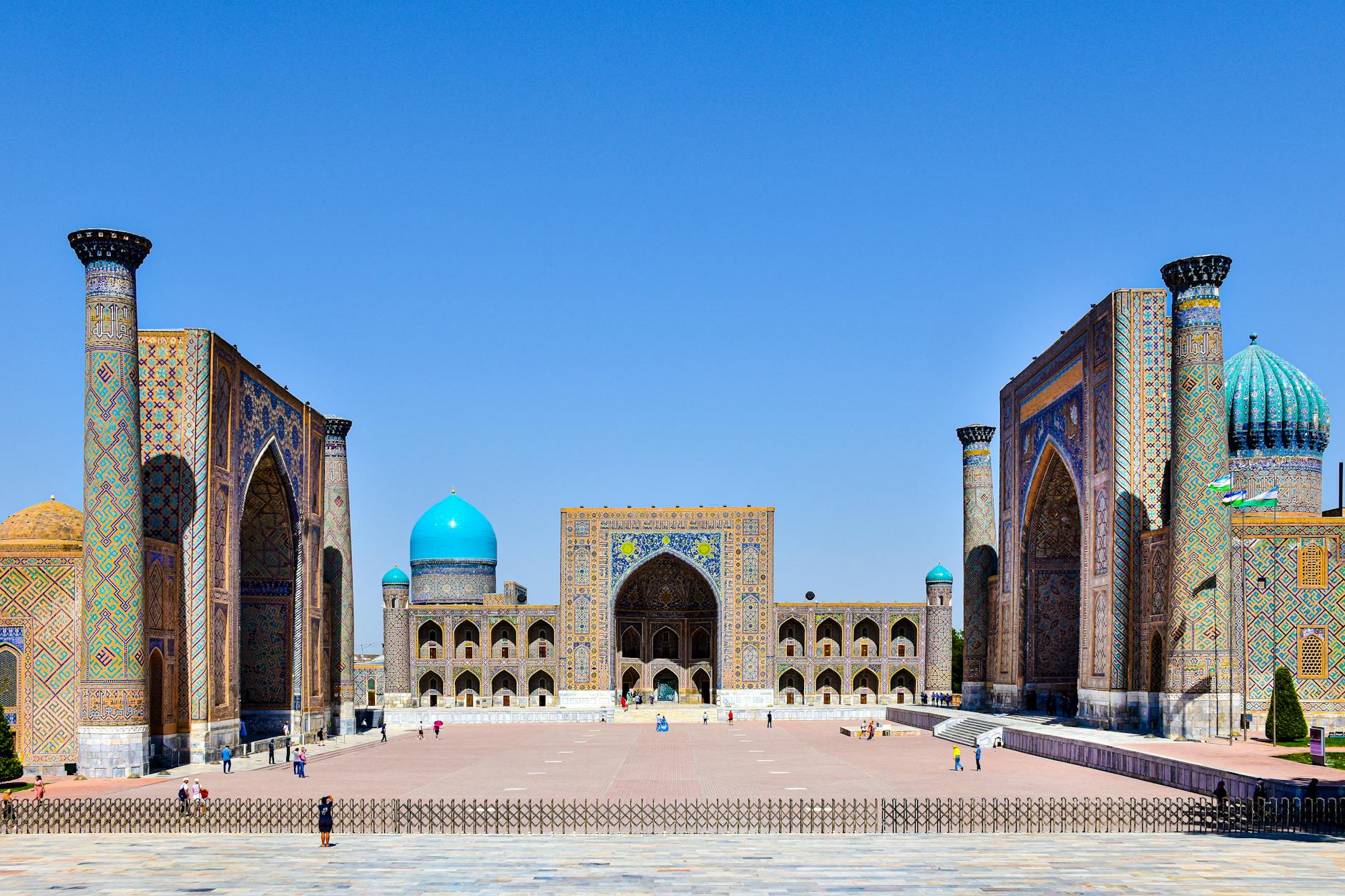
Samarkand, one of the most celebrated cities along the Timeless Silk Road, was a bustling center for traders from as far as Persia, India, and beyond. Its strategic location made it a melting pot of cultures, influencing its architecture, language, and art. The exquisitely designed Registan Square, with its grand madrasas, exemplifies the fusion of Islamic artistry and Persian influence, showcasing the city’s historical importance in the context of the Silk Road.
Bukhara, often referred to as the “Noble City,” was another significant stop along the Timeless Silk Road. It thrived under various empires and became renowned for its scholars, poets, and craftsmen. The historic citadel of Ark and the impressive Kalyan Minaret stand as reminders of the city’s illustrious past and its role in facilitating knowledge exchange among cultures. Bukhara’s rich history is echoed in every corner, making it a living museum of the Timeless Silk Road.
In contrast, Khiva, the smallest of the three cities, is equally captivating. Its well-preserved old town, Ichan Kala, is recognized as a UNESCO World Heritage Site, drawing visitors with its labyrinthine streets filled with stunning caravanserais and palaces. Khiva’s architecture reflects the diverse artistic influences encountered along the Timeless Silk Road, showcasing intricate tile work and harmonious designs that tell about the city’s historical exchanges.
Exploring the historical significance of the Timeless Silk Road sheds light on how these cities became cultural beacons of trade and knowledge. They serve as poignant reminders of an era when individuals from various backgrounds came together to create an environment ripe for learning, innovation, and cultural dialogue. Understanding this historical context enriches the travel experience, allowing visitors to appreciate not only the beauty of Samarkand, Bukhara, and Khiva but also their roles as vital links in the grand tapestry of human history.
Architectural Marvels: Mosques, Madrasas, and Minarets
The architectural heritage found in Samarkand, Bukhara, and Khiva is a breathtaking testament to the artistic accomplishments of civilizations along the Timeless Silk Road. Each city boasts a collection of exquisite mosques, madrasas, and minarets that reflect the era’s architectural trends and the cultural exchanges that shaped them.
In Samarkand, the monumental Registan Square serves as the epicenter of architectural marvels. Home to three majestic madrasas—Ulugh Beg, Sher-Dor, and Tilya-Kori—this square is a masterpiece of Islamic architecture. Built during the 15th and 17th centuries, each madrasa displays intricate tile work, grand archways, and stunning domes. The vibrant blues and golds adorning the facades tell the stories of the craftsmen who devoted their lives to perfecting their artistry. Visitors to the Registan can appreciate not only the beauty of these structures but also their purpose as centers of learning and culture during the height of the Silk Road trade.
Bukhara is known for its impressive collection of mosques and madrasas that reflect its status as a significant center of knowledge on the Timeless Silk Road. The Kalyan Mosque, with its vast courtyard and soaring minaret, is a remarkable example of Bukhara’s architectural splendor. Built in the 16th century, the mosque is not only a place of worship but also a symbol of the city’s esteem. The adjoining Kalyan Minaret, a towering structure that once served as a landmark for travelers, is adorned with intricate brickwork that exemplifies the craftsmanship of the time.
The Ark Citadel, another architectural gem in Bukhara, showcases the city’s rich history. Serving as the residence of the Emirs of Bukhara for over a millennium, the citadel is a labyrinth of corridors, courtyards, and museums. Its walls have witnessed countless events that unfolded along the Timeless Silk Road, and while exploring, visitors can almost feel the passage of time and the stories waiting to be unveiled.
Khiva’s Ichan Kala is a captivating open-air museum, where visitors are greeted by a stunning collection of old palaces, mosques, and caravanserais. The Palace of Tash Khauli, a former residence of Khiva’s rulers, is adorned with exquisite tile work and elaborate wooden carvings. Each room reflects a blend of artistic influences from the various cultures that traversed the Timeless Silk Road. As visitors walk through the narrow streets of Ichan Kala, they are transported back to an era where architecture was not only functional but also a language of its own.
Exploring these architectural marvels allows travelers to engage with the rich history and artistry that define the cities along the Timeless Silk Road. Each structure tells a story, a reflection of the cultural exchanges that took place centuries ago. The mosques, madrasas, and minarets stand as silent witnesses to the thriving life that once occupied these spaces, inviting visitors to appreciate the beauty and significance of a time when the Timeless Silk Road connected distant lands and cultures.
The Culture and Traditions of Samarkand, Bukhara, and Khiva
The culture and traditions of Samarkand, Bukhara, and Khiva are as vibrant as the textiles that were traded along the Timeless Silk Road. Each city boasts a unique cultural heritage influenced by the myriad of civilizations that have inhabited the region over the centuries. In this section, we will explore the daily life, customs, and celebrations that bring the past to life in these enchanting destinations.
In Samarkand, the legacy of the Timeless Silk Road is evident in its diverse population and thriving arts scene. The city is renowned for its craftsmanship, particularly in textiles and ceramics. Traditional artisan workshops can still be found, where skilled craftsmen engage in age-old techniques passed down through generations. Visitors can witness the intricate process of silk weaving, an age-old tradition rooted in the Silk Road’s history, and purchase beautifully crafted pieces as mementos.
Bukhara presents a harmonious blend of culture and tradition, exemplified in its rich music and dance heritage. The city is home to a variety of instruments, including the doira (a circular drum) and the rubab (a stringed instrument). Visitors can often enjoy traditional performances that showcase the folk music of the region, with vibrant dances that celebrate the spirit of the Silk Road. Festivals are an essential aspect of Bukhara’s culture, where locals gather to celebrate life through art, music, and culinary traditions.

Khiva’s culture is deeply connected to its historical significance as a caravan stop along the Timeless Silk Road. The city’s traditions reflect its history as a melting pot of cultures. Khiva is famous for its pottery and tile-making, with artisans crafting stunning pieces that draw inspiration from the region’s rich artistic influences. In addition to its crafts, Khiva also celebrates various festivals that highlight local customs and traditions, from religious observances to celebratory events marking the harvest season.
The cuisine found in Samarkand, Bukhara, and Khiva is a delicious reflection of the cultural exchanges facilitated by the Timeless Silk Road. Travelers can indulge in traditional dishes such as plov (a rice dish cooked with meat and vegetables), somsa (savory pastries), and various kebabs. Each meal is often accompanied by fresh bread and herbal teas, further emphasizing the communal aspect of dining in this region. Food festivals that celebrate local cuisine are common, providing travelers with an opportunity to experience the culinary heritage of the Silk Road firsthand.
Engaging with the culture and traditions of Samarkand, Bukhara, and Khiva allows travelers to step back in time and witness the legacies shaped by centuries of trade and interaction along the Timeless Silk Road. The warmth of the local people, the craftsmanship, and the culinary delights all contribute to an immersive experience that honors the rich history and vibrant culture of these extraordinary cities.
Gastronomic Delights: A Taste of Central Asia
The gastronomic scene in Samarkand, Bukhara, and Khiva is an essential reflection of the region’s culture, influenced by the vibrant exchanges along the Timeless Silk Road. As travelers explore these historic cities, they will discover not just the stunning architecture and rich history, but also the delightful flavors that have evolved from centuries of trade and cultural interaction.
Central Asian cuisine is characterized by its bold flavors, hearty ingredients, and unique cooking techniques that have been shaped by the diverse influences of the Silk Road. Rice plays a central role in many dishes, particularly in plov, a signature dish of Uzbekistan that showcases the culinary legacy of the region. Plov is traditionally prepared with rice, meat (usually lamb or chicken), and a mixture of vegetables and spices, resulting in a dish bursting with flavor and history. Many families in Samarkand and Bukhara have their own recipes, often passed down through generations, reflecting localized ingredients and tastes.
In Khiva, visitors can savor the traditional somsa—savory pastries stuffed with meat, vegetables, or pumpkin—that are baked in a tandoor oven. These flaky pastries are best enjoyed fresh from the oven, creating a delightful contrast between the crisp outer shell and the sumptuous filling. The technique of making somsa is often a family affair, with many locals sharing the art of preparation with younger generations, ensuring that these culinary traditions remain alive.

Amin Khan madrasa and sometimes considered as part of it.
The rich spices and fragrant herbs found in Central Asian cuisine elevate the meals to new heights. Cumin, coriander, and paprika play vital roles in flavoring various dishes. Travelers exploring the local markets will encounter stalls filled with spices that have traveled along the Timeless Silk Road for centuries, reminding them of the historical exchanges that took place in this very region. The markets are also a cornucopia of fresh fruits and vegetables, with melons, pomegranates, and herbs that add vibrancy to meals.
In addition to traditional dishes, visitors will have the opportunity to engage in local culinary experiences, such as cooking classes held within the warm hospitality of local homes. Here, travelers can learn the art of making plov or even try their hand at crafting traditional flatbreads—all while sharing stories with their hosts. These immersive experiences not only provide insight into the intricacies of Central Asian cooking but also foster connections that transcend cultural barriers, embodying the spirit of the Timeless Silk Road.
No meal in Uzbekistan is complete without silken tea, which serves as the country’s quintessential beverage. Tea houses, or chaikhanas, are popular gathering places where locals come to enjoy tea and engage in conversations. Visitors are often greeted with warmth and hospitality, as offering tea is a fundamental part of Uzbek culture.
Through the lens of gastronomy, travelers can explore the rich cultural tapestry of Samarkand, Bukhara, and Khiva. The flavors and dishes tell a story of a region shaped by the Timeless Silk Road, while the communal aspect of dining fosters connections with the locals. Indulging in Central Asian cuisine is not just about the food—it’s an invitation to experience the soul of these extraordinary cities.
Planning Your Journey: Tips for Travelers
Embarking on a journey to explore the treasures of Samarkand, Bukhara, and Khiva along the Timeless Silk Road requires careful planning to ensure a fulfilling experience. Here are some essential tips for travelers looking to make the most of their journey through these enchanting cities.
Start by considering the best time to visit. The ideal seasons for exploring Uzbekistan are spring (April to June) and autumn (September to October), when the weather is generally mild and comfortable. The summers can be extremely hot, while winters are cold, so packing accordingly is crucial.
Before arriving, make sure to familiarize yourself with the local customs and traditions of Uzbekistan. A simple greeting, such as “Salom” (hello), can go a long way in building rapport with the locals. Uzbek culture places great importance on hospitality, so be prepared to share a meal or a cup of tea with the people you meet along the way.
Exploring the historic sites in each city is a must. In Samarkand, the Registan Square should not be missed, while Bukhara’s Ark Citadel and Kalyan Minaret offer history and stunning architecture. In Khiva, take your time wandering through the streets of Ichan Kala, soaking in the atmosphere of this well-preserved old town. Guided tours can enhance your understanding of the historical significance of these sites, but don’t hesitate to venture out on your own to discover hidden gems.
Transport options in Uzbekistan include a mix of trains, buses, and car rentals. The high-speed train between Tashkent and Samarkand is a particularly efficient and comfortable choice for travelers looking to experience the stunning landscapes. Once within the cities, it is easy to navigate on foot or via taxis, but be sure to agree on a fare before starting the journey.
Accommodations vary from luxury hotels to guesthouses and homestays, each offering a unique experience. Staying in a guesthouse allows travelers to connect with locals, while hotels provide more conventional comforts. Researching options in advance will help you find the best fit for your travel preferences.
Lastly, don’t forget to immerse yourself in the local culture. Attend traditional performances, visit artisan workshops, and explore bustling bazaars to truly appreciate the spirit of the Timeless Silk Road. Take part in local festivals if your travel dates align, as these events offer a glimpse into the cultural heritage of Uzbekistan.
With thoughtful planning, your journey through Samarkand, Bukhara, and Khiva along the Timeless Silk Road will be rich in experiences, offering a blend of history, culture, and cuisine that will leave you with cherished memories to last a lifetime.
Conclusion
Traveling along the Timeless Silk Road to discover the magic of Samarkand, Bukhara, and Khiva is a journey unlike any other. These cities, steeped in history and culture, serve as gateways to a past where trade and cultural exchanges shaped not only the region but also the wider world. The architectural wonders, rich traditions, and delectable cuisine found within their borders offer visitors an immersive experience that resonates deeply.
Through the exploration of historical sites, engaging with local artisans, and savoring traditional dishes, travelers gain a profound appreciation for the values of hospitality, artistry, and interconnectedness that have endured for centuries. Each city tells its own story, bound together by the common thread of the Timeless Silk Road, which has facilitated the movement of ideas, people, and goods for millennia.
As you consider embarking on this extraordinary journey, remember that the allure of the Timeless Silk Road is not just in its past but in the living tapestry of culture and life that continues to thrive in Samarkand, Bukhara, and Khiva. The experiences encountered here will weave their way into your own life story, reminding you of the beauty of exploration and the bonds that unite us across time and space.