Introduction
Mecca visiting is a profound journey that goes beyond mere geography; it is a pilgrimage into the very soul of Islam. As the holiest city in Islam, Mecca draws millions of faithful Muslims from around the globe each year, particularly during the Hajj, which is one of the Five Pillars of Islam. It has been a cornerstone of Islamic faith and pilgrimage since the time of the Prophet Muhammad. The city is rich in history, and its sacred sites, including the Kaaba, serve not only as spiritual symbols but also as powerful reminders of the communal and historical identity of Muslims. In this article, we will explore the historical significance of Mecca, the revered Kaaba, the rituals of the Hajj pilgrimage, cultural traditions, and the city’s vast influence on Islamic arts and architecture.
The Historical Significance of Mecca
Mecca’s historical significance is not limited to its status as a religious center; it is also deeply rooted in the broader history of the Arabian Peninsula and the Islamic world. The city has long been a hub for trade and commerce, attracting merchants and travelers from diverse regions. Its strategic location along trading routes enabled it to flourish economically, which in turn contributed to its cultural and religious development.
Historically, Mecca was inhabited by various tribes before the advent of Islam, most notably the Quraysh tribe. The Quraysh played a critical role in the early days of Islam, representing both the challenges and support the Prophet Muhammad faced during his prophetic mission. The city itself is mentioned in numerous Islamic texts, attributing to it a sacred significance that garnered reverence even before the revelation of the Quran.
The earliest historical records describe how Mecca, particularly the Kaaba, was a site of pilgrimage long before Islam. The Kaaba, believed to have been built by the Prophet Abraham and his son Ishmael, became a focal point of pilgrimage, attracting people who sought to worship the one true God. This pre-Islamic tradition of pilgrimage laid the foundations for what would later develop into the Hajj, further intertwining Mecca’s historical and religious heritage.
The day that the Prophet Muhammad conquered Mecca in 630 CE marked a pivotal moment in Islamic history. The city was cleansed of its idols, reaffirming the monotheistic foundations of Islam. This event not only solidified Islam’s presence in the Arabian Peninsula but also played a crucial role in its expansion beyond the region. Following the conquest, Mecca became the spiritual center of the Muslim world, a place where Muslims could unite in their faith.
As Islam spread, Mecca maintained its status as a spiritual beacon. The establishment of the annual pilgrimage, Hajj, which occurs in the Islamic lunar month of Dhu al-Hijjah, became an obligatory practice for all able-bodied Muslims. This pilgrimage is not only a profound act of worship but also acts as a historical reminder of the struggles faced by early Muslims and their eventual triumph.
In terms of cultural heritage, Mecca has been shaped by its diverse population of pilgrims and traders over the centuries. The interactions between different cultures—Arab, Persian, African, and others—have enriched the city’s social fabric. This cultural amalgamation has left a lasting impact, influencing language, cuisine, attire, and music, which can still be witnessed today.
Mecca’s historical significance is underscored by its ongoing role as a site of pilgrimage and its impact on the development of Islamic thought. The city represents not only the birthplace of the religion but also the ongoing journey of faith that millions undertake each year. The historical narrative surrounding Mecca is thus one of resilience, unity, and an unwavering connection to the divine.
The Kaaba: A Symbol of Unity and Faith
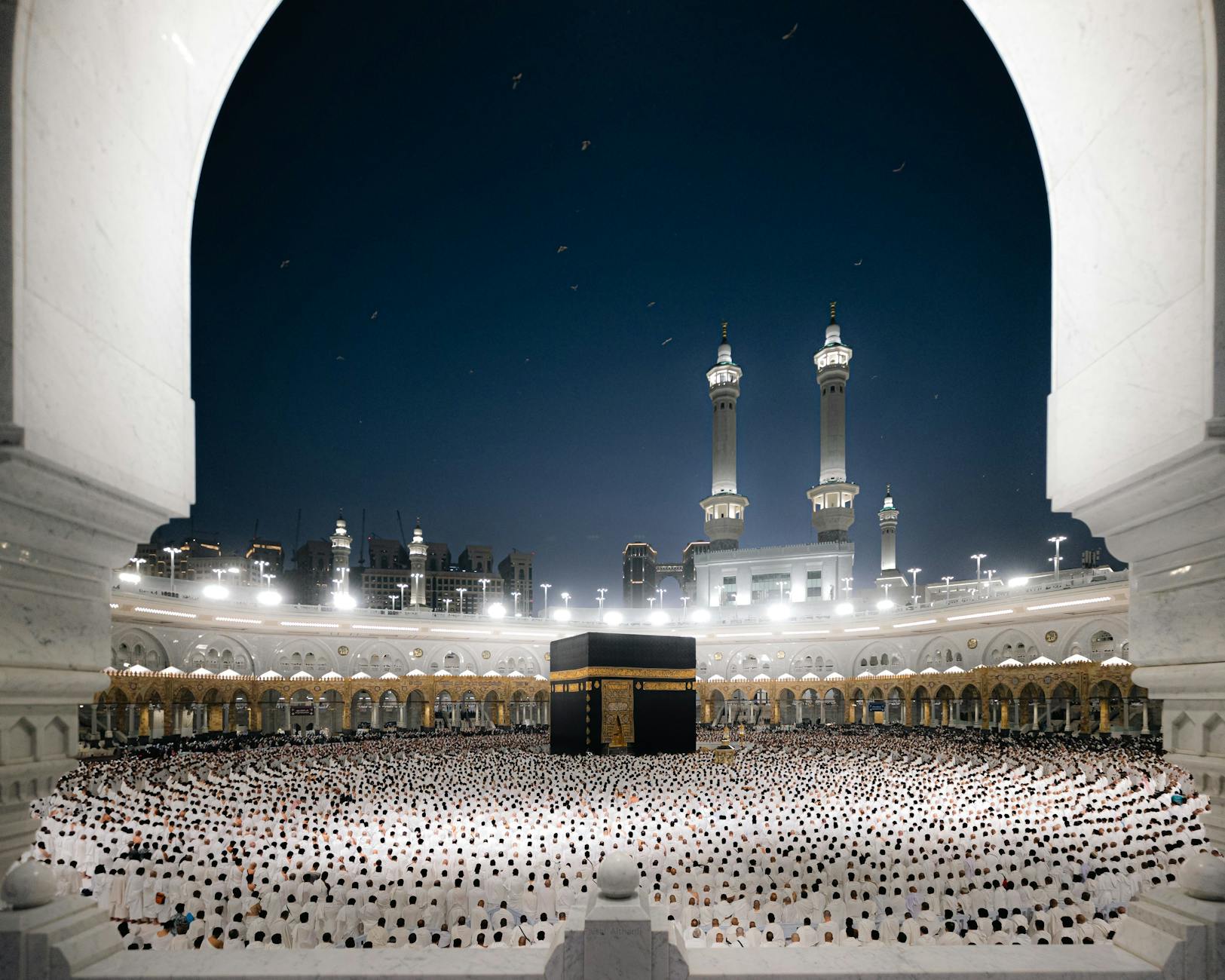
The Kaaba, often referred to as the “House of Allah,” holds an unparalleled position in the hearts of Muslims. This cube-shaped structure is located at the center of the Masjid al-Haram in Mecca and serves as the qibla, the direction toward which Muslims across the globe face during their prayers. Its significance extends beyond mere architecture, as the Kaaba embodies the core beliefs of Islam, including unity, submission, and the oneness of God.
The construction of the Kaaba is believed to trace back to the Prophet Ibrahim (Abraham) and his son Isma’il (Ishmael). Islamic tradition holds that this sacred site was divinely ordained as a place of worship dedicated to the one true God. Over centuries, the Kaaba has undergone various renovations, yet it retains its symbolic essence. The black stone embedded in its eastern corner is especially revered, believed to have been sent down from Heaven and is seen as a symbol of God’s covenant with humanity.
Upon arriving in Mecca, pilgrims are overcome by a profound sense of purpose as they make their way towards the Kaaba. The sight of the Kaaba elicits tears of joy and reverence, thick with centuries of profound faith. As they approach, they usually make a sacred intention and recite the Talbiyah, expressing their readiness to engage in the pilgrimage.
During the Hajj, the circumambulation of the Kaaba, known as Tawaf, is a central ritual. Pilgrims walk around the Kaaba seven times in a counter-clockwise direction, emphasizing the importance of unity as they make this journey together, regardless of their nationalities, cultures, or backgrounds. This is a powerful testament to Islam’s emphasis on equality and fraternity among believers.
Moreover, the Kaaba symbolizes the ultimate act of submission to God’s will. As Muslims gather to perform Tawaf, there is a palpable sense of communion; they share a singular focus on the Kaaba, forgetting their individual differences. This collective worship fosters a spirit of brotherhood and solidarity that echoes the teachings of the Quran.
The Kaaba’s role extends beyond Hajj; it holds daily significance for Muslims. Every prayer, performed five times a day, is directed towards the Kaaba, reinforcing the importance of place in spiritual practice. The rituals surrounding the Kaaba serve to continually remind believers of their divine purpose and their connection to the global ummah (community of believers).
While visiting the Kaaba is a physical journey, it is also a spiritual undertaking that prompts believers to reflect on their lives, intentions, and purpose in the vast tapestry of existence. The mere act of being in its presence is transformative, instilling a deep sense of serenity, gratitude, and devotion.
Through the Kaaba, Mecca remains a living testament to faith, bridging generations of Muslims who have experienced its power and majesty. Its influence on Islamic spirituality is immeasurable, making it a timeless symbol of the religion and a focal point for millions seeking solace and connection with the Divine.
The Pilgrimage of Hajj: Its Meaning and Rituals
The Hajj pilgrimage stands as one of the most significant events in the Islamic calendar, drawing millions of Muslims from all corners of the globe to the holy city of Mecca. Hajj is a unique blend of spiritual, communal, and historical experiences, rooted deeply in the traditions and teachings of Islam, particularly through the example set by the Prophet Muhammad and the lives of the prophets.
At its core, Hajj is an obligation that every Muslim must fulfill at least once in their lifetime, provided they are physically and financially capable of undertaking the journey. This profound act of worship is not merely a religious duty but serves as a reminder of the values of humility, sacrifice, and devotion. The pilgrimage takes place annually during the Islamic month of Dhu al-Hijjah, culminating in a series of rituals that are steeped in deep meanings and symbolism.
The journey begins long before the pilgrims arrive in Mecca. Pilgrims prepare themselves spiritually and physically by reflecting on their intentions, seeking forgiveness for past sins, and engaging in acts of charity. This preparatory phase is crucial, as it aligns the pilgrims’ minds and hearts with the significance of what they are about to undertake.
People from diverse backgrounds, cultures, and nationalities gather together in a demonstration of unity and equality before God. It is often said that Hajj is a microcosm of the world itself. Pilgrims don simple, white garments known as Ihram, symbolizing purity and the equality of all believers before God. The elimination of distinctions such as wealth, nationality, and social status during Hajj underscores the fundamental principles of Islam—humility, unity, and submission to God.
The pilgrimage is rich with symbolic acts, each carrying deep spiritual significance. One of the first major rites is the Tawaf, where pilgrims circle the Kaaba seven times in a counter-clockwise direction. This act is a reminder of the centrality of God in a believer’s life. Pilgrims recite prayers and supplications as they circumambulate the Kaaba, invoking God’s mercy and blessings.
Following the Tawaf, pilgrims proceed to the Station of Ibrahim, where they offer prayers reflecting on the devotion of Prophet Ibrahim and his family. This is followed by the Sa’i, a ritual that commemorates Hagar’s desperate search for water for her son Ishmael. Pilgrims walk back and forth between the hills of Safa and Marwah seven times, demonstrating unwavering faith and endurance in the face of hardship.
The climax of Hajj occurs on the Day of Arafah, where pilgrims gather at the plain of Arafah to offer supplications and seek God’s mercy. This day is deemed the most important of the Hajj, symbolizing the ultimate act of worship and a chance for forgiveness. The collective prayers of millions during this time create a heartfelt atmosphere, uniting believers in their shared yearning for divine mercy.
The following day marks Eid al-Adha, or the Festival of Sacrifice, commemorating the willingness of Prophet Ibrahim to sacrifice his son at God’s command. Pilgrims partake in the act of Qurbani, or animal sacrifice, distributing the meat to the needy, emphasizing the values of charity and compassion.
As the pilgrimage concludes, the rituals of Hajj serve as a period of reflection, self-renewal, and commitment to the teachings of Islam. Pilgrims return home enriched by their experiences and renewed in their faith, feeling a profound connection to the global community of Muslims.
The Hajj is much more than just a series of rituals; it is an encompassing experience that blends history, spirituality, and community. It is a transformative journey that reinforces the importance of faith and unity, leaving an indelible mark on the hearts of those who undertake it.
Cultural Aspects of Mecca: Living Traditions
Mecca is not merely a religious site; it is a vibrant city with a rich cultural tapestry shaped by centuries of history and diverse populations. The cultural aspects of Mecca reflect the customs, traditions, and lives of its inhabitants and visitors, weaving a fascinating narrative that complements the city’s spiritual significance.
The customs and practices of the people of Mecca are deeply intertwined with their religious beliefs. From culinary traditions to local art forms, the culture has evolved through the dynamic interactions among diverse groups of people, including traders, pilgrims, and scholars. The fusion of Islamic beliefs with local customs results in a unique Meccan identity that is both devout and diverse.
Culinary practices in Mecca are particularly noteworthy. The city is renowned for its vibrant food culture, offering a blend of traditional Hijazi cuisine and dishes from around the world. One of the most celebrated dishes is Kabsa, a fragrant rice dish cooked with spices, served with meat, and often adorned with nuts and raisins. Pilgrims and locals alike gather in street stalls and restaurants to enjoy these beloved meals, sharing not just food but also the stories and traditions that accompany each dish.
Hospitality is a cornerstone of Meccan culture. Generosity towards guests is considered a virtue, and this is reflected in how locals welcome visitors during the Hajj and throughout the year. The spirit of hospitality often transcends the cultural barriers, as Meccans take pride in sharing their traditions and experiences with pilgrims from various backgrounds. It fosters a sense of camaraderie and brotherhood amongst those who gather in Mecca to fulfill their spiritual obligations.
Music and dance also play a pivotal role in Meccan culture. Traditional forms of dance, such as Al-Mizmar, showcase the rich heritage of the region, often performed during celebrations and religious events. These performances evoke a sense of joy and community, illustrating the social fabric that ties together the diverse population of the city.
As a center of learning, Mecca has historically been a hub for scholars and intellectuals. The presence of institutions such as Al-Azhar University highlights the city’s significance as a center for Islamic education. Today, Mecca attracts students and researchers keen to delve into Islamic studies and theology. This scholarly pursuit is celebrated not just in academic circles but also within the broader community, fostering a culture of knowledge and understanding.
Religious traditions are not confined solely to the rituals of Hajj; they permeate the daily lives of Meccans. The call to prayer resounds throughout the city five times daily, serving as a constant reminder of faith in everyday life. This creates a unique rhythm within the community, as both locals and visitors pause to reflect and engage in prayer, reinforcing the sacred connection they share.
Throughout each day and night, the streets of Mecca resonate with vibrancy, teeming with life and spirituality. Local markets, known as souks, are filled with vendors offering a variety of goods, from prayer beads to traditional clothing. Shopping is not merely an economic activity; it transforms into a cultural exchange where interactions among diverse groups occur, allowing unique experiences to unfold.
Events such as Ramadan further enhance the cultural dynamics of Mecca. The month-long observance brings the community alive with nightly gatherings for iftar, the meal breaking the fast. Special attention is given to serving a variety of dishes, symbolizing generosity and togetherness. Pilgrims joining the local populace during this time add an additional layer of unity and shared experience.
Over the years, while modernity has made its indelible mark on Mecca, the city strives to maintain its unique character. Efforts to preserve local customs alongside modernization reflect the dynamic balance between tradition and progress. Mecca’s cultural aspects are a testament to the ongoing story of a city that represents faith, community, and resilience—a place where time-honored traditions meet the evolving landscape of contemporary society.
Mecca’s Influence on Islamic Arts and Architecture
The profound spirituality of Mecca is mirrored in its extraordinary arts and architecture, which have evolved over centuries. The influence of this holy city extends far beyond its borders, shaping Islamic art and architectural styles that resonate within the broader Muslim world.
Mecca stands as a testament to diverse architectural styles, ranging from the early constructions of the Kaaba to modern architectural marvels. The Kaaba, the heart of the Holy Mosque, is not just a religious center but also an architectural symbol of faith, inspiring Islamic structures worldwide. Its simple cubic form, adorned with the Kiswah (the black silk covering embroidered with gold calligraphy), speaks to the aesthetics of modesty and grandeur simultaneously.
The historical significance of the Kaaba has led to various interpretations in Islamic art. Calligraphy, particularly, has flourished in the region, with mastery in the art form becoming an essential part of the cultural heritage. Verses from the Quran are artistically rendered on various surfaces, ranging from manuscripts to calligraphic walls in mosques. This form of art serves not just as decoration, but as a spiritual expression of devotion, fostering a connection between the divine and the believer.
Influencing the design of mosques worldwide, Mecca’s Masjid al-Haram serves as an architectural model characterized by grand open spaces, towering minarets, and intricate motifs. The architectural elements of the mosque represent a blend of historical influences, including Byzantine and Persian styles, merged with traditional Islamic aesthetics. This architectural style has inspired the designs of mosques across the globe, showcasing a commitment to creating spaces that facilitate communal worship and reflection.
As the city evolved, so did its architectural landscape. The modern extensions of the Masjid al-Haram, including expansive plazas and sky bridges, demonstrate an innovative approach to accommodating the millions of pilgrims who visit annually. These enhancements maintain the sanctity of the space while embracing contemporary construction techniques.
Beyond architecture, Mecca has played a vital role in the evolution of Islamic literature and poetry. Scholars and poets have drawn profound inspiration from the sacred city, infusing their works with themes of love, devotion, and the quest for spiritual enlightenment. This literary legacy continues to be celebrated, inspiring generations of writers across the Islamic world.
Pilgrimage itself becomes a source of artistic expression for many who visit Mecca, with personal narratives translated into poetry, prose, and visual art. Artists often capture the essence of the Hajj experience, portraying the emotions and connections formed during this spiritual journey. The stories of millions of pilgrims represent an ever-growing tapestry that enriches Mecca’s artistic heritage.
The craft of textile design also flourishes in Mecca, with many artisans producing elaborate garments and prayer rugs. The traditional craftsmanship of weaving and embroidery is passed down through generations, ensuring that the artistic techniques remain alive within the local culture. The textiles created in Mecca often embody Islamic teachings and narratives, further conveying the spiritual ethos of the city.
Moreover, Mecca’s arts and architecture play a crucial role in bridging cultural conversations. With ever-growing globalization, Mecca maintains its significance as a meeting point for diverse cultures, fostering intercultural dialogues within the arts. The pilgrimage offers a platform for sharing artistic expressions from different backgrounds, establishing a beautiful tapestry of creativity woven through faith.
As Mecca continues to inspire artists, architects, and scholars, its enduring influence on Islamic arts and architecture will undoubtedly remain a vital part of its legacy. The city’s unique blend of spirituality and creativity weaves a narrative that transcends geographical boundaries, uniting Muslims in their devotion to the divine.
Conclusion
Visiting Mecca is an unparalleled spiritual journey that encompasses rich historical narratives, profound cultural practices, and artistic influences that resonate far beyond its borders. The city stands as a symbol of unity for Muslims, inviting millions to partake in its sacred rites, particularly during the Hajj pilgrimage. Each visitor carries away not just memories of the spiritual encounters, but also a deeper understanding of their faith and identity within the global ummah.
The experience of standing before the Kaaba, participating in the rituals, and sharing moments with fellow pilgrims creates a powerful sense of belonging and connection. Mecca fascinates and inspires, evoking emotions that reflect the beauty and complexity of Islamic spirituality. The intertwining of historical significance and contemporary dynamics allows Mecca to maintain its relevance within the modern world.
Beyond the pilgrimage, the cultural and artistic contributions of Mecca serve as enduring reminders of the city’s heritage. From its architectural marvels to its deep-rooted traditions and vibrant stories, Mecca embodies the essence of faith, resilience, and unity.
As the years progress and the world continues to change, the significance of Mecca as a home for spiritual exploration and personal transformation endures. It stands as an everlasting beacon, calling believers to seek a deeper connection with the divine, uphold the values of compassion and generosity, and honor the rich history that unites Muslims across continents. Visiting Mecca is not just a journey to a place; it is a pilgrimage toward the heart and soul of Islam itself.