Introduction
Kangaroo Island, located off the mainland of South Australia, is a mesmerizing destination known for its rich biodiversity and stunning landscapes. This wildlife haven is home to a plethora of unique species, including kangaroos, koalas, and sea lions, making it a paradise for nature lovers and wildlife enthusiasts. From dramatic coastal cliffs that plunge into the ocean to pristine beaches that invite relaxation, the island offers a remarkable blend of natural beauty. Visitors can explore diverse ecosystems, enjoy outdoor activities, and witness conservation efforts aimed at preserving this unique environment. Moreover, Kangaroo Island presents opportunities to immerse oneself in local culture and experience the vibrant community that calls this stunning place home. As a destination, it promises not just scenic views but also memorable experiences that resonate long after leaving its shores.
Unique Flora and Fauna of Kangaroo Island
Kangaroo Island is renowned for its exceptional biodiversity, offering a haven for both its endemic and unique wildlife. This majestic island is often referred to as a microcosm of Australia’s natural landscapes, featuring a range of ecosystems from lush forests to arid bushlands. The island serves as a refuge for many species that are rare or endangered on the mainland, showcasing the importance of protected areas in conservation efforts.
One of the standout features of Kangaroo Island is its fascinating flora. The island’s varied climate and geography have allowed a diverse array of plant life to thrive. Some species can only be found on the island, making it a vital location for botanical enthusiasts. The towering eucalyptus trees provide essential habitats for many of the island’s animal inhabitants, including koalas, which can be spotted dozing in their branches throughout the island’s national parks.
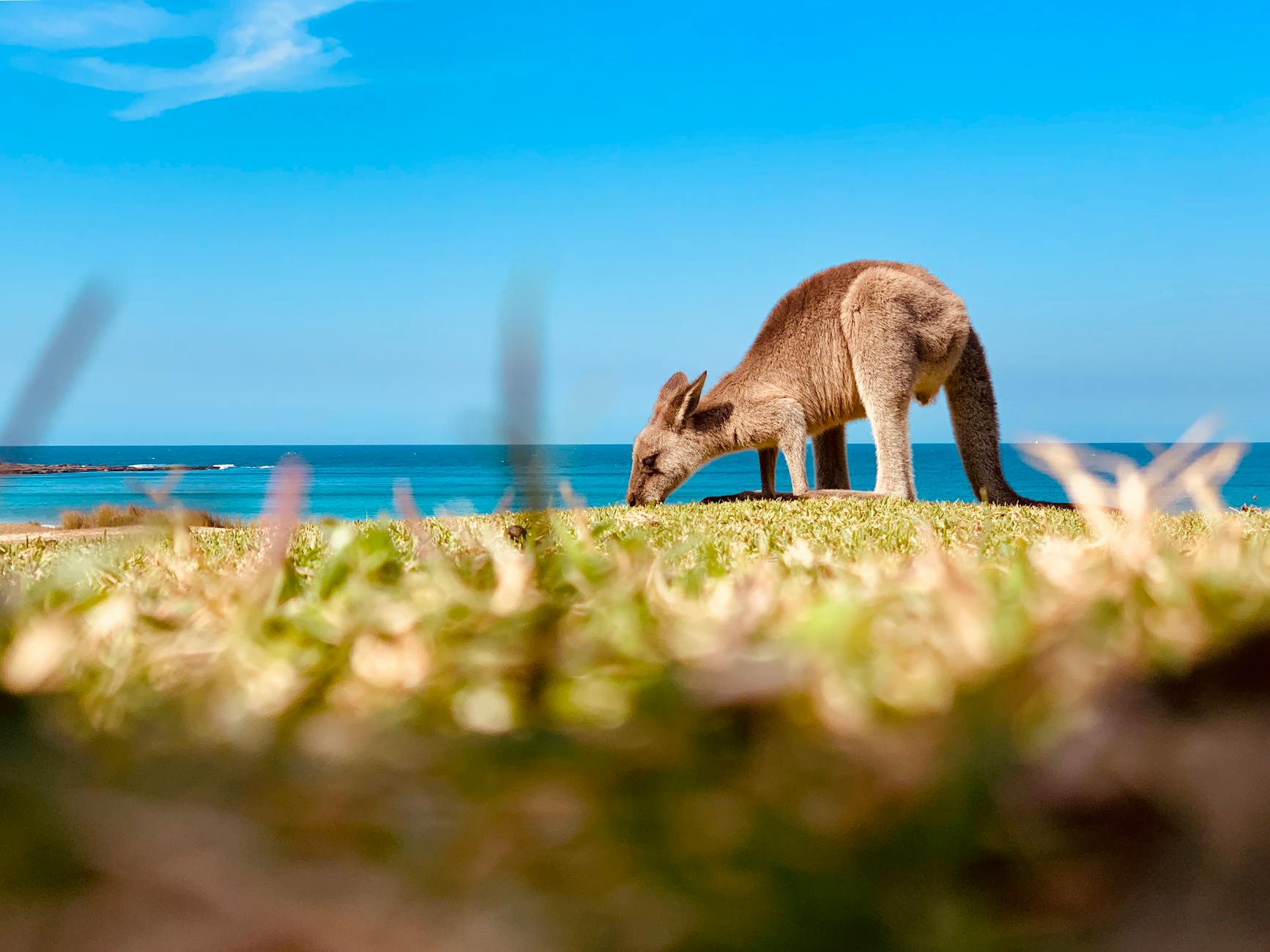
In terms of fauna, Kangaroo Island is home to a remarkable collection of wildlife. Visitors can encounter kangaroos and wallabies hopping through the bushland, while the coastline is a sanctuary for Australian sea lions and fur seals. Places like Seal Bay offer the opportunity to see these magnificent creatures up close in their natural habitat. Bird watchers also flock to the island to observe an impressive variety of avian species, from the elegant white-bellied sea eagle to the endangered orange-bellied parrot.
The island’s conservation efforts play a significant role in protecting its wildlife. Various organizations and local initiatives focus on preserving natural habitats and promoting biodiversity. Strategies include habitat restoration projects, controlling invasive species, and facilitating wildlife corridors that allow animals to migrate safely. This commitment to conservation ensures that both residents and visitors can enjoy the island’s unique ecosystems for generations to come.
One area that highlights Kangaroo Island’s commitment to protection is the Flinders Chase National Park. This vast park not only showcases the island’s dramatic landscapes with its rugged coastline and towering cliffs, but also serves as a sanctuary for wildlife. The park features numerous walking trails that provide breathtaking views of the sea and opportunities to spot kangaroos and other native animals. The park’s visitor center offers educational information about the flora and fauna, enhancing the experience for all who venture into this natural wonder.
Moreover, the island’s diverse habitats contribute to its ecological richness. The sandy soils of the north are home to mallee and heath species, while the wetter southern areas support dense forests. This variation enables a greater diversity of life, providing unique opportunities for ecotourism. Tours led by local guides often include informative discussions about the importance of each species and the delicate balance of ecosystems.
To encapsulate, Kangaroo Island stands out as a significant wildlife haven due to its unique flora and fauna. The island not only provides critical habitats for numerous species but also serves as a model for conservation efforts aimed at preserving biodiversity. Its rich ecosystems offer endless opportunities for exploration and education, making it a must-visit destination for anyone wanting to connect with nature.
The Breathtaking Coastal Cliffs
Kangaroo Island’s coastal cliffs are nothing short of spectacular, offering some of the most dramatic and picturesque landscapes in Australia. These rugged formations rise majestically from the ocean, creating a breathtaking contrast against the blue waters of the Southern Ocean. The cliffs provide a striking backdrop for the island’s diverse wildlife and are a significant draw for visitors seeking to experience the raw beauty of nature.
One of the most famous coastal attractions on the island is the Remarkable Rocks, a collection of granite boulders shaped by millions of years of erosion. These large, weathered formations are perched atop a cliff and provide an extraordinary viewpoint from which to admire the scenery. The vibrant colors of the rocks, combined with the ever-changing hues of the sea, create a captivating visual experience. Photographers flock to the site to capture its unique geological features, particularly during sunrise and sunset when the light casts stunning shadows and highlights.
Additionally, the cliffs of Kangaroo Island are home to a variety of seabirds, including the majestic white-bellied sea eagle and the beautiful Australian pelican. Birdwatchers will find the coastal regions an ideal location to observe these magnificent creatures in flight. The sound of waves crashing against the cliffs adds to the atmospheric experience, immersing visitors in the beauty of the island’s natural environment.
Safety is paramount when exploring these coastal areas. The island’s parks and wildlife authorities provide guidelines and designated viewing platforms to ensure the safety of visitors while preserving the delicate ecosystems. The trails leading to the cliffs vary in difficulty, offering options for hikers of all skill levels. Many visitors choose to embark on guided tours that not only highlight the best viewing spots but also educate them about the island’s geological history and the environmental factors that have shaped these cliffs.
From the stark beauty of the cliffs at Admirals Arch to the serene vistas from Sandy Creek clifftops, each viewpoint offers a unique perspective on the island’s rugged coastline. Admirals Arch, located in Flinders Chase National Park, is particularly noteworthy as a natural rock arch formed over centuries of wave erosion. The arch stands as a gateway to incredible views of the ocean and is often frequented by playful fur seals basking on the rocks below.
The coastal cliffs also play a vital role in the ecosystem, serving as nesting grounds for various seabird species. Protecting these habitats is essential for maintaining the ecological balance on the island. Conservation efforts focus on safeguarding these areas from threats such as invasive species and human impact, ensuring that they remain intact for future generations to enjoy.
The dramatic coastal cliffs of Kangaroo Island are a feast for the senses, providing stunning landscapes and a wealth of wildlife. Their unique geological features not only enhance the island’s natural beauty but also serve as critical habitats for numerous species. A visit to these cliffs offers memorable experiences and highlights the importance of preserving such breathtaking environments.
Pristine Beaches for Relaxation and Adventure
Kangaroo Island boasts an impressive array of pristine beaches that beckon visitors for a day of sun, sand, and surf. These uncrowded shores provide an idyllic setting for relaxation, exploration, and a variety of water-based activities. With crystal-clear waters and soft white sands, these beaches offer something for everyone, from families seeking a tranquil getaway to adventure seekers looking to engage in thrilling water sports.
One of the most popular beaches on the island is Vivonne Bay, often hailed as one of the best beaches in Australia. Its long stretch of powdery sand and gentle waves make it ideal for swimming, sunbathing, or enjoying a leisurely picnic. The beach is also an excellent spot for fishing, with local anglers often casting their lines in hopes of catching snapper or King George whiting. The atmosphere is relaxed, making it a perfect place to unwind and soak in the natural beauty surrounding you.
In addition to Vivonne Bay, Khanga Bay and Stokes Bay are also noteworthy destinations. Stokes Bay, in particular, is famous for its hidden lagoon accessed through a narrow rock passage. This secluded spot creates a perfect family-friendly swimming area sheltered from the winds, making it a safe haven for children to play and for adults to lounge. The surrounding cliffs add a dramatic backdrop to the tranquil waters, creating a picturesque scene perfect for photography.
Adventure enthusiasts will find ample opportunities to indulge in various sports along the coastline. The island’s waters are great for kayaking, with rentals available at several locations. Paddling through the calm coves allows visitors to explore hidden rock formations and spot marine life, including dolphins and sea turtles. For those a bit more daring, surfing is popular at beaches like Middleton Beach, which offers conditions suitable for both novices and experienced surfers.
Moreover, the island’s diverse marine ecosystems provide a unique snorkeling and diving experience. Places such as the water around Seal Bay National Park and the reefs near Emu Bay reveal vibrantly colored fish, majestic stingrays, and other marine life, captivating underwater explorers. Guided snorkeling tours are available, allowing visitors to safely dive into the stunning underwater world while learning about its ecological significance.
The pristine beaches are also excellent locations for learning about conservation and responsible tourism practices. Educational programs from local operators shed light on marine preservation efforts and the importance of protecting the ocean’s ecosystem. These initiatives encourage visitors to be mindful of their impact on the natural world, fostering a sense of stewardship among those who enjoy the island’s breathtaking beauty.
As day turns to dusk, the beaches transform into magical spots for evening relaxation. Watching the sunset paint the sky in hues of orange and pink as the sun dips below the horizon is a mesmerizing experience unique to Kangaroo Island. Many beaches feature picnic areas and fire pits, allowing families and friends to gather for BBQ evenings under a starlit sky, bonding over their shared adventure.
Kangaroo Island’s pristine beaches offer a perfect combination of relaxation and adventure. With endless opportunities for swimming, surfing, snorkeling, and simply soaking in the sun, they cater to various interests and lifestyles. These beautiful shorelines not only enhance the island’s appeal but also serve as a reminder of the significance of preserving natural landscapes for future enjoyment.
Wildlife Conservation Efforts on the Island
Kangaroo Island stands as a beacon of wildlife conservation, showcasing how dedicated efforts can protect endangered species and restore delicate ecosystems. Given its unique flora and fauna, the island has garnered international attention for its effective conservation strategies and responsible tourism practices. The commitment to preserving this haven not only benefits its wildlife but also enriches the experience of visitors who seek to connect with nature.
Since the early 2000s, the island has seen a collaborative approach to conservation involving government agencies, non-profit organizations, and local communities. This integrated system allows for comprehensive management of the island’s natural resources and habitats. Key players like the Kangaroo Island Landscape Board and the Department of Environment and Water work hand in hand with scientists, environmentalists, and volunteers to implement projects that aim to restore ecosystems and protect species at risk.
One of the core areas of focus has been habitat restoration. Many unique species in Kangaroo Island, such as the eastern brown bandicoot and the Ligurian bee, have faced threats from habitat loss and invasive species. As a response, reforestation projects are often initiated, involving the planting of native vegetation crucial for providing food and shelter to these animals. This crucial work not only strengthens the habitats but also helps revive populations of endangered wildlife.
Invasive species management is another significant aspect of conservation on the island. The introduction of non-native plants and animals has posed severe threats to local ecosystems. Efforts to control and remove these invaders, such as feral goats, rabbits, and even cats, have been implemented successfully, allowing native species to thrive once more. Programs such as the “Kangaroo Island Invasive Species Project” educate residents and visitors about the impact of these species while providing strategies for managing them.
Public awareness and engagement are equally vital for successful conservation. Educational programs and interpretive centers on the island inform visitors about its unique ecosystems and the steps being taken to protect them. The Kangaroo Island Wildlife Park, for example, promotes responsible wildlife tourism while offering insights into local conservation efforts. This dual focus creates a deeper appreciation among visitors and encourages them to support conservation initiatives during their stay.
Volunteer opportunities for both locals and tourists also play a pivotal role in sustaining these conservation efforts. Programs that engage volunteers in hands-on activities, such as tree planting or wildlife monitoring, foster a sense of community and commitment to preserving the island’s natural heritage. This involvement enriches the visitor experience, allowing them to form a direct connection with the island’s wildlife and ecology.
Moreover, the island’s conservation success stories serve as a testament to the power of collective action. For example, the recovery of the glossy black-cockatoo—a bird once close to extinction—has been marked by targeted breeding programs and habitat restoration projects. Its resurgence represents hope for other threatened species on the island.
Kangaroo Island’s wildlife conservation efforts reflect a deep commitment to protecting its rich biodiversity. By addressing habitat loss, controlling invasive species, and fostering community engagement, the island not only preserves its natural ecosystems but also enhances the experiences of those who visit. The ongoing dedication to conservation solidifies Kangaroo Island as a model for how communities can work together to protect their natural heritage.
Cultural Experiences and Activities
Kangaroo Island is not simply a natural paradise; it also possesses a rich cultural tapestry that reflects its history and the vibrant communities that inhabit the island. The island’s culture is a blend of Indigenous heritage, settler history, and modern-day artistic expressions that offer visitors a diverse range of experiences and activities to explore beyond its stunning landscapes.
Indigenous culture is an integral part of Kangaroo Island’s identity. The island is home to the Kaurna, Narungga, and other Aboriginal peoples, with a history that spans thousands of years. A growing number of cultural tours provide insight into Indigenous history, traditions, and connection to the land. Guided experiences, often led by Aboriginal elders, inform visitors about traditional bush tucker, storytelling, and sacred sites, fostering a deeper understanding and appreciation of the island’s rich heritage.
In addition to Indigenous culture, the history of European settlement is evident, particularly in the charming coastal towns of Penneshaw, Kingscote, and American River. Throughout the island, historic landmarks such as lighthouses, cemeteries, and heritage-listed buildings tell stories of the early settlers who shaped its development. Exploring these sites offers visitors a sense of the challenges and triumphs faced by previous generations, enriching their journey through time on Kangaroo Island.
Art and craftsmanship also thrive on the island, where many local artisans draw inspiration from the natural beauty that surrounds them. Visitors can explore galleries showcasing works from painters, photographers, and sculptors who translate the island’s landscapes and wildlife into beautiful pieces. Craft markets and workshops provide further opportunities for engagement, allowing guests to create their own masterpieces, all while supporting local artists.
Gastronomy is a significant element of the cultural experience on Kangaroo Island, with numerous gourmet food producers highlighting the island’s exceptional local produce. Visitors can indulge in freshly harvested seafood, artisanal cheeses, and organic wines that reflect the island’s agricultural richness. The Kangaroo Island Food and Wine Festival celebrates these culinary delights and offers an immersive experience for food lovers, featuring tastings, cooking demonstrations, and farm tours.
Adventure activities also create memorable cultural experiences. Scenic walking trails, like the Kangaroo Island Wilderness Trail, provide not only stunning views but also opportunities to connect with the island’s diverse environment. Along the way, hikers can encounter local wildlife while learning about the significance of various flora and ecosystems. The trail is well-marked, and the varying terrain caters to different skill levels, making it accessible for families and individuals alike.
The strong sense of community on Kangaroo Island is palpable, with seasonal events and festivals that bring locals and visitors together. Engage in traditional celebrations during the annual Kangaroo Island Show, where locals showcase their agricultural achievements, crafts, and culinary talents. These events foster connections, presenting opportunities for cultural exchange and an authentic insight into island life.
Kangaroo Island’s cultural landscape is as diverse and captivating as its natural beauty. From celebrating Indigenous heritage to exploring local art, food, and community initiatives, visitors can immerse themselves in a range of unique experiences that enrich their understanding of the island. Engaging with its people and stories enhances the overall visit, leaving lasting memories of a destination rich in culture and spirit.
Conclusion
Kangaroo Island stands as a multifaceted destination offering a unique combination of stunning wildlife, dramatic coastal cliffs, pristine beaches, and rich cultural experiences. Its commitment to conservation ensures the protection of its remarkable biodiversity, while initiatives showcasing Indigenous heritage and local artisans highlight the vibrant communities that thrive on the island. Whether exploring its natural wonders, enjoying adventure activities, or indulging in culinary delights, visitors are bound to leave with lasting impressions of this incredible wildlife haven. Kangaroo Island truly embodies the essence of Australia, providing an unforgettable journey through nature and culture that resonates far beyond one’s time spent on its shores.