
Introduction
Lamu Island, a gem off the coast of Kenya, stands out for its rich Swahili culture, stunning beaches, and unique car-free lifestyle. Designated as a UNESCO World Heritage site in 2001, the island offers a glimpse into the past with its traditional architecture and vibrant community. Visitors are welcomed by the scent of spices, the sound of the ocean, and the warmth of the locals, who maintain their customs and traditions amidst the encroachment of modernity. From historical sites like Lamu Fort to the breathtaking waters of Shela Beach, every corner of the island narrates a story of cultural significance and natural beauty. Whether you’re strolling through the narrow streets, indulging in local cuisine, or simply soaking in the sun, Lamu Island promises an unforgettable experience that captures the essence of Kenya.
The Unique Swahili Culture of Lamu Island
Lamu Island is synonymous with its rich and vibrant Swahili culture, which has been shaped by centuries of trade, interaction, and tradition. As one of the oldest towns in Kenya, Lamu serves as a living testament to the Swahili civilization that flourished along the East African coast. The island’s cultural fabric is woven from influences originating from Arabian, Persian, Indian, and African societies, creating a unique blend that is distinctively Lamu.
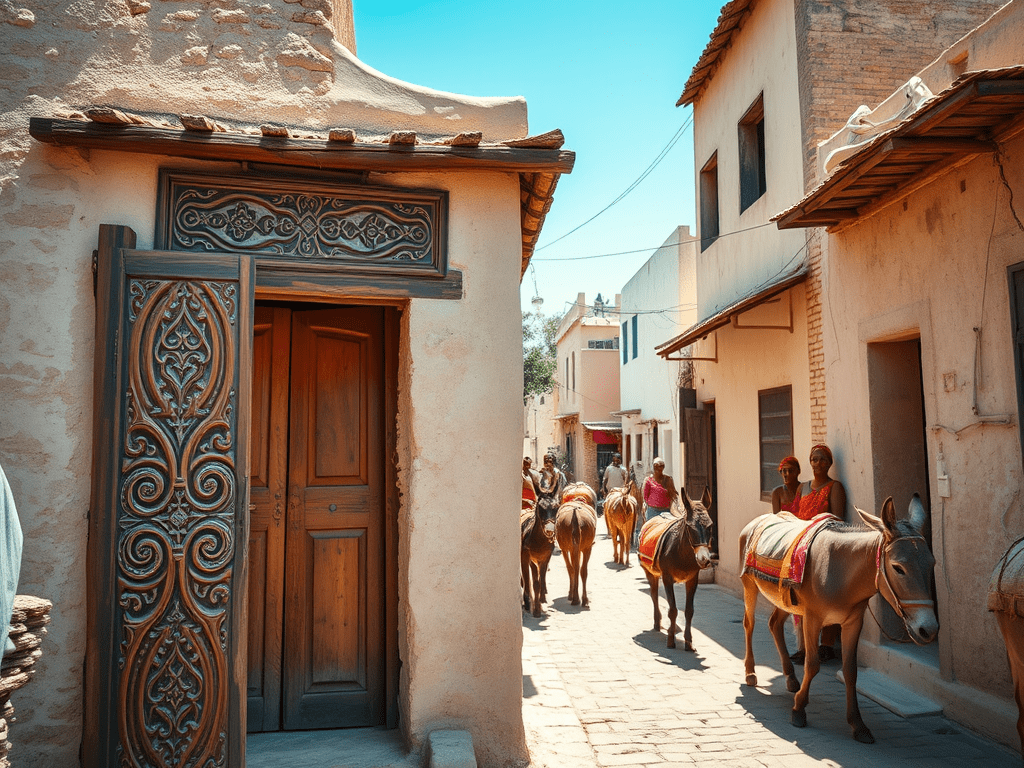
One of the first things that strike visitors upon arriving in Lamu is the island’s stunning architecture. The buildings here are primarily made of coral stone and mangrove timber, designed to withstand the coastal weather. Characteristic wooden doors adorned with intricate carvings tell tales of craftsmanship and artistry that has been passed down through generations. These doors are not just entryways; they are symbols of social status, tradition, and the stories of the families who reside within.
Lamu town is a UNESCO World Heritage site, largely due to its preserved history and cultural landscape. The town’s layout, with its narrow streets and alleys that discourage vehicular traffic, reflects the traditional way of life in Swahili culture. Donkeys serve as the primary means of transport for residents, further emphasizing the island’s commitment to its heritage. This car-free environment fosters a sense of community, allowing residents to engage with each other in ways that contemporary urban settings often hinder.
Local festivals play a crucial role in preserving and promoting Swahili culture. The Lamu Cultural Festival, held annually, celebrates the island’s history and traditions through traditional music, dance, art, and cuisine. Visitors have the chance to experience local arts such as dhow sailing, poetry, and storytelling—which are integral to the Swahili identity. The festival not only attracts tourists but also strengthens community ties, enriching the shared cultural experience for both locals and visitors alike.
Cuisine is another essential aspect of Lamu’s culture, showcasing the island’s diverse heritage. Traditional dishes feature a variety of spices, reflecting the island’s historical spice trade. A visit to Lamu would be incomplete without savoring local specialties such as “swahili biryani,” “prawn masala,†or “loco,†which are prepared using fresh, locally-sourced ingredients. The flavors are as diverse as the cultures that have influenced the island, making culinary exploration a delightful journey.
The people of Lamu, known for their hospitality, embody the essence of the Swahili spirit. Their way of life, which prioritizes community, respect, and tradition, provides a warm welcome to tourists. Interactions with locals often include discussions about their customs, history, and daily life, deepening the understanding of the island’s culture.
Furthermore, the influence of Islam, which has been central to the Swahili culture for centuries, is evident in the numerous mosques scattered throughout the island. The oldest mosque, the Friday Mosque, dating back to the 19th century, serves as a focal point for spiritual life in Lamu. This spiritual dimension adds depth to the cultural experience, illustrating how faith integrates with tradition and daily life.
Lamu Island is more than just a destination; it is a living cultural landscape that continues to thrive amidst the challenges of modernization. The unique Swahili culture, characterized by its architectural beauty, vibrant festivals, delicious cuisine, and the warmth of its people, makes Lamu a distinctive and enriching experience for all who visit.
Exploring the Pristine Beaches
Lamu Island is renowned for its breathtaking beaches that offer a perfect escape to nature lovers and sun-seekers alike. The coastline is lined with stretches of golden sand, crystal-clear waters, and swaying palms, creating an idyllic tropical paradise. With several beaches to choose from, each with its own unique charm, visitors can find tranquility, adventure, or a combination of both.
Shela Beach is perhaps the most famous of all Lamu’s beaches. Stretching over a mile along the coastline, Shela Beach is often considered the crown jewel of the island. Its soft sands are perfect for sunbathing, while the azure waters invite you to take a refreshing dip. One of the most enchanting experiences at Shela Beach is watching the sunrise or sunset; the sky transforms into a canvas of brilliant hues, reflecting off the water and creating a truly magical ambiance. Visitors often describe it as a perfect setting for relaxation, introspection, or simply enjoying the breathtaking beauty of nature.
For those seeking adventure, the waters surrounding Lamu are ripe for exploration. Scuba diving and snorkeling are popular activities, as the coral reefs teem with vibrant marine life. Divers can explore underwater gardens brimming with colorful fish, starfish, and even sea turtles. Local diving schools offer guided excursions, ensuring beginners and experienced divers alike can experience the underwater wonderland. Kayaking and paddleboarding are also enjoyable options, allowing visitors to navigate through the tranquil waters at their own pace while appreciating the coastal scenery.
In addition to aquatic activities, Lamu’s beaches provide ample opportunities for relaxation and leisure. Many beachfront establishments offer sunbeds and umbrellas for rent, allowing guests to settle in for a day of sun-soaked tranquility. Beachside restaurants and cafes serve delicious local cuisine, ensuring that visitors can enjoy a meal with a stunning ocean view. The combination of delectable food and the sound of waves creates a perfect backdrop for a leisurely lunch or dinner.
Beyond Shela Beach, Manda Beach and Kizingoni Beach also deserve mention for their serene atmospheres and stunning settings. Manda Beach, located on the nearby Manda Island, is less crowded and offers a tranquil getaway for those looking to escape the hustle and bustle. The shallow waters are ideal for swimming, making it a family-friendly destination. Kizingoni Beach, known for its remarkable sunsets, provides a picturesque setting for romantic strolls along the shore.
The natural beauty of Lamu’s beaches is enhanced by the diverse ecosystems that surround them. Mangrove forests and tidal flats support an array of wildlife, including numerous bird species, making it a fantastic destination for birdwatching. Nature enthusiasts can explore the mangrove ecosystems on foot or by boat, gaining insight into the delicate balance of these vital habitats.
Moreover, marine conservation efforts have been initiated in and around Lamu to protect the delicate coral reefs and oceanic life. Organizations and local communities are actively engaged in promoting sustainable tourism practices. By educating visitors on the importance of preserving the marine environment, they ensure that Lamu’s pristine beaches remain a cherished and protected part of the island’s natural heritage.
Throughout the year, Lamu’s beaches often host events and cultural celebrations that highlight the island’s traditions. Festivals featuring local music, dance, and food create a lively atmosphere, bringing both locals and visitors together. These events provide a unique opportunity to experience the vibrant culture of Lamu while enjoying the beauty of the beach.
Lamu Island’s pristine beaches offer more than just a picturesque backdrop; they are a haven for relaxation, adventure, and cultural experiences. From the golden sands of Shela Beach to the tranquil beauty of Manda and Kizingoni, the island’s coastline invites visitors to explore, unwind, and immerse themselves in the natural and cultural wonders of this remarkable destination.
The Absence of Cars and Its Impact on Life
One of the most distinctive features of Lamu Island is its car-free environment, a sharp contrast to the bustling streets found in many modern cities. This unique aspect significantly influences the daily lives of residents and the experiences of visitors, creating a slower-paced lifestyle that embodies the essence of traditional Swahili culture.
Upon arriving in Lamu, visitors immediately notice the lack of cars on the island. The narrow, winding streets of Lamu town were not designed for motor vehicles, and this deliberate choice has ensured that the community remains largely intact. Instead of the sounds of honking horns and revving engines, the air is filled with the soft braying of donkeys, the primary mode of transport for locals. This reliance on donkeys not only preserves the tranquility of the environment but also adds to the charm of the island.
The absence of cars has a profound impact on the way people interact with their surroundings. Without the distractions and noise of motor vehicles, residents find it easier to engage with one another. The sidewalks are alive with people conversing, children playing, and families gathering. This creates a tight-knit community where social interactions flourish, nurturing bonds that span generations. Residents often share their stories, traditions, and knowledge with one another, preserving the rich cultural heritage of Lamu through these daily encounters.
Moreover, the car-free lifestyle allows for a greater appreciation of Lamu’s historical architecture. Visitors can roam freely through the narrow streets, marveling at the traditional buildings that date back centuries. The absence of modern transportation thrusts the island’s heritage into the spotlight, highlighting its significance to both residents and tourists. This environment encourages exploration, with many hidden gems waiting to be discovered just around the corner.
However, the lack of cars does not mean a complete absence of modern amenities. Lamu’s shops, restaurants, and accommodations are designed with easy accessibility in mind, allowing locals and visitors to navigate seamlessly by foot or donkey. This arrangement fosters a leisurely pace that encourages people to stop and converse rather than rushing from one destination to another.
Another noteworthy impact of the absence of cars is its contribution to environmental sustainability. By minimizing motor vehicle use, Lamu Island has kept air and noise pollution at bay, preserving the natural beauty of the landscape and the clarity of the waters surrounding it. This conscious choice aligns with the island’s ongoing commitment to sustainability and conservation, ensuring that future generations can enjoy its pristine environment.
The traditional market in Lamu town thrives within this car-free zone. The streets bustle with vendors selling fresh produce, spices, and handcrafted goods. The market provides an opportunity for locals to come together and engage in commerce while retaining their cultural practices. This vibrant atmosphere, where barter and trade occur in an age-old tradition, is a refreshing reminder of how communities can flourish without the pressures of modern consumerism.
Of course, the donkey is not just a means of transport; it holds cultural significance within the Swahili community. These animals are treated with respect and care, embodying a way of life that values sustainability and connection to nature. Local residents often befriend the donkeys, creating a bond that highlights the importance of coexistence between humans and animals.
The absence of cars on Lamu Island also influences tourism. Visitors seeking an authentic experience appreciate the opportunity to disconnect from the fast-paced world. Wandering through the streets without the distraction of vehicles provides a sense of calm and allows for genuine interactions with locals. Travelers often return home with not just photos but fond memories of the warmth and hospitality of the people they encountered.
The car-free environment of Lamu Island is a defining feature that shapes the island’s culture, lifestyle, and interactions. The reliance on donkeys fosters a close-knit community and provides a unique atmosphere for visitors seeking a slow-paced, immersive experience. Lamu’s commitment to preserving its heritage, while embracing the benefits of modernity in a sustainable manner, illustrates the beauty of living in harmony with tradition and the natural environment.
UNESCO Heritage Status: What It Means for Lamu
Lamu Island’s designation as a UNESCO World Heritage site in 2001 marked a significant milestone in its history, recognizing the island’s cultural and historical significance. This status serves not only as a badge of honor but also as a mandate for preservation, protection, and promotion of the unique aspects that make Lamu a cherished location both locally and globally.
The UNESCO listing draws attention to Lamu’s well-preserved medieval town, which boasts a unique architectural style that reflects a fusion of African, Arab, and European influences. The intricate wooden doors, coral stone buildings, and narrow alleyways create a rich tapestry of history that tells the story of the Swahili civilization and its trading past. As a designated heritage site, it is imperative that these structures are maintained, ensuring that future generations can appreciate their historical context.
With the recognition from UNESCO comes responsibility. Local authorities, in collaboration with community members and conservationists, are tasked with safeguarding the cultural heritage of the island. This involves implementing measures that protect against inappropriate development, urbanization, and environmental degradation that could threaten the unique attributes of Lamu. The dedicated efforts to maintain the integrity of the town reinforce a commitment to preserving traditions, customs, and craftsmanship that define Lamu’s identity.
UNESCO status also enhances tourism to the island, bringing attention to Lamu as a destination for travelers seeking cultural experiences. This influx of tourists can be a double-edged sword; while it bolsters the local economy and creates opportunities for businesses, it also poses challenges in terms of sustainability and environmental impact. Balancing the needs of locals with those of visitors is essential to ensure that the island’s heritage is not compromised by overtourism.
The local community plays a crucial role in leveraging UNESCO recognition to their advantage. Through educational initiatives and community engagement, residents can learn about the significance of their heritage and how to act as stewards of their cultural environment. Workshops and programs focusing on traditional crafts, music, dance, and cuisine can empower locals to share their culture with visitors, fostering pride and ownership of their heritage.
In addition, the UNESCO designation opens doors to international grants and support for conservation projects. These funds can be utilized to restore historical buildings, promote cultural festivals, and develop sustainable tourism practices that benefit both the community and the ecosystem. By investing in preservation efforts, the island can ensure that its cultural treasures remain intact for years to come.
Another advantage of UNESCO status is the worldwide recognition that comes with it. Lamu is no longer just a hidden gem; it is now a part of a larger narrative about the importance of cultural diversity and heritage. This recognition positions Lamu within the global context of cultural sites, encouraging dialogue on the value of preserving unique ways of life amidst an increasingly homogenized world.
Furthermore, the UNESCO designation acts as a platform for collaboration with other heritage sites globally. Lamu can exchange ideas, best practices, and experiences with other communities facing similar challenges and triumphs. This interconnectedness fosters a broader understanding of cultural heritage, enriching the experiences of all involved.
The educational aspect of UNESCO designation cannot be overlooked. Schools and community organizations can utilize Lamu’s status to create programs that highlight the island’s history, encouraging younger generations to take pride in their traditions and ensure their survival. By fostering a sense of identity and belonging, the community can nurture future advocates for their heritage.
Lamu Island’s UNESCO World Heritage status is a powerful tool that aids in the preservation and promotion of its rich cultural landscape. The designation brings responsibilities, opportunities, and a commitment to sustainability that benefits the local community and the tourists who flock to this remarkable destination. By balancing heritage preservation with modern tourism and fostering community engagement, Lamu can continue to thrive as a beacon of cultural significance in the world.
Activities and Attractions: Experiencing Lamu Island
Lamu Island offers a wealth of activities and attractions that cater to diverse interests, ensuring every visitor has the chance to explore, engage, and enjoy the island’s unique offerings. From culture and history to adventure and relaxation, Lamu promises an enriching experience for all who step onto its shores.
One of the most significant attractions in Lamu is Lamu Fort, a historical landmark built in the 19th century. Located in the heart of Lamu town, the fort holds a prominent place in the island’s history as it was initially constructed to protect the town from pirates and invaders. Today, it serves as a museum showcasing artifacts that tell the story of Lamu’s past. Visitors can wander through its halls, absorbing the rich history and marveling at the architecture which reflects the fort’s strategic importance.
Another must-visit site is the Lamu Museum, which provides insights into the island’s cultural heritage, showcasing traditional Swahili crafts, instruments, and artifacts. The museum organizes exhibitions and events that engage visitors, creating a deeper understanding of Lamu’s customs and traditions. Learning about the rich history of Lamu is a vital part of any visit to the island.
Cultural experiences are abundant, with opportunities to immerse oneself in the local way of life. Visitors can participate in cooking classes that focus on traditional Swahili dishes, learning about the spices and ingredients that characterize the local cuisine. This gastronomic journey not only tantalizes the taste buds but also fosters an appreciation for the cultural significance of food in Swahili society.
Art and craft enthusiasts will find plenty to explore in Lamu as well. The island is known for its skilled artisans who create beautiful handicrafts, textiles, and jewelry. Visitors can join workshops to learn traditional crafts such as weaving and carving, gaining hands-on experience while supporting local artisans. This direct engagement promotes cultural preservation and sustains the livelihoods of the residents.
For adventure seekers, Lamu’s waters present opportunities for engaging activities, such as dhow sailing. Traditional wooden dhows are still used for fishing and trade, and sailing on one allows visitors to enjoy the beautiful coastline while experiencing a piece of local history. Sunset dhow cruises are particularly popular, providing a stunning view as the sun dips below the horizon, casting brilliant colors across the sky.
Additionally, watersports like kitesurfing, snorkeling, and diving are readily available for those looking to add an adrenaline rush to their itinerary. The warm waters surrounding Lamu are home to vibrant coral reefs and marine life, providing a feast for the eyes below the surface. Local operators offer excursions and equipment rental, giving access to these aquatic adventures.
Exploration of the surrounding islands is another highlight of visiting Lamu. Day trips to nearby Manda Island and Pate Island offer beauties less traveled. Visitors can experience untouched beaches, visit ancient ruins, and explore traditional fishing villages that showcase the broader cultural diversity of the region. The quiet allure of these islands provides a serene escape from the busier parts of Lamu.
Those seeking relaxation can unwind at some of Lamu’s cozy beachfront resorts or guesthouses, where they can soak up the sun on the soft sands, read a book, or indulge in spa treatments featuring local ingredients. The peaceful atmosphere allows for reflection and rejuvenation, making it easy to disconnect from the outside world.
Throughout the year, Lamu hosts various cultural festivals, showcasing the island’s vibrant traditions. The Lamu Cultural Festival, the Maulid Festival (celebrating the birth of the Prophet Muhammad), and the Lamu Yoga Festival are just a few events that attract participants from around the world. These festivals provide opportunities to engage in traditional music, dance, art, and gastronomy while fostering community spirit and cross-cultural connections.
Conclusion
Lamu Island is more than just a destination—it’s an experience that nourishes the soul. In a world increasingly defined by speed and noise, Lamu offers a rare opportunity to slow down and reconnect with what matters: history, nature, and culture. The island’s car-free charm, ancient alleyways, and calm beaches provide a perfect backdrop for both adventure and introspection. Each day begins with the gentle sound of the ocean and ends under a canopy of stars, far from the distractions of modern life. Whether you’re sailing on a dhow at sunset, exploring the winding streets of Lamu Old Town, or simply sipping fresh coconut water by the beach, the island invites you to be present, curious, and at peace. For travelers seeking something authentic, timeless, and truly different, Lamu Island is a treasure waiting to be discovered. It’s not just a place you visit—it’s a place you feel, remember, and long to return to.









[…] Island, known for its dramatic volcanic landscape and UNESCO World Heritage vineyards, offers an adventure for nature lovers and outdoor enthusiasts. Rising majestically from […]
[…] that captivates visitors with its stunning natural beauty and rich biodiversity. Declared a UNESCO World Heritage Site in 1982, the island offers a unique combination of majestic mountains, lush forests, and […]
[…] Galapagos Islands, a UNESCO World Heritage site, are a breathtaking archipelago located in the Pacific Ocean, famous for their stunning […]
[…] Amalfi Coast, a UNESCO World Heritage site, is one of the most breathtaking coastal drives in the world. Characterized by steep cliffs, […]
[…] to witness the underwater waterfall’s beauty. One such location is the iconic Le Morne Brabant, a UNESCO World Heritage site that offers stunning views of the southwestern coast of Mauritius. Visitors can hike to the […]
[…] charm with its blend of history, culture, and stunning seaside vistas. The town’s medina, a UNESCO World Heritage site, is characterized by its narrow alleys, vibrant blue-and-white buildings, and lively souks. […]
[…] in central Vietnam, Phong Nha-Kẻ Bà ng National Park is a UNESCO World Heritage Site known for its breathtaking karst landscapes, intricate cave systems, and lush biodiversity. The […]