
Introduction
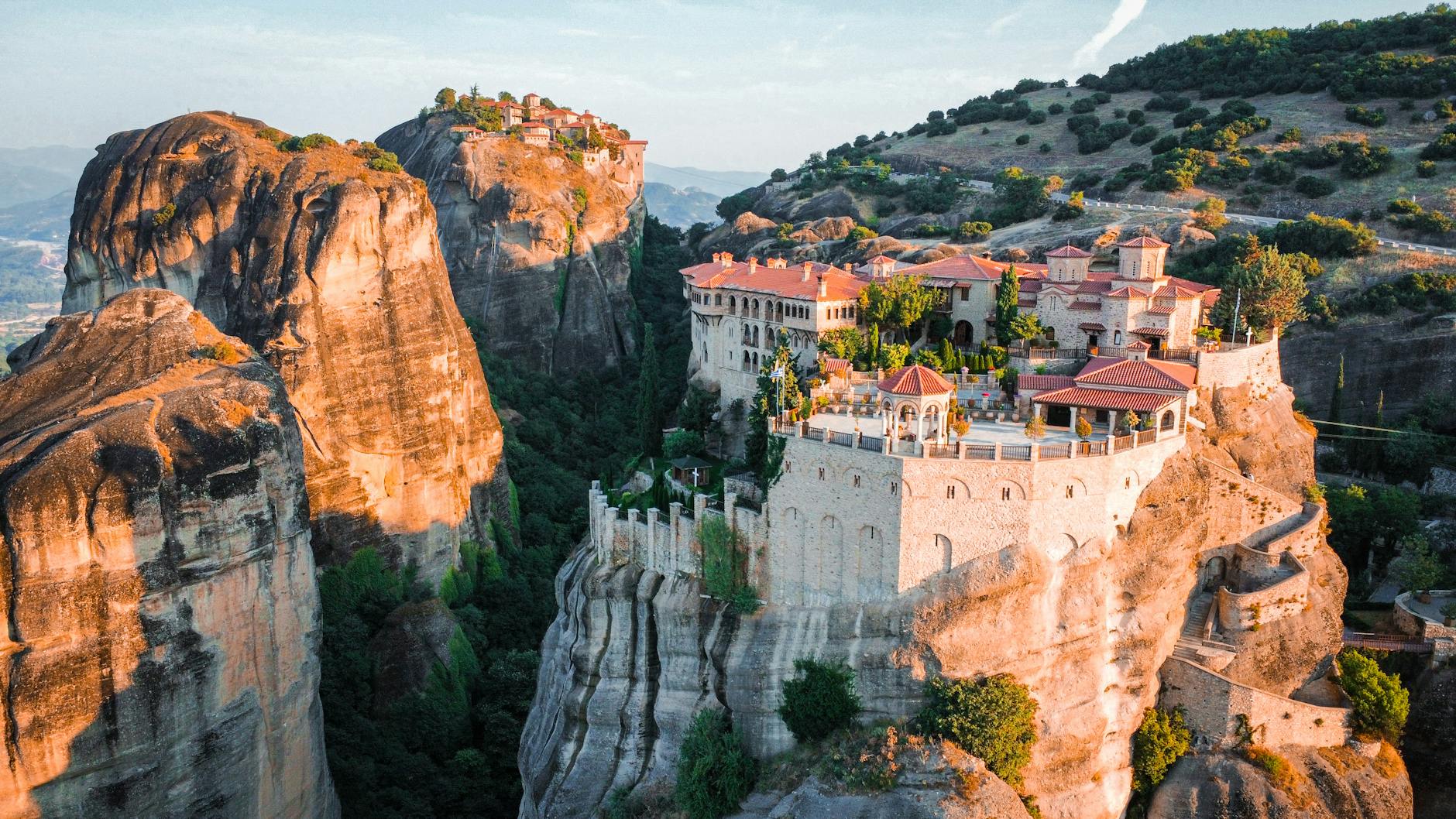
Meteora, located in central Greece, is an awe-inspiring destination known for its striking monasteries nestled atop towering rock pillars. While often overshadowed by more famous sights in Greece, such as Santorini and Athens, Meteora dazzles with its unique blend of natural beauty, rich history, and profound spirituality. The name “Meteora,” meaning “suspended in the air,” aptly describes the breathtaking setting of these monasteries, which sit high above the landscape, providing both solitude and panoramic views. Founded in the 14th century, Meteora’s monasteries served as sanctuaries for monks seeking a life of prayer and contemplation, away from the distractions of the world. In this article, we will delve into the unique geography of the area, the historical context of the monasteries, their architectural significance, the spiritual practices of the monks, and practical tips for visitors eager to uncover the wonders of this remarkable region.
The Unique Geography and Formation of Meteora
Meteora’s dramatic landscape is one of its most captivating features, marked by massive rock formations that rise abruptly from the Thessalian plain. These natural pillars, comprised mainly of conglomerate rock, have been sculpted over millions of years through geological processes such as tectonic uplift and erosion. The result is a breathtaking panorama of towering cliffs that reach heights of nearly 400 meters, providing an awe-inspiring backdrop for the monasteries that grace their summits.
The geological history of Meteora can be traced back to the Late Miocene epoch, approximately 60 million years ago. Tectonic movements caused the land to shift and thrust upward, exposing the conglomerate rocks formed from sedimentary materials. The process of erosion, driven by wind, water, and temperature variations, further shaped the landscape into the unique formations we see today. As softer rock layers were removed, the harder conglomerate rock emerged into towering columns, creating a rugged terrain that is both striking and surreal.
The formation of these towering pillars offered a perfect opportunity for the establishment of monasteries. The monks, seeking solitude away from the distractions of the world, recognized the geographic advantages of these high locations. The elevation not only provided security but also a vantage point from which to connect with the divine, allowing them to rise closer to Heaven both literally and metaphorically. The perception of the natural world as a manifestation of the divine complements the spiritual mission of the monks, who sought to cultivate a closer relationship with God.
In addition to their stunning aesthetics, the rock formations of Meteora are rich in biodiversity. The variations in altitude and microclimates create a range of habitats that support diverse flora and fauna, some of which are endemic to the region. The unique ecosystems provide an opportunity for visitors to appreciate not only the visual beauty of Meteora but also its ecological significance. Hiking trails through the landscape allow for exploration of its various habitats, making it a popular destination for nature enthusiasts and those seeking spiritual rejuvenation alike.
Furthermore, the breathtaking views from the summit of the rock pillars offer perspectives that inspire reflection and tranquility. Visitors often find themselves captivated by the beauty of the surrounding landscapes, which can serve as a reminder of the vastness of creation and the majesty of the natural world. The setting sun casting golden hues across the rock formations is a sight that leaves an indelible imprint on the heart and mind, inviting contemplation and peace.
Overall, the unique geography and formation of Meteora are integral to the character and allure of this remarkable region. The combination of natural beauty, spiritual significance, and ecological diversity creates an inviting atmosphere for both reflection and exploration. As we continue to delve into the history and culture of the Meteora monasteries, we will discover how this extraordinary geography has shaped the lives and spiritual practices of the monks who have called this place home for centuries.
Historical Significance of the Meteora Monasteries
The historical significance of the Meteora monasteries is a reflection of a tumultuous period in Greek history, marked by the decline of the Byzantine Empire and the rise of Ottoman rule. Founded in the 14th century, these monasteries became bastions of the Orthodox Christian faith, preserving cultural identity and providing spiritual refuge during turbulent times.
The first monks arrived at Meteora during the 14th century, drawn by the stunning landscape and the desire for a secluded life dedicated to prayer and contemplation. The earliest of these monasteries, the Great Meteoron, was established by Athanasios the Meteorite in 1344. Athanasios sought to create a monastic community that adhered to the strict ascetic principles of the Byzantine tradition. As other monks followed suit, additional monasteries were constructed over the ensuing decades, each contributing to the vibrant monastic community that flourished atop the rock pillars.
At the time of their founding, Greece was experiencing significant sociopolitical changes. The fall of Constantinople in 1453 marked the beginning of Ottoman domination, which brought challenges to Orthodox Christians. The Meteora monasteries served as sanctuaries for the faith, providing a space where spiritual life could continue despite external pressures. The monks played an essential role in preserving Greek language, culture, and religious practices during a period when such traditions were at risk.
Moreover, the Meteora monasteries became centers of learning and scholarship. Monks engaged in the transcription of religious texts, preserving and disseminating the teachings of the Orthodox Church. The libraries of the monasteries housed important manuscripts, some of which continue to serve as valuable resources in the study of Byzantine history and spirituality. These monastic libraries became jewels of knowledge, safeguarding the intellectual and spiritual heritage of Greece against the backdrop of changing times.
The monasteries also contributed to the local community, providing agricultural products, education, and support. Monks engaged in various crafts and trades, such as carpentry and iconography, ensuring that the monasteries could sustain themselves while also improving the quality of life for the surrounding population. As a result, the monasteries played a vital role in the economic and social fabric of the region.
Despite the trials faced throughout the centuries, including invasions, earthquakes, and the challenges of modernization, the Meteora monasteries have demonstrated remarkable resilience. Many structures suffered damage but have been lovingly restored through the efforts of the monastic community and various conservation organizations. The commitment to preserving these sacred places reflects the enduring significance of Meteora in the collective consciousness of the Greek people.
Today, the Meteora monasteries are recognized as a UNESCO World Heritage Site, showcasing not only their architectural beauty but also their cultural and historical importance. They symbolize the intersection of nature, spirituality, and human creativity, inviting visitors to explore both the physical and spiritual landscapes of the region.
The historical significance of the Meteora monasteries is deeply rooted in the socio-political context of Greece throughout the centuries. These monastic communities have endured challenges while serving as bastions of faith, culture, and scholarship. As we continue our exploration of Meteora, we will delve deeper into the architectural elegance and design of the monasteries, each of which tells its own story of devotion and resilience.
Architectural Marvels: The Design and Construction of the Monasteries
The architectural marvels of Meteora are an extraordinary testament to human ingenuity and creativity. The monasteries, perched precariously atop towering rock pillars, exemplify a distinct blend of Byzantine and local architectural styles, with features that reflect the monks’ dedication to their faith and the challenges of their environment.
The construction of these monasteries began in the 14th century, driven by the monks’ desire to create sanctuaries that embodied their spiritual aspirations. The sheer logistics of building atop these towering cliffs were daunting. The monks had to utilize rudimentary tools and resources found in their immediate surroundings, which made construction both a labor-intensive and time-consuming endeavor. Stone and timber sourced from the surrounding area were used extensively, ensuring that the monasteries harmonized with the natural environment that cradled them.
The architectural design of the Meteora monasteries is characterized by their imposing yet graceful forms. Many of the structures feature a quadrilateral arrangement, with the central church surrounded by monastic cells and communal spaces. The main church, often adorned with intricate frescoes and iconography, serves as the heart of the monasteries where communal prayer and worship occur.
Frescoes and mural paintings cover the interiors of the monasteries, depicting biblical scenes and the lives of saints. These vibrant artworks serve both aesthetic and didactic purposes, conveying spiritual narratives and inviting contemplation among the faithful. The painters employed techniques that employed brilliant colors and intricate details, often taking years to complete a single work. Today, these frescoes stand as a testament to the artistry and dedication of the monks, offering a glimpse into the Orthodox Christian tradition and providing insight into the theological beliefs of the time.
One of the most remarkable aspects of Meteora’s architecture is the use of natural elements within the designs. The layout of the monasteries takes full advantage of the unique features of the rock formations, with many structures appearing to grow from the cliffs themselves. Balconies and terraces extend from the buildings, offering spectacular views of the surrounding landscape. These open spaces not only serve practical purposes but also symbolize the connection between the earthly and divine without sacrificing the natural beauty that envelops them.
The Monastery of the Great Meteoron, the largest and oldest of the Meteora monasteries, exemplifies the blending of architectural styles characteristic of the region. It features a well-planned courtyard, stone arches, and a large church adorned with remarkable frescoes. The combination of Byzantine and Gothic influences, noticeable in the pointed arches and intricate carvings, demonstrates the confluence of artistic ideas that flourished throughout the centuries.
Additionally, the construction of the monasteries exemplifies a deep understanding of the natural world and its elements. The monks used innovative techniques to stabilize structures against the forces of nature. Diligent craftsmanship ensured that the monasteries could endure erosion and maintain their integrity against high winds and heavy rainfall.
Despite the hardships and challenges of their environment, the monks succeeded in creating a harmonious blend of architecture and nature. The monasteries rise majestically from the rock pillars, a breathtaking sight that draws admiration from visitors around the world. The beauty of Meteora’s architecture is not only in its design but also in its deep connection to the spiritual mission of the monks, who sought to create places where they could draw closer to God.
The design and construction of the Meteora monasteries are a testament to the dedication and creativity of the monks who built them. The harmonious blend of architectural elements, stunning frescoes, and the natural beauty of the surrounding landscape imbue these structures with a sense of spirituality and reverence. As we continue to explore the significance of Meteora, we will delve into the spiritual practices and daily life of the monks, uncovering the essence of this remarkable monastic community.
Spiritual Importance and Daily Life in Meteora
The spiritual importance of Meteora is deeply intertwined with the daily lives of the monks who reside in the monasteries. These sacred spaces serve as retreats from the world, allowing the monks to dedicate themselves fully to a life of prayer, contemplation, and community. The daily routines and practices of the monks reflect their commitment to their faith and the monastic tradition they uphold.
At the center of monastic life in Meteora is the practice of prayer. The monks observe the Divine Office, a schedule of prayers and services that mark the hours of the day. This practice includes matins (morning prayers), hours, and vespers (evening prayers) as well as the celebration of the Divine Liturgy, which is the central act of worship in the Orthodox Church. The communal nature of the service reinforces the bonds of brotherhood among the monks, as they gather to seek spiritual connection and encouragement with one another.
The morning silence in the monasteries is a time for personal reflection and meditation. Monks often take this opportunity to engage in individual prayer or study the Scriptures, allowing for a deepening of their understanding and relationship with God. The tranquil surroundings of Meteora, with its stunning vistas and the ever-present sounds of nature, provide an ideal backdrop for introspection and communion with the divine.
In addition to prayer, the monks engage in manual labor as an expression of their faith. Manual labor holds a significant place in monastic life; it is considered a form of worship and discipline. Monks partake in various tasks, from maintaining the monastery grounds to farming and gardening. This connection to the earth serves to ground their spiritual practices and reinforces the idea that work and prayer are interconnected.
The spiritual importance of Meteora extends beyond the monks themselves, as the monasteries serve as sanctuaries for people seeking solace and inspiration. Visitors are welcomed to participate in worship and experience the profound atmosphere of spirituality that the monks have cultivated over centuries. The monasteries are open to pilgrims, who often come to engage in their spiritual journeys, finding comfort and enlightenment within the sacred walls.
Learning about the spiritual teachings and practices that define life in Meteora enhances the visitor experience, as many are moved by the dedication and devotion embodied by the monks. Discussions with the monastic community may foster deeper connections and revelations, illustrating how spirituality transcends individual lives and extends into the broader fabric of society.
Additionally, the monasteries often maintain libraries filled with ancient texts and religious writings, preserving the rich history of Orthodox Christianity. Monks serve as guardians of this knowledge, ensuring the teachings of the faith remain accessible for future generations. The intense study and devotion to these texts exemplify the commitment of the community to safeguarding their heritage and nurturing spiritual growth.
The spiritual importance of Meteora is woven into the daily lives of the monks who reside in the monasteries. Their commitment to prayer, work, and service fosters a profound connection between the natural world, human creativity, and the divine. The warm hospitality extended toward visitors encourages a spirit of contemplation and inspiration, reminding us of the timeless pursuit of spirituality that draws individuals to this sacred place. As we continue exploring Meteora, we will provide practical tips for visitors seeking to immerse themselves in the beauty and culture of this extraordinary region.
Visitor Experience: Tips for Exploring Meteora
Visiting Meteora is a journey that invites exploration, reflection, and a deeper understanding of one of Greece’s most extraordinary destinations. To fully appreciate the beauty of the monasteries and the surrounding landscape, visitors should consider several tips to enhance their experience and engagement with this remarkable site.
- Plan Your Visits to the Monasteries: Meteora is home to six active monasteries: the Great Meteoron, Varlaam, Rousanou, St. Nicholas Anapausas, Trinity, and Holy Spirit. Each monastery offers unique experiences, architectural features, and opportunities for spiritual reflection. Allocate sufficient time to visit each one, as the richness of their historical and artistic significance warrants thorough exploration. Check the opening days and hours in advance, as some monasteries may have different schedules.
- Dress Respectfully: As Meteora is primarily a monastic site, it is important to adhere to a dress code that reflects the sacred nature of the space. Men should wear long trousers and shirts with sleeves, while women should wear long skirts or dresses and cover their shoulders. Many of the monasteries provide wraps for visitors who may not be dressed appropriately, but coming prepared shows respect for the spiritual environment.
- Consider Guided Tours: If you’re unfamiliar with the region or want to gain deeper insights into the history, architecture, and spirituality of Meteora, consider joining a guided tour. Knowledgeable guides can offer valuable context and anecdotes that enrich your understanding of the monastic communities. Many tours include transportation and visits to multiple monasteries, allowing you to make the most of your time.
- Explore the Nature Trails: Beyond the monasteries, the natural beauty of Meteora is a major draw for visitors. Hiking trails wind through the cliffs, providing stunning views of both the rock formations and the valleys below. Make sure to wear sturdy shoes and bring water while exploring the trails, as they can be steep and rugged. Hiking allows for a more personal connection with the landscape, inviting moments of reflection as you immerse yourself in the beauty of nature.
- Engage with the Monastic Community: The monks and nuns of Meteora are often welcoming and willing to share their experiences and wisdom with visitors. Engage in respectful conversations, ask questions, and express your interest in their way of life. The stories and insights they offer can provide a unique perspective on monastic spirituality and the significance of the monks’ devotion.
- Stay Overnight: Spending a night or two in Meteora allows for a more immersive experience. Early mornings and late evenings often feature fewer crowds, allowing visitors to appreciate the tranquility and beauty of the monasteries. Witnessing the sunrise or sunset over the cliffs can be a breathtaking experience, with the colors reflecting off the rock formations creating an ethereal atmosphere.
- Practice Mindfulness: When exploring the monasteries and their surroundings, take moments to pause and reflect. Mindfulness and contemplation can deepen your connection to the spirituality of the region. Whether you are gazing at the intricate frescoes or overlooking the landscape from a high vantage point, allow yourself to absorb the beauty and tranquility present within the sacred spaces.
- Respect the Heritage: Finally, as you explore Meteora, remember to be mindful of the cultural and ecological significance of the area. Respect the rules of the monasteries, including photography guidelines and areas that may be off-limits. Adopting a posture of reverence and appreciation will enhance your experience and ensure the preservation of these remarkable sites for future generations.
The visitor experience at Meteora offers a unique opportunity to connect with nature, history, and spirituality. By following these tips and engaging deeply with the landscape and monastic community, visitors can enrich their understanding of Meteora and cultivate lasting memories of this extraordinary destination.
Conclusion
Meteora, with its stunning monasteries built atop soaring rock pillars, is a destination that captivates the heart and soul. While often overshadowed by the more renowned Isle of Santorini and the historical significance of Athens, Meteora stands as a testament to the intersection of spirituality, history, and architectural ingenuity. The breathtaking landscapes, profound histories, and dedicated monastic communities make it a unique and enriching destination for visitors from around the world.
The unique geography and formation of Meteora shape not only its visual beauty but also its spiritual ambiance, inviting individuals to connect with nature and explore the depths of their beliefs. The historical significance of the monasteries reveals lessons of resilience and dedication, preserving the Orthodox Christian faith during times of turbulence. The architectural marvels exemplify how humans can create sanctuaries that harmonize with their surroundings, showcasing artistry and devotion in every corner.
As we dig deeper into the spiritual importance of Meteora, we recognize that the daily lives of the monks embody a commitment to prayer and community, offering visitors an invitation to embark on their own spiritual journeys. Sharing their sacred spaces with pilgrims enriches the cultural heritage of the region, illustrating how spirituality transcends individual lives and fosters a sense of interconnectedness.
Finally, as travelers consider their own experiences in Meteora, practical tips can maximize their exploration and engagement with the beauty and culture of this extraordinary region. The combination of challenges and triumphs faced by the monks throughout history serves as a reminder of the resilience of the human spirit and the pursuit of spiritual growth.
As we conclude our exploration of Meteora, we encourage all who are fortunate enough to visit this remarkable site to immerse themselves in its stories, engage with its beauty, and reflect on the enduring legacy of this sacred land.




Definitely on my bucket list thank you
[…] home to several remarkable temples that collectively underscore the architectural genius of ancient Greece. Among these, the Erechtheion and the Temple of Athena Nike, alongside the Parthenon, are vital to […]