
Introduction
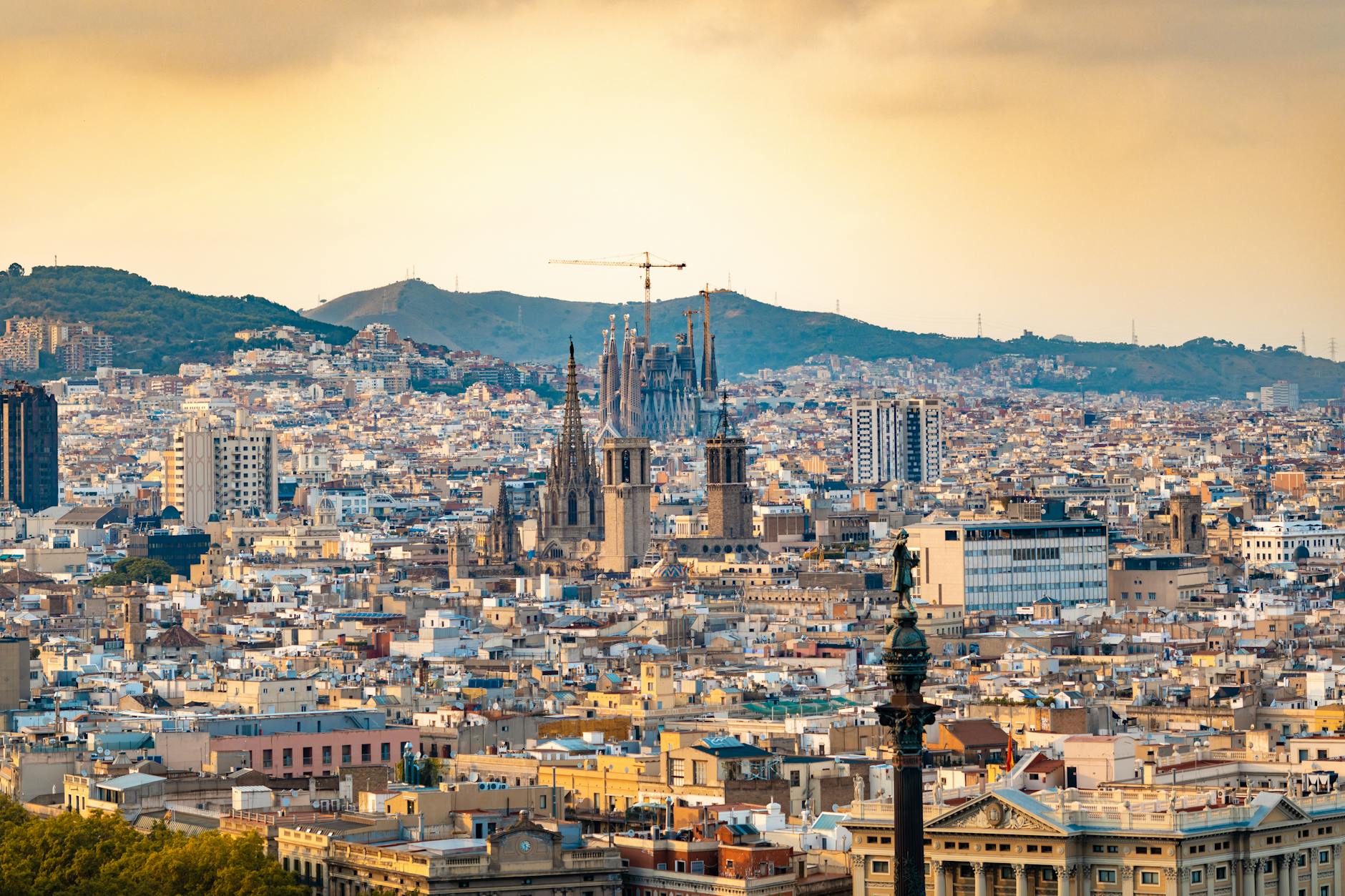
Barcelona, a vibrant metropolis bursting with life, art, and culture, beckons travelers to explore its diverse offerings. Renowned for its stunning architecture, iconic landmarks, and rich history, the city seamlessly blends modernity with tradition. From the moment you step on its sun-kissed streets, the allure of Barcelona enchants every visitor. This city is not only famous for its breathtaking views, such as the Sagrada FamÃlia and Park Güell, but it also houses charming neighborhoods and hidden gems that tell a story of their own. Whether you’re wandering through the narrow alleyways of the Gothic Quarter or savoring tapas in a local eatery, Barcelona 2025 promises a delightful experience for every traveler. In this article, we will delve into the must-see attractions and uncover the hidden treasures that make Barcelona one of the most beloved destinations in the world.
The Architectural Wonders of Antoni GaudÃ
Antoni Gaudà stands as one of the most influential figures in the world of architecture, with his creations leaving an indelible mark on the city of Barcelona. His unique style, deeply influenced by nature, religious symbolism, and Catalan culture, presents a visual feast for onlookers. Among his most celebrated works is the Sagrada FamÃlia, an extraordinary basilica that has been under construction since 1882. Its towering spires and intricate facades reflect GaudÃ’s dedication to his craft, and each element tells a story from the Bible, showcasing his profound spirituality. Visitors often describe the interior as a wonderland, with towering columns that resemble trees, creating a mesmerizing play of light and shadow that changes with the time of day.
Another notable masterpiece is Park Güell, originally conceived as a residential project, which evolved into a public park filled with whimsical structures. Here, you can wander through colorful mosaics, admire the courtyards adorned with serpentine benches, and enjoy panoramic views of the city. The park is a testament to GaudÒs ability to merge nature with architecture, demonstrating his belief that buildings should harmonize with their surroundings.
Other remarkable sites include Casa Batlló and Casa Milà (La Pedrera), both showcasing his ability to bend conventional design rules. Casa Batlló, famous for its organic shapes and vibrant tile work, embodies the essence of GaudÃ’s imaginative vision. Casa Milà , with its undulating stone facade and wrought-iron balconies, invites visitors to explore its rooftop, where you’ll find a surreal landscape of chimneys and sculptures that appear almost alive.
GaudÒs work is not only limited to structures; it also extends to urban planning, as seen in his designs for the Güell Park, which emphasizes the importance of green spaces within an urban environment. His legacy continues to inspire architects and artists worldwide, encouraging them to push boundaries and see beauty in the unconventional. A visit to Barcelona would be incomplete without immersing yourself in GaudÒs architectural wonders, which challenge the traditional notions of architecture and create a lasting impact on all who encounter them.
The Gothic Quarter: A Journey Through History
The Gothic Quarter, or Barri Gòtic, is the heart of Barcelona, steeped in history that dates back to Roman times. As you stroll through its labyrinthine streets, you can feel the weight of centuries upon you, with Gothic architecture enveloping the visitor in a unique atmosphere. This neighborhood is a veritable time capsule, where every corner reveals remnants of the past, from ancient Roman walls to medieval palaces.
At the center of the Gothic Quarter lies the Cathedral of Santa Eulà lia, a stunning example of Catalan Gothic architecture. The cathedral is dedicated to the co-patron saint of Barcelona and boasts an impressive façade adorned with intricate carvings and gargoyles. Inside, the tranquility of the cloisters, with their serene gardens and the famous geese, draws visitors into a world of peace and reflection. To explore this sacred space is to walk through the spiritual heart of the city.
As you continue to wander, the Plaça del Rei invites you to discover its royal history. The medieval square is surrounded by significant buildings, including the Palau Reial Major, the former residence of the counts of Barcelona. Here, you can see the remnants of the ancient city’s importance, with interpretations of its storied past housed in the Museu d’Historia de Barcelona. This museum allows you to journey through time, showcasing artifacts from the Roman settlement of Barcino to the present day.
The Gothic Quarter is not just a historical site, but a living neighborhood. Its narrow, winding streets are filled with trendy boutiques, artisan shops, and inviting cafes, where locals and tourists alike gather to enjoy the vibrant atmosphere. You can take a break with a coffee or indulge in some traditional Catalan pastries while watching the world go by. As night falls, the area comes alive with an array of bars and restaurants that exude an eclectic energy, echoing the sounds of laughter and conversation.
Another hidden treasure of the Gothic Quarter is the Jewish Quarter, or El Call, which offers a glimpse into Barcelona’s rich and complex history. This area is characterized by its narrow streets and historical significance, as it was once home to one of the largest Jewish communities in medieval Spain. Here, you can visit the ancient Sinagoga Major de Barcelona, one of the oldest synagogues in Europe, which serves as a poignant reminder of the past.
Exploring the Gothic Quarter of Barcelona offers a captivating journey through time. The juxtaposition of ancient structures and modern life creates a unique atmosphere that enchants every visitor. It is a testament to the city’s cultural heritage and serves as a reminder of the many stories waiting to be uncovered within its historic walls.
The Lively La Rambla: Heart of the City
La Rambla, the famous tree-lined boulevard in the heart of Barcelona, is often considered the city’s beating heart. Stretching approximately 1.2 kilometers from Plaça de Catalunya to the Christopher Columbus Monument at Port Vell, this vibrant street is a hub of activity, attracting both locals and tourists. The lively atmosphere is palpable, with street performers, artists, and entertainers filling the area, offering an eclectic mix of sights and sounds.
The walk along La Rambla is an experience in itself, as you pass by a diverse array of shops, cafes, and kiosks. Here, you’ll find everything from artisan crafts to souvenirs, allowing you to take a piece of Barcelona home. The famous La Boqueria Market, one of the oldest and most colorful markets in Europe, is not to be missed. As you enter, the rich aromas of fresh fruits, spices, and local delicacies envelop you, beckoning you to explore further. A visit to La Boqueria is a feast for the senses, and indulging in a fresh juice or a tapa is a must as you soak in the vibrant market atmosphere.
Along La Rambla, you’ll also encounter the vibrant street art culture that has flourished in Barcelona. The dynamic murals and graffiti that adorn buildings serve as an expression of the city’s artistic soul. Be sure to pause and appreciate the works of local artists, which often portray powerful social messages or whimsical themes.
As you stroll further down La Rambla, you’ll reach Plaça Reial, a lively square that serves as a gathering place for both locals and tourists. Surrounded by palm trees and beautiful porticoed buildings, the square is dotted with cafes and restaurants where you can grab a bite to eat or simply enjoy a drink while people-watching. The energy of this square is infectious, especially in the evenings when live music and performances light up the scene.
As you approach the end of La Rambla, you’ll find the Columbus Monument, a tribute to Christopher Columbus’ first voyage to the Americas. Climbing to the top of the monument provides sweeping views of the harbor and cityscape, allowing visitors to appreciate the expansive beauty of Barcelona from a new vantage point. The area also connects to the waterfront, where you can take leisurely strolls along the promenade and enjoy the sights of the Mediterranean Sea.
Despite its popularity, La Rambla retains a certain charm that reflects the lively spirit of Barcelona. It serves as a gateway to explore nearby neighborhoods like El Raval, where you can discover trendy art galleries, creative spaces, and an array of international cuisine. This vibrant boulevard encapsulates the essence of Barcelona, inviting you to experience the city’s dynamic culture, history, and everyday life.
Hidden Gems: Off-the-Beaten-Path Locations
While Barcelona boasts numerous well-known attractions, there exists a treasure trove of hidden gems that offer a more intimate glimpse into the city’s true spirit. Venturing off the beaten path allows you to discover unique neighborhoods and captivating sites often overlooked by tourists. One such hidden gem is the Bunkers del Carmel, an abandoned anti-aircraft bunker that offers breathtaking panoramic views of Barcelona. Originally built during the Spanish Civil War, the site has become a popular spot for locals to gather, especially during sunset. The sweeping vistas of the city skyline and the Mediterranean coast render it a perfect backdrop for photography enthusiasts.
Another remarkable yet lesser-known attraction is the Laberint d’Horta, Barcelona’s oldest garden. This romantic neoclassical park features a maze of trimmed hedges, waterfalls, and sculptures, providing visitors with a peaceful escape from the city’s hustle and bustle. Walking through the labyrinth is an enchanting experience, often accompanied by the sounds of birds singing and the gentle rustle of leaves. The gardens are an ideal spot for a leisurely stroll or a picnic, allowing you to immerse yourself in nature and unwind.
In the bustling neighborhood of Grà cia, you’ll find charming plazas filled with bohemian cafes, artisanal shops, and vibrant street art. The local atmosphere in Grà cia is welcoming and relaxed, providing a stark contrast to the more tourist-heavy areas of the city. Visiting Plaça del Sol, a lively square often frequented by locals, offers a taste of daily life in Barcelona. Enjoy a glass of wine or a coffee while absorbing the atmosphere and mingling with locals who flock to the square to unwind.
Another under-the-radar gem in Barcelona is the beautiful Recinte Modernista de Sant Pau, a UNESCO World Heritage site. This impressive complex is one of the most significant examples of Catalan modernism and consists of stunning pavilions adorned with mosaics, sculptures, and stained glass. Once a hospital, it now serves as a cultural center, hosting various exhibitions and events. Exploring the grounds provides insight into the innovative architecture of the early 20th century, and the beautifully landscaped gardens offer a serene escape from the bustling city.
For art lovers, the Museu Nacional d’Art de Catalunya (MNAC) is another hidden gem deserving of attention. Situated in the Palau Nacional, the museum houses an extensive collection of Catalan art from the Romanesque period to the mid-20th century. The grand architecture of the building itself is a work of art, and the panoramic terrace offers stunning views over the city and the magical fountains of Montjuïc.
Exploring these hidden gems unveils a different side of Barcelona, allowing visitors to experience the city’s rich culture and charm beyond the popular attractions. These locations are not only serene and less crowded but also encourage authentic connections with the local community, enriching your overall experience of this captivating city.
Culinary Delights: Exploring Barcelona’s Food Scene
Barcelona’s culinary scene is a vibrant tapestry of flavors that reflects its rich cultural heritage and diverse culinary influences. From traditional Catalan dishes to avant-garde gastronomy, the city is a gastronomic paradise for food enthusiasts. One of the first stops for any culinary adventure in Barcelona should be exploring the traditional markets. La Boqueria, located just off La Rambla, is a sensory explosion, showcasing an array of fresh produce, cured meats, seafood, and artisanal cheeses. The vibrant stalls offer the chance to taste local delicacies such as jamón ibérico, fresh seafood tapas, and an assortment of fruits.
Tasting tapas is an essential part of the Barcelona culinary experience. These small plates are perfect for sharing and often highlight seasonal ingredients sourced from local farms. Some must-try tapas include patatas bravas (fried potatoes served with spicy sauce), pan con tomate (bread rubbed with ripe tomatoes and drizzled with olive oil), and escalivada (roasted vegetables). Many bars and restaurants offer tapas, but one of the best experiences can be found in traditional taverns, where locals gather to enjoy good food and conversation.
For those seeking a more upscale dining experience, Barcelona is home to several Michelin-starred restaurants that showcase innovative culinary techniques and creative presentations. One shining star is El Celler de Can Roca, consistently ranked among the best restaurants in the world. The Roca brothers craft a menu that emphasizes Catalan flavors while incorporating modern techniques, creating dishes that tantalize the palate and ignite the senses. Reservations are highly sought after, making it a must-try for those willing to indulge in a culinary journey.
Exploring different neighborhoods can also reveal hidden culinary gems, where you can find local eateries serving heartfelt dishes inspired by family recipes. In districts like Grà cia and El Born, impromptu food tours unveil vibrant street food stalls and small bistros that serve extraordinary food at affordable prices. Discovering these locales offers a more authentic experience and allows you to connect with the local culture.
Additionally, Barcelona is a city that embraces international cuisine. You can find everything from delicious Argentinian empanadas to mouthwatering Japanese sushi. As a melting pot of cultures, the city celebrates culinary diversity, and many restaurants don’t hesitate to incorporate global influences into their menu. The food scene reflects this fusion, creating unique dishes that are hard to resist.
Completing your food adventure should involve sampling the famous Catalan dessert, crema catalana, a rich custard topped with a layer of caramelized sugar. Many local bakeries and restaurants take pride in crafting this delightful treat, and its creamy texture paired with the crisp crust makes it an enticing finish to any meal.
Exploring Barcelona’s food scene is not just about the dishes; it’s about the experience of sharing and celebrating meals together. Whether it’s a bustling market, a cozy village tavern, or an elegant restaurant, every meal evokes a sense of belonging that resonates with the region’s rich culinary tradition. This feast of flavors is sure to leave a lasting impression on anyone fortunate enough to savor the delights of Barcelona.
Conclusion
Barcelona is a city that captivates the heart and soul of every traveler. Its blend of rich history, mesmerizing architecture, and vibrant culture creates a unique atmosphere that beckons exploration. From the awe-inspiring works of Antoni Gaudà to the enchanting streets of the Gothic Quarter, each corner of the city tells a story waiting to be uncovered. The lively atmosphere of La Rambla, the charm of hidden gems, and the culinary delights offer a glimpse into the diverse experiences that await anyone who visits.
By exploring both iconic attractions and lesser-known spots, visitors gain a deeper understanding of what makes Barcelona truly special. The city invites you to indulge in its art, culture, and gastronomy, inviting you to create your own memories. As you wander through its streets, engage with locals, and savor delectable dishes, you’ll find that Barcelona is more than just a destination; it’s an experience that stays with you long after you leave. So, whether it’s your first visit or a return trip, Barcelona’s beauty awaits to be discovered anew.







[…] dynamism through cultural investment. Inspired by similar urban transformations seen in cities like Barcelona, they initiated plans that would lead to the development of the Guggenheim Museum. The aim was to […]