Introduction
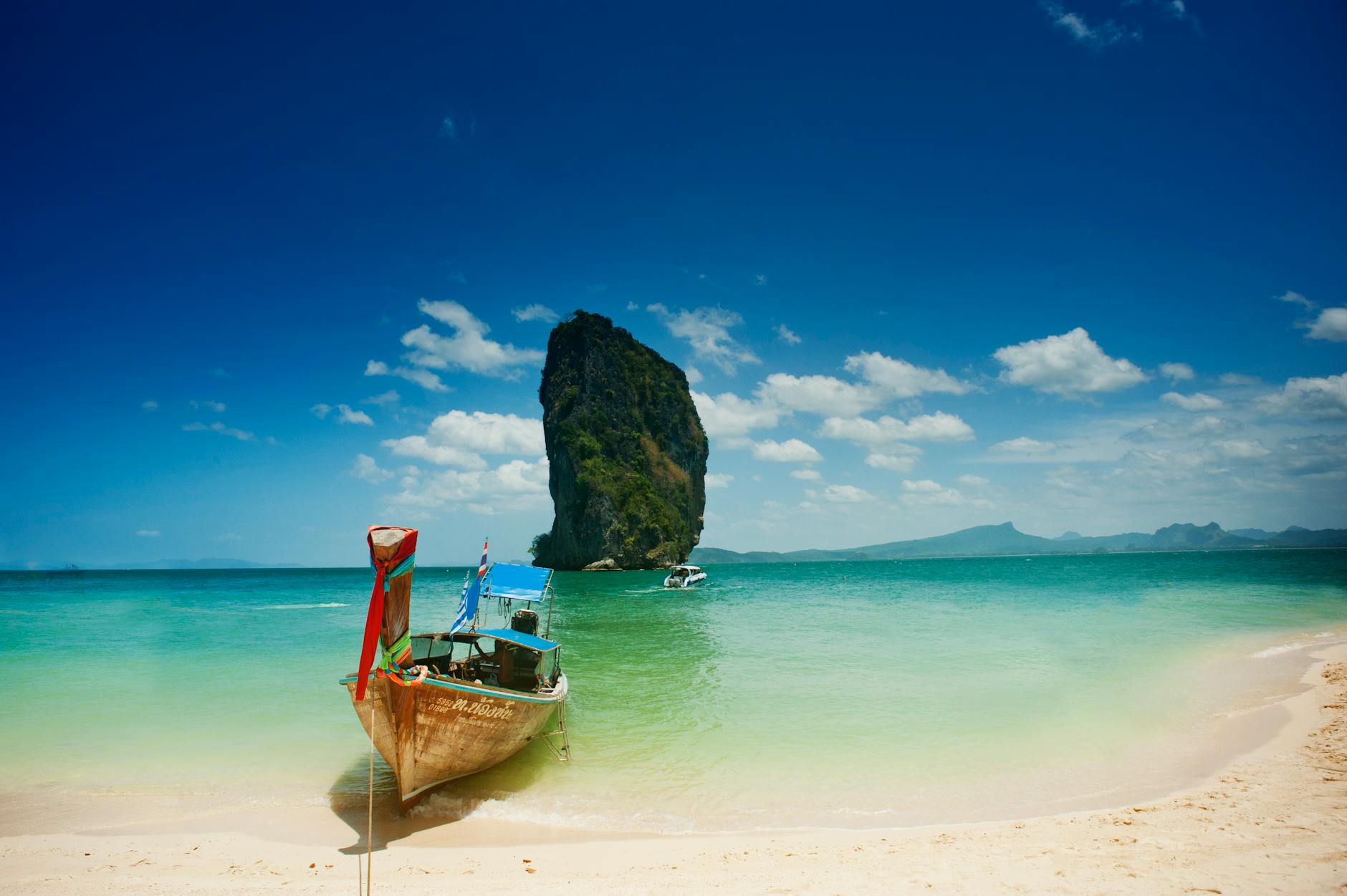
Discover Thailand, the destination that captivates the hearts of travelers from around the globe. With its stunning landscapes, vibrant culture, and incredible cuisine, the Land of Smiles offers a diverse range of experiences that cater to every type of adventurer. From the breathtaking beaches of Phuket and Krabi to the lush jungles of Chiang Mai, the natural beauty of Thailand is truly awe-inspiring. Beyond its picturesque scenery, Thailand boasts a rich cultural heritage, with centuries-old temples, colorful festivals, and traditional arts that reflect the country’s history and spirituality. Moreover, Thai cuisine is renowned for its bold flavors and fresh ingredients, making it a culinary paradise for food lovers. In this article, we will explore the key aspects of traveling to Thailand, ensuring your journey is both memorable and fulfilling.
The Allure of Thailand’s Natural Beauty
Thailand’s geography is as diverse as its culture, featuring everything from pristine beaches and turquoise waters to verdant mountains and dense jungles. The country’s natural beauty is one of its strongest draws, appealing to those seeking adventure or relaxation alike.
Beginning with the southern coast, destinations like Phuket and Koh Phi Phi offer some of the most stunning beaches in the world. The soft, white sands and crystal-clear waters provide an idyllic setting for sunbathing, swimming, and water sports. Island-hopping is a popular activity here, allowing travelers to explore hidden coves and quiet beaches that are often less frequented by tourists. The vibrant underwater ecosystem, especially around the Similan Islands, attracts divers and snorkelers eager to experience the colorful marine life.
Moving north, the landscape shifts dramatically. The mountainous regions of Chiang Mai and Pai are perfect for those who appreciate hiking and nature. The area is adorned with lush hills, waterfalls, and rice terraces that create a picturesque backdrop for outdoor activities. Trekking through the jungles allows visitors to connect with nature while experiencing the vibrant flora and fauna unique to this region. Along the way, travelers can also visit local hill tribes, gaining insights into their traditional lifestyles and customs.
Thailand’s national parks are also worth mentioning, as they showcase the country’s rich biodiversity and provide opportunities for eco-tourism. Khao Sok National Park, for instance, is renowned for its ancient rainforest and diverse wildlife, including elephants, gibbons, and exotic birds. Exploring this park, visitors can partake in activities such as jungle trekking, canoeing along the river, and spending a night in a floating bungalow on Cheow Lan Lake, creating a unique and immersive experience.
The changing seasons in Thailand offer different experiences as well. The cool season, from November to February, is ideal for outdoor exploration, as temperatures are pleasant and the landscapes are lush after the rainy season. Meanwhile, the hot season from March to May is perfect for beach lovers seeking sun-filled days.
In addition to its natural landscapes, Thailand is also home to numerous well-preserved natural wonders, such as the stunning limestone cliffs of Railay Beach and the dramatic rock formations in Phang Nga Bay, made famous by movies like “James Bond.” These breathtaking sights provide perfect opportunities for photography and contemplative moments to appreciate the natural world.
Overall, the allure of Thailand’s natural beauty lies in its diversity and accessibility, making it a perfect destination for everyone. Whether you’re looking to relax on the beach, immerse yourself in nature, or embark on an adventurous trek, Thailand’s captivating landscapes will leave you enchanted and rejuvenated.
Exploring Thailand’s Rich Cultural Heritage
Thailand’s culture is a vibrant tapestry woven from centuries of history, religious beliefs, and artistic expression. This rich heritage is most evident in the country’s stunning temples, traditional festivals, and unique customs that reflect the deep-rooted spirituality and collective identity of the Thai people.
The most iconic symbols of Thai culture are its temples, or wats. These ornate structures, adorned with intricate designs and golden spires, are scattered throughout the country. Bangkok, the capital, is home to some of the most famous temples, including Wat Phra Kaew, which houses the revered Emerald Buddha, and Wat Pho, known for its magnificent reclining Buddha statue. Visiting these temples provides an opportunity to appreciate not just their architectural beauty, but also the spiritual significance they hold for Thai citizens. Many temples have monks residing on-site, and visitors can often witness traditional rituals and ceremonies that are intrinsic to Thai Buddhism.
Beyond the temples, Thailand’s cultural heritage is celebrated through a myriad of festivals held throughout the year. The Songkran festival, marking the traditional Thai New Year in April, is a spectacular display of water fights and religious ceremonies, where people splash water on each other as a symbol of cleansing. This joyful celebration is not only fun but also allows everyone to participate in age-old customs honoring family and respect for ancestors. Similarly, Loi Krathong, held during the full moon in November, sees people releasing beautifully decorated floating baskets (krathongs) onto rivers, symbolizing the letting go of negativity and welcoming positivity into their lives.
Artistic expression in Thailand can be observed in various forms, from traditional dance and music to intricate handicrafts. Thai classical dance, often performed during festivals and celebrations, tells stories through graceful movements and colorful costumes. In the northern regions, visitors can find unique handicrafts such as handmade textiles, pottery, and wood carvings that showcase the skills and cultural narratives of local artisans. Supporting these craftspeople not only helps preserve traditional arts but also enables travelers to take home meaningful souvenirs.
Thai cuisine is another significant aspect of the country’s cultural identity. The harmonious balance of flavors, vibrant colors, and fresh ingredients is a reflection of the cultural melting pot that is Thailand. Meals are usually communal, reinforcing a sense of community and connection among family and friends. Street food culture adds to the richness of culinary traditions, with bustling markets offering everything from spicy curries to sweet desserts. Local festivals often feature unique dishes, allowing travelers to experience the local flavors and customs firsthand.
In essence, Thailand’s rich cultural heritage is a delightful amalgamation of history, spirituality, and social practices that create a dynamic experience for travelers. Engaging with the local culture allows visitors to foster a deeper understanding of the Thai way of life and gain lasting memories that go beyond typical tourist experiences.
Gastronomic Delights: A Taste of Thai Cuisine
Thai cuisine is celebrated worldwide for its bold flavors, fresh ingredients, and unique culinary techniques. A journey to Thailand would be incomplete without indulging in its gastronomic delights, which reflect the country’s rich cultural influences and diverse regional specialties.
Starting with the fundamentals, Thai cooking is characterized by its use of aromatic herbs, spices, and a balance of flavors that typically include sweet, sour, salty, and spicy. This intricate harmony is achieved through the careful selection of ingredients, which are often locally sourced. Essential components like lemongrass, galangal, kaffir lime leaves, and Thai chilies create the distinctive taste that sets Thai food apart from other Asian cuisines.
One of the most popular Thai dishes is Pad Thai, a stir-fried noodle dish often cooked with shrimp, chicken, or tofu, and tossed with a rich sauce made from tamarind, fish sauce, and palm sugar. Topped with crushed peanuts, bean sprouts, and lime, Pad Thai offers a delightful combination of textures and flavors. Street vendors throughout Thailand serve this dish, making it easily accessible to travelers looking to enjoy authentic local fare.
Another iconic dish is Tom Yum Goong, a hot and sour soup typically made with shrimp, mushrooms, and an array of fresh herbs. The broth is fragrant and fiery, providing a refreshing kick that awakens the taste buds. Similar dishes, such as Tom Kha Gai (chicken in coconut milk soup), showcase the creativity and versatility that defines Thai cooking.
The North and Northeast regions of Thailand are famous for their unique dishes as well. In Chiang Mai, you will find Khao Soi, a creamy coconut curry noodle soup that combines egg noodles with tender meat, topped with pickled mustard greens, and served with a lime wedge. Conversely, Isaan cuisine from the Northeast features a variety of spicy salads, such as Som Tum (green papaya salad), which is made with shredded papaya, tomatoes, and a zesty dressing of fish sauce, lime, and chilies. The use of fermented fish sauce and sticky rice is prevalent in this region, providing a different but equally delightful culinary experience.
In addition to meals, Thailand is renowned for its desserts. Popular treats include mango sticky rice, a sweet concoction made with glutinous rice, coconut milk, and ripe mango slices. Thai desserts often incorporate tropical fruits, fresh coconut, and rice flour, highlighting the freshness of the ingredients. These sweet delicacies provide a wonderfully indulgent end to a meal.
No visit to Thailand would be complete without exploring its bustling street food scene. Night markets and street vendors are an integral part of Thai culture, offering a wide array of culinary delights. From grilled skewers and fried snacks to colorful desserts, these markets provide a symphony of sensory experiences. Engaging with local vendors and sampling a variety of dishes allows travelers to enjoy authentic flavors while immersing themselves in Thailand’s vibrant atmosphere.
Ultimately, the culinary landscape of Thailand is as diverse as its culture, promising an adventurous gastronomic journey that caters to every palate. From street food to fine dining, the myriad flavors and dishes of Thai cuisine create lasting memories and an appreciation for the country’s rich history and traditions.
Exciting Adventures: Activities and Attractions
Thailand is an adventure seeker’s paradise, offering a diverse range of activities and attractions that cater to thrill-seekers and nature enthusiasts alike. The country’s varied landscapes, from serene beaches to rugged mountains, provide a backdrop for unforgettable experiences.
Water sports are a major draw in Thailand’s coastal regions. In places like Phuket, Koh Samui, and Krabi, opportunities for snorkeling, scuba diving, and kayaking are abundant. The Andaman Sea is teeming with marine life and colorful coral reefs, making it a prime location for underwater exploration. Dive schools offer courses for all skill levels, allowing both beginners and seasoned divers to experience the magic of the underwater world. Sea kayaking through the limestone karsts of Phang Nga Bay offers another exciting perspective, where visitors can navigate hidden lagoons and caves that reveal stunning natural wonders.
For those who crave adventure on land, trekking in the northern regions is an exhilarating option. Chiang Mai and Pai are particularly popular for trekking expeditions that range from gentle walks to challenging hikes through lush forests and mountainous terrains. Guided tours often include visits to hill tribe villages, where travelers can learn about the unique customs and cultures of indigenous communities. The breathtaking scenery, coupled with the chance to connect with local cultures, makes these treks truly worthwhile.
Moreover, Thailand is home to numerous eco-tourism opportunities that emphasize sustainable travel practices. National parks, such as Khao Sok and Erawan, offer organized hikes, wildlife spotting, and camping experiences for those looking to immerse themselves in nature. In Khao Sok National Park, visitors can embark on guided night safaris to witness nocturnal wildlife or take river boat rides to spot elephants and diverse bird species.
For adrenaline junkies, activities such as rock climbing and zip-lining are also prevalent in Thailand. The craggy cliffs of Krabi have become a world-renowned climbing destination, attracting climbers with varying skill levels. The stunning ocean views from the climbing routes add to the thrill. Zip-lining through the treetops offers a different kind of adrenaline-pumping experience, allowing participants to soar above the rainforests and appreciate Thailand’s natural beauty from a unique vantage point.
Cultural attractions are abundant throughout the country and provide enriching experiences for visitors. Beyond the famous temples, various historical sites, like the ancient city of Ayutthaya and Sukhothai, transport travelers back in time. These UNESCO World Heritage Sites showcase the remnants of a glorious past, with well-preserved ruins, statues, and intricate carvings that tell the stories of Thailand’s history.
Nightlife in Thailand also deserves a mention, as cities like Bangkok and Pattaya are known for their vibrant atmosphere. Rooftop bars, nightclubs, and entertainment districts buzz with energy, while traditional Thai dance performances provide a cultural twist to the nightlife scene. Whether it’s enjoying a drink with a panoramic view or experiencing a lively night market, the nightlife in Thailand is an adventure in itself.
Ultimately, Thailand offers a plethora of activities and attractions for adventure seekers and culture lovers alike. With its stunning landscapes, rich heritage, and welcoming locals, Thailand promises an adventure-filled journey that will create lasting memories for years to come.
Practical Tips for Traveling in Thailand
Traveling to Thailand can be an exciting and enriching experience, but it pays to be prepared. Understanding practical tips for navigating the country can help ensure a smooth and enjoyable journey through this beautiful land.
First and foremost, it is crucial to know the best time to visit Thailand. The cool, dry season from November to February is often considered the peak tourist season, offering pleasant temperatures ideal for outdoor activities. However, this also means more tourists and higher prices. The shoulder seasons of March-April and September-October can provide a balance between good weather and fewer crowds, while the rainy season (May-October) results in lower prices but may limit outdoor activities due to heavy showers.
When planning your itinerary, it’s important to research various regions in Thailand and their distinct offerings. Major tourist destinations like Bangkok, Chiang Mai, and the islands of Phuket and Koh Phi Phi are popular for a reason, but venturing off the beaten path can lead to unique experiences and encounters with local culture. Exploring lesser-known towns and national parks can provide a glimpse into authentic Thai life and stunning natural beauty.
Accommodation options in Thailand cater to all budgets, from luxurious resorts to modest hostels. Booking in advance can often yield better rates, especially during peak seasons. Additionally, staying in central locations can save time and make it easier to explore nearby attractions. It’s also beneficial to consider accommodations that offer cultural experiences, such as cooking classes or guided tours, which can enrich your understanding of Thai customs and traditions.
When it comes to transportation, Thailand has a variety of options for getting around. In major cities, public transportation, such as the BTS Skytrain and MRT subway in Bangkok, is efficient and affordable. For intercity travel, buses, trains, and domestic flights are widely available, with buses often being the most economical option. Renting a motorcycle or scooter is also popular, particularly in tourist areas like Chiang Mai and the islands, but it’s important to exercise caution and wear helmets to ensure safety.
A crucial aspect of traveling in Thailand is understanding the local customs and etiquette. Respect for the royal family is deeply ingrained in Thai culture; therefore, it is important to be mindful of how you speak about the monarchy. Additionally, dressing modestly when visiting temples is essential—covering shoulders and knees is required, and sometimes sarongs are available for purchase or rent at temple entrances. Greetings in Thailand are often accompanied by a traditional ‘wai’ gesture, where hands are pressed together at the heart and a slight bow is given, demonstrating respect.
Finally, trying new foods is an integral part of any visit to Thailand. Food safety is generally high; however, it is wise to choose street food vendors that are busy and have a high turnover of dishes. This often indicates freshness. Don’t hesitate to sample dishes that may seem unfamiliar; Thai cuisine is renowned for its flavors and can be enjoyed by all palates.
Arming yourself with practical tips will make your experience traveling in Thailand enriching and enjoyable. By being prepared, respectful, and adventurous, you’ll be able to create unforgettable memories in this remarkable and culturally rich country.
Conclusion
Traveling to Thailand is more than just a trip; it’s an opportunity to immerse oneself in a captivating culture, explore breathtaking landscapes, and indulge in world-class cuisine. The country’s vibrant cities, serene beaches, and lush jungles create a diverse palette of experiences, ensuring that every traveler finds something that resonates with them.
From the allure of Thailand’s natural beauty to its rich cultural heritage, every facet of the journey offers moments of wonder and discovery. Whether you’re marveling at the intricate designs of ancient temples, enjoying a delicious plate of street food, or embarking on an exhilarating adventure, the experiences you gather in Thailand will linger long after your visit.
Moreover, the stories shared with locals and fellow travelers will meld into the tapestry of your travel narrative, enriching your understanding of the world. By taking the time to learn about customs, indulge in local traditions, and partake in unique activities, you’ll cultivate a deeper connection to this beautiful land.
Thailand is not just a destination; it’s a journey filled with unforgettable memories and experiences waiting to be discovered. Plan your adventure with an open heart and a curious spirit, and you’ll return with not just souvenirs, but a wealth of stories and friendships that will last a lifetime.