Introduction
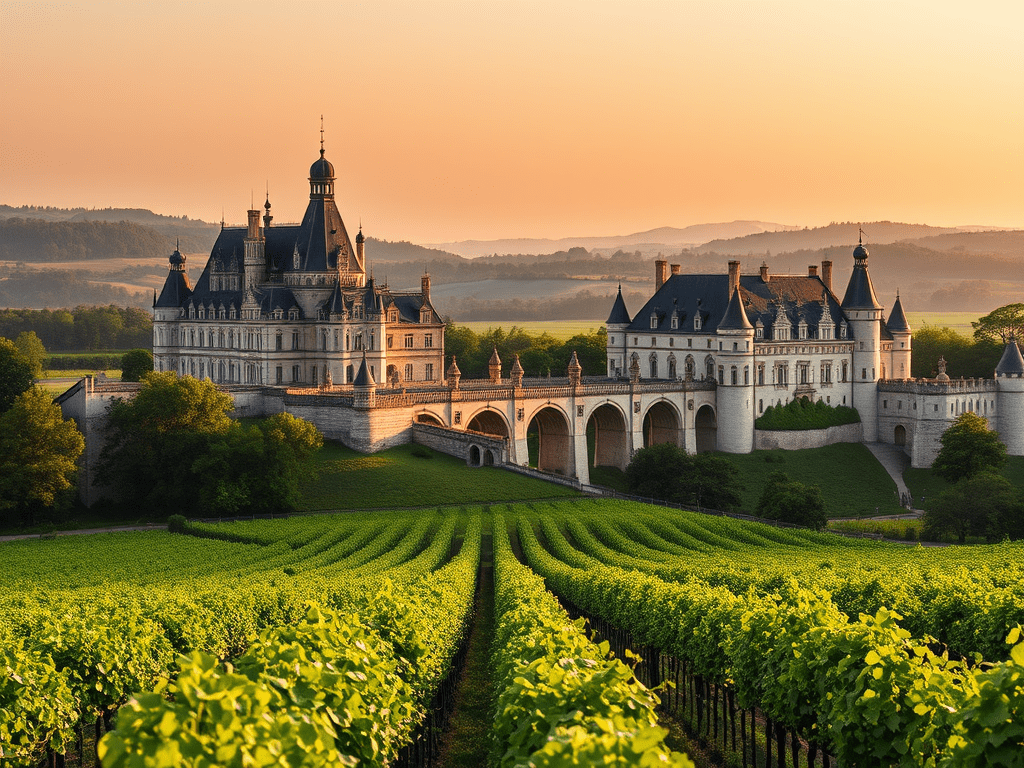
The Valley of Castles, nestled in the heart of France, is a region steeped in rich history and breathtaking scenery. Known as the Loire Valley, it is home to some of the most magnificent châteaux in the world, which stand as testaments to the architectural brilliance and political significance of bygone eras. Traveling through this enchanting valley, visitors can explore stunning castles, each with its own unique story, from the imposing Château de Chambord to the elegant Château de Chenonceau. Beyond the historical sites, the valley is also famed for its lush vineyards and exquisite wines, making it a paradise for oenophiles and culinary enthusiasts alike. This article presents an immersive journey through the Valley of Castles, showcasing the must-see attractions, gastronomic delights, and practical advice for a memorable exploration of this picturesque region.
The Historical Significance of the Valley of Castles
The Valley of Castles, particularly the Loire River region, has long been recognized for its historical importance. During the Renaissance, the kings and nobles of France chose this picturesque landscape to erect their grand residences, exemplifying both their wealth and aspirations. Each castle not only served as a luxurious home but also played a pivotal role in the political and cultural dynamics of the time. The area’s significance is evidenced by the UNESCO World Heritage designation of the Loire Valley, highlighting its unique blend of natural beauty and historical importance.
One of the most notable features of the valley is its strategic location. The Loire River, flowing over 1,000 kilometers, provided an essential transportation route, facilitating not only trade but also the movement of armies. Various castles were erected along this river to defend territories, house important dignitaries, and showcase the power of their owners. For instance, the Château de Amboise served as a royal residence for King Louis XIII and is known for its role in the cultural exchange between France and Italy, as well as being the final resting place of Leonardo da Vinci.
Additionally, the architectural styles of the castles reflect the diverse influences that shaped the region throughout the centuries. The transition from the medieval fortresses, designed for defense, to the grand Renaissance châteaux reveals the evolution of French society and its priorities. The blend of Gothic, Renaissance, and classical architectural elements found in the castles offers a visual narrative of the valley’s rich history. Each structure carries echoes of the past, inviting visitors to step back in time and experience the lives of the French nobility.
The region also flourished as a center of art and culture, making significant contributions to French literature, painting, and music during the Renaissance. The castles often served as venues for lavish gatherings, attracting artists and intellectuals. It was in these grand halls that ideas were exchanged and creativity birthed. The intellectual climate of the valley not only influenced literature and art but also extended to innovations in agriculture and viticulture, which would define the valley for centuries to come.
Importantly, the Valley of Castles also tells the story of France’s tumultuous history, including the wars of religion and the impact of the French Revolution. Many castles fell into disrepair or were repurposed as political power shifted in the country. However, efforts in the 19th and 20th centuries led to restoration projects that have preserved these historic monuments for future generations to appreciate.
Visiting the Valley of Castles provides not just a chance to explore stunning architecture but allows travelers to delve into a significant chapter of French history, connecting the present with the past. The valley invites reflection upon the changing tides of power, culture, and society, making it a remarkable destination for those who appreciate not only beauty but also the stories behind it.
Iconic Castles to Visit along the River Loire
The Loire Valley is dotted with iconic châteaux, each offering a unique glimpse into France’s royal past. As you journey through this historic region, several castles stand out as must-visit landmarks, showcasing diverse architectural styles, lush gardens, and fascinating histories.
First among these is the Château de Chambord, a masterpiece of the French Renaissance. Built in the 16th century, this grand castle was commissioned by King Francis I as a hunting lodge. With its remarkable blend of French medieval and Renaissance architecture, Chambord boasts an iconic silhouette with 440 rooms, 365 chimneys, and a distinctive double helix staircase believed to have been designed by Leonardo da Vinci. Visitors can explore the extensive grounds, which encompass over 13,000 acres of pristine forest, ideal for hiking and wildlife watching.
Next, the Château de Chenonceau, known as the “Ladies’ Castle,†is a stunning example of feminine influence in history. Spanning the Cher River, this architectural gem was built by Katherine Briconnet and later became associated with powerful women in French history, including Diane de Poitiers and Catherine de Medici. The castle’s exquisite gardens, designed by Diane de Poitiers, are a major attraction, providing a picturesque setting for leisurely strolls. Inside, visitors can admire a remarkable collection of art and furnishings reflecting the opulence of the Renaissance era.
Another essential stop is the Château d’Amboise, which served as a royal residence for several French kings. Its strategic location on a hill overlooking the Loire offers breathtaking views of the surrounding landscape. The castle is steeped in history, with a chapel housing the remains of Leonardo da Vinci, a testament to the close ties between the artist and the French monarchy. The blend of Gothic and Renaissance architecture makes Château d’Amboise a captivating site to explore, with its impressive royal apartments and beautiful gardens.
The Château de Villandry, known for its stunning Renaissance gardens, is another highlight of the valley. While the castle itself is charming, it is the meticulously designed gardens that draw visitors from around the world. Each section of the garden is carefully curated, featuring geometric patterns, vibrant flowers, and delicious vegetables, emphasizing the harmonious connection between nature and human artistry. Villandry is a prime example of how gardens can enhance the overall experience of exploring a château, inviting visitors to engage with the beauty and tranquility of the landscape.
Lastly, the Château de Saumur, with its imposing presence above the Loire River, offers a unique perspective on the region’s military history. Originally built in the 10th century as a fortress, Saumur has undergone many transformations, now serving as a museum that highlights the history of the region and the surrounding area. Visitors can explore the castle’s ramparts and enjoy panoramic views while learning about the castle’s role in various historical conflicts.
Each of these iconic châteaux contributes to the rich tapestry of the Loire Valley’s history, providing visitors with a deeper understanding of French culture and royal legacy. As one meanders through the valley, the architectural grandeur and stunning gardens create an unforgettable journey through time, allowing one to experience the opulence and intrigue of life in the French court.
Immersing in the World of Vineyard Tours
In addition to its majestic castles, the Loire Valley is renowned for its exceptional wine. The region is one of the largest wine-producing areas in France, offering a diverse array of varieties, including Sauvignon Blanc, Cabernet Franc, and Chenin Blanc. Wine lovers can immerse themselves in the world of viticulture by embarking on vineyard tours that showcase both the beauty of the landscape and the craftsmanship of local winemakers.
A visit to the Loire Valley wouldn’t be complete without experiencing the renowned vineyards, many of which are family-owned and steeped in tradition. A typical vineyard tour usually begins with a warm welcome from a local winemaker, who provides insights into the history of their estate and the unique terroir that influences the wines produced there. The Loire’s varied geology, combined with its climate, creates ideal conditions for grape growing, resulting in distinct flavors that are reflective of the region.
During the tour, guests often have the opportunity to walk through the vineyards, witnessing firsthand the meticulous care that goes into grape cultivation. The winemaker explains the different grape varieties, their characteristics, and how they thrive in the region’s soil. Visitors can learn about sustainable practices that many vineyards employ, demonstrating a commitment to ecological balance and preserving the land for future generations.
As part of the experience, vineyard tours usually include tastings, allowing guests to sample a selection of their wines. This is often guided by the winemaker, who shares the nuances of each varietal and how to properly savor the aromas and flavors. From crisp whites to robust reds, tasting various wines provides a deeper appreciation for the craftsmanship involved in winemaking. Pairing recommendations are often offered, highlighting how their wines complement local cuisine.
Several renowned vineyards stand out in the Loire Valley, offering exceptional tours. The Domaine Huet, located in Vouvray, is famous for its Chenin Blanc wines that exhibit remarkable aging potential. Visitors can explore the vineyard and learn about biodynamic practices while tasting their exquisite offerings. In Saumur, the Château de Targé is another noteworthy destination, where the interplay of soil and climate is showcased through their exceptional Cabernet Franc wines.
For those seeking a more immersive experience, some vineyards offer workshops that delve deeper into the winemaking process. Participants can engage in activities such as grape harvesting or wine blending sessions, providing hands-on experience in the art and science of wine production. These interactive workshops create lasting memories and foster a meaningful connection with the world of wine.
Moreover, wine festivals throughout the region provide additional opportunities to celebrate the Loire Valley’s wine heritage. Events often feature local producers, offering tastings, food pairings, and live entertainment. Visitors can enjoy the festive atmosphere while sampling a wide variety of wines, making it a perfect opportunity to discover new favorites and expand their palate.
Ultimately, immersing oneself in the world of vineyard tours in the Loire Valley is a transformative experience for any wine enthusiast. It allows for a deeper understanding of the artistry and dedication that goes into producing exquisite wines, while also appreciating the breathtaking landscape that nurtures the vineyards. The combination of history, culture, and fine wine makes for a journey that delights the senses and enriches the spirit.
Gastronomic Experiences in the Region
The Loire Valley is not only a feast for the eyes and the palate with its stunning castles and exquisite wines but also a culinary paradise that tantalizes taste buds with its rich gastronomic traditions. The region boasts a diverse range of delicious cuisine, often crafted from locally sourced ingredients, making it a must-visit destination for food lovers. Exploring the flavors of the Loire Valley provides an opportunity to appreciate the harmonious relationship between the region’s agriculture and its culinary heritage.
One of the defining features of Loire Valley cuisine is its emphasis on fresh, seasonal ingredients. The fertile soil surrounding the region makes it a prime location for cultivating a variety of fruits, vegetables, and herbs. Signature dishes often highlight fresh produce, showcasing the best of what the land has to offer. For instance, the local market stalls brim with vibrant vegetables, artisanal cheeses, and succulent fruits, creating a colorful invitation to explore local gastronomy.
When it comes to traditional dishes, one cannot overlook the famous “Boeuf Meuglant,†a hearty beef stew that encapsulates the essence of comfort food in the region. The dish is prepared using slow-cooked beef, often braised with local red wine, vegetables, and herbs, resulting in a rich and flavorful meal that reflects the culinary traditions passed down through generations. Pairing it with a glass of regional wine enhances the dining experience, creating a culinary harmony that is emblematic of the Loire Valley.
Cheese also plays a vital role in the local gastronomy, with the region being known for its exceptional chèvre, or goat cheese. The cheese comes in various forms, from creamy to crumbly, and is often enjoyed fresh or aged. Visiting local fromageries, one can sample a myriad of cheeses while learning about the traditional techniques employed by artisans to create these delectable products.
Seasonal specialties are another highlight of the Loire Valley’s cuisine. In spring, fresh asparagus and strawberries take center stage, while summer brings an abundance of tomatoes and courgettes. Autumn ushers in hearty root vegetables, and winter calls for rich game dishes, showcasing the valley’s ecological diversity. Food festivals often celebrate these seasonal ingredients, providing opportunities for locals and visitors alike to savor the flavors of the region.
Dining experiences vary greatly across the Loire Valley, from Michelin-starred restaurants to charming bistros and local markets. In cities like Tours and Angers, visitors can enjoy fine dining that highlights the region’s culinary excellence while indulging in wine pairings that complement each dish. For those seeking a more casual experience, family-run bistros offer traditional fare in a warm and welcoming atmosphere where recipes are rooted in local culture.
Furthermore, cooking classes and culinary workshops are gaining popularity, providing tourists with the chance to roll up their sleeves and learn from skilled chefs. Participants can discover how to prepare iconic regional dishes using fresh, local ingredients, an empowering and enriching experience for anyone interested in honing their culinary skills.
In conclusion, exploring the gastronomic experiences of the Loire Valley is an integral part of any visit to the region. It allows travelers to engage with local culture while indulging in delicious food and wine that reflects the land’s bounty. The interplay of fresh ingredients, traditional recipes, and culinary innovation makes the gastronomic landscape of the Loire Valley a true delight, promising an unforgettable journey for food enthusiasts.
Planning Your Journey: Tips and Recommendations
Embarking on a journey through the Valley of Castles requires thoughtful planning to ensure a memorable experience that captures the essence of this enchanting region. With its wealth of history, breathtaking scenery, and world-class gastronomy, knowing how to navigate your visit can enhance your appreciation for all the Loire Valley has to offer.
First and foremost, choosing the right time to visit is crucial. The Loire Valley experiences a temperate climate, making spring (April to June) and fall (September to October) the best times to explore. These shoulder seasons offer mild weather, vibrant landscapes, and fewer crowds compared to the peak of summer. During spring, the region comes alive with blooming flowers, while autumn showcases breathtaking foliage and grape harvests.
When considering transportation, renting a car is often recommended for exploring the Loire Valley comprehensively. Having your own vehicle allows you the flexibility to visit multiple châteaux and vineyards at your own pace. The scenic drive along the Loire River offers stunning views of the landscape, making the journey as enjoyable as the destinations. Alternatively, bicycles can be a delightful way to experience the region, with dedicated cycling paths leading through picturesque villages and vineyards.
As you plan your itinerary, be sure to include a mix of both iconic and lesser-known castles. While the well-trodden path includes famous châteaux like Chambord and Chenonceau, venturing to smaller, lesser-known gems can provide unique insights into the region’s history and culture. Many of these hidden treasures offer peaceful surroundings and fewer tourists, enriching your experience.
In addition to château visits, make time to explore local markets and dine at regional restaurants. Engaging with local chefs and tasting seasonal dishes connects you with the land and the people who call the Loire Valley home. Participating in food and wine tours can also enhance your understanding of the region’s gastronomic heritage and allow for firsthand experiences in winemaking and cooking.
Accommodations vary widely across the region, from grand châteaux hotels to charming bed and breakfasts. Staying in a château hotel adds an extra layer of magic to your experience, allowing you to immerse yourself in the history and elegance of the surroundings. Alternatively, booking a locally run bed and breakfast can offer an authentic and personal touch to your stay.
Lastly, consider checking local events and festivals occurring during your visit. Many towns host seasonal events celebrating the region’s wine, food, and culture, providing opportunities to engage with locals and learn more about their traditions. These experiences can significantly enrich your journey, bringing you closer to the heart of the Loire Valley.
By thoughtfully planning your journey through the Valley of Castles, you’ll create lasting memories as you explore the rich tapestry of history, culture, and gastronomy this remarkable region has to offer. Each castle, vineyard, and market is a piece of the valley’s narrative, inviting you to discover its beauty and charm at every turn.
Conclusion
The Valley of Castles in France is a treasure trove of history, culture, and gastronomic delights, offering visitors a unique opportunity to immerse themselves in a world of grandeur and charm. From exploring the iconic châteaux that stand as monuments to Renaissance power and elegance to savoring exquisite wines and local delicacies, this enchanting region promises an unforgettable adventure.
Traveling through the valley, one cannot help but be captivated by the stunning landscapes, where lush vineyards and rolling hills abound. Each castle tells a story, allowing visitors to step back in time and envision the lives of the French nobility who once resided within their walls. With diverse architectural styles, beautiful gardens, and rich historical significance, the châteaux of the Loire Valley beckon travelers to discover their secrets and immerse themselves in their allure.
Moreover, the region’s gastronomic experiences present a delightful array of flavors that reflect the principles of terroir. Engaging with the local culinary culture through vineyard tours, cooking classes, and fine dining allows travelers to forge a deeper connection to the land and its people. Whether enjoying a leisurely meal or participating in a wine harvest, the Loire Valley’s culinary scene enhances the journey in meaningful ways.
As you plan your visit to the Valley of Castles, consider the wealth of experiences that await you. Take the time to explore both the iconic highlights and hidden gems, allowing your journey to unfold at your own pace. The stories behind the castles, the vineyards, and the culinary traditions create a rich tapestry of experiences that will stay with you long after your journey has ended.
In the end, the Valley of Castles is more than a destination; it is an invitation to explore a living history, indulge in exceptional food and wine, and connect with the enchanting spirit of France. Whatever your interests, the valley welcomes you with open arms, promising a captivating adventure filled with beauty and discoveries waiting at every turn.