Introduction
Iceland, the land of fire and ice, is renowned for its breathtaking landscapes, including glaciers, volcanoes, and geothermal spas. One of its most famous attractions, the Blue Lagoon, draws visitors from around the world who seek relaxation in its mineral-rich waters. However, Iceland offers a variety of geothermal spas, each providing a unique experience rooted in natural wellness and sustainability.
The country’s geothermal activity creates hot springs that are rich in silica, sulfur, and other beneficial minerals, making them ideal for skin health and relaxation. Whether visiting a world-renowned site like the Blue Lagoon or exploring hidden gems like the Mývatn Nature Baths or Secret Lagoon, travelers can immerse themselves in Iceland’s geothermal wonders.
This guide explores Iceland geothermal spas most famous and hidden, the science behind their benefits, and how to enjoy them responsibly. Discover how these natural hot springs contribute to both wellness and environmental sustainability.
The Blue Lagoon: Iceland’s Most Famous Geothermal Spa
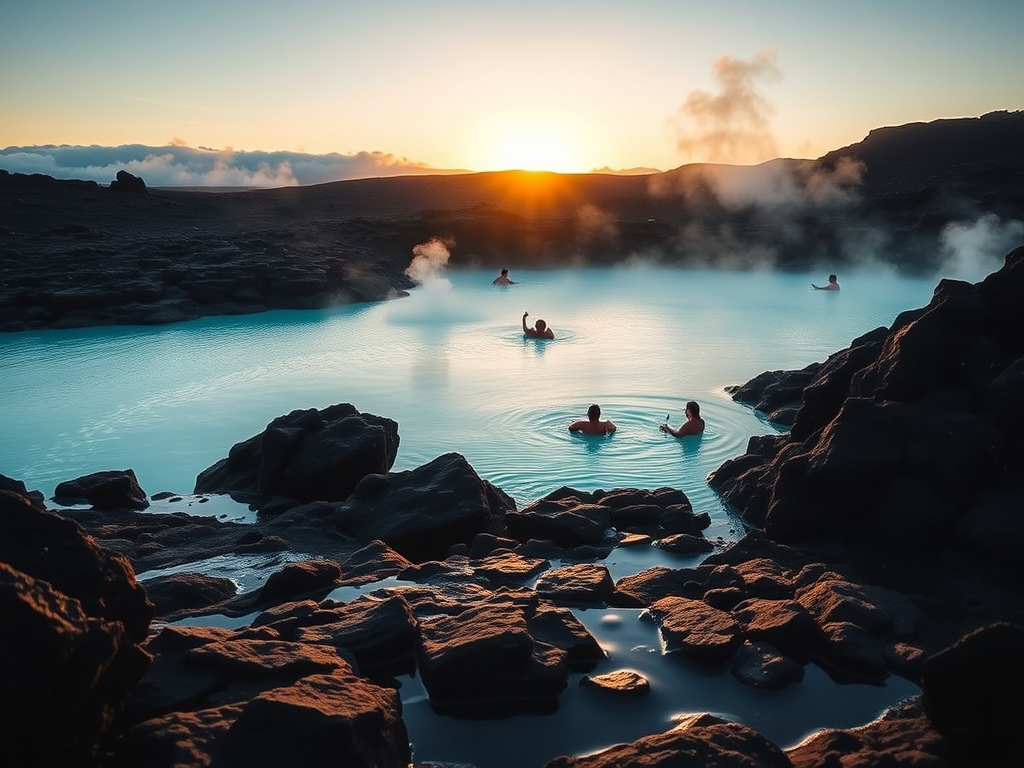
The Blue Lagoon is Iceland’s most iconic geothermal spa, attracting thousands of visitors each year. Located in a lava field on the Reykjanes Peninsula, this man-made lagoon is filled with geothermal seawater sourced from a nearby power plant. The water, rich in silica and minerals, has been scientifically proven to benefit skin health, particularly for individuals with conditions like psoriasis.
Visitors to the Blue Lagoon can indulge in a variety of spa treatments, including silica mud masks and in-water massages. The spa’s modern facilities offer saunas, steam rooms, and a relaxation area, providing a luxurious and rejuvenating experience. Additionally, the on-site restaurant, Lava, serves Icelandic cuisine, allowing guests to complete their visit with a delicious meal.
One of the most unique aspects of the Blue Lagoon is its research center, where scientists study the therapeutic effects of geothermal seawater. This research has led to the development of skincare products that harness the water’s natural properties.
Despite its popularity, the Blue Lagoon remains committed to sustainability. The water is naturally renewed every 48 hours, and the facility operates with a focus on eco-friendly practices. Visitors are encouraged to book their visits in advance, as the spa often reaches capacity.
The Science Behind Geothermal Waters and Their Health Benefits
Geothermal waters contain a rich composition of minerals that offer numerous health benefits. These natural hot springs are heated by the Earth’s core, absorbing essential elements like silica, sulfur, and magnesium along the way. Each mineral plays a vital role in promoting skin health and overall well-being.
Silica, a key component found in Icelandic geothermal waters, is known for its skin-healing properties. It helps to cleanse and exfoliate the skin while also strengthening the skin barrier. Many visitors apply silica mud masks at geothermal spas to enhance their skin’s texture and hydration.
Sulfur is another beneficial mineral found in geothermal waters. It has antibacterial and antifungal properties, making it effective for treating skin conditions such as eczema and acne. Additionally, sulfur helps to reduce inflammation and soothe irritated skin.
Beyond skincare benefits, geothermal waters aid in muscle relaxation and pain relief. The heat from the water increases circulation, reduces joint stiffness, and alleviates stress. Many athletes and individuals with chronic pain conditions visit geothermal spas for their therapeutic effects.
The health benefits of geothermal waters are well-documented in scientific studies. Many cultures around the world have used hot springs for centuries as natural healing centers. In Iceland, geothermal spas are an integral part of daily life, promoting relaxation and wellness.
Hidden Gems: Lesser-Known Geothermal Spas in Iceland
While the Blue Lagoon is Iceland’s most famous geothermal spa, the country is home to many lesser-known but equally stunning hot springs. These hidden gems provide a more secluded and intimate experience for visitors looking to escape the crowds.
Mývatn Nature Baths, located in northern Iceland, offer a tranquil alternative to the Blue Lagoon. The water in these baths is rich in minerals and has a slightly higher temperature, making it perfect for relaxation. Surrounded by volcanic landscapes, Mývatn Nature Baths provide breathtaking views while soaking in their warm waters.
The Secret Lagoon, one of Iceland’s oldest natural hot springs, is another hidden gem. Located in the Golden Circle region, this geothermal pool maintains a steady temperature of 38-40°C year-round. Visitors can enjoy a rustic and authentic bathing experience, with minimal infrastructure preserving the area’s natural beauty.
For those seeking adventure, the Reykjadalur Hot Springs offer a unique opportunity to bathe in a geothermal river. After a scenic hike through a steaming valley, visitors can immerse themselves in the naturally heated waters of the river. This off-the-beaten-path experience is perfect for nature lovers and outdoor enthusiasts.
These lesser-known geothermal spas provide an authentic and peaceful experience, allowing visitors to connect with Iceland’s natural beauty while enjoying the health benefits of mineral-rich waters.
How to Plan Your Geothermal Spa Experience in Iceland
Planning a geothermal spa visit in Iceland requires thoughtful preparation to ensure a relaxing and enjoyable experience. With a variety of options, from world-famous locations to remote hot springs, travelers can customize their trip based on their preferences and budget.
The first step is deciding which geothermal spas to visit. The Blue Lagoon, located near KeflavÃk International Airport, is ideal for travelers seeking a luxurious spa experience with modern amenities. Booking in advance is essential, as it is one of Iceland’s most popular attractions. For those looking for a quieter setting, Mývatn Nature Baths in the north offer a similar experience with fewer crowds. The Secret Lagoon in Flúðir, one of the oldest geothermal pools in Iceland, provides a more rustic and natural setting.
Timing is another important factor. Visiting early in the morning or late in the evening can help avoid peak crowds, especially at popular sites like the Blue Lagoon. Many spas also offer nighttime visits, allowing guests to soak under the northern lights during winter months.
Packing the right essentials enhances the experience. Swimsuits are required at all geothermal spas, and many facilities provide towel and robe rentals. Bringing a waterproof bag for electronics and a change of clothes is also advisable. Some locations, such as the Blue Lagoon, recommend using conditioner before entering the water to protect hair from silica buildup.
Transportation should also be considered. While some geothermal spas are easily accessible by car or shuttle, others, like remote hot springs, require hiking or guided tours. Renting a car allows for more flexibility, but travelers should check road conditions, especially in winter.
By planning ahead, visitors can make the most of Iceland’s geothermal wonders, enjoying relaxation while respecting the natural environment and local regulations.
Sustainable Tourism: Preserving Iceland’s Geothermal Wonders
As tourism in Iceland grows, the importance of sustainable travel practices becomes increasingly vital. Geothermal spas are a delicate part of the country’s natural environment, and preserving these wonders ensures they remain accessible for future generations.
One way travelers can support sustainability is by choosing eco-friendly geothermal spas. Many locations, including the Blue Lagoon and Mývatn Nature Baths, use renewable geothermal energy to power their facilities. Visitors can contribute by following posted guidelines, such as using designated walkways and avoiding contamination of the water with lotions or soaps.
Respecting nature is also crucial. Iceland’s hot springs form naturally over time, and overcrowding or improper use can damage these fragile ecosystems. When visiting natural hot springs in remote areas, travelers should avoid leaving trash behind and refrain from disturbing wildlife.
Supporting local communities is another key aspect of sustainable tourism. Many geothermal spas are run by local businesses, and choosing these locations helps sustain the economy. Purchasing locally made products, dining at nearby restaurants, and respecting local traditions all contribute to responsible tourism.
Reducing overall environmental impact is also essential. Travelers can minimize their carbon footprint by using eco-friendly transportation, such as electric rental cars or public buses. Additionally, offsetting travel emissions by supporting environmental initiatives helps balance the impact of tourism.
By practicing sustainable tourism, visitors can enjoy Iceland’s geothermal wonders while ensuring they remain protected for future generations.
Conclusion
Iceland’s geothermal spas offer a unique blend of relaxation, natural beauty, and wellness benefits. From the world-famous Blue Lagoon to hidden hot springs, these mineral-rich waters provide a rejuvenating experience for travelers seeking to immerse themselves in Iceland’s geothermal wonders.
Beyond relaxation, these geothermal sites hold ecological and cultural significance. The sustainability of Iceland’s hot springs depends on responsible tourism practices, including respecting the environment, supporting local communities, and minimizing carbon footprints. By choosing eco-friendly spas, following conservation guidelines, and engaging in ethical travel practices, visitors play a crucial role in preserving these natural treasures.
As Iceland continues to attract global travelers, embracing sustainable tourism ensures that its geothermal wonders remain pristine and accessible for generations to come. Whether seeking luxury or adventure, travelers can enjoy Iceland’s geothermal spas while fostering a deep appreciation for the island’s extraordinary natural resources.