Introduction
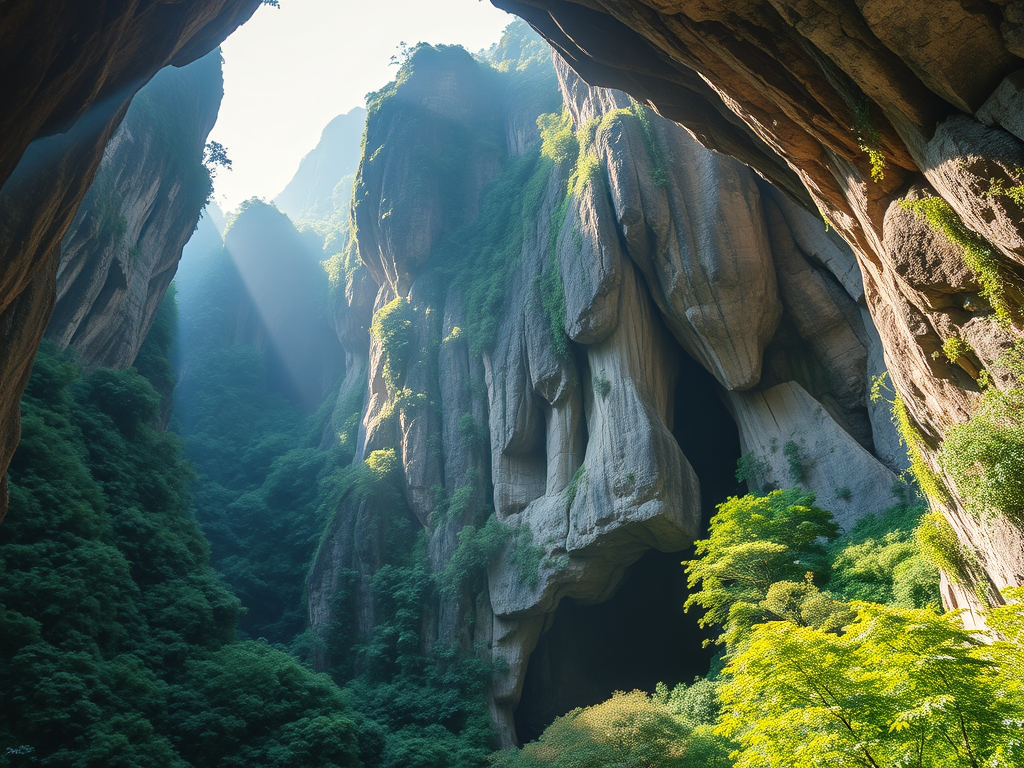
Nestled in central Vietnam, Phong Nha-Kẻ Bà ng National Park is a UNESCO World Heritage Site known for its breathtaking karst landscapes, intricate cave systems, and lush biodiversity. The park is home to the world’s largest cave, Son Doong, a colossal natural wonder that has captivated explorers and adventurers alike. Beyond Son Doong, the region boasts numerous caves such as Paradise Cave, Phong Nha Cave, and Dark Cave, each offering unique experiences ranging from stunning rock formations to underground rivers and zip-lining adventures.
But Phong Nha-Kẻ Bà ng is more than just caves. The national park is a haven for eco-tourism, with opportunities for trekking, kayaking, and wildlife spotting in an unspoiled natural environment. As tourism grows, sustainable travel and conservation efforts become crucial to preserving this pristine landscape. This article explores the wonders of Phong Nha-Kẻ Bà ng, guiding travelers through its hidden treasures and responsible travel practices.
The Magnificence of Son Doong Cave: The World’s Largest Cave
Son Doong Cave, located in Phong Nha-Kẻ Bà ng National Park, is the largest cave in the world by volume. Discovered in 1991 by a local farmer and later explored by British cavers in 2009, this massive underground chamber stretches over five kilometers in length, with ceilings reaching heights of up to 200 meters. The cave’s colossal size is so vast that it has its own weather system, complete with misty clouds and lush jungle-like vegetation inside.
One of the most remarkable features of Son Doong is its unique rock formations, including gigantic stalagmites and stalactites. Some formations tower over 70 meters high, resembling natural skyscrapers. The cave also contains vast dolines, or sinkholes, that allow sunlight to penetrate, creating a surreal and otherworldly environment. These openings foster the growth of unique flora, forming an underground rainforest teeming with biodiversity.
Exploring Son Doong is a once-in-a-lifetime adventure. Due to its ecological sensitivity, the number of visitors is strictly limited, and guided expeditions are required. Tours are led by experienced guides and take about four days to complete, including camping inside the cave. Adventurers traverse underground rivers, climb through massive caverns, and even rappel down sheer rock faces to experience the true grandeur of this natural wonder.
Despite its popularity among adventure seekers, conservation remains a top priority. Local authorities and tour operators emphasize responsible tourism practices, ensuring that visitors leave no trace and respect the fragile ecosystem. Ongoing research and preservation efforts aim to maintain Son Doong’s pristine condition for future generations to explore and appreciate.
The Geological Wonders of Phong Nha-Kẻ Bà ng National Park
Phong Nha-Kẻ Bà ng National Park is a geological marvel, characterized by its unique karst formations that have been evolving for over 400 million years. The park covers more than 1,200 square kilometers and features a complex network of caves, underground rivers, and limestone mountains, making it one of the most spectacular natural landscapes in Southeast Asia.
The karst topography of the park has been shaped by continuous erosion and tectonic activity, resulting in dramatic cliffs, deep valleys, and extensive cave systems. These caves, formed by the dissolution of limestone, contain remarkable features such as stalactites, stalagmites, and underground waterfalls. Some caves extend for tens of kilometers, offering hidden chambers and uncharted passages waiting to be explored.
The biodiversity within Phong Nha-Kẻ Bà ng is equally impressive. The park is home to a vast array of flora and fauna, including rare species such as the saola, langurs, and pangolins. Its lush forests, flowing rivers, and diverse wildlife make it a hotspot for ecological research and conservation efforts.
Aside from its geological importance, the park plays a crucial role in Vietnam’s cultural and historical heritage. Archaeological discoveries have uncovered ancient artifacts, indicating that humans have inhabited the region for thousands of years. The area also played a strategic role during the Vietnam War, with its caves serving as hideouts and supply routes.
Tourists visiting Phong Nha-Kẻ Bà ng can witness these geological wonders firsthand through guided tours and eco-friendly activities. Boat tours along the Son River offer a scenic route into some of the caves, while hiking trails provide breathtaking views of the karst landscape. By respecting conservation guidelines and exploring responsibly, visitors can appreciate the park’s stunning geological heritage while ensuring its preservation for future generations.
Exploring the Other Caves: Paradise, Phong Nha, and Dark Cave
While Son Doong is the crown jewel of Phong Nha-Kẻ Bà ng, the park is home to many other remarkable caves, each offering unique attractions and experiences. Among the most famous are Paradise Cave, Phong Nha Cave, and Dark Cave, all of which provide adventurers and nature lovers with a different perspective on the region’s underground wonders.
Paradise Cave, often referred to as the most beautiful cave in the park, stretches for 31 kilometers, making it one of the longest dry caves in the world. Visitors can walk along a well-maintained wooden pathway that extends one kilometer into the cave, showcasing its stunning stalactites and stalagmites. The cave’s immense chambers, some reaching up to 72 meters in height, are illuminated to highlight the incredible rock formations, creating an almost ethereal atmosphere.
Phong Nha Cave, the namesake of the park, is one of the most accessible caves and can be reached by boat along the Son River. It features an underground river system that extends deep into the limestone mountains. Visitors can take a guided boat tour through the cave’s vast caverns, admiring the striking formations that have been shaped over millions of years. The cave’s entrance, flanked by lush greenery and dramatic cliffs, provides a breathtaking introduction to the park’s natural beauty.
For those looking for an adrenaline-fueled adventure, Dark Cave offers an exciting and interactive experience. Unlike the other caves, Dark Cave is known for its thrilling activities, including zip-lining, swimming, and exploring its muddy underground passages. Visitors can wade through thick, mineral-rich mud pools and then wash off in the cool waters of the cave’s underground river. The combination of adventure and geological wonders makes Dark Cave a popular choice for thrill-seekers.
Exploring these caves offers a fascinating glimpse into the hidden world beneath Phong Nha-Kẻ Bà ng’s limestone mountains. Each cave has its own character, from Paradise Cave’s cathedral-like beauty to Dark Cave’s adventurous spirit. Whether visitors prefer a leisurely stroll through illuminated chambers or a heart-pounding zip-line descent, the caves of Phong Nha-Kẻ Bà ng promise unforgettable experiences that highlight the region’s natural splendor.
Wildlife and Biodiversity: A Haven for Nature Enthusiasts
Phong Nha-Kẻ Bà ng National Park is not only a geological wonder but also a haven for biodiversity, home to a wide range of plant and animal species. The park’s diverse ecosystems, which include tropical rainforests, karst landscapes, and rivers, provide a rich habitat for a variety of flora and fauna, many of which are endemic or endangered.
The park is part of the Indo-Malay region and is situated within the Annamite Range, which is known for its exceptional biodiversity. Phong Nha-Kẻ Bà ng is home to over 1,000 species of plants, 150 species of birds, and more than 100 species of mammals, making it an important area for conservation. Some of the rarest and most significant species found in the park include the saola, a critically endangered antelope-like species often referred to as the “Asian unicorn.†Discovered in the 1990s, the saola is one of the world’s rarest mammals, and Phong Nha-Kẻ Bà ng is one of the few places where it can still be found.
Other notable species include the white-cheeked gibbon, the greater one-horned rhinoceros, and the wild boar. The park’s rivers and streams also provide habitat for several species of fish, amphibians, and reptiles, while the forested areas are home to a rich variety of butterflies, insects, and other invertebrates.
The biodiversity of Phong Nha-Kẻ Bà ng is also supported by its various ecosystems. The tropical rainforests that cover much of the park are teeming with life, from towering trees and dense undergrowth to the myriad of creatures that call the forest home. The park’s karst formations, with their caves and rocky outcrops, offer refuge to species that are adapted to the harsh conditions of these environments, while the rivers and wetlands provide an important water source for both wildlife and plant life.
In addition to its diverse fauna, the park is home to a wide range of medicinal plants and other flora that have been used by local communities for centuries. The forests of Phong Nha-Kẻ Bà ng are an invaluable resource for both traditional medicine and scientific research.
Conservation efforts in Phong Nha-Kẻ Bà ng are crucial to preserving the park’s unique biodiversity. Poaching, deforestation, and habitat destruction are ongoing threats to the park’s wildlife, but local and international organizations are working together to protect the area. Anti-poaching programs, sustainable tourism practices, and research initiatives all play a vital role in safeguarding the park’s delicate ecosystems.
Conservation Efforts and the Future of Phong Nha-Kẻ Bà ng
Phong Nha-Kẻ Bà ng is an ecological and geological treasure, but it is facing significant threats due to human activity, including deforestation, illegal logging, and poaching. As tourism to the area increases, there is growing concern over the potential impact on the park’s fragile ecosystems. Conservation efforts are essential to safeguard the park’s biodiversity and unique landscapes.
The Vietnamese government has taken steps to protect Phong Nha-Kẻ Bà ng, including its designation as a UNESCO World Heritage Site and the establishment of the Phong Nha-Kẻ Bà ng National Park in 2001. These initiatives have helped to raise awareness of the park’s value and have attracted international attention to the region’s conservation needs.
One of the primary conservation goals is to protect the park’s unique flora and fauna, many of which are endemic or endangered. Anti-poaching programs have been implemented, and local communities have been engaged in conservation efforts to reduce the pressure on the park’s resources. Education campaigns have also been launched to raise awareness about the importance of protecting the park’s natural heritage.
Sustainable tourism is another key component of conservation in Phong Nha-Kẻ Bà ng. By limiting the number of visitors to the park’s most sensitive areas and promoting eco-friendly tourism practices, the park’s fragile ecosystems can be protected while still allowing people to experience its beauty. Guided tours and regulated access to the caves are examples of how tourism can be managed to minimize impact.
The future of Phong Nha-Kẻ Bà ng depends on continued conservation efforts and responsible tourism practices. Collaboration between the government, conservation organizations, local communities, and tourists will be crucial in ensuring that this natural wonder remains protected for future generations. With ongoing efforts to protect its unique biodiversity, Phong Nha-Kẻ Bà ng will continue to be a beacon of natural beauty and scientific discovery.
Conclusion
Phong Nha-Kẻ Bà ng National Park stands as one of Vietnam’s most treasured natural wonders, offering a stunning array of caves, karst landscapes, and rich biodiversity. From the awe-inspiring Son Doong Cave to the breathtaking beauty of its limestone mountains, the park is a testament to the power of nature’s processes over millennia. As it grows in popularity, Phong Nha-Kẻ Bà ng faces challenges in balancing tourism with conservation. The ongoing efforts to protect its fragile ecosystems, along with responsible tourism practices, are essential to ensuring that this remarkable destination remains preserved for future generations. The park’s unique geological formations and rich wildlife not only make it a dream destination for adventure seekers but also a crucial site for scientific research and environmental preservation. As we look ahead, it is clear that Phong Nha-Kẻ Bà ng will continue to captivate visitors, researchers, and conservationists alike.