

Introduction
Mercedes-Benz stands as a beacon of excellence in the automotive industry, blending luxury, innovation, and engineering prowess. Founded in 1926, the brand’s roots trace back to the groundbreaking work of Karl Benz and Gottlieb Daimler, whose ingenuity forever changed the way humanity travels. From the invention of the world’s first automobile to pioneering safety features and iconic designs, Mercedes-Benz has consistently led the industry in shaping the future of mobility.
Through its commitment to innovation, Mercedes-Benz has also played a pivotal role in motorsport, solidifying its reputation for performance and reliability. In recent years, the company has embraced green technology, pushing the boundaries of sustainable engineering while maintaining its dedication to quality and luxury. This article delves into the storied history of Mercedes-Benz, exploring its origins, groundbreaking contributions, and the profound impact it has had on the global automotive landscape.
The Founding of Mercedes-Benz: A Legacy Born from Innovation
The story of Mercedes-Benz begins with two visionary inventors: Karl Benz and Gottlieb Daimler. In the late 19th century, both men were working independently on groundbreaking technologies that would redefine transportation. Karl Benz, a mechanical engineer, developed the Benz Patent-Motorwagen in 1886, the world’s first gasoline-powered automobile. Around the same time, Gottlieb Daimler and his collaborator Wilhelm Maybach built their own combustion engine, which they successfully fitted onto a carriage.
Though Benz and Daimler worked separately, their contributions laid the foundation for the modern automotive industry. The merging of their companies in 1926 under the Daimler-Benz banner brought together two innovative forces. The merger also marked the debut of the Mercedes-Benz name, combining Daimler’s “Mercedes” brand—a tribute to Mercédès Jellinek, the daughter of an influential Daimler distributor—with Benz’s legacy.
The three-pointed star logo, symbolizing mobility on land, sea, and air, became a powerful emblem of the company’s ambition and vision. From its inception, Mercedes-Benz was committed to pushing technological boundaries, focusing on performance, luxury, and reliability. This commitment was evident in the 1926 Mercedes-Benz Model K, an advanced vehicle for its time, combining elegance with powerful engineering.
Throughout the 20th century, Mercedes-Benz emerged as a leader in automotive innovation, introducing groundbreaking technologies such as supercharged engines and diesel-powered passenger cars. By consistently prioritizing research and development, the company built a reputation for quality and durability that continues to define the brand.
The post-war years were particularly transformative. Mercedes-Benz reestablished itself as a global powerhouse, producing vehicles that combined cutting-edge technology with unparalleled craftsmanship. Iconic models such as the 300 SL “Gullwing,” with its revolutionary design and direct fuel injection system, exemplified the brand’s ingenuity and appeal.
From its humble beginnings to its status as a global symbol of luxury and innovation, the founding of Mercedes-Benz is a testament to the power of vision, collaboration, and relentless pursuit of excellence. This enduring legacy would set the stage for the brand’s continued evolution and influence over the automotive world.
The Invention of the Automobile: Karl Benz and the Benz Patent-Motorwagen
The invention of the automobile is widely credited to Karl Benz, whose Benz Patent-Motorwagen revolutionized transportation in 1886. This groundbreaking creation was not only the first gasoline-powered vehicle but also a profound step forward in the industrialization of mobility.
Karl Benz’s vision for a “horseless carriage†was fueled by his background in mechanical engineering and his fascination with the internal combustion engine. In collaboration with his wife, Bertha Benz, he developed a lightweight, three-wheeled vehicle powered by a single-cylinder, four-stroke engine. The Benz Patent-Motorwagen was patented on January 29, 1886, under Patent No. 37435, marking a historic moment in technological innovation.
Bertha Benz played a critical role in proving the Motorwagen’s practicality. In 1888, without informing Karl, she undertook a long-distance journey from Mannheim to Pforzheim—a distance of about 66 miles—to demonstrate the reliability and usability of the vehicle. Along the way, she solved mechanical issues and even refueled at a pharmacy, effectively creating the world’s first road trip. Her journey garnered public attention and proved the Motorwagen’s potential, paving the way for its commercial success.
The Benz Patent-Motorwagen was revolutionary not just for its engine but also for its design, which incorporated features like a high-speed gear and lightweight construction. It laid the foundation for modern automobile engineering, influencing countless innovations that followed. Benz’s invention marked the beginning of a new era, transforming personal and commercial transportation on a global scale.
In the decades following the Motorwagen’s introduction, the automobile industry expanded rapidly, with Mercedes-Benz leading the charge. The company’s commitment to innovation ensured that Benz’s legacy lived on, with each new model incorporating advancements that pushed the boundaries of what a car could achieve. The Benz Patent-Motorwagen remains an enduring symbol of human ingenuity, its impact resonating across generations.
Pioneering Safety Features: From Crumple Zones to ABS
Safety has always been at the forefront of Mercedes-Benz’s design philosophy. The brand’s dedication to protecting passengers and other road users has led to the development of some of the most important safety innovations in automotive history.
One of the most significant breakthroughs came in the 1950s when Mercedes-Benz engineer Béla Barényi introduced the concept of the crumple zone. This innovation involved designing a car’s front and rear sections to absorb impact energy during a collision, protecting the occupants in the central passenger cell. The crumple zone, first implemented in the 1959 Mercedes-Benz W111 “Fintail,” revolutionized vehicle safety and became a standard feature across the automotive industry.
Another major milestone was the introduction of the anti-lock braking system (ABS) in 1978. Co-developed with Bosch, ABS prevents wheels from locking during emergency braking, allowing drivers to maintain steering control. This innovation dramatically reduced the likelihood of accidents, especially in slippery conditions. Mercedes-Benz was the first automaker to offer ABS as a standard feature, setting a new benchmark for safety.
The company’s commitment to safety didn’t stop there. Over the years, Mercedes-Benz has pioneered features such as airbags, electronic stability control (ESP), and advanced driver-assistance systems (ADAS). These technologies not only enhanced vehicle safety but also influenced regulations and industry standards worldwide.
In recent years, Mercedes-Benz has continued to push the envelope with cutting-edge innovations like Pre-Safe, which prepares the car and its occupants for an impending collision, and the Drive Pilot system, which offers semi-autonomous driving capabilities. These advancements reflect the brand’s vision of achieving zero accidents through intelligent design and technology.
Mercedes-Benz’s contributions to automotive safety have saved countless lives and set a standard for the industry. The brand’s relentless pursuit of innovation ensures that safety remains a core pillar of its identity, influencing not only its own vehicles but also the broader landscape of transportation.
Iconic Designs and Engineering Marvels: The Evolution of the Mercedes-Benz Lineup
Mercedes-Benz is synonymous with luxury, innovation, and engineering excellence. Over the decades, the company has produced some of the most iconic and influential vehicles in automotive history, combining advanced technology with timeless design.
One of the earliest examples of Mercedes-Benz’s design prowess is the 1936 Mercedes-Benz 260 D, the world’s first diesel-powered passenger car. This innovation not only improved fuel efficiency but also set a precedent for alternative engine technologies. During the 1950s, the 300 SL “Gullwing” stunned the world with its revolutionary design. Featuring upward-opening doors and a lightweight tubular space frame, the Gullwing was a marvel of both aesthetics and engineering. Its direct fuel injection system, borrowed from aircraft technology, offered unmatched performance for its time.
The post-war period saw Mercedes-Benz refining its luxury vehicles to cater to the elite. Models like the W100 600 “Grosser Mercedes” became the epitome of opulence, favored by celebrities, world leaders, and dignitaries. The attention to detail, handcrafted interiors, and cutting-edge features made these vehicles status symbols.
In the 1970s and 1980s, Mercedes-Benz introduced the S-Class (short for “Sonderklasse†or “Special Classâ€), which would become a flagship model for the brand. The S-Class redefined luxury sedans, incorporating innovative features like anti-lock brakes, airbags, and sophisticated climate control systems. Each generation of the S-Class served as a technological showcase, with innovations eventually trickling down to other vehicle segments.
The company’s engineering ingenuity also extended to commercial vehicles. The Mercedes-Benz Unimog, first introduced in the late 1940s, became a versatile workhorse for military, agricultural, and industrial applications. Known for its durability and off-road capabilities, the Unimog remains an iconic utility vehicle to this day.
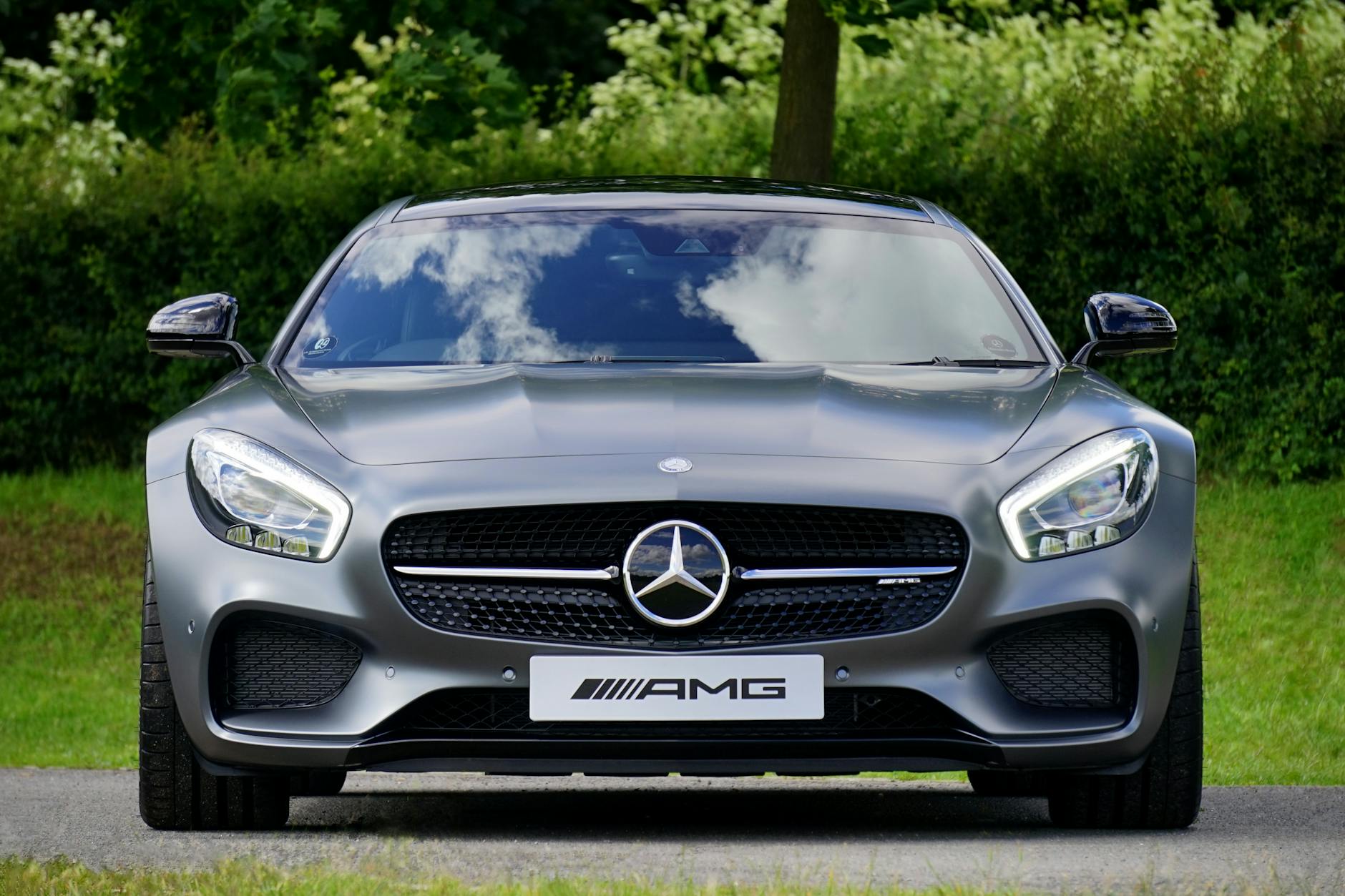
Mercedes-Benz continued its tradition of innovation into the 21st century. The introduction of the AMG line brought high-performance engineering to the forefront, with models like the Mercedes-AMG GT combining track-ready performance with luxury. The design language of modern Mercedes-Benz vehicles, characterized by sleek lines, aerodynamic profiles, and advanced lighting systems, reflects the brand’s commitment to blending form with function.
Beyond cars, Mercedes-Benz’s concept vehicles have offered glimpses into the future of mobility. From the F 015 Luxury in Motion, an autonomous concept car, to the Vision EQS, a fully electric luxury sedan, the brand continues to push the boundaries of automotive design and engineering.
The evolution of the Mercedes-Benz lineup is a testament to the brand’s ability to adapt and innovate while maintaining its core values. Each model embodies the company’s relentless pursuit of perfection, ensuring that Mercedes-Benz remains a global leader in luxury and performance.
Motorsport Excellence: The Role of Mercedes-Benz in Racing History
Motorsport has been an integral part of Mercedes-Benz’s DNA since its inception. The company’s involvement in racing has not only solidified its reputation for performance and reliability but also served as a testing ground for groundbreaking technologies that would later be incorporated into production vehicles.
Mercedes-Benz’s motorsport journey began in 1901 with the Mercedes 35 PS, designed by Wilhelm Maybach. This car dominated the Nice Speed Week, earning the company international recognition. The success of the 35 PS marked the beginning of Mercedes-Benz’s association with high-performance engineering and innovation.
The 1930s were a golden era for Mercedes-Benz in motorsport, with the introduction of the Silver Arrows. These sleek, aerodynamic race cars, named for their unpainted aluminum bodies, became legends on the track. Drivers like Rudolf Caracciola and Hermann Lang achieved numerous victories, including Grand Prix championships, showcasing the technical superiority of Mercedes-Benz engineering.
After a hiatus during World War II, Mercedes-Benz returned to racing in the 1950s with the W196 Formula 1 car. This vehicle, piloted by the legendary Juan Manuel Fangio, dominated the 1954 and 1955 seasons, securing multiple championships. The W196 featured advanced technologies, including fuel injection and streamlined bodywork, that gave it a competitive edge.
The company’s commitment to motorsport extended beyond Formula 1. The 300 SLR, based on the W196, achieved iconic status after Stirling Moss and Denis Jenkinson won the 1955 Mille Miglia in record time. However, tragedy struck that same year at the Le Mans 24 Hours race, leading Mercedes-Benz to withdraw from motorsport for decades.
In the 1990s, Mercedes-Benz made a triumphant return to racing, partnering with Sauber in the World Sports Car Championship and later with McLaren in Formula 1. The McLaren-Mercedes partnership resulted in iconic cars like the MP4/13, which helped Mika Häkkinen secure two world championships in 1998 and 1999.
Today, the Mercedes-AMG Petronas Formula One Team is a dominant force in Formula 1, with Lewis Hamilton and Nico Rosberg securing multiple championships. The team’s success is underpinned by cutting-edge hybrid power units and advanced aerodynamics, showcasing Mercedes-Benz’s engineering prowess.
Motorsport has also influenced the development of high-performance road cars. Models like the Mercedes-AMG One, which incorporates Formula 1 hybrid technology, exemplify the brand’s ability to bridge the gap between the racetrack and the road.
Mercedes-Benz’s legacy in motorsport is a testament to its pursuit of excellence and innovation. The lessons learned on the track have shaped the company’s engineering philosophy, ensuring that every Mercedes-Benz vehicle embodies the spirit of competition and performance.
Environmental Responsibility: Advancements in Green Technology and Sustainability
As global attention shifted toward environmental sustainability in the 21st century, Mercedes-Benz embraced the challenge of reducing its ecological footprint while maintaining its reputation for luxury and innovation. This commitment to green technology has transformed the brand, making it a leader in the transition toward sustainable mobility.
Mercedes-Benz’s journey into environmentally friendly solutions began with its focus on fuel efficiency. In the early 1990s, the company introduced cleaner diesel engines under its BlueTEC technology. These engines utilized advanced emission control systems to reduce nitrogen oxide emissions, meeting stricter environmental standards without compromising performance.
The introduction of hybrid powertrains marked another significant step. Models like the Mercedes-Benz S 400 Hybrid, launched in 2009, combined luxury with improved fuel economy, paving the way for the integration of electrified systems across the lineup. The brand’s dedication to electrification culminated in the creation of the EQ (Electric Intelligence) sub-brand, which focuses entirely on electric vehicles (EVs).
The first flagship EV from the EQ family, the Mercedes-Benz EQC, debuted in 2019, showcasing the company’s vision for an all-electric future. Equipped with a high-capacity lithium-ion battery and cutting-edge driver-assistance systems, the EQC combined sustainability with the brand’s hallmark luxury and performance. This was followed by models like the EQS, an all-electric luxury sedan featuring an aerodynamic design and innovative features such as the MBUX Hyperscreen infotainment system.
Beyond vehicles, Mercedes-Benz has taken steps to ensure sustainability throughout its operations. The company has committed to making its production facilities carbon-neutral by 2039 under its Ambition 2039 initiative. To achieve this, Mercedes-Benz has invested in renewable energy, energy-efficient manufacturing processes, and the development of sustainable materials for its vehicles.
In addition to electrification, Mercedes-Benz has explored hydrogen fuel cell technology. The GLC F-Cell, a hydrogen-electric hybrid SUV, demonstrates the company’s efforts to diversify its portfolio of sustainable solutions. Hydrogen fuel cells offer an alternative to traditional EVs, especially for markets with access to hydrogen refueling infrastructure.
Mercedes-Benz’s dedication to environmental responsibility extends to recycling and resource efficiency. The company designs its vehicles with end-of-life recyclability in mind, ensuring that materials can be reused and waste minimized. Additionally, partnerships with suppliers emphasize the use of sustainably sourced materials and innovative recycling methods.
As the automotive industry moves toward a zero-emission future, Mercedes-Benz remains at the forefront of innovation. By combining advanced technology, luxurious design, and environmental stewardship, the brand is not only adapting to the demands of a changing world but also leading the way in shaping the future of sustainable transportation.
The Global Impact of Mercedes-Benz on the Automotive Industry
Mercedes-Benz’s influence on the global automotive industry is unparalleled. From pioneering technologies to setting new standards for luxury and safety, the brand has consistently shaped the evolution of transportation on a global scale.
One of the most significant ways Mercedes-Benz has impacted the industry is through innovation. Technologies such as the crumple zone, anti-lock braking system (ABS), and electronic stability program (ESP) have become standard features in modern vehicles, thanks to Mercedes-Benz’s commitment to safety and engineering excellence. These advancements have not only saved countless lives but also set benchmarks for other automakers to follow.
Mercedes-Benz has also redefined luxury in the automotive world. The brand’s flagship S-Class, often referred to as the “best car in the world,†serves as a platform for debuting new technologies and design elements that later trickle down to other vehicle segments. Features like advanced infotainment systems, autonomous driving aids, and plush interiors have become synonymous with the Mercedes-Benz name, influencing competitors to elevate their offerings.
The company’s contributions to motorsport have further cemented its legacy. Success in racing has enhanced the brand’s reputation for performance and innovation, inspiring a culture of excellence that permeates its road cars. The development of hybrid technologies in Formula 1, for example, has had a direct impact on the creation of efficient and powerful engines for production vehicles.
Beyond technology and luxury, Mercedes-Benz has also played a crucial role in globalizing the automotive industry. The brand’s presence spans more than 130 countries, with manufacturing plants strategically located around the world. This global reach has allowed Mercedes-Benz to cater to diverse markets, offering tailored solutions that meet local needs while maintaining its signature quality.
Furthermore, the brand has been a leader in addressing environmental challenges, pushing for sustainability and innovation in response to climate change. Mercedes-Benz’s investment in electric and hydrogen-powered vehicles has set a precedent for the industry, encouraging other manufacturers to adopt cleaner technologies.
Mercedes-Benz’s influence extends beyond the automotive sector. The brand’s iconic status has made it a cultural symbol, representing success, prestige, and aspiration. From its appearance in films and music videos to its association with world leaders and celebrities, Mercedes-Benz has become a part of global culture, inspiring generations of consumers.
In sum, Mercedes-Benz’s contributions to the automotive industry are multifaceted, spanning safety, innovation, sustainability, and cultural impact. Its commitment to excellence and forward-thinking approach ensures that the brand will continue to shape the future of transportation, influencing the industry for years to come.
Conclusion
Mercedes-Benz’s legacy is a testament to the transformative power of innovation and vision. From its inception as a pioneer of the automobile to its role as a global leader in luxury, safety, and sustainability, the brand has consistently pushed the boundaries of what is possible.
Through groundbreaking technologies such as the crumple zone, ABS, and electrification, Mercedes-Benz has not only redefined the automotive landscape but also set industry benchmarks. Its commitment to excellence extends beyond vehicles, influencing global sustainability practices and cultural perceptions of luxury and performance.
As the world moves toward a future of autonomous driving and zero-emission vehicles, Mercedes-Benz remains at the forefront, blending tradition with innovation. Its storied history and ongoing contributions ensure that it will continue to shape the industry, inspiring future generations to strive for excellence and sustainability in the pursuit of progress.








[…] did Mercedes build the CLK GTR? Simple: they wanted to win the FIA GT Championship and show the world they could out-engineer Porsche and […]